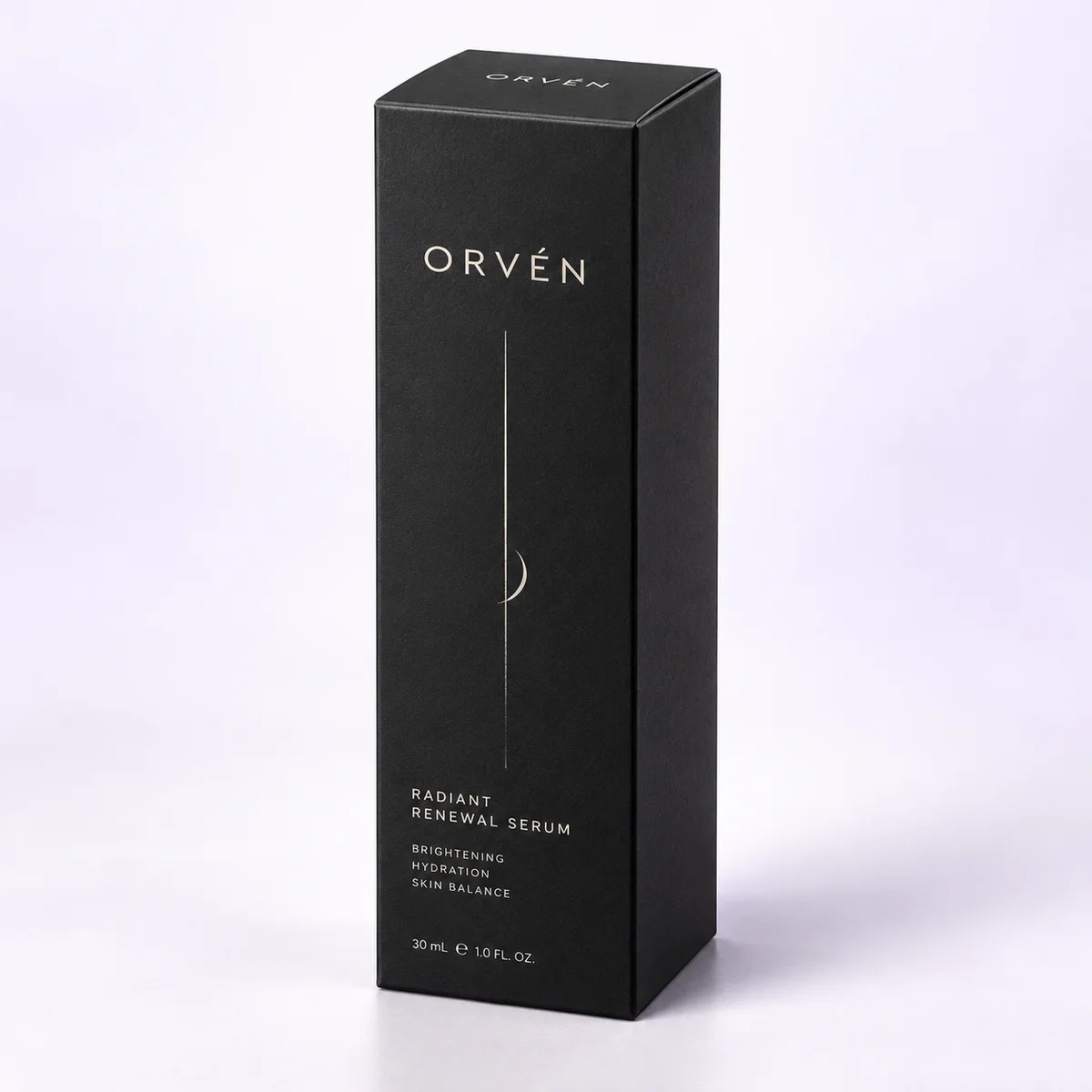
Refined Black Finish
★★★★★
4.9/5.0Custom Black Tuck Boxes
Give serums, fragrances, and small retail products a crisp black shelf presentation, with custom-sized tuck closures and finishes designed around everyday handling.
Premium Quality
Fully Customizable
Low MOQ
Fast Turnaround
100% Eco-Friendly
Sustainable materials
Free Shipping
On every order
No Die & Plate Charges
Zero hidden costs
100% Satisfaction
Quality guaranteed
Expert Support
We're here to help
Design Varieties
Explore a variety of black tuck boxes
Pick from a wide range of black tuck boxes for your premium products
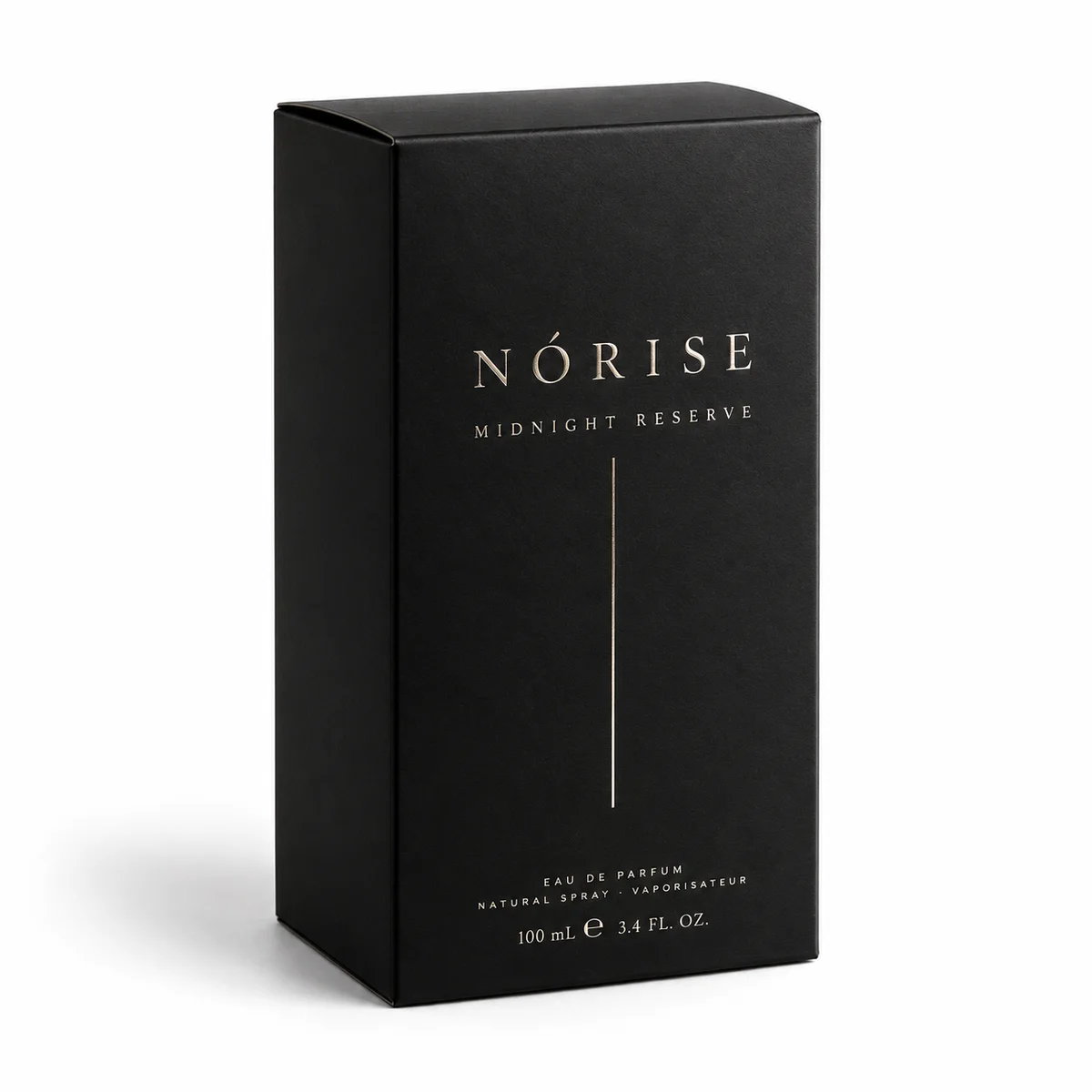
Foil Accent Carton
A closed black tuck-end carton with a flat front panel and crisp folds for foil artwork.
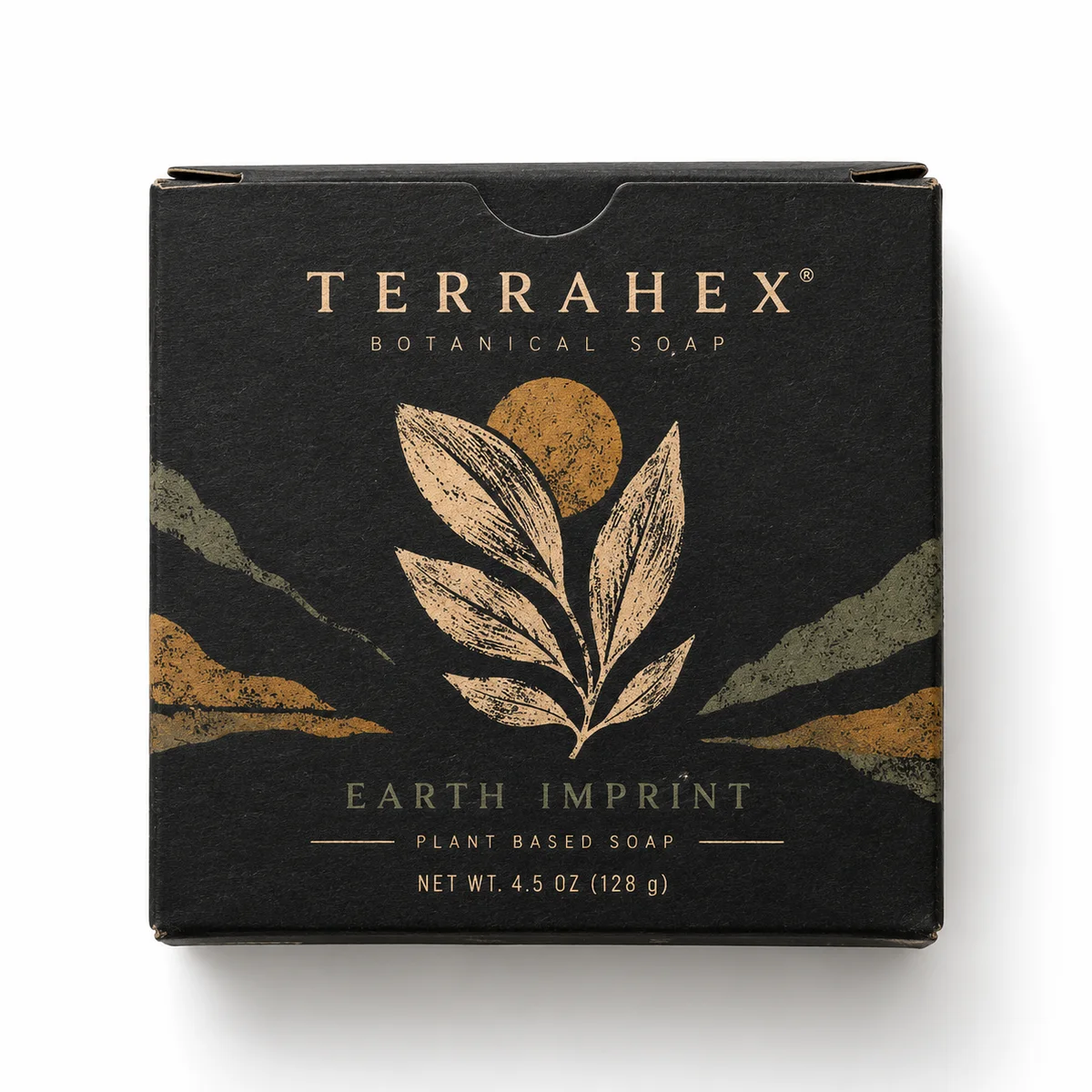
Botanical Soap Carton
A folded black soap carton with a broad art panel and tucked ends for a compact retail fit.
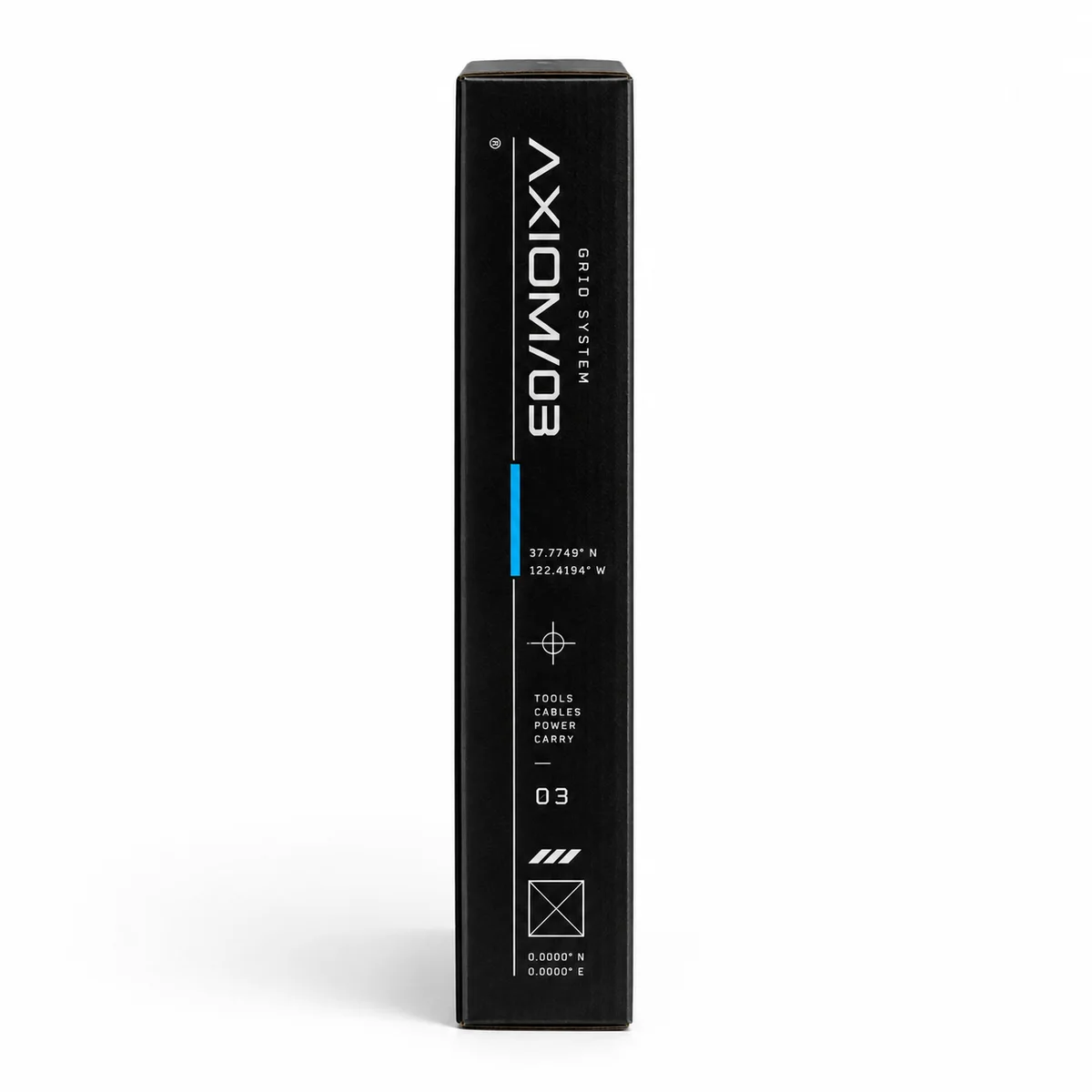
Slim Side Panel Carton
A narrow black folding carton shown from the side, with a long panel and clean tucked edges.
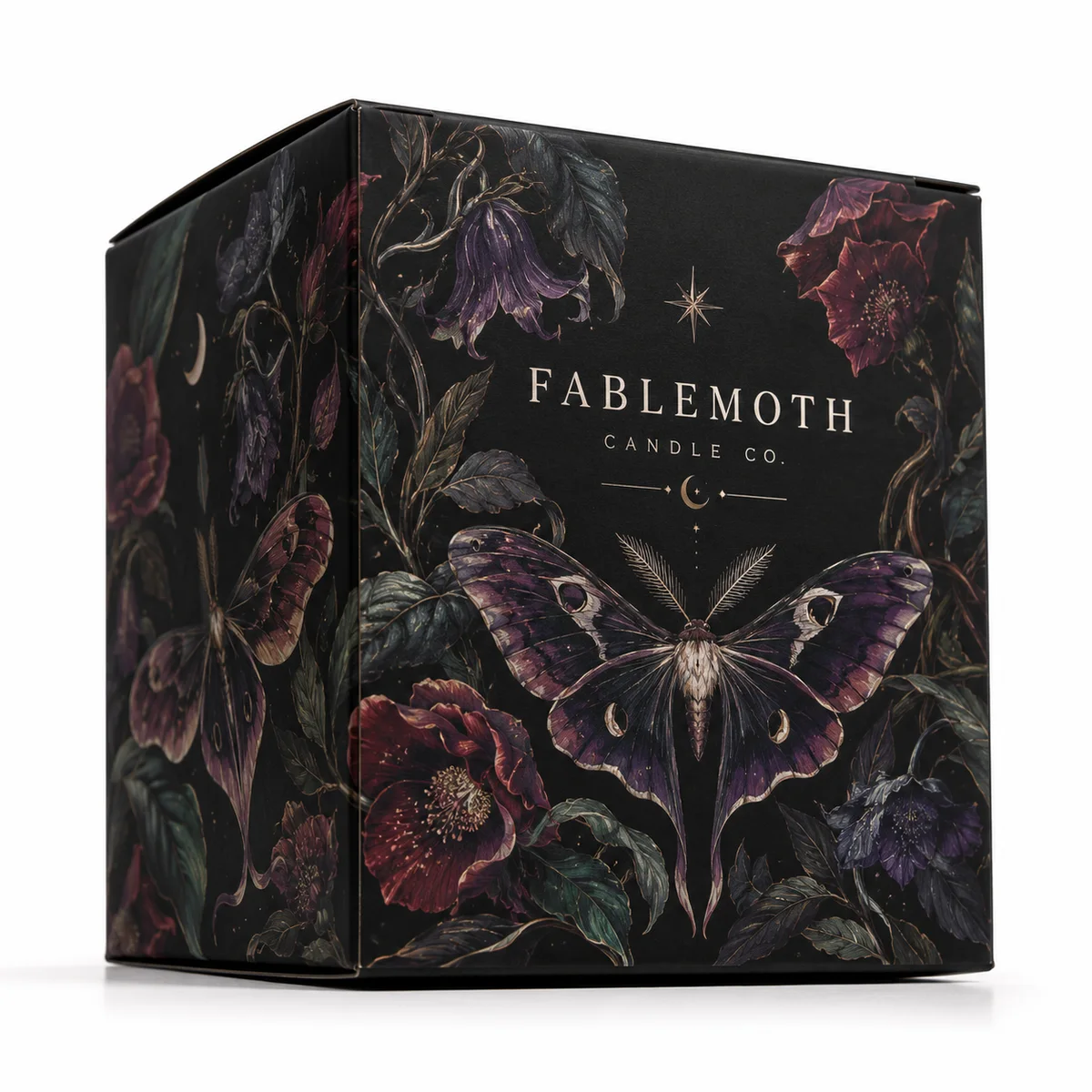
Illustrated Candle Carton
A closed tuck-end candle carton with flat print panels and scored folds for a neat closure.
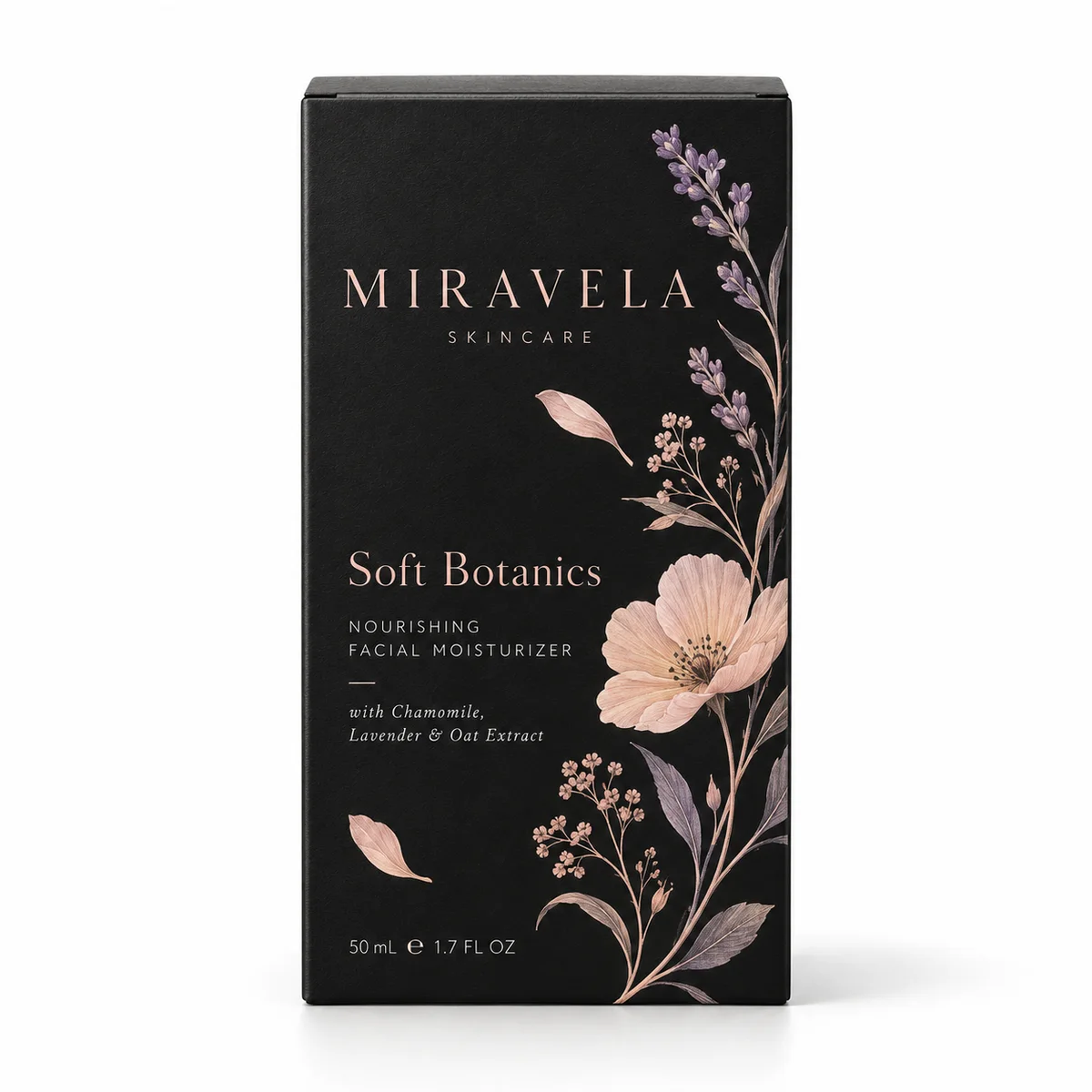
Front Display Carton
A straight-on black folding carton with a clean front face and a folded top tuck closure.
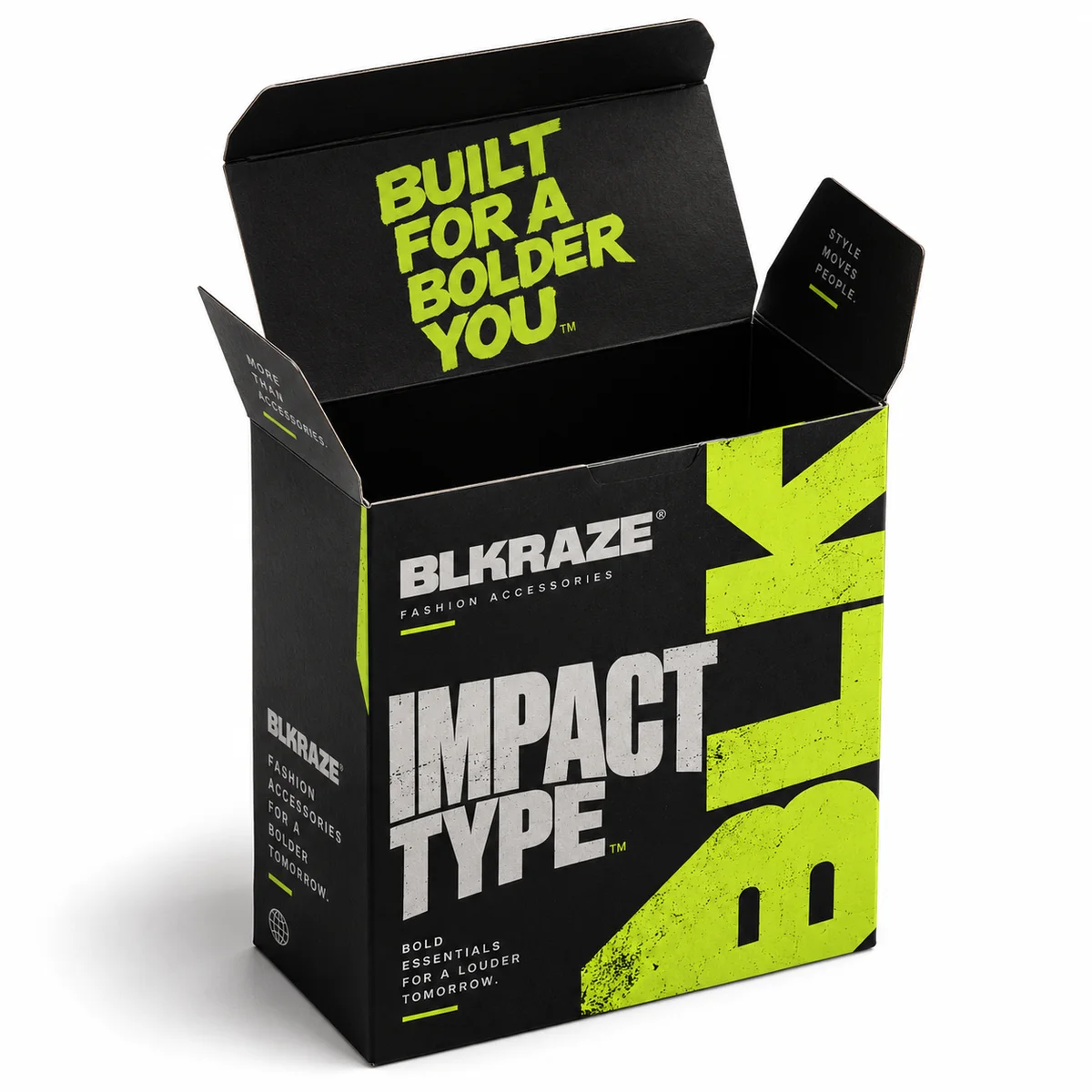
Printed Inner Flap
An open tuck-end carton with a hinged top flap and inside printing visible at the opening.
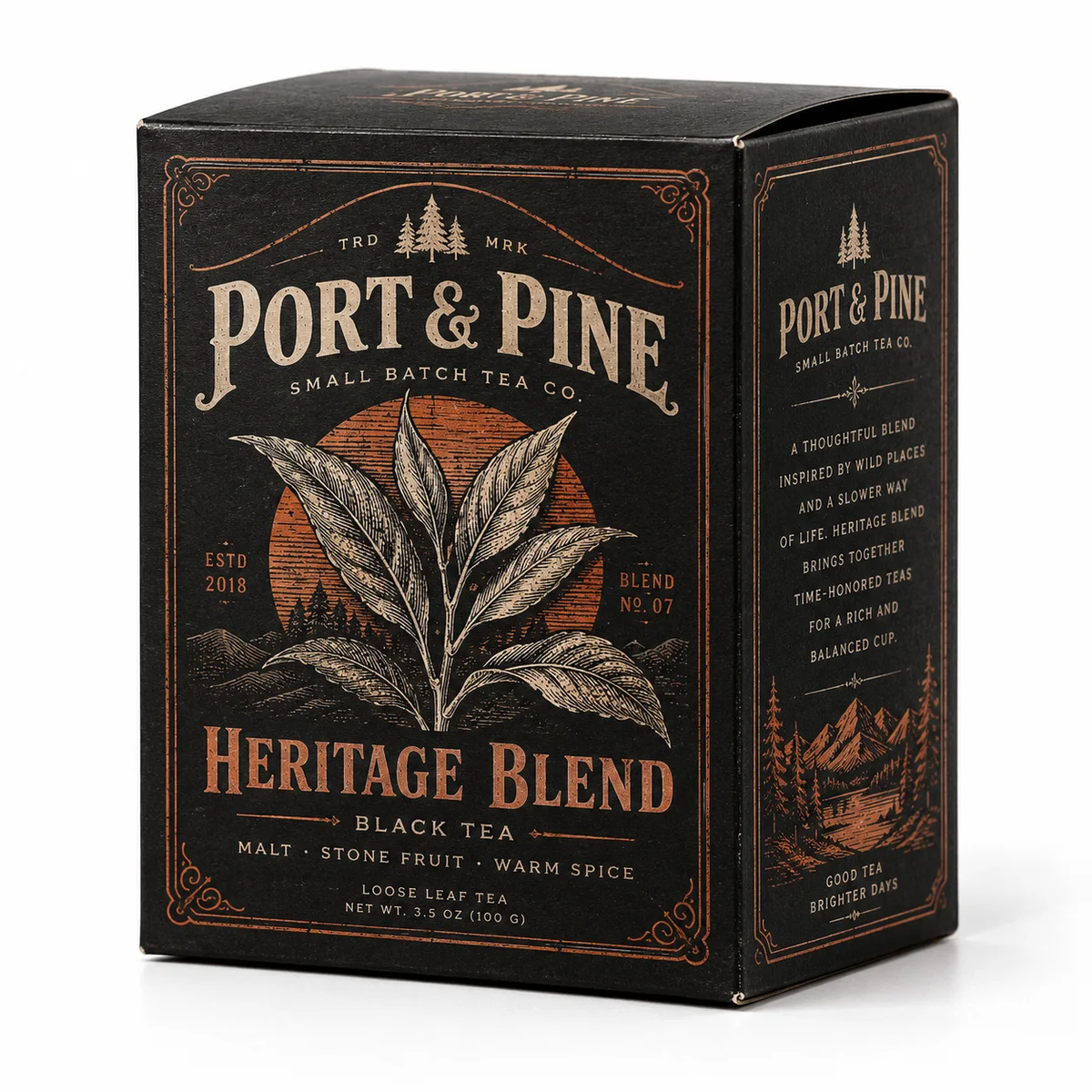
Heritage Tea Carton
A closed black tuck box with a wide front print panel and folded ends for light tea goods.
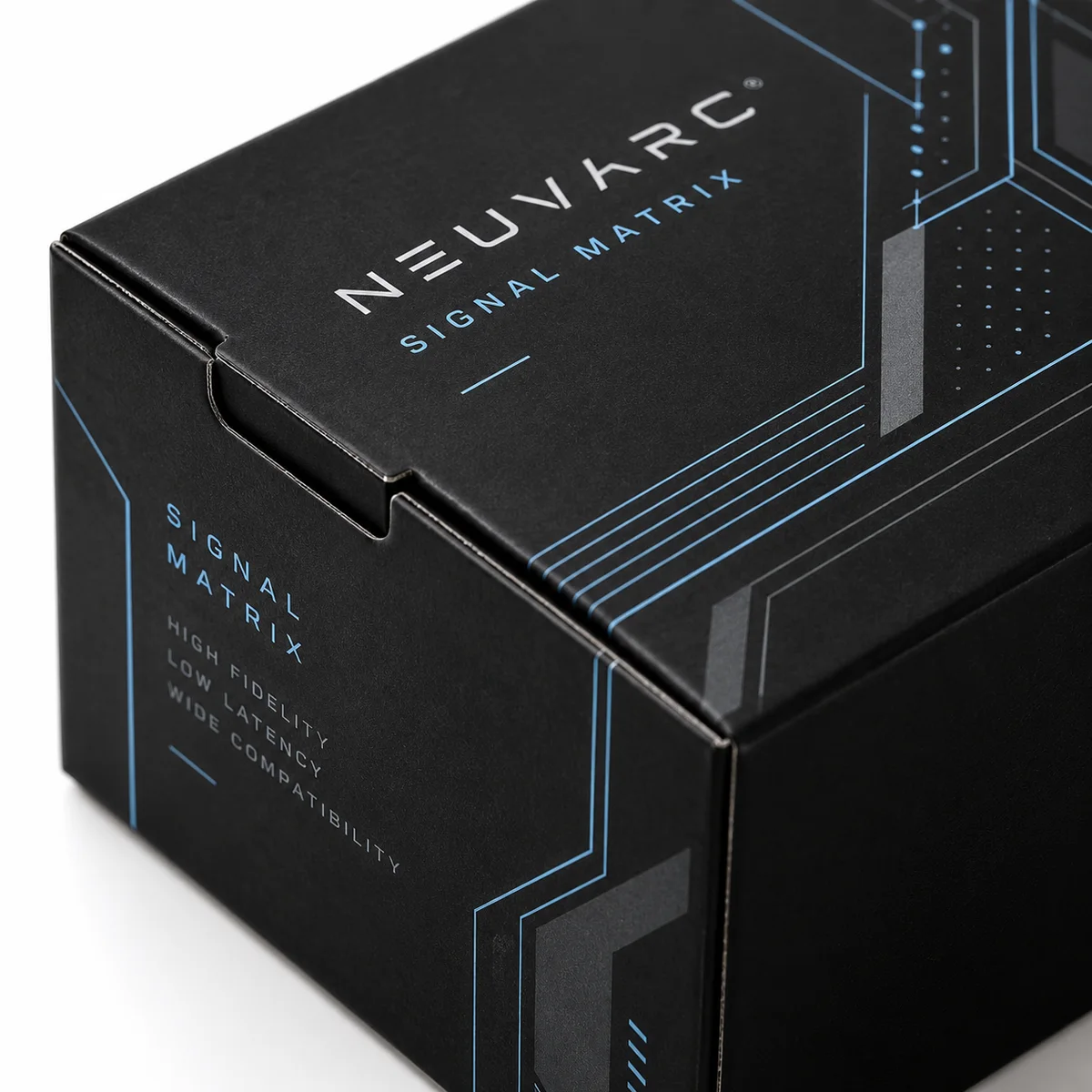
Tuck Closure Detail
A close view of the folded top tuck flap and adjoining side panels on a black retail carton.
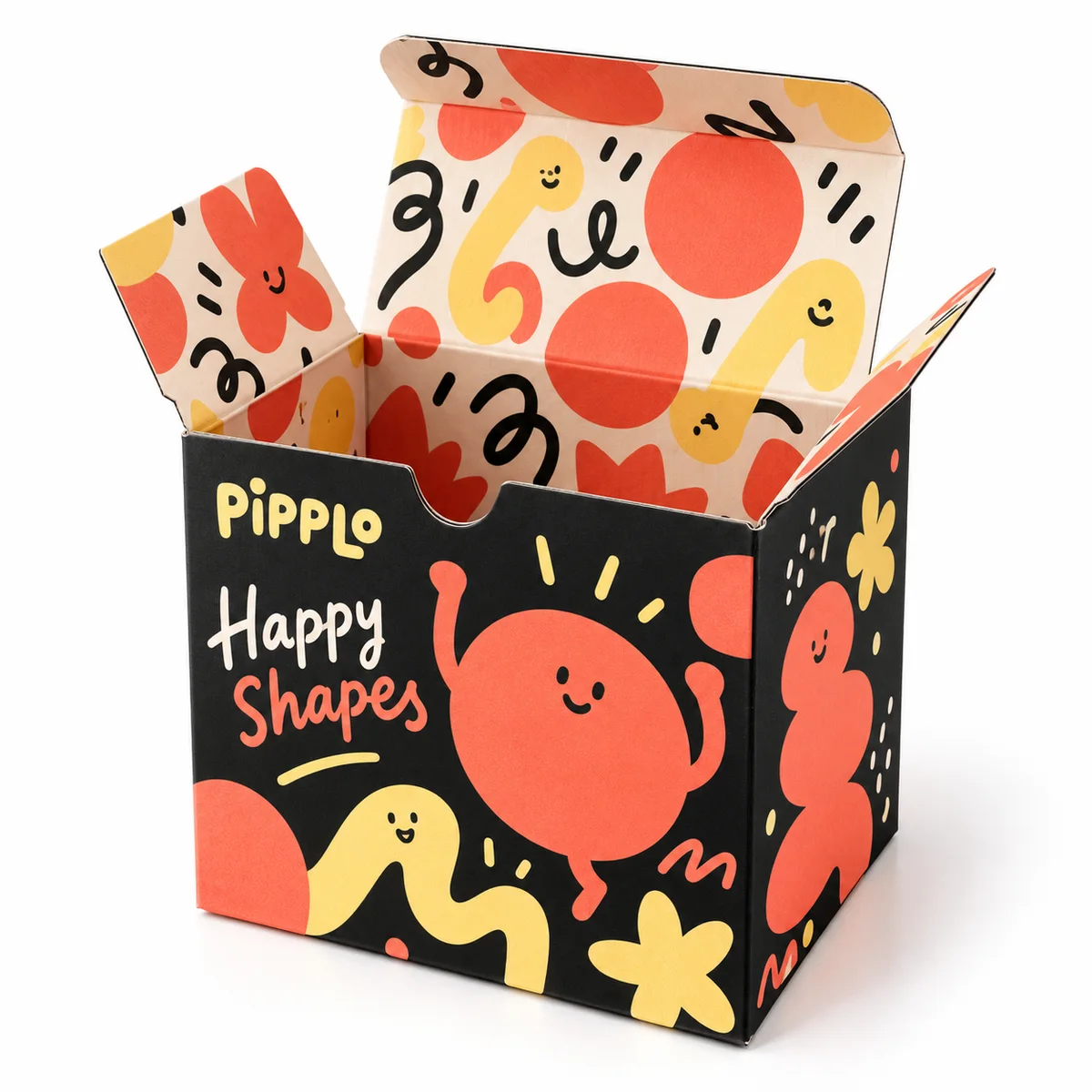
Printed Interior Carton
An opened black tuck carton with a top flap and printed inside panels for a bright unboxing.
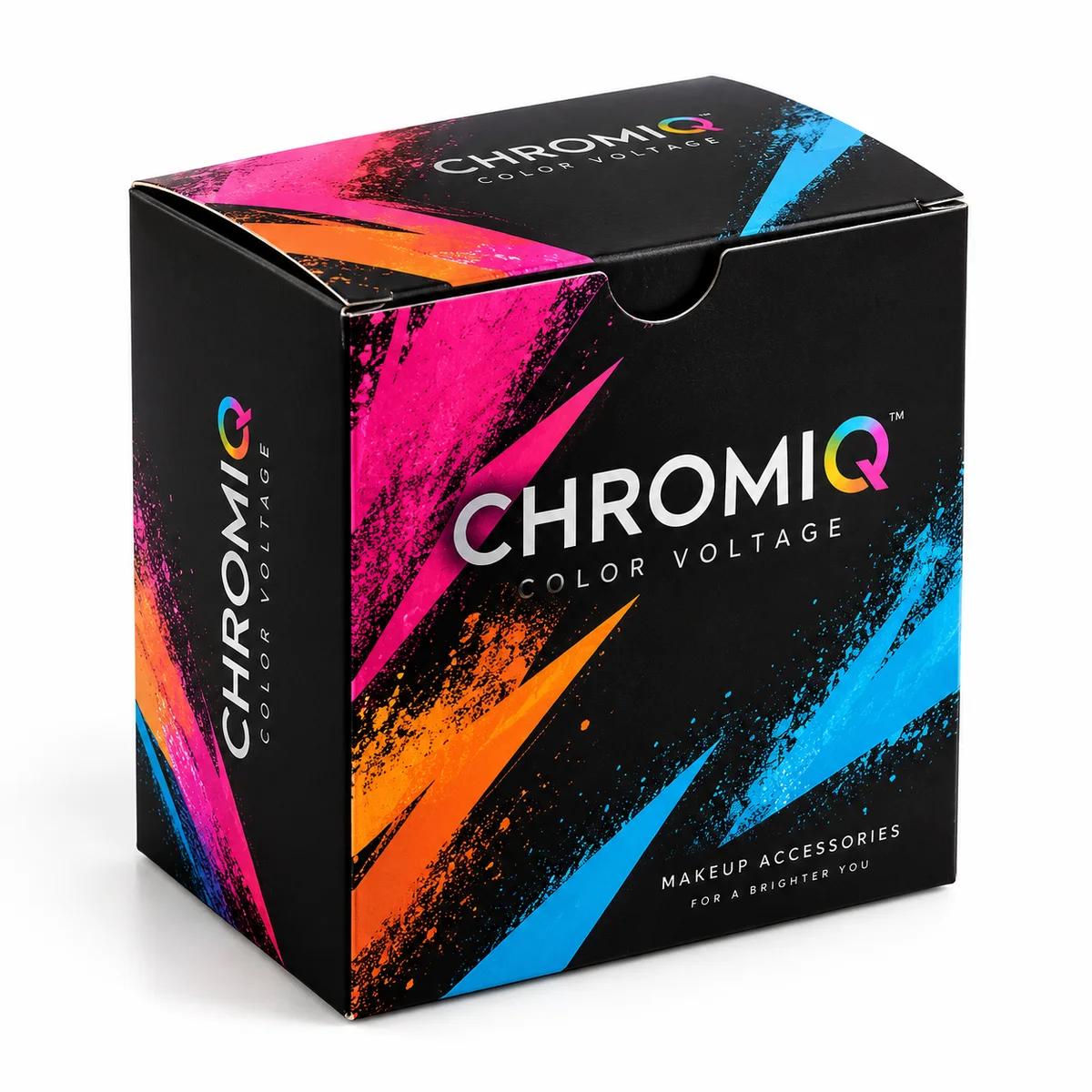
Color Wrap Carton
A black folding carton with diagonal artwork wrapping across the top tuck and side panels.
Can't find the perfect style?
Create a completely custom box design tailored to your brand.
Designed for Various Industries
We design packaging that fits every industry
From small businesses to global brands, our custom packaging solutions are built to elevate your brand and leave a lasting impression.
Cosmetics & Beauty
Food & Beverages
E-commerce & Retail
Electronics
Apparel & Fashion
Health & Wellness
Pharmaceuticals
Cannabis & CBD
Pet Products
Baby & Kids
Jewelry & Accessories
Home & Lifestyle
Candles & Fragrance
Coffee & Tea
Confectionery
Cosmetics & Beauty
Food & Beverages
E-commerce & Retail
Electronics
Apparel & Fashion
Health & Wellness
Pharmaceuticals
Cannabis & CBD
Pet Products
Baby & Kids
Jewelry & Accessories
Home & Lifestyle
Candles & Fragrance
Coffee & Tea
Confectionery
Supplements
Skincare & Personal Care
Haircare
Automotive
Sports & Fitness
Toys & Games
Stationery & Gifts
Bakery & Desserts
Wine & Spirits
Tobacco & Vape
Medical Devices
Tech Accessories
Subscription Boxes
Organic & Natural
Luxury Retail
Supplements
Skincare & Personal Care
Haircare
Automotive
Sports & Fitness
Toys & Games
Stationery & Gifts
Bakery & Desserts
Wine & Spirits
Tobacco & Vape
Medical Devices
Tech Accessories
Subscription Boxes
Organic & Natural
Luxury Retail
Built for brands
that care about detail.
Premium packaging. Precise printing.
Fast turnaround. No hidden costs.
10K+
Happy Customers
98%
Satisfaction Rate
Trusted by Top Brands
We work with startups to enterprises. Our boxes make an impact.
Free Design Support
Get expert help in creating the perfect packaging for your brand.
Warehouse Across USA
Faster fulfilment with local production and warehouses.
Print & Design Lovers
Crafted with passion, just the way your brand deserves.
Custom Black Tuck Boxes with Clean Folds and Sharp Retail Detail
A black folding carton puts every detail in view: the logo, the tuck flap, and even the line where the board bends. Packopie’s custom black tuck boxes are planned around both the look on the shelf and the way each carton folds, fills, and closes.
Black Tuck Boxes That Give Small Products a Clear Shelf Presence
Deep black creates a quiet backdrop for a white logo, a bright color mark, or fine metallic lettering. It suits a slim serum carton as well as a wider fragrance or accessory pack.
These black retail packaging boxes are made to order, so panel proportions follow the item inside. Their form also sits naturally beside other custom retail boxes used for branded shelf display.
A tall bottle may need a narrow face and enough depth for its dropper cap. A compact cosmetic item may benefit from a wider front for clear product details. Color, type, and logo placement can stay consistent while the cartons change size.
Straight and Reverse Tuck Closures for Different Packing Needs
The top and bottom flaps determine how a tuck box opens. Both common formats use a die-cut paperboard blank, dust flaps, and a side glue seam. The carton can arrive flat, then be opened into shape for filling. The end flaps tuck into place without sealing them with glue.
With custom straight tuck end boxes, the main end flaps close in the same direction. This layout can support a clean front-facing panel, useful when a logo or product illustration needs uninterrupted space.
Custom reverse tuck end boxes use top and bottom flaps that close in opposing directions. Their blank layout may use board efficiently for some sizes and print runs.
For tall bottles, consider which end staff will open during filling. The broader family of custom tuck boxes gives brands several ways to balance folding, display, and handling.
Black Paperboard Choices That Affect Every Visible Edge
Two cartons may look equally black from the front but look different after they are opened. One may use black ink over white solid bleached sulfate (SBS) paperboard. Another may use black-colored specialty board. Cut edges, inner panels, and creases can reveal the difference.
SBS board offers a smooth printing surface for detailed artwork. Black specialty board may create a dark appearance through more of the material, depending on the grade. Its surface can also change how white ink and full-color printing appear. The print method must match the selected substrate.
Board caliper means thickness. A thicker sheet may feel more rigid, but it also changes the crease setup and available space inside the finished box.
Material choice needs to reflect product weight, carton dimensions, and how the package will be packed. Packopie can review these variables as part of a custom packaging specification, with final combinations subject to production checks.
Crisp Logos and Finishes Against a Matte Black Surface
White lettering, warm ivory graphics, and selective color accents can stand out against matte black. Foil stamping adds metallic detail, spot UV makes selected areas glossy, and embossing creates raised artwork.
On a white board printed black, a printer can leave suitable areas unprinted or use the chosen print sequence to make light details. On dark-colored board, opaque white ink or another suitable decoration method may be needed for a clear result.
Gloss and soft-touch lamination offer different surface feels. A logo that looks bright on a screen may appear different on real paperboard.
Review contrast, fine text, barcode areas, and the exact print method on an appropriate sample. Specialty effects should be selected together, not assumed compatible with every board and coating.
Stronger-Looking Folds Start with the Correct Score
Black packaging makes crease whitening easy to notice. When a printed or coated surface bends, a pale line can appear along the score. It may come from exposed fibers, damaged ink, or a stressed coating.
Scoring creates a controlled bend in the board. The result depends on board thickness, grain direction, crease shape, ink coverage, and finishing layers.
Simply choosing thicker board does not guarantee a cleaner result. The safest approach is to assess a printed, folded sample using materials close to those intended for production.
Surface rub marks deserve similar care. Matte black may show fingerprints or polished-looking patches after repeated handling. Coating or lamination can change wear resistance, but no finish should be described as scratch-proof without testing.
That is why folds and finish are practical buying decisions, not only design details.
Custom Sizing for Serums, Fragrances, and Accessories
A 30 mL glass serum bottle and a small makeup accessory do not need the same interior space. Bottle shoulders, dropper caps, pump heads, and fragile parts can determine carton depth.
Measure the widest and tallest points of the product, then allow suitable clearance for loading and removal.
An insert may help keep a glass bottle from shifting. Soap and compact fragrance products can use shallow or upright formats according to how they will be displayed.
These applications overlap with other custom product boxes, but a tuck-end carton is best chosen with the item's weight and handling in mind.
A black folding carton is usually the consumer-facing pack, not a complete parcel shipping solution. Products going through delivery networks may need an outer mailer or shipping carton and additional cushioning.
Custom Black Tuck Box Quotes Based on Real Specifications
Useful pricing starts with the finished inside dimensions, intended contents, approximate order quantity, closure style, board preference, and print artwork.
A brand considering black tuck boxes wholesale can also ask how multiple artwork versions affect production setup and unit pricing.
Print-ready files should follow an approved dieline showing cut paths, folds, glue areas, and safe text zones. Physical samples may be useful for checking how the flaps close, whether the product fits, and how the black finish looks after folding.
With these details in hand, Packopie can prepare a more useful custom quote for the requested size, materials, finish, and quantity. The aim is a black tuck carton that looks composed on the shelf and makes sense at the packing table.
Frequently Asked Questions
Yes, with the correct print setup. White areas can be reserved on black-printed white board. Naturally black paperboard may need opaque white ink or foil. A printed sample helps confirm contrast and readability.
White lines can appear when the board, ink, or coating is stressed during folding. This is called crease whitening. Correct scoring, suitable board grain, and testing the selected finish help reduce the risk.
Straight tuck boxes have top and bottom flaps that fold in the same direction, making them useful for a clean front display. Reverse tuck boxes use opposing flap directions and can be efficient to produce. Both work with black retail packaging.
The inside dimensions should account for the bottle, cap, and any protective components. A fitted paperboard insert can provide added support, especially for tall dropper bottles or fragile glass containers.
Some matte black surfaces reveal rub marks, fingerprints, or changes in shine more readily than lighter packaging. Finish choice matters. A sample with the intended coating or lamination helps assess handling performance before production.
These cartons work primarily as retail product packaging. For parcel delivery, a suitable outer shipping box or mailer generally provides additional protection against crushing, impacts, and movement in transit.
More Solutions
You May Also Like
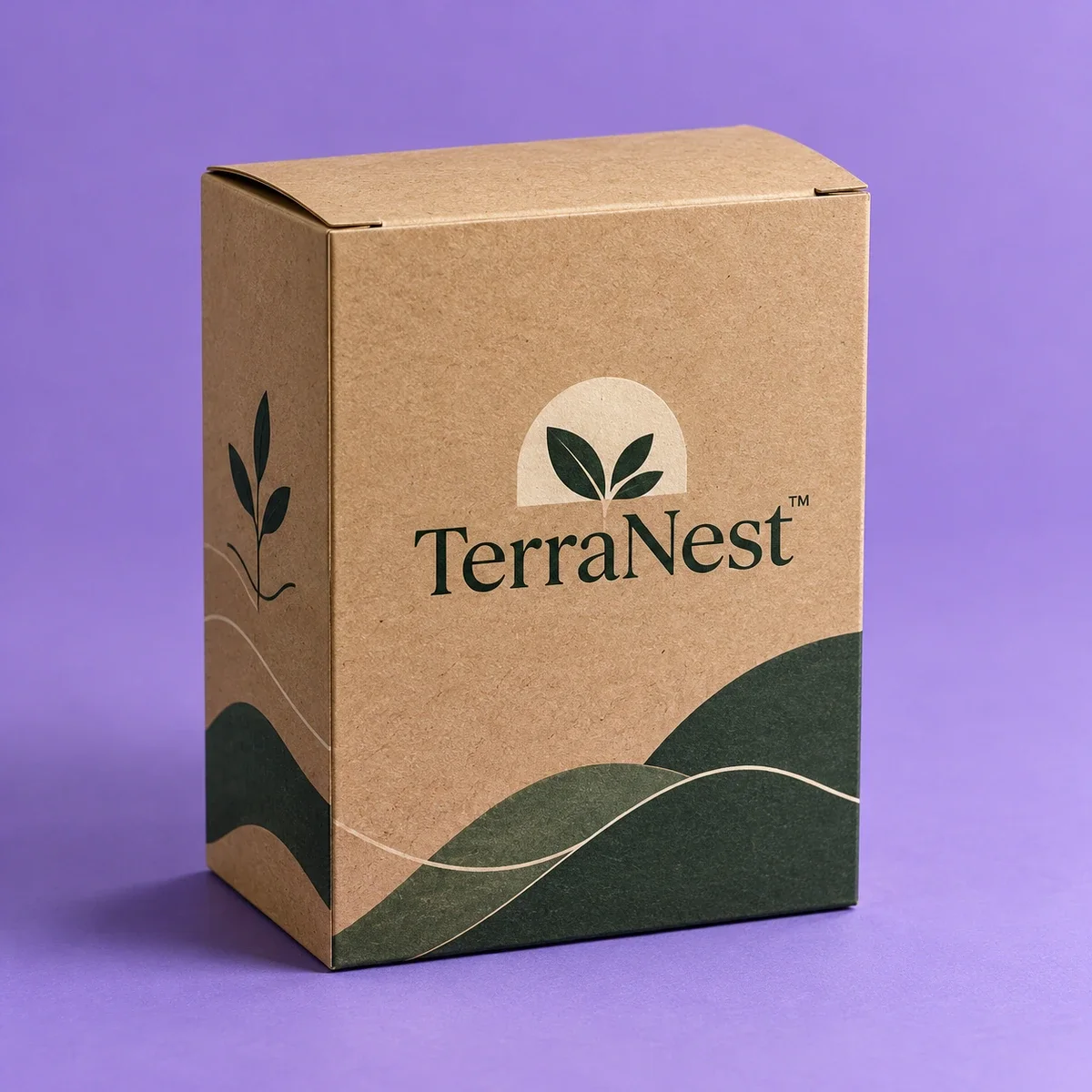
Custom Kraft Tuck Top Boxes
For balm jars, soaps, and small gift sets, a folding kraft carton keeps the front panel tidy while the top flap slips into place without a separate lid.
View product →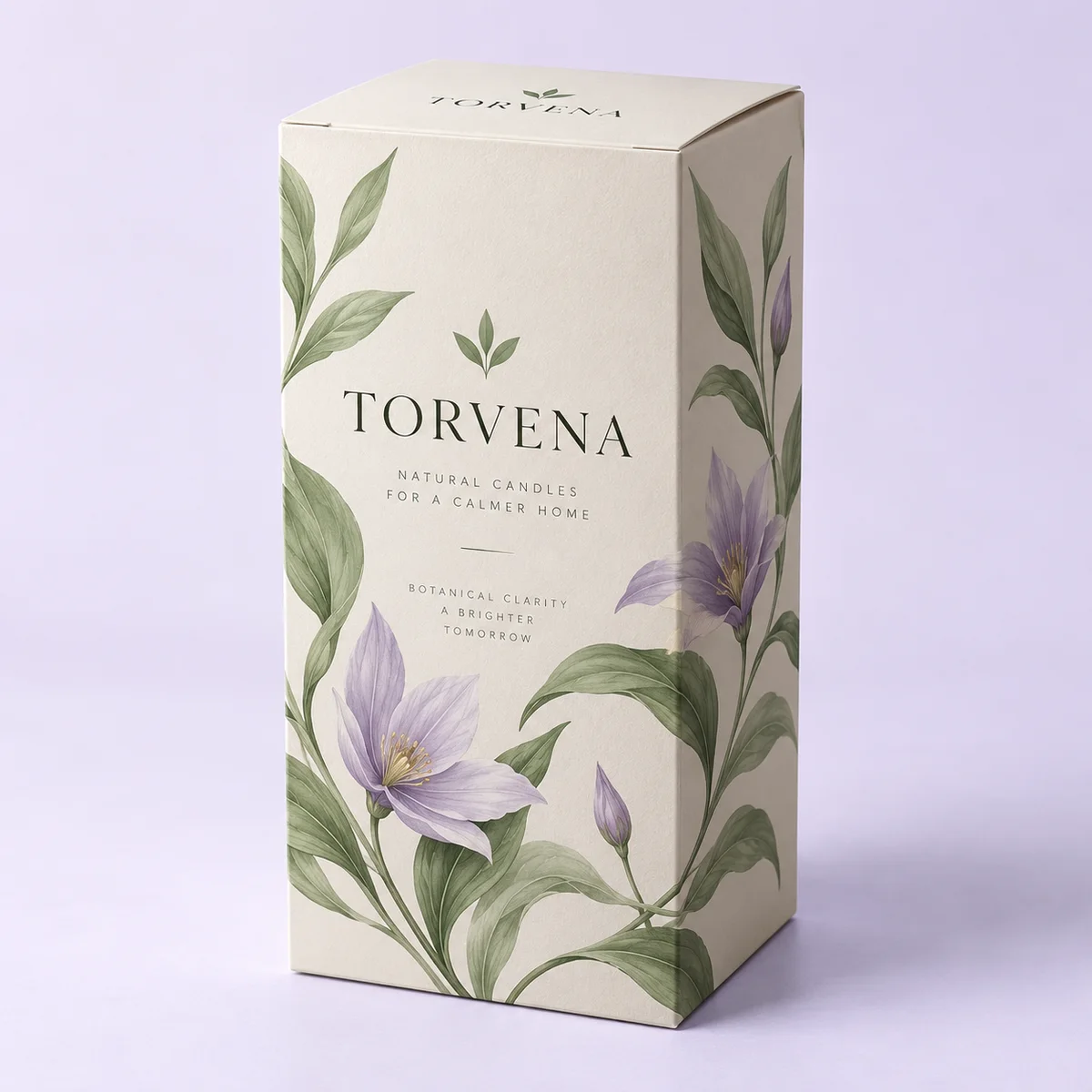
Custom Auto Lock Boxes
Pre-glued bottoms spring into shape as each carton opens, reducing manual folding at the packing table for jars, candles, and other retail goods.
View product →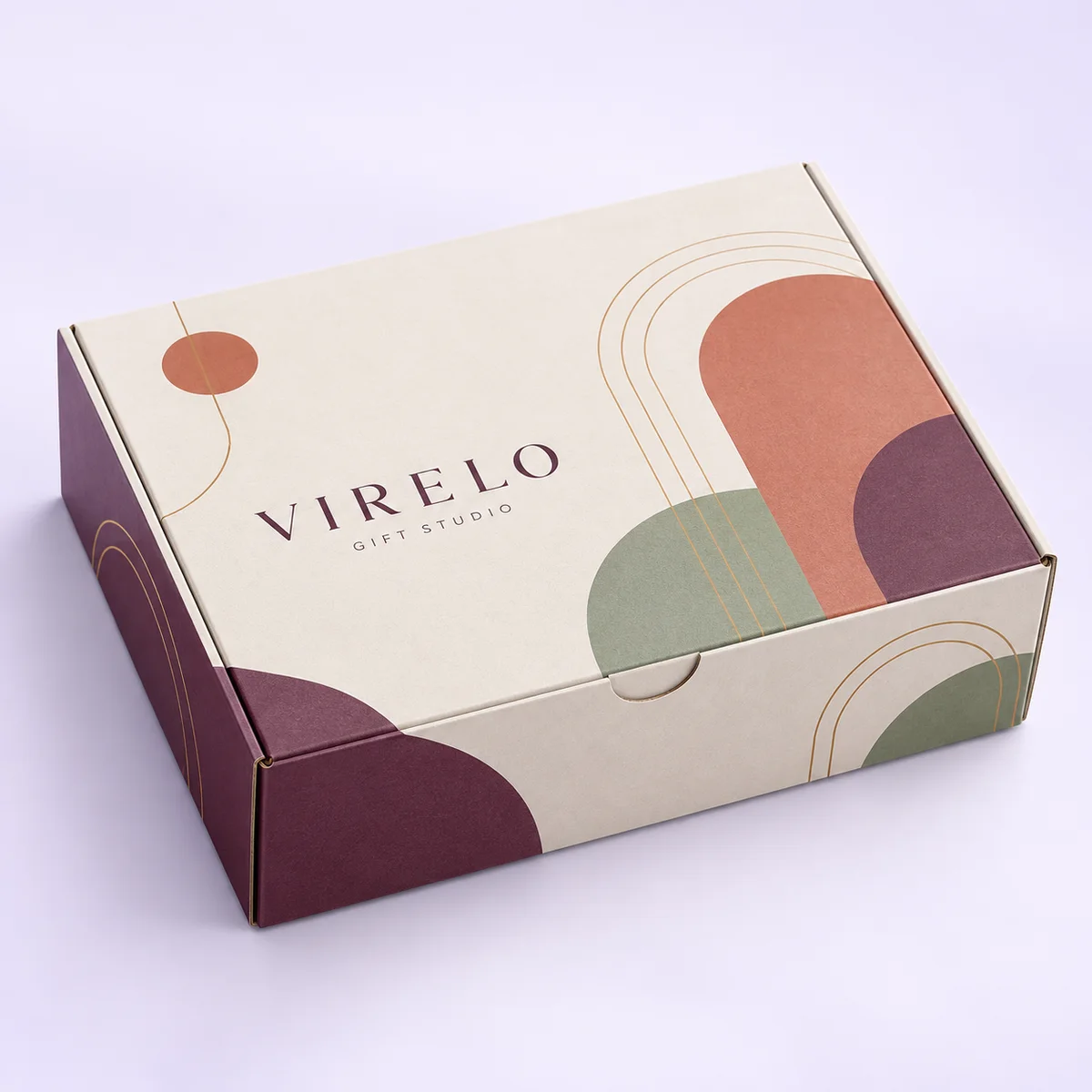
Custom Tuck Top Gift Boxes
A fold-over lid and tuck-in flap keep gift sets neatly enclosed, with custom sizing, printed panels, and room for a fitted insert.
View product →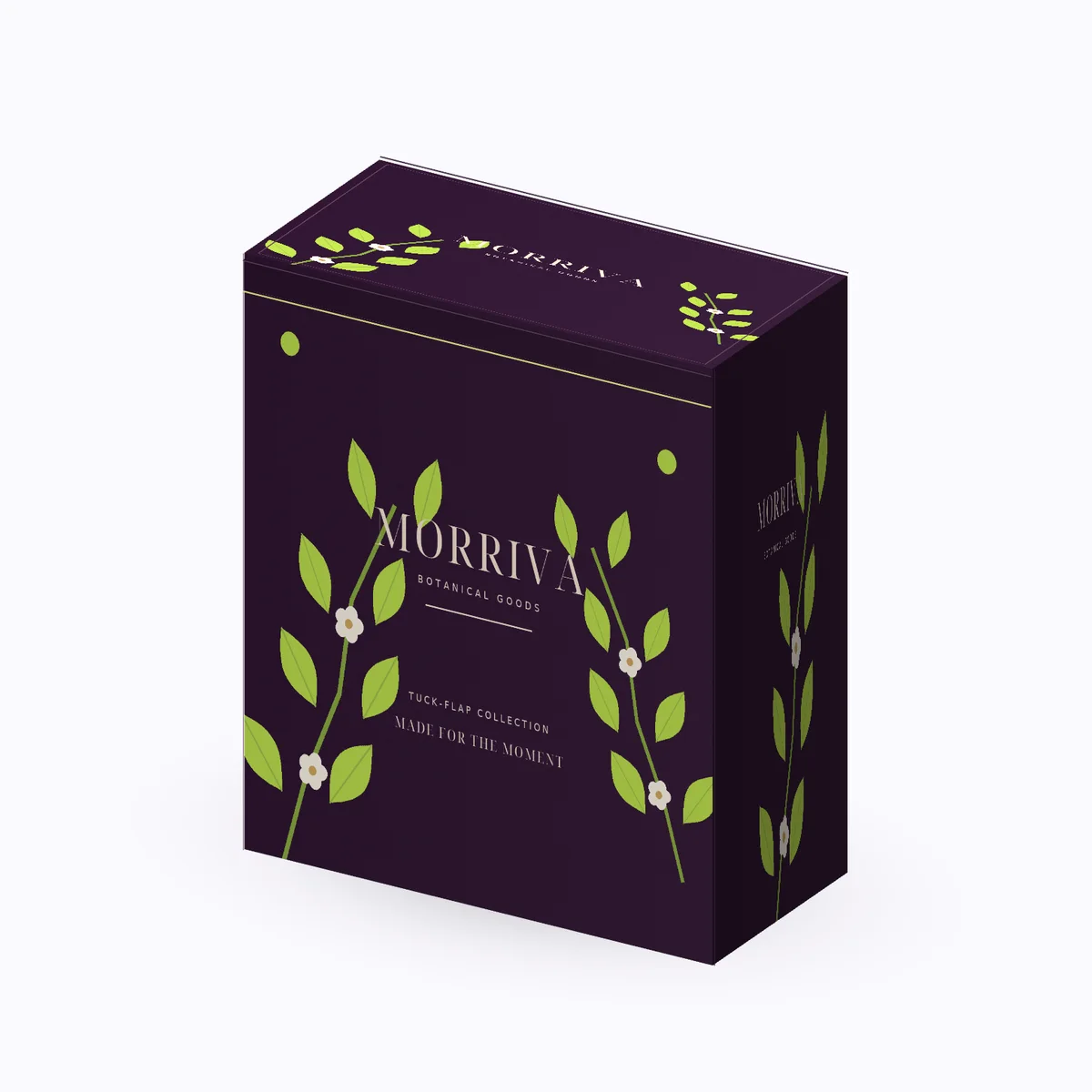
Custom Tuck Flap Boxes
When a tuck flap presses against the product inside, the carton may not close neatly. Plan the box around the filled item, its closure, and the front panel.
View product →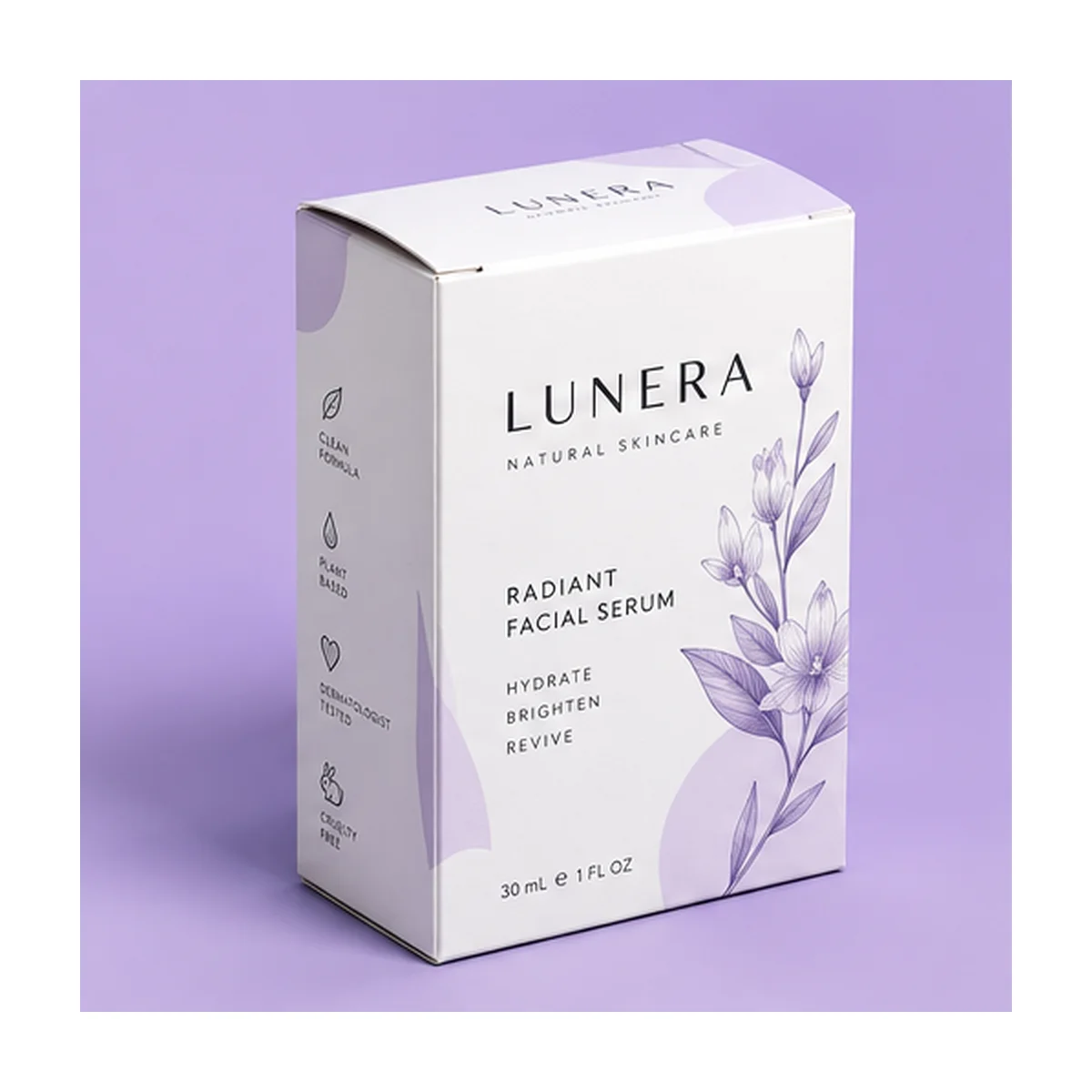
Custom White Tuck Top Boxes
White print panels keep small products easy to read on a retail shelf. A tuck-in top closes the carton neatly; choose the bottom style for the filled weight.
View product →Custom Kraft Tuck Top Boxes
For balm jars, soaps, and small gift sets, a folding kraft carton keeps the front panel tidy while the top flap slips into place without a separate lid.
View product →Custom Auto Lock Boxes
Pre-glued bottoms spring into shape as each carton opens, reducing manual folding at the packing table for jars, candles, and other retail goods.
View product →Custom Tuck Top Gift Boxes
A fold-over lid and tuck-in flap keep gift sets neatly enclosed, with custom sizing, printed panels, and room for a fitted insert.
View product →Custom Tuck Flap Boxes
When a tuck flap presses against the product inside, the carton may not close neatly. Plan the box around the filled item, its closure, and the front panel.
View product →Custom White Tuck Top Boxes
White print panels keep small products easy to read on a retail shelf. A tuck-in top closes the carton neatly; choose the bottom style for the filled weight.
View product →✦ Upgrade Today
Ready to Upgrade Your Brand Packaging?
Get custom templates matching your custom dimensions. Instant 3D digital proof samples returned in hours.