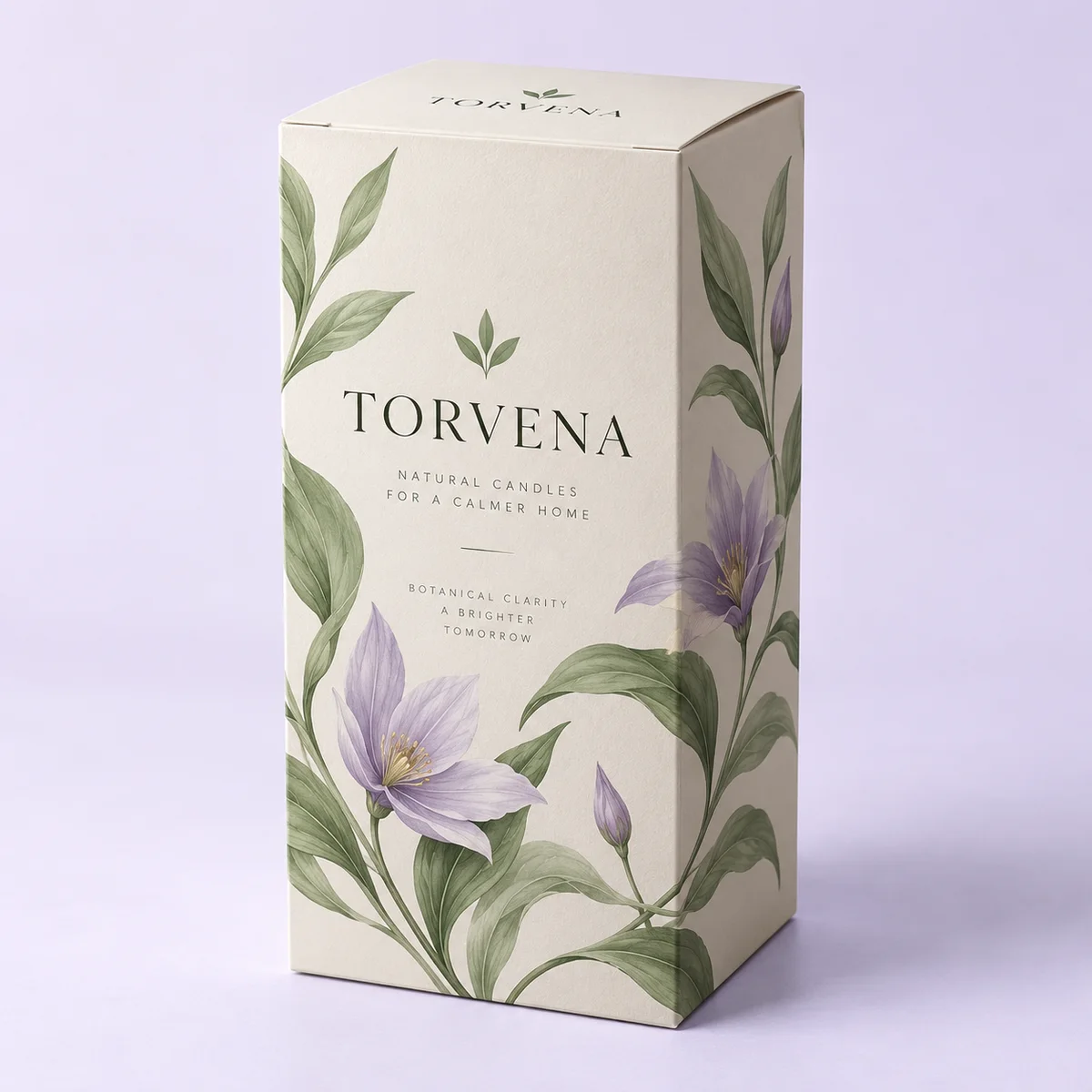
Faster Box Setup
★★★★★
4.6/5.0Custom Auto Lock Boxes
Pre-glued bottoms spring into shape as each carton opens, reducing manual folding at the packing table for jars, candles, and other retail goods.
Premium Quality
Fully Customizable
Low MOQ
Fast Turnaround
100% Eco-Friendly
Sustainable materials
Free Shipping
On every order
No Die & Plate Charges
Zero hidden costs
100% Satisfaction
Quality guaranteed
Expert Support
We're here to help
Design Varieties
Auto-Lock Carton Styles for Different Retail Products
Explore ten distinct carton proportions, closure details and printed presentations built around the same automatic-bottom packaging concept.
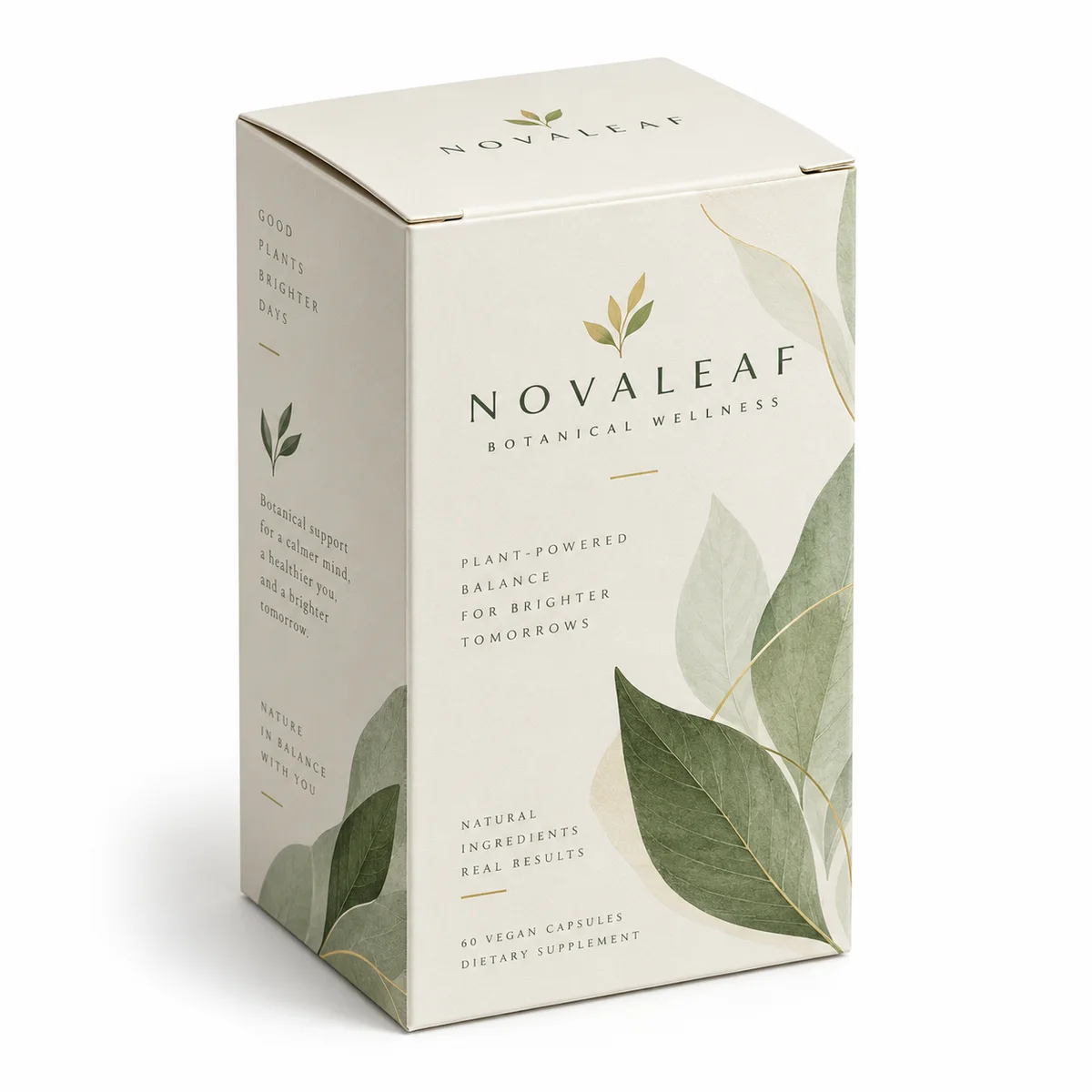
Upright Tuck Carton
A tall folding carton with a flat tuck-top lid and straight side walls for retail packing.
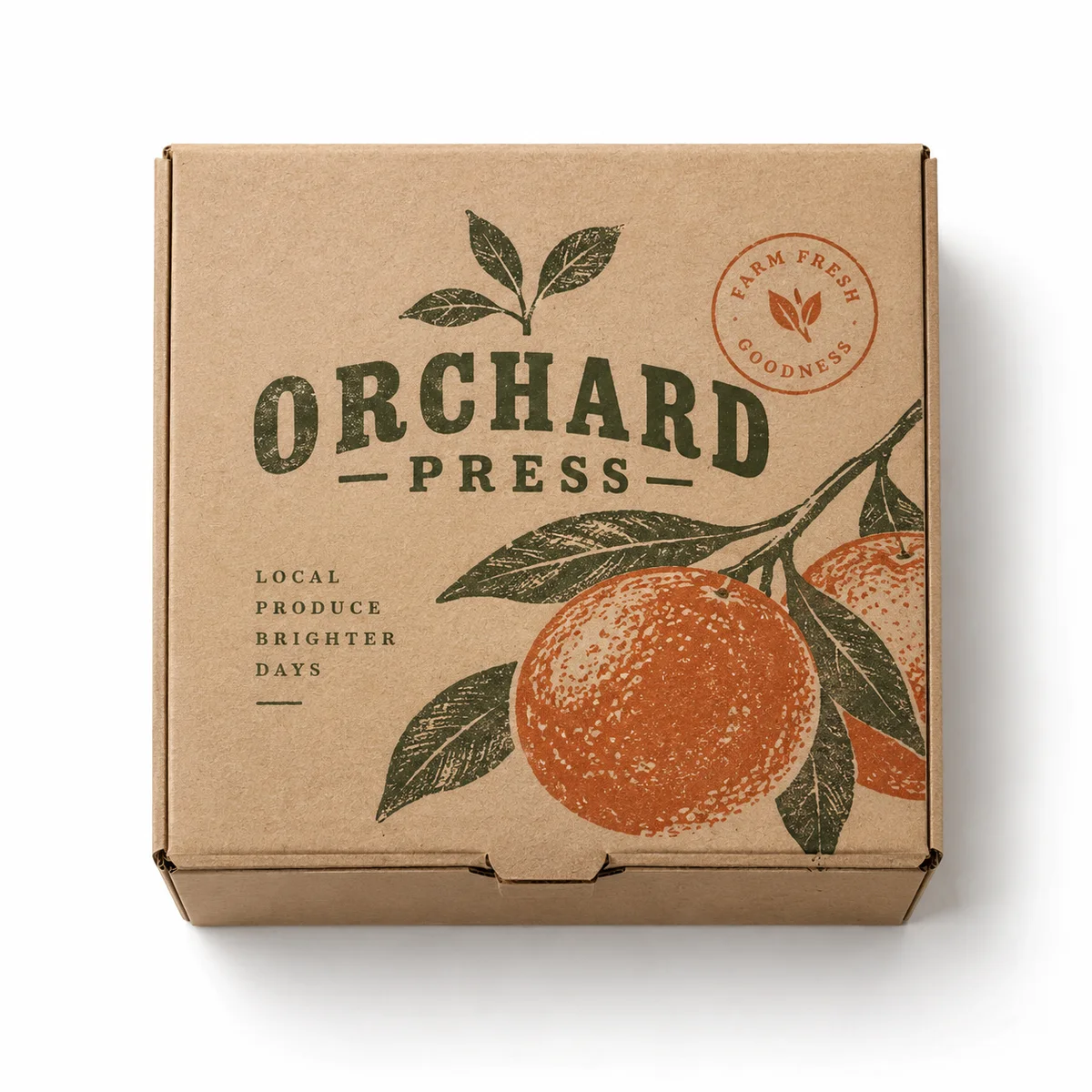
Shallow Kraft Carton
A shallow kraft carton with a centered front tuck tab and wide flat panel for printed art.
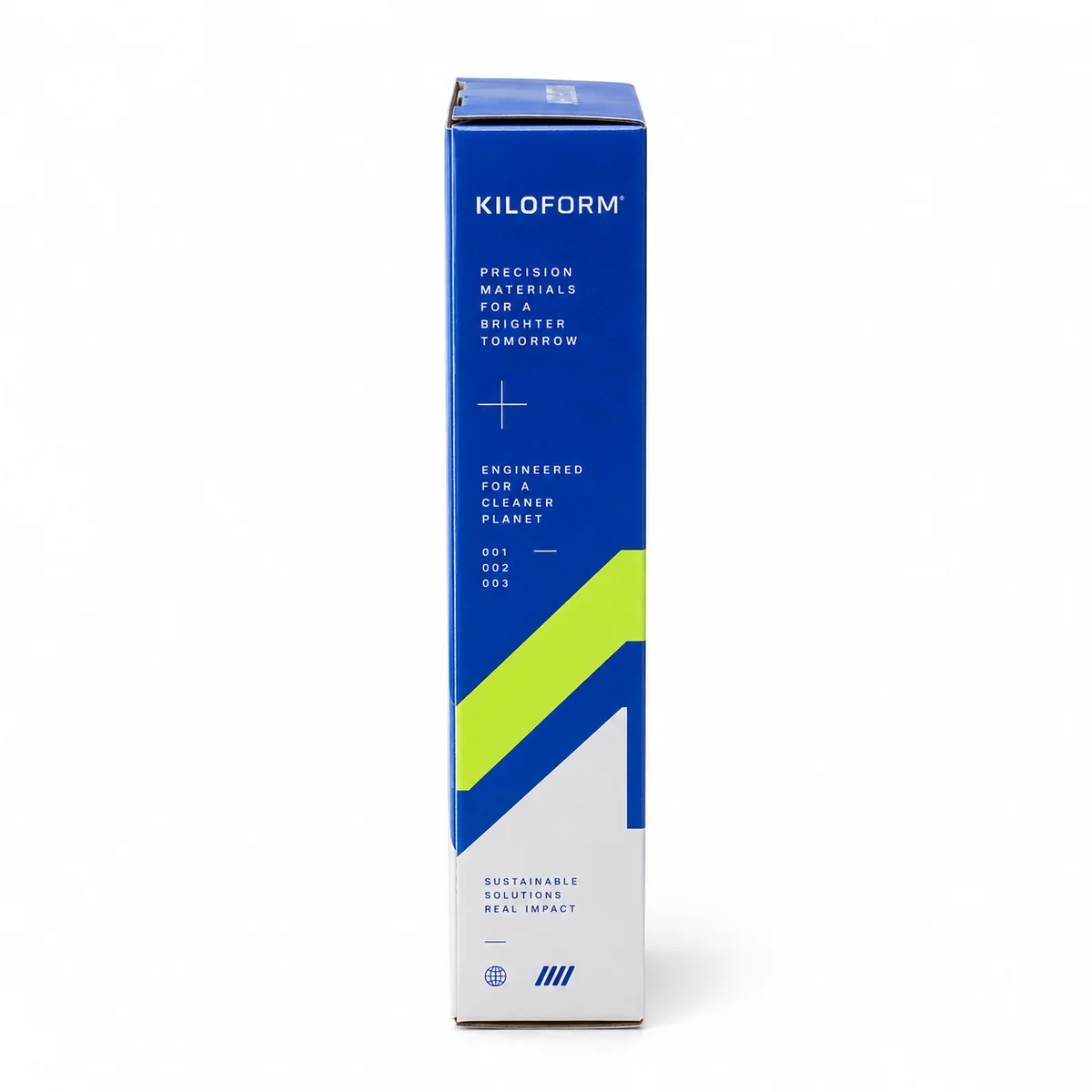
Slim Side Panel Carton
A narrow folding carton with a flat tuck-top closure and a tall, uninterrupted side panel.
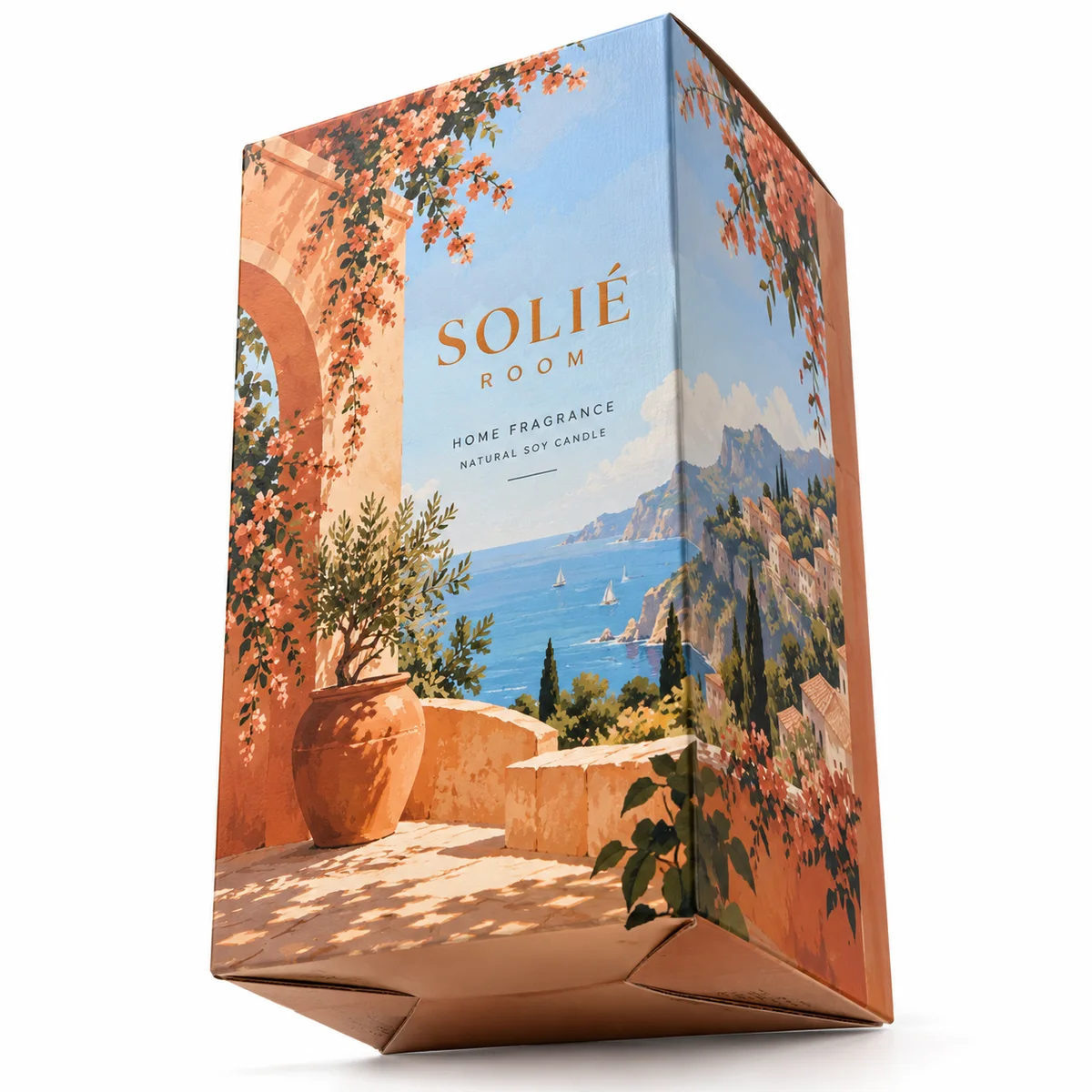
Folded Base Carton
A tall carton viewed from below, showing overlapping bottom folds and squared side walls.
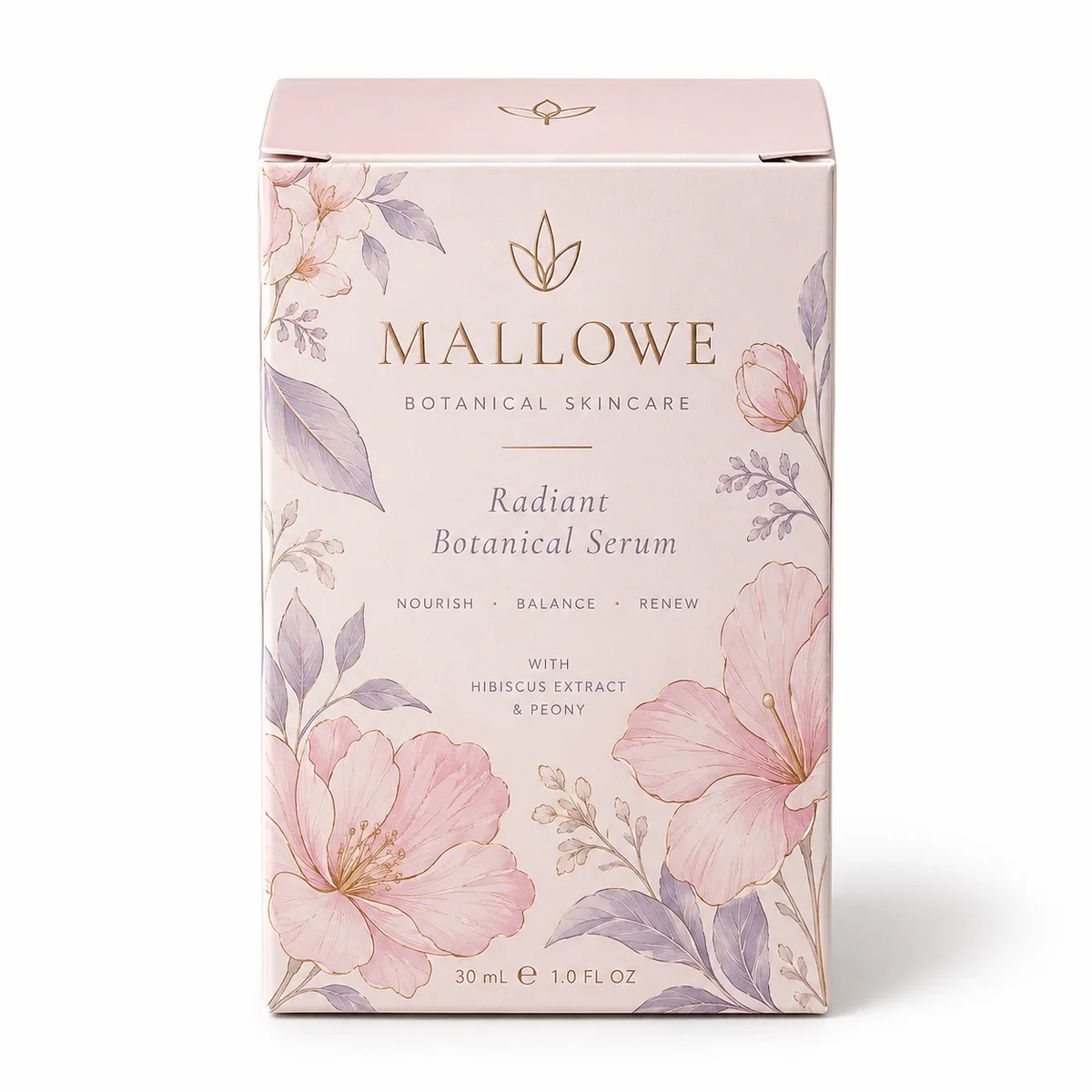
Flat Front Carton
A tall rectangular carton with a closed top tuck flap and broad front face for fine print.
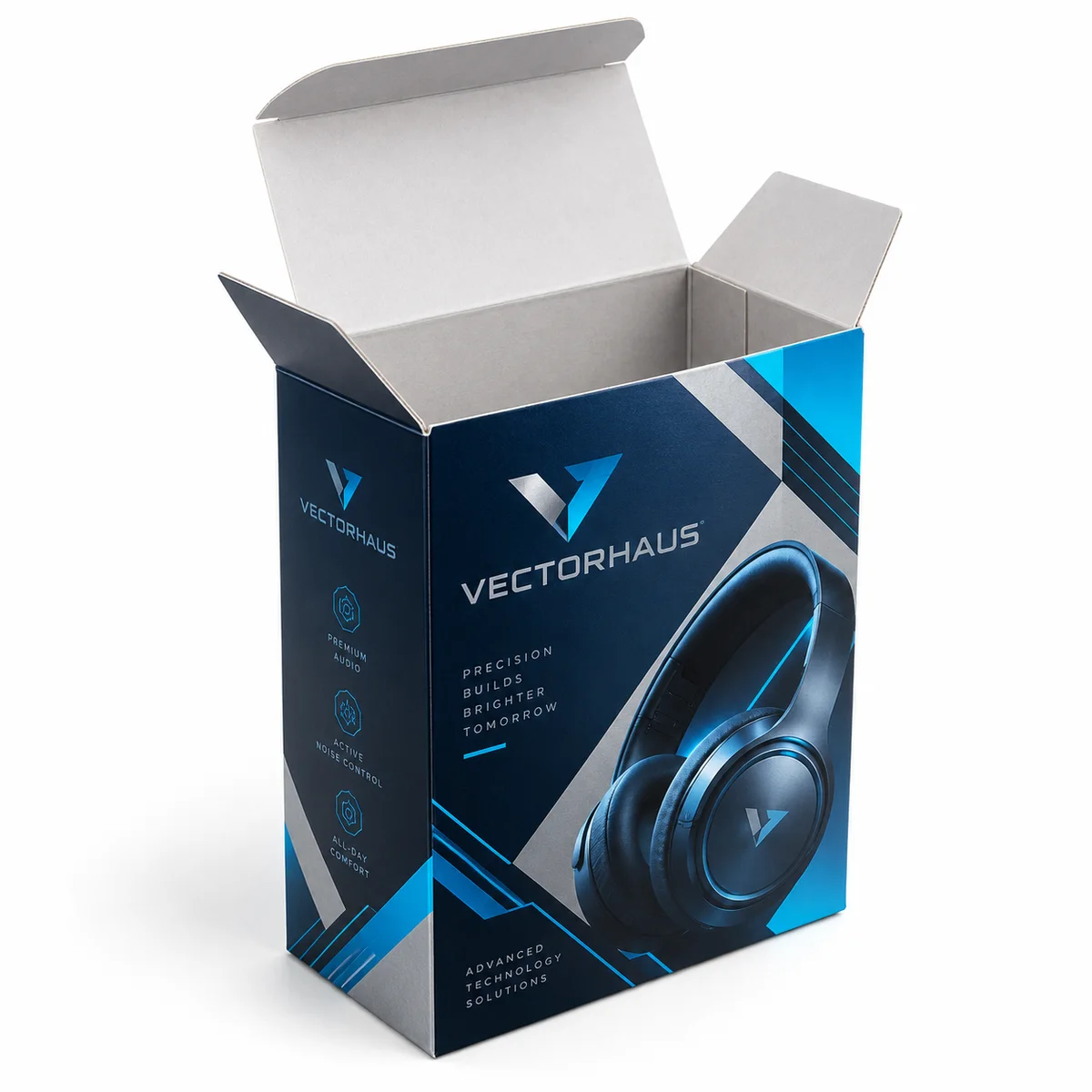
Open Dust Flap Carton
The tuck lid is raised with side dust flaps opened, exposing the plain paperboard interior.
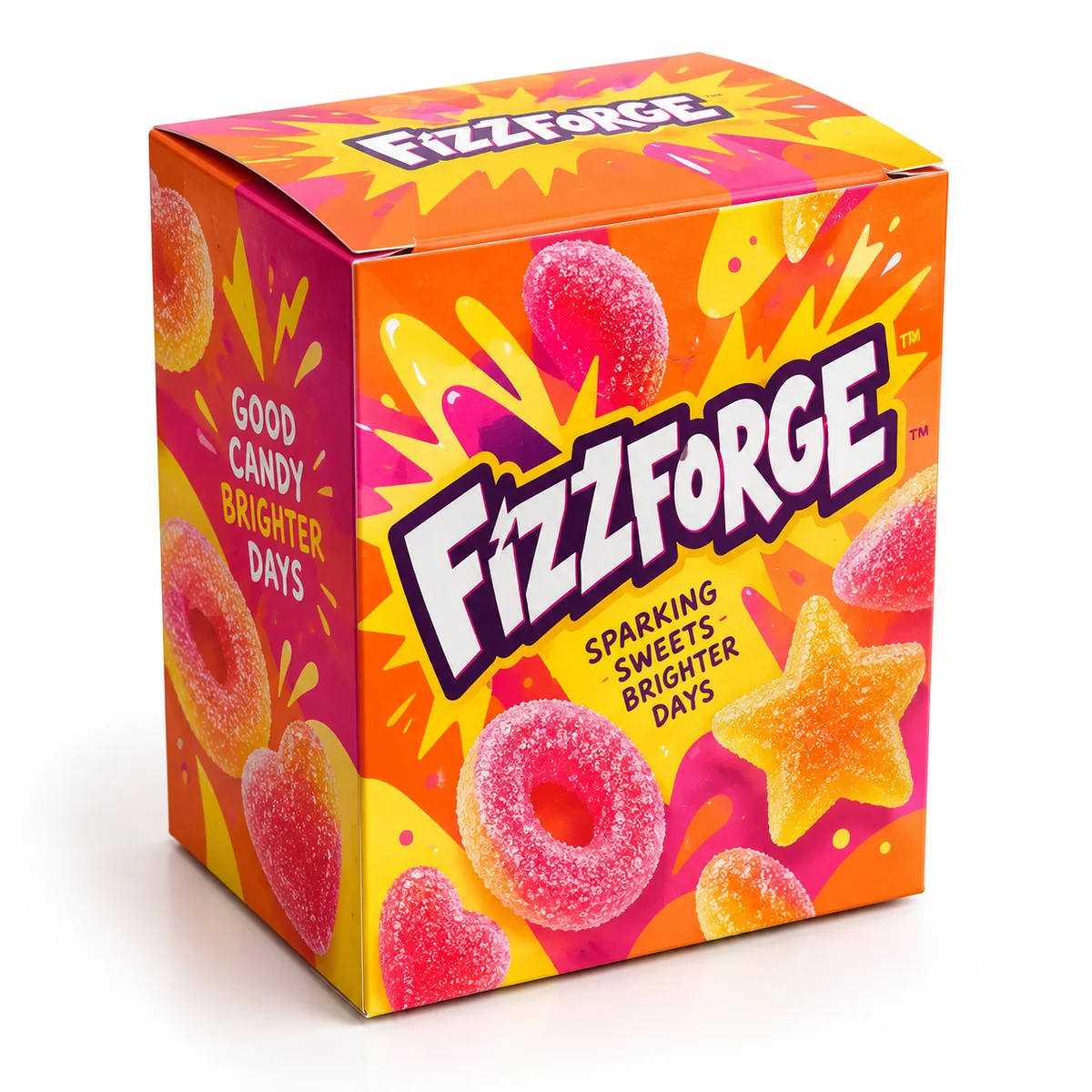
Wide Tuck Carton
A broad folding carton with a closed tuck-top lid, short side panels and a square footprint.
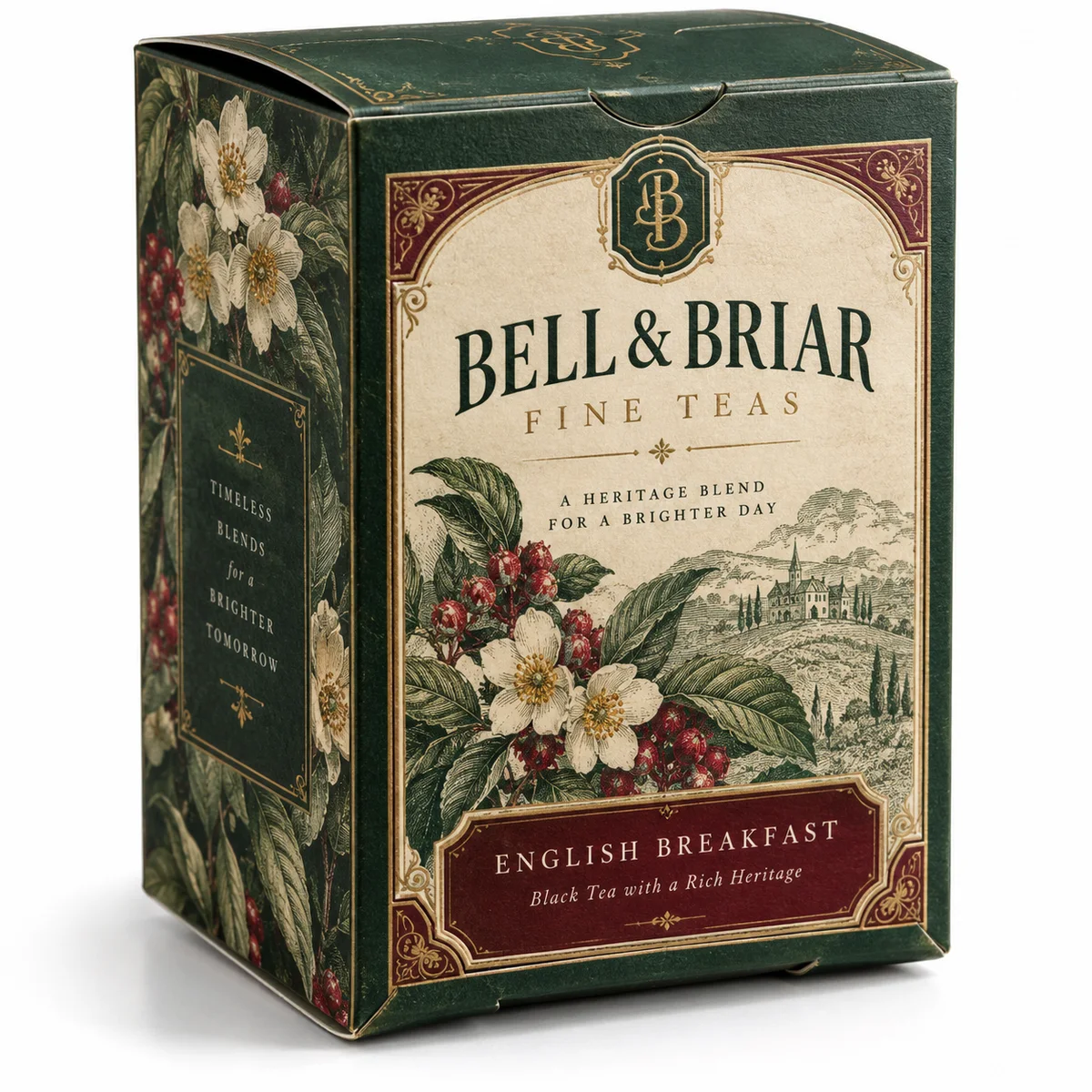
Notched Lid Carton
A tall carton with a curved tuck-top edge and centered thumb notch to help lift the lid.
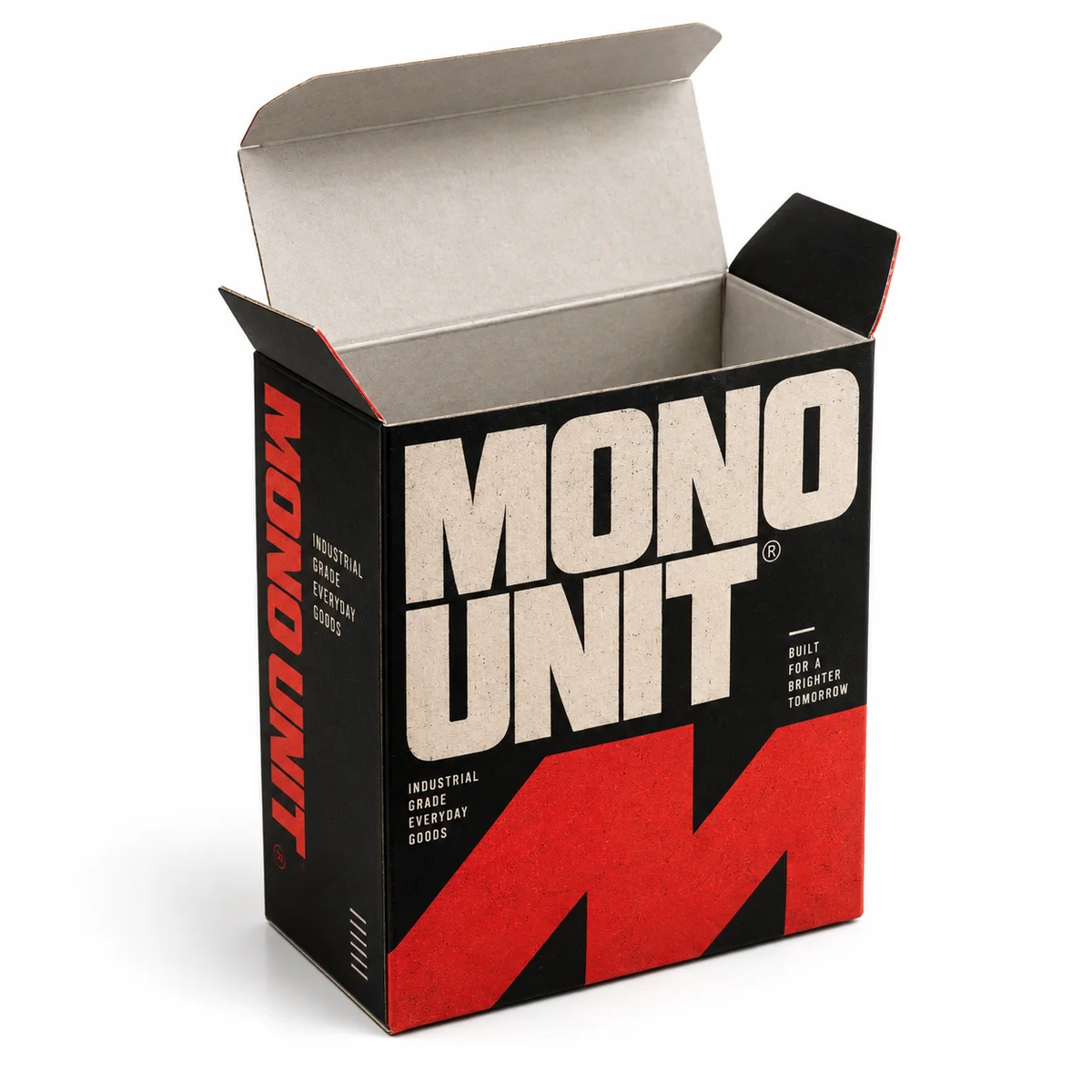
Raised Lid Carton
An open tuck-top carton with upright rear lid and side dust flaps around an empty cavity.
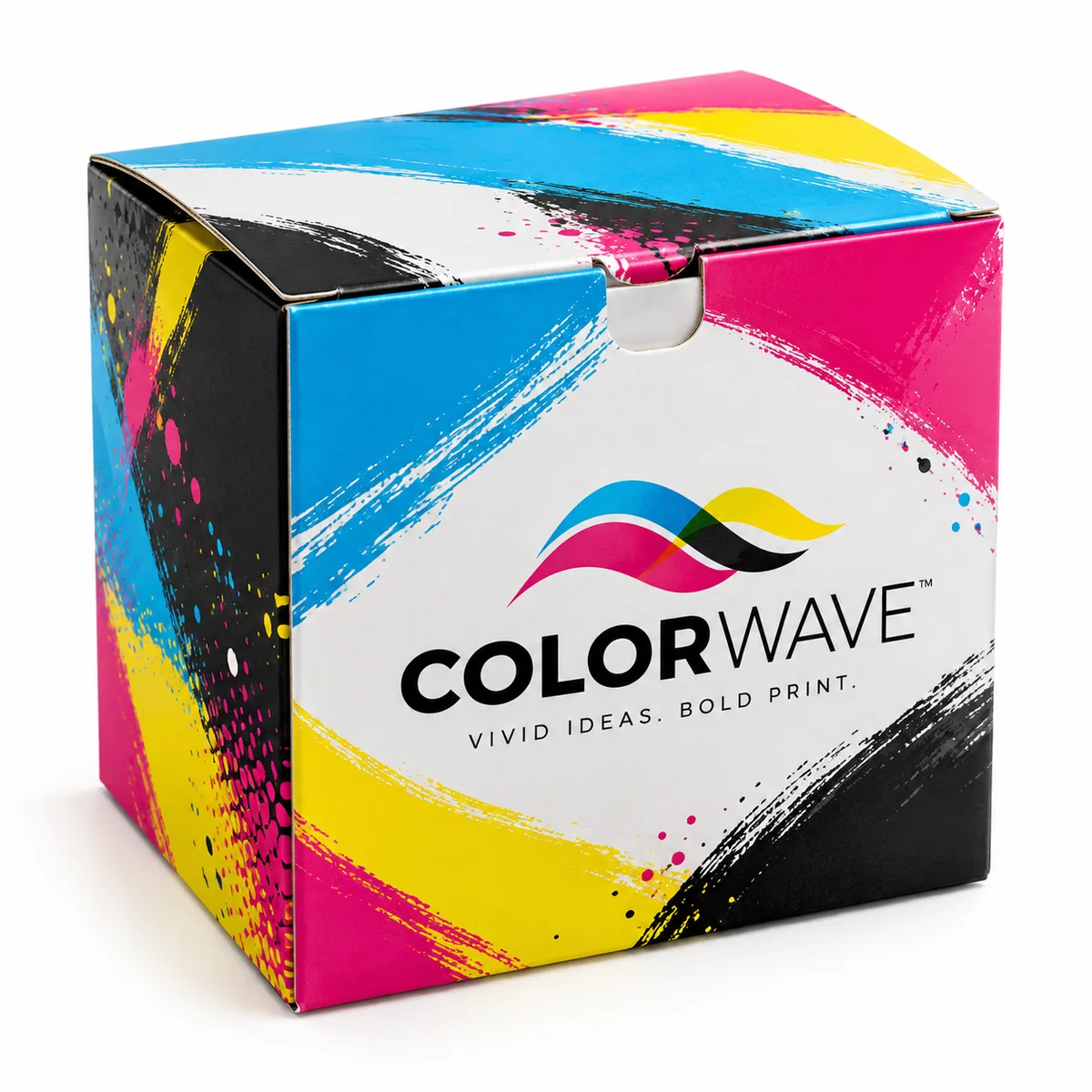
Compact Tuck Carton
A compact carton with a front thumb notch, a closed top flap and broad printed side panels.
Can't find the perfect style?
Create a completely custom box design tailored to your brand.
Designed for Various Industries
We design packaging that fits every industry
From small businesses to global brands, our custom packaging solutions are built to elevate your brand and leave a lasting impression.
Cosmetics & Beauty
Food & Beverages
E-commerce & Retail
Electronics
Apparel & Fashion
Health & Wellness
Pharmaceuticals
Cannabis & CBD
Pet Products
Baby & Kids
Jewelry & Accessories
Home & Lifestyle
Candles & Fragrance
Coffee & Tea
Confectionery
Cosmetics & Beauty
Food & Beverages
E-commerce & Retail
Electronics
Apparel & Fashion
Health & Wellness
Pharmaceuticals
Cannabis & CBD
Pet Products
Baby & Kids
Jewelry & Accessories
Home & Lifestyle
Candles & Fragrance
Coffee & Tea
Confectionery
Supplements
Skincare & Personal Care
Haircare
Automotive
Sports & Fitness
Toys & Games
Stationery & Gifts
Bakery & Desserts
Wine & Spirits
Tobacco & Vape
Medical Devices
Tech Accessories
Subscription Boxes
Organic & Natural
Luxury Retail
Supplements
Skincare & Personal Care
Haircare
Automotive
Sports & Fitness
Toys & Games
Stationery & Gifts
Bakery & Desserts
Wine & Spirits
Tobacco & Vape
Medical Devices
Tech Accessories
Subscription Boxes
Organic & Natural
Luxury Retail
Built for brands
that care about detail.
Premium packaging. Precise printing.
Fast turnaround. No hidden costs.
10K+
Happy Customers
98%
Satisfaction Rate
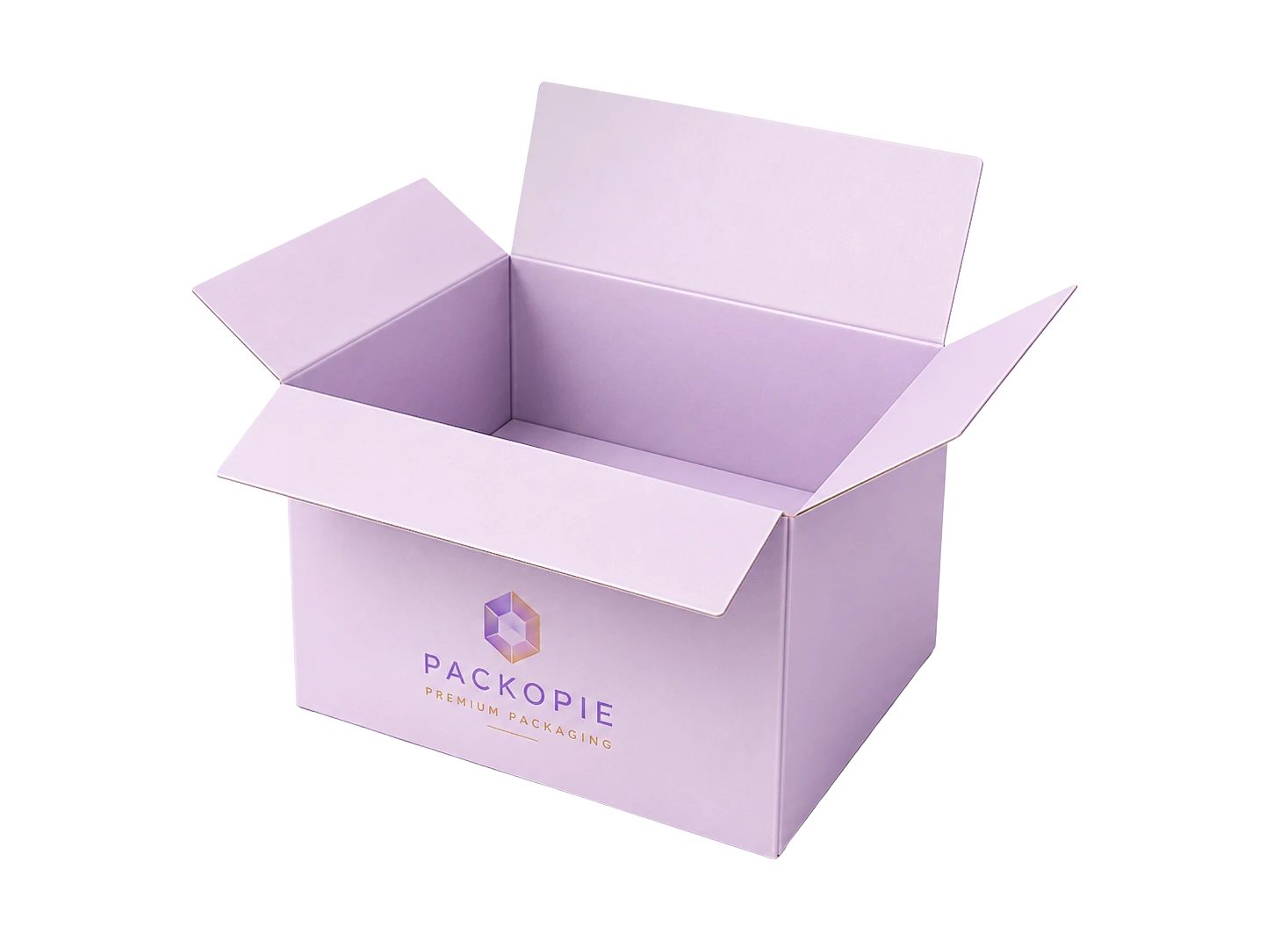
Trusted by Top Brands
We work with startups to enterprises. Our boxes make an impact.
Free Design Support
Get expert help in creating the perfect packaging for your brand.
Warehouse Across USA
Faster fulfilment with local production and warehouses.
Print & Design Lovers
Crafted with passion, just the way your brand deserves.
Custom Auto Lock Boxes That Cut Bottom-Folding Steps
At a busy packing table, folding four bottom flaps can take longer than placing the product inside. A pre-glued auto-lock base removes that repeated step. The carton arrives flat, opens into shape, and is ready to fill. For brands packing candles, bottles, or retail goods in steady batches, that small change can make the daily workflow easier to manage.
Pre-Glued Auto-Lock Bottoms Reduce Packing Steps
Custom auto lock boxes use a crash-lock bottom made from connected paperboard flaps. During production, selected base panels are glued in a set pattern. When a packer pushes the flattened carton into a square shape, those panels move together to form its floor. There is no separate sequence of bottom flaps to fold during normal setup.
The time saved matters most when workers repeat the same motion across many units. Rather than handling each bottom tab, the team can focus on loading, checking, and closing the pack. The result is a practical style of custom tuck boxes for businesses that want quick setup without giving up a printed retail carton. The top still closes with its own tuck flap; the word “automatic” refers to the bottom, not to the entire packing process.
A Flat-Shipped Carton That Opens Ready for Filling
The cartons travel and wait for use in a flattened shape, even though the base has already been glued. That helps packing teams organize empty packaging before a filling run. To erect a box, the operator presses its side panels into shape until the bottom settles into position. The product then goes in through the open top.
A tuck-top closure and side dust flaps help finish the pack after loading. The top can be set up for a simple friction tuck or a compatible locking detail, depending on the product and approved dieline. If a line uses carton-erecting equipment, the exact blank orientation, crease layout, and machine settings must be checked first. An auto-bottom design is not automatically compatible with every machine.
Reliable Bottom Support Starts With Product Weight
A pre-glued base is useful for jars and bottles, but the closure name alone does not establish how much weight a carton can hold. A short, wide jar places its load differently from a tall glass bottle. Footprint, board thickness, fiber grade, bottom overlap, glue coverage, and how the item rests inside all affect the finished box.
For a candle jar, the carton may need thicker paperboard and a close-fitting internal footprint. A narrow bottle may need a paperboard insert to limit movement. In both cases, a physical sample should be filled with the real product, handled as it will be in packing, and checked for base movement or panel distortion. Packopie can review the packed weight and intended use before confirming a board grade or structure. No universal weight rating should be assumed from an image or nominal board thickness.
Auto Lock and Snap Lock Cartons Serve Different Packing Workflows
These two bottom styles are often confused because both can create a secure carton floor. Their assembly steps are different. A crash-lock base forms when the carton is opened; snap-lock bottom boxes, also called 1-2-3 bottoms, need their flaps folded into place by hand. Both depend on suitable board and accurate folds for the product being packed.
Auto-lock cartons can reduce repetitive setup work, although extra factory gluing may increase their manufacturing cost. Snap-lock cartons may suit smaller manual packing runs where a few extra folds are acceptable. A third option, straight tuck end boxes, uses tuck closures rather than a pre-glued automatic base and may be considered for lighter contents. Compare the full cost of the carton and the labor needed to pack it, not just the unit price. For a high-volume filling line, a fast and consistent erection motion can matter more than a small difference in board cost.
Custom Dimensions for Candles, Bottles and Retail Products
A box that is too loose allows a jar or bottle to shift. One that is too tight can make filling slow or distort its panels. Custom inside length, width, and depth should be based on the packed item, not only its label size. Allow room for lids, caps, protective wraps, or an insert where needed.
Candle and home-fragrance brands often need firm support beneath a concentrated glass weight. Skincare and supplement brands may prefer tall cartons with clear front and side panels for instructions. Smaller accessories may need a shallow layout that is easy to fill and display. These are different ways to configure custom retail boxes, but each auto-lock bottom needs a matching cut pattern. A change in size can alter the base geometry, so final dimensions and a fit sample should be agreed before production.
Printed Panels Designed Around the Crash-Lock Dieline
Good artwork starts with knowing where the carton folds and glues. The crash-lock dieline marks cuts, creases, overlapping base panels, and adhesive areas. Important wording and scannable barcodes belong on stable, visible panels rather than across bottom joints. Coatings or lamination should not interfere with areas that need to bond.
White SBS provides a clean surface for exterior CMYK graphics; natural kraft gives printed colors a different appearance. Matte, gloss, soft-touch, foil, or raised details may be possible on selected panels, subject to the paperboard and crease design. Interior printing, die-cut windows, and inserts also need to be checked against the carton structure. For brands developing custom product boxes, the useful question is not how many finishes can be added, but whether the artwork remains legible after every panel is folded and the bottom is glued.
Custom Auto Lock Box Quotes Based on Your Packing Requirements
A useful quotation begins with the item that will go inside the carton. Its finished dimensions, packed weight, intended quantity, and filling method affect the recommended board, bottom overlap, and final size. Artwork files or a sketch can clarify which panels need printing and whether a special finish is worthwhile. A target delivery date and destination help the team discuss production and freight separately.
Packopie can use those details to review a custom tuck-top, auto-bottom carton before final pricing is confirmed. The goal is a box that opens cleanly, supports the product after a realistic fit test, and carries the brand artwork where shoppers can see it. When those details are settled, requesting a tailored quote becomes a clear next step rather than a guess based on a generic box size.
Frequently Asked Questions
The base can be designed for a filled glass jar, but it has no universal weight rating. The jar's packed weight, carton footprint, board thickness and glue layout all affect strength. Test a production-style sample with the actual jar before approving the structure.
An auto-lock bottom has pre-glued panels that form the base as the flat carton opens. A 1-2-3 snap-lock bottom requires the packer to fold and interlock its flaps manually. Auto-lock cartons reduce those setup steps, although the added manufacturing work can affect carton cost.
Confirm the equipment model, blank orientation, carton dimensions, gripping method and target packing speed. The carton creases and glue pattern must work with the machine. A line trial is recommended before approving a large production run.
Yes. The cartons are supplied flat with the bottom panels already glued. The packing team squares each carton to form the bottom, places the product inside and closes the top tuck flap. This reduces the space required for storing empty cartons before packing.
Keep important text, barcodes and decorative finishes away from overlapping bottom folds and glue areas. Use the approved structural dieline to locate safe print zones. A flat exterior side or back panel is generally a better place for a scannable barcode.
Direct food contact requires verified suitability of the complete packaging materials for the intended food and conditions of use. Board, inks, coatings and adhesives may all matter. When that suitability has not been established, use an appropriate food-contact inner pack.
More Solutions
You May Also Like
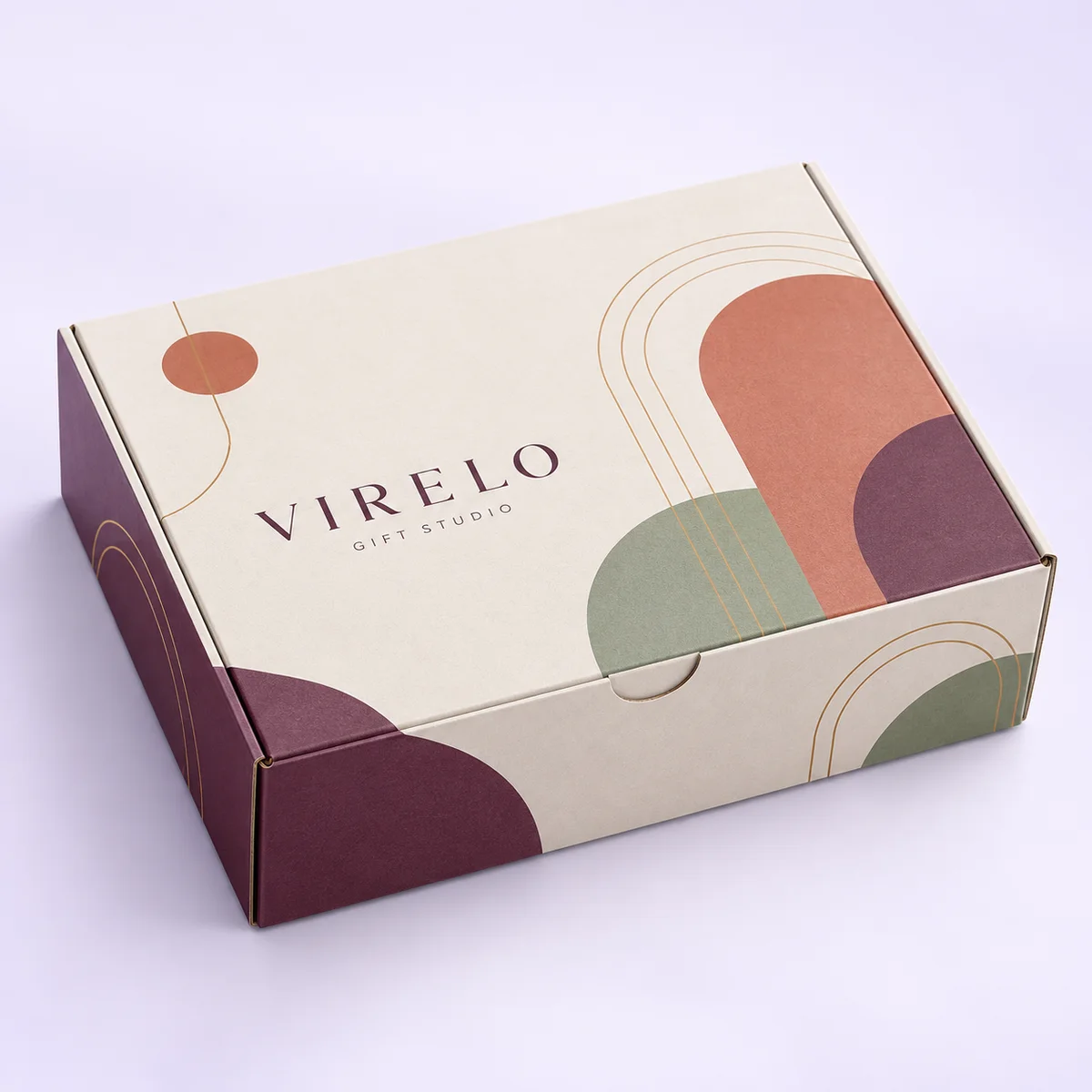
Custom Tuck Top Gift Boxes
View product →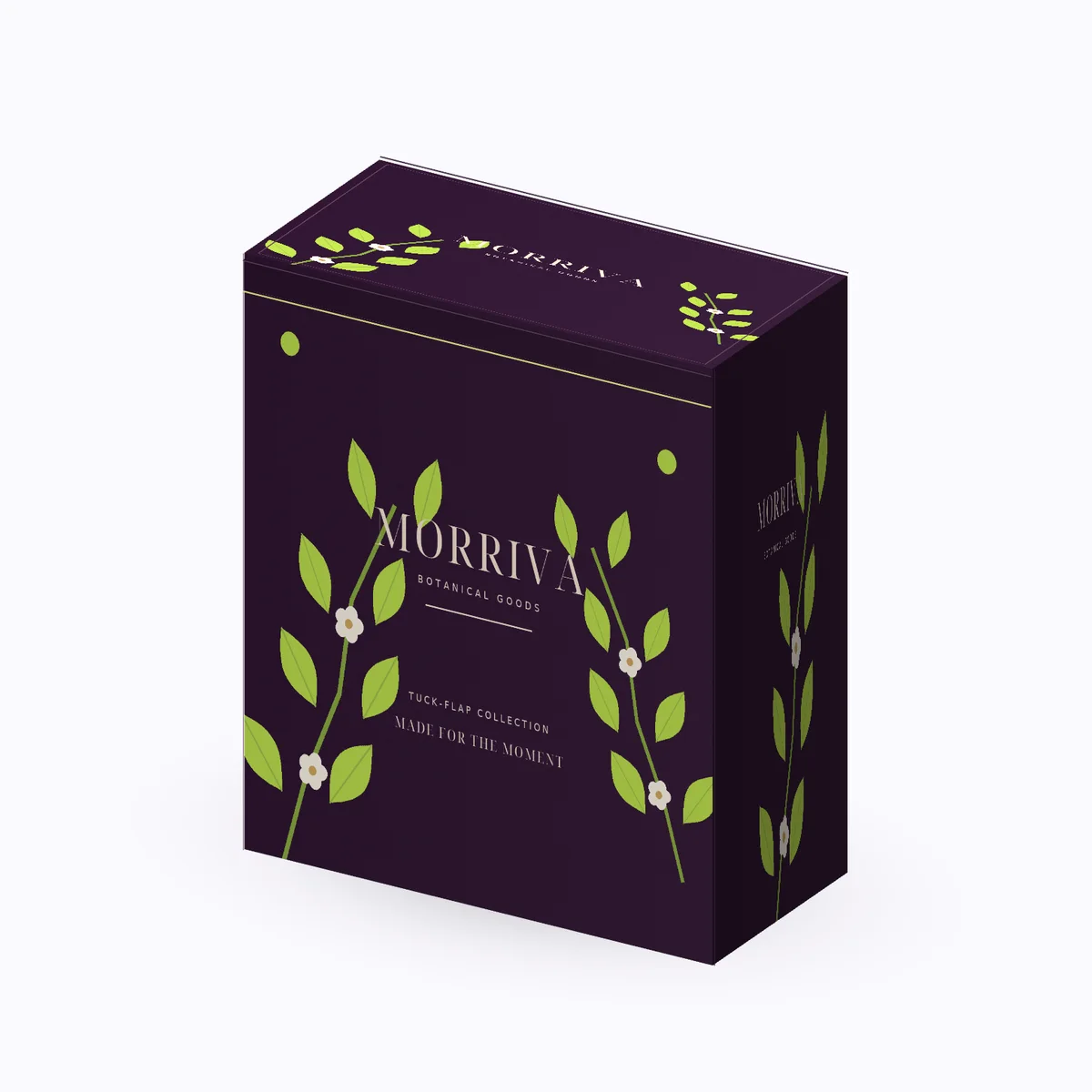
Custom Tuck Flap Boxes
When a tuck flap presses against the product inside, the carton may not close neatly. Plan the box around the filled item, its closure, and the front panel.
View product →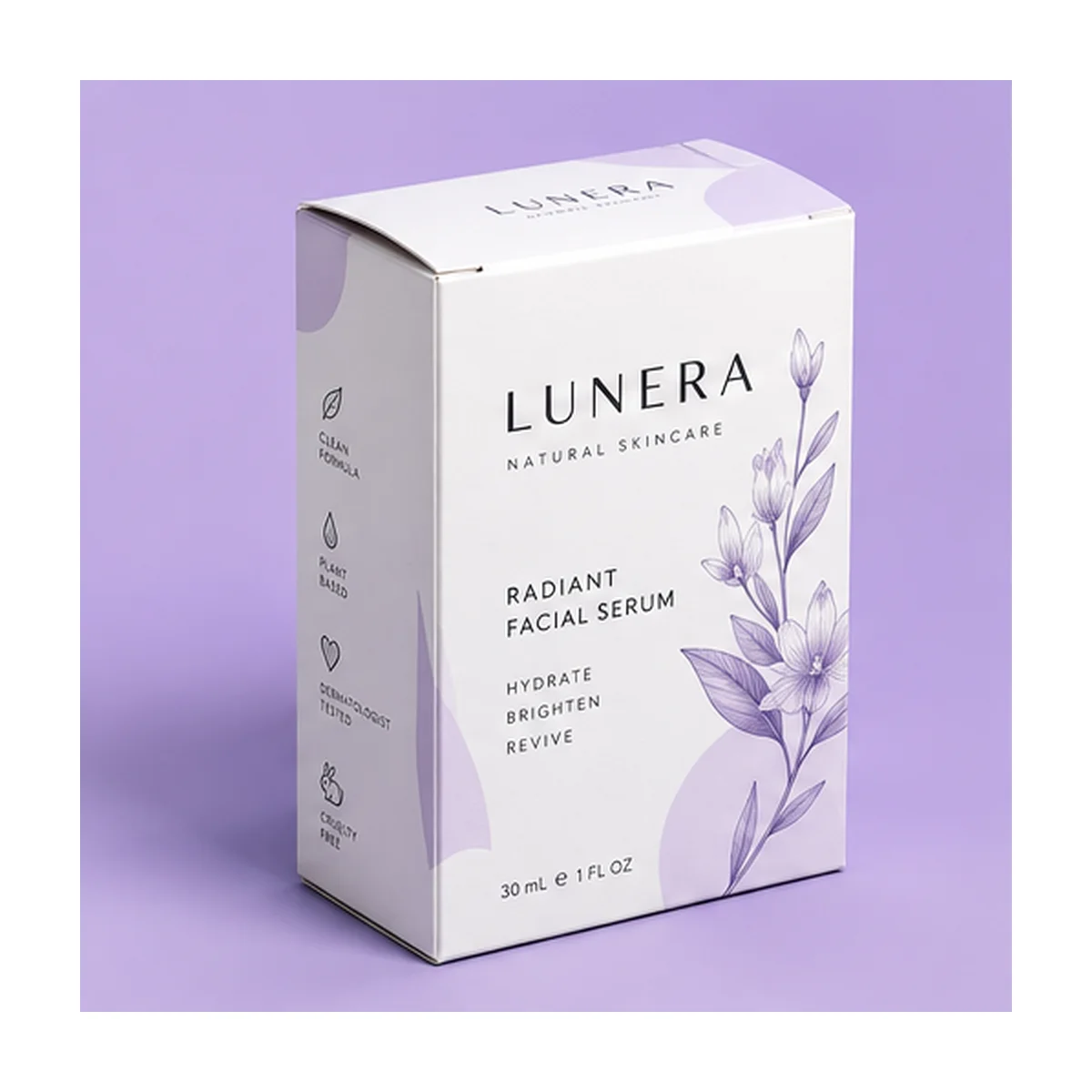
Custom White Tuck Top Boxes
White print panels keep small products easy to read on a retail shelf. A tuck-in top closes the carton neatly; choose the bottom style for the filled weight.
View product →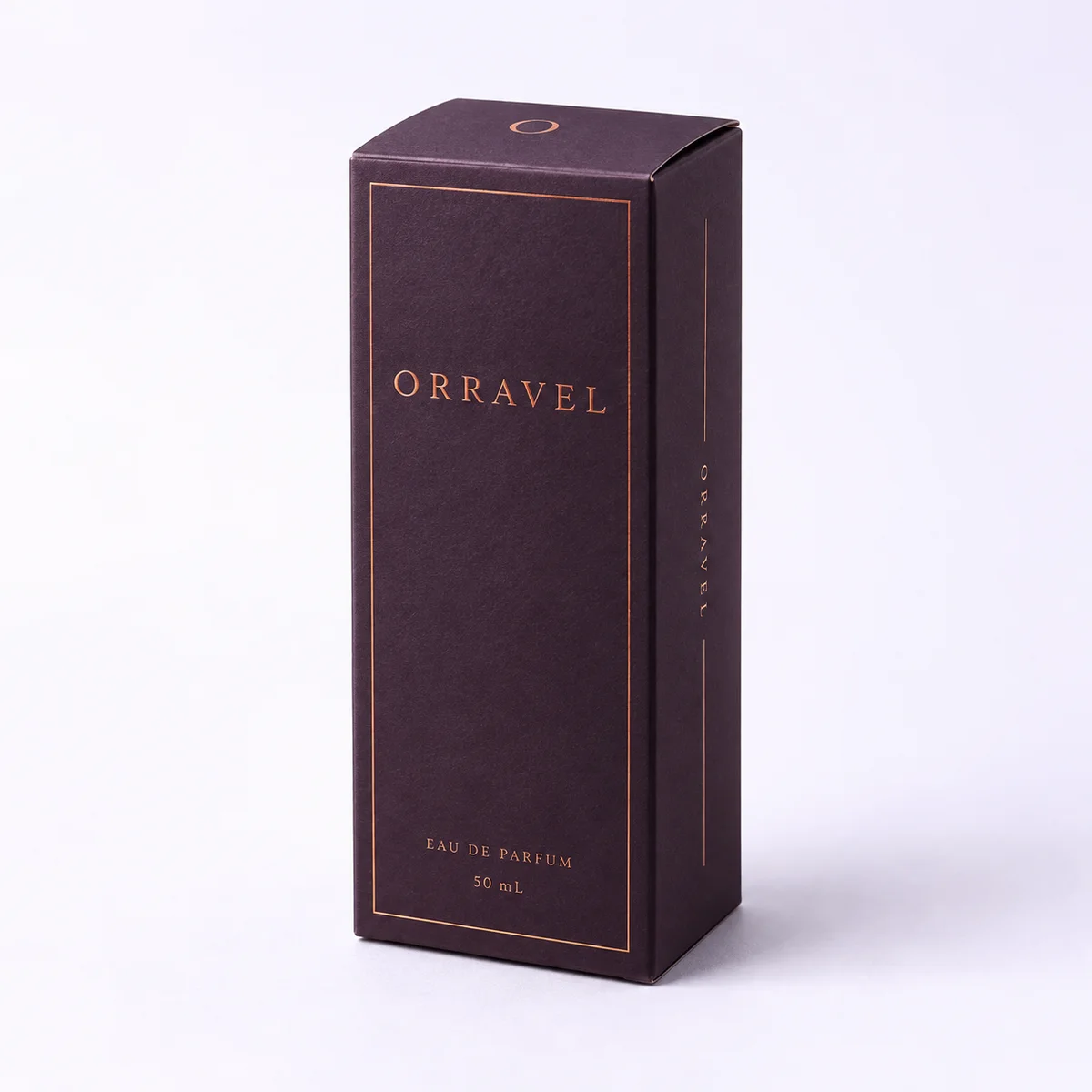
Custom Reverse Tuck End Boxes
Give lightweight retail products a fitted carton with opposing tuck flaps. Custom panel layouts keep your branding aligned with the way the box opens.
View product →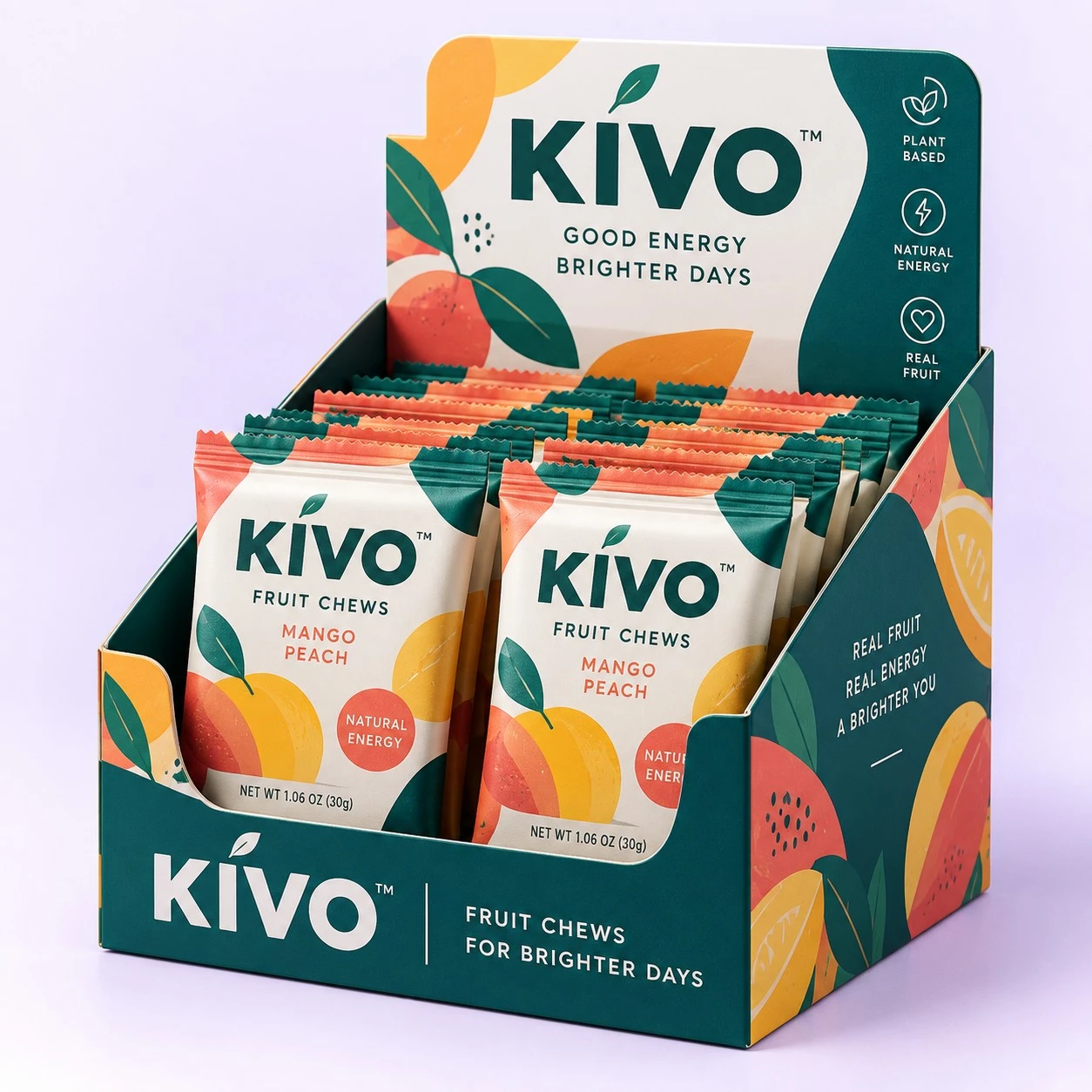
Custom Flat Tuck Display Boxes
Give snacks, beauty products, and small retail packs a clear place at checkout. A fold-flat tuck tray combines easy front access with a raised branding header.
View product →Custom Tuck Top Gift Boxes
View product →Custom Tuck Flap Boxes
When a tuck flap presses against the product inside, the carton may not close neatly. Plan the box around the filled item, its closure, and the front panel.
View product →Custom White Tuck Top Boxes
White print panels keep small products easy to read on a retail shelf. A tuck-in top closes the carton neatly; choose the bottom style for the filled weight.
View product →Custom Reverse Tuck End Boxes
Give lightweight retail products a fitted carton with opposing tuck flaps. Custom panel layouts keep your branding aligned with the way the box opens.
View product →Custom Flat Tuck Display Boxes
Give snacks, beauty products, and small retail packs a clear place at checkout. A fold-flat tuck tray combines easy front access with a raised branding header.
View product →✦ Upgrade Today
Ready to Upgrade Your Brand Packaging?
Get custom templates matching your custom dimensions. Instant 3D digital proof samples returned in hours.