Custom Cardboard Packaging
Custom Cardboard Boxes That Work From Shelf to Shipment
One box needs to showcase your product. Another needs to carry it safely to your customer. Choose printed folding cartons for retail or custom corrugated mailers and shipping boxes with fitted inserts, secure closures, and branding that makes every delivery feel personal.




Packaging Solutions for Retail, Ecommerce & Growing Brands
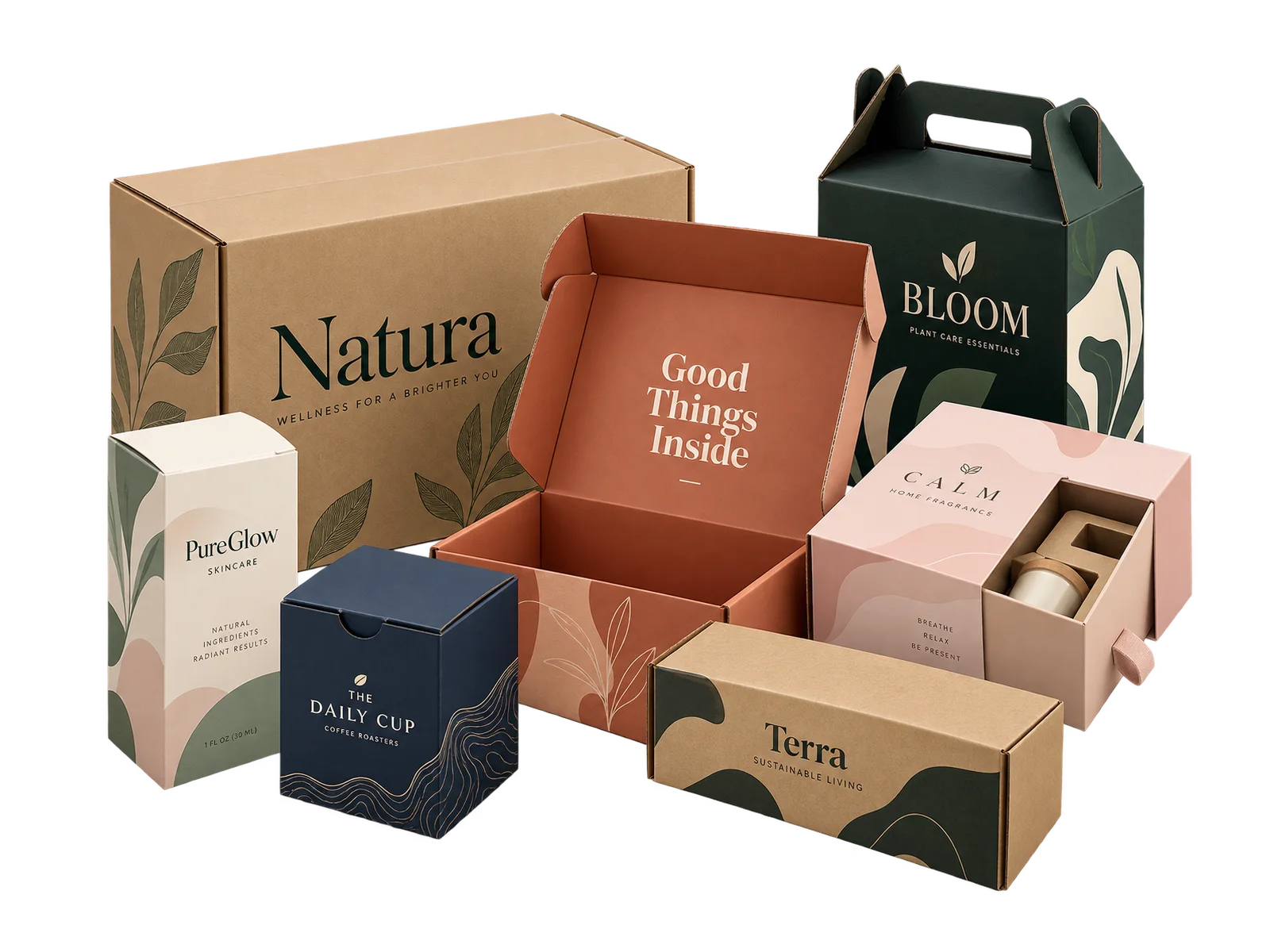
The Right Box for Every Product
From lightweight retail cartons to sturdy corrugated shipping boxes.
Free Design Support
Expert help at every step
Fast Turnaround
1–5 business days production, then dispatch next business day
Premium Finishes
Luxury look, lasting impact
Packaging Categories
Everything Your Product Needs
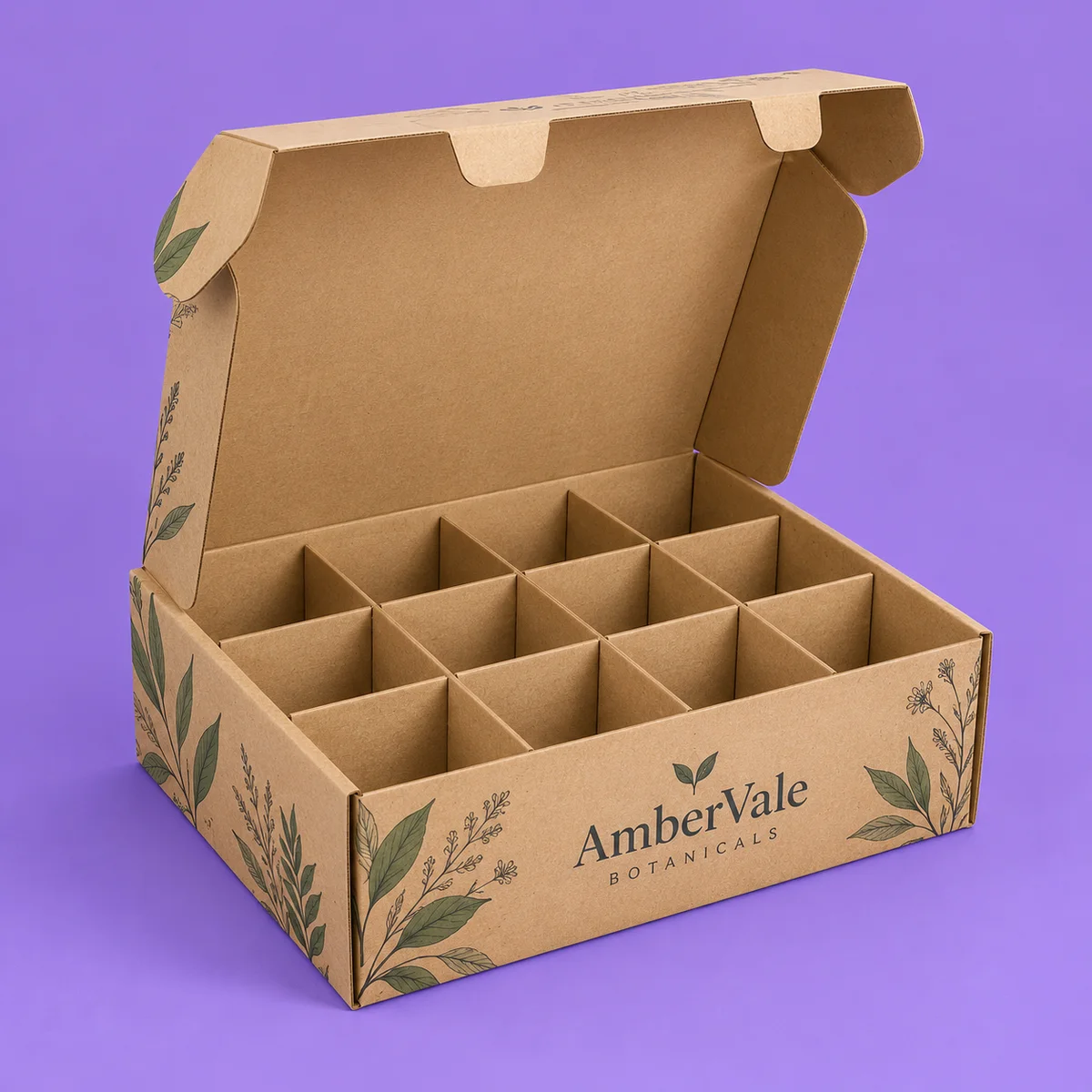
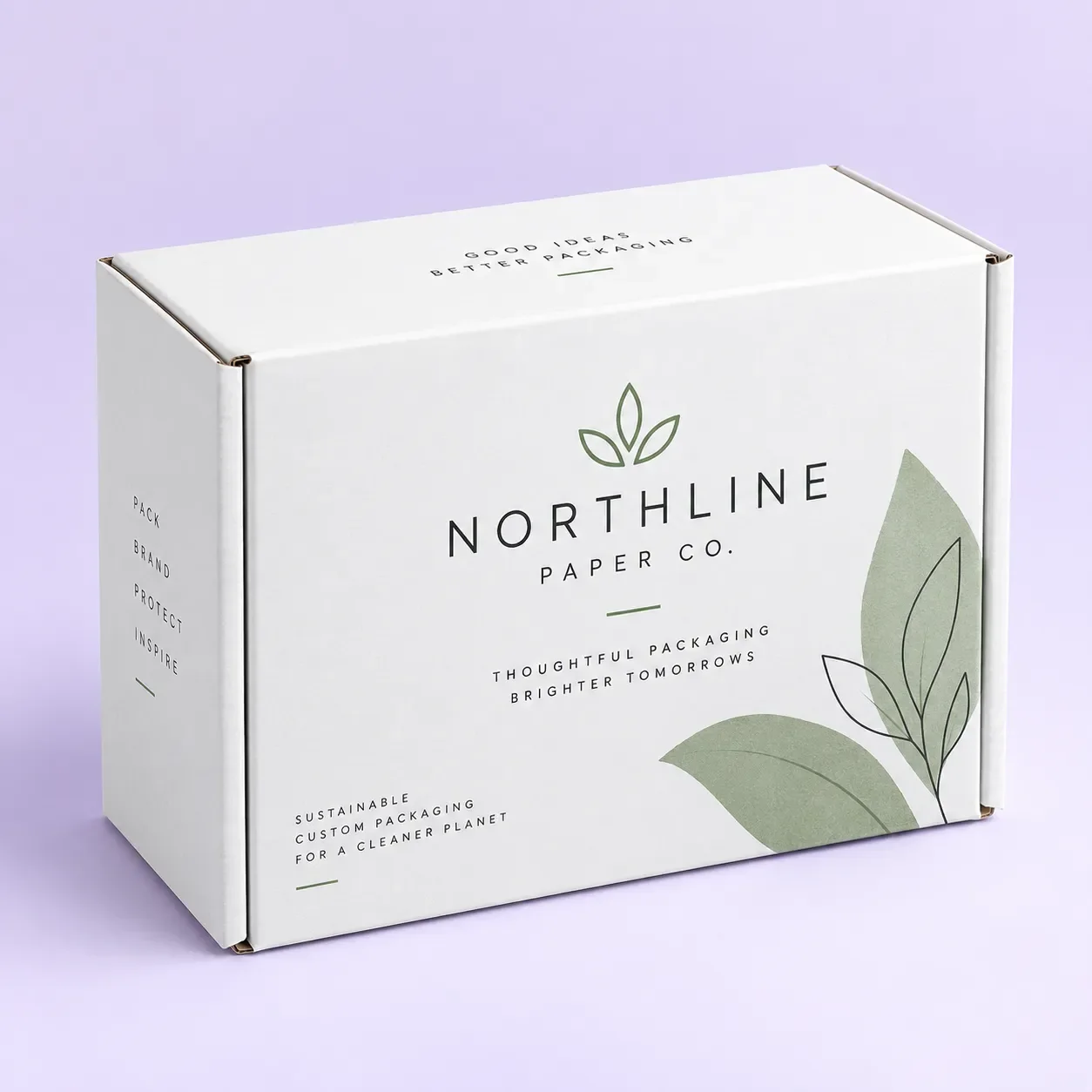
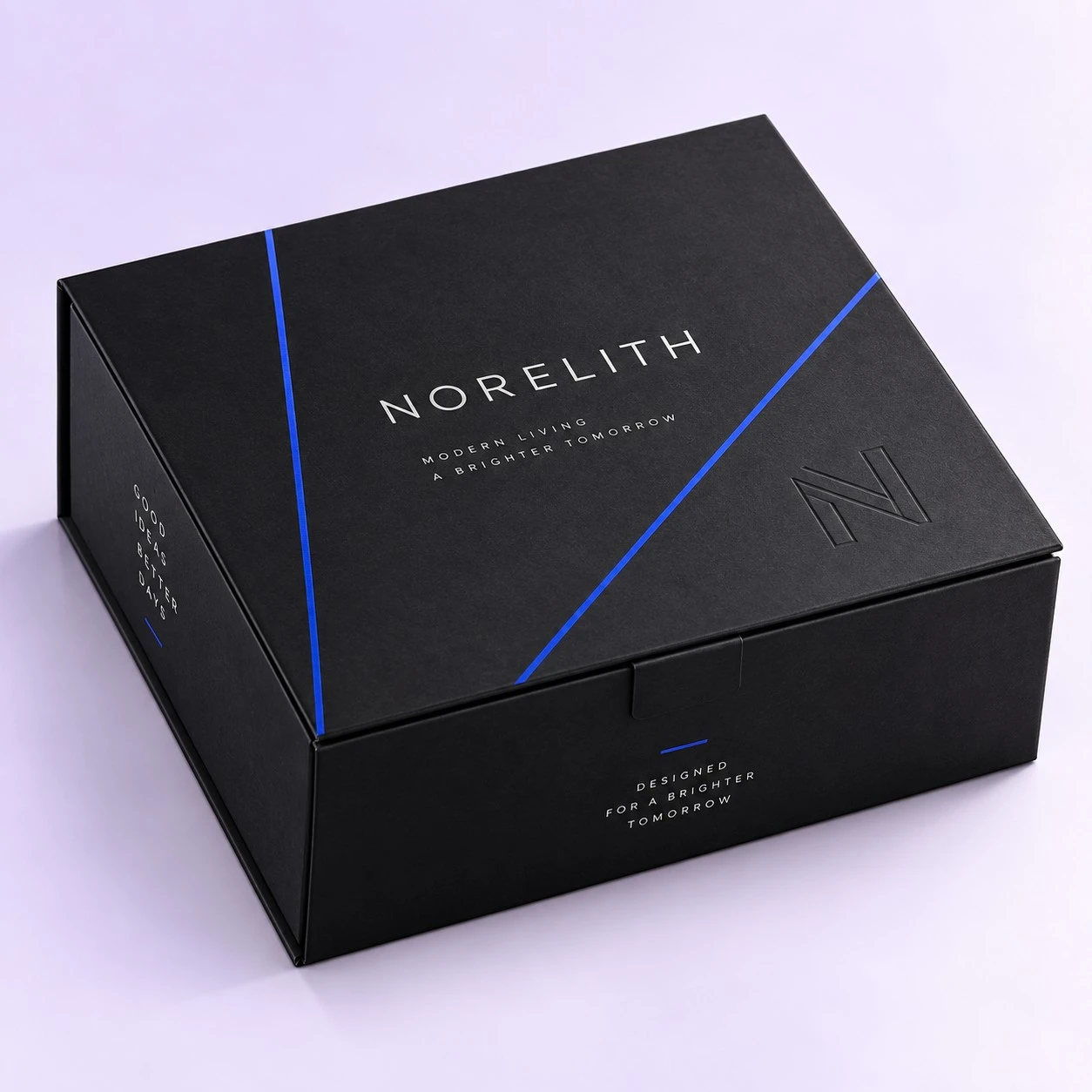
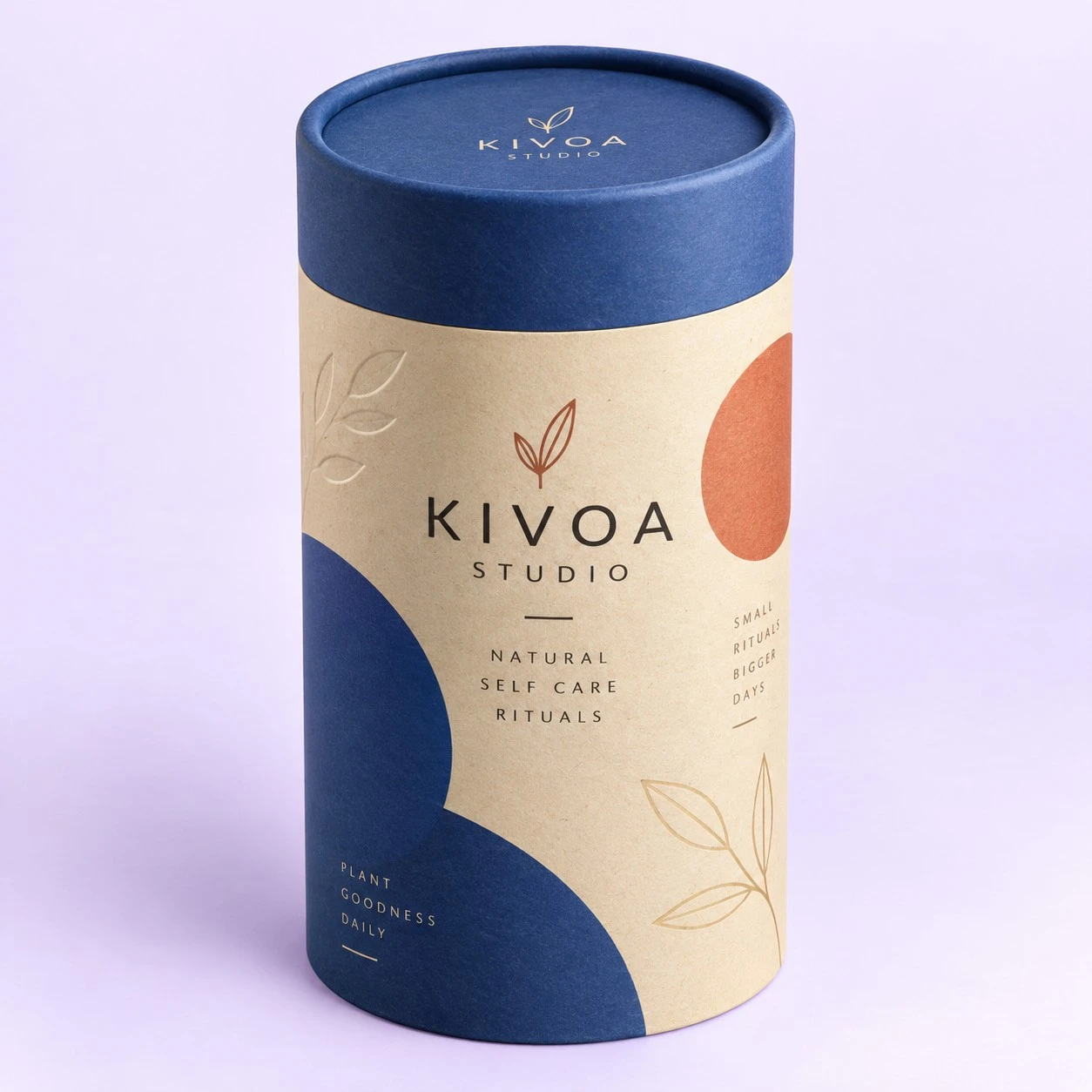
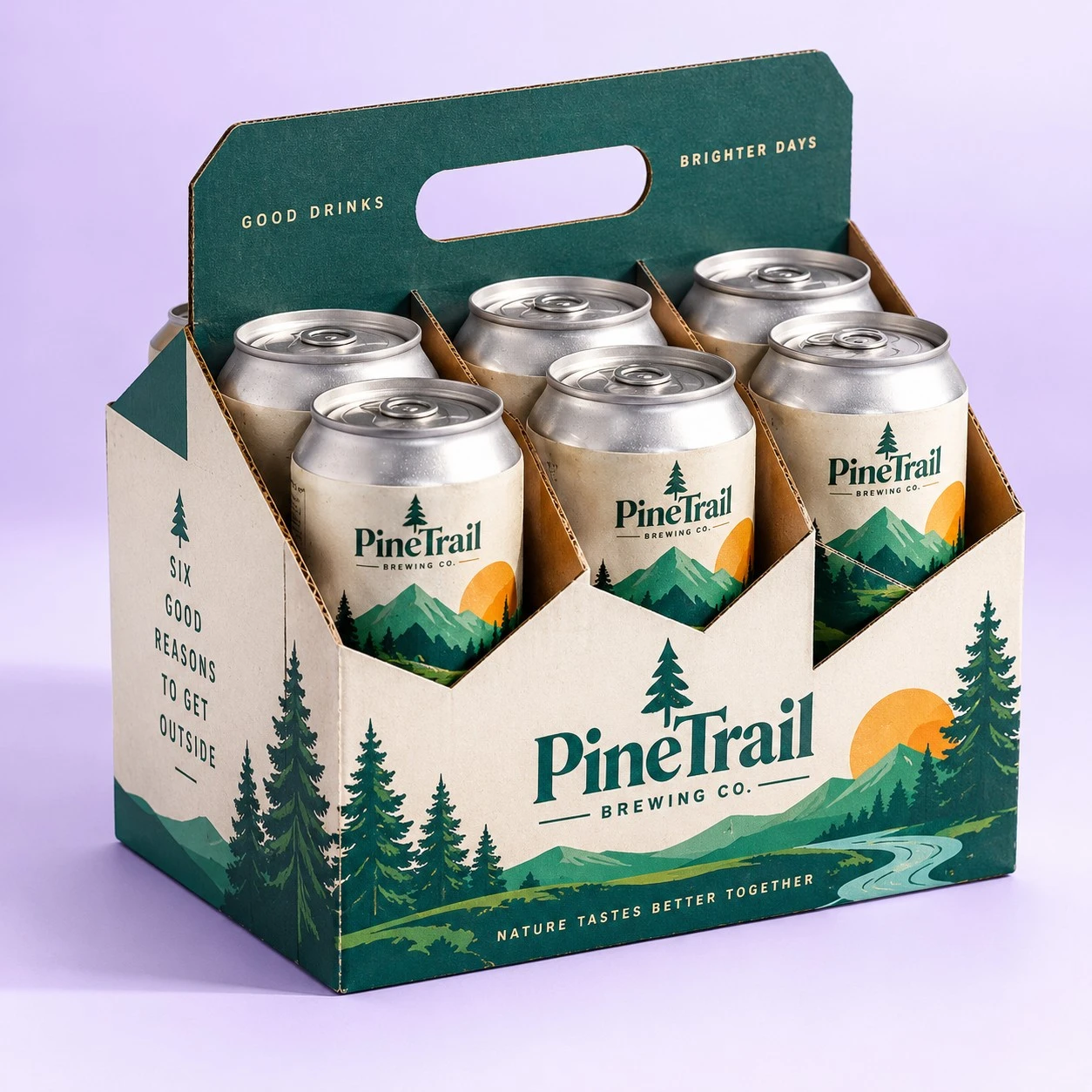
Custom Cardboard Boxes for Retail Packaging, Shipping, and Brand Presentation
A skincare carton displayed on a retail shelf and a corrugated box delivered to a customer's doorstep serve two very different purposes. Yet both are part of the custom cardboard packaging family. One relies on clean folds, sharp printing, and an attractive display. The other requires structural strength, secure closure, and resistance to shipping damage.
Packopie offers custom cardboard boxes designed around these different needs. From lightweight folding cartons to printed shipping boxes, each packaging project can be planned around your product's weight, shape, handling conditions, and brand identity.
Custom Folding Cardboard Boxes That Make Products Shelf-Ready
Retail packaging influences how customers see, handle, and identify a product before purchasing it.
Folding cardboard cartons provide a lightweight packaging solution for cosmetics, skincare products, personal care items, confectionery, and small retail goods. Their smooth printable surfaces allow brands to display product information, colors, logos, and artwork clearly.
Solid Bleached Sulfate (SBS) paperboard offers a smooth white surface for detailed printing. Kraft paperboard provides a natural brown appearance that suits simple artwork and earthy color schemes.
The box structure also affects everyday use. Custom Straight Tuck End Boxes provide practical openings for lightweight retail products. Reverse tuck-end cartons offer another closure arrangement. Die-cut windows can reveal selected product details, while custom-shaped panels create a more distinctive retail presentation.
Packopie helps brands bring these structural details together so their cardboard cartons support both product display and convenient handling.
Corrugated Cardboard Boxes Made for Demanding Deliveries
A printed retail carton is not always suitable for traveling through a courier network on its own. Shipping introduces stacking pressure, repeated movement, and contact with other parcels.
Custom Shipping Boxes can use corrugated cardboard with a fluted paper layer between flat liners. This structure provides cushioning and compression resistance without relying on unusually heavy materials.
Board construction affects how a shipping box performs:
- E-flute: A thin corrugated profile suited to compact packaging and detailed printing.
- B-flute: A thicker profile often selected for mailers and protective packaging.
- C-flute: A deeper profile commonly used for shipping cartons and cushioning.
- Double-wall corrugated board: Two fluted layers for applications requiring greater strength.
The best construction depends on product weight, box dimensions, stacking conditions, and the full distribution journey.
For products that face demanding shipping conditions, board strength can also be evaluated using measurements such as the Edge Crush Test (ECT). This test measures the edgewise compression resistance of corrugated board.
A well-planned shipping box balances protection, board usage, packing efficiency, and transportation requirements.
Printed Cardboard Mailer Boxes That Make Delivery Memorable
For ecommerce businesses, the shipping package is often the first physical interaction customers have with a brand.
Custom Mailer Boxes combine protective corrugated construction with a presentation suited to direct-to-consumer orders. Their fold-over lids and integrated locking tabs can create a tidy opening experience while keeping assembly straightforward.
Inside printing adds another layer of presentation. A short brand message, carefully placed artwork, or a contrasting interior color can make the package feel more considered without adding separate printed materials.
Subscription businesses can use consistent mailer structures across recurring deliveries. Beauty brands may favor compact mailers with divided compartments, while clothing and lifestyle brands often benefit from broader, shallower formats.
Packopie can help align exterior printing, interior presentation, and box structure to create mailer packaging that feels consistent from dispatch to unboxing.
Cardboard Inserts and Dividers That Keep Products in Position
Packing several products into one box introduces a challenge: empty space allows items to shift during handling.
Custom cardboard inserts create designated spaces for individual products. Die-cut supports can hold small containers in position, while cardboard dividers separate products that might otherwise collide.
For example, a skincare gift set containing three bottles may benefit from a fitted insert that keeps each bottle upright. A collection of small glass jars may require separate compartments and additional cushioning.
The placement of each opening matters as much as its shape. Inserts should allow the packing team to load products without forcing them into place.
Packopie can help plan these internal components alongside the outer box, creating a coordinated packaging structure rather than treating product protection as an afterthought.
Custom Cardboard Printing That Matches Your Brand Identity
Cardboard packaging provides more than a surface for a logo. Printing determines how shoppers recognize product ranges, read essential information, and distinguish one product from another.
CMYK printing supports full-color artwork, illustrations, and photographic designs. Pantone color references can help establish specific brand-color targets, subject to the board, ink, and printing process.
The printing surface makes a visible difference. White SBS paperboard supports bright color reproduction, making it a useful option to consider when planning Custom White Cardboard Boxes.
Meanwhile, natural kraft can give printed colors a darker, more muted appearance. Brands seeking that uncoated brown appearance can explore Custom Kraft Boxes for packaging with a more natural visual character.
Finishing options can further shape the result. Matte and gloss treatments alter surface appearance, while spot UV, foil stamping, and embossing can emphasize selected design details where suitable.
Brands considering recyclable cardboard packaging should also evaluate the selected coatings and decorative treatments. The compatibility of a finished box with recycling systems depends on its complete material construction and local collection requirements.
Cardboard Box Dimensions That Support Efficient Packing
A box that is unnecessarily large creates excess empty space. A box that is too tight can be difficult to fill or may place pressure on the product.
Custom dimensions help avoid both problems.
Packaging specifications typically consider the internal length, width, and height, along with board thickness, closure design, and any inserts. These measurements become the basis for a dieline, the flat cutting and folding layout used to produce the box.
Packing operations also benefit from practical structural decisions. Flat-packed cartons occupy less warehouse space before assembly. Easy-fold panels and accessible closing tabs can reduce unnecessary handling during order fulfillment.
For businesses managing several product sizes, a coordinated family of cardboard box dimensions can simplify inventory planning and create a more consistent packaging appearance.
Wholesale Custom Cardboard Boxes Planned Around Your Business
Bulk cardboard packaging decisions extend beyond choosing a box design. Order quantity, board specifications, print coverage, assembly requirements, and finishing details all influence the project.
A business preparing thousands of ecommerce orders may prioritize efficient assembly and consistent corrugated construction. A growing retail brand may place greater emphasis on shelf presentation, detailed printing, and matching cartons across several products.
At Packopie, each cardboard packaging project begins with the product's practical requirements and the intended presentation. Dimensions, quantity, artwork, preferred structure, and delivery needs provide the information needed to evaluate suitable options.
For more complex designs, reviewing a dieline, artwork proof, or physical sample where available can help confirm the fit and appearance before full production.
The result is a custom cardboard packaging plan shaped around how your business operates. With the key specifications established, Packopie can help develop the final box configuration and provide pricing that reflects your project's requirements.
Frequently Asked Questions
Folding cartons work best for lightweight retail products. For courier delivery, a corrugated outer box provides better protection against crushing and handling damage. A properly designed corrugated mailer can also serve as the main shipping box.
Double-wall corrugated board is useful for heavier products, tall warehouse stacks, and demanding shipping conditions. Single-wall board often suits lighter parcels. The final choice depends on packed weight, stacking pressure, and handling risks.
Custom cardboard dividers and die-cut inserts help keep individual products in place. Separate compartments reduce direct contact between items, while a close-fitting insert limits movement. Fragile products may also require extra cushioning.
Inside dimensions describe the usable packing space. Outside dimensions include the cardboard's thickness. For an accurate fit, provide your product's length, width, and height, including any protective inserts or cushioning.
A properly fitted mailer uses locking tabs to hold its lid closed without tape during normal handling. Additional sealing may be needed for heavier parcels, high-value products, or demanding shipping conditions.
Regular printed cardboard is generally recyclable, but certain plastic laminations, metallic finishes, and special coatings can affect recycling. Choose finishes with verified recycling compatibility and follow local recycling guidelines.
✦ Upgrade Today
Ready to Upgrade Your Brand Packaging?
Get custom templates matching your custom dimensions. Instant 3D digital proof samples returned in hours.