Custom Auto Packaging
Custom Auto Parts Packaging Built for Protection and Brand Impact
Protect automotive parts, accessories, tools, and components with made-to-order packaging built around your product. Choose custom sizes, inserts, materials, printing, and finishes for secure shipping and a strong branded presentation.




Built for automotive brands, parts suppliers, and growing product lines.
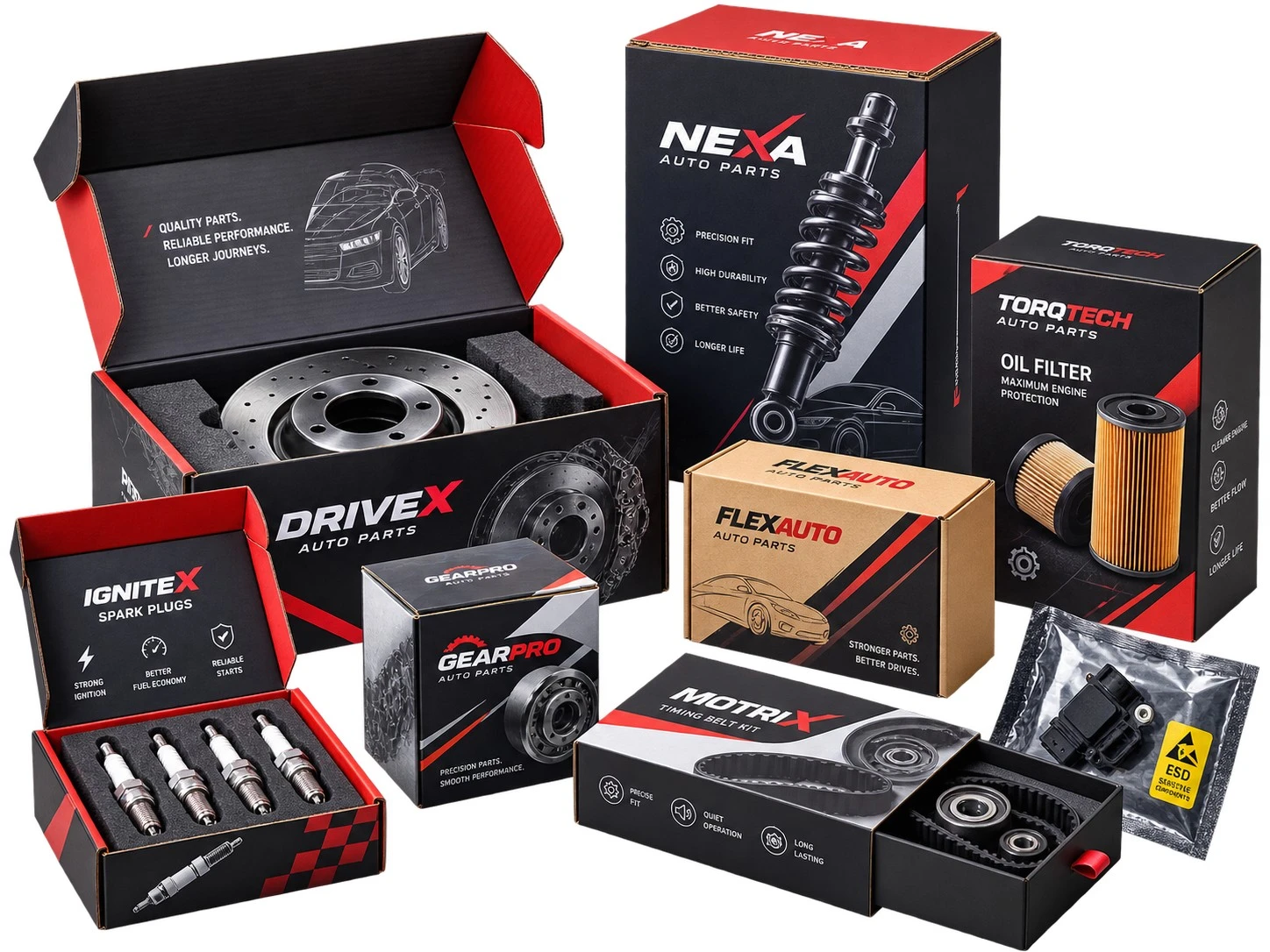
Built Around Your Parts
Custom fit, protective structures, branded print, and finishes.
Free Design Support
Expert help at every step
Fast Turnaround
1–5 business days production, then dispatch next business day
Premium Finishes
Luxury look, lasting impact
Packaging Categories
Everything Your Product Needs
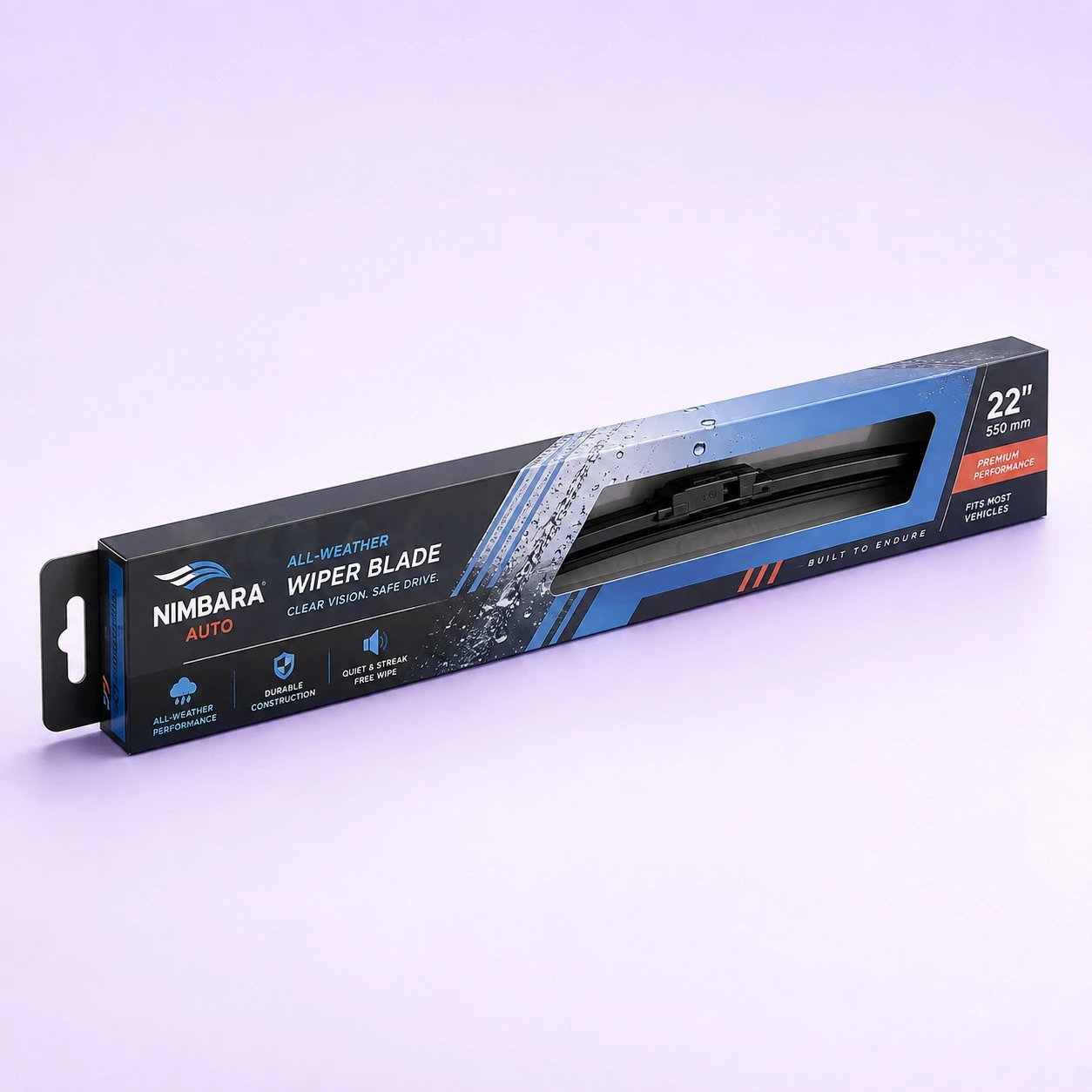
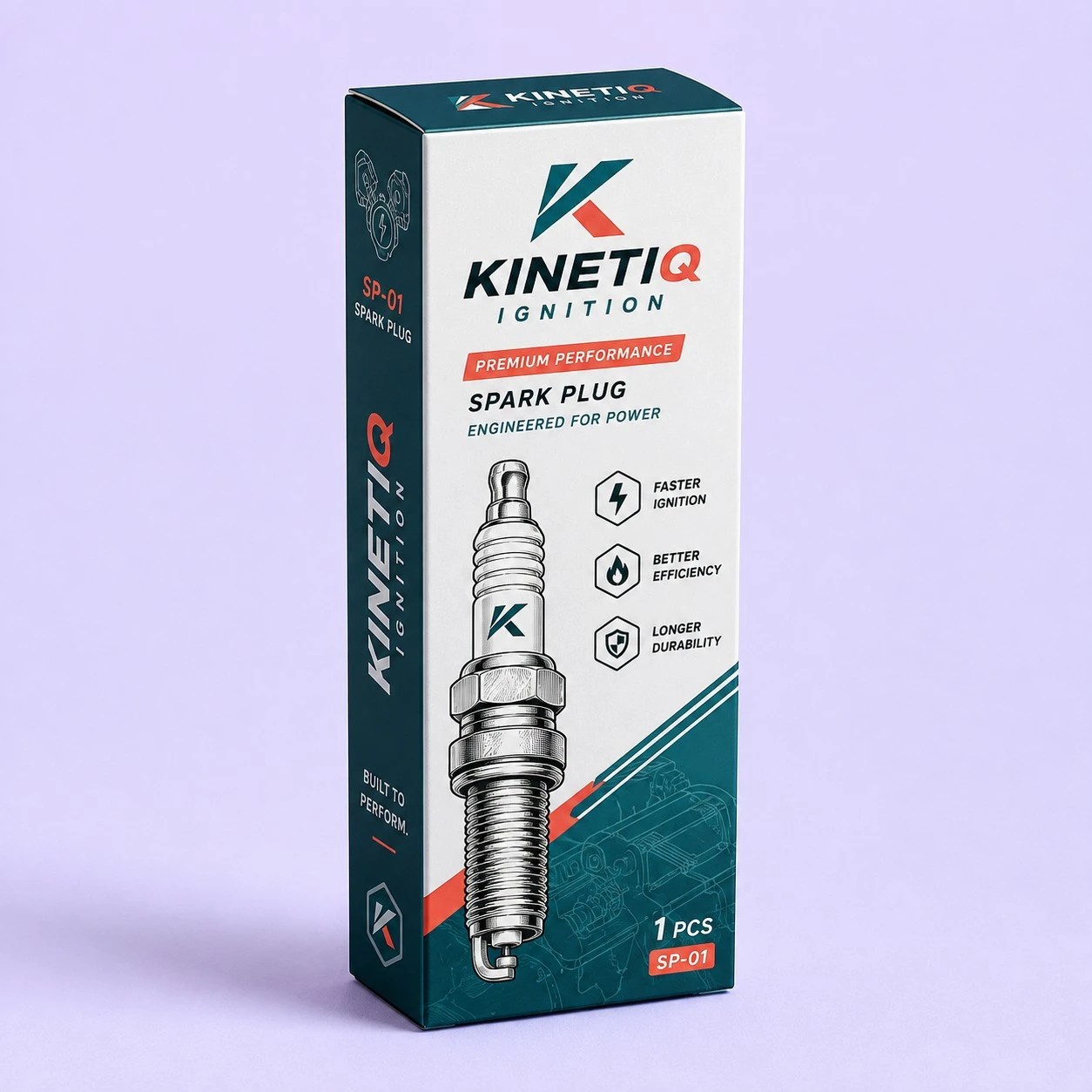
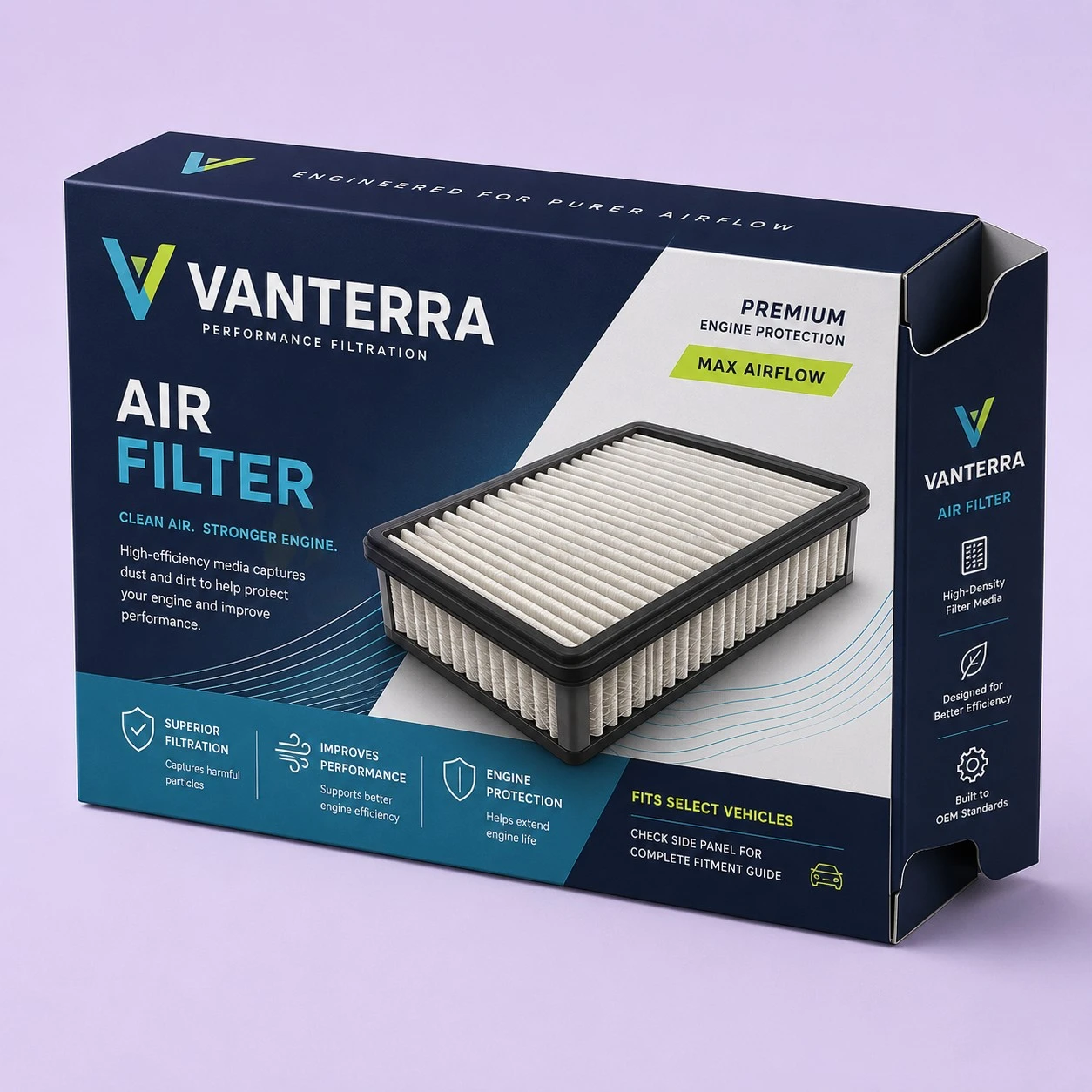
Custom Auto Parts Packaging Built for Protection, Fit, and Brand Impact
Custom auto parts packaging protects valuable components while giving manufacturers, suppliers, and aftermarket brands a clear branded presentation. Packopie creates made-to-order packaging around the size, weight, shape, and protection needs of each part.
Auto parts can range from small spark plugs and filters to heavy brake parts, suspension components, gears, sensors, and electronic modules. Each product brings different packaging needs. A strong box, secure fit, clear labeling, and the right inner protection help reduce movement and damage during handling, storage, and shipping.
Packopie can combine custom dimensions, corrugated or cardboard structures, inserts, cushioning, branded printing, and protective features into one packaging system built around your product.
Custom Auto Parts Boxes Made to Fit the Component
A close fit is one of the most important parts of automotive packaging. Too much empty space lets a component move inside the box. A box that is too tight can also place pressure on sensitive areas.
Custom dielines allow the box structure to match the dimensions of the part. Inserts, dividers, foam, and other inner supports can hold the component in position and separate multiple pieces inside one package.
The right setup depends on part weight, shape, fragility, and shipping method. Heavy brake parts may need a stronger corrugated box with added inner support. Small spark plugs, filters, or accessories may work well in compact printed cartons with a fitted insert. Tool kits and multi-part sets can use divided interiors that keep each item organized.
This made-to-order approach also reduces unused space and creates a cleaner presentation when the customer opens the box.
Corrugated, Cardboard, and Rigid Materials for Different Auto Parts
Material choice affects strength, protection, print quality, and presentation.
Corrugated boxes are a strong option for heavier auto parts and shipping applications. The fluted inner layer adds structure and helps the package handle weight, stacking, movement, and normal shipping pressure. Corrugated packaging can be paired with partitions, die-cut inserts, or cushioning for added control inside the box.
Cardboard and paperboard boxes suit lighter auto parts, accessories, filters, smaller components, and retail packaging. These materials provide a smooth print surface for product information, logos, part numbers, and branded graphics.
Rigid boxes can support premium automotive accessories, tool sets, presentation kits, and higher-value products where the opening experience matters as much as protection.
Packopie can match the board type and box structure to the product instead of treating every automotive component the same way.
Protective Packaging for Heavy, Fragile, and Sensitive Parts
Auto parts packaging often has to control more than basic surface damage. Components can face shock, vibration, rubbing, moisture, or movement during storage and distribution.
Custom inserts help limit movement inside the box. Corrugated partitions can separate several parts. Foam can cushion fragile surfaces or hold irregular shapes. Added internal support can also help protect corners, edges, fittings, and other areas that are more likely to take impact.
Metal parts may also require added attention to moisture and corrosion during longer storage or transit. The packaging structure can be planned around those risks when they are part of the project brief.
Electronic auto parts create another layer of protection. Sensors, control modules, and other sensitive electronics may require anti-static or ESD-focused packaging features in addition to normal physical protection. Packopie can plan the outer box, insert, and protective layers around the needs of the component.
Automotive Packaging for Engine, Brake, Filter, and Electronic Parts
Custom automotive packaging can support a wide range of OEM and aftermarket products.
Engine parts, gears, bearings, and brake components often need stronger board and controlled internal movement because of their weight and metal construction. Filters, spark plugs, and smaller accessories often need compact boxes with clear product identification and branded printing.
Suspension parts and irregular components may need custom dimensions because standard rectangular proportions do not always provide a secure fit. Interior and exterior accessories may place more focus on retail presentation while still needing protection from scratches and handling damage.
Electronic components, sensors, and control modules need packaging that considers both impact and static sensitivity.
This range makes custom sizing important. The packaging can be planned around the actual part rather than forcing different products into one box style.
Custom Printing Keeps Auto Parts Easy to Identify
Automotive packaging also carries important product information. Clear printing helps distributors, retailers, mechanics, and customers identify the correct component.
Custom printing can include your brand logo, product name, part number, SKU details, barcode, handling information, installation notes, and other required graphics. A consistent print system also helps related products look like part of the same brand family.
Digital, offset, and flexographic printing can support different materials, artwork needs, and production quantities. The best method depends on the box structure, print detail, color coverage, and order size.
Finishes can add another layer of presentation. Matte or gloss lamination can change the surface look and feel. Spot UV can highlight selected graphics. Foil stamping, embossing, and debossing can give premium automotive accessories or kits a stronger shelf presence without making the design too busy.
Box Strength, Inserts, and Finishes Matched to Your Project
Choosing the right auto parts packaging starts with the product itself. Key details include the part dimensions, weight, fragile areas, surface sensitivity, shipping method, order quantity, and required branding.
A heavy part may need corrugated board with a stronger internal structure. A small retail accessory may need a lighter printed carton. A multi-part kit may need a fitted insert or divider system. An electronic component may require ESD protection. A premium accessory may need a rigid box with a refined printed finish.
MOQ and turnaround also depend on these choices. Box style, dimensions, insert design, printing, finishes, and quantity all affect how the project is produced.
Sharing accurate dimensions, product weight, artwork, quantity, and protection needs at the start helps make the packaging plan more precise.
Custom Auto Parts Packaging Ready for Your Brand
Packopie creates custom auto parts packaging for manufacturers, suppliers, aftermarket brands, and automotive product lines that need protection and a professional branded look.
Each project can bring together custom box sizing, corrugated or cardboard construction, inserts, cushioning, printing, finishes, and special protection needs in one made-to-order solution. The result is packaging designed around the component, the shipping process, and the way customers see your brand.
When your part dimensions, artwork, quantity, and protection requirements are ready, Packopie can use those details to shape the box structure, material, print plan, and custom quote around your project.
Frequently Asked Questions
MOQ depends on the box style, material, size, printing, and finish. Packopie can review your quantity and recommend a custom setup that fits your project.
Yes. Auto parts packaging can be made to your exact dimensions with custom dielines, inserts, dividers, or foam support for parts such as filters, spark plugs, brake parts, tools, and electronic components.
Corrugated board is a strong choice for heavier parts and shipping, while cardboard works well for lighter accessories and retail boxes. Rigid board can be used when a more premium presentation is needed.
Yes. Custom auto parts boxes can include logos, product details, part numbers, instructions, and branded graphics with options such as digital, offset, or flexographic printing. Finishes can include matte or gloss lamination, foil stamping, embossing, debossing, and spot UV.
Yes. Custom inserts, cushioning, and protective structures can help reduce movement, shock, scratches, and surface damage during handling and shipping. Packaging for electronic parts can also be planned around added protection requirements.
Turnaround depends on the box style, order size, printing, finishes, and any custom inserts. Packopie can confirm the production timeline after reviewing your dimensions, artwork, quantity, and packaging requirements.
✦ Upgrade Today
Ready to Upgrade Your Brand Packaging?
Get custom templates matching your custom dimensions. Instant 3D digital proof samples returned in hours.