Custom Tuck Packaging
Custom Tuck Boxes Built to Fit Your Brand
Custom tuck boxes around your product size, artwork, and packaging goals. Choose the tuck style, paperboard, printing, finishes, windows, and inserts that fit your brand.




Custom packaging support from design through production.
Made to Your Specs
Custom sizes, print, finishes, and tuck styles for your product.
Free Design Support
Expert help at every step
Fast Turnaround
1–5 business days production, then dispatch next business day
Premium Finishes
Luxury look, lasting impact
Packaging Categories
Everything Your Product Needs
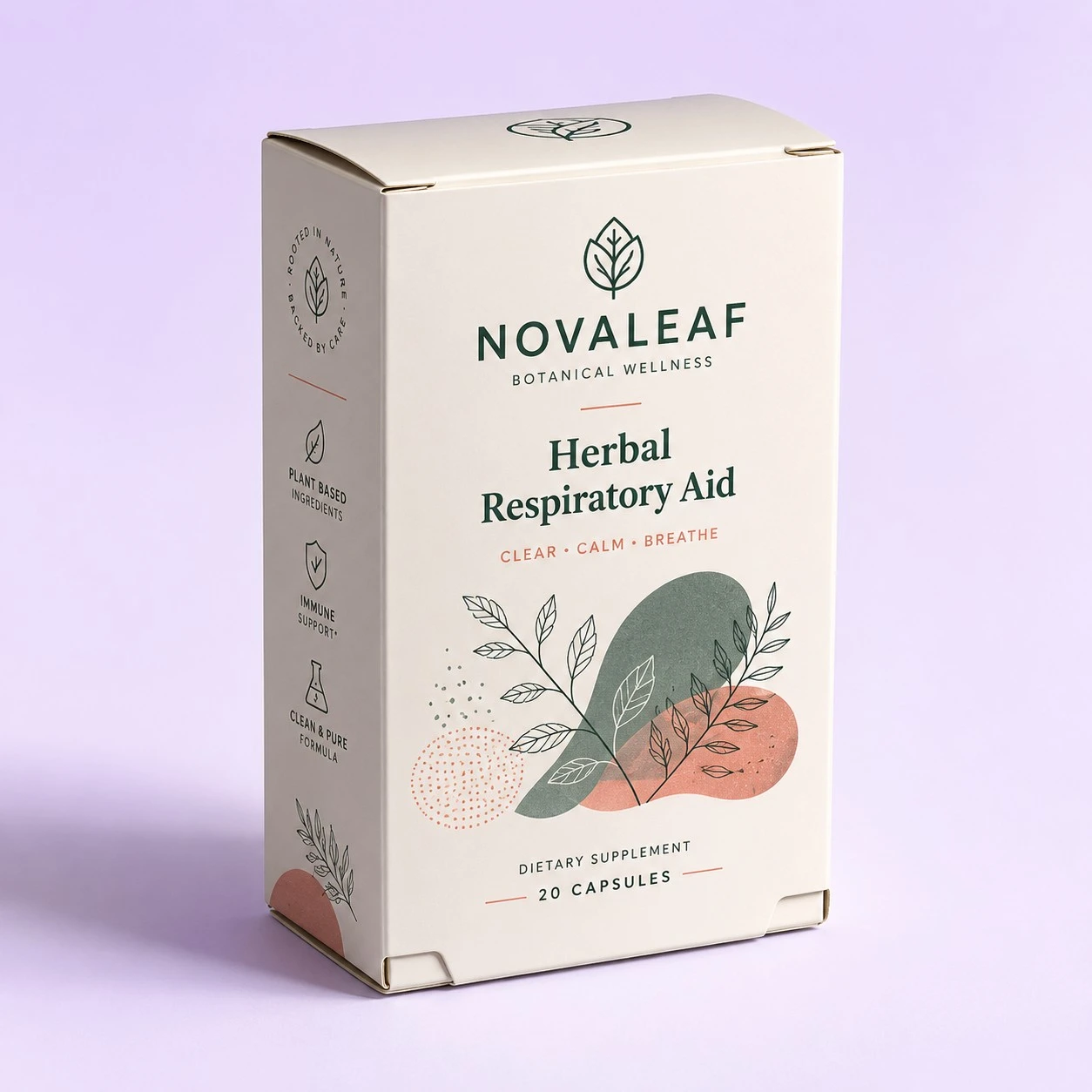
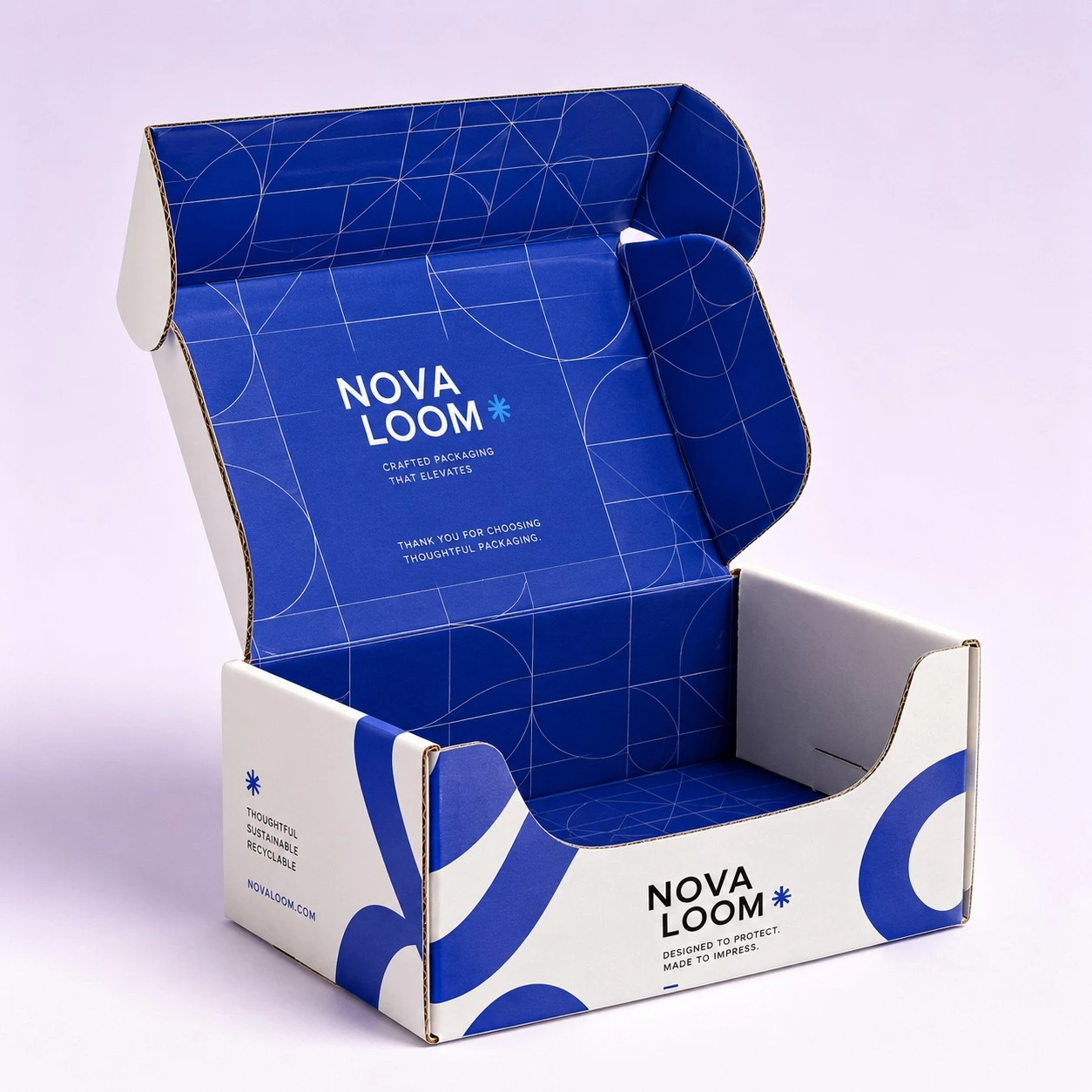
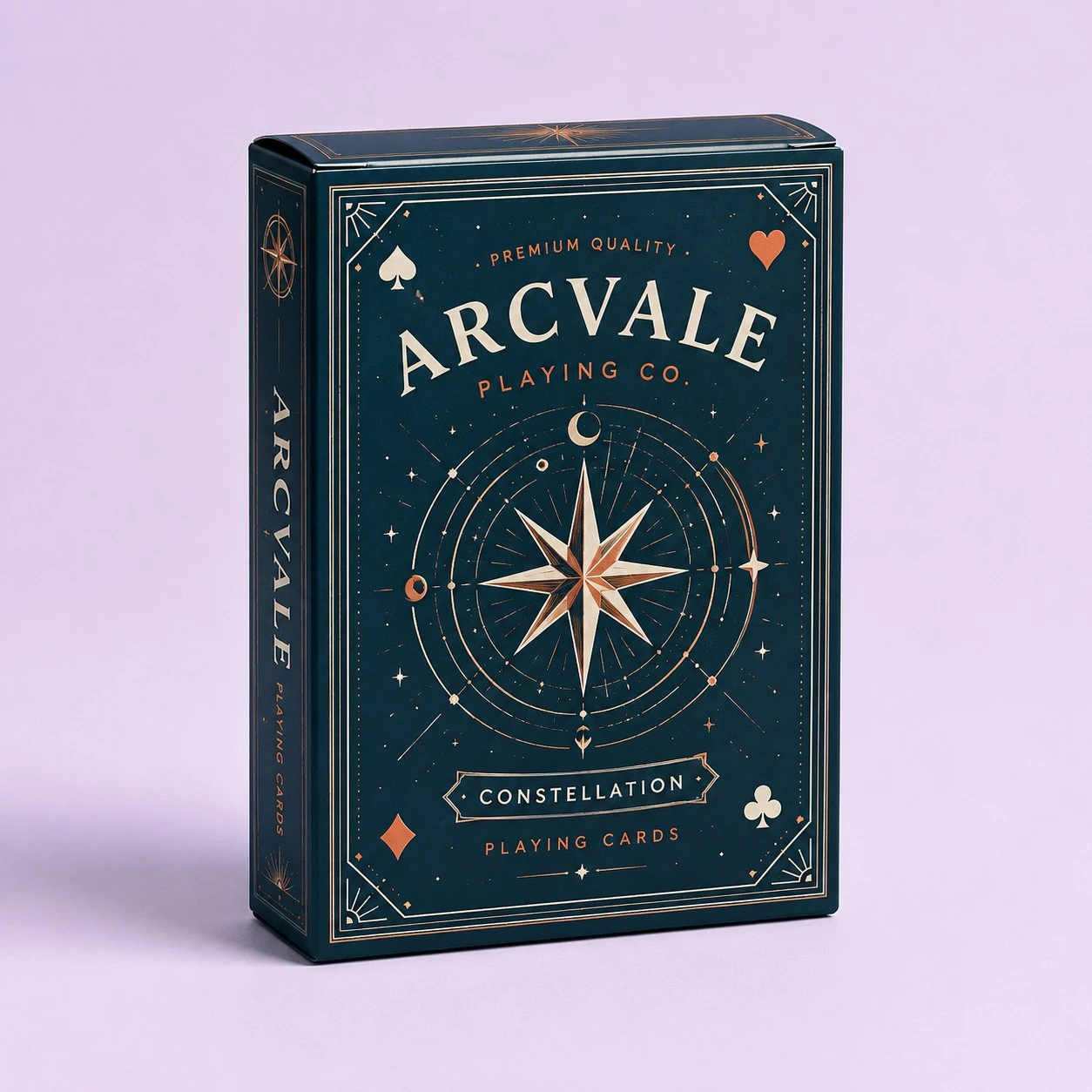
Custom Tuck Boxes Built Around Your Product and Brand
Custom tuck boxes give brands a practical way to package, protect, and present products in one clean structure. Packopie makes custom tuck box packaging around your product dimensions, artwork, quantity, material choice, and finishing needs. The result is a box built for your product instead of forcing the product into a fixed size.
Custom printed tuck boxes work well for retail products because they combine a simple folding carton structure with a large printable surface. Brands can use the front, back, side, top, and inside panels for logos, colors, product details, instructions, and design elements. The tuck closure also keeps assembly simple while giving the box a polished retail appearance.
Custom Tuck End Boxes Made to Exact Product Dimensions
A good tuck box starts with accurate dimensions. Length, width, and height affect the dieline, panel size, tuck depth, board strength, and final fit. Packopie develops custom tuck end boxes around the product so the finished carton feels balanced and secure.
The dieline defines where the paperboard is cut, scored, folded, glued, and tucked. Small changes in product size can change the full carton layout, so accurate measurements matter before production begins.
Product weight also affects the structure. Lightweight items may work well with a standard tuck end carton, while heavier products may benefit from a stronger board or bottom style. Custom inserts can also hold products in place and create a more organized presentation inside the box.
Straight Tuck, Reverse Tuck, and Stronger Bottom Styles
Straight tuck end and reverse tuck end are two of the most common structures in this category. Straight tuck end boxes have top and bottom tuck flaps that fold in the same direction. This structure gives the front and back panels a clean uninterrupted look.
Reverse tuck end boxes close from opposite directions. This structure is widely used for lightweight retail products and can fit efficiently on a printed sheet during production.
Other tuck packaging structures can solve different packing needs. Auto-lock bottom boxes use a bottom that locks into place as the carton is opened. Snap-lock bottom boxes use interlocking bottom panels for added support. Tuck top structures can also be paired with stronger bottom designs when the product needs more stability.
Choosing the right style depends on product dimensions, weight, packing speed, shelf presentation, and opening experience.
Paperboard Choices That Match Print and Strength Needs
Paperboard is one of the main materials used for custom tuck boxes. The right board depends on the product, print design, finish, and level of stiffness required.
SBS paperboard gives brands a smooth surface that works well for detailed printing and premium retail graphics. Kraft paperboard creates a natural fiber look and can support simpler or more earthy visual styles. Recycled board can also be considered when the project calls for recycled fiber content.
Board thickness matters as much as board type. A thinner paperboard can suit small lightweight products, while thicker material can add stiffness and improve handling. Packopie can match the material and point size to the box dimensions and product weight instead of treating every tuck carton the same.
Custom Printing and Finishes for a Stronger Shelf Presence
Custom printed tuck boxes give brands several ways to control how the package looks and feels. CMYK printing supports full-color artwork, while PMS or Pantone colors can help maintain specific brand colors across selected areas.
Finishing options can add contrast, texture, or shine without changing the basic box structure. Matte lamination creates a low-shine surface. Gloss lamination adds more reflection. Spot UV can highlight selected design areas. Foil stamping can add metallic detail to logos or graphics. Embossing raises chosen elements, while debossing presses them into the surface.
Brands can also add:
Inside printing for a more complete opening experience
Window cutouts to show part of the product
Custom inserts for better fit and presentation
Hang tabs for selected retail display needs
Perforations for controlled opening or tear-away sections
These features work best when they support the product and artwork instead of being added without a clear purpose.
Custom Tuck Boxes for Cosmetics, Skincare, and Retail Products
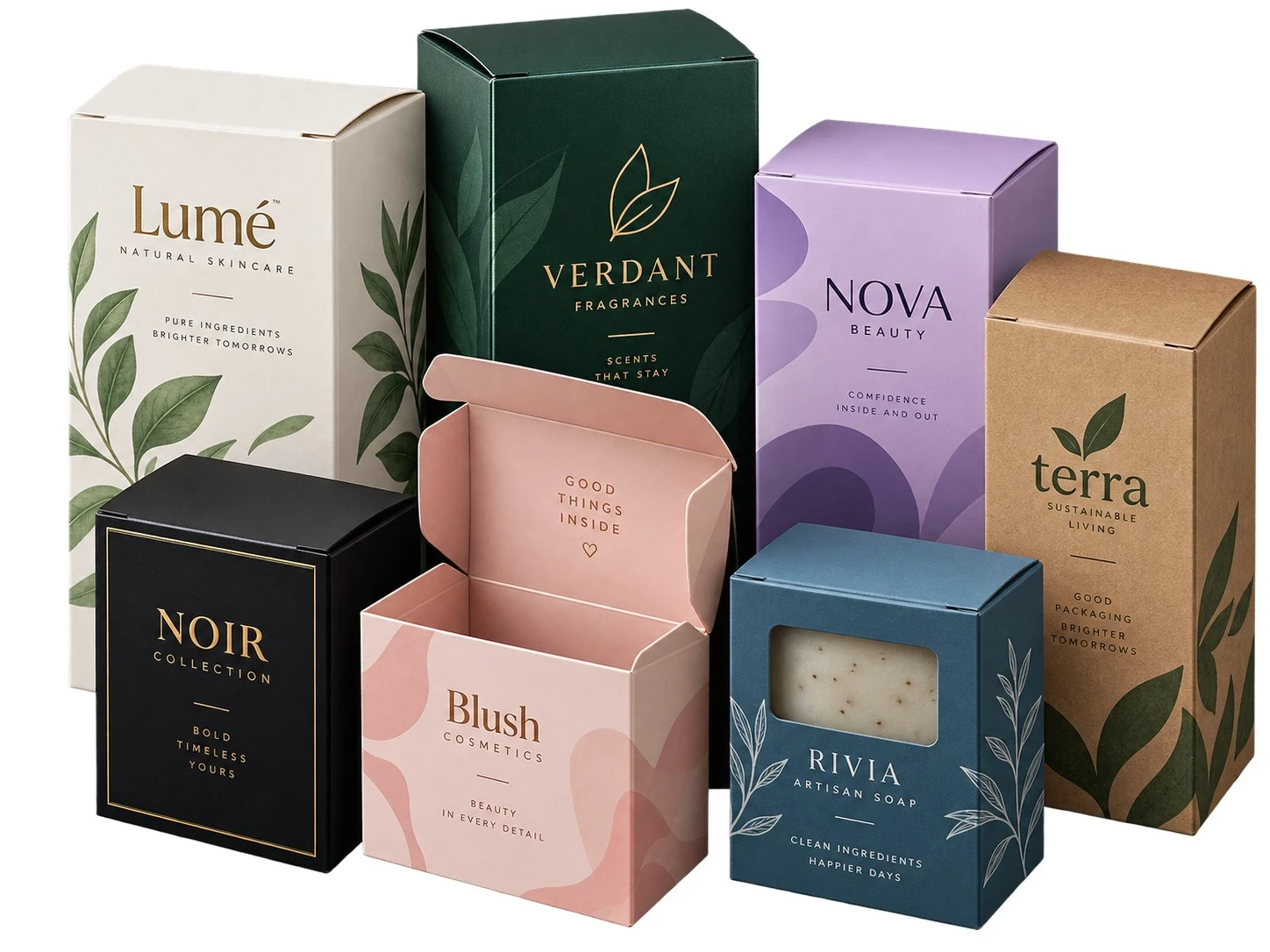
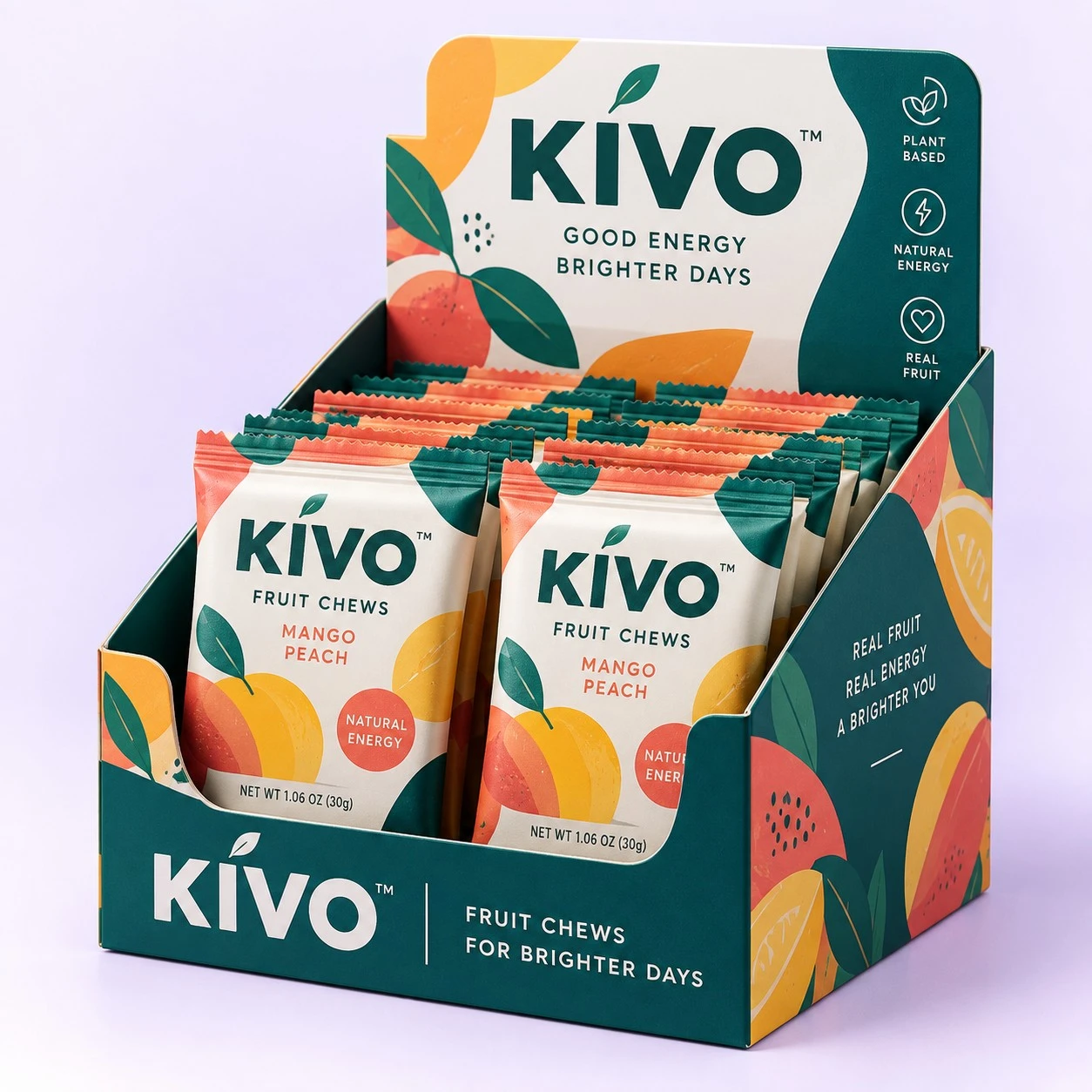
Tuck packaging is used across many small and medium retail products because the structure is flexible and easy to brand. Cosmetics, skincare, soaps, fragrances, supplements, confectionery, accessories, and compact electronics can all use custom tuck cartons when the box structure matches the product.
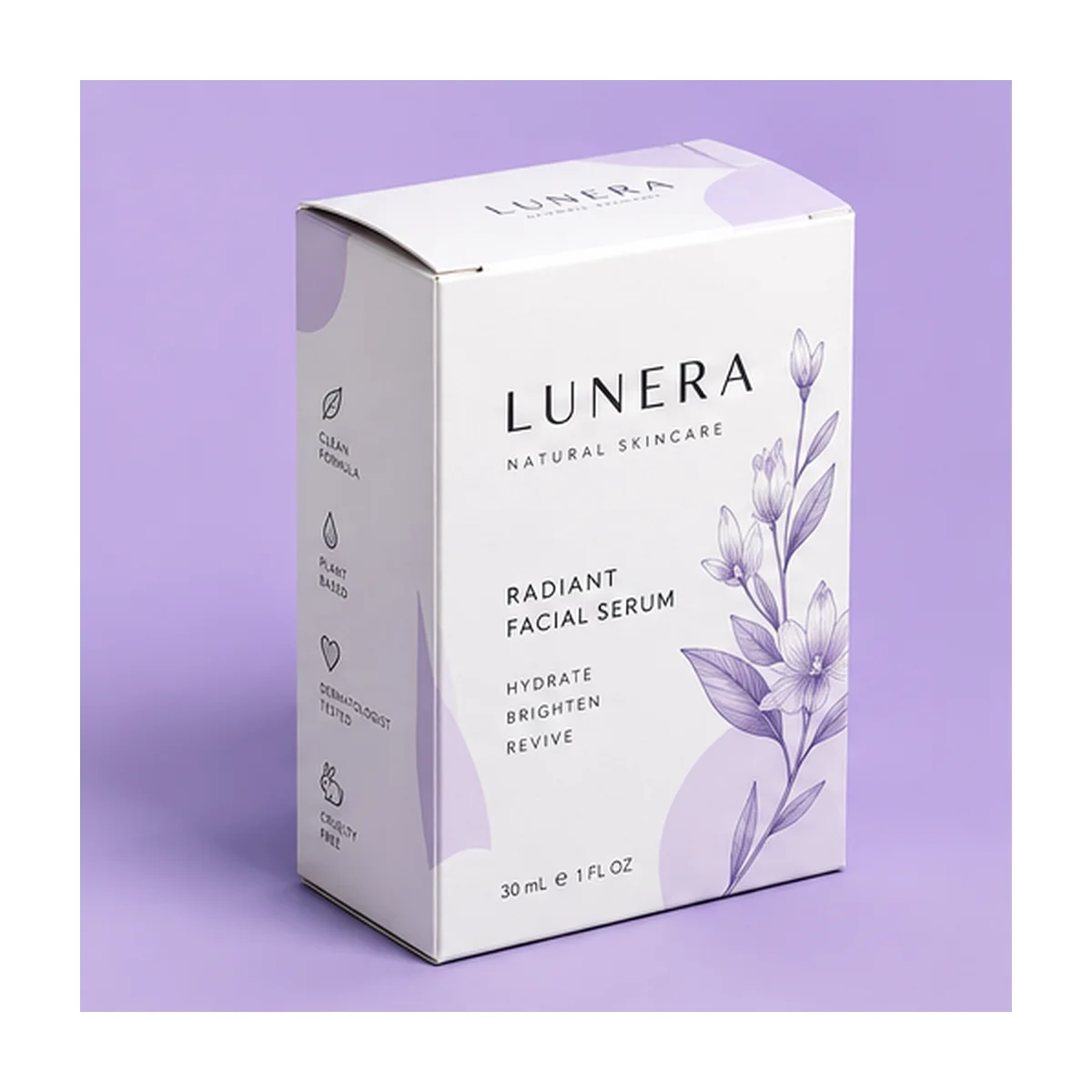
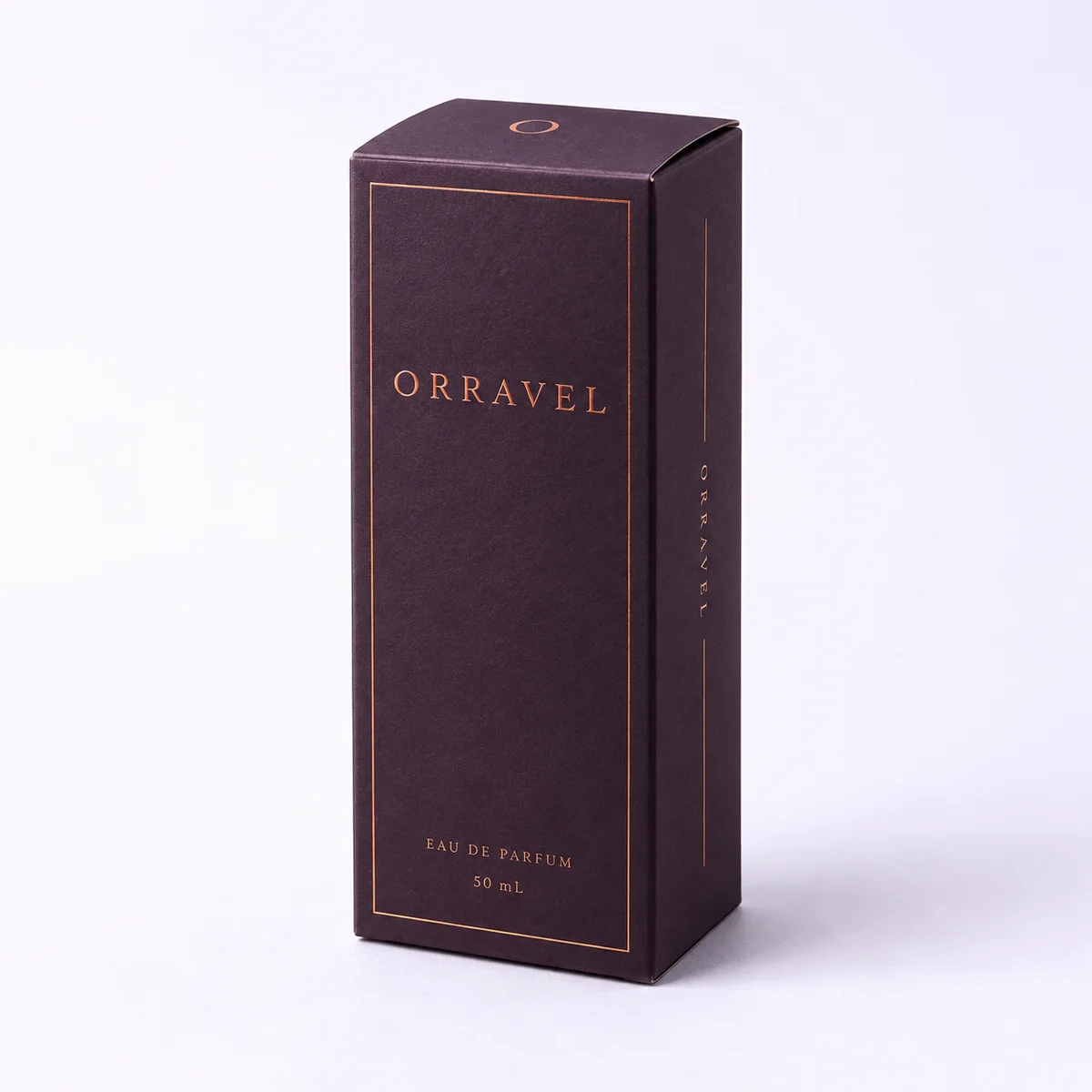
Cosmetics and skincare brands often use tuck boxes for bottles, jars, tubes, and small containers. Fragrance packaging may use foil, embossing, or inserts to create a more detailed presentation. Soap packaging can use kraft paperboard, printed graphics, or window cutouts depending on the brand style. Supplements and other bottled products can use custom dimensions that keep the inner container stable.
The main goal stays the same across these uses: match the structure to the product first, then build the visual design around that structure.
Better Product Fit Starts With the Right Specs
Custom tuck box projects become easier when the main specifications are clear early. Product dimensions, weight, box style, material, printing, finishes, quantity, and artwork all affect production planning.
Order quantity also affects how the project is produced and priced. A custom quote becomes more accurate when the box size, material, print coverage, finishes, and required quantity are known. Artwork readiness also matters because the dieline and print files must match before production begins.
Digital proofs or 3D mockups can help review the layout before final production. They make it easier to check panel placement, branding, color areas, and how artwork wraps around folds.
Custom Tuck Packaging From Brief to Production
Packopie builds custom tuck boxes as made-to-order packaging projects. Each box can be developed around your product, branding, board choice, printing, finish, and quantity instead of relying on a fixed structure.
That approach gives you more control over product fit, shelf presentation, packing workflow, and the final customer experience. Straight tuck end, reverse tuck end, tuck top, auto-lock bottom, and other structures can all be considered based on the product and packing needs.
When your dimensions, artwork, quantity, and preferred box style are ready, Packopie can use those details to prepare a custom quote and help narrow down the right material, print method, finishes, and production setup for your tuck box project.
Frequently Asked Questions
MOQ depends on your box size, material, printing, and finishing needs. Packopie can review your quantity and specifications to plan the right custom production run.
Yes. Custom tuck boxes can be made around your product dimensions with a custom dieline for the required length, width, depth, and closure style.
Tuck packaging can include straight tuck end, reverse tuck end, tuck top, auto-lock bottom, snap-lock bottom, and other structures suited to the product.
Paperboard, cardboard, and kraft are common choices for custom tuck boxes. Material thickness and construction can be matched to the product weight, protection needs, and desired presentation.
Custom tuck boxes can feature printed artwork, inside printing, matte or gloss finishes, foil stamping, embossing, debossing, spot UV, window cutouts, and custom inserts.
Turnaround depends on the box structure, quantity, printing, finishes, and project requirements. Final production timing can be confirmed after your size, artwork, and specifications are reviewed.
✦ Upgrade Today
Ready to Upgrade Your Brand Packaging?
Get custom templates matching your custom dimensions. Instant 3D digital proof samples returned in hours.