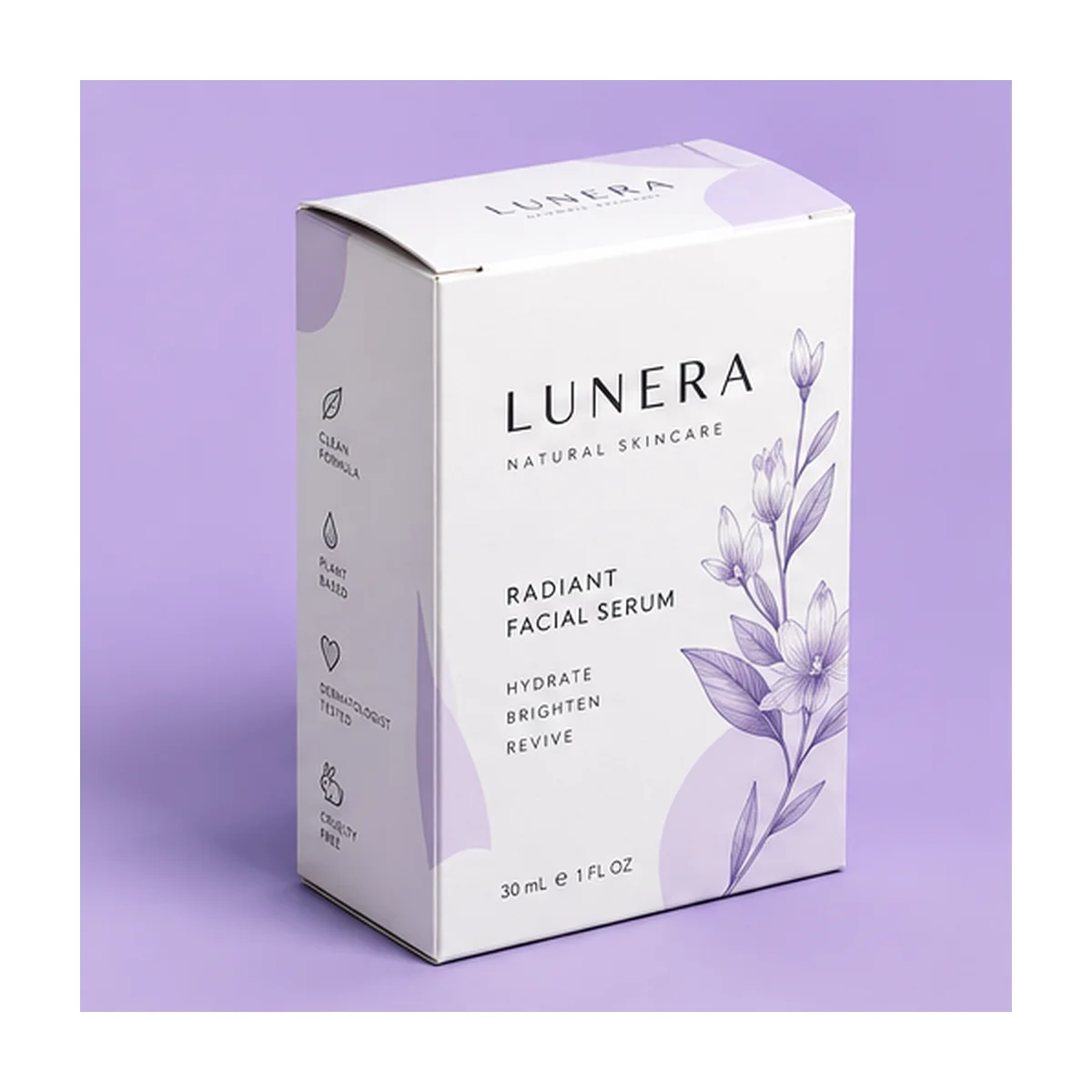
Crisp White Cartons
★★★★★
4.7/5.0Custom White Tuck Top Boxes
White print panels keep small products easy to read on a retail shelf. A tuck-in top closes the carton neatly; choose the bottom style for the filled weight.
Premium Quality
Fully Customizable
Low MOQ
Fast Turnaround
100% Eco-Friendly
Sustainable materials
Free Shipping
On every order
No Die & Plate Charges
Zero hidden costs
100% Satisfaction
Quality guaranteed
Expert Support
We're here to help
Design Varieties
White Tuck Top Box Designs for Distinct Retail Products
Explore ten approaches to white folding-carton packaging, from quiet botanical artwork to bold retail graphics. Each design shows a different printed presentation or closure detail.
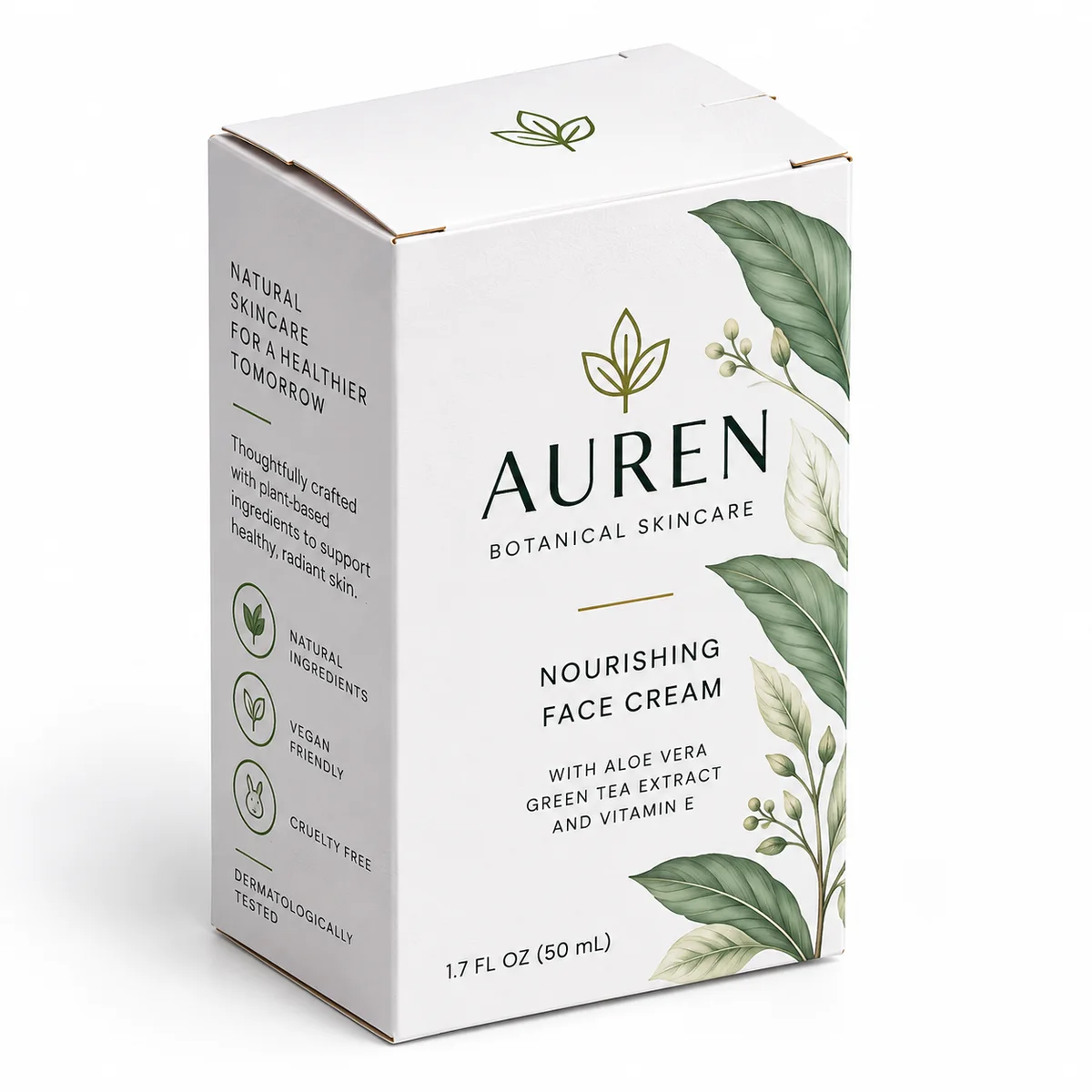
Botanical Tuck Carton
White folding carton with a closed tuck top, crisp folded edges, and printed side panels.
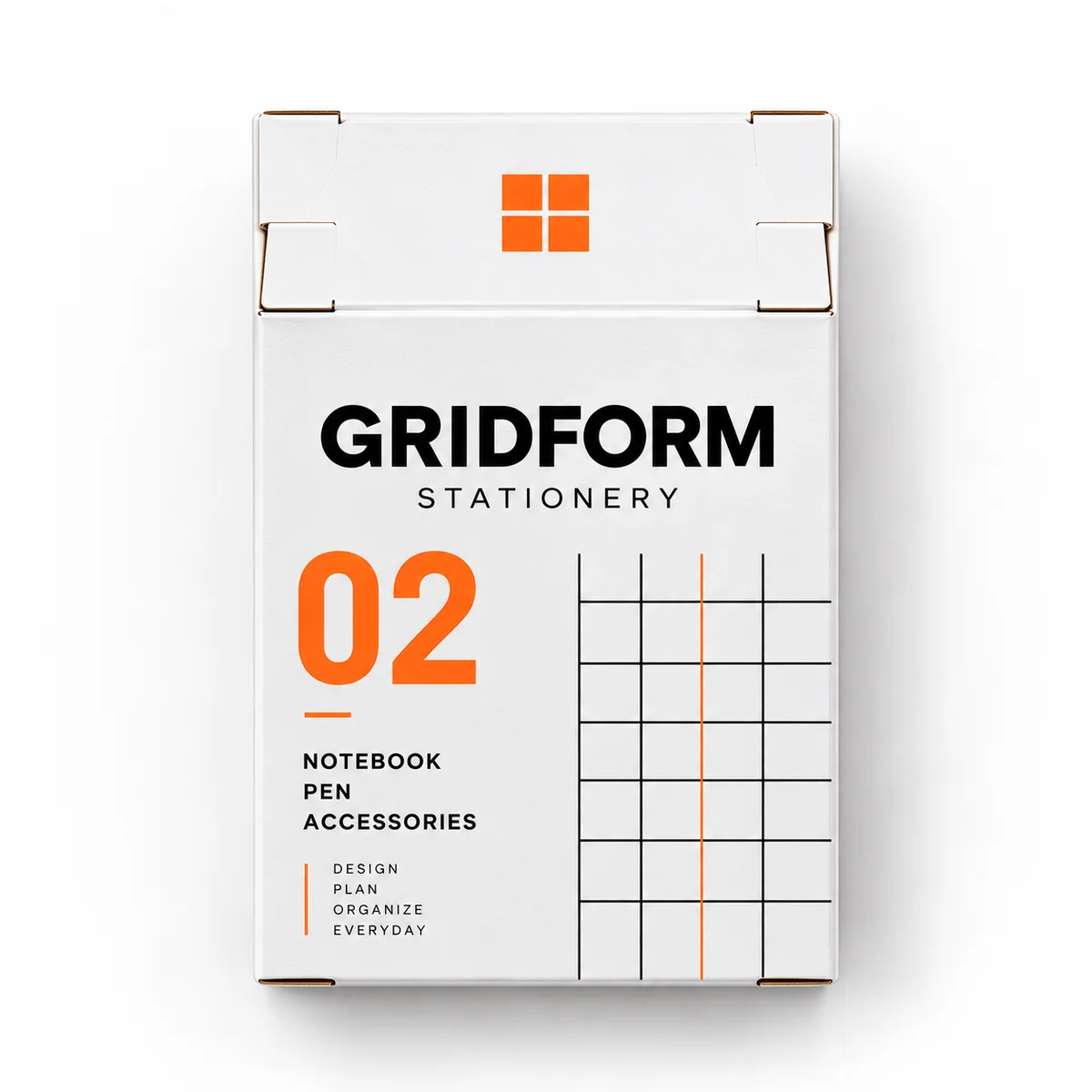
Grid-Print Tuck Carton
Rectangular tuck-top carton viewed overhead, with top flap folds and aligned corner tabs.
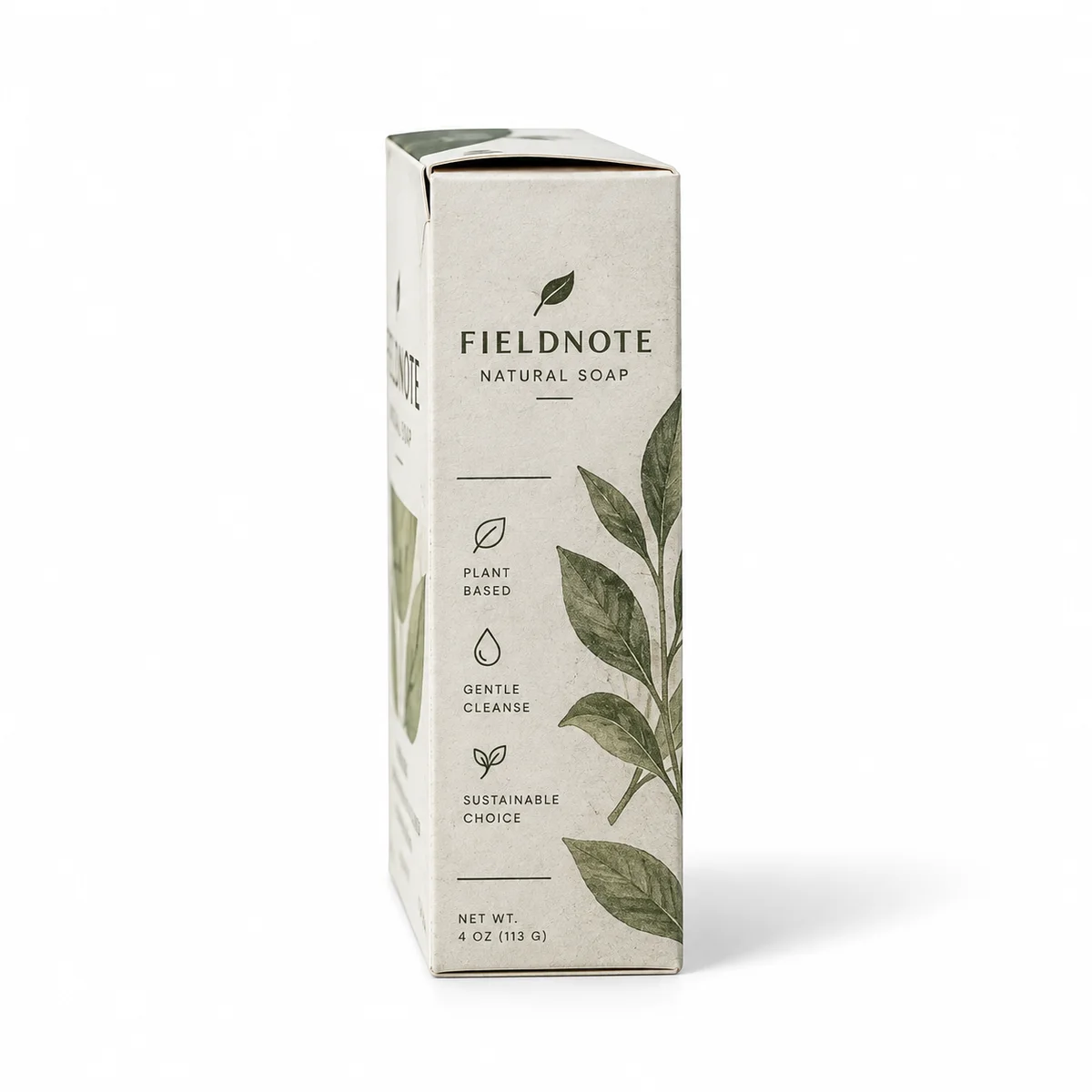
Slim Side-Panel Carton
Slim upright carton with a tucked top flap, narrow side panel, and visible paperboard edge.
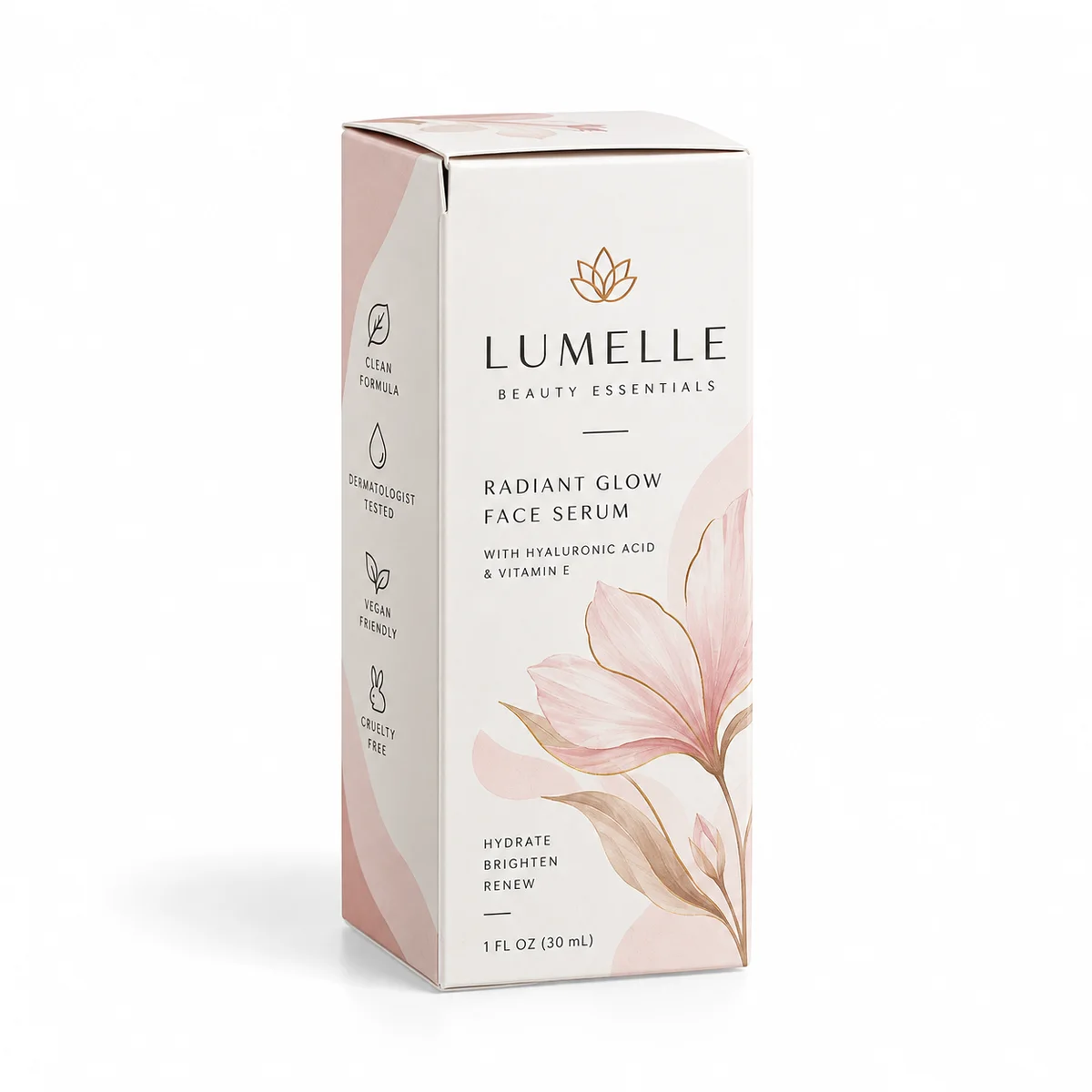
Floral Top-Tuck Carton
Tall white folding carton with a tucked top flap, crisp corners, and floral front printing.
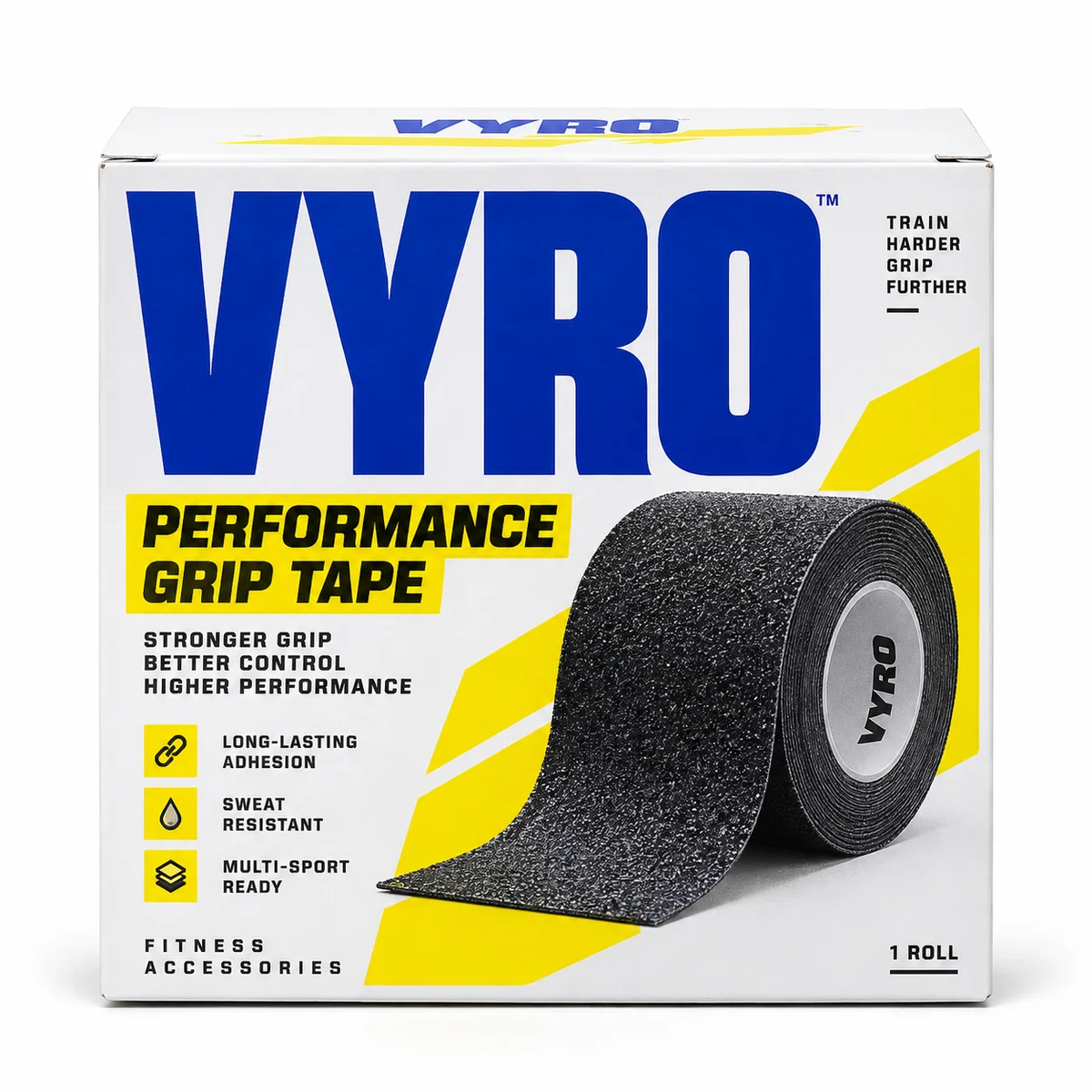
Wide-Front Tuck Carton
Wide white tuck-top carton with a broad front panel, closed lid seam, and square side edges.
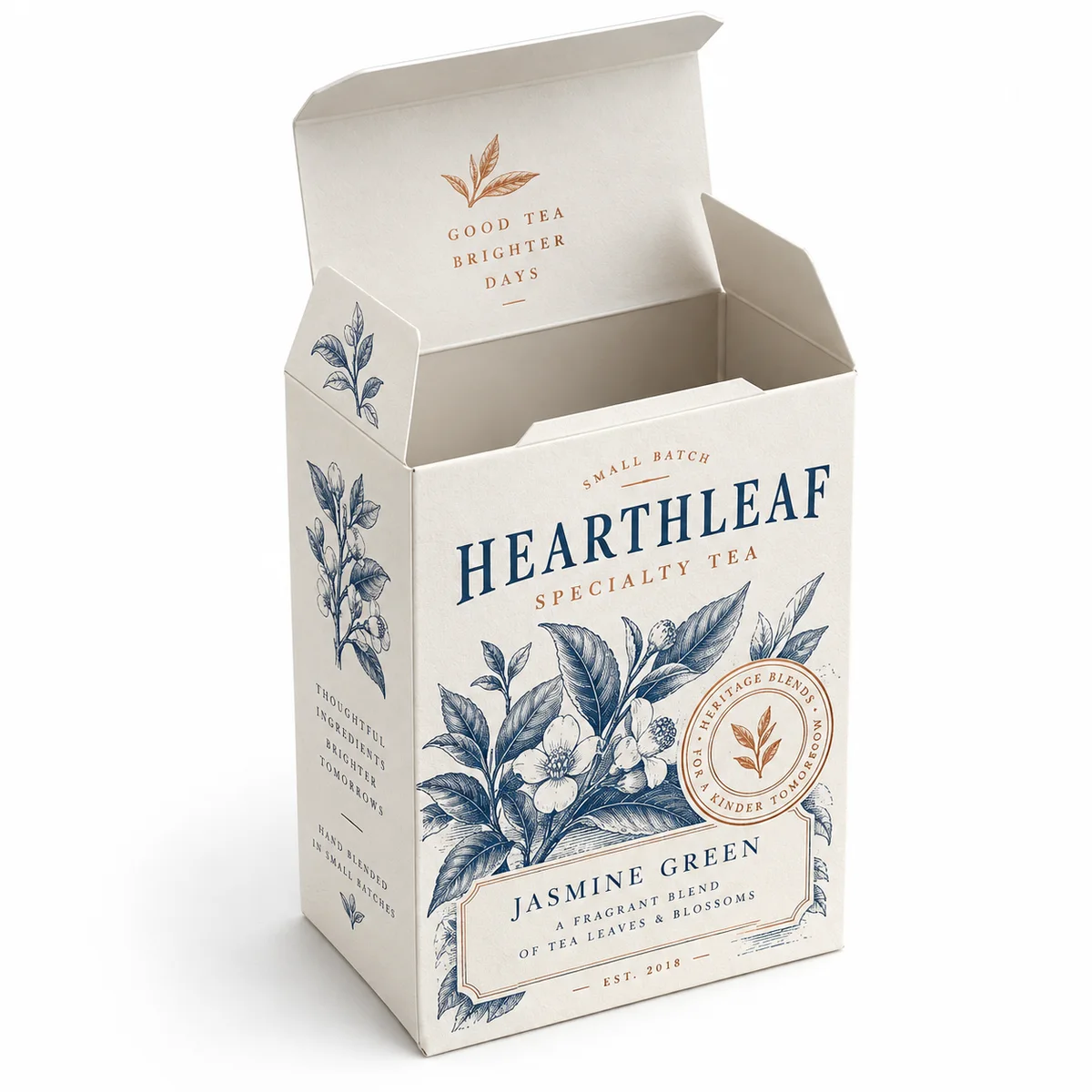
Open Dust-Flap Carton
White folding carton shown open, with raised top flap, side dust flaps, and inner walls.
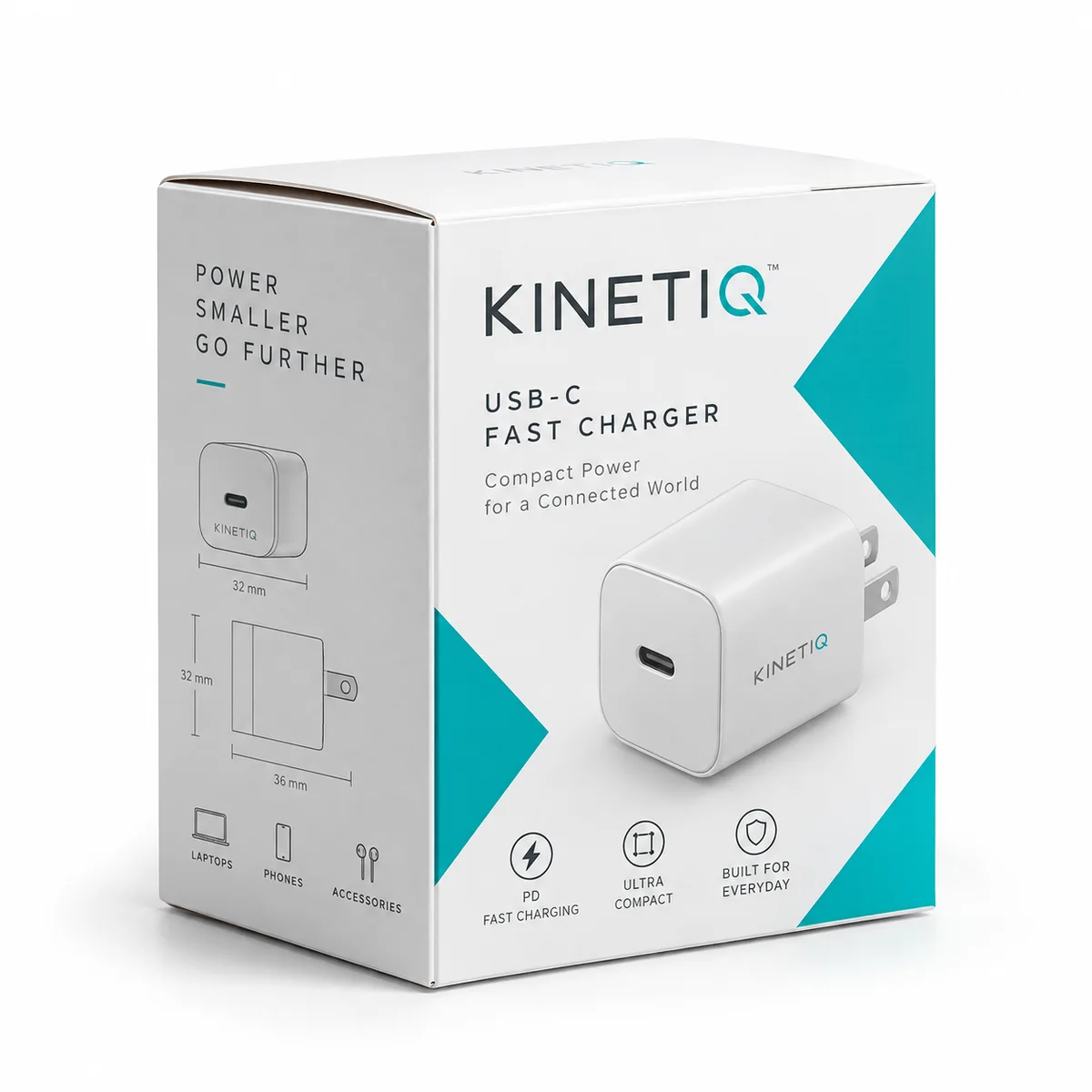
Compact Tuck-Top Carton
White tuck-top carton with a closed folded lid, broad print panels, and squared side seams.
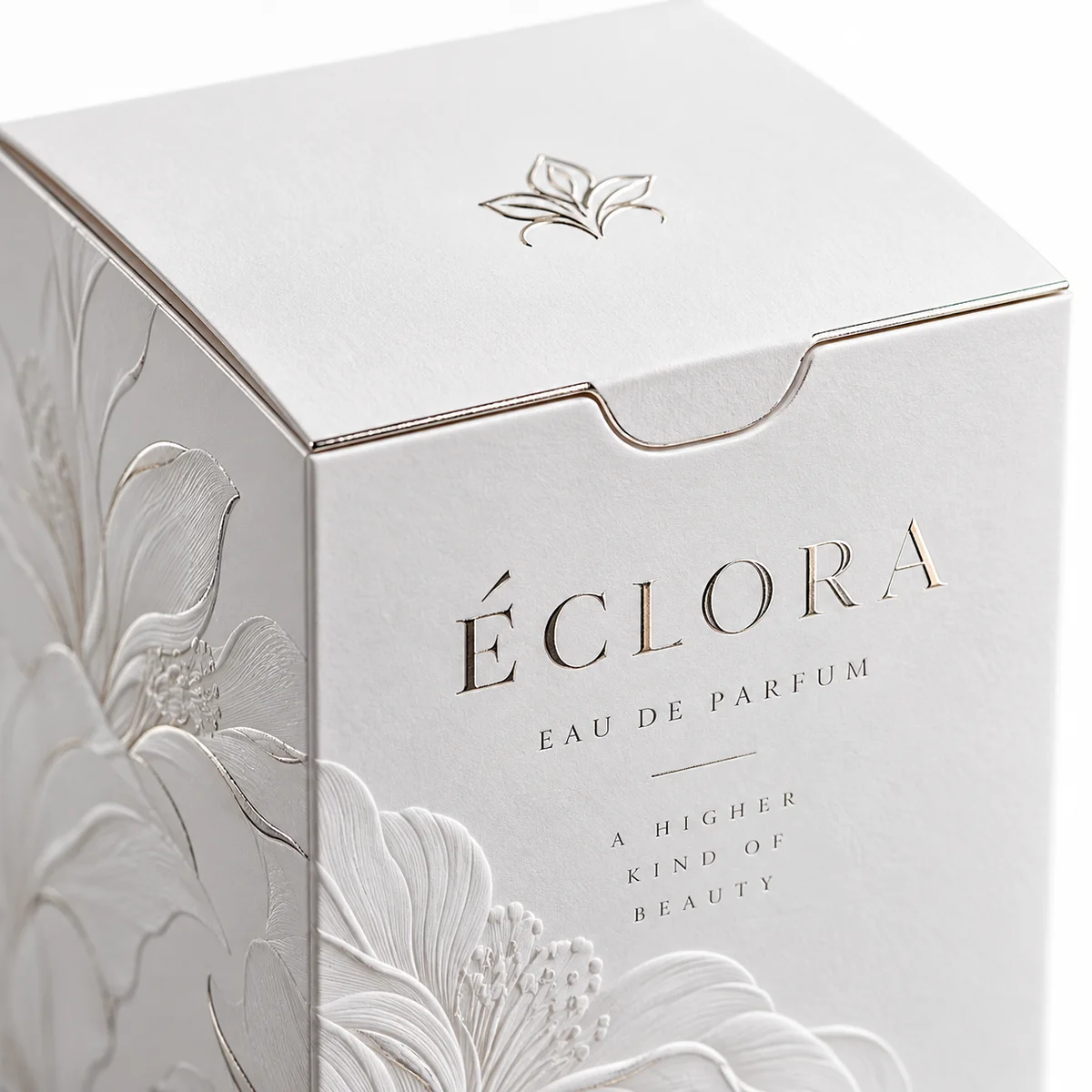
Embossed Tuck Detail
Close-up of a white tuck-top carton showing raised floral detail and a notched flap edge.
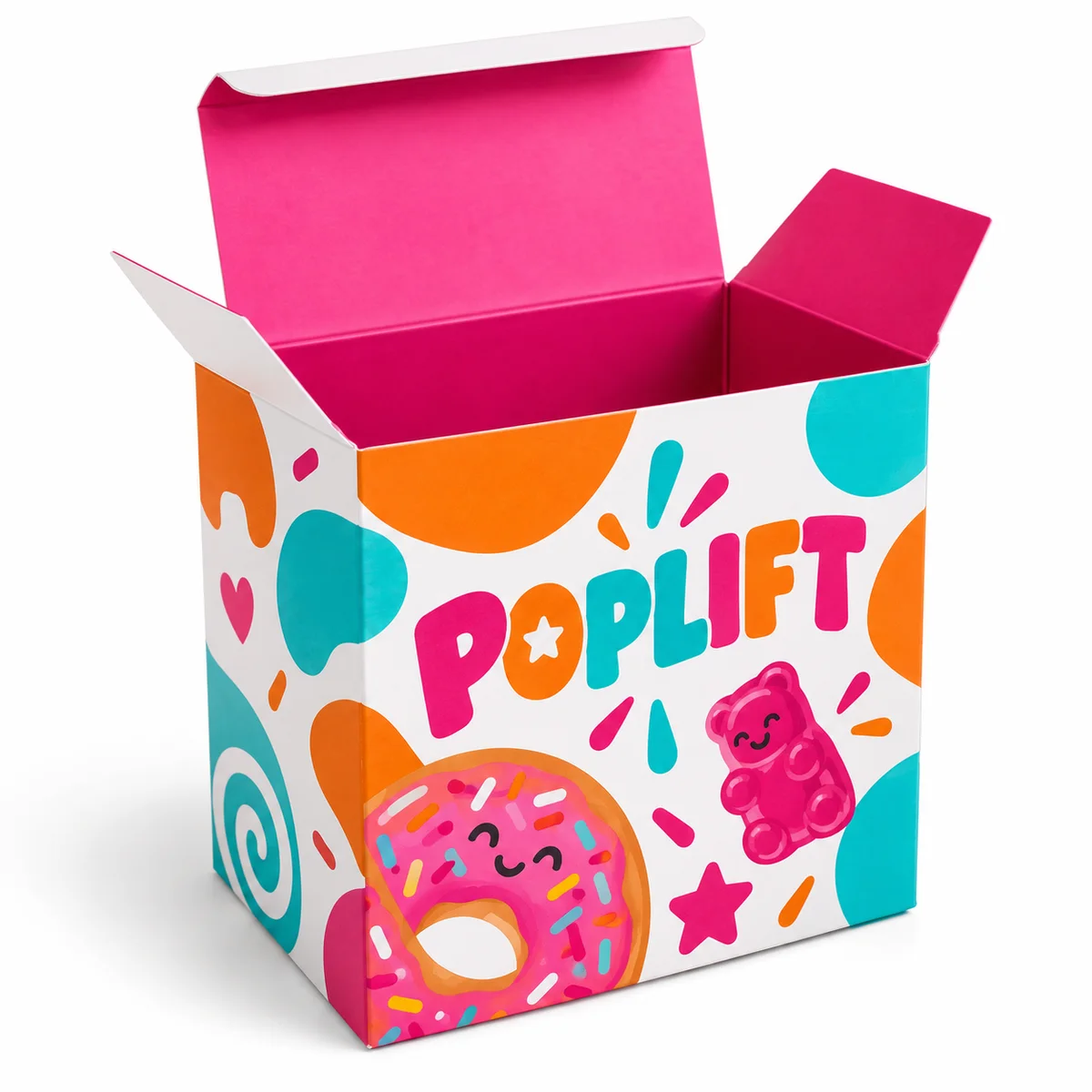
Color-Lined Open Carton
Open white carton with an upright tuck flap, outward dust flaps, and bright inner panels.
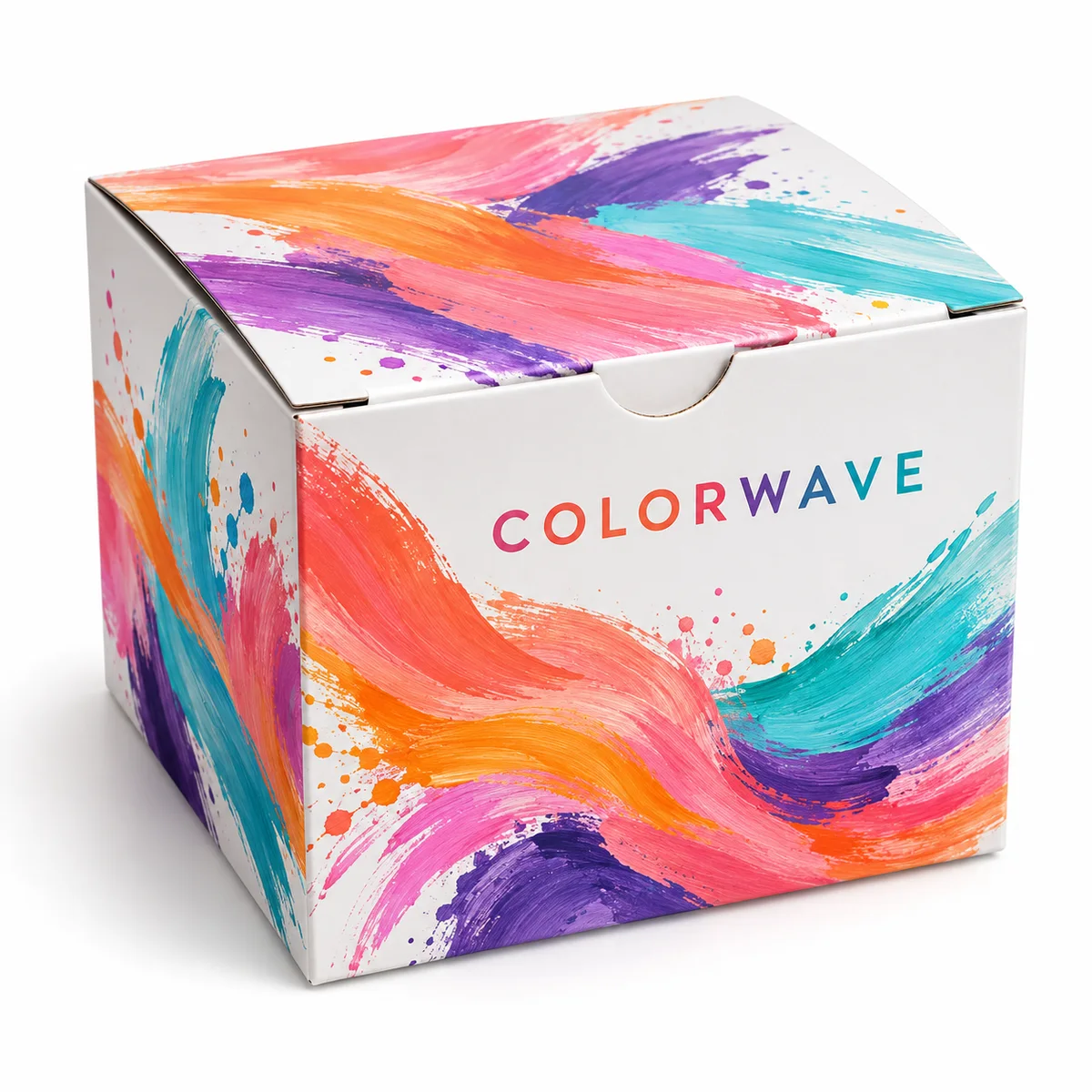
Notched Tuck Closure
White carton with a rounded thumb notch at the tucked top and printed wraparound panels.
Can't find the perfect style?
Create a completely custom box design tailored to your brand.
Designed for Various Industries
We design packaging that fits every industry
From small businesses to global brands, our custom packaging solutions are built to elevate your brand and leave a lasting impression.
Cosmetics & Beauty
Food & Beverages
E-commerce & Retail
Electronics
Apparel & Fashion
Health & Wellness
Pharmaceuticals
Cannabis & CBD
Pet Products
Baby & Kids
Jewelry & Accessories
Home & Lifestyle
Candles & Fragrance
Coffee & Tea
Confectionery
Cosmetics & Beauty
Food & Beverages
E-commerce & Retail
Electronics
Apparel & Fashion
Health & Wellness
Pharmaceuticals
Cannabis & CBD
Pet Products
Baby & Kids
Jewelry & Accessories
Home & Lifestyle
Candles & Fragrance
Coffee & Tea
Confectionery
Supplements
Skincare & Personal Care
Haircare
Automotive
Sports & Fitness
Toys & Games
Stationery & Gifts
Bakery & Desserts
Wine & Spirits
Tobacco & Vape
Medical Devices
Tech Accessories
Subscription Boxes
Organic & Natural
Luxury Retail
Supplements
Skincare & Personal Care
Haircare
Automotive
Sports & Fitness
Toys & Games
Stationery & Gifts
Bakery & Desserts
Wine & Spirits
Tobacco & Vape
Medical Devices
Tech Accessories
Subscription Boxes
Organic & Natural
Luxury Retail
Built for brands
that care about detail.
Premium packaging. Precise printing.
Fast turnaround. No hidden costs.
10K+
Happy Customers
98%
Satisfaction Rate
Trusted by Top Brands
We work with startups to enterprises. Our boxes make an impact.
Free Design Support
Get expert help in creating the perfect packaging for your brand.
Warehouse Across USA
Faster fulfilment with local production and warehouses.
Print & Design Lovers
Crafted with passion, just the way your brand deserves.
Custom White Tuck Top Boxes for Clean Retail Print and Reliable Closure
Small retail cartons have little room for error. A tuck flap can catch on a bottle cap, while the front panel can look crowded. A custom white tuck-top carton starts with the product inside: its measurements, filled weight, and the space needed to close the lid. This balances display and closure.
White Tuck Top Boxes for Clear Retail Presentation
White paperboard creates a bright base for product names, artwork, and small print. A skincare label might need room for the product name and net contents. Stationery may use a bold graphic. Both rely on flat panels that keep information clear.
The tuck-in top sits inside the carton rather than leaving a long flap over the front artwork. Folds help the box stand square. In Packopie's [Custom Tuck Boxes](/custom-tuck-boxes) range, this white folding-carton design is a good starting point when a light retail pack needs a defined opening and a broad print area. Final artwork placement still depends on the approved dieline.
Tuck-Top Closures and Bottom Styles Matched to Your Product
The top flap and the base do different jobs. The top lets the customer open and reclose the carton. The bottom supports the packed item during filling, display, and handling. A light soap bar or card set may suit a folded base. A heavier jar may call for a snap-lock bottom or an auto-lock bottom, subject to testing with its actual weight.
Dust flaps fold in at the sides of the opening. Their size and the main tuck flap's depth affect how cleanly the top closes. For a packing line, the time needed to fold each base matters too. Auto-lock bases can reduce manual folding, but they require a suitable carton design and production review.
A straight-tuck layout uses main end flaps that enter from the same side; compare [Custom Straight Tuck End Boxes](/custom-tuck-boxes/straight-tuck-end-boxes) when that layout suits the artwork. With flaps entering from opposite sides, [Custom Reverse Tuck End Boxes](/custom-tuck-boxes/reverse-tuck-end-boxes) offer a related construction. Each is a distinct structural choice.
White SBS Paperboard That Fits Your Print and Fold Requirements
White solid bleached sulfate (SBS) board gives the carton a clean print face. A proposed 16pt grade is one starting point for small retail boxes, not a universal strength rating. Lighter 14pt board may suit compact, low-weight goods. Thicker 18pt or 24pt board can feel firmer, but thicker material also changes crease and tuck behavior. Filled weight guides selection.
Coating is a separate choice from paper color. C1S means one coated side, usually the exterior print face. C2S means both sides are coated, which can help when the inside has detailed artwork. A white interior alone may not need C2S. White-faced recycled board can be considered when its surface, stiffness, and print result fit the project. Final material availability and performance need confirmation before production.
Custom Carton Dimensions with Reliable Tuck-Flap Clearance
The box must fit the product as it will actually be packed. Measure the item with its cap, label, inner wrap, or insert in place, then specify the required inside length, width, and depth. A bottle's shoulder or a tall cap can reduce the space available for the top flap even when the bottle fits the carton body.
Excess room has costs of its own. The product may shift, push against the print panels, or need extra support. A fitted paperboard insert can hold an item in place, while a clear window may need more front-panel space and a reviewed cutout shape. Every added feature changes the dieline.
A physical sample is useful for checking insertion, flap retention, and the finished carton on a shelf. It also tests packing speed. Flat-fold storage and assembly should be planned with the same care as the finished dimensions.
Full-Color Printing and Finishes for White Retail Cartons
CMYK printing carries illustrations, photography, and multicolor branding across the white exterior. A spot color may be worth discussing where a particular brand shade matters. Print artwork needs bleed beyond trimmed edges and a safe area for small lettering, barcodes, and required product text. The final dieline defines those limits.
A matte finish can reduce shine; a gloss finish makes reflected light part of the presentation. Soft-touch lamination changes the feel of the surface. Foil, embossing, and spot UV can call attention to selected details, but they need their own placement and compatibility checks. These are optional production treatments, not automatic features of the carton.
For a design with interior print, confirm the board's reverse surface and proof the opened box as well as the front. Check artwork breaks along dust flaps and creases.
White Tuck Packaging for Beauty, Personal Care, and Small Retail Goods
A skincare carton often needs a neat front label and enough headroom for a pump or dropper cap. Soap packaging may prioritize easy hand filling and a folded base. Stationery, small gifts, and electronics accessories raise different questions about insert fit and movement. The common goal is a white retail carton designed around what the customer will see and what the packer will handle.
Brands comparing [Custom Product Boxes](/custom-product-boxes) can use the tuck-top format when a foldable carton suits the product. In [Custom Retail Boxes](/custom-retail-boxes), the white surface creates a calm base for busy artwork or a deliberately sparse brand look. Where the package must also function as a countertop merchandising unit, [Custom Flat Tuck Display Boxes](/custom-display-boxes/flat-tuck-display-boxes) are a separate format worth comparing.
For food-related goods, a retail carton may serve as secondary packaging around a suitable inner pack. Direct food contact is a different specification and requires its own material and compliance review. Fragile goods need suitable outer shipping protection.
Wholesale White Tuck Top Boxes Quoted to Your Specifications
A meaningful quote starts with more than a quantity. Inside dimensions, filled product weight, chosen bottom style, board grade, artwork coverage, finishes, and delivery location each affect the work needed to make the carton. Timing, freight, and rush requests need project confirmation.
For a small skincare launch, that may mean comparing a simple fold-in base with a tested locking base. For larger runs, assembly and storage also matter. Once the product measurements, artwork, and estimated order quantity are clear, Packopie can review the construction and prepare a custom quotation matched to the job. The result is a white tuck-top box specified for the product inside, not just its appearance on a shelf.
Frequently Asked Questions
An overfilled carton can push against the top panel and prevent the tuck flap from seating properly. Leave room above bottle caps, product lids, and inserts. A physical sample helps confirm the flap depth and fit before production.
For a heavy glass jar, a snap-lock or auto-lock bottom is usually a better starting point than a simple fold-in base. The final choice depends on the filled weight, bottom area, and how the product will be handled. Test the assembled carton with the actual jar.
Measure the bottle with its cap, label, and any protective insert in place. Use the carton’s internal dimensions and allow enough clearance for smooth loading without excess movement. Also check the clearance above the cap so the tuck-top flap can close freely.
For a smooth printed interior, C2S board is generally more suitable because both faces are coated. C1S board has a coated exterior and a different reverse surface. Confirm the board grade and interior ink requirements during artwork review.
A lightweight paperboard tuck carton is primarily a retail or inner package. Use a suitable corrugated shipping box and cushioning for parcel delivery, especially around fragile items. The required outer packaging depends on the packed product and transport conditions.
Direct food contact requires separate material and compliance verification. White paperboard and printed coatings are not automatically suitable for every food application. Review the intended food, contact conditions, inks, coatings, and any protective inner wrap before choosing a construction.
More Solutions
You May Also Like
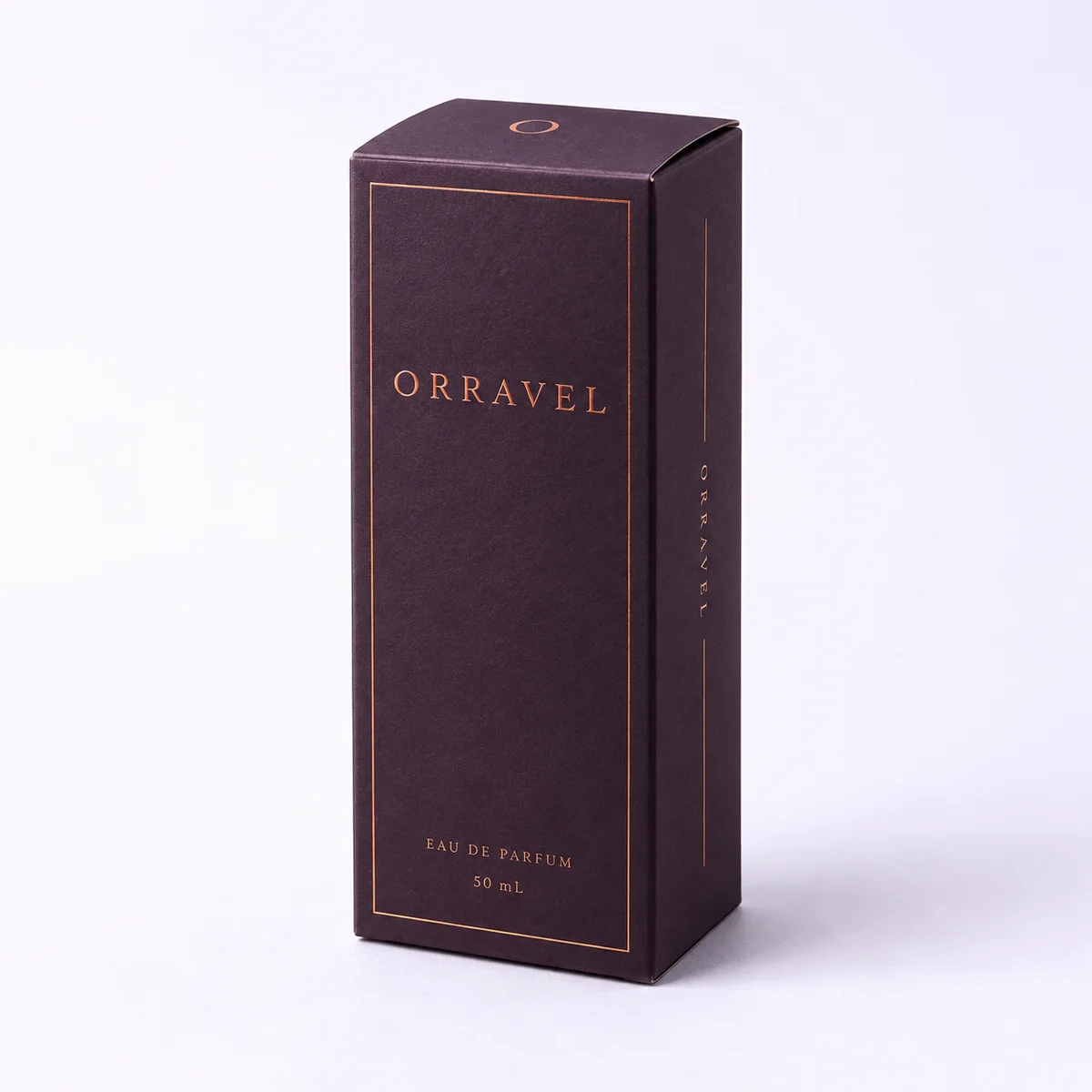
Custom Reverse Tuck End Boxes
Give lightweight retail products a fitted carton with opposing tuck flaps. Custom panel layouts keep your branding aligned with the way the box opens.
View product →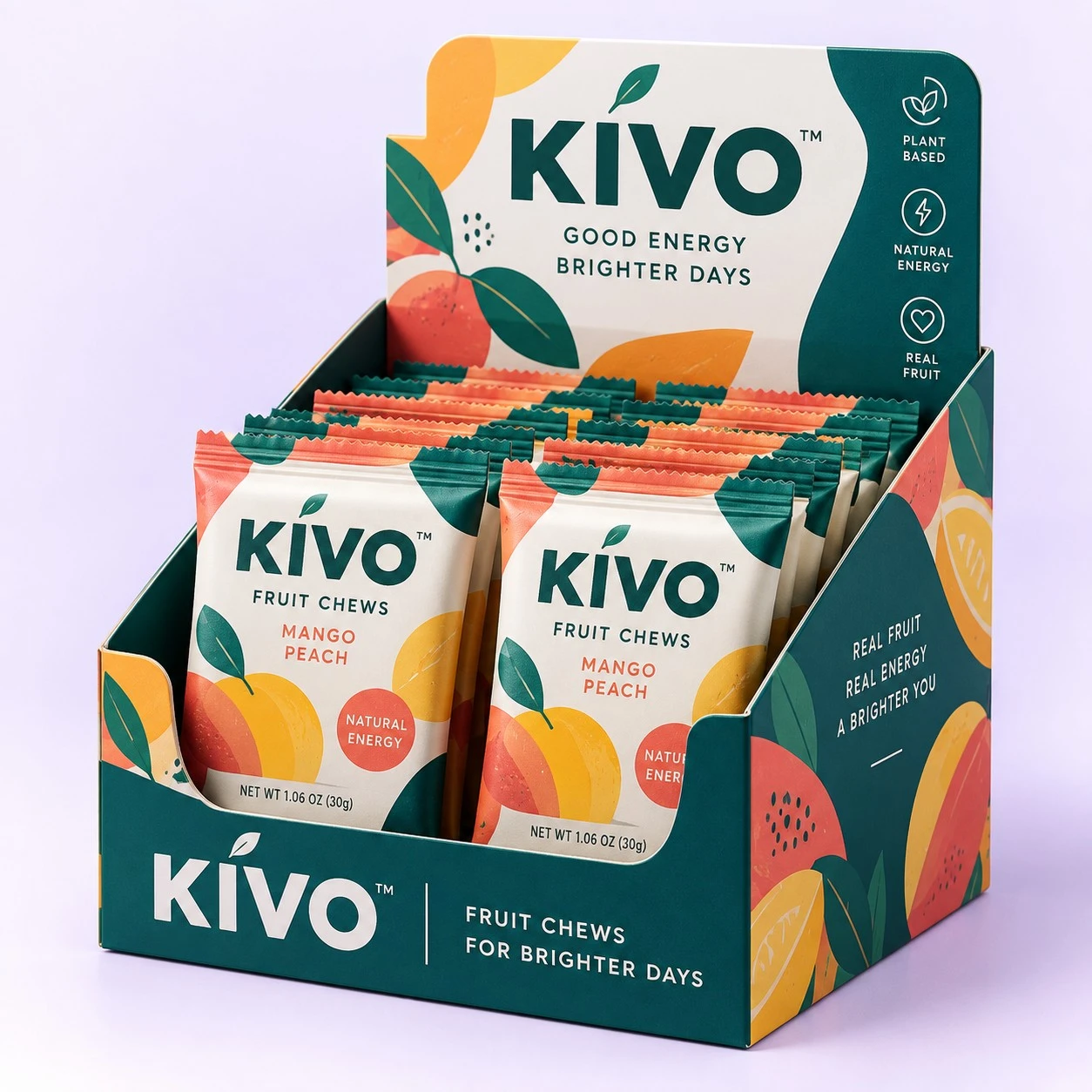
Custom Flat Tuck Display Boxes
Give snacks, beauty products, and small retail packs a clear place at checkout. A fold-flat tuck tray combines easy front access with a raised branding header.
View product →
Custom Straight Tuck End Boxes
Custom straight tuck end boxes with clean front panels, same-side tuck closures, full-color printing, and made-to-order sizes for retail products.
View product →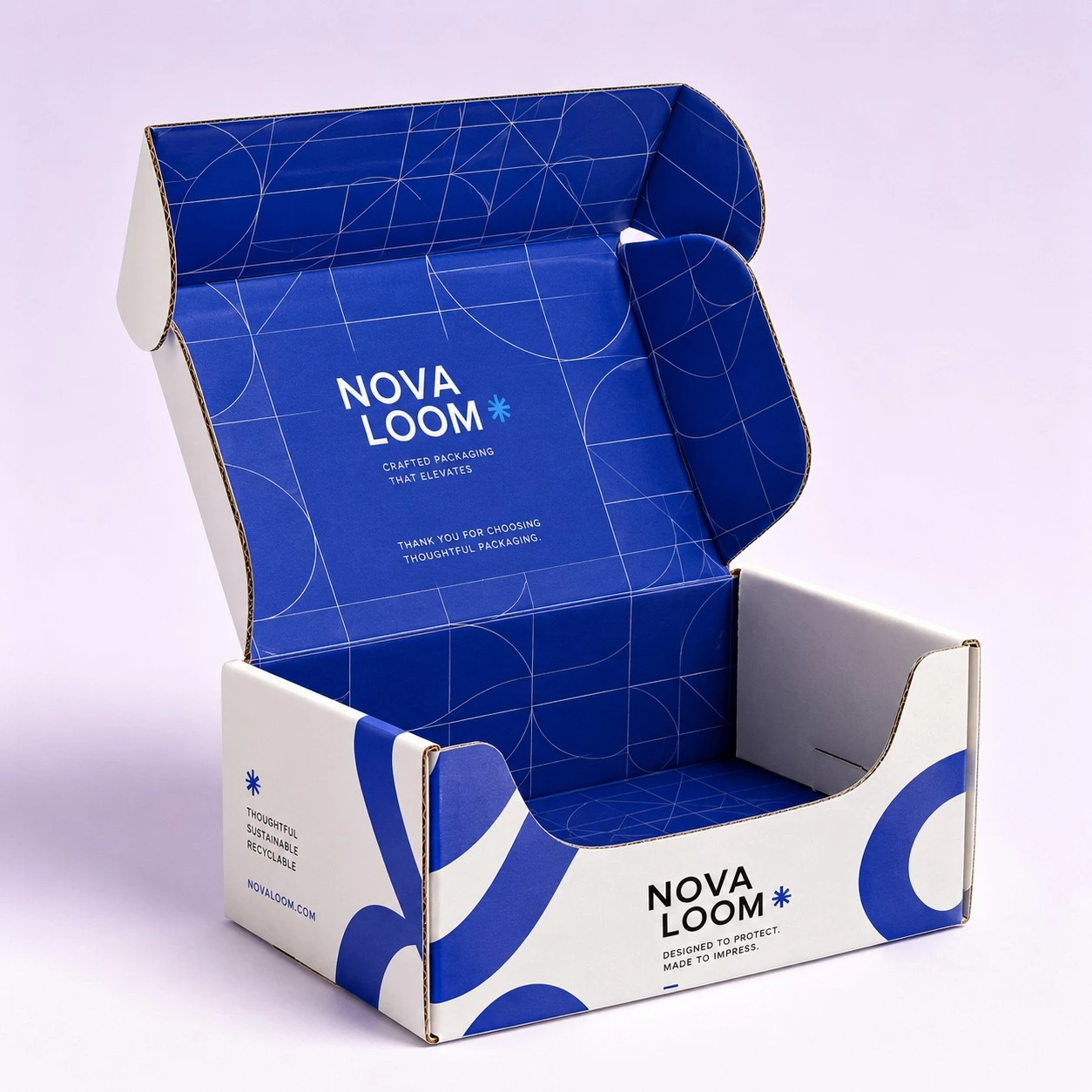
Custom Roll End Tuck Top Boxes
Custom roll end tuck top boxes combine reinforced rolled side walls, secure tuck closures, custom print, and made-to-order sizing for shipping.
View product →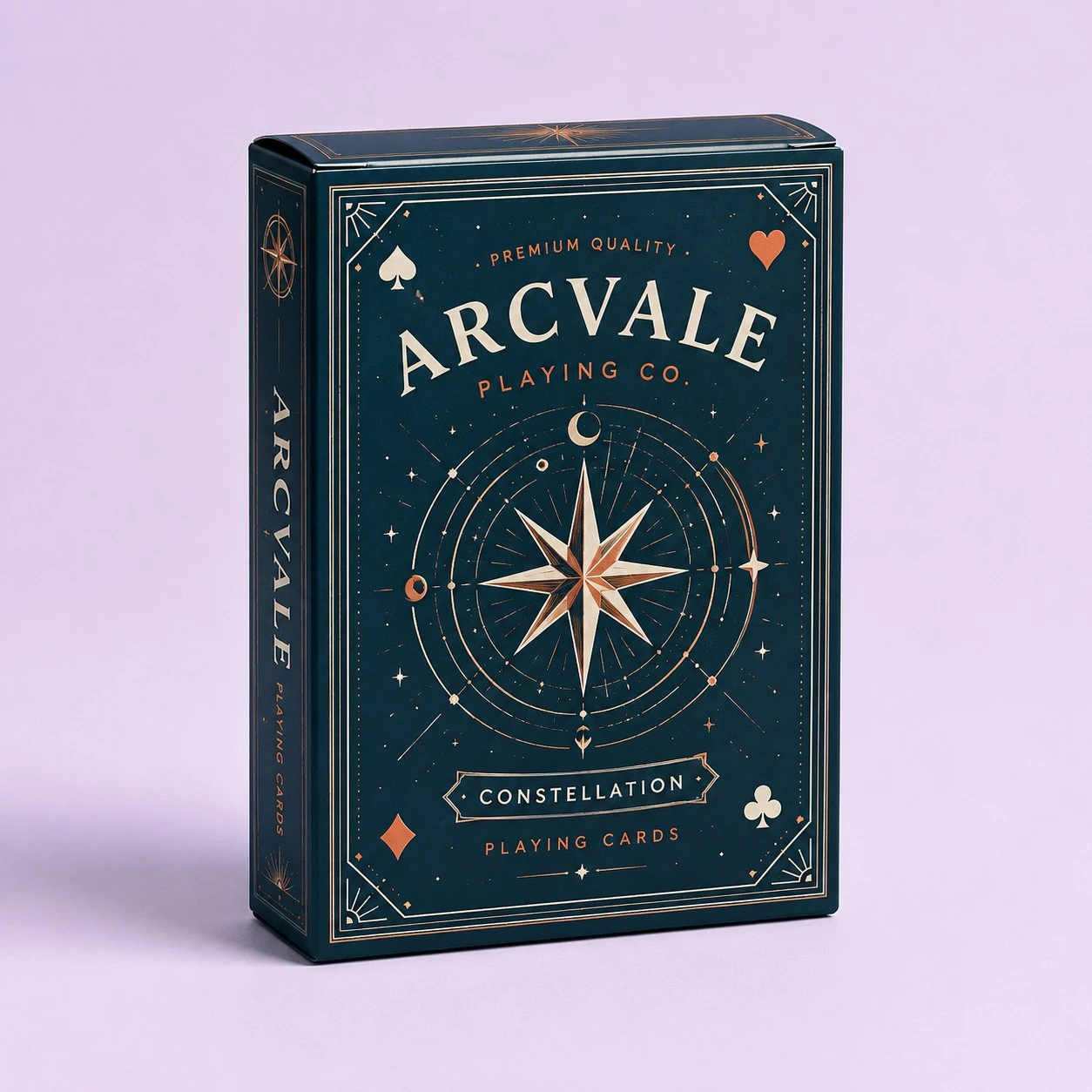
Custom Playing Card Boxes
Custom playing card boxes sized for your deck, with tailored tuck, sleeve, rigid, print, finish, and insert options for branded card packaging.
View product →Custom Reverse Tuck End Boxes
Give lightweight retail products a fitted carton with opposing tuck flaps. Custom panel layouts keep your branding aligned with the way the box opens.
View product →Custom Flat Tuck Display Boxes
Give snacks, beauty products, and small retail packs a clear place at checkout. A fold-flat tuck tray combines easy front access with a raised branding header.
View product →Custom Straight Tuck End Boxes
Custom straight tuck end boxes with clean front panels, same-side tuck closures, full-color printing, and made-to-order sizes for retail products.
View product →Custom Roll End Tuck Top Boxes
Custom roll end tuck top boxes combine reinforced rolled side walls, secure tuck closures, custom print, and made-to-order sizing for shipping.
View product →Custom Playing Card Boxes
Custom playing card boxes sized for your deck, with tailored tuck, sleeve, rigid, print, finish, and insert options for branded card packaging.
View product →Custom Reverse Tuck End Boxes
Give lightweight retail products a fitted carton with opposing tuck flaps. Custom panel layouts keep your branding aligned with the way the box opens.
View product →Custom Flat Tuck Display Boxes
Give snacks, beauty products, and small retail packs a clear place at checkout. A fold-flat tuck tray combines easy front access with a raised branding header.
View product →Custom Straight Tuck End Boxes
Custom straight tuck end boxes with clean front panels, same-side tuck closures, full-color printing, and made-to-order sizes for retail products.
View product →Custom Roll End Tuck Top Boxes
Custom roll end tuck top boxes combine reinforced rolled side walls, secure tuck closures, custom print, and made-to-order sizing for shipping.
View product →Custom Playing Card Boxes
Custom playing card boxes sized for your deck, with tailored tuck, sleeve, rigid, print, finish, and insert options for branded card packaging.
View product →Custom Reverse Tuck End Boxes
Give lightweight retail products a fitted carton with opposing tuck flaps. Custom panel layouts keep your branding aligned with the way the box opens.
View product →Custom Flat Tuck Display Boxes
Give snacks, beauty products, and small retail packs a clear place at checkout. A fold-flat tuck tray combines easy front access with a raised branding header.
View product →Custom Straight Tuck End Boxes
Custom straight tuck end boxes with clean front panels, same-side tuck closures, full-color printing, and made-to-order sizes for retail products.
View product →Custom Roll End Tuck Top Boxes
Custom roll end tuck top boxes combine reinforced rolled side walls, secure tuck closures, custom print, and made-to-order sizing for shipping.
View product →Custom Playing Card Boxes
Custom playing card boxes sized for your deck, with tailored tuck, sleeve, rigid, print, finish, and insert options for branded card packaging.
View product →✦ Upgrade Today
Ready to Upgrade Your Brand Packaging?
Get custom templates matching your custom dimensions. Instant 3D digital proof samples returned in hours.