Retail Display Packaging
Custom Display Boxes That Put Your Products in the Spotlight
Turn limited counter and shelf space into a branded shopping experience. From countertop PDQ trays to shelf-ready displays, Packopie creates custom structures with raised header cards, open fronts, and organized product compartments that make your items easy to see and shop.




Designed for Retail Brands, Product Launches & In-Store Promotions
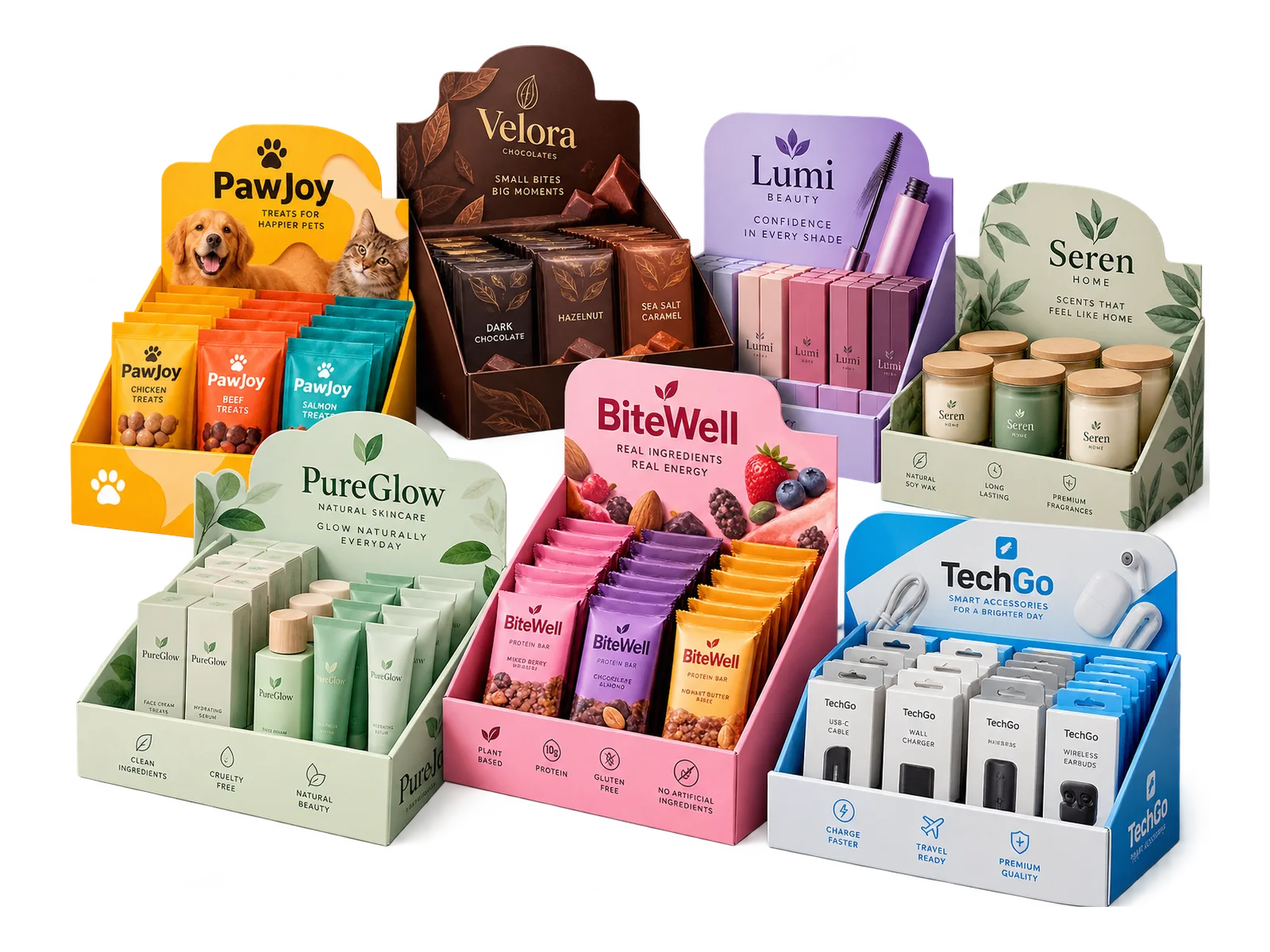
Designed Around Your Products
Custom display layouts matched to your product size, quantity, and retail placement.
Free Design Support
Expert help at every step
Fast Turnaround
1–5 business days production, then dispatch next business day
Premium Finishes
Luxury look, lasting impact
Packaging Categories
Everything Your Product Needs
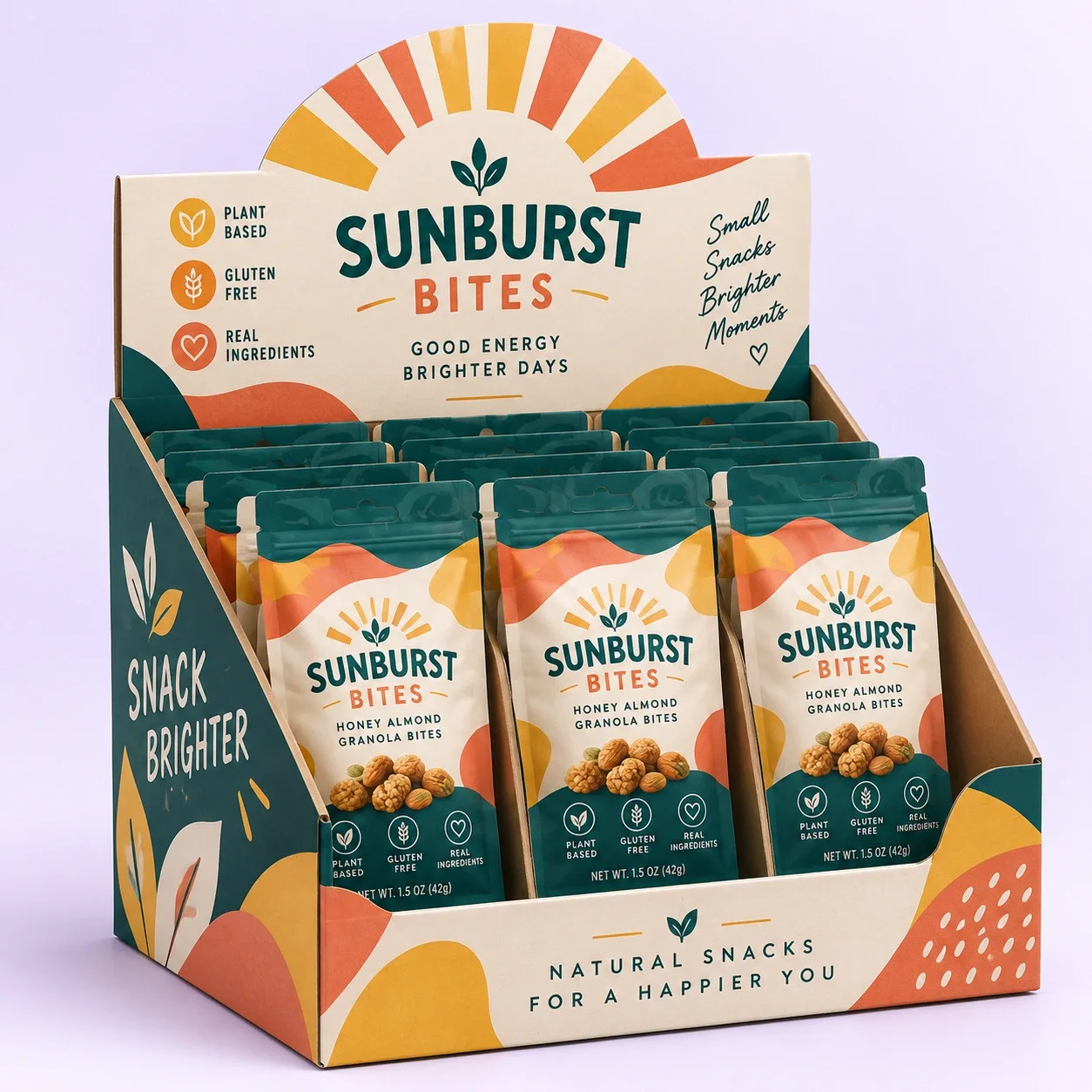
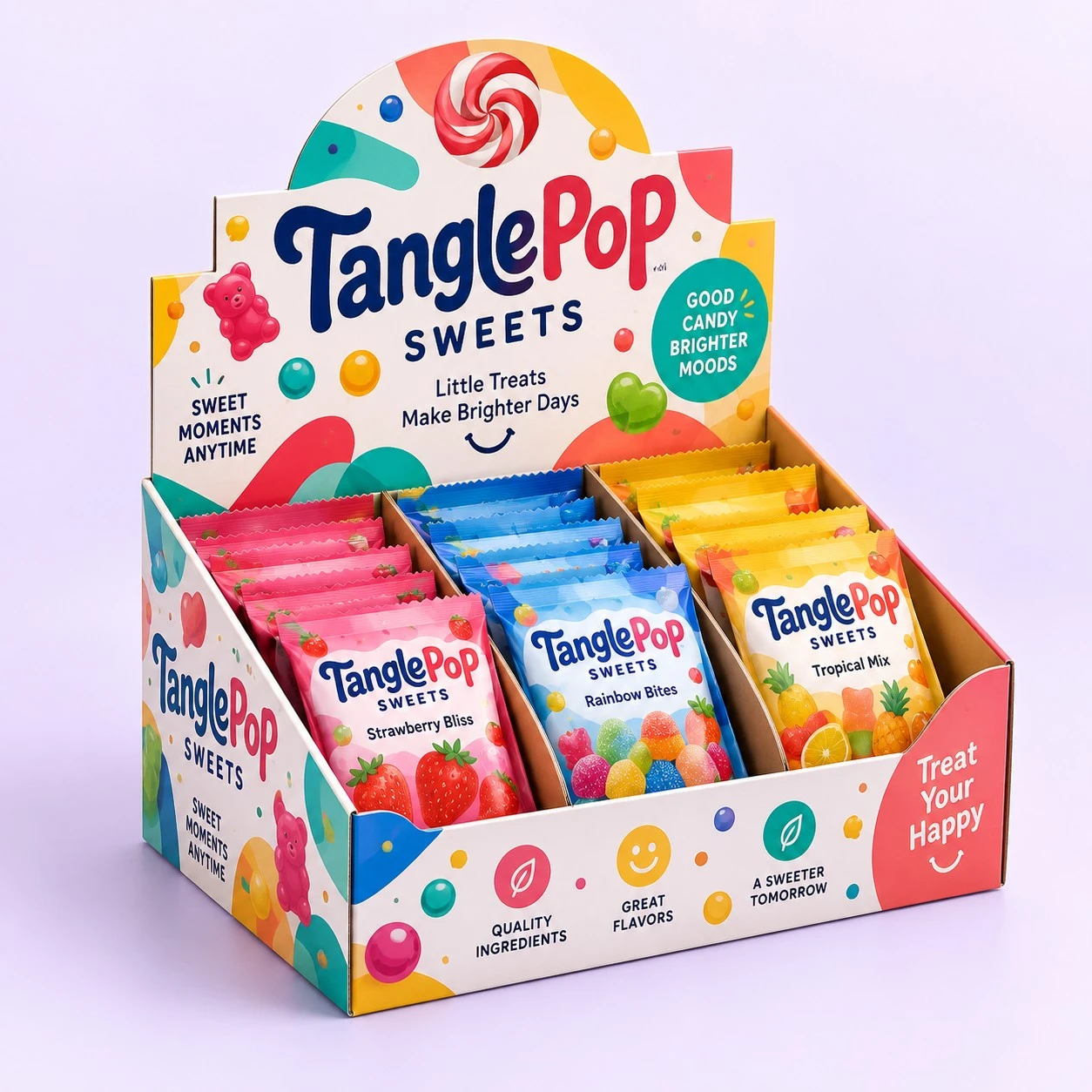
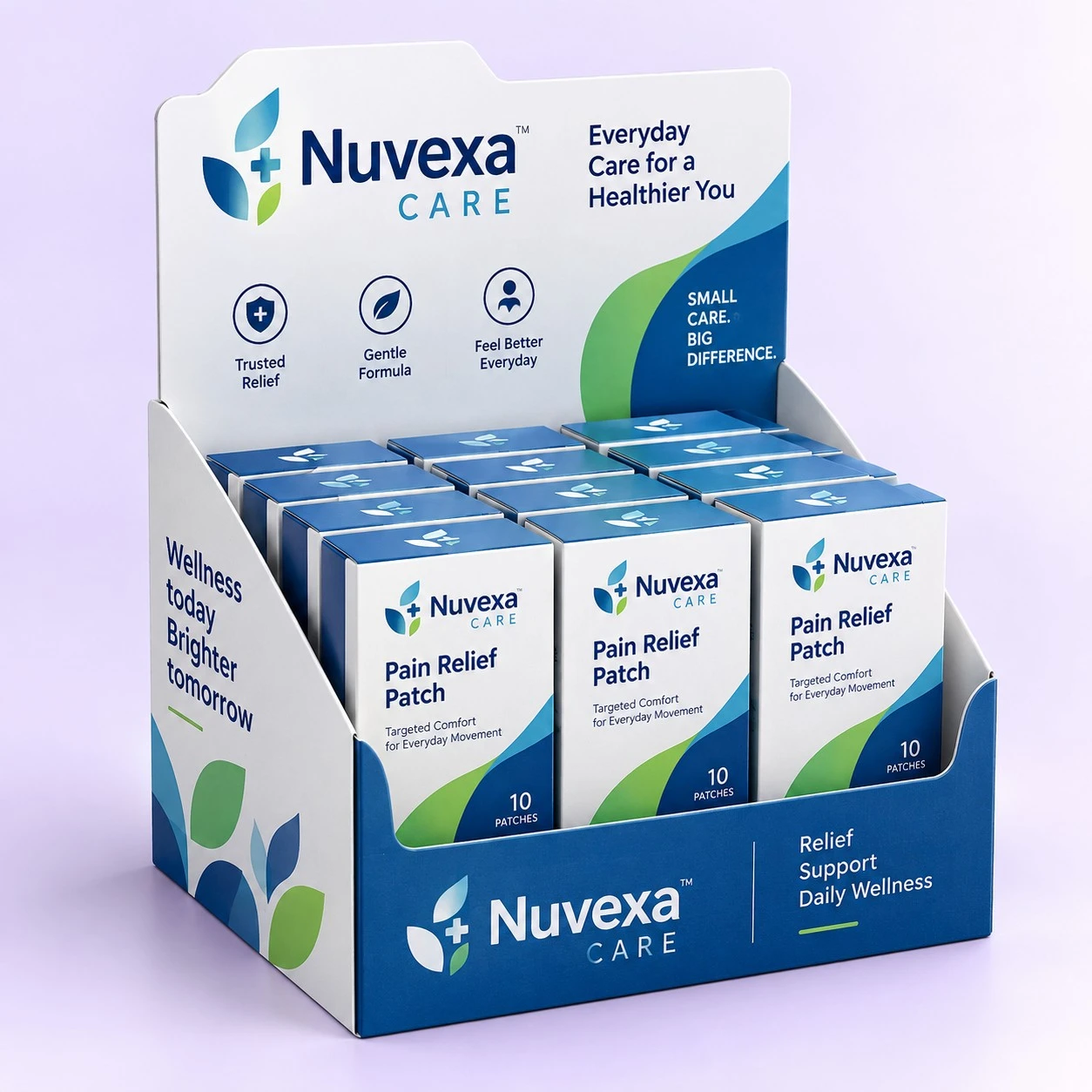
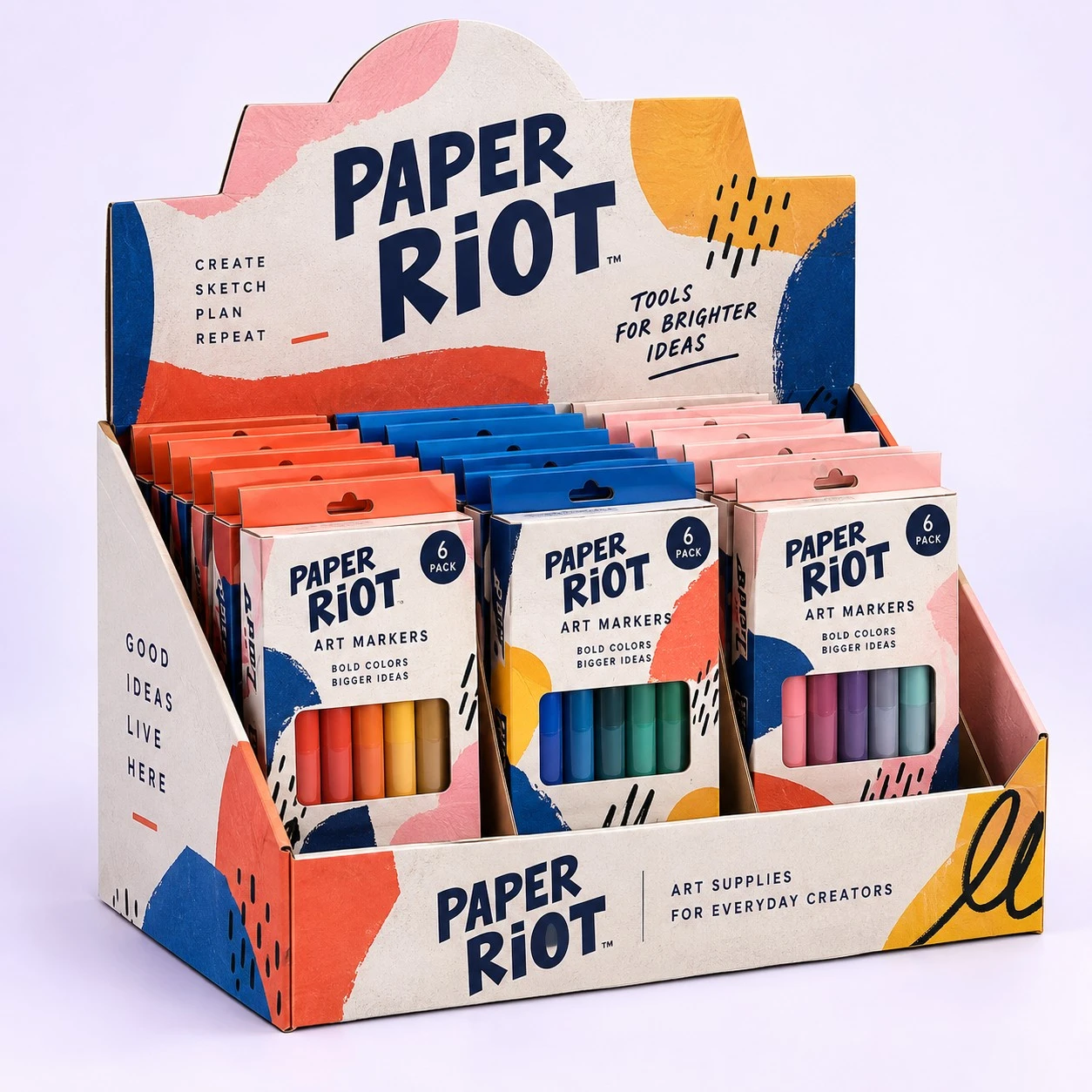
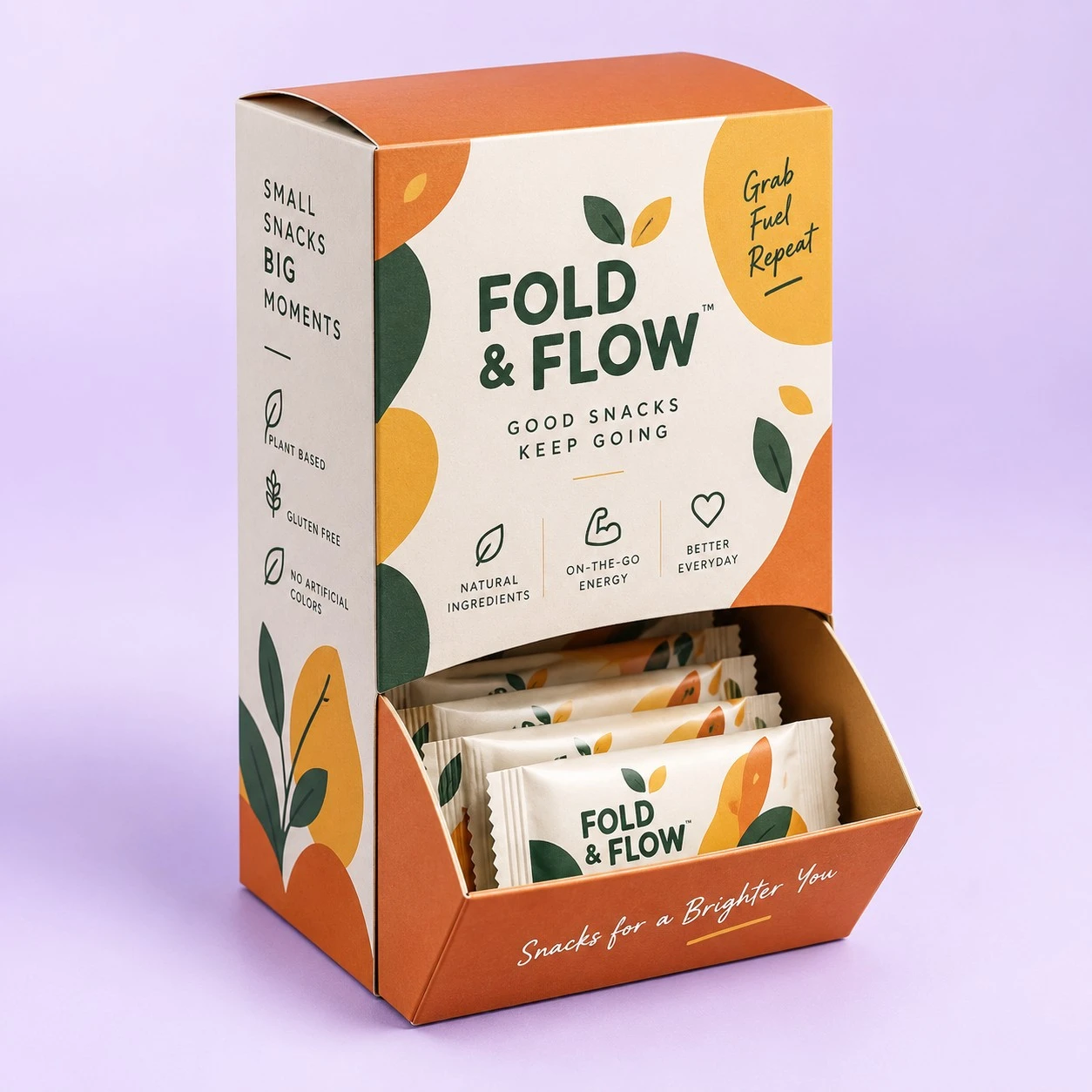
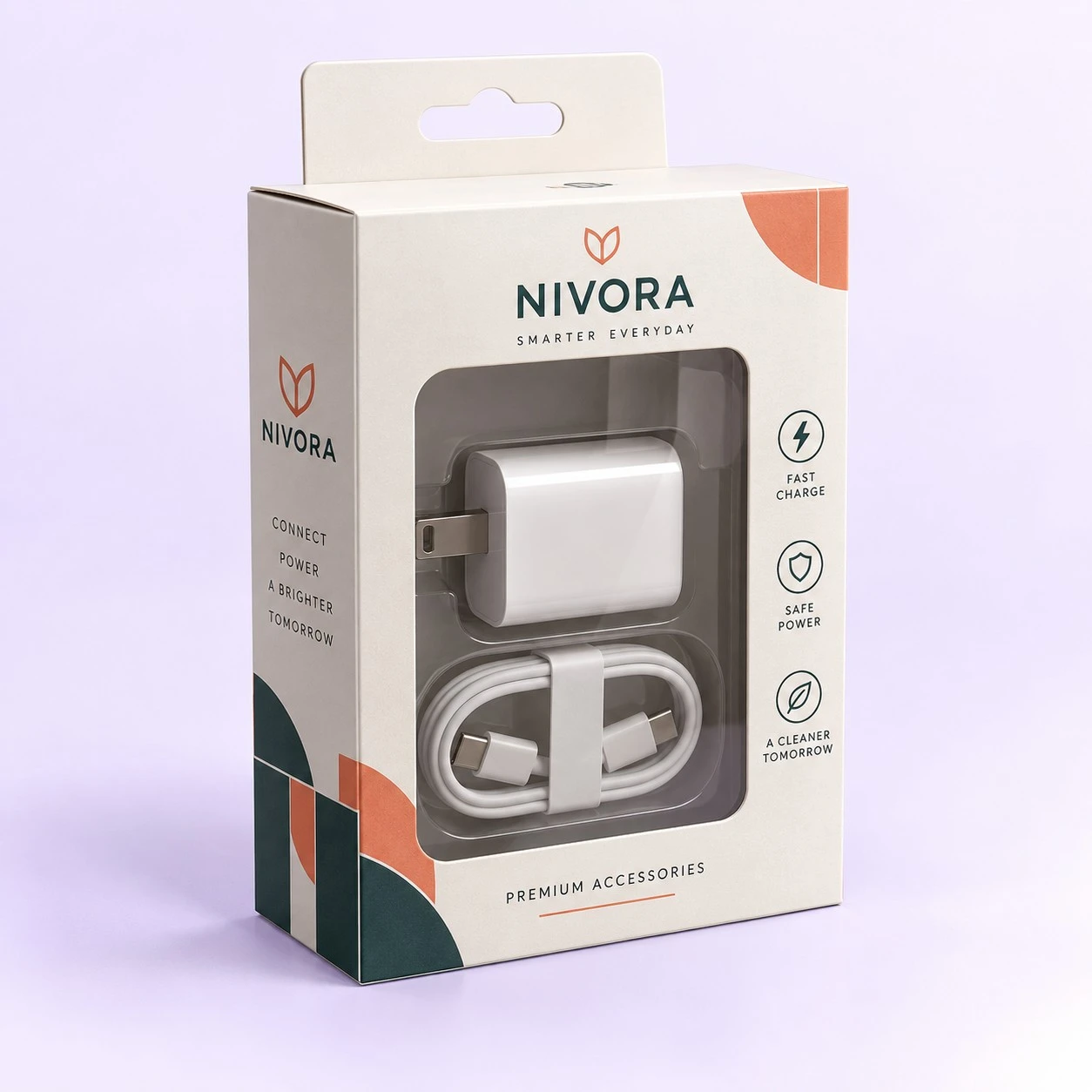
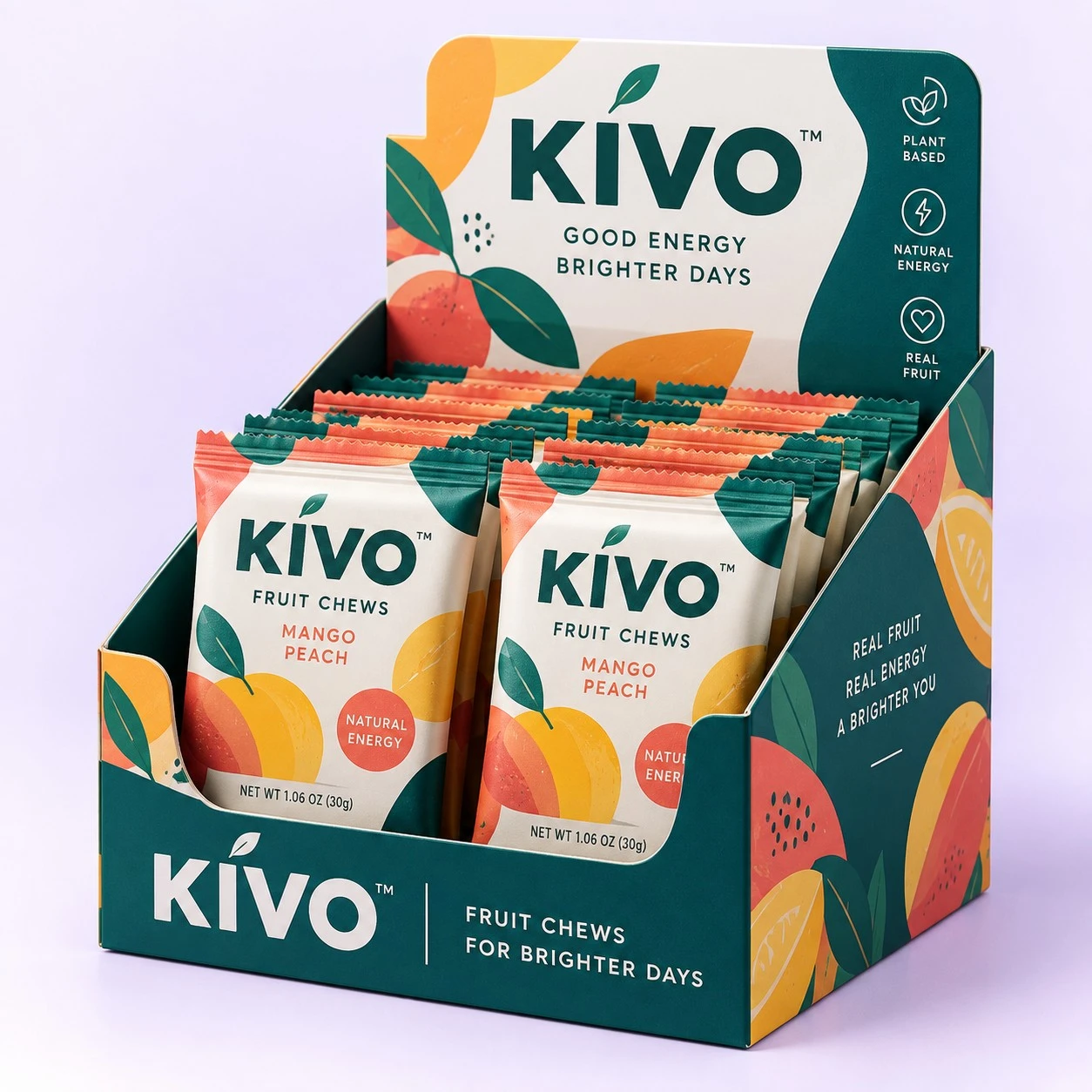
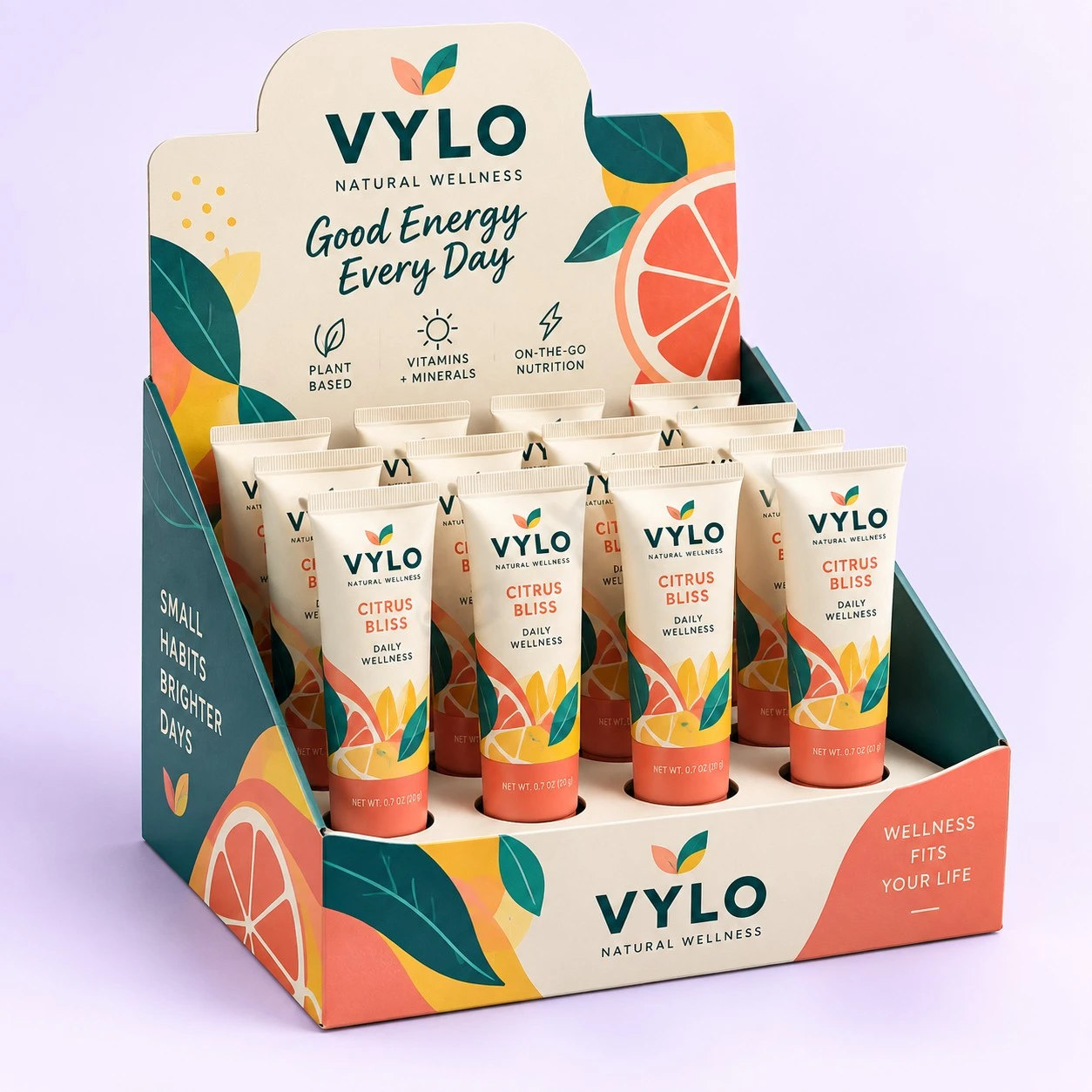
Custom Display Boxes That Keep Retail Products Visible and Easy to Shop
A crowded retail shelf gives each product little room to stand out. Custom display boxes help turn that limited space into an organized, branded presentation where shoppers can see, compare, and pick up products with ease.
From compact countertop trays to larger shelf-ready displays, Packopie creates made-to-order packaging for snacks, cosmetics, supplements, accessories, and promotional items. Each display is planned around the products it holds, the space it occupies, and the way customers interact with it.
Make Every Inch Count with Custom Countertop Display Boxes
Checkout counters, reception desks, and point-of-purchase areas often have limited space for extra merchandise. Countertop display boxes use that space to keep smaller products visible without spreading them across the counter.
A well-planned counter display places the product name, brand artwork, and merchandise within easy view. Raised header cards carry promotional messages above the products, while open fronts allow customers to pick up individual items.
Packopie offers custom countertop displays for lip balms, candy bars, sample-size cosmetics, small accessories, and individually wrapped products. Depending on the item, a display can use a shallow tray, a taller backing panel, or separate product compartments.
The goal is to make the available retail space useful while keeping the display neat as customers remove products.
Choose PDQ Trays, Shelf-Ready Displays, and Display Shippers
Different retail locations call for different display structures. The display that works beside a checkout register may not suit a supermarket shelf or a large promotional shipment.
PDQ display trays provide compact product access. Their raised backs support branding, while the front openings make products easy to reach. They work well for small packaged items arranged in rows.
Shelf-ready display boxes allow retailers to place a filled tray directly onto a shelf. Their structure supports organized product placement and easier replenishment.
Display shipper boxes combine transport packaging with retail presentation. A removable or perforated section reveals the products inside, reducing the need to unpack individual units at the store.
For displays that require more visibility, tiered structures place products at different heights. Multi-compartment layouts separate flavors, colors, or product variants within the same display.
Packopie can help determine which structure fits your merchandise, filling process, and intended retail placement.
Keep Products Upright with Dividers and Secure Display Layouts
A retail display must remain useful even after several products have been removed. Without suitable internal support, narrow cartons may lean, bottles may shift, and lightweight packages may fall forward.
Custom dividers, product channels, and fitted compartments help maintain order throughout the shopping process. Whether a display holds bottles, pouches, or individually packed custom product boxes, its structure must support the merchandise as customers remove items.
For example, a display holding 24 individually packed snack bars could use three lanes of eight. Each lane can hold a different flavor, with the front panel identifying the varieties.
Display layouts for bottles may require a stronger base and internal supports. Small cosmetic cartons may benefit from fitted slots that keep their printed faces visible.
Important design details include product width, package depth, loaded weight, number of display facings, and access to the rear units.
The result is a display designed around how shoppers remove products, not simply how it looks when first filled.
Select Cardboard Strength That Supports the Full Product Load
The material behind a display affects its stability, print quality, weight, and assembly.
Lighter paperboard, including SBS, can suit smaller folding display trays where smooth printed surfaces are a priority. Explore Packopie's custom cardboard boxes for related paperboard packaging options.
Corrugated cardboard is useful for displays carrying multiple products or heavier merchandise. Its fluted middle layer adds structural support. E-flute offers a relatively thin profile suited to detailed printing, while B-flute provides a thicker structure for applications requiring greater cushioning and strength.
Packopie's custom corrugated boxes provide further options for packaging that requires strength during handling and transportation.
Board selection also depends on the number of products, weight distribution, tray depth, and transport conditions. A fully loaded display needs enough strength to support the merchandise without excessive bending.
Die-cut folds, reinforced corners, and suitable locking tabs can further support the chosen display structure.
Turn Display Headers and Printed Panels into Brand Visibility
A product display needs to communicate clearly while shoppers move through the store.
Header cards provide space for a brand name, product range, or short promotional message. Front panels can identify flavors, product types, or collection names. Side panels extend the visual design without covering the products.
Custom printing options can support different retail branding requirements. CMYK printing suits colorful artwork, while spot colors can help maintain specific brand colors when supported by the chosen production method.
Matte and gloss finishes create different visual effects. Spot UV can add selective shine to printed areas such as logos or graphic details.
For open-front displays, the artwork must work around the product openings. A large printed message has little value if the merchandise hides it.
Packopie's custom design support helps align the header shape, available print areas, and packaging artwork into a consistent retail presentation.
Match Your Display Packaging to Retail Placement and Product Type
A display designed for a checkout counter faces different space and handling requirements from one placed along a supermarket aisle.
Snack and confectionery brands often use shallow trays that allow quick access to individually wrapped products. Cosmetic displays may need separate compartments for different shades or formulas. Brands can pair these merchandising trays with matching custom cosmetic boxes to maintain consistent branding across individual products and countertop displays.
Supplement packaging may require a stable base to hold several bottles or small cartons. Promotional products can benefit from printed header cards that explain the offer without requiring additional signage.
Retailers may also specify display height, shelf depth, acceptable materials, or maximum loaded weight. Confirming those requirements early helps avoid costly structural changes.
For related individual retail packaging solutions, explore Packopie's custom retail boxes.
The display itself can be tailored with custom dimensions, shaped headers, compartment layouts, and packaging artwork to suit the intended shopping environment.
Bring Your Custom Display Box Project Together with Packopie
A successful display project begins with clear product and retail details.
Product dimensions, individual unit weight, number of units per tray, and intended display location help determine the structure. Artwork files, preferred board materials, and order quantity complete the production brief.
The filling method matters as well. Some businesses prefer flat-packed displays assembled during fulfillment. Others need filled displays that can move from shipping cartons directly onto retail shelves.
Packopie brings these details together through custom packaging design support, helping businesses select practical display structures and branded finishes without unnecessary complexity.
Whether you need a compact checkout display or a coordinated range of shelf-ready boxes, a clear project brief makes it easier to review suitable construction options and receive pricing matched to your requirements.
Give your products a retail display designed for the way they are sold, stocked, and selected.
Frequently Asked Questions
PDQ trays focus on quick product access and eye-catching retail presentation, often at checkout counters. Shelf-ready boxes focus on fast shelf restocking. Both can feature branded printing, but the best choice depends on product placement and retailer requirements.
A stable display needs a base and layout matched to the products' weight, shape, and center of gravity. Internal dividers, support panels, and raised front edges help keep bottles, cartons, and pouches upright as customers remove items.
A display-ready shipping carton can use a perforated or removable top that reveals the products inside. This design reduces store handling while keeping the merchandise organized. The carton must also meet the retailer's transport and shelf requirements.
Separate product lanes or dividers keep multiple varieties organized within one display. The layout can give each item a clear front-facing position, making it easier for shoppers to compare options and retail staff to restock individual varieties.
Measure the available shelf width, depth, and height, including space needed for the display header. Product dimensions, total loaded weight, and the number of units per tray also matter. Check the retailer's display guidelines before finalizing the structure.
Flat-packed displays reduce storage space before assembly, while pre-assembled displays simplify setup at the store. Choose based on your filling process, shipping method, and retail handling needs. A pre-filled display also requires suitable protection during transit.
✦ Upgrade Today
Ready to Upgrade Your Brand Packaging?
Get custom templates matching your custom dimensions. Instant 3D digital proof samples returned in hours.