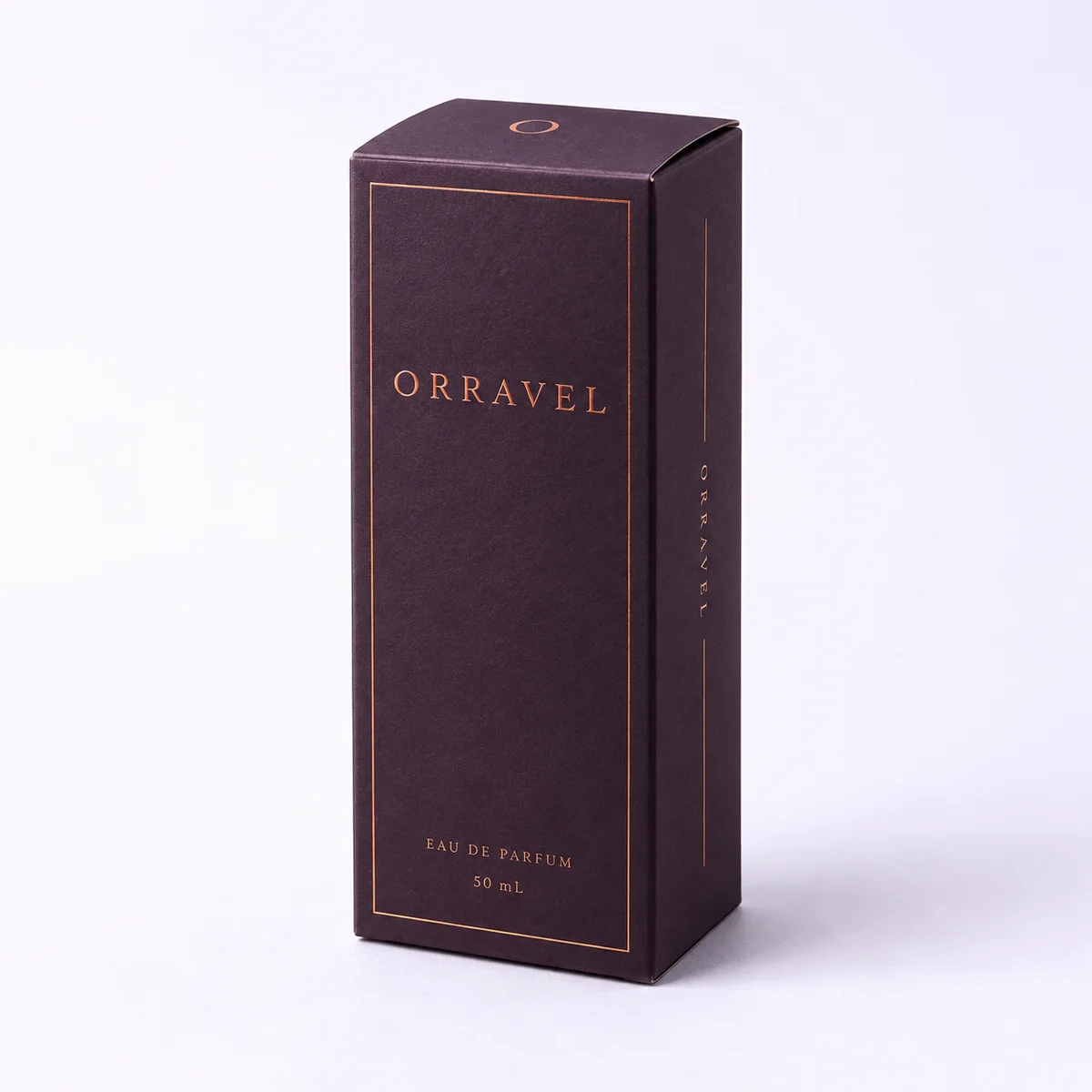
Opposing Tuck Ends
★★★★★
4.7/5.0Custom Reverse Tuck End Boxes
Give lightweight retail products a fitted carton with opposing tuck flaps. Custom panel layouts keep your branding aligned with the way the box opens.
Premium Quality
Fully Customizable
Low MOQ
Fast Turnaround
100% Eco-Friendly
Sustainable materials
Free Shipping
On every order
No Die & Plate Charges
Zero hidden costs
100% Satisfaction
Quality guaranteed
Expert Support
We're here to help
Custom Reverse Tuck End Box Quote Builder
Estimate custom reverse tuck end boxes in USD. Enter inside dimensions in inches. Final price requires review.
✓Response within30 minutes
✓Your info is privateSecure
✓No obligation100% free
Request a confirmed reverse tuck end box quote
Design Varieties
Explore Our Popular Box Styles
Choose from our most loved box styles and make your packaging truly your own.
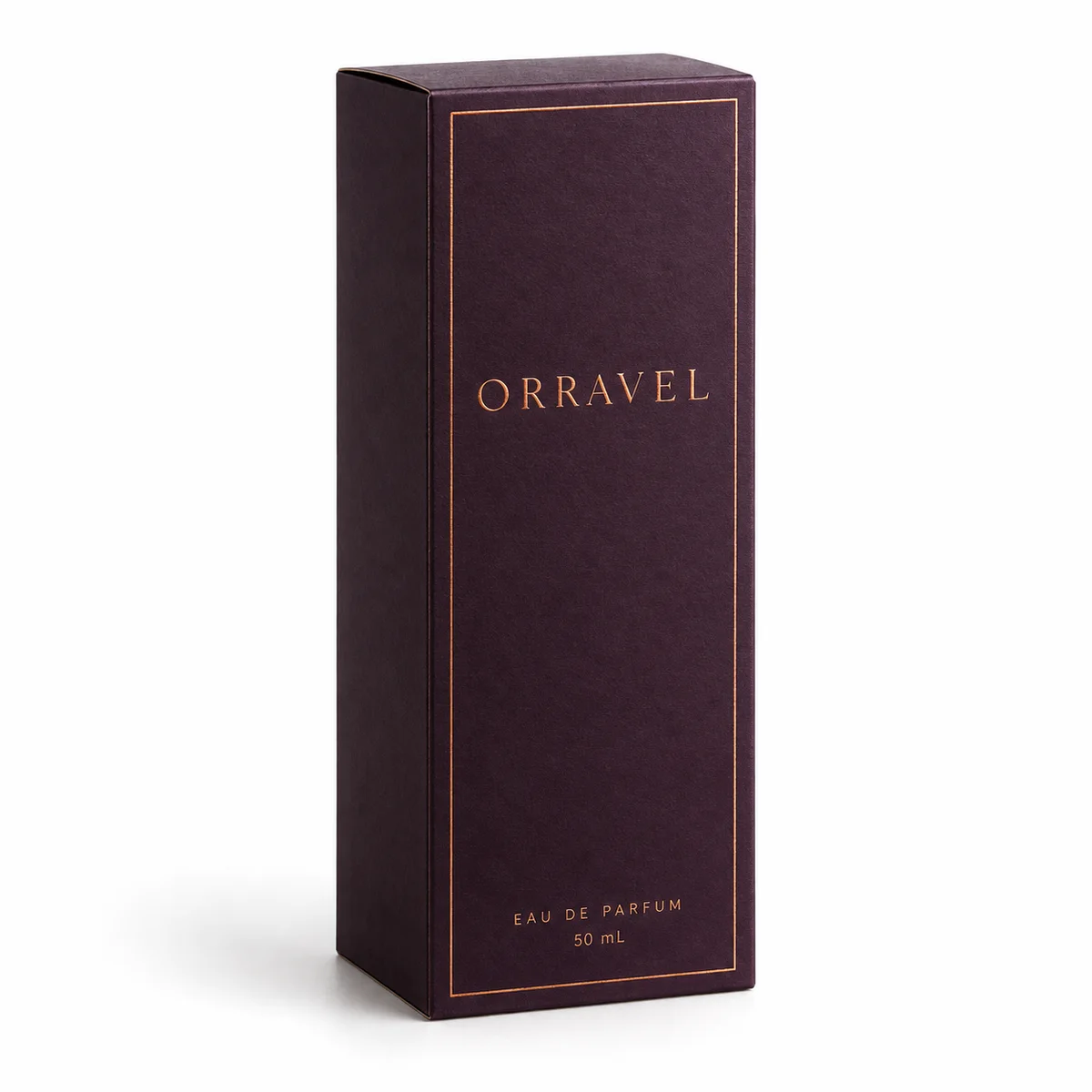
Tall Tuck Carton
Tall paperboard carton with closed tuck ends, a narrow side panel, and crisp vertical folds.
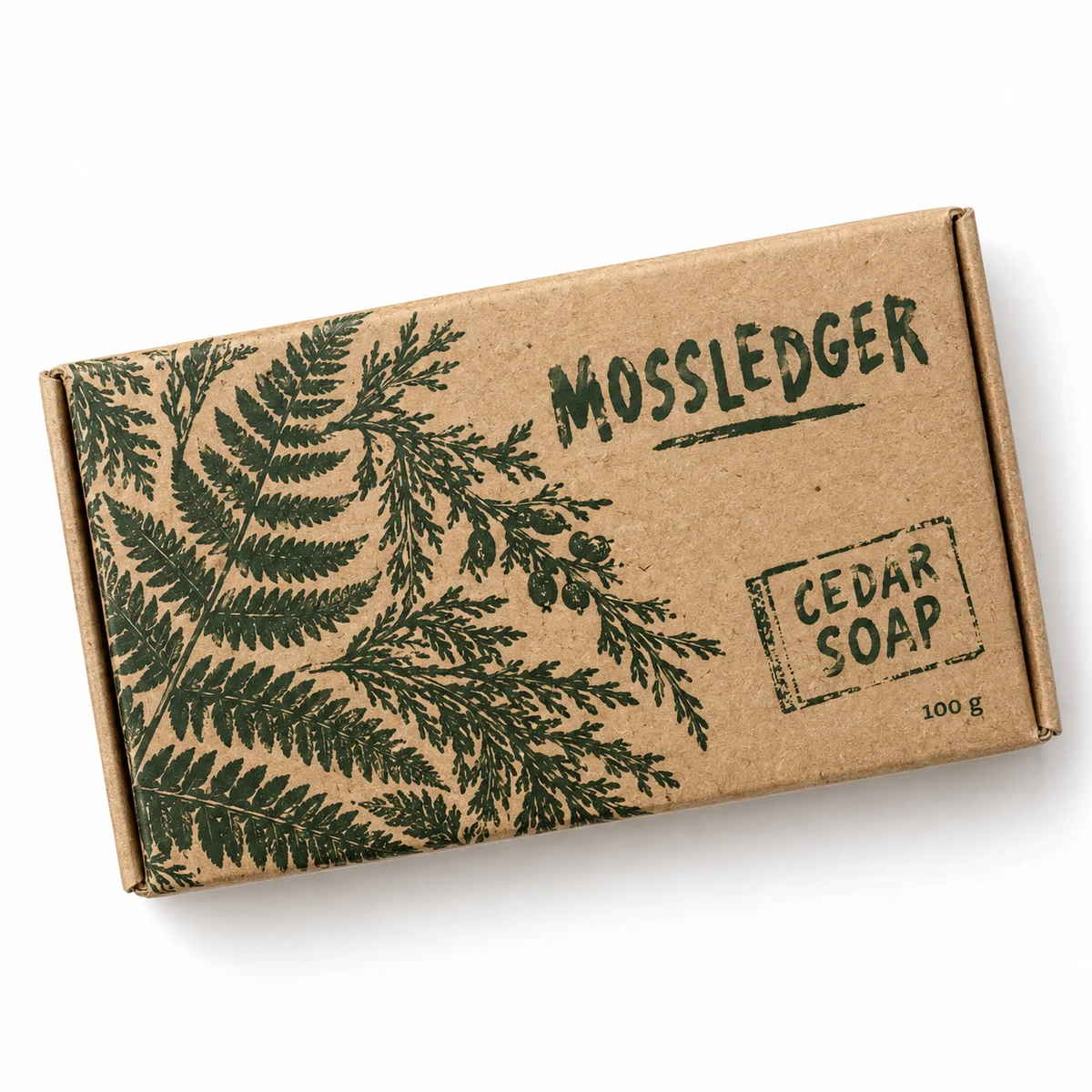
Wide Soap Carton
Wide, shallow kraft carton with folded end closures and a broad panel for botanical print.
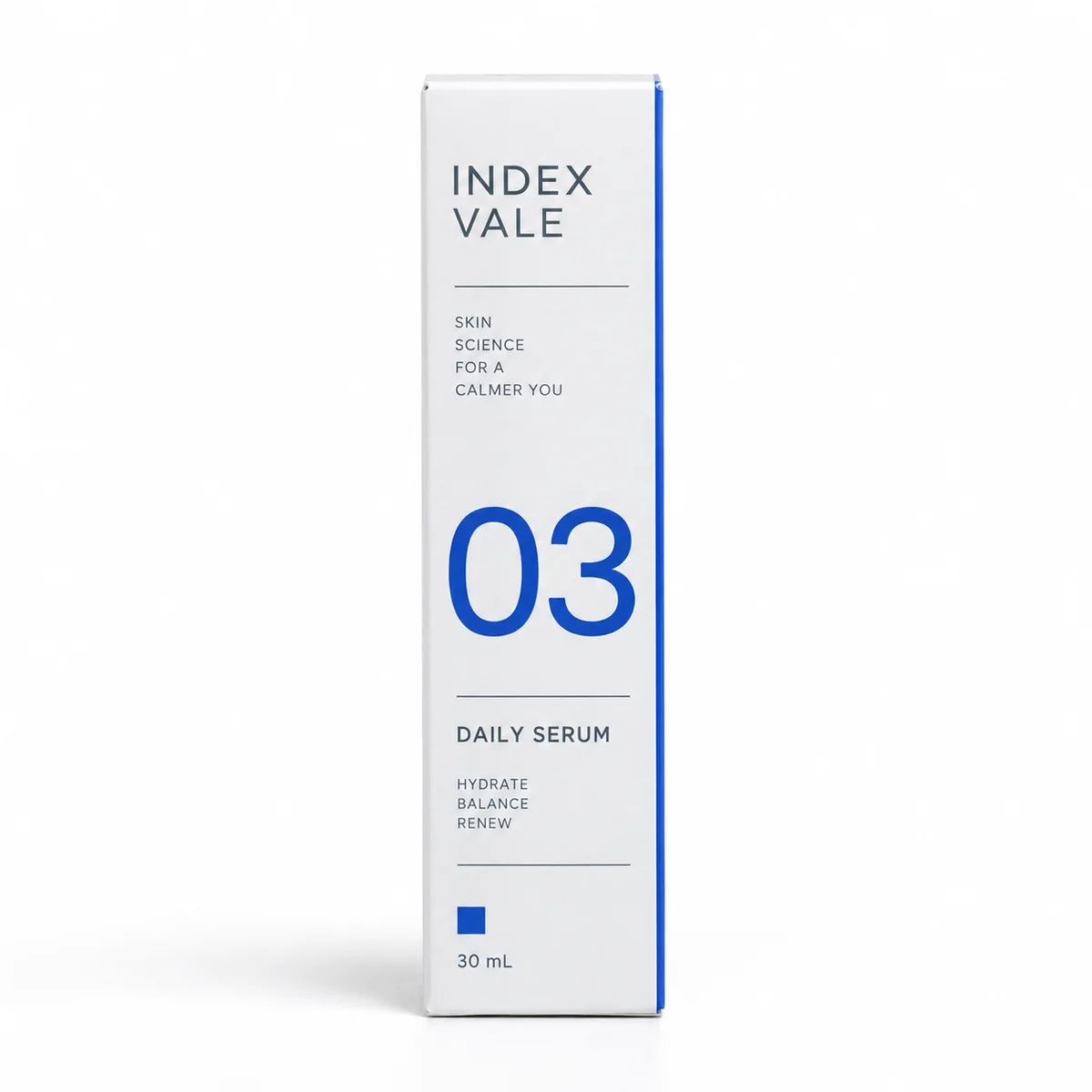
Slim Panel Carton
Slim upright carton with a narrow printed panel, straight fold lines, and closed tuck ends.
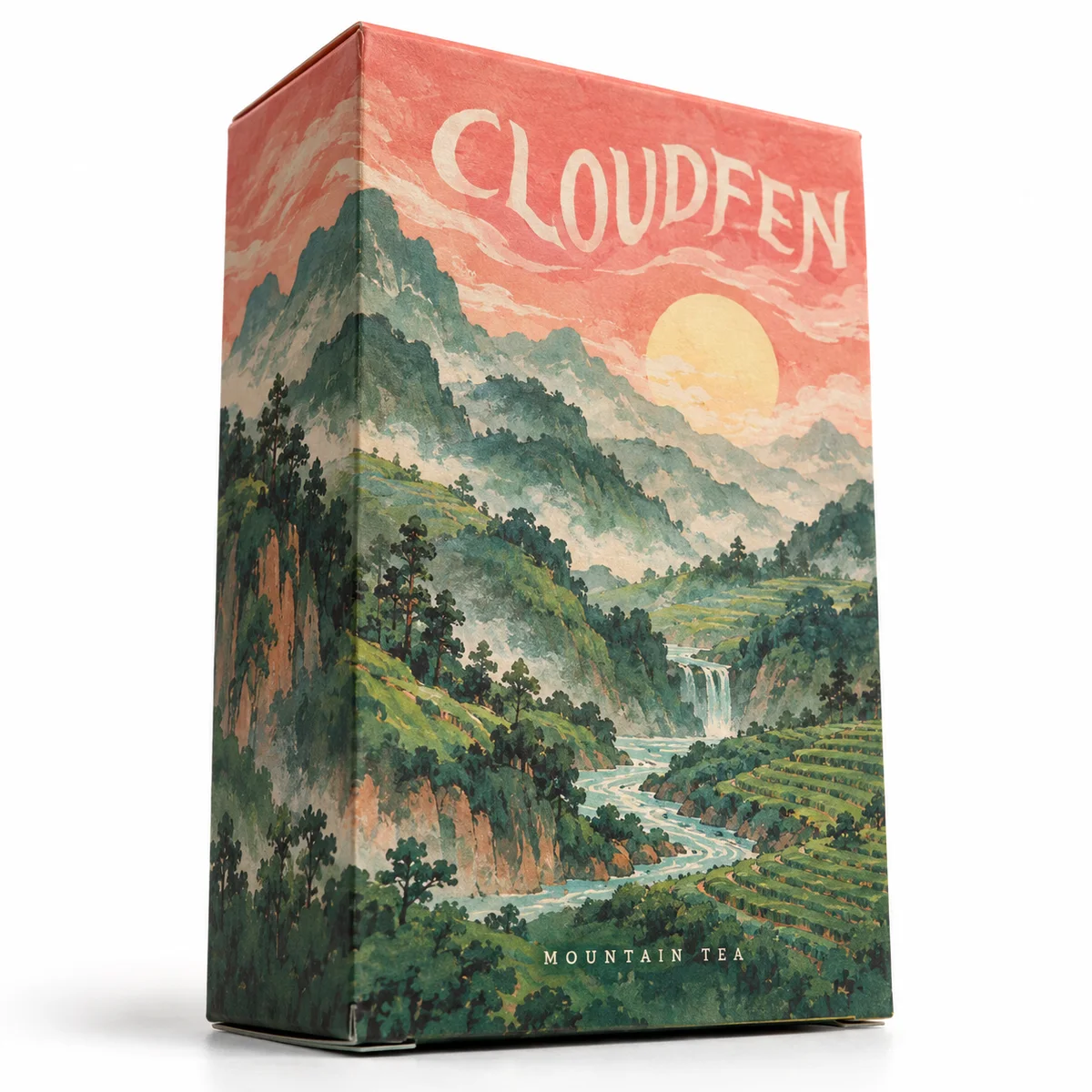
Printed Retail Carton
Upright folding carton with closed end flaps and printed artwork wrapped across its panels.
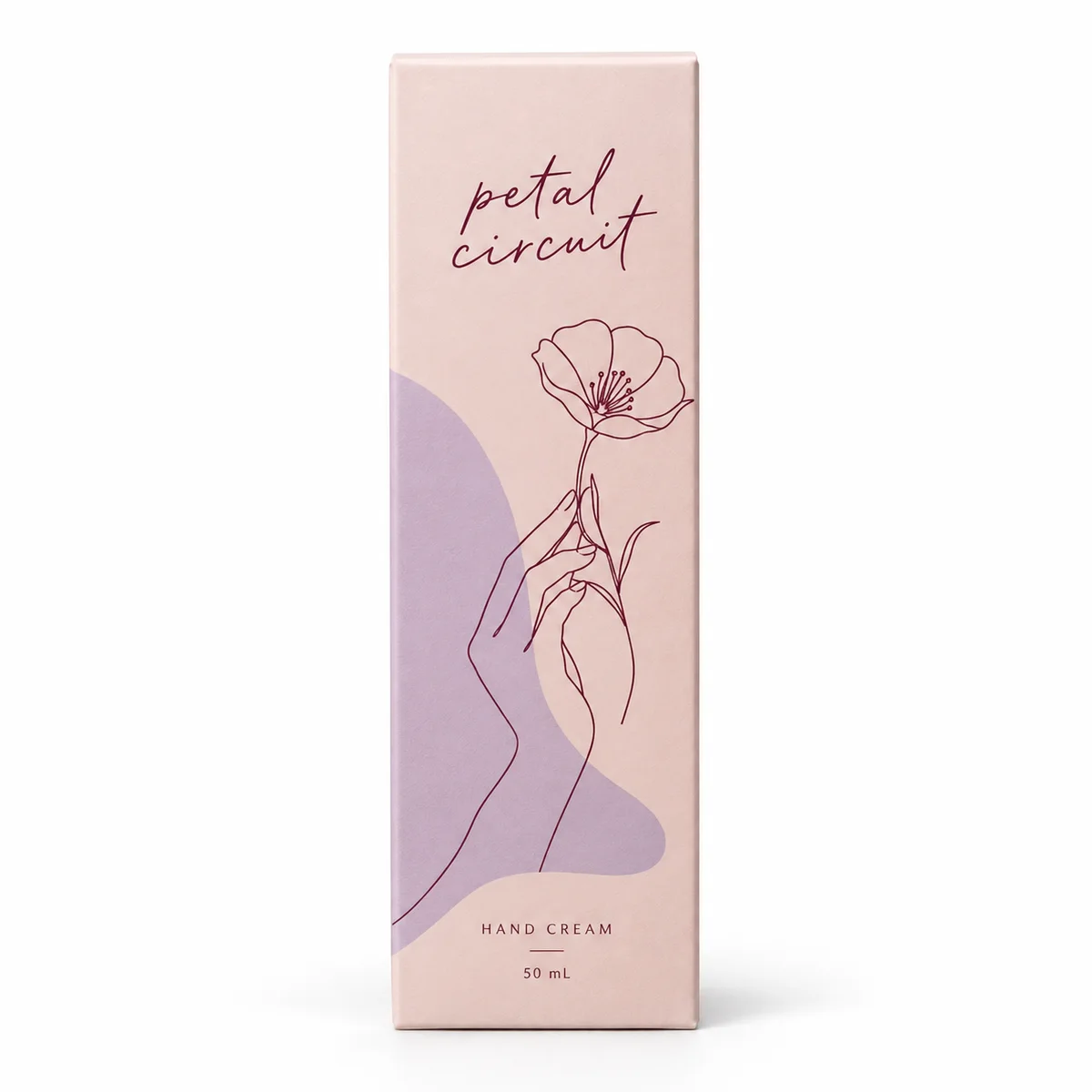
Narrow Beauty Carton
Narrow rectangular carton with a flat front panel, folded top edge, and closed end flaps.
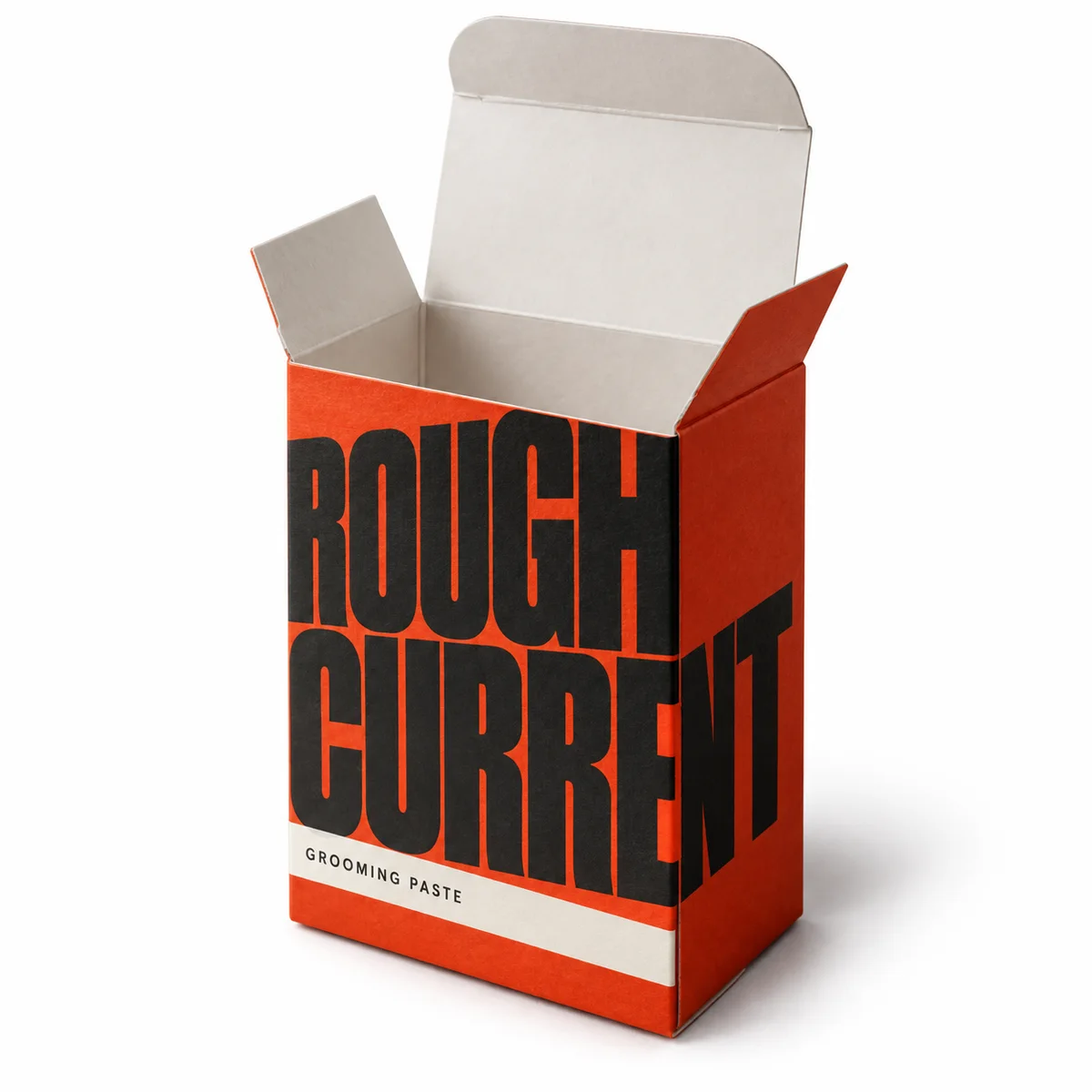
Open Tuck Carton
Open carton shows a rounded tuck tongue, two side dust flaps, and an unprinted inner face.
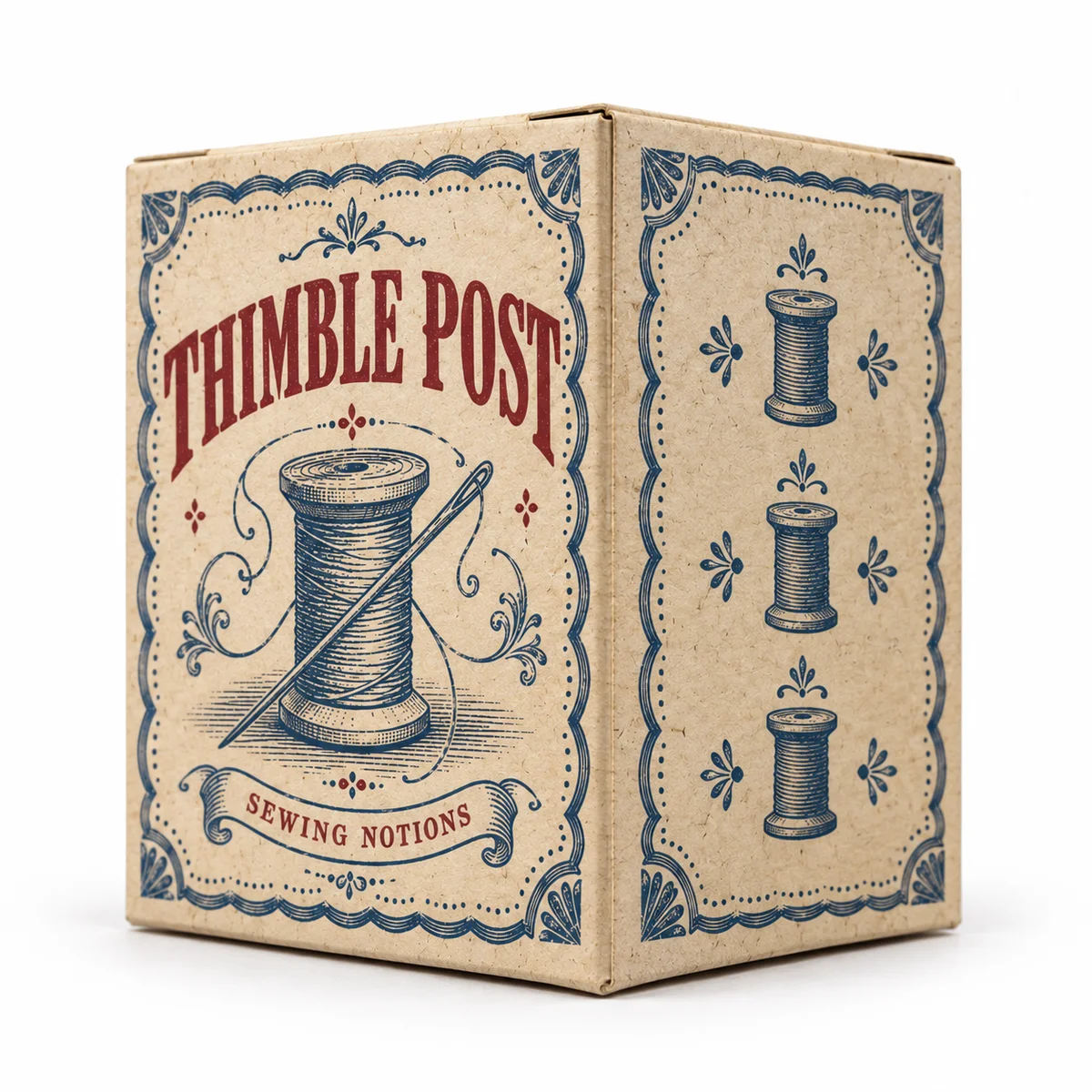
Compact Folding Carton
Compact carton with folded end closures and a scored corner joining adjacent printed panels.
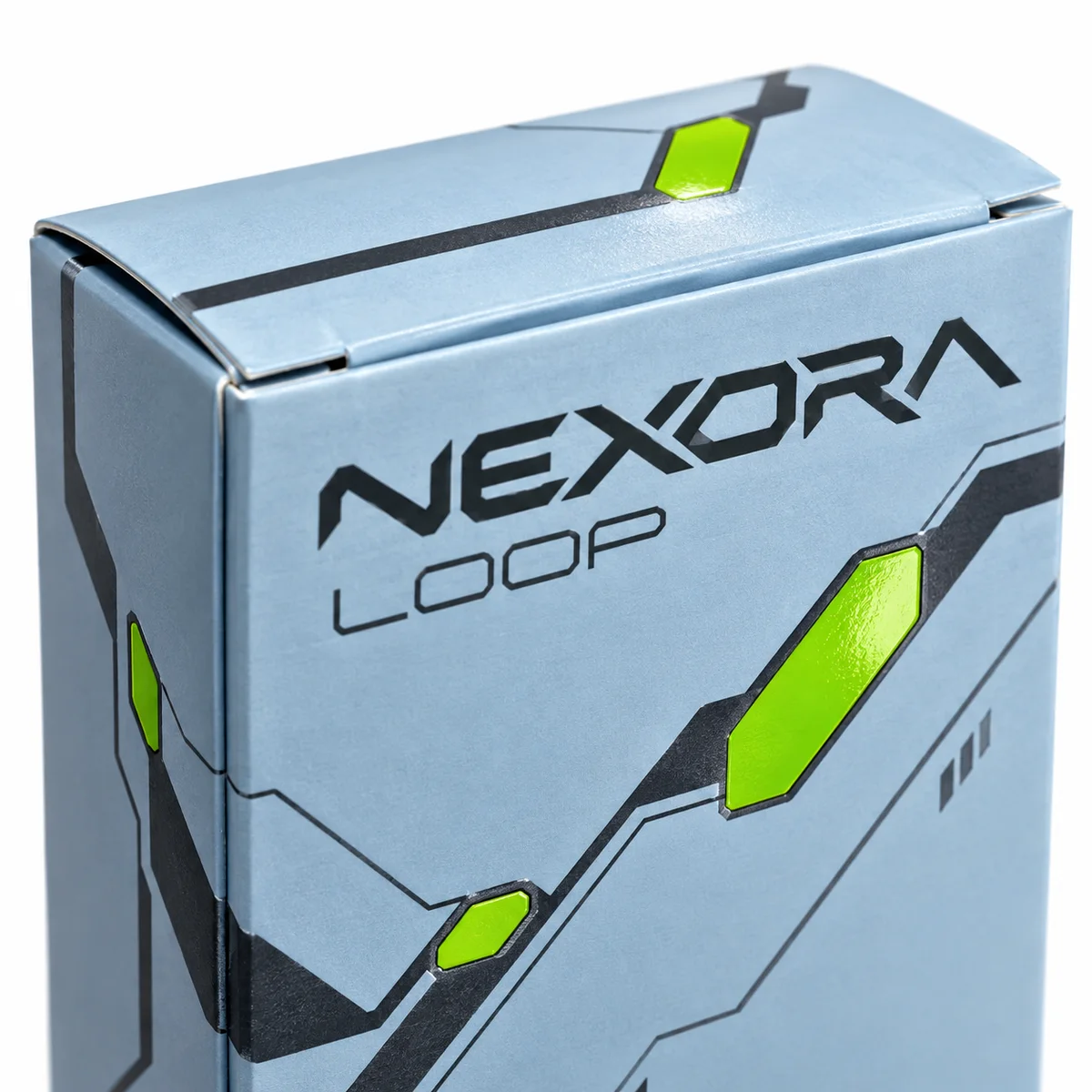
Gloss Detail Carton
Folded carton corner shows a closed tuck flap, thin board edges, and glossy printed accents.
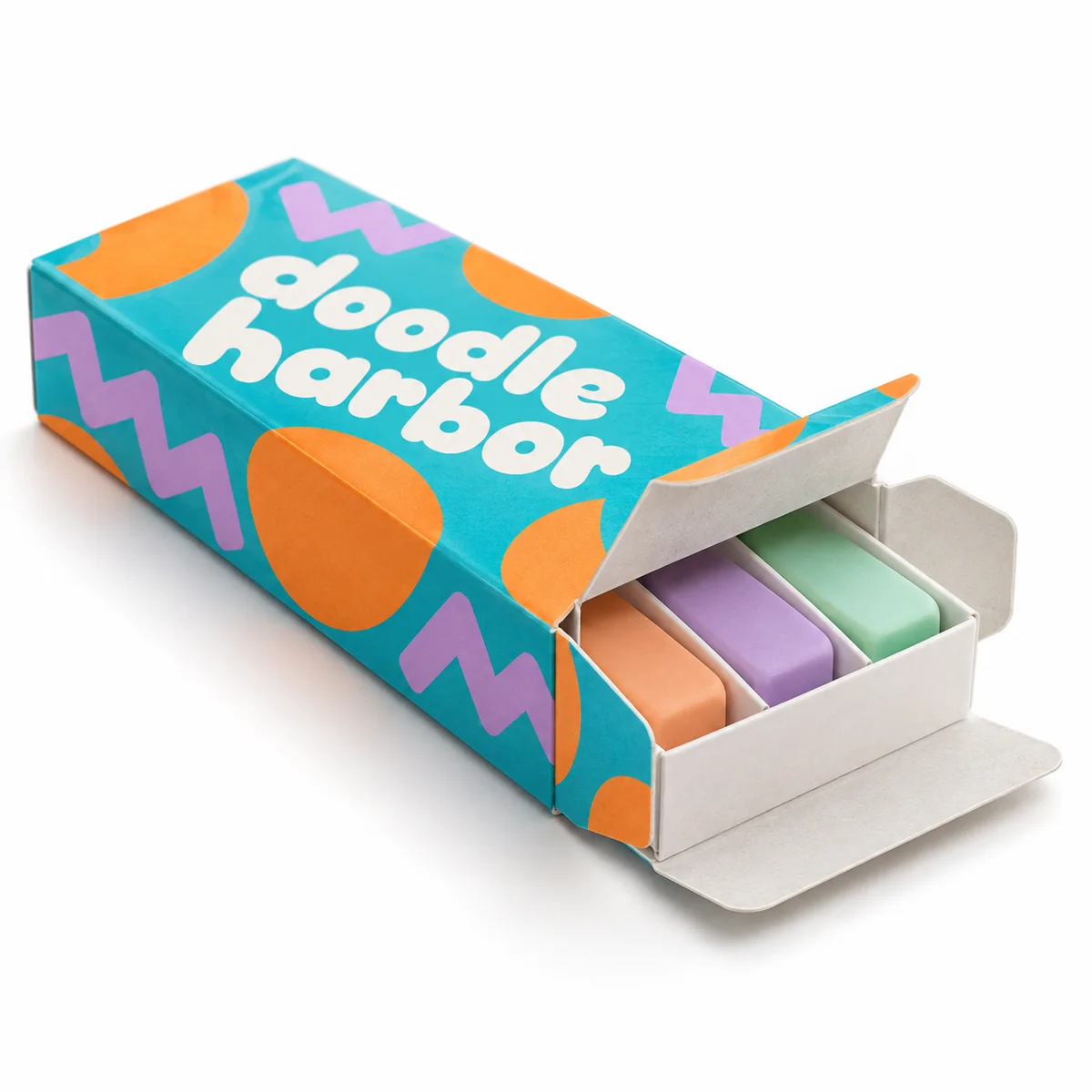
Partitioned Insert Carton
Open end carton holds three erasers in a divided paperboard insert with separate sections.
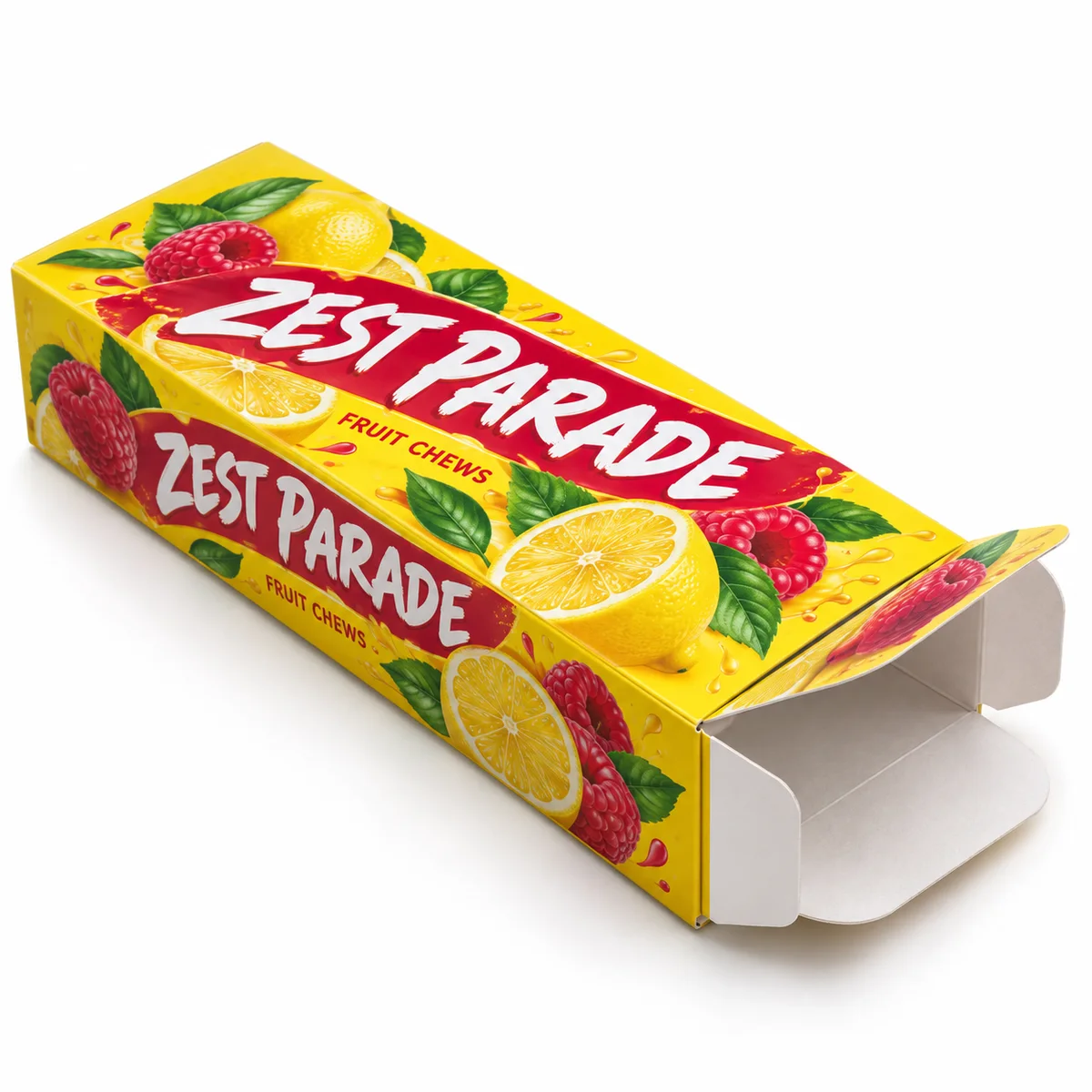
Exposed Tuck Closure
Partly open end exposes a rounded tuck tongue, side dust flaps, and white carton interior.
Can't find the perfect style?
Create a completely custom box design tailored to your brand.
Designed for Various Industries
We design packaging that fits every industry
From small businesses to global brands, our custom packaging solutions are built to elevate your brand and leave a lasting impression.
Cosmetics & Beauty
Food & Beverages
E-commerce & Retail
Electronics
Apparel & Fashion
Health & Wellness
Pharmaceuticals
Cannabis & CBD
Pet Products
Baby & Kids
Jewelry & Accessories
Home & Lifestyle
Candles & Fragrance
Coffee & Tea
Confectionery
Cosmetics & Beauty
Food & Beverages
E-commerce & Retail
Electronics
Apparel & Fashion
Health & Wellness
Pharmaceuticals
Cannabis & CBD
Pet Products
Baby & Kids
Jewelry & Accessories
Home & Lifestyle
Candles & Fragrance
Coffee & Tea
Confectionery
Supplements
Skincare & Personal Care
Haircare
Automotive
Sports & Fitness
Toys & Games
Stationery & Gifts
Bakery & Desserts
Wine & Spirits
Tobacco & Vape
Medical Devices
Tech Accessories
Subscription Boxes
Organic & Natural
Luxury Retail
Supplements
Skincare & Personal Care
Haircare
Automotive
Sports & Fitness
Toys & Games
Stationery & Gifts
Bakery & Desserts
Wine & Spirits
Tobacco & Vape
Medical Devices
Tech Accessories
Subscription Boxes
Organic & Natural
Luxury Retail
Built for brands
that care about detail.
Premium packaging. Precise printing.
Fast turnaround. No hidden costs.
10K+
Happy Customers
98%
Satisfaction Rate
Trusted by Top Brands
We work with startups to enterprises. Our boxes make an impact.
Free Design Support
Get expert help in creating the perfect packaging for your brand.
Warehouse Across USA
Faster fulfilment with local production and warehouses.
Print & Design Lovers
Crafted with passion, just the way your brand deserves.
Custom Reverse Tuck End Boxes with Fit and Artwork Planned Together
A reverse tuck carton puts one closing flap at the front and the other at the back. That small choice affects where your artwork lands, how the product enters the box, and how each end closes. For a lightweight retail item, getting those details settled early gives your custom packaging a clear direction before printing begins.
Choose the Tuck Direction Before Placing Your Artwork
Packopie’s custom reverse tuck end boxes let you plan the carton around the product and the face customers see first. The top can tuck toward the front or back, with the bottom closing in the opposite direction. Choose that arrangement before placing a logo, a product name, or a design that wraps around several panels.
Within our custom tuck boxes, this structure gives you a paperboard folding carton with two tuck closures. The glue seam joins the body along a side panel. Its position matters when artwork crosses a corner, so the front, back, and side panels belong in the same layout review.
Keep Brand Details Clear Across Panels and Folds
A dieline is the flat cutting and folding template for your carton. It shows where the panels, end flaps, and glue area sit. Artwork belongs on the approved template for your chosen dimensions and tuck direction.
Give small text and important graphics room around cuts and folds. A word that looks centered on a flat screen can sit awkwardly against a folded edge. Review the top and bottom panels too, especially when a customer may see the box lying down.
An artwork proof helps you check placement and content. A folded sample answers a different question: how that layout reads on the assembled box. Checking both keeps print decisions tied to the finished carton.
Leave Closing Space Around the Packed Product
Inside dimensions describe the usable space for your item. They also need to allow the tuck tongue—the tab that slides inside the carton—and the smaller side dust flaps to close without pushing against the contents.
A narrow beauty tube and a wide soap bar create different fit needs. The tube’s cap may be its widest point. A wrapped soap bar may need room for a folded wrapper edge. Measure the item as it will be packed, including any wrap or insert.
A paperboard insert can hold a small accessory in position or separate several pieces. Its height and folded edges must leave a clear path for both tuck ends. A packed sample helps reveal crowding before the carton dimensions become part of a production order.
Match Paperboard to the Product and the Printed Design
Packopie’s quote options include white SBS paperboard, natural kraft, and coated recycled paperboard. White SBS provides a white base for printed artwork. Kraft brings a brown surface into the design, which changes how printed colors appear. Coated recycled board offers a white print face with a gray reverse; confirm the grade and recycled content for your project.
The suggested thickness choices are 14, 18, and 24 pt. Points describe board thickness: 18 pt is nominally 0.018 inch. Thickness alone does not tell you how much a finished carton can safely hold.
Consider packed weight, carton size, fold quality, and closure fit together. A small, light item may suit a thinner board, while another project needs more stiffness. Changing the board can also change how the tuck ends fold and engage, so review the structure again when the material changes.
Add Print and Finish Where Customers Notice Them
CMYK printing suits artwork with several colors, images, or gradients. Spot-color printing uses a separate ink for a selected color. Your design and color expectations help determine the print scope, including outside-only, inside-only, or two-sided printing. The chosen board must support the surfaces you want to print.
Aqueous coatings, matte or soft-touch lamination, and spot UV offer different surface effects. Foil stamping can highlight a small mark; embossing raises a selected detail. Keep decorative areas clear of folds where possible and review their placement with the structure.
A window cutout can show part of the product. An open window and a film-patched window are separate choices, with different coverage and construction needs. Balance visibility with enough surrounding board to keep the panel useful.
Compare Closures Against Real Packing Needs
Reverse tuck and straight tuck end boxes differ in flap arrangement. Straight tuck ends close in the same direction. Compare them using your intended opening, artwork layout, and filling method rather than assuming one is always stronger or cheaper.
For a heavier item, auto-lock bottom boxes may be worth reviewing as a different structure. A secure base needs assessment with the actual packed weight and handling conditions; adding thicker paperboard to a tuck closure is not a substitute for that check.
Reverse tuck cartons can be filled by hand or on suitable equipment. For machine filling, the loading direction, board, prepared fold lines, and flap clearances need to match the line. Flat cartons save space before assembly, but packing trials still matter.
Build a Quote Around Your Finished Retail Carton
These custom retail boxes suit projects such as beauty tubes, soaps, stationery, and small accessories when the fit and load are appropriate. For online orders, plan a suitable outer shipper and cushioning separately from the retail carton.
A useful Packopie quote starts with inside dimensions, product weight, quantity, tuck direction, and the proposed artwork. Material, printed sides, finish coverage, inserts, windows, and tooling affect the final specification and price.
The Quote Builder provides suggested estimates in USD. A confirmed quotation follows review of the project details. Quantity can affect unit pricing, while production time and transit time remain separate parts of the schedule. Including the US destination ZIP code and required arrival date helps make that review specific.
With those details together, the conversation can move from a box style to a custom reverse tuck end carton planned for your product, presentation, and packing process.
Frequently Asked Questions
It needs a layout check. Opposing flaps change where the end panels fold. Place the artwork on the final dieline—the cutting and folding template—and review a folded proof.
The product or insert may crowd the closing flap. Check the space beneath each end, the fold lines, and the flap fit with a packed sample.
Packed weight and handling decide this. Test the filled carton; a heavy bottle may need a locked bottom. Thicker board alone does not establish a safe load.
Use a suitable outer shipping box with cushioning. A reverse-tuck retail carton is not a substitute for a tested parcel shipper.
Confirm the loading direction, board thickness, and flap clearances with your packing team. Trial the carton on the intended equipment; fold lines may need preparation to open smoothly.
More Solutions
You May Also Like
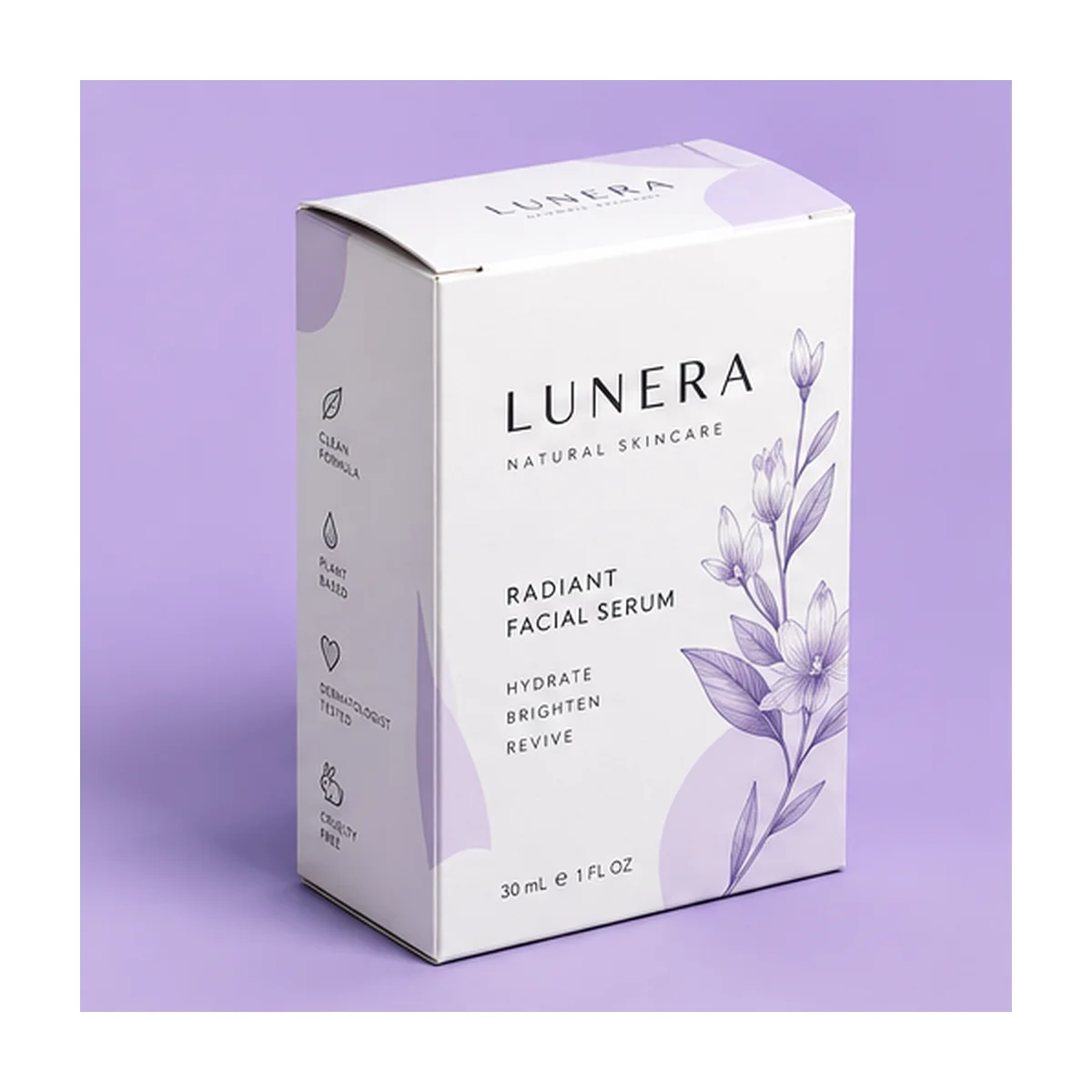
Custom White Tuck Top Boxes
White print panels keep small products easy to read on a retail shelf. A tuck-in top closes the carton neatly; choose the bottom style for the filled weight.
View product →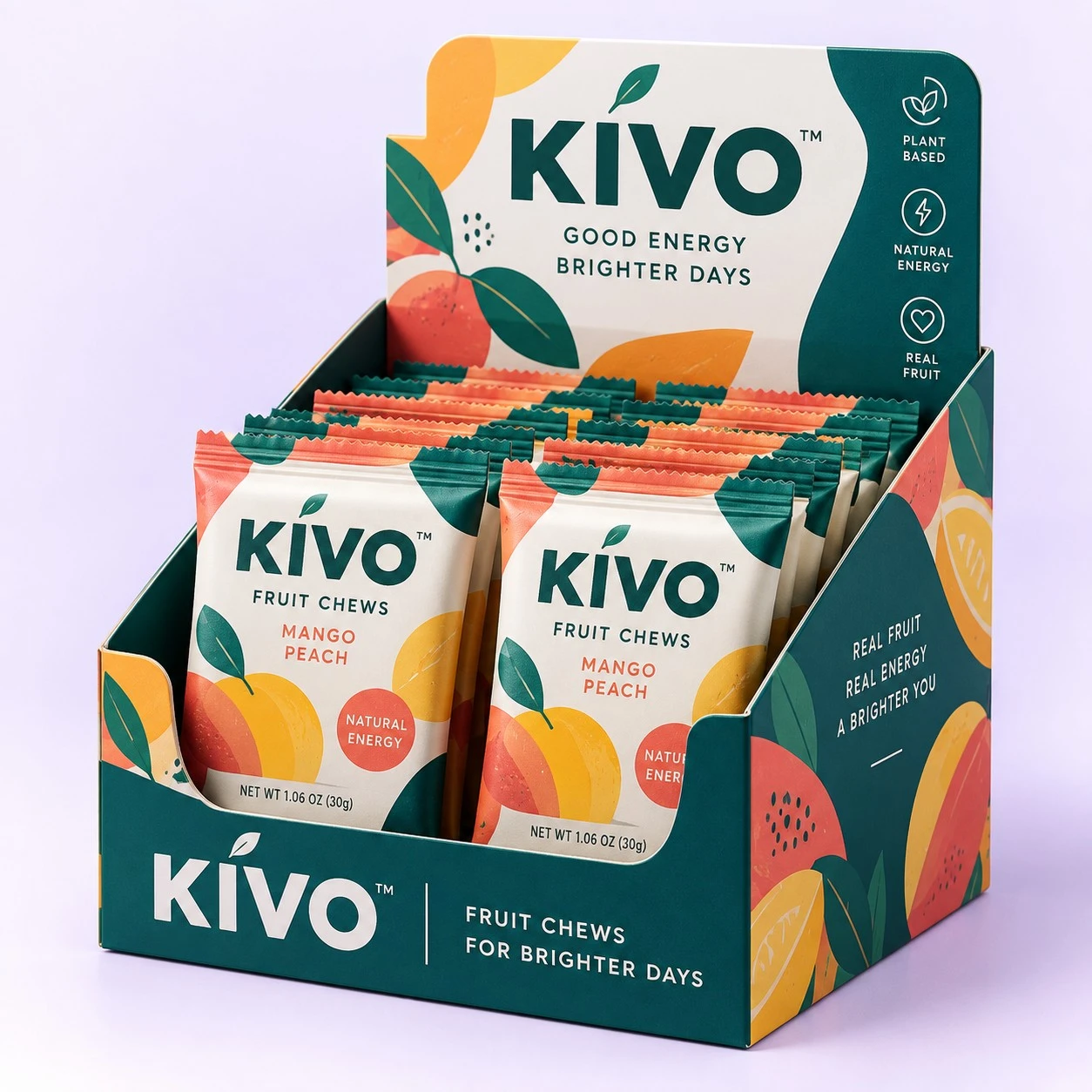
Custom Flat Tuck Display Boxes
Give snacks, beauty products, and small retail packs a clear place at checkout. A fold-flat tuck tray combines easy front access with a raised branding header.
View product →
Custom Straight Tuck End Boxes
Custom straight tuck end boxes with clean front panels, same-side tuck closures, full-color printing, and made-to-order sizes for retail products.
View product →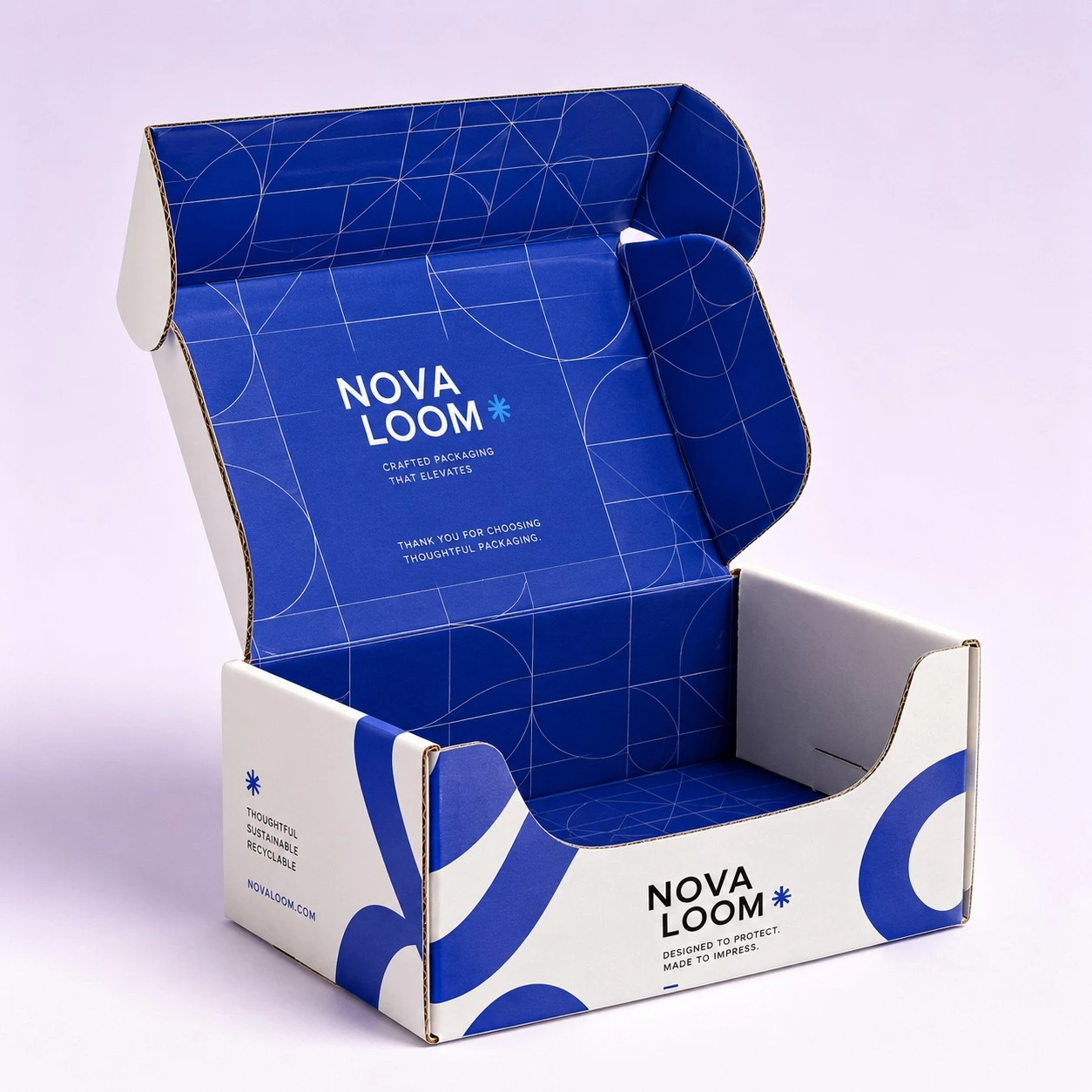
Custom Roll End Tuck Top Boxes
Custom roll end tuck top boxes combine reinforced rolled side walls, secure tuck closures, custom print, and made-to-order sizing for shipping.
View product →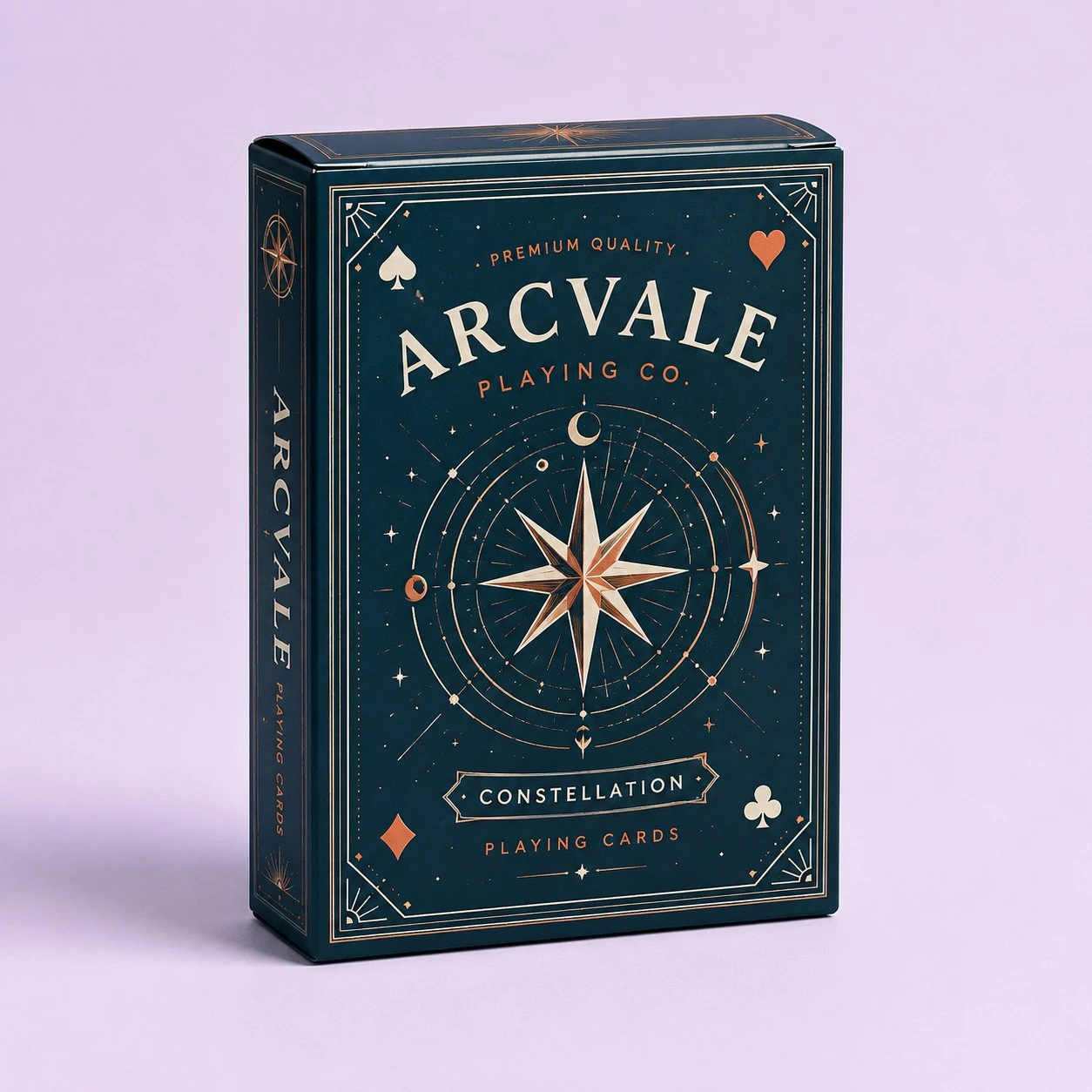
Custom Playing Card Boxes
Custom playing card boxes sized for your deck, with tailored tuck, sleeve, rigid, print, finish, and insert options for branded card packaging.
View product →Custom White Tuck Top Boxes
White print panels keep small products easy to read on a retail shelf. A tuck-in top closes the carton neatly; choose the bottom style for the filled weight.
View product →Custom Flat Tuck Display Boxes
Give snacks, beauty products, and small retail packs a clear place at checkout. A fold-flat tuck tray combines easy front access with a raised branding header.
View product →Custom Straight Tuck End Boxes
Custom straight tuck end boxes with clean front panels, same-side tuck closures, full-color printing, and made-to-order sizes for retail products.
View product →Custom Roll End Tuck Top Boxes
Custom roll end tuck top boxes combine reinforced rolled side walls, secure tuck closures, custom print, and made-to-order sizing for shipping.
View product →Custom Playing Card Boxes
Custom playing card boxes sized for your deck, with tailored tuck, sleeve, rigid, print, finish, and insert options for branded card packaging.
View product →Custom White Tuck Top Boxes
White print panels keep small products easy to read on a retail shelf. A tuck-in top closes the carton neatly; choose the bottom style for the filled weight.
View product →Custom Flat Tuck Display Boxes
Give snacks, beauty products, and small retail packs a clear place at checkout. A fold-flat tuck tray combines easy front access with a raised branding header.
View product →Custom Straight Tuck End Boxes
Custom straight tuck end boxes with clean front panels, same-side tuck closures, full-color printing, and made-to-order sizes for retail products.
View product →Custom Roll End Tuck Top Boxes
Custom roll end tuck top boxes combine reinforced rolled side walls, secure tuck closures, custom print, and made-to-order sizing for shipping.
View product →Custom Playing Card Boxes
Custom playing card boxes sized for your deck, with tailored tuck, sleeve, rigid, print, finish, and insert options for branded card packaging.
View product →Custom White Tuck Top Boxes
White print panels keep small products easy to read on a retail shelf. A tuck-in top closes the carton neatly; choose the bottom style for the filled weight.
View product →Custom Flat Tuck Display Boxes
Give snacks, beauty products, and small retail packs a clear place at checkout. A fold-flat tuck tray combines easy front access with a raised branding header.
View product →Custom Straight Tuck End Boxes
Custom straight tuck end boxes with clean front panels, same-side tuck closures, full-color printing, and made-to-order sizes for retail products.
View product →Custom Roll End Tuck Top Boxes
Custom roll end tuck top boxes combine reinforced rolled side walls, secure tuck closures, custom print, and made-to-order sizing for shipping.
View product →Custom Playing Card Boxes
Custom playing card boxes sized for your deck, with tailored tuck, sleeve, rigid, print, finish, and insert options for branded card packaging.
View product →✦ Upgrade Today
Ready to Upgrade Your Brand Packaging?
Get custom templates matching your custom dimensions. Instant 3D digital proof samples returned in hours.