Beauty & Skincare Packaging
Custom Cosmetic Boxes for Makeup, Skincare, and Gift Sets
Fit lipstick tubes, cream jars, and glass serum bottles with cartons and inserts made for each product. Give every pack clear space for shade names, product details, and beauty branding.




For independent beauty brands, skincare labels, and growing makeup lines.
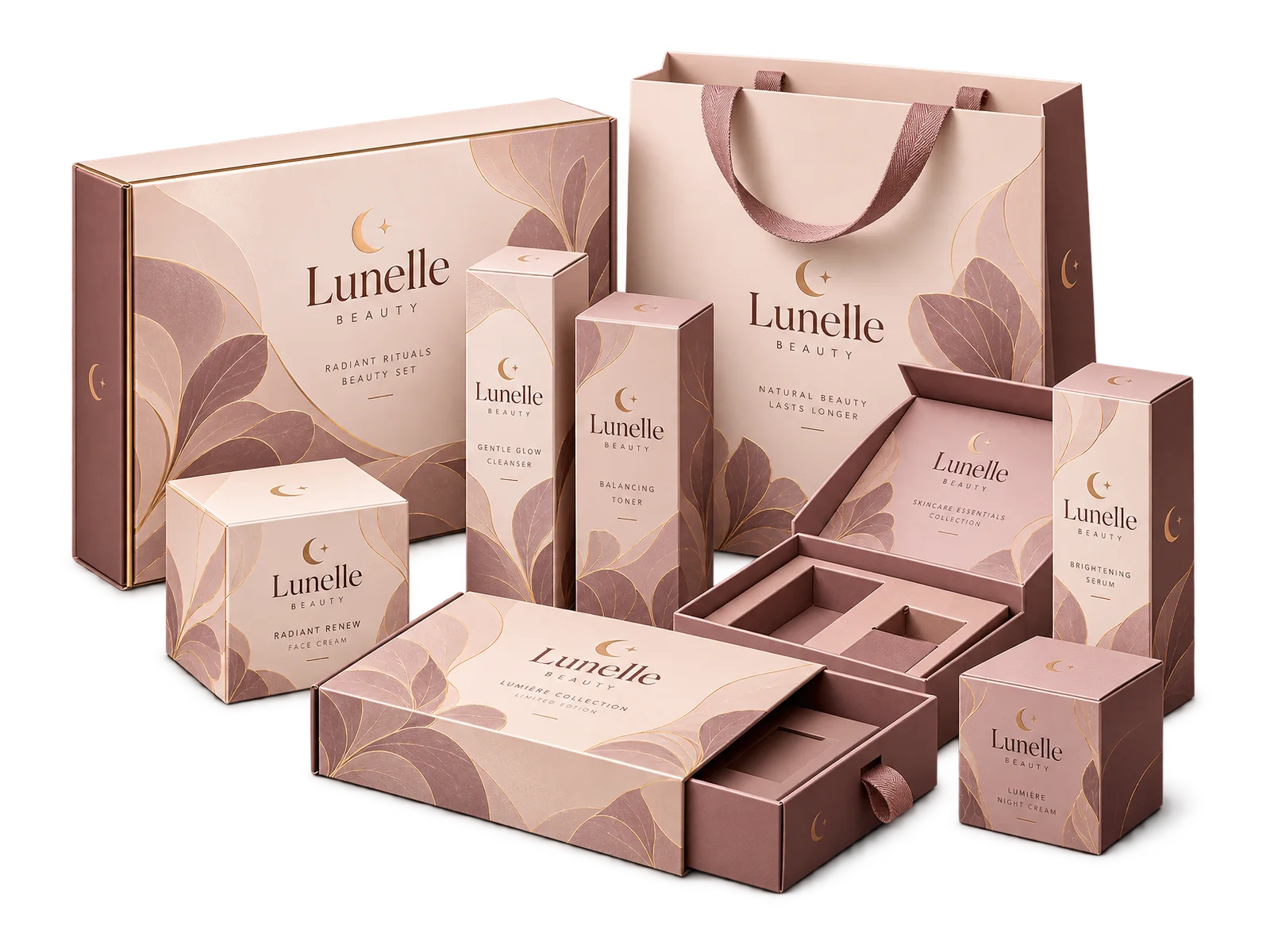
One Look Across Every SKU
Keep every shade and skincare product recognizable across your collection.
Free Design Support
Expert help at every step
Fast Turnaround
1–5 business days production, then dispatch next business day
Premium Finishes
Luxury look, lasting impact
Packaging Categories
Everything Your Product Needs
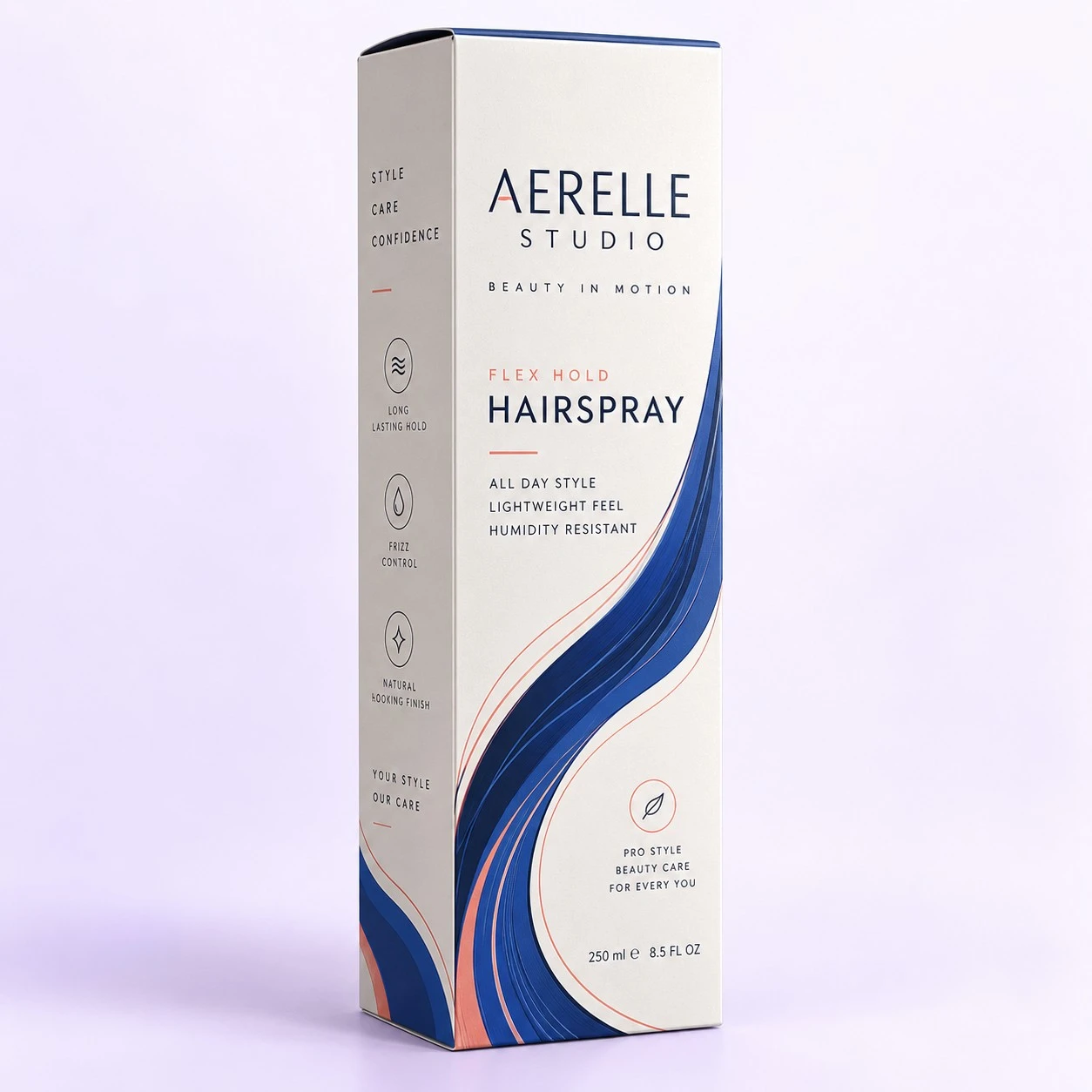
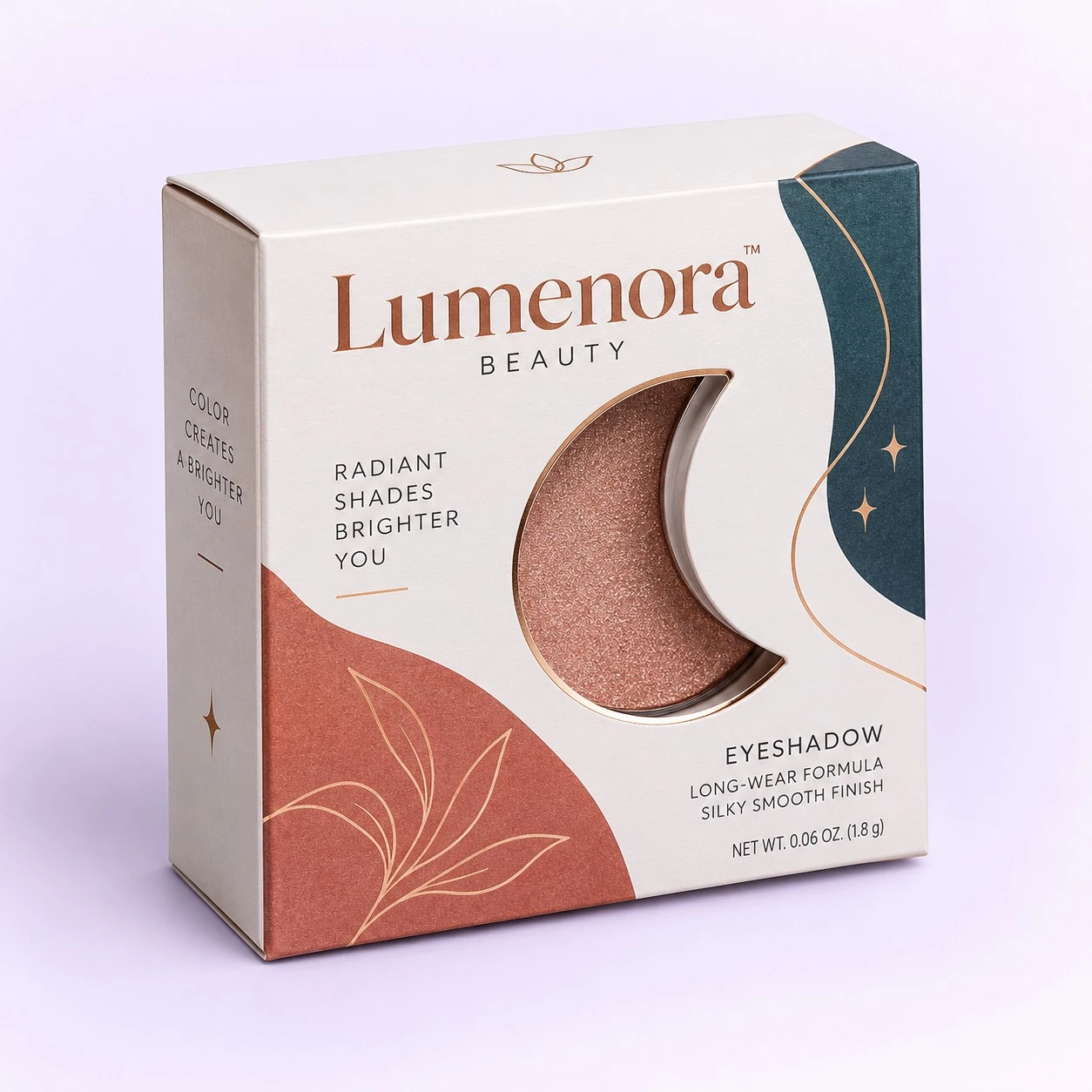
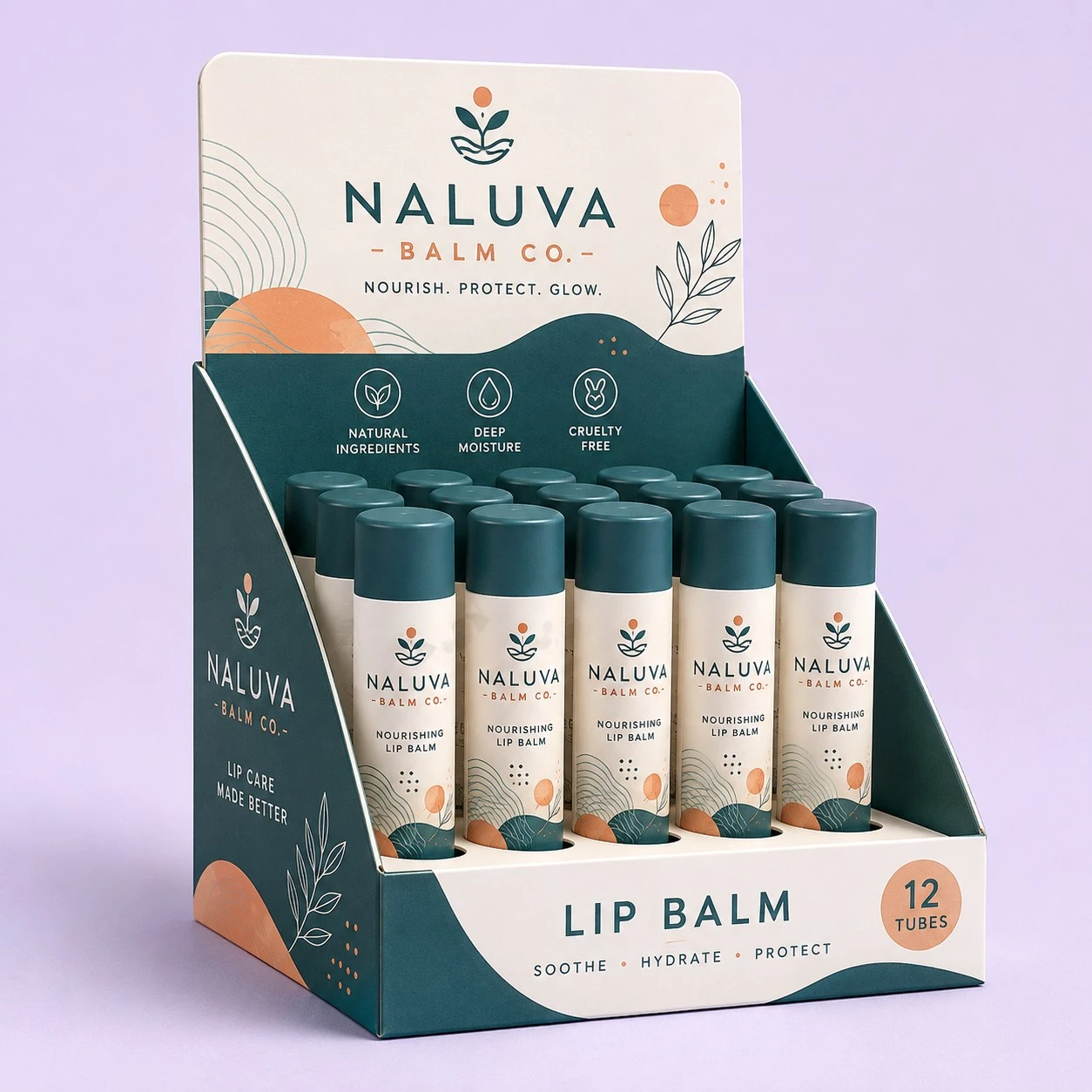
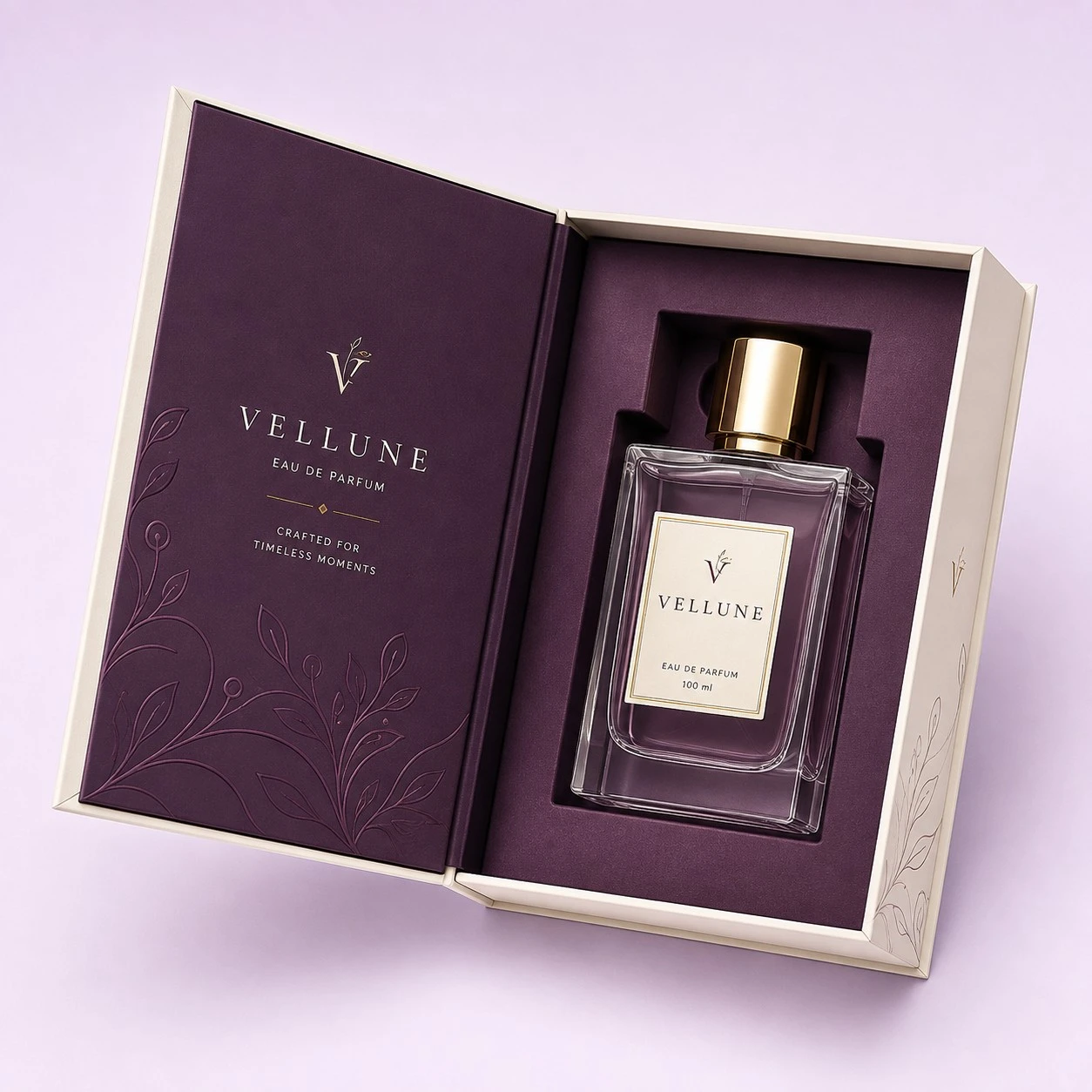
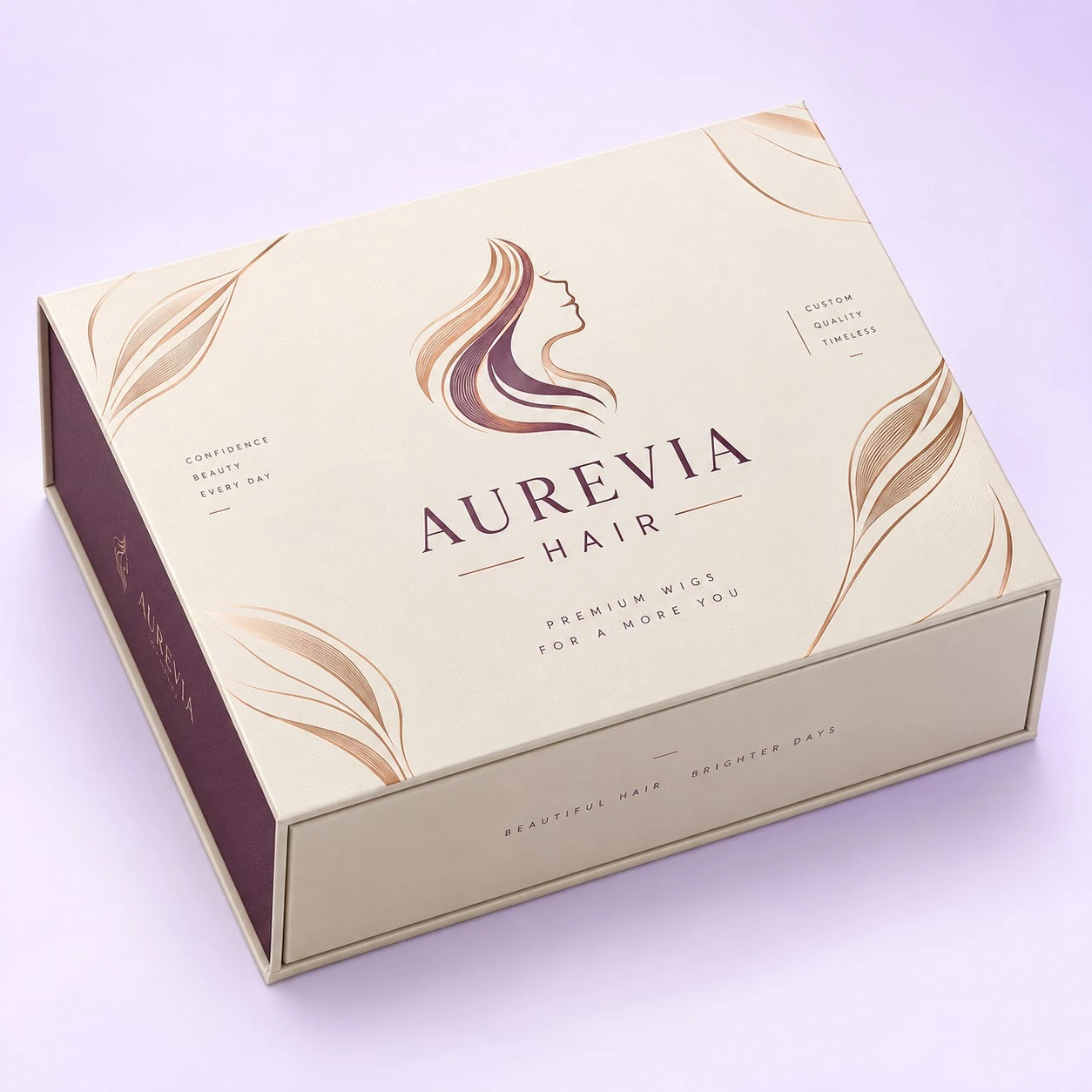
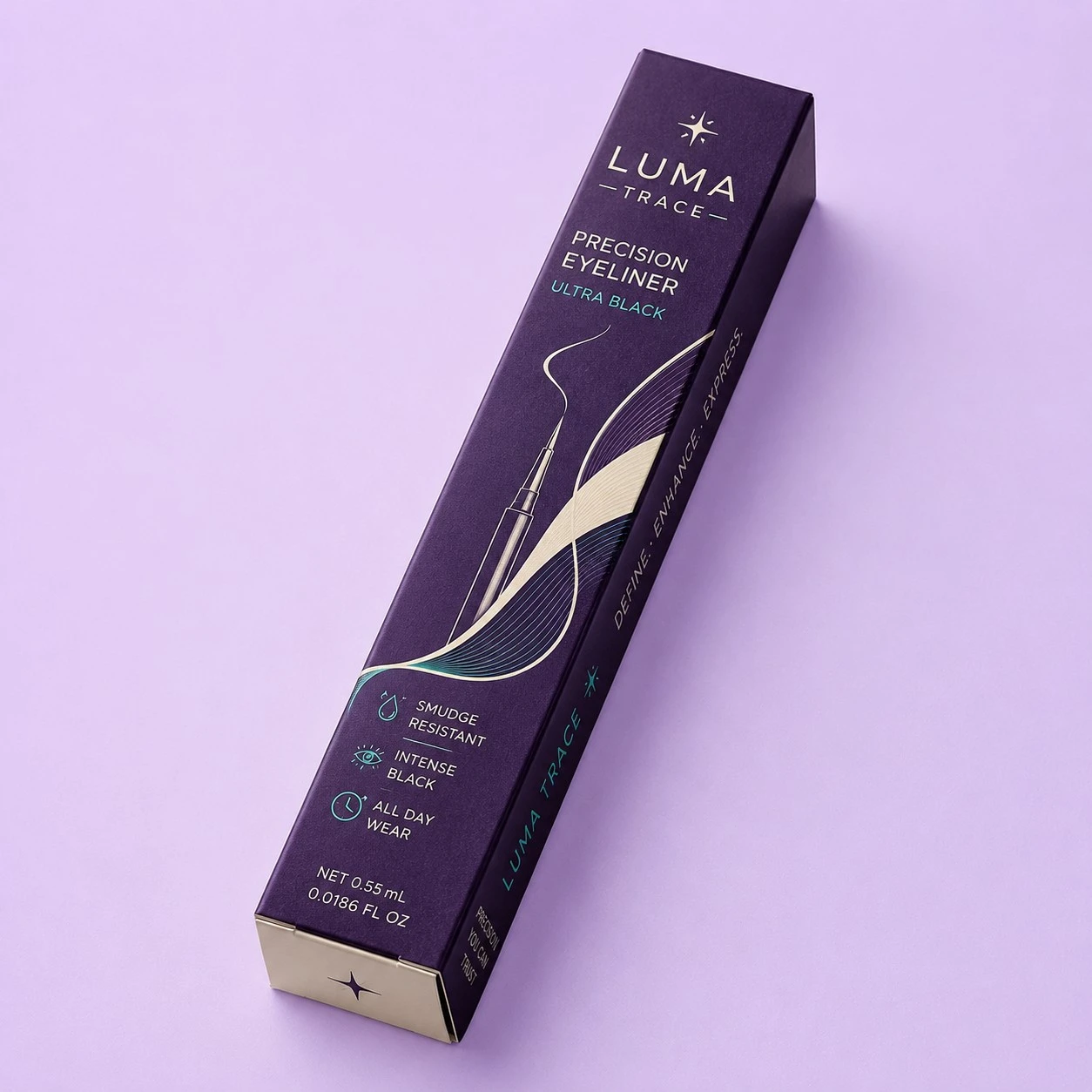
Custom Cosmetic Boxes Designed for Beauty Products That Stand Out
A lipstick carton and a glass serum box can carry the same beauty identity, but they cannot rely on the same fit. Lipstick needs a compact retail shape; a serum bottle may need support around the glass and dropper. Packopie’s custom cosmetic boxes are planned around those differences, so structure and artwork serve each product.
Folding Cosmetic Cartons for Everyday Beauty Retail
Custom printed cosmetic boxes make individual products easy to group, label, and display. Folding cartons work well for lipsticks, mascaras, eyeliners, cleansing tubes, face creams, and other retail cosmetics. They offer printable panels in a light structure.
A tuck-end carton gives the shopper a familiar top or bottom opening. A sleeve adds an outer printed layer around a fitted inner pack. A window can reveal a visible product shade or container, although the opening changes the area available for required details. Choose by product weight, shelf position, and handling.
Shared artwork can unite a range even when box dimensions differ.
Rigid Cosmetic Boxes for Gift Sets and Premium Collections
A skincare gift set asks more of its outer box than a single lipstick does. It may hold a cleanser, serum, and moisturizer in one presentation. A rigid cosmetic box gives that set a firm frame and enough depth for a fitted insert.
Lid-and-base, book-style, and drawer-style structures create different opening experiences. A lift-off lid reveals the full arrangement at once. A drawer introduces the products in stages. A hinged lid can carry artwork on the inside while the lower tray keeps each piece in place.
The best choice depends on the weight and mix of items, not simply the finish. Coordinated boxes and inserts suit launch kits, holiday collections, and gifting.
A Better Fit for Serums, Cream Jars, and Makeup Palettes
Measure the physical container before setting the box dieline, the flat layout used to cut and fold a package. For glass serum bottles, include the cap or dropper in the total height. Check shoulders, pumps, and any wide bases rather than relying only on the stated liquid volume.
Cream jars need enough room for the lid diameter. Eyeshadow and makeup palette boxes need the correct depth for a flat compact, plus room for easy removal. Tall lotion or hairspray cartons face different weight and balance needs from short lip balm packs.
A die-cut paperboard insert can hold one bottle; separate cavities can organize a mixed skincare set. Foam may suit selected presentation uses, but insert material and cutouts should follow the real containers. A fit check catches tight corners, loose movement, and difficult openings.
One Beauty Identity Across Every Shade and SKU
Shade launches often multiply the number of printed variations faster than the number of box shapes. Three lipstick shades may use the same structural dieline while carrying different shade names, color cues, and product identifiers. The carton layout can remain consistent.
Custom makeup boxes can use a shared logo position, typography, and illustration style across lipstick, eyeliner, mascara, and eyeshadow lines. Product-specific color bands then help customers tell the variants apart. A skincare family can follow the same idea with distinct cleanser, serum, and moisturizer labels.
Retail barcodes deserve deliberate placement. For products using GS1 identification, each color or size variant has its own GTIN, the number represented in its barcode. Leave a clear area for the barcode and its quiet space rather than fitting it between decorative elements.
Paperboard, Printing, and Finishes That Suit the Design
SBS paperboard provides a smooth surface for detailed cosmetic artwork. Kraft paperboard creates a different natural-paper appearance. Rigid chipboard gives premium boxes their firm shape, usually beneath a printed wrap. The board choice should match the product weight, construction, and planned surface treatment.
CMYK printing handles photos, gradients, and multi-color beauty artwork. Pantone color references can help define important brand hues where a suitable printing process is used. A matte finish softens reflections; gloss gives printed areas more shine. Foil stamping can accent a logo, embossing raises selected details, and spot UV adds contrast to chosen shapes.
These effects work best when they have a job. A metallic brand mark on a restrained carton may be more legible than foil across every panel. Packopie can evaluate a cohesive look across individual retail cartons and premium cosmetic gift packaging.
US Cosmetic Labels Need Planned Panel Space
At the U.S. retail shelf, a cosmetic carton is both branded packaging and a surface for required product information. FDA rules address the product identity, net quantity, business details, ingredient declaration, and applicable warnings. Placement and print size can matter as much as the wording.
Leave sufficient room on the main display panel for the product identity and net quantity. Plan a readable information panel for ingredients and responsible business details. Different pack sizes create different design constraints, especially on narrow mascara or lipstick cartons.
Brand owners remain responsible for reviewing their product labels and claims against applicable requirements. Printed packaging alone does not establish compliance. Resolving label content before final artwork helps avoid late changes to a finished dieline.
Plan Custom Quantities Around the Product Range
A wholesale cosmetic boxes project might contain one structure and one artwork version, or several products that need different box dimensions. Those differences affect tools, inserts, and setup. Unit costs can also change with ordered quantity, material use, finishes, and the number of artwork variations.
A good brief separates shared details from product-specific needs. Note which SKUs use identical dimensions, which need unique inserts, and which need their own print files. Ask for proofing expectations and compare a physical sample against the actual container when fit is critical.
For direct-to-consumer sales, distinguish the printed retail carton from the outer shipping mailer. A delicate glass item may still need transit protection even when its display box looks substantial.
Shape Your Packopie Quote Around Real Cosmetic Products
The clearest starting point is a product list: container dimensions, weight, quantity by SKU, planned artwork, and where each item will be sold. Add a reference for the kind of unboxing you want, especially for rigid gift sets and multi-item collections.
With those details, Packopie can discuss structures, printing, inserts, and custom pricing. The result is a packaging conversation grounded in your actual lipstick, serum, palette, or skincare range—not a guess based on a box photograph.
Frequently Asked Questions
Folding cartons suit individual lipsticks, face creams, and serums because they are lightweight and easy to display. Rigid boxes and drawer-style boxes suit premium skincare collections and multi-product gift sets where presentation matters.
A fitted paperboard or foam insert holds the bottle in place and limits movement. The box and insert must account for the full bottle height, including its cap or dropper. Shipping protection should be tested with the actual filled product.
Yes. Lipstick shades with matching tube dimensions can share one box structure and main artwork. Each shade can have its own printed name, color swatch, and barcode to help customers and retailers identify the correct product.
U.S. retail cosmetic packaging generally requires the product identity, net quantity, ingredient declaration, and responsible business information. Some products also require warnings. The beauty brand is responsible for checking its final labeling against FDA requirements.
Separate fitted compartments keep items such as a cream jar, serum bottle, and cleanser from striking one another. A custom insert also presents each item neatly when the gift box opens.
Window cutouts help shoppers see a product's actual color or container without opening the box. They work well for selected makeup displays, but reduce printable panel space and may require a clear film. Closed cartons offer more room for artwork and product details.
✦ Upgrade Today
Ready to Upgrade Your Brand Packaging?
Get custom templates matching your custom dimensions. Instant 3D digital proof samples returned in hours.