Custom Flexible Packaging
Custom Spouted Pouches for Clean Pouring and Easy Refills
From fruit purées and sauces to shampoo refills, get custom printed spouted pouches with corner or top spouts, reclosable caps, and material structures suited to your product and filling process.




Packaging for Food, Beverage, Beauty & Home Care Brands
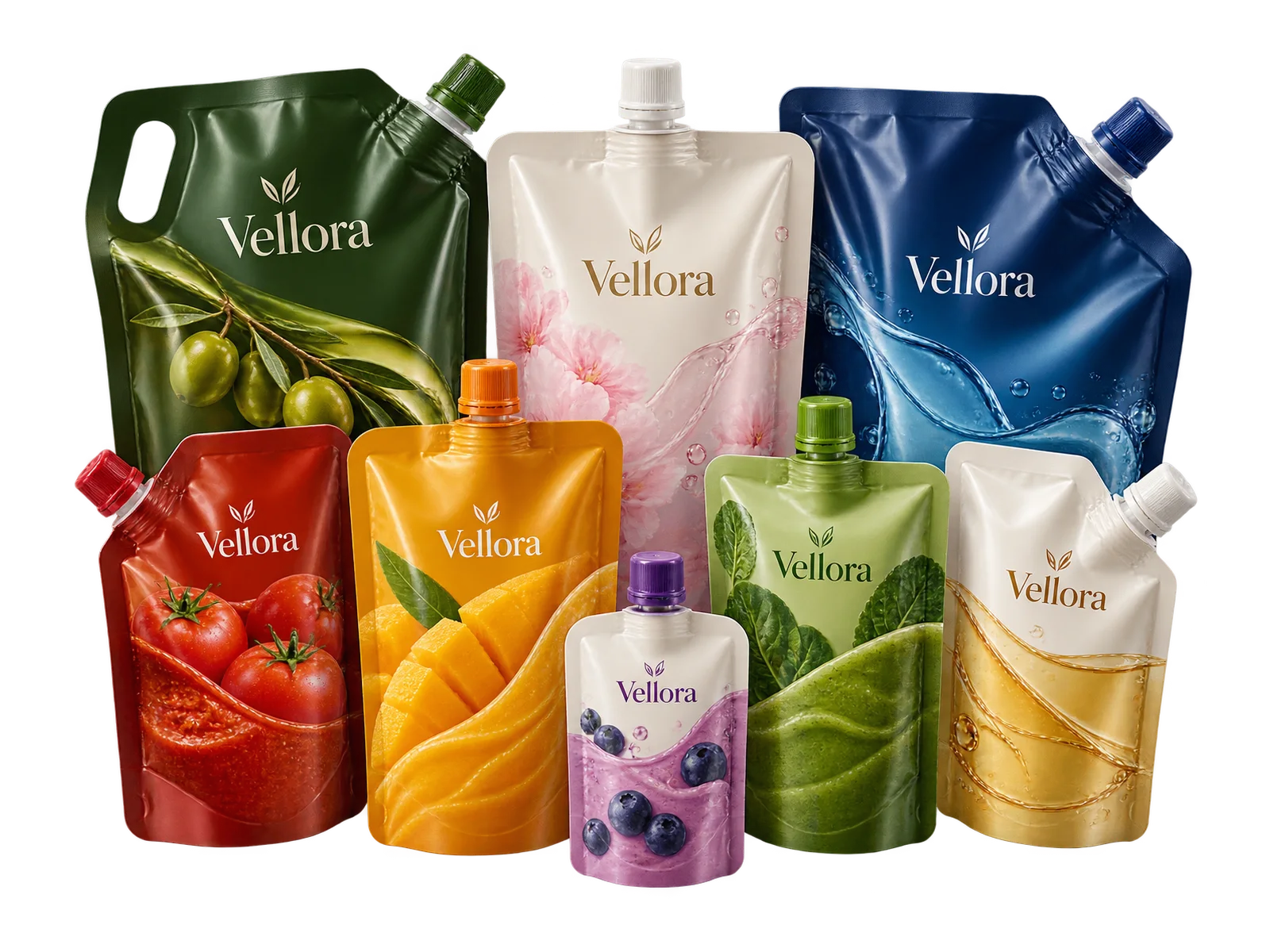
Spout & Cap Options
Choose closures and spout openings that suit your product's flow and pouring needs.
Free Design Support
Expert help at every step
Fast Turnaround
1–5 business days production, then dispatch next business day
Premium Finishes
Luxury look, lasting impact
Packaging Categories
Everything Your Product Needs
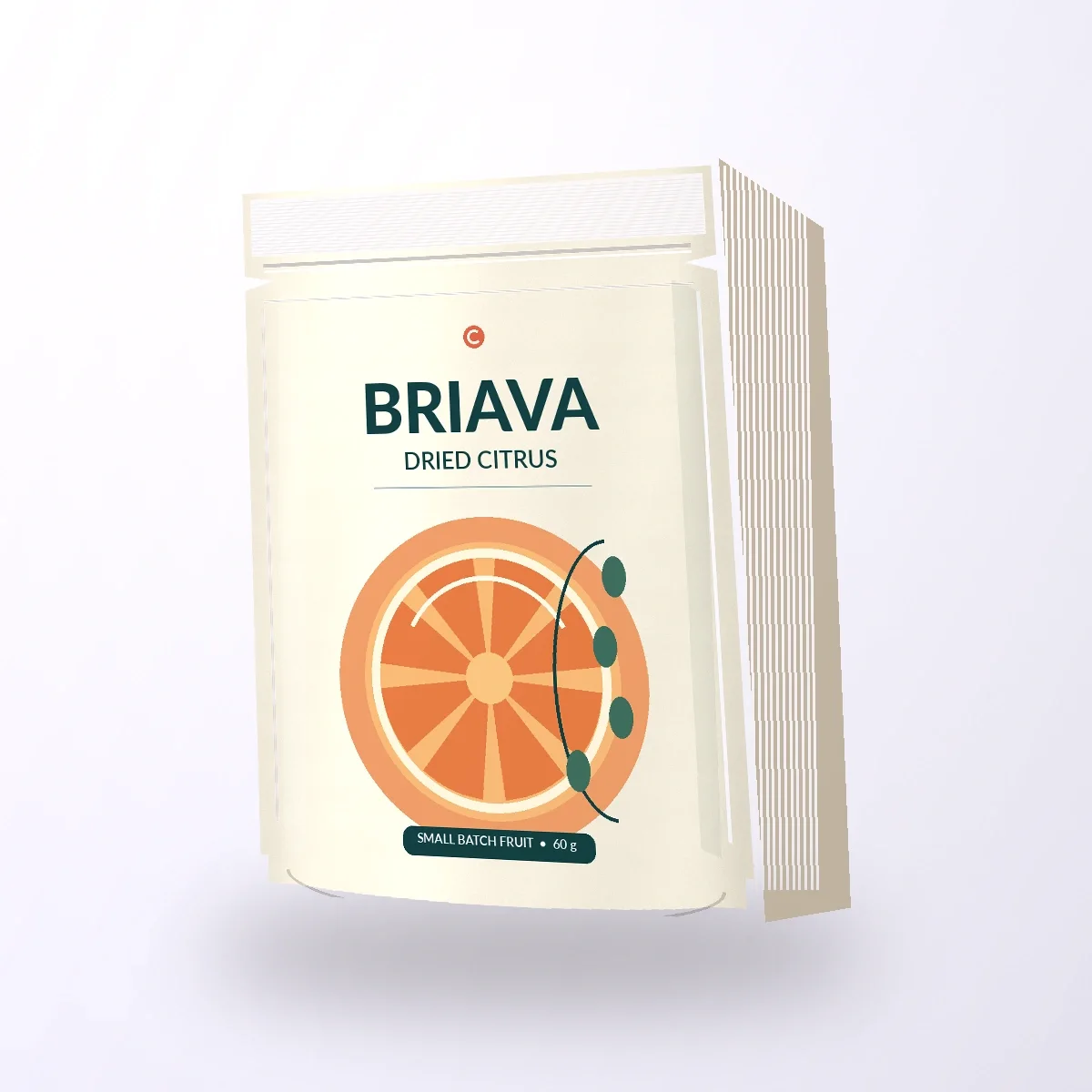
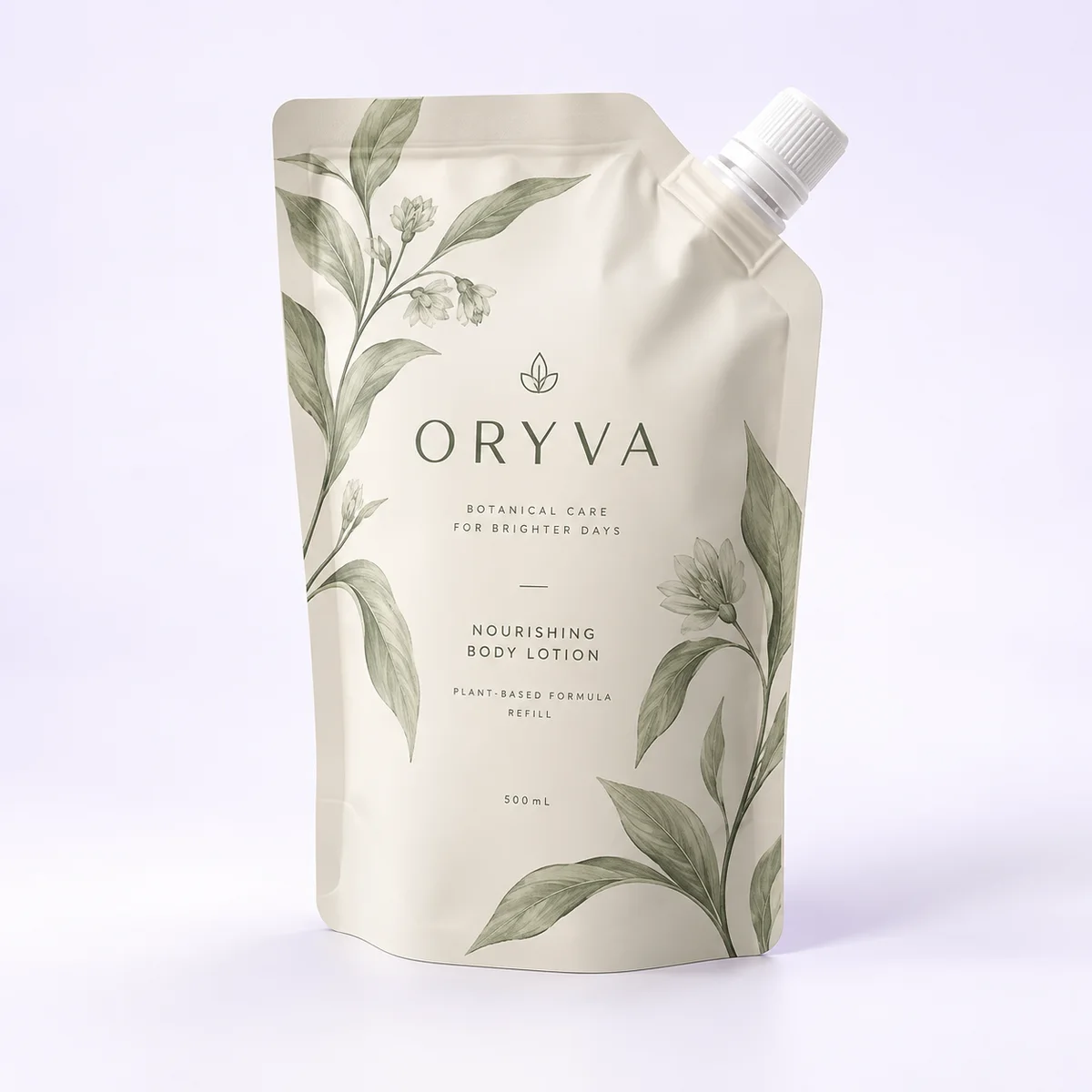
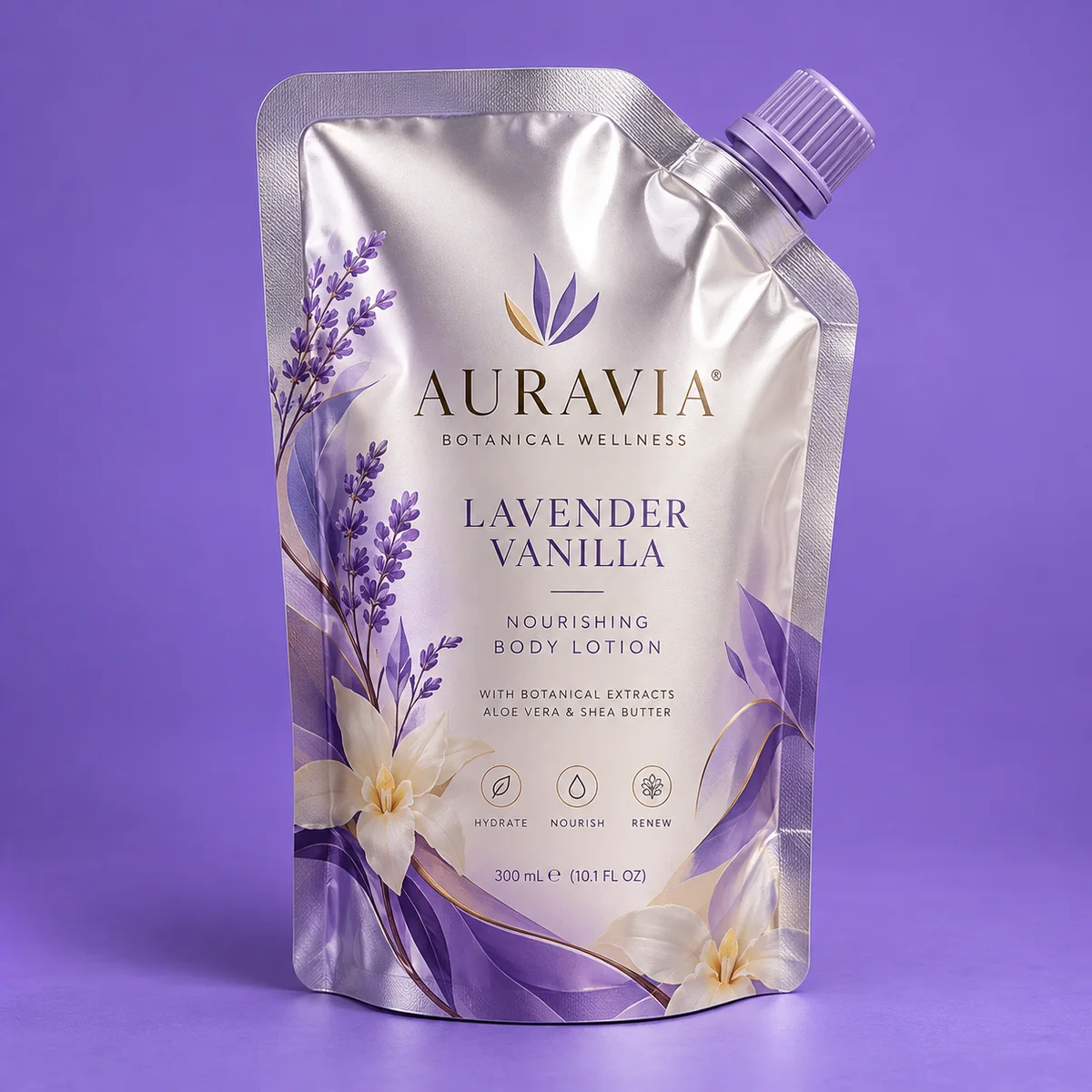
Custom Spouted Pouches for Easy Pouring, Refilling, and Branded Packaging
A mango purée and a thin juice may sit in similar pouches, but they do not pour the same way. A narrow opening can slow thick products, while the wrong cap or film can create trouble on the filling line. Packopie helps brands plan custom spouted pouches around what goes inside, how customers dispense it, and how each pouch reaches the shelf.
Match Spout Size to the Liquid Inside
The spout is the working part of a liquid pouch. Its inner opening controls how quickly a product flows, while its shape affects how easily customers pour or squeeze. Free-flowing juice and liquid soap can behave differently from ketchup, fruit purée, lotion, or a concentrated sauce.
A thicker product may need a wider opening. Sauces with herbs, pulp, or small pieces also require a check of particle size so the spout does not block. A wider spout is not automatically better: it can change the dose, pouring speed, cap size, and filling setup.
Packopie can plan pouch specifications around your formula and intended use. Sharing a product sample or flow details helps narrow the spout diameter before tooling, artwork, or a bulk order is finalized.
Put the Spout Where Pouring Feels Natural
A corner spout directs liquid from one side. This can make refilling a tall bottle or pouring oil into a narrow opening easier. A top-center spout gives a more balanced squeeze for products such as fruit purée, sauces, and some personal-care liquids. The position must also suit how the pouch is filled and sealed.
Reclosable screw caps support multiple uses after opening. For certain applications, tamper-evident features can help show whether a closure has been opened. Cap diameter, grip, thread fit, and any child-safety requirements deserve attention before production.
Larger refill formats may benefit from a carry handle. Smaller retail pouches often depend on a comfortable grip and a cap that is easy to open without spilling. The goal is a closure system that works for the product, not simply one that looks attractive.
Size the Pouch for Filling, Handling, and Shelf Display
Fill volume is only one part of pouch sizing. Width, height, bottom gusset, headspace, and the final filled shape determine how the pack stands, stacks, and fits into a shipping case. A bottom gusset helps a filled pouch stand upright, but its stability depends on the liquid weight and pouch proportions.
Spouted stand-up pouches suit a range of projects, from small fruit purée servings to larger shampoo, hand wash, or detergent refills. Compared with rigid bottles, flexible pouches can change the amount of space needed for empty packaging, yet actual savings depend on the final design and shipping plan.
For stores that display several flavors or refill variants together, a fitted cardboard display box can hold pouch rows upright and keep product labels visible. Pack dimensions and the number of units per tray should be set together.
Choose Barrier Films That Suit the Formula
Pouch film is more than a printed surface. Layered materials must resist the stresses of filling, squeezing, transport, and storage while providing the barrier your product needs. PET/PE and PET/nylon/PE are examples of laminate families worth reviewing; the final choice depends on formulation, seal requirements, and processing conditions.
Food products may need protection from oxygen, moisture, or light. For light-sensitive liquids and concentrates, custom aluminum foil spout pouches provide a barrier-focused option. Foil is not the best choice for every product, especially when transparency or certain processing methods matter.
A food-contact structure must be suitable for its intended use. Shelf-life claims also need product-specific testing. Mono-material PE or PP designs may be considered when recycling goals are important, but local collection access and the complete spout-and-film structure determine what claims are appropriate.
Check Filling Equipment Before Approving the Pouch
A pouch that looks correct on screen can still cause problems on a production line. Some systems fill through an installed spout; others fill through an open pouch edge and seal afterward. Spout position, neck dimensions, cap feeding, sealing surfaces, and machine handling all affect compatibility.
Processing conditions matter just as much. Cold filling, hot filling, high-pressure processing, and retort are different processes. Do not assume one film, seal, or cap tolerates them all. The intended time, temperature, pressure, and product chemistry must be checked with your filler and packaging supplier.
Sample trials can expose dripping, slow filling, weak fitment welds, or leaks after a drop. Testing filled pouches under realistic handling conditions offers a stronger basis for production approval than appearance alone.
Make Custom Printing Work Across Every Variant
A spouted pouch puts the brand directly into the customer's hand. Front and back panels provide room for a clear product name, flavor or formula, usage information, and required label details. Good artwork keeps that information readable even where the filled pouch curves or folds.
Full-color printing, matte or gloss finishes, and coordinated cap colors can help a family of products look consistent without hiding their differences. A juice line might use clear flavor colors, while household refills may need stronger separation between formulas.
For beauty refill programs paired with gift sets or bottle bundles, custom cosmetic boxes can provide separate outer presentation. For single-use products intended to open by tearing rather than resealing, custom tear notch packaging is a different opening approach worth comparing.
Build a Clear Quote Around Your Actual Product
Custom pricing depends on more than the number of printed pouches. Capacity, film layers, spout fitment, cap type, print requirements, order quantity, and filling process all change the job. Tooling, sampling, and delivery details may also affect the final estimate.
A useful starting brief includes the product type and thickness, target fill volume, preferred spout position, closure needs, artwork, destination, and estimated quantity. Any heat treatment, food-contact needs, or testing requirements should be identified early. Where available, a production-representative sample can confirm grip, flow, cap fit, and package integrity before approval.
Packopie can use these details to discuss custom printed spouted pouches and provide project-specific pricing rather than a one-size-fits-all figure. The result is a packaging plan shaped around the way customers pour, refill, store, and use your product.
Frequently Asked Questions
Thick products and fruit pieces can block a narrow opening. The spout's inner diameter must suit the product's thickness and particle size. Testing filled samples helps confirm smooth dispensing without clogging or excessive squeezing.
Spouted pouches can be filled through the spout or through an open pouch edge before final sealing. Equipment compatibility depends on the filling nozzle, spout position, cap system, and sealing method. Confirm these details with your filling partner before production.
Corner spouts often make pouring into bottles easier by directing the liquid toward one side. For larger refill packs, the filled weight, pouring angle, and user's grip also matter. The final position must work with your filling equipment.
Only pouches specifically designed and validated for the required heat process are suitable. The film layers, seals, plastic spout, and cap must all tolerate the processing conditions. Confirm the filling temperature and process details before choosing the packaging structure.
Leak prevention depends on a strong spout-to-film seal, compatible cap, and correct closing force. Filled-pouch leak, compression, and drop tests help identify weak seals or closures before production approval.
Not necessarily. Recyclability depends on the pouch film, spout material, how the parts work together, and local recycling facilities. Multi-layer barrier pouches may have limited recycling options. Check the full packaging structure before making recycling claims.
✦ Upgrade Today
Ready to Upgrade Your Brand Packaging?
Get custom templates matching your custom dimensions. Instant 3D digital proof samples returned in hours.