Custom Apparel Packaging
Custom Apparel Boxes Made for Premium Brand Presentation
Protect clothing with made-to-order apparel boxes built around your garment size, material needs, and brand style. Choose rigid, kraft, or corrugated structures with custom printing and finishes.




Built for fashion brands, retailers, and e-commerce sellers.
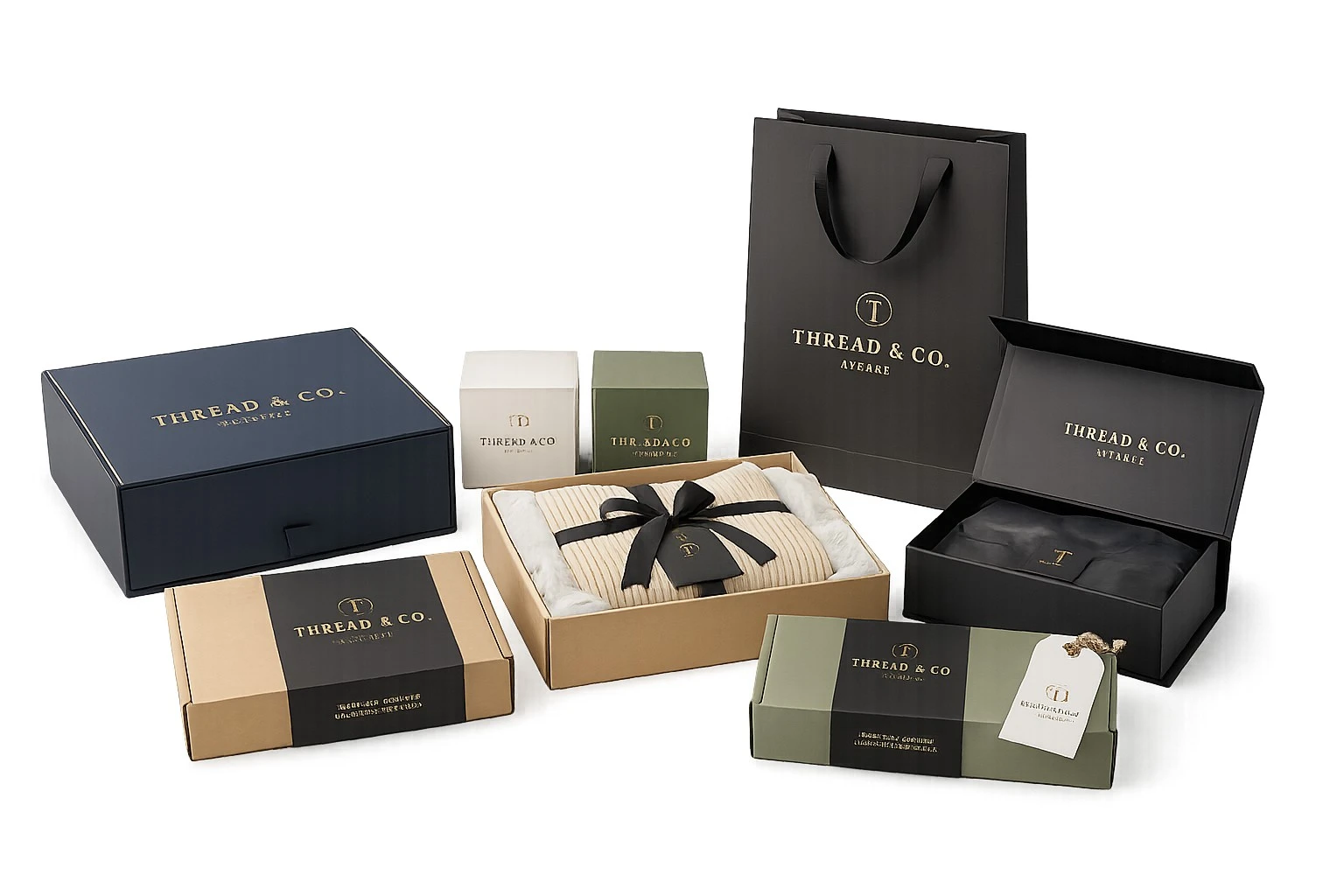
Tailored to Every Garment
Custom sizes, materials, print, and finishes for a polished unboxing.
Free Design Support
Expert help at every step
Fast Turnaround
1–5 business days production, then dispatch next business day
Premium Finishes
Luxury look, lasting impact
Packaging Categories
Everything Your Product Needs
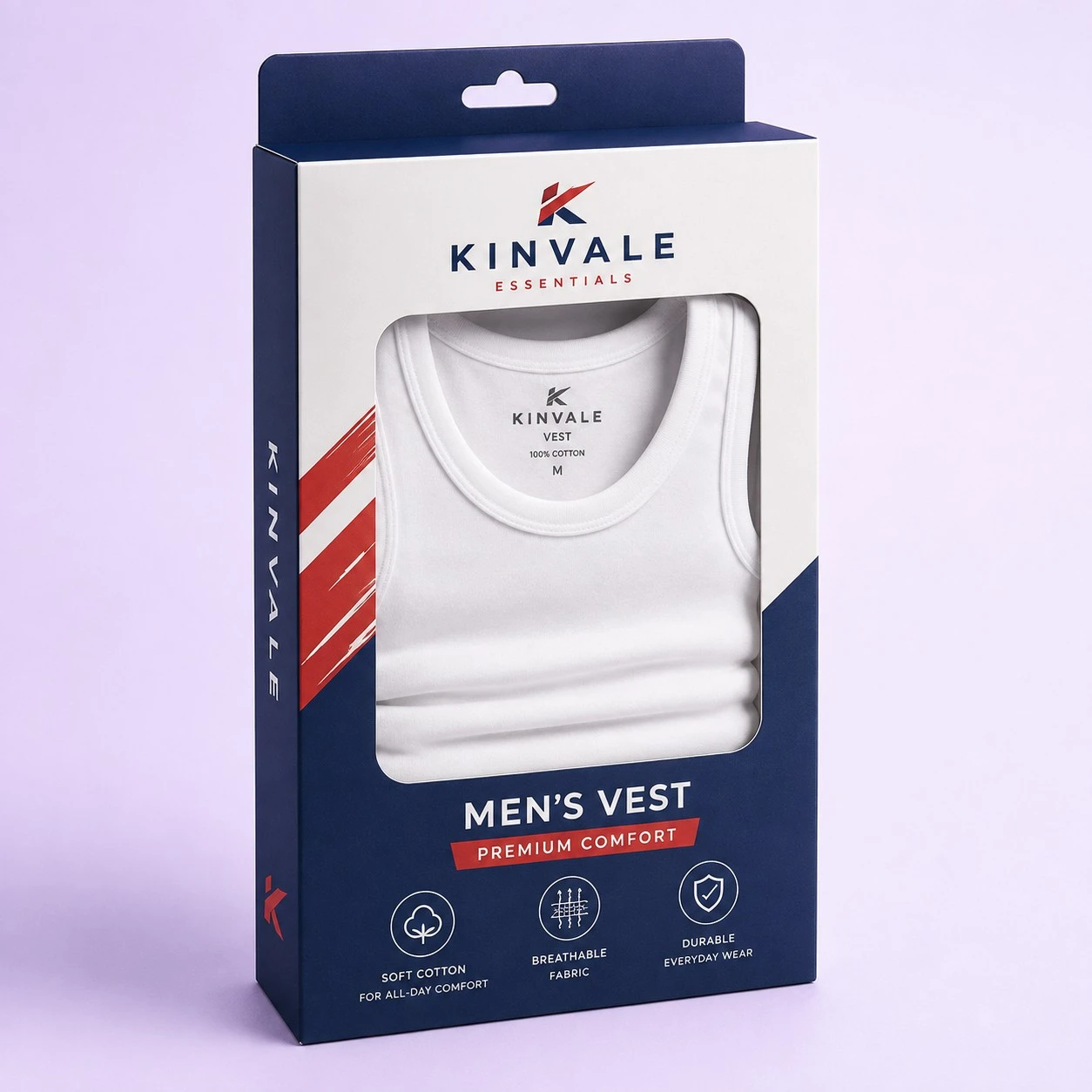
Custom Vest Packaging
Explore
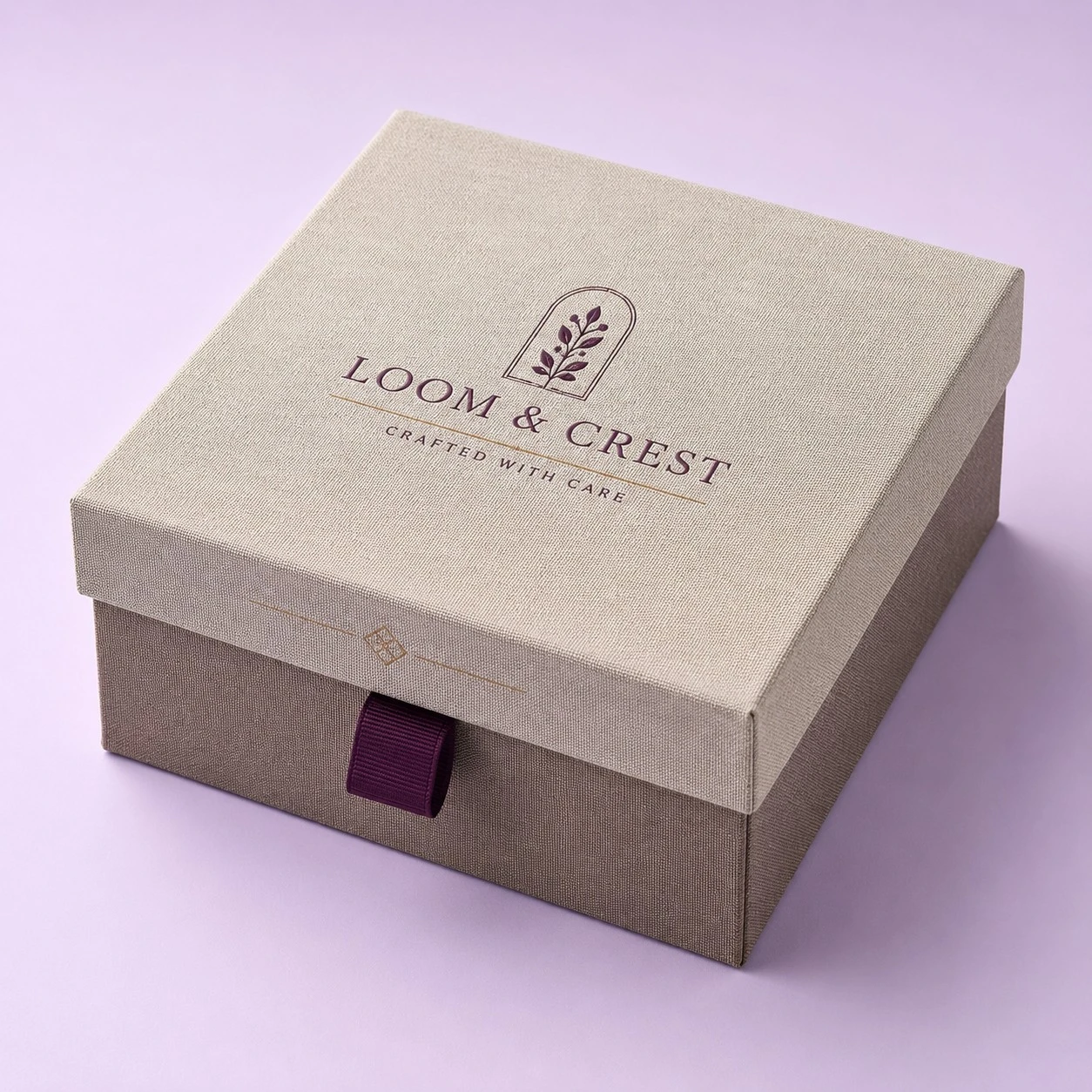
Custom Fabric Boxes
Explore
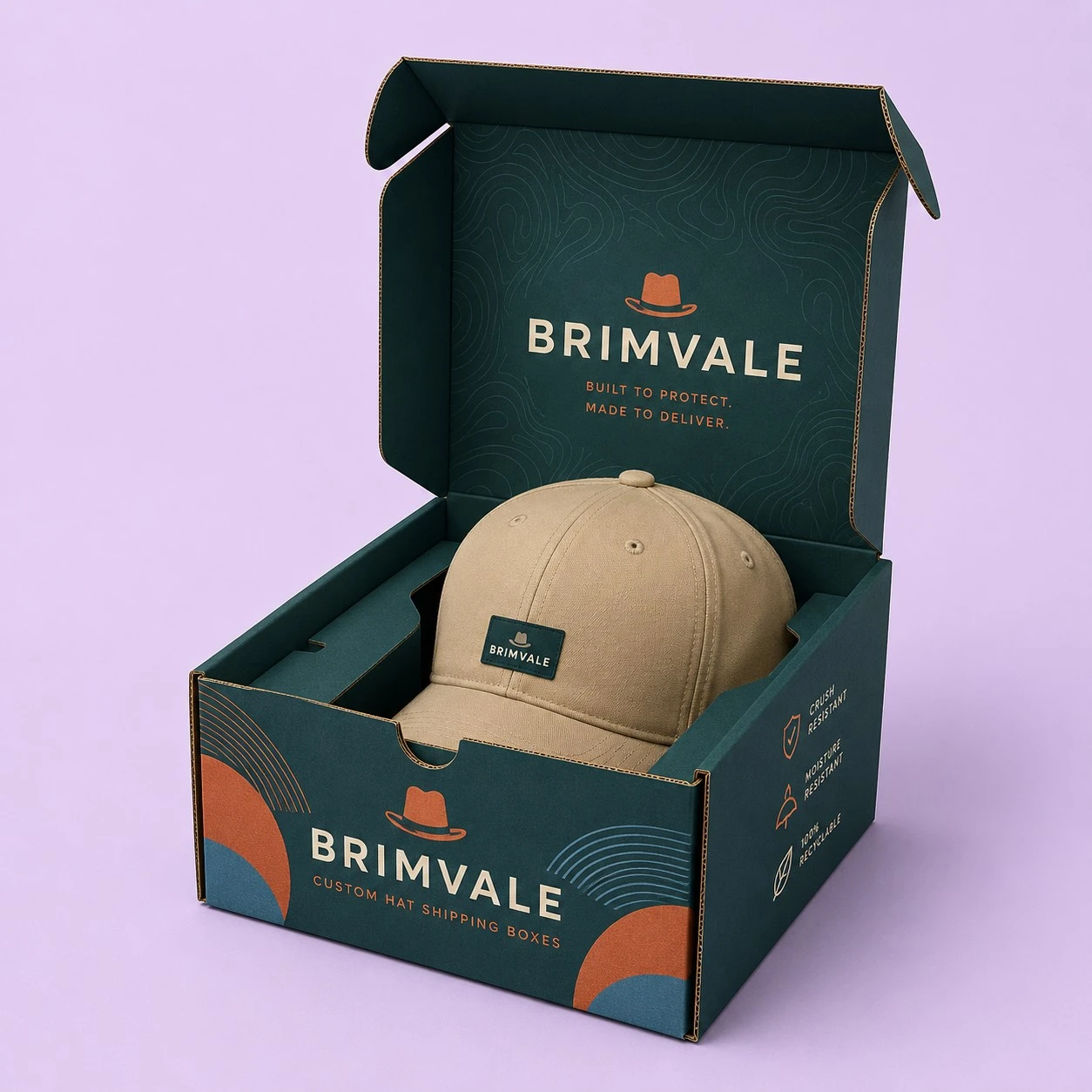
Custom Hat Shipping Boxes
Explore
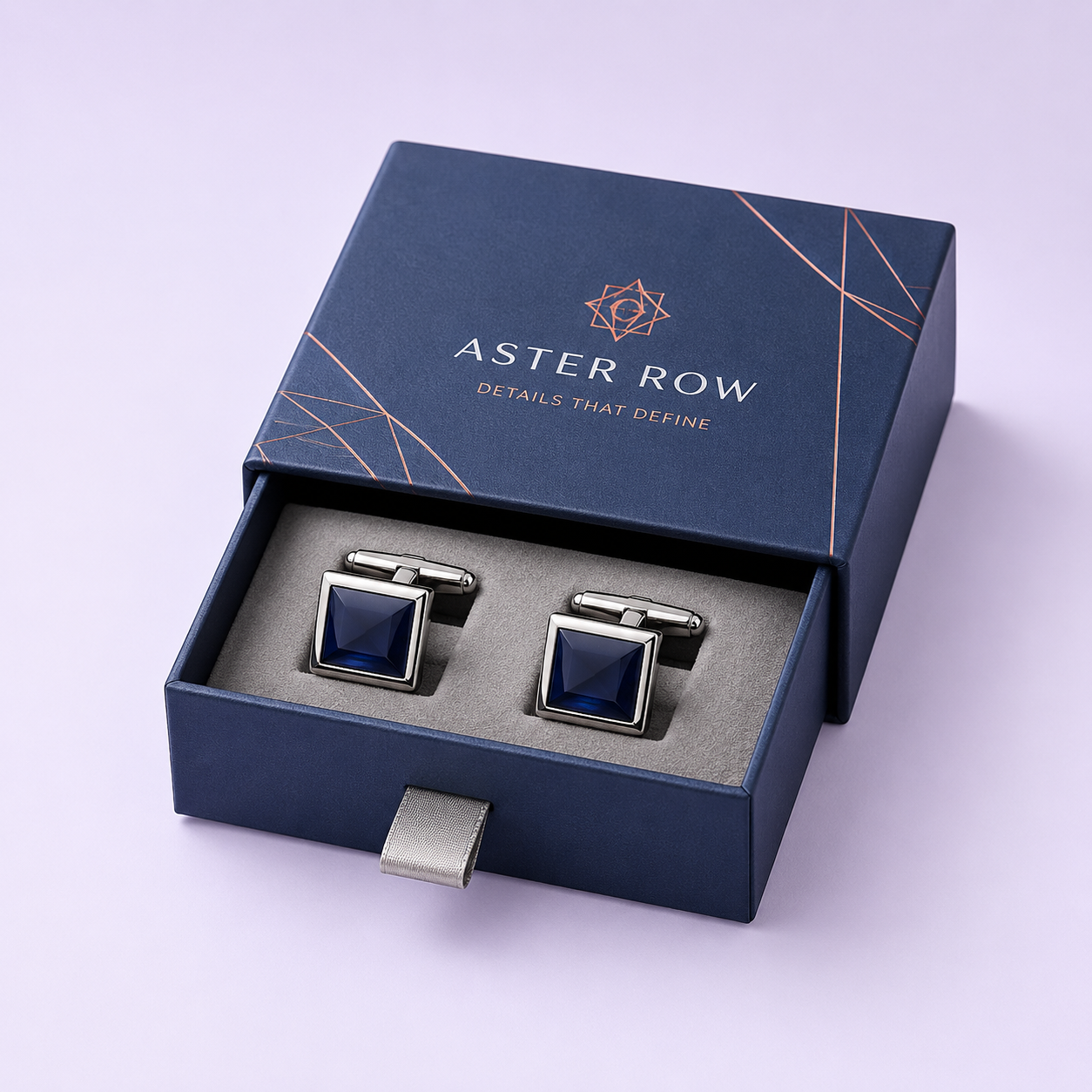
Custom Cufflink Boxes
Explore
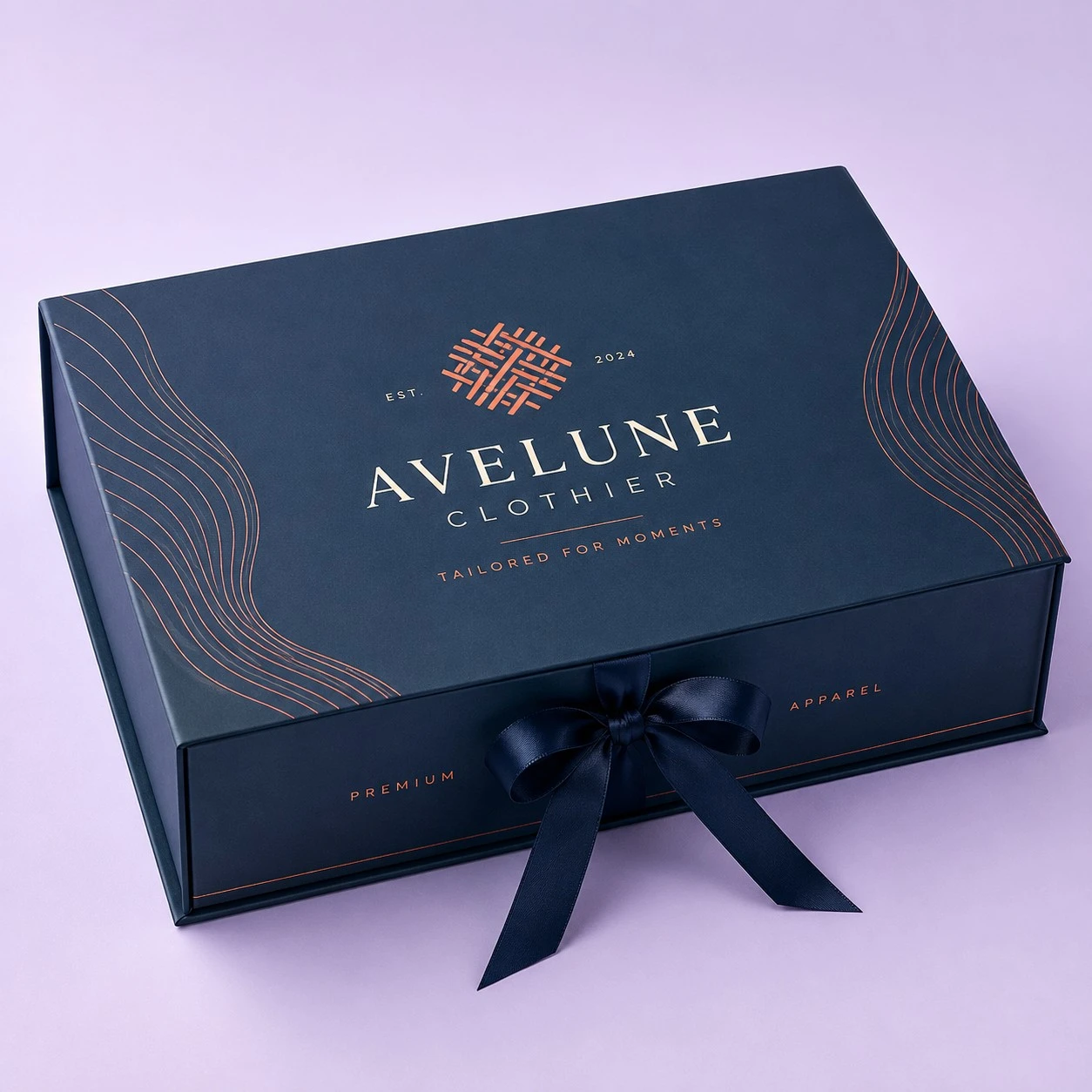
Custom Clothing Gift Boxes
Explore
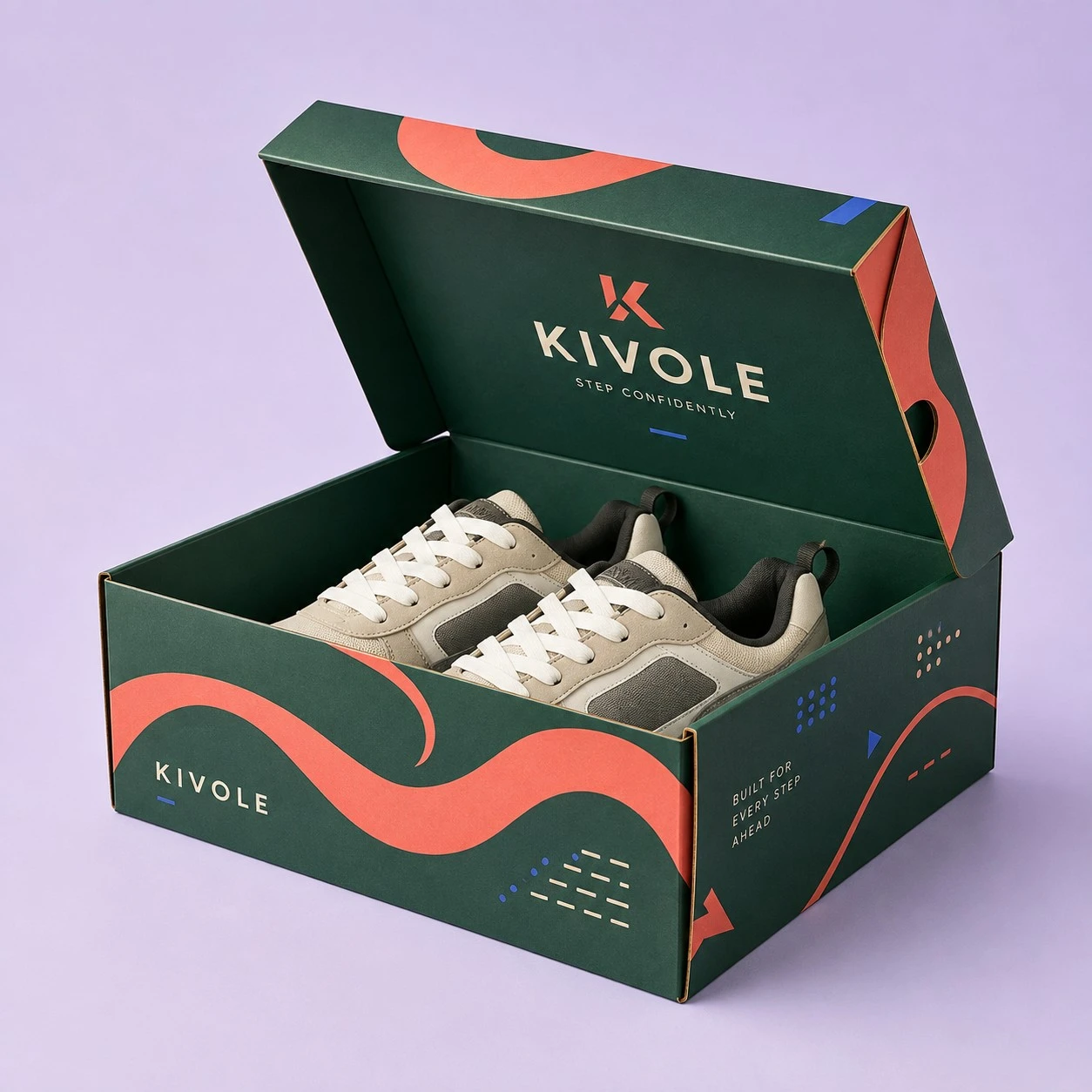
Custom Cardboard Shoe Boxes
Explore
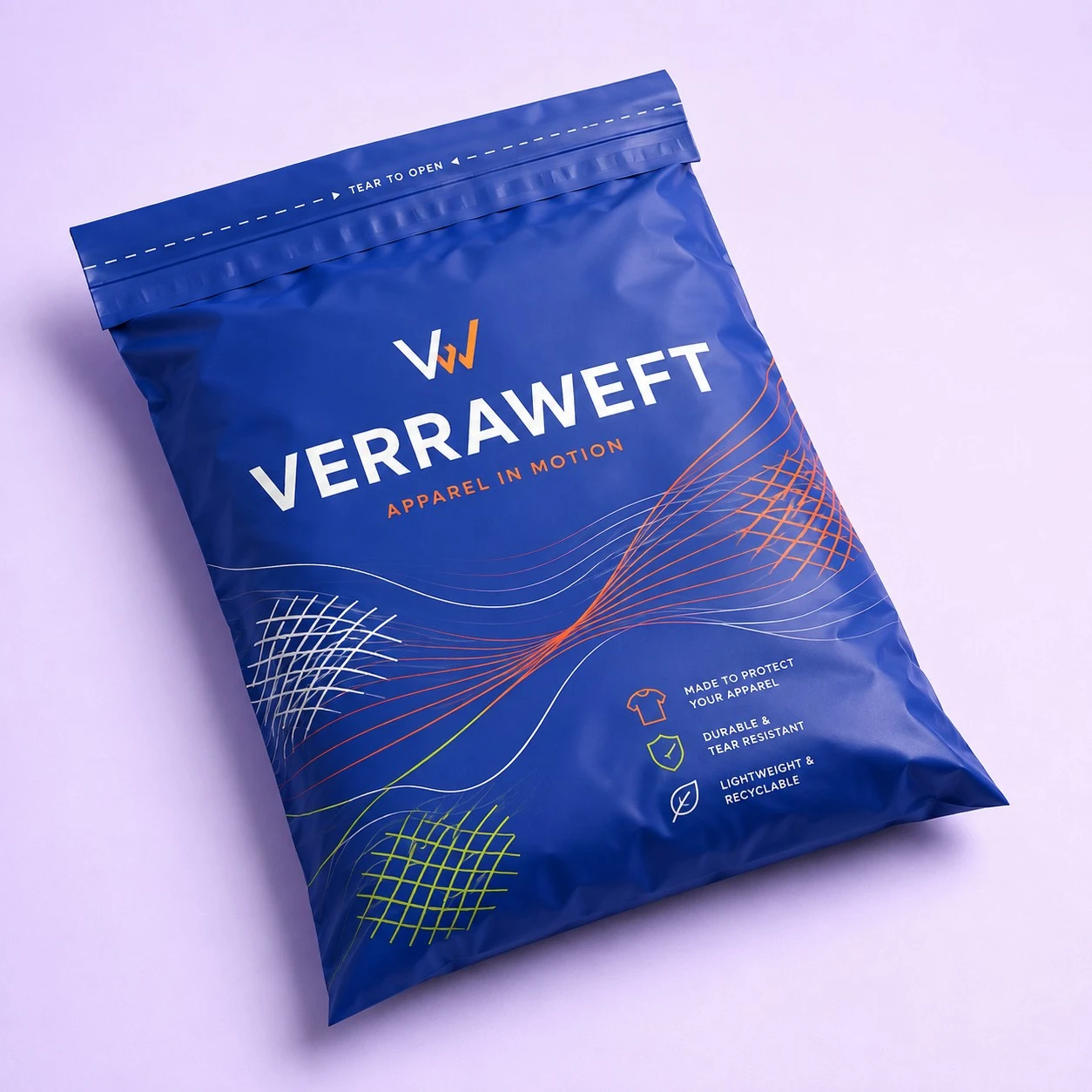
Custom Apparel Shipping Bags
Explore
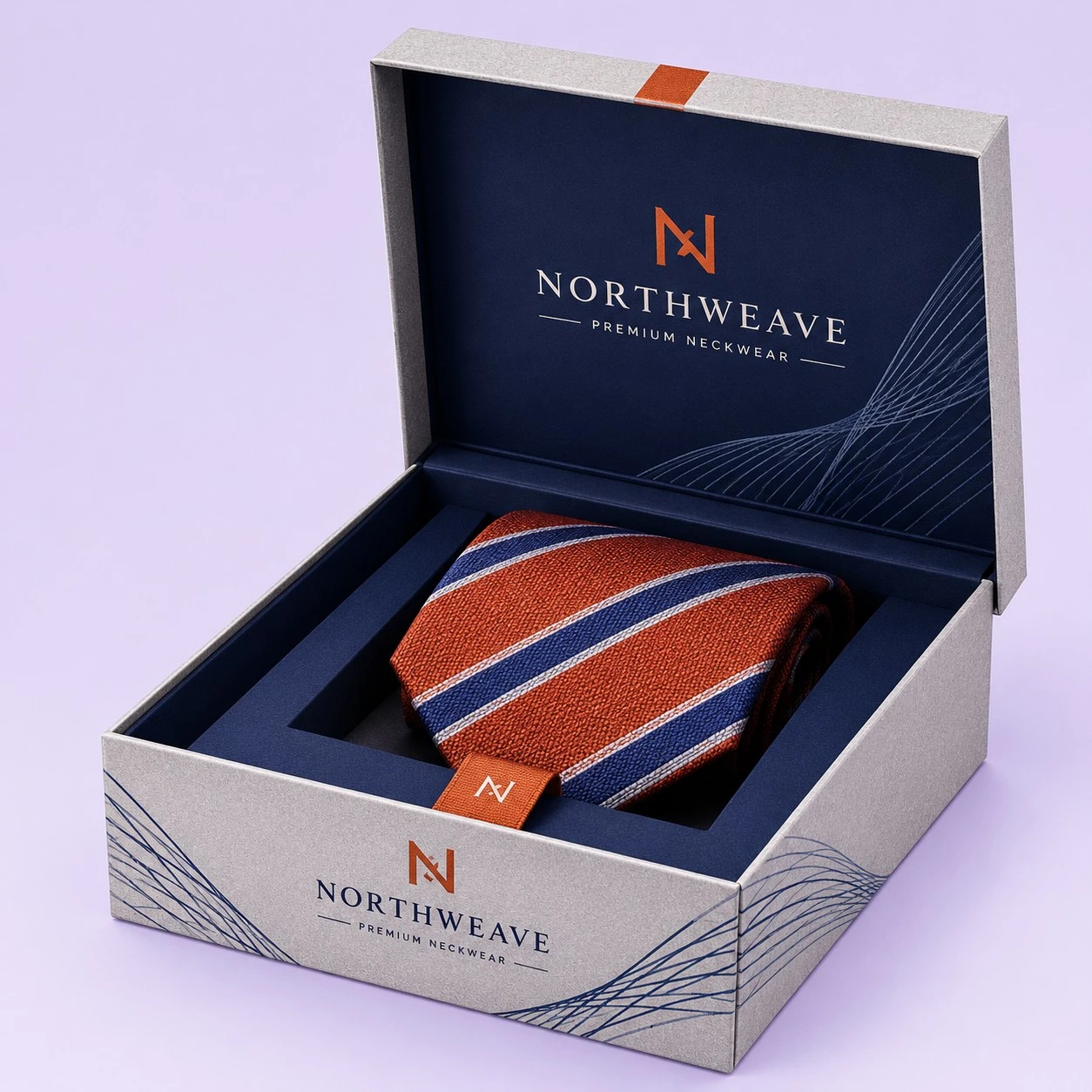
Custom Tie Boxes
Explore
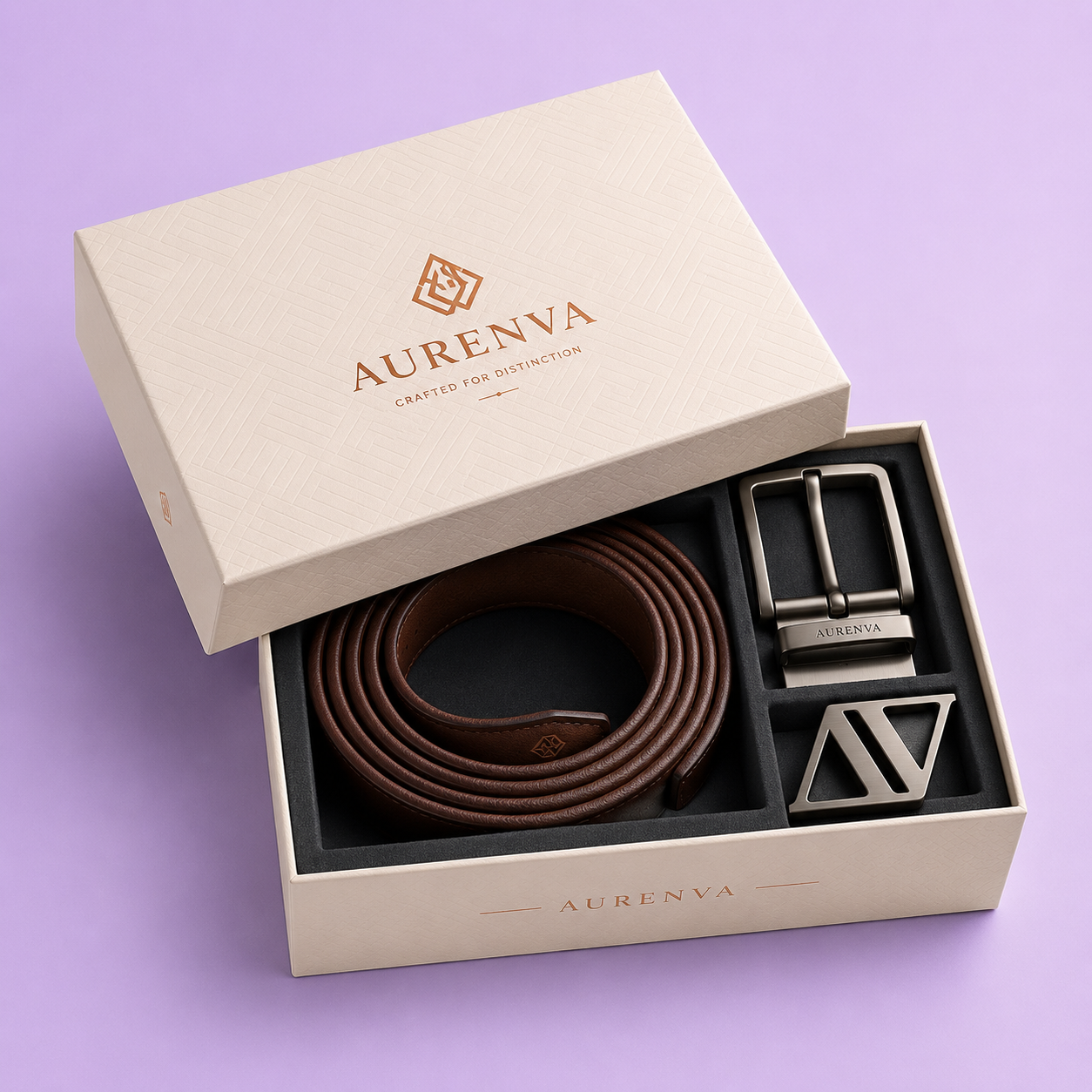
Custom Belt Boxes
Explore
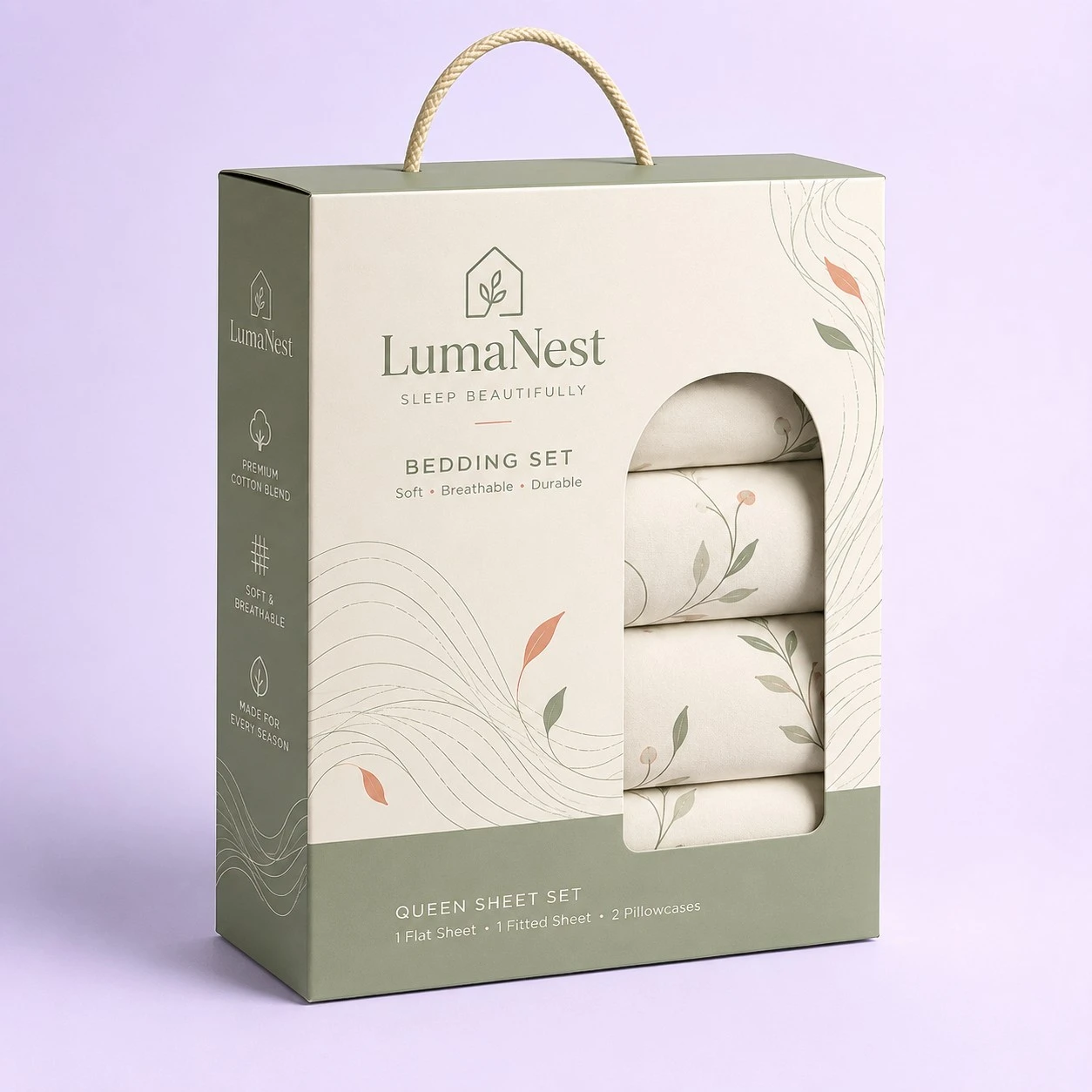
Custom Bedding Packaging
Explore
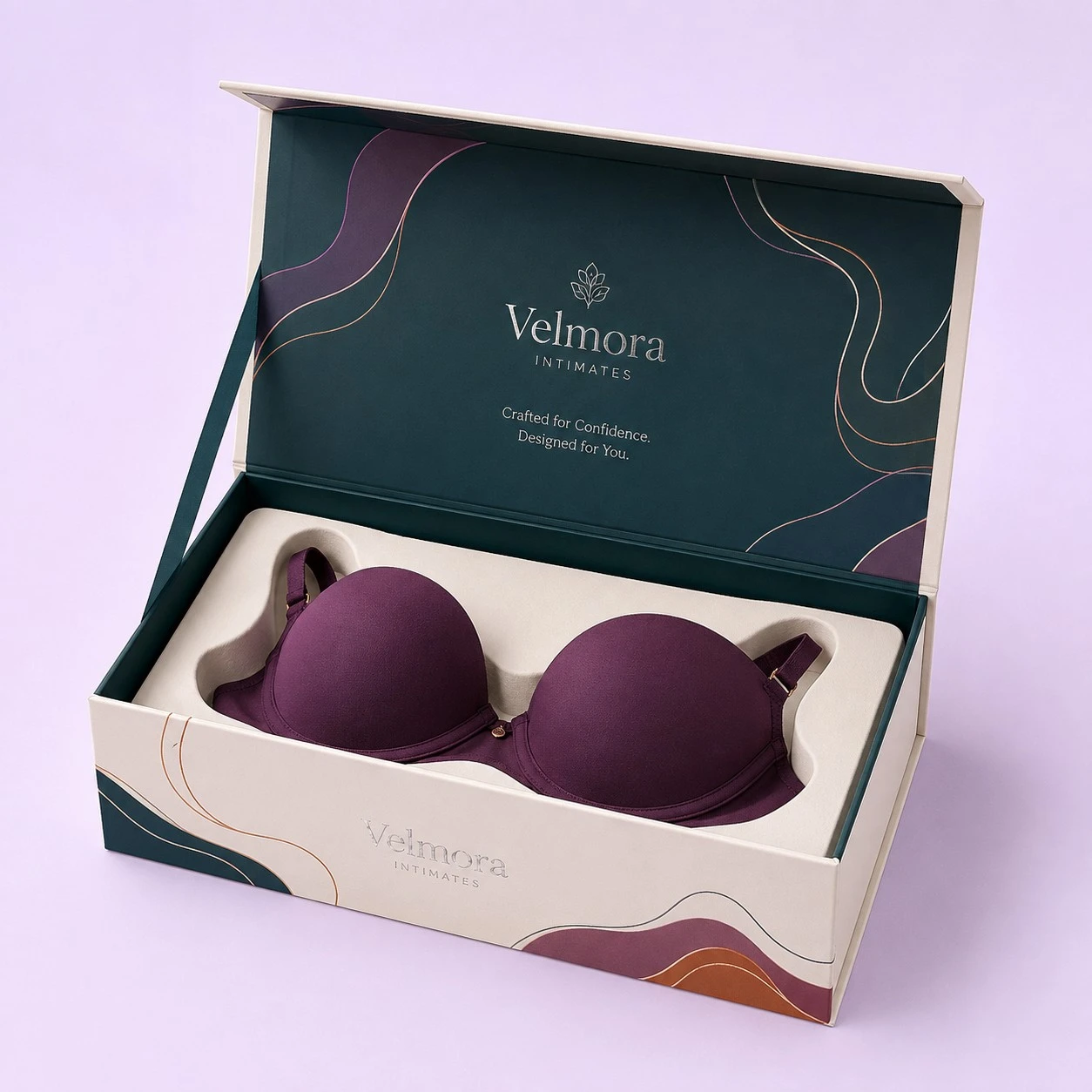
custom Bra Packaging
Explore
Custom Apparel Boxes Built for Protection and Brand Impact
Custom apparel boxes protect clothing, organize each item, and present your brand with care. Packopie creates every box to order, so the size, material, structure, print, and finish can match your garments and sales process.
The right apparel packaging does more than hold a product. It keeps folded clothing in place, reduces wasted space, and gives customers a cleaner unboxing experience. Custom clothing boxes can support retail displays, online orders, gift sets, seasonal collections, and new product launches.
Custom Sizes Keep Garments Neat and Secure
Custom box dimensions help clothing fit without too much empty space or unwanted pressure. The correct length, width, and depth depend on the folded garment size, the number of items, and any tissue paper or inserts placed inside.
A T-shirt box needs less depth than packaging for a hoodie, sweater, or multi-piece set. Dresses, formalwear, and knitwear may require wider or deeper boxes to protect folds and prevent tight packing. Packopie can build the box around your garment instead of forcing the garment into a fixed space.
Right-sized packaging also limits movement during handling. A better fit can reduce shifting, wrinkling, and crushed presentation. It can also help control the final shipping size for e-commerce apparel packaging.
A dieline defines the cut lines, folds, panels, bleed area, and artwork position. Accurate product measurements and a clear packing plan help create a dieline that works for both the garment and the printed design.
Apparel Box Materials Matched to Each Order
Paperboard, rigid board, kraft paperboard, and corrugated board serve different packaging goals. The best choice depends on the garment value, box style, shipping method, and desired customer experience.
Rigid apparel boxes use thick wrapped board to create firm walls and a premium feel. They work well for luxury apparel boxes, formalwear, gift sets, designer collections, and limited releases. Two-piece rigid boxes, magnetic closure boxes, and drawer boxes can create a slower, more polished reveal.
Paperboard works well for folding cartons and lighter clothing items. It offers a smooth print surface and can be shaped into compact packaging for shirts, lingerie, socks, ties, scarves, and other apparel accessories.
Kraft paperboard gives custom garment boxes a natural paper look. It can support simple logo printing, bold one-color artwork, or a clean retail style.
Corrugated apparel boxes add cushioning and stacking strength. E-flute can provide a thinner profile with a smoother print surface, while stronger flute choices may suit larger garments or heavier shipments. Corrugated mailer boxes and roll-end tuck-front boxes are common choices for direct-to-customer orders.
Box Structures Shape the Unboxing Experience
The box structure controls how the customer opens, handles, and remembers the package. Packopie can match the opening style to the garment, price point, and brand image.
Two-piece lid-and-base boxes offer a classic presentation for folded shirts, sweaters, dresses, and gift sets. Magnetic closure boxes add a firm opening and closing action for premium collections. Drawer boxes and sleeve boxes create a controlled reveal while keeping the garment organized.
Roll-end tuck-front mailers support e-commerce orders with a self-locking structure. Folding cartons suit lighter garments and compact accessories. A retail box can also be placed inside a shipping mailer when the project needs both a polished inner presentation and stronger outer protection.
Interior features can improve the layout. Custom box inserts can separate several items, hold accessories, or support a complete apparel set. Branded tissue paper, ribbons, pull tabs, and hang tags can add detail without making the package feel crowded.
Custom Printing Keeps Every Detail On-Brand
Custom printed apparel boxes carry your visual identity across the outside and inside of the package. Logo placement, brand colors, patterns, product details, and interior messages can be planned on the dieline before production.
CMYK printing supports full-color graphics, photos, and detailed artwork. PMS color matching can provide tighter control when a specific brand color matters. Digital printing may suit detailed designs, samples, or smaller production runs. Offset printing can deliver sharp artwork on paperboard and wrapped rigid packaging. Flexographic printing may suit larger corrugated projects.
Interior printing can extend the design beyond the outer panels. A printed message, pattern, or brand color inside the lid can make the opening feel more complete. The design can remain simple or use the full surface of the box, depending on the brand style.
Artwork proofs and 3D mockups help review logo scale, panel placement, colors, and reading order before manufacturing. Clear artwork files and final garment measurements reduce delays during setup.
Premium Finishes Add Texture and Contrast
Finishing details can help custom apparel boxes stand out without relying on heavy graphics. The finish must support the material, artwork, and way the package is handled.
Foil stamping adds metallic detail to logos, borders, and small design elements. Gold, silver, and other foil colors can create a clear point of focus. Embossing raises selected artwork, while debossing presses it into the surface. Both options add texture that customers can see and feel.
Spot UV creates gloss contrast on selected areas, such as a logo or pattern. Matte lamination gives the surface a smooth, low-shine look. Gloss lamination adds shine and stronger color contrast. Soft-touch finishes can create a smooth feel for premium fashion packaging.
A strong finish plan uses one or two details with purpose. The goal is to support the apparel brand, not cover every panel with effects.
Apparel Packaging Built for Retail and E-Commerce
Custom apparel packaging can support many sales paths while staying focused on the same garment and brand needs.
Fashion retail packaging must look clean on shelves, at checkout, and during customer handoff. Clothing boutique packaging may need smaller order quantities, seasonal artwork, or several sizes for one collection. Apparel gift boxes can support holidays, launches, employee kits, and special customer orders.
E-commerce apparel packaging must protect garments through packing, shipping, and delivery. Corrugated mailers often suit T-shirts, hoodies, sweatshirts, knitwear, and subscription orders. A branded interior can create a strong unboxing moment without adding a second retail box.
The right choice often comes down to rigid boxes versus corrugated boxes, or a retail box versus a shipping mailer. Rigid boxes focus on premium presentation. Corrugated boxes focus on delivery strength. Some projects combine both.
A Clear Custom Quote Starts With Your Specifications
Custom apparel box pricing depends on the dimensions, material, structure, quantity, printing, finishes, inserts, and shipping needs. Minimum order quantity and production turnaround also change with the selected box type and design details.
Samples and prototypes can help review size, material, structure, and print before the full run. A plain prototype can test the physical fit, while a printed sample can show color, artwork, and finish more clearly.
Packopie helps turn garment measurements and artwork into packaging built around the full customer experience. When your box size, quantity, print files, and delivery needs are ready, those details can be used to prepare a clear custom quote for your apparel packaging project.
Frequently Asked Questions
The minimum order quantity depends on the box style, material, size, and print method. Share your project details to receive an accurate quantity and pricing plan.
Yes, every apparel box can be made to fit your garment dimensions and packing needs. Custom sizing helps reduce movement, wrinkles, and wasted space.
Rigid board suits premium clothing and gift packaging, while corrugated cardboard supports shipping and e-commerce orders. Kraft paperboard offers a natural look with strong everyday protection.
Common styles include two-piece boxes, magnetic lid boxes, drawer boxes, and roll-end tuck-top boxes. The right structure depends on the garment, shipping method, and unboxing goal.
Apparel boxes can include digital, offset, CMYK, or PMS color printing. Finishing choices include foil stamping, embossing, debossing, Spot UV, and matte or gloss lamination.
Turnaround depends on the box structure, quantity, printing, finishes, and artwork approval. A clear project brief helps confirm the production schedule before manufacturing begins.
✦ Upgrade Today
Ready to Upgrade Your Brand Packaging?
Get custom templates matching your custom dimensions. Instant 3D digital proof samples returned in hours.