Custom Luxury Packaging
Custom Rigid Boxes Built for Premium Product Presentation
Create made-to-order rigid boxes with custom sizes, structures, inserts, printing, and luxury finishes. Built to protect your products while giving your brand a polished unboxing experience.




Custom packaging support for growing and established brands.
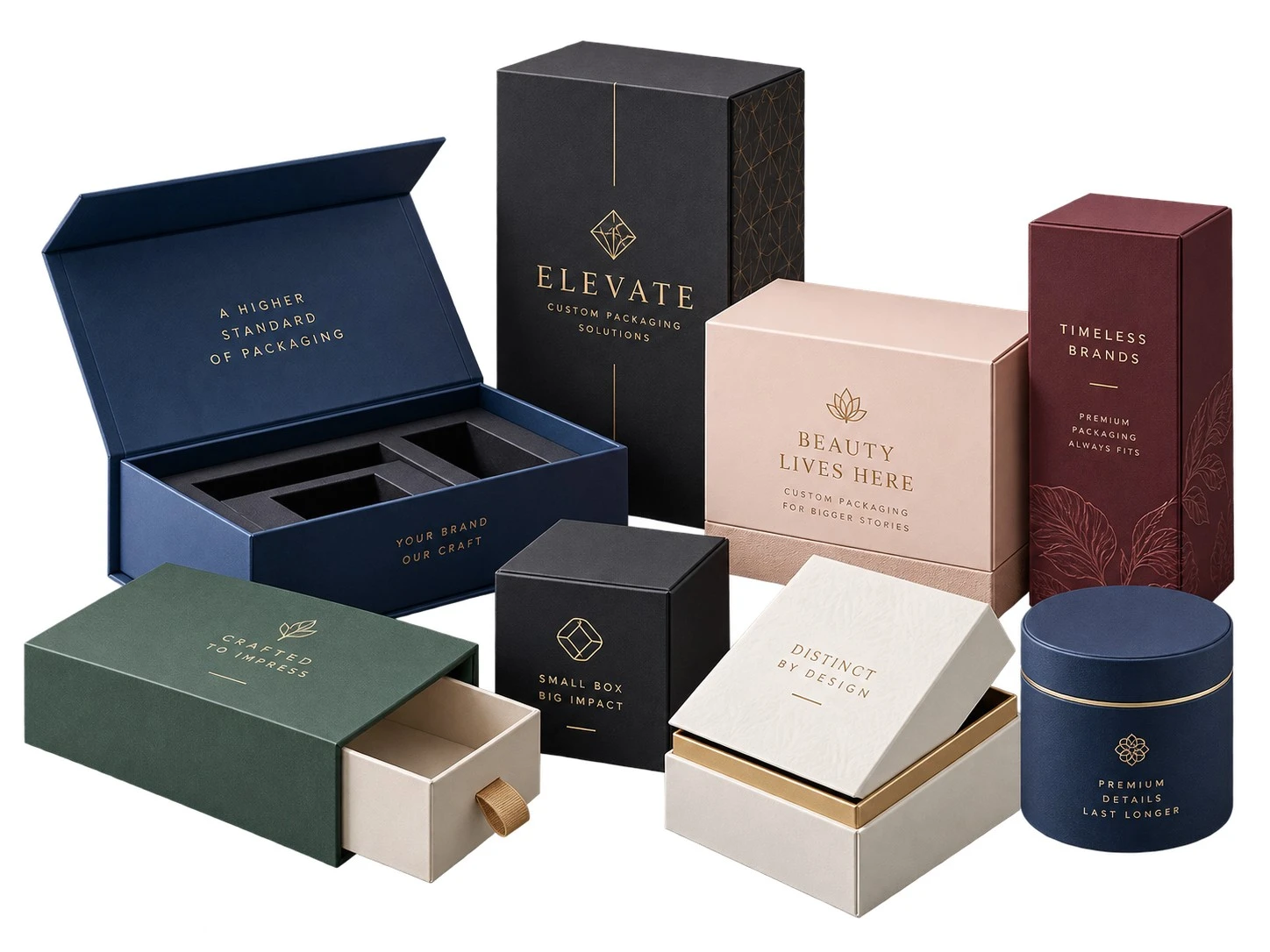
Made Around Your Product
Custom structure, fit, print, and finishes shaped around your packaging needs.
Free Design Support
Expert help at every step
Fast Turnaround
1–5 business days production, then dispatch next business day
Premium Finishes
Luxury look, lasting impact
Packaging Categories
Everything Your Product Needs
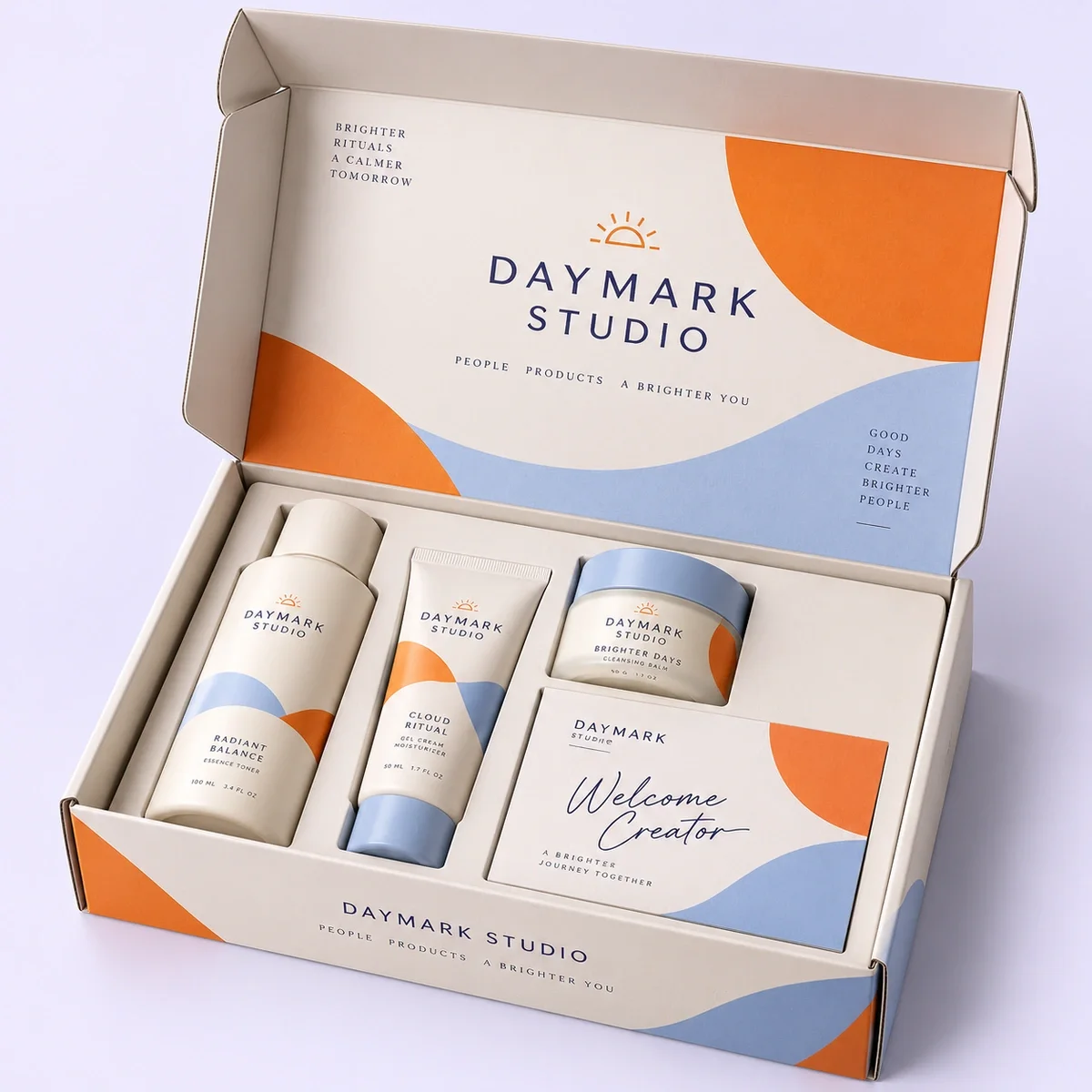
Custom Influencer Kit Packaging
Explore
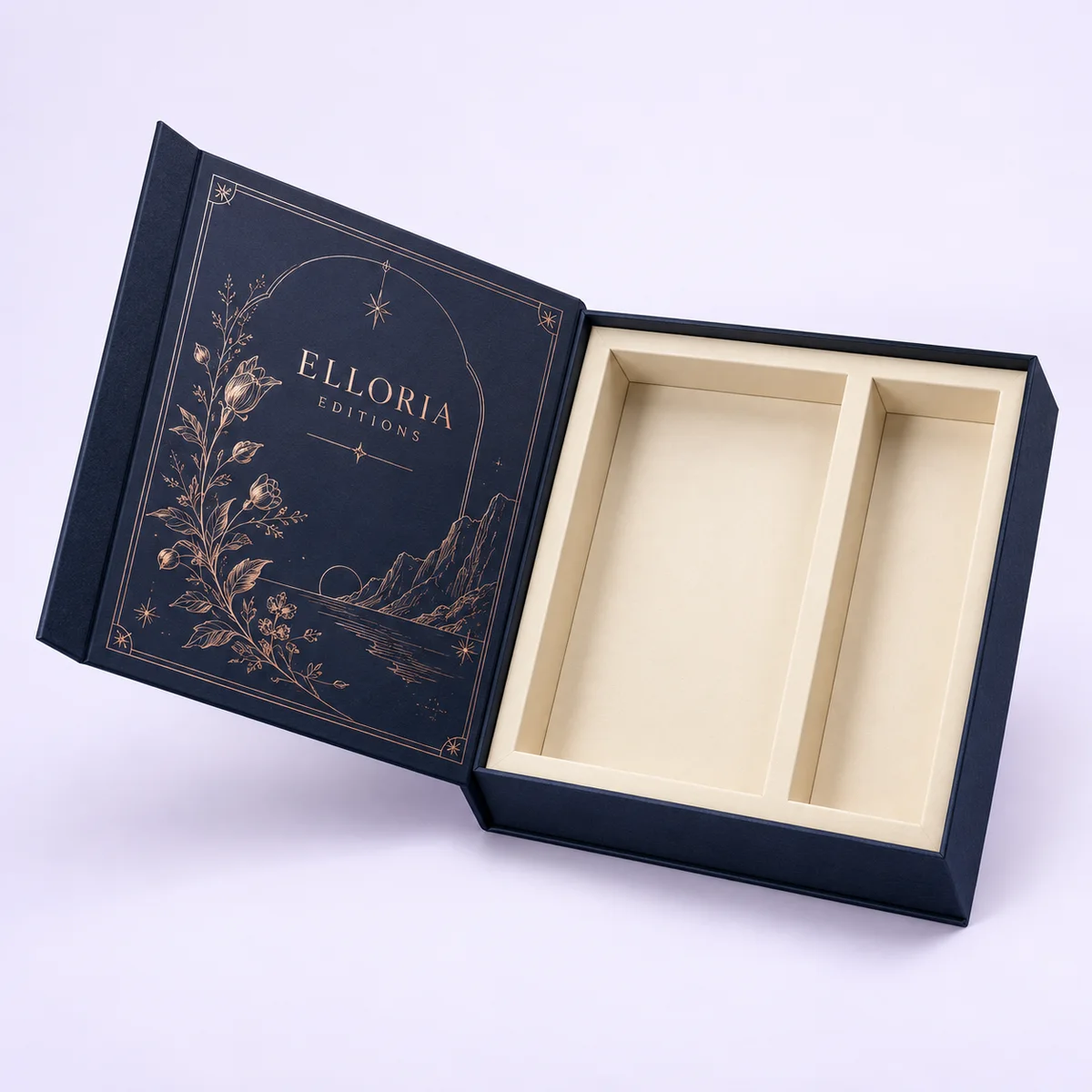
Custom Book Style Rigid Boxes
Explore
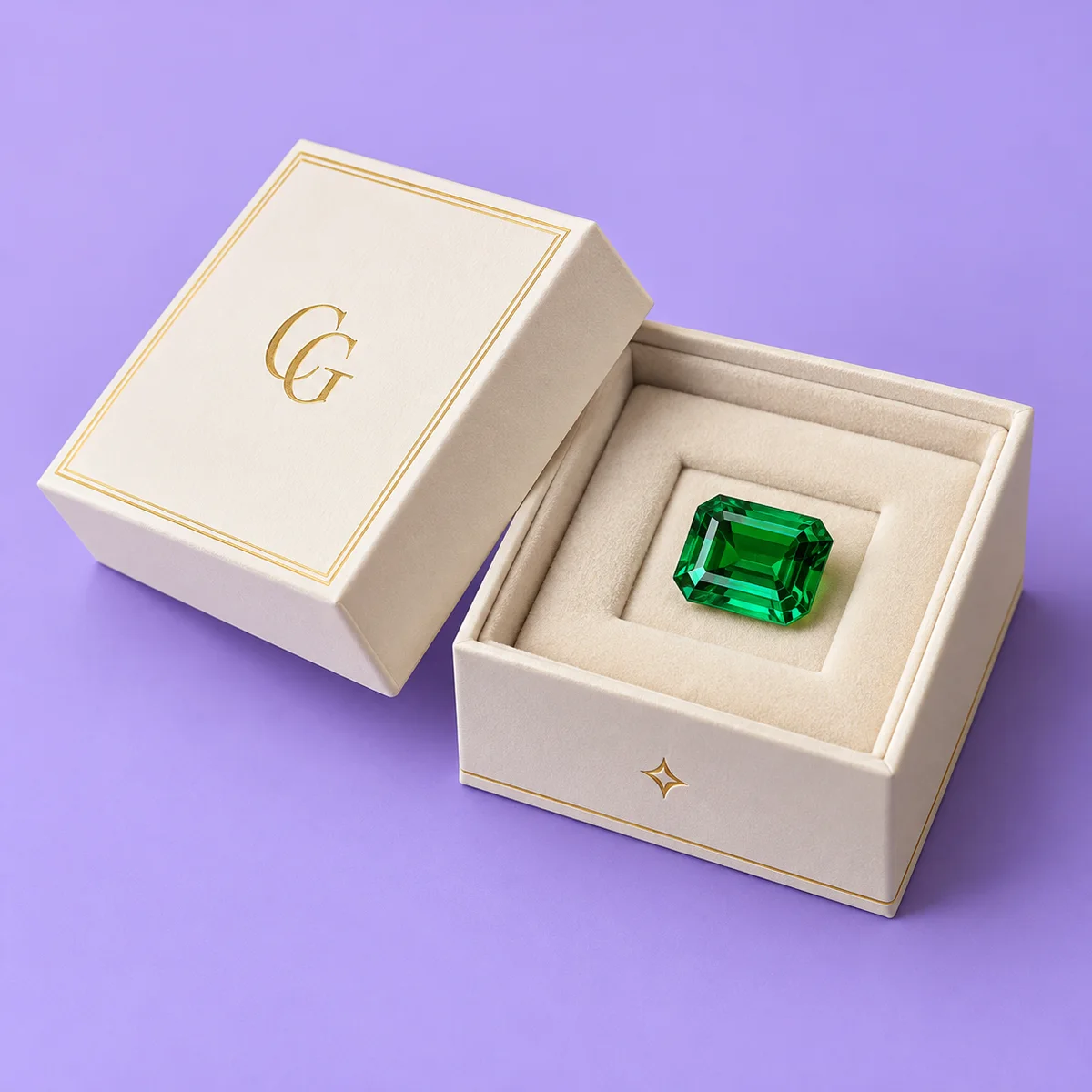
Custom Gemstone Packaging
Explore
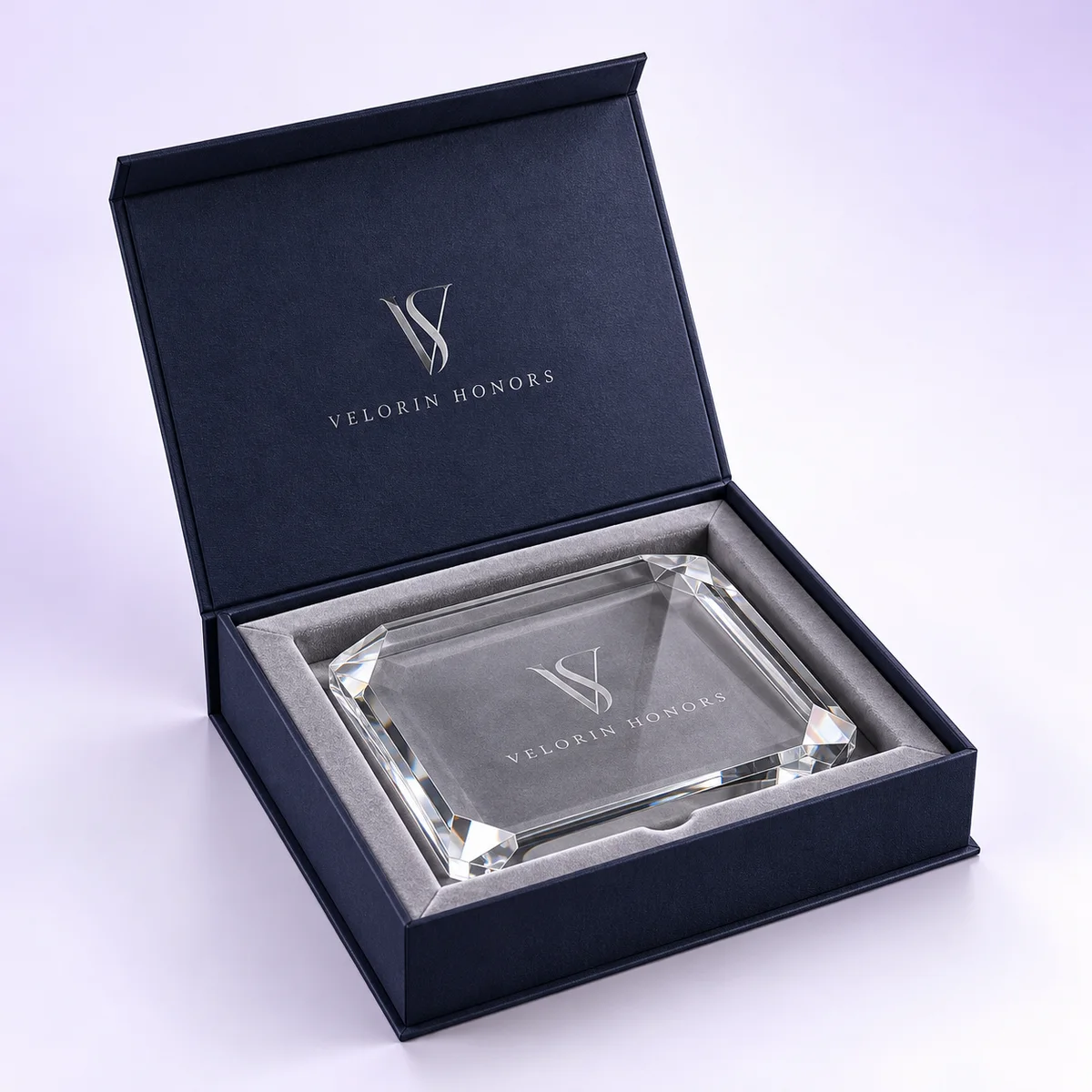
Custom Award Presentation Boxes
Explore
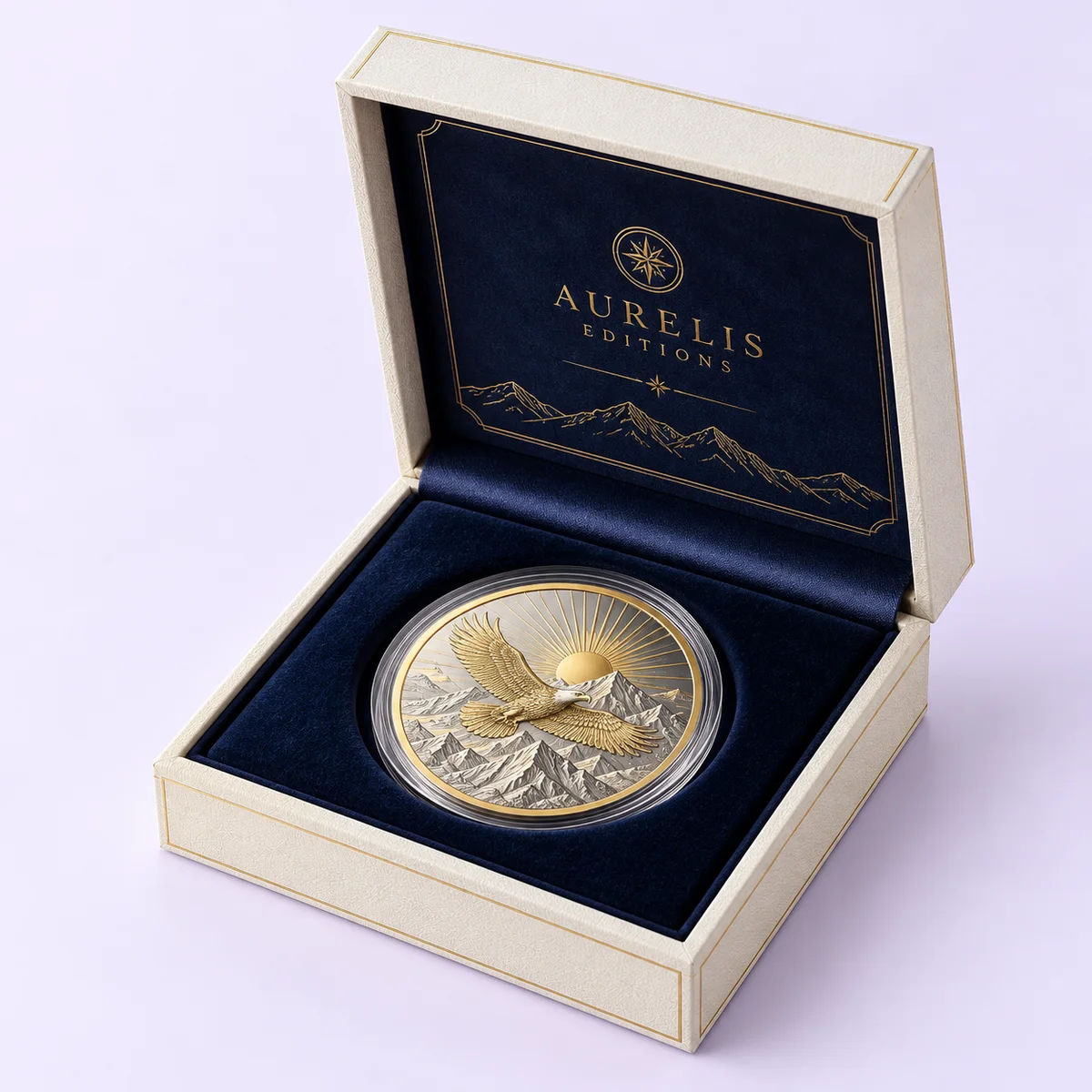
Custom Coin Boxes
Explore
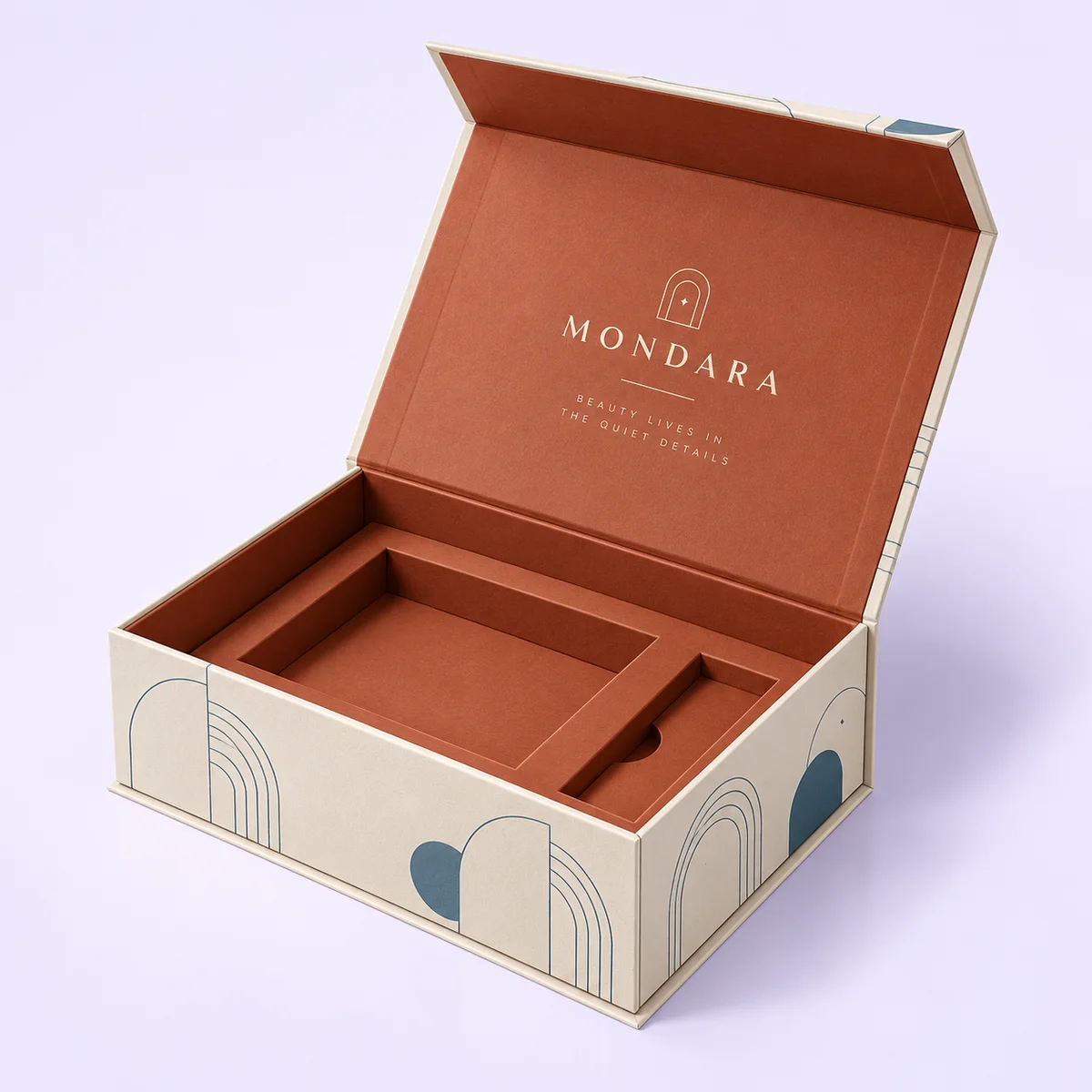
Custom Flip Top Boxes
Explore
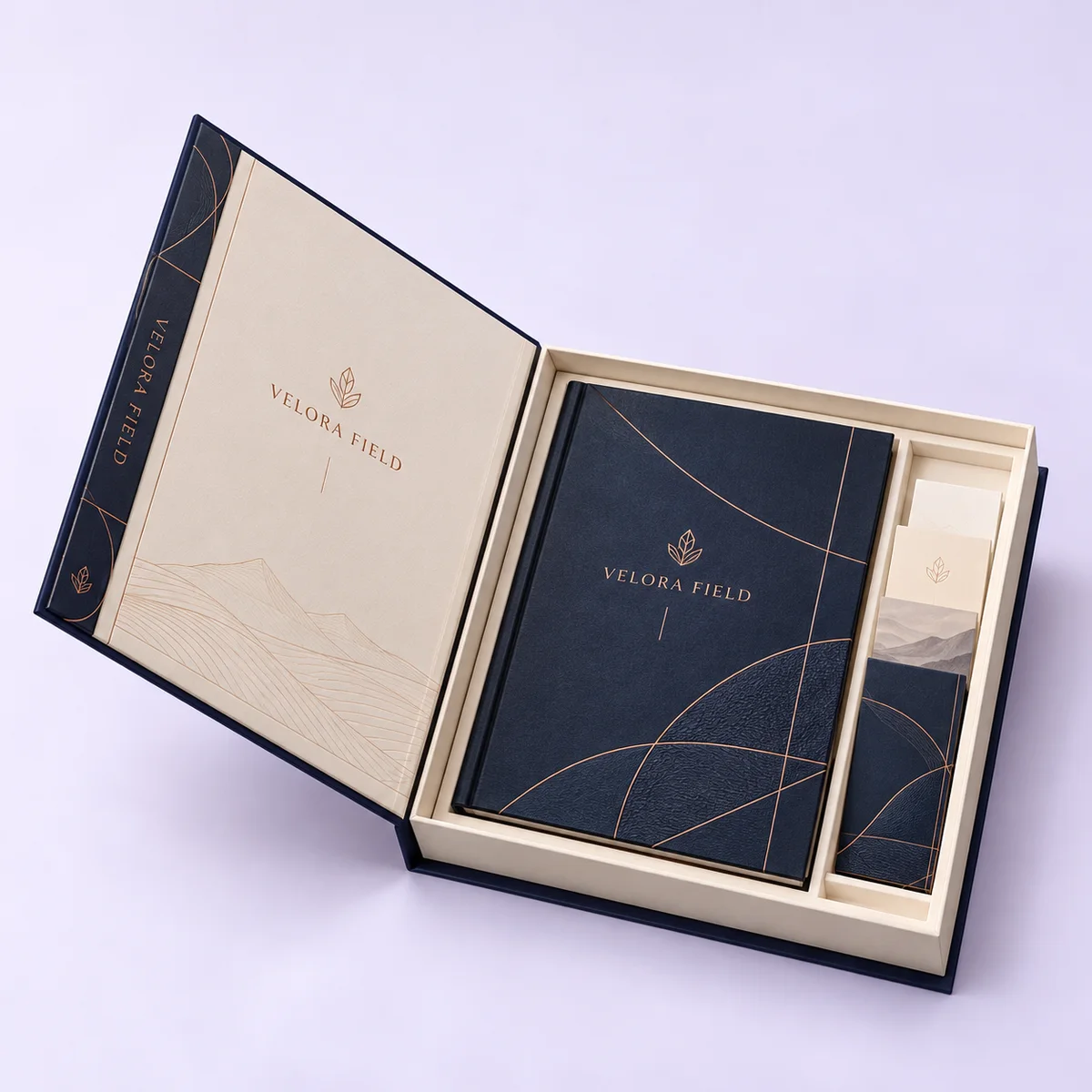
Custom Booklet Boxes
Explore
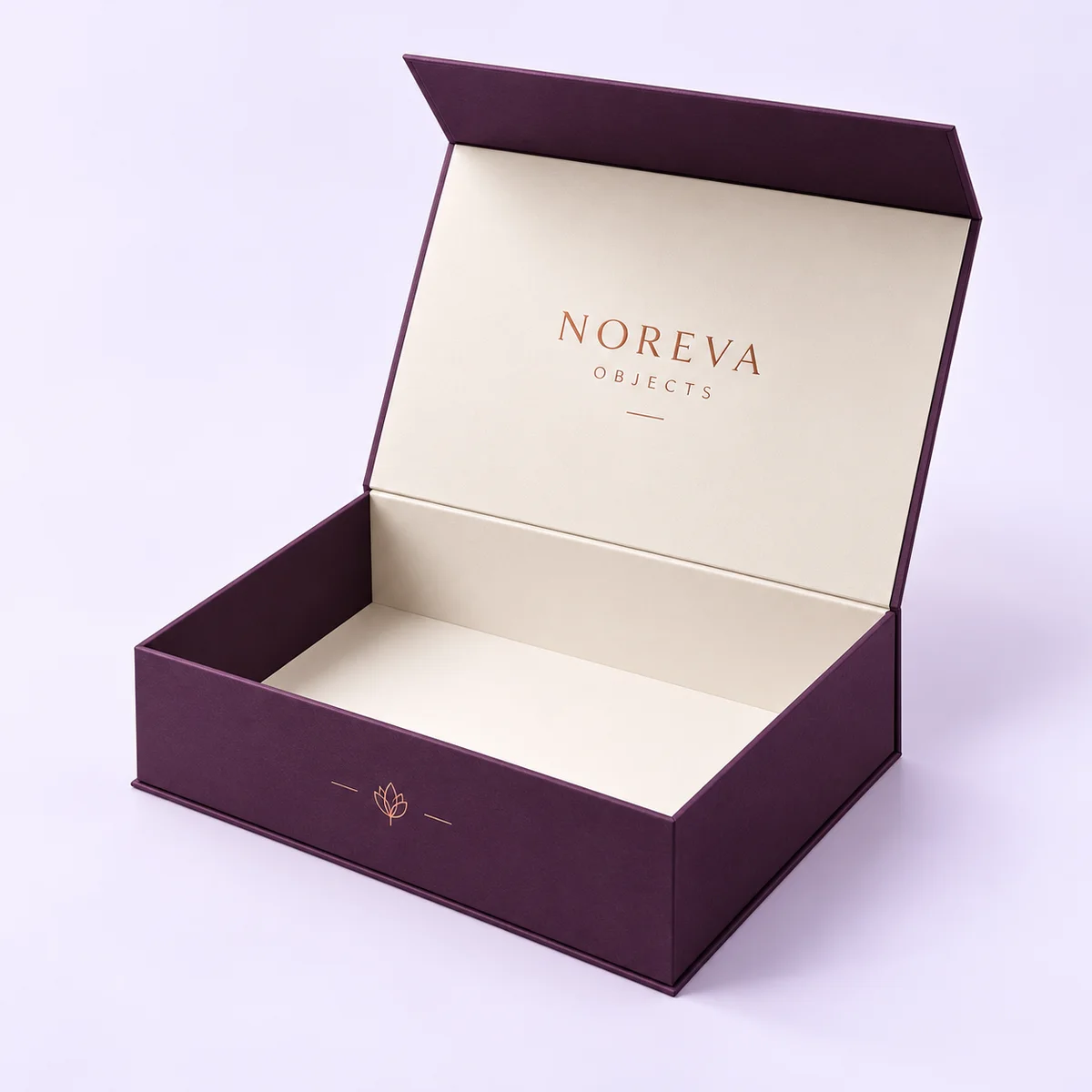
Custom Magnetic Closure Boxes
Explore
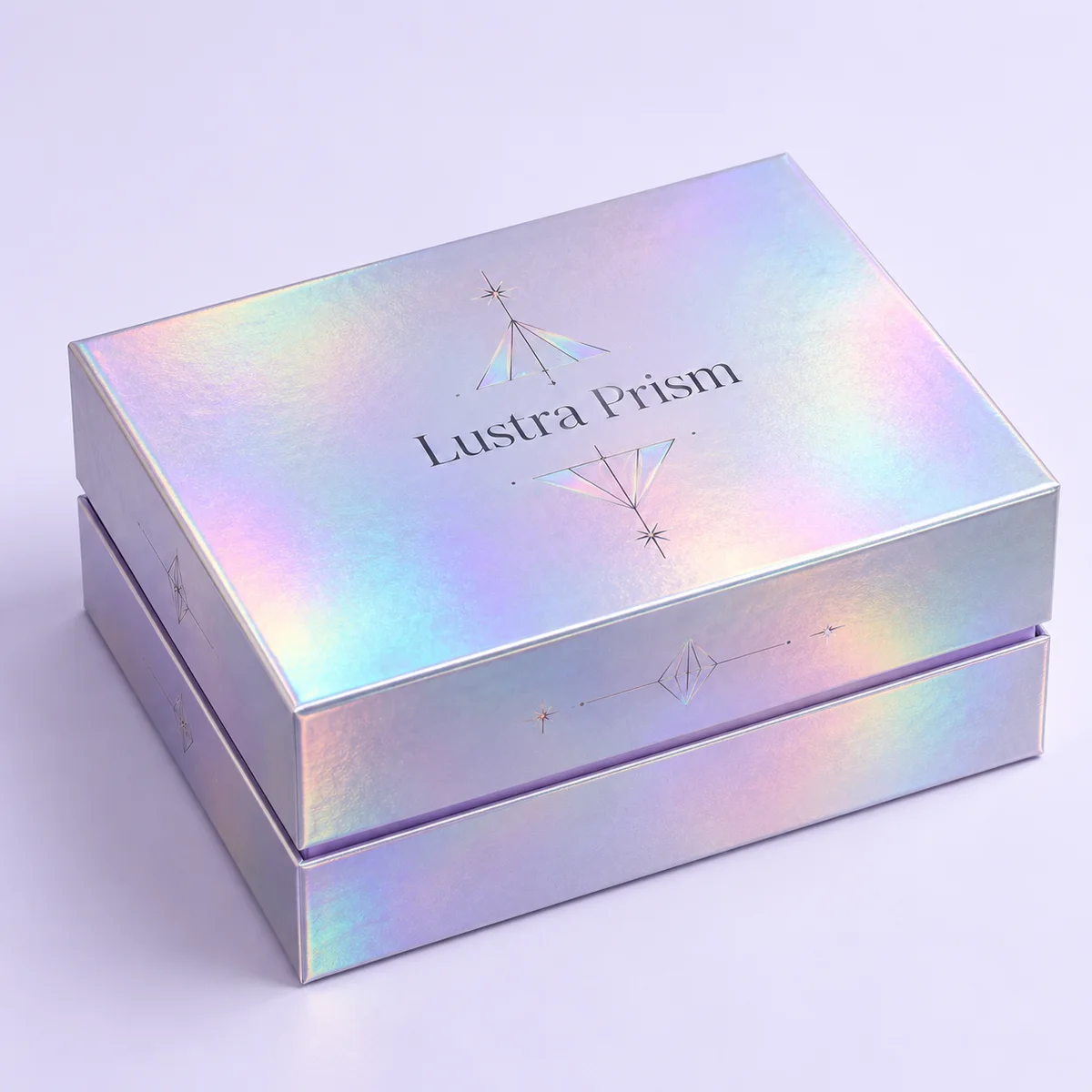
Custom Holographic Rigid Boxes
Explore
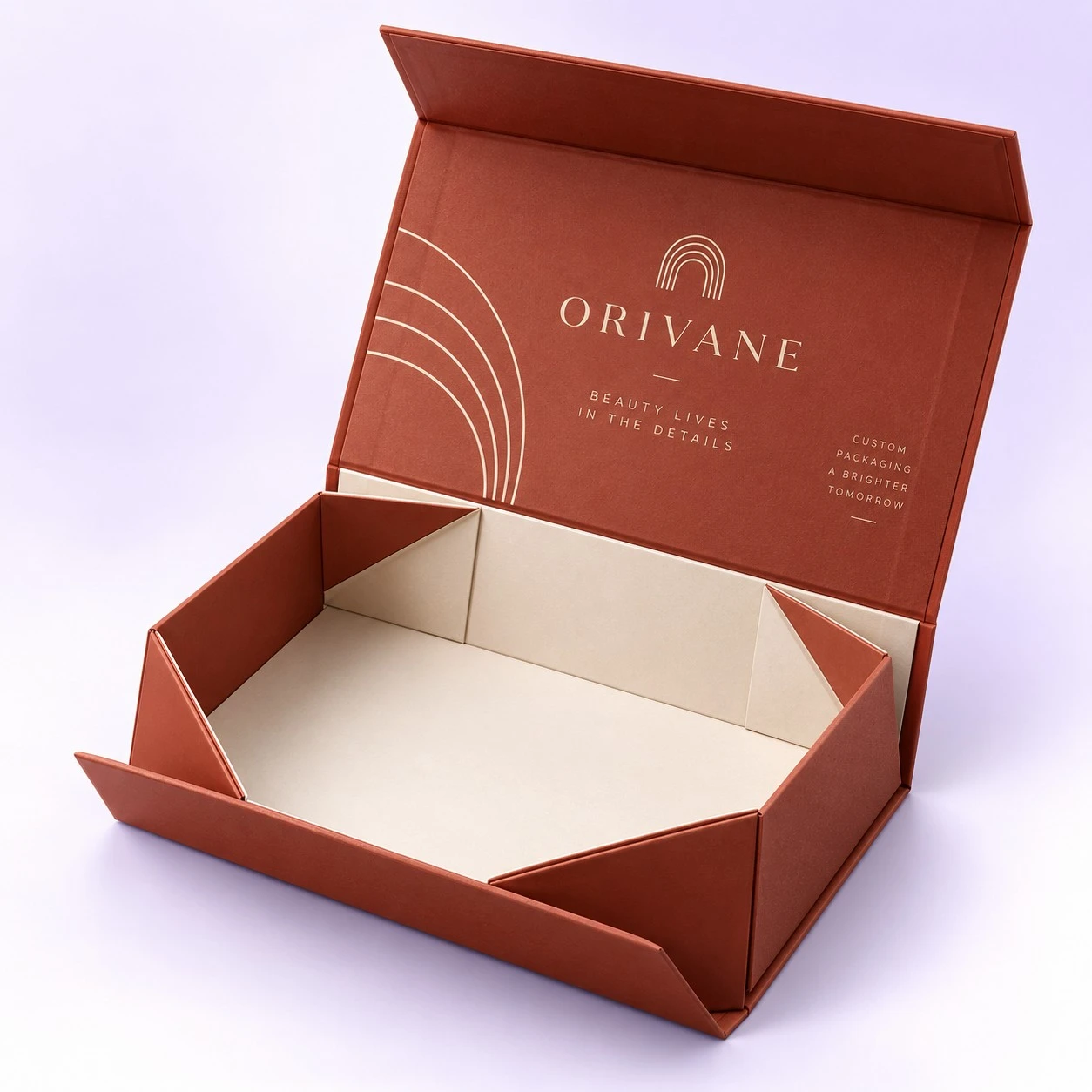
Custom Collapsible Rigid Boxes
Explore
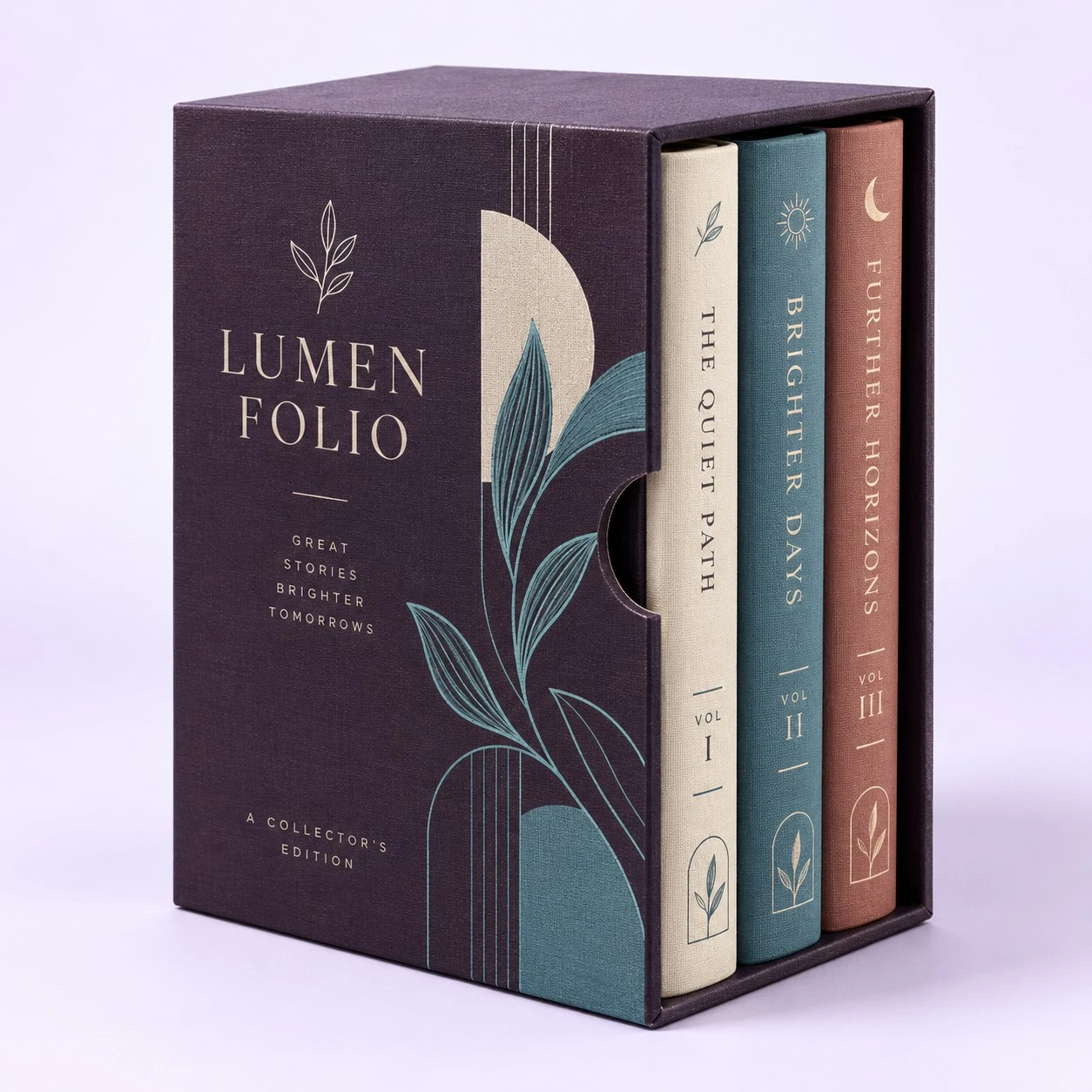
Custom Book Slipcase Boxes
Explore
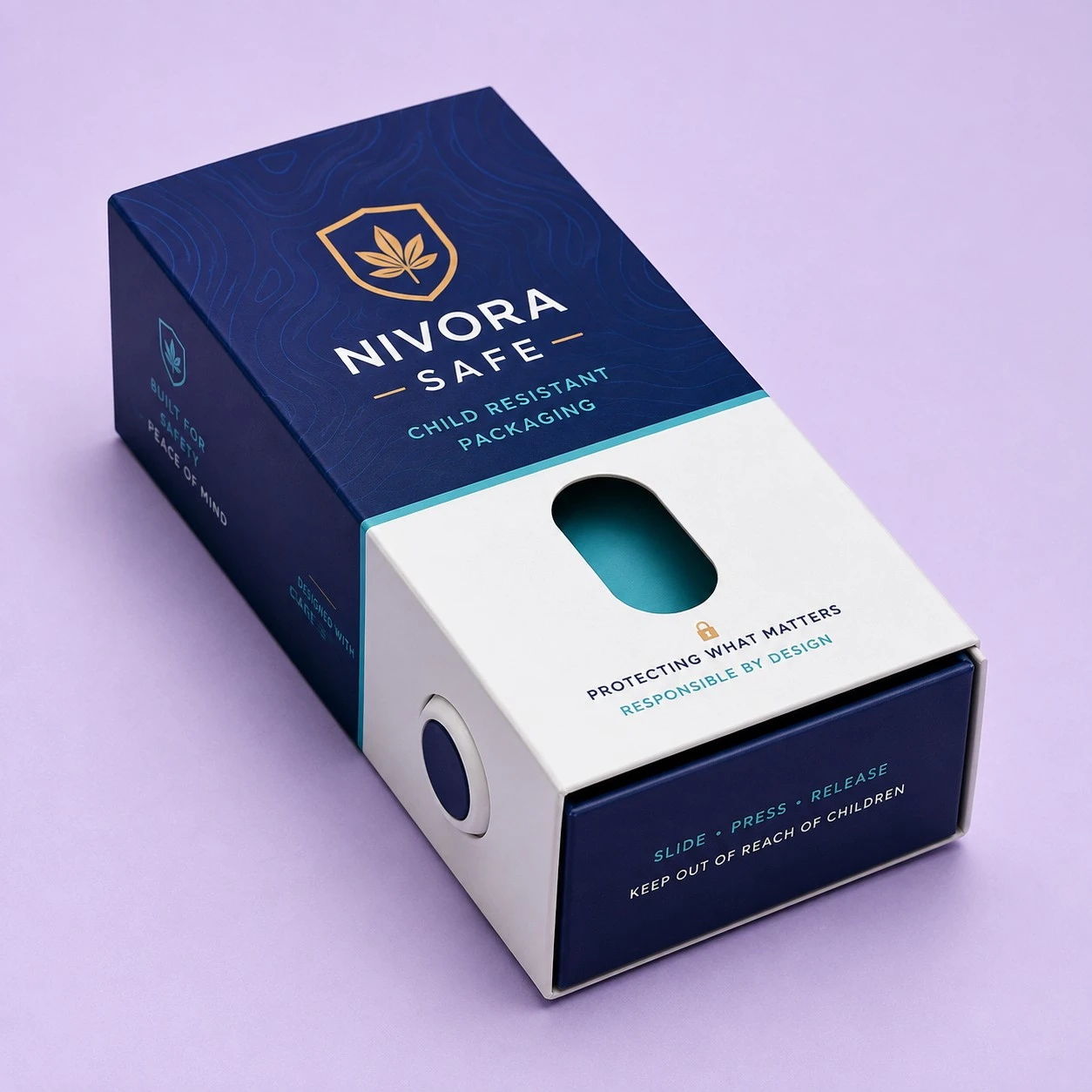
Custom Child Resistant Boxes
Explore
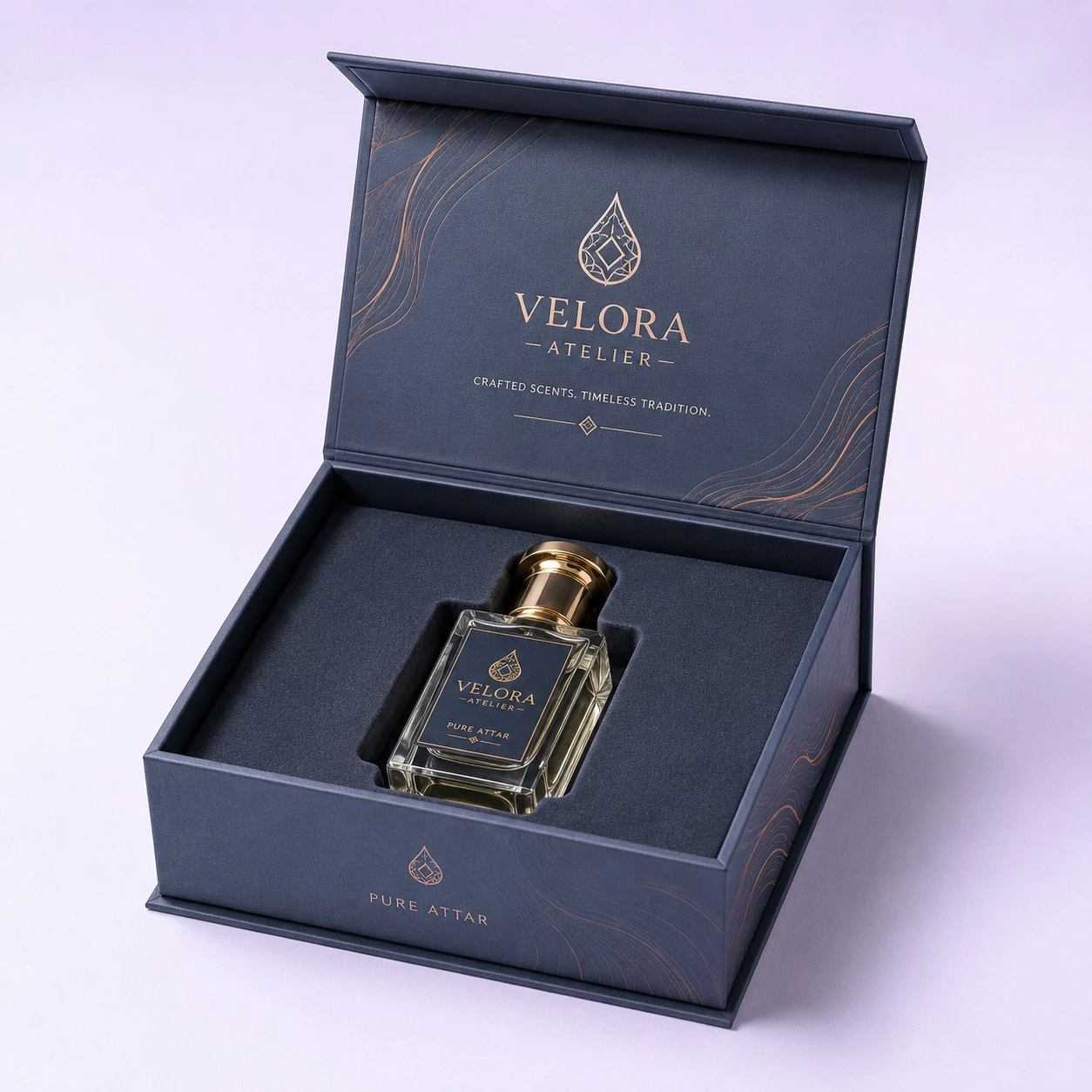
Custom Attar Packaging Boxes
Explore
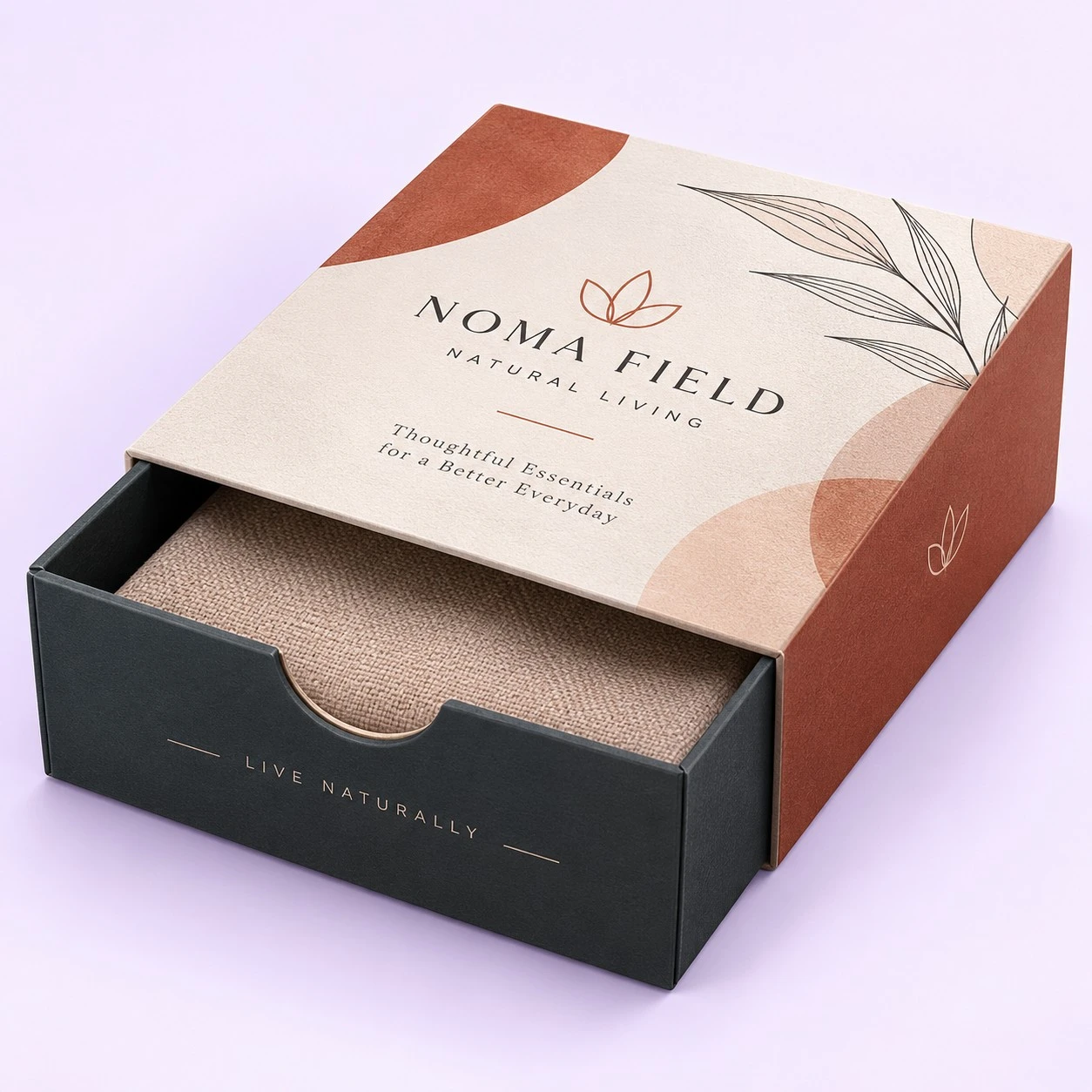
Custom Thumb Cut Boxes
Explore
Custom Rigid Boxes Made for Premium Product Presentation
Custom rigid boxes give high-value products a strong, polished presentation from the first touch. Packopie creates custom rigid box packaging around your product dimensions, weight, branding, and presentation goals. Each box can be made with the structure, board strength, wrap, printing, insert, and finish that fits your project.
Rigid setup boxes are built from thick paperboard such as chipboard or greyboard. The board keeps its shape and gives the packaging a firm feel. Decorative paper is then wrapped over the board to create the final surface. This paper-over-board construction makes rigid packaging a strong choice for cosmetics, jewelry, watches, fragrance, electronics, gift sets, apparel accessories, and other premium products.
Every Packopie project is made to order, so the box can be planned around the product instead of forcing the product into a fixed shape.
Rigid Box Structures Built Around Your Product
The right rigid box structure controls how the product is opened, protected, displayed, and remembered. Packopie can create several custom rigid box styles based on the product and the type of presentation you want.
Two-piece rigid boxes use a separate lid and base. They create a clean, classic presentation and work well for apparel, gift sets, accessories, and premium retail products.
Magnetic closure rigid boxes use a hinged lid with hidden magnets. The smooth opening and closing action works well for beauty products, electronics, presentation kits, and corporate gifts.
Drawer rigid boxes use an inner tray that slides from an outer sleeve. A ribbon pull or finger notch can make the opening easier while adding another design detail.
Book-style and hinged rigid boxes open from one side and provide a wide surface for branding. Shoulder-neck rigid boxes add an inner raised section between the lid and base for a more layered presentation.
Collapsible rigid boxes combine a premium appearance with a fold-flat structure. This design can help reduce storage space before boxes are assembled.
Strong Board and Inserts Add Product Protection
Rigid paperboard gives custom rigid boxes their strength and fixed shape. Board thickness can be selected around the box size, product weight, and level of support required.
The inside structure matters just as much as the outer box. Custom inserts hold products in place and help create an organized presentation. Packopie can plan inserts around single items, product sets, bottles, jars, devices, accessories, or other custom layouts.
Foam and EVA inserts provide firm support for products that need a close fit. Paperboard inserts can create trays, dividers, or raised platforms. Molded pulp can also be considered where a shaped paper-based insert fits the project. Soft or fabric-lined inserts can add a more refined look for jewelry, watches, gifts, and presentation pieces.
A well-planned insert connects protection with presentation. The product stays centered, and the customer sees an organized layout as soon as the box opens.
Custom Printing Keeps Every Detail On-Brand
Custom printed rigid boxes give brands control over both the structure and the visual design. Artwork can be printed on the outer wrap, inner surfaces, inserts, sleeves, or selected panels depending on the box style.
CMYK printing works well for full-color artwork, images, patterns, and detailed graphics. Pantone or PMS color matching can help keep important brand colors consistent across a packaging project.
The outer wrap can also change the look and feel of the box. Printed art paper creates a clean surface for detailed graphics. Textured and specialty papers add a tactile finish. Kraft-style wraps can create a natural paper appearance.
Packopie can prepare the box around your approved dimensions and artwork. The dieline guides the placement of logos, patterns, text, folds, panels, and other design elements before production.
Premium Finishes Create a More Refined Unboxing Experience
Finishing choices can turn a simple rigid box into a stronger brand presentation. The best finish depends on the artwork, surface material, product type, and level of detail you want customers to notice.
Foil stamping can highlight logos, borders, names, and small graphic details with a metallic effect. Embossing raises selected artwork above the surface, while debossing presses the design into the wrap.
Spot UV adds gloss to selected areas and creates contrast against matte surfaces. Soft-touch lamination gives the box a smooth feel. Matte lamination creates a low-shine appearance, while gloss lamination adds more reflection and color depth.
These effects can also be combined in a controlled way. A matte box with foil and a small embossed logo can feel very different from a full-color box with gloss details. The goal is to choose finishes that support the brand rather than adding decoration without purpose.
Custom Rigid Boxes Fit Premium Retail and Gifting
Rigid packaging works across many product categories because the structure can be changed around the product.
Cosmetics and skincare brands can use magnetic, drawer, or hinged boxes with fitted inserts for bottles, jars, and product sets. Perfume packaging can use shoulder-neck, two-piece, or magnetic structures to support glass bottles and create a stronger reveal.
Jewelry and watch packaging can use fitted inserts and soft interior materials to hold smaller items in place. Consumer electronics can use precise inserts to organize devices, cables, accessories, and supporting parts.
Gift sets and corporate presentation boxes can use several compartments inside one rigid structure. PR kits and influencer boxes can use book-style or magnetic closures to create a wider presentation area when opened.
The box structure, insert, and print can all be planned together so the final package feels consistent from the outside to the product inside.
Size, Quantity, and Sampling Shape the Final Project
Custom rigid box pricing depends on several connected specifications. Box dimensions, order quantity, board thickness, structure, wrap material, printing, inserts, and finishes all affect the final cost.
Accurate length, width, and height are important because the box and insert are built around the product. Product weight and fragility also help determine the right board and insert design.
MOQ requirements can vary based on the structure and production details. More complex finishes, custom inserts, and special materials can also affect the production plan.
A digital proof, 3D mockup, or physical sample can help confirm artwork, fit, structure, and finishing before a larger production run. Lead time also depends on the approval process, box complexity, quantity, and finishing steps.
Start Your Custom Rigid Box Project With Clear Specifications
The strongest rigid box projects begin with clear product information. Dimensions, quantity, preferred structure, artwork, insert needs, and finish ideas give the Packopie team the details needed to plan the box correctly.
Packopie can help shape those requirements into a made-to-order rigid packaging solution that supports your product and brand. When your product measurements, artwork, and expected quantity are ready, those details can be turned into a clear custom quote with materials, printing, structure, inserts, and finishing matched to your project.
Frequently Asked Questions
The minimum order quantity depends on your box size, structure, materials, printing, and finishes. Packopie can quote the right production quantity after reviewing your packaging requirements.
Yes. Custom rigid boxes can be made around your product dimensions, shape, weight, and presentation needs, with a custom dieline created for the selected structure.
Rigid boxes commonly use thick paperboard or chipboard wrapped with printed, kraft, textured, or specialty paper. The board thickness and wrap can be selected around the product and desired finish.
Custom options include two-piece, magnetic closure, drawer, book-style, shoulder-neck, hinged, clamshell, and collapsible rigid boxes. Inserts and interior layouts can also be made around the product.
Rigid boxes can feature custom printing, foil stamping, embossing, debossing, spot UV, matte or gloss lamination, soft-touch finishes, and other decorative details.
Turnaround depends on the box structure, quantity, materials, printing, finishes, and approval process. Packopie can confirm the production schedule once your specifications and artwork are reviewed.
✦ Upgrade Today
Ready to Upgrade Your Brand Packaging?
Get custom templates matching your custom dimensions. Instant 3D digital proof samples returned in hours.