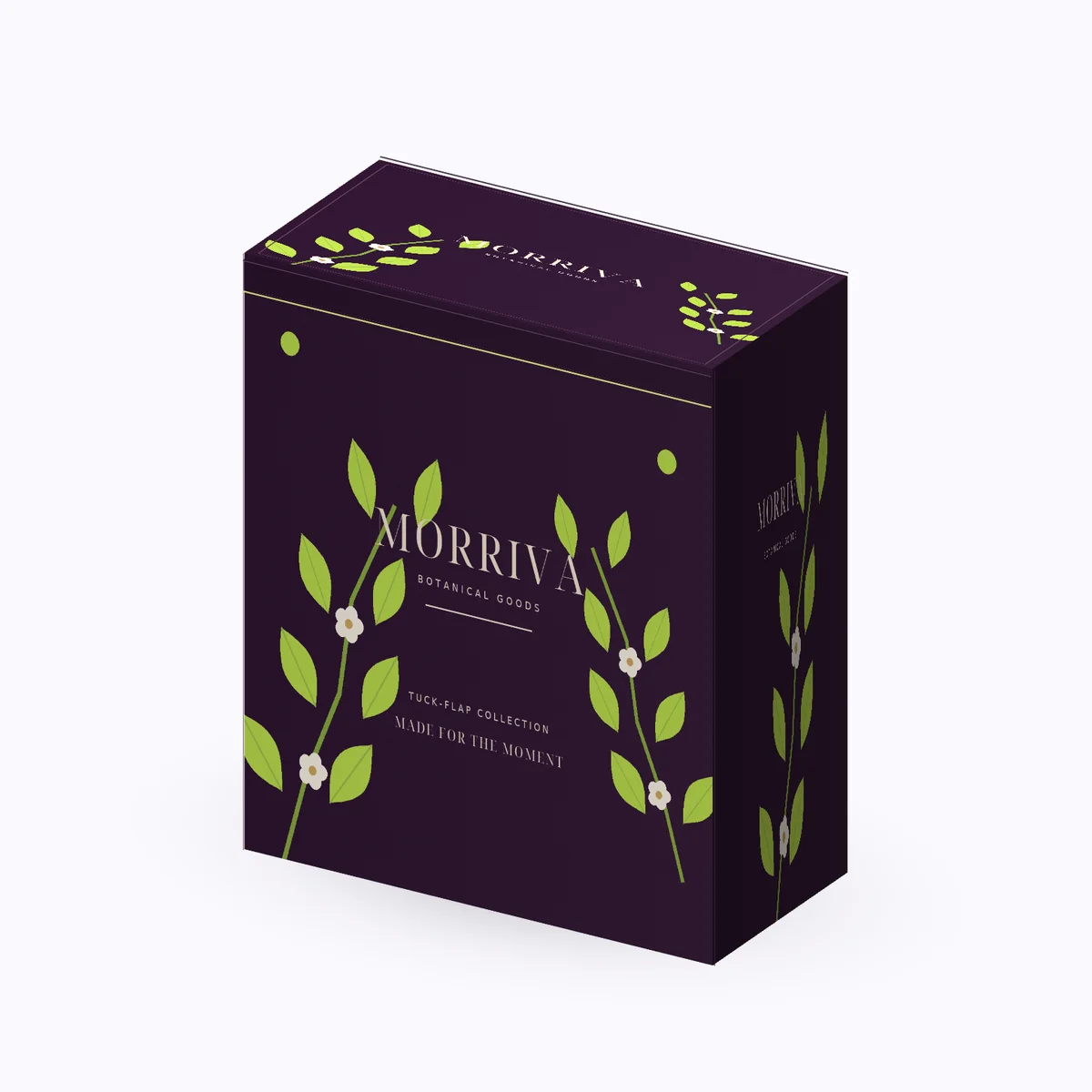
Clean Tuck Closure
★★★★★
4.4/5.0Custom Tuck Flap Boxes
When a tuck flap presses against the product inside, the carton may not close neatly. Plan the box around the filled item, its closure, and the front panel.
Premium Quality
Fully Customizable
Low MOQ
Fast Turnaround
100% Eco-Friendly
Sustainable materials
Free Shipping
On every order
No Die & Plate Charges
Zero hidden costs
100% Satisfaction
Quality guaranteed
Expert Support
We're here to help
Designed for Various Industries
We design packaging that fits every industry
From small businesses to global brands, our custom packaging solutions are built to elevate your brand and leave a lasting impression.
Cosmetics & Beauty
Food & Beverages
E-commerce & Retail
Electronics
Apparel & Fashion
Health & Wellness
Pharmaceuticals
Cannabis & CBD
Pet Products
Baby & Kids
Jewelry & Accessories
Home & Lifestyle
Candles & Fragrance
Coffee & Tea
Confectionery
Cosmetics & Beauty
Food & Beverages
E-commerce & Retail
Electronics
Apparel & Fashion
Health & Wellness
Pharmaceuticals
Cannabis & CBD
Pet Products
Baby & Kids
Jewelry & Accessories
Home & Lifestyle
Candles & Fragrance
Coffee & Tea
Confectionery
Supplements
Skincare & Personal Care
Haircare
Automotive
Sports & Fitness
Toys & Games
Stationery & Gifts
Bakery & Desserts
Wine & Spirits
Tobacco & Vape
Medical Devices
Tech Accessories
Subscription Boxes
Organic & Natural
Luxury Retail
Supplements
Skincare & Personal Care
Haircare
Automotive
Sports & Fitness
Toys & Games
Stationery & Gifts
Bakery & Desserts
Wine & Spirits
Tobacco & Vape
Medical Devices
Tech Accessories
Subscription Boxes
Organic & Natural
Luxury Retail
Built for brands
that care about detail.
Premium packaging. Precise printing.
Fast turnaround. No hidden costs.
10K+
Happy Customers
98%
Satisfaction Rate
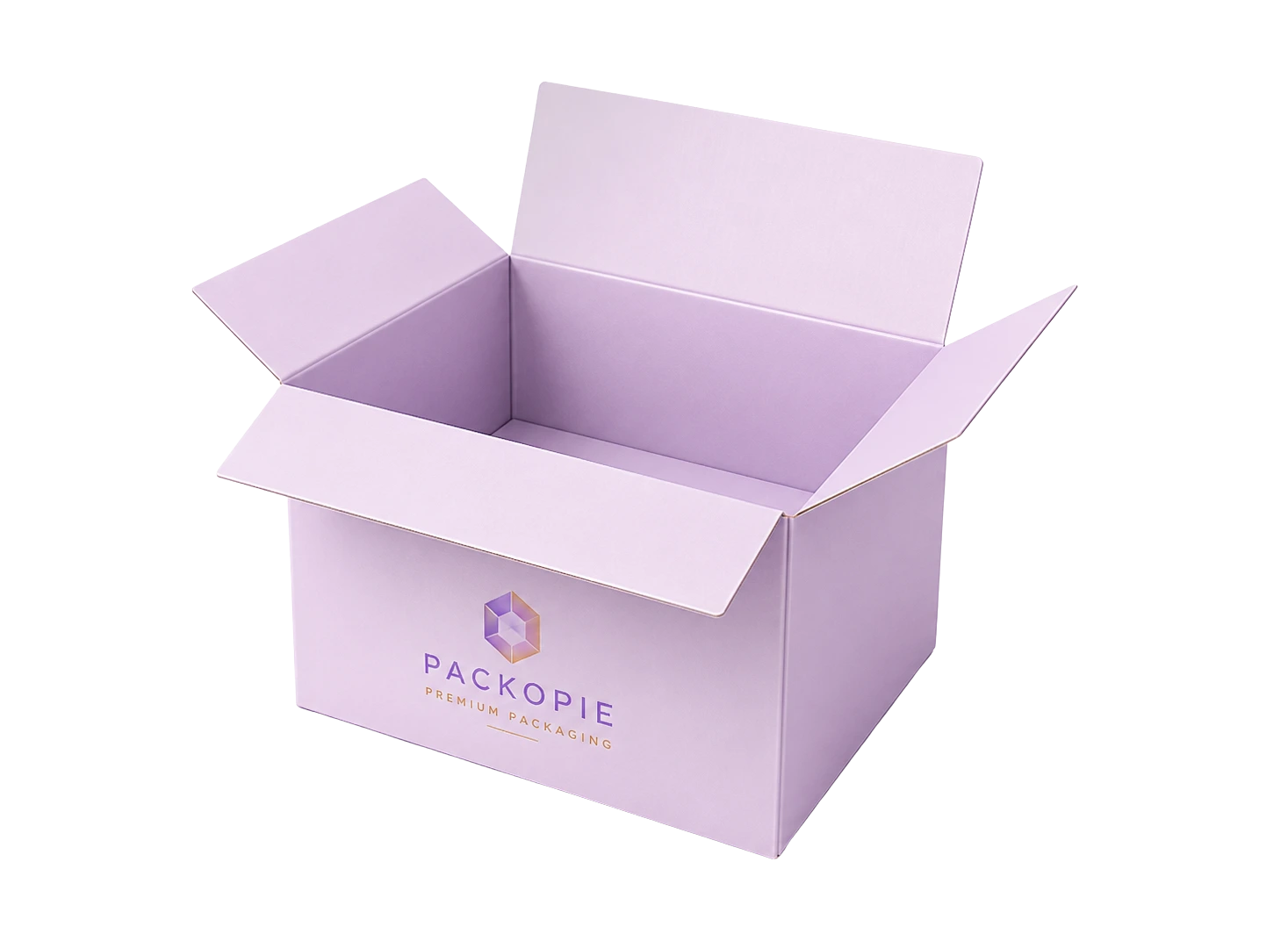
Trusted by Top Brands
We work with startups to enterprises. Our boxes make an impact.
Free Design Support
Get expert help in creating the perfect packaging for your brand.
Warehouse Across USA
Faster fulfilment with local production and warehouses.
Print & Design Lovers
Crafted with passion, just the way your brand deserves.
Custom Tuck Flap Boxes with a Clean, Product-Fitted Closure
A tuck flap that springs open on the shelf can undo the work of a carefully printed carton. The cause is often physical rather than visual: an item crowds the lid, the front tab is too short, or the fold lands in the wrong place. Custom Tuck Flap Boxes address those details before the cartons are cut, scored, and printed. For USA retail brands, that means a carton designed around the packed item and the way staff close it.
Tuck Flap Boxes That Close with a Neat Front Edge
The front tab needs a clear path into the carton. A flap that barely reaches its holding point may lift during handling; a tab pushed against a jar, card stack, or inner tray can crease or bow. Custom printed tuck flap boxes allow the tab shape and front panel to be planned together instead of treating closure as an afterthought.
The best check is a filled sample, not an empty box. It shows whether the product moves toward the lid, whether staff can tuck the tab without forcing it, and whether the front face stays flat once closed. Brands considering related custom tuck boxes can compare closure positions before approving one layout. The aim is a tidy opening edge that can still be reopened without tearing the print.
Dust Flaps and Score Lines That Fold Cleanly
A folding carton depends on more than its large printed panels. Small side flaps, often called dust flaps, fold inward before the main tuck tab. They help cover gaps around the opening and guide the lid into place. Their length and angle must work with the product's inside clearance.
Score lines are pressed into paperboard to guide each fold. If a score crosses thick artwork or a stiff finish, the board may crack at the edge, especially after repeated opening. Packopie can plan the score locations alongside the graphics so critical lettering stays away from creases. A suitable dieline—the flat drawing showing cut lines and folds—also helps packing teams understand the closing order before production starts.
Tuck-Bottom Choices Matched to Filling Weight
The top may use a familiar front tuck, while the bottom needs a different answer. Straight tuck end boxes put their end flaps in the same direction and can leave a clean front display panel. Reverse tuck end boxes fold from opposite directions, changing where the closure lines appear. Both can work for light retail items when the contents and handling suit the design.
A heavier glass container or dense kit deserves a separate base review. A pre-glued auto-bottom can simplify assembly and change how the load is supported, but weight capacity cannot be guaranteed from a paperboard thickness alone. Snap-lock bottom cartons are another structure to examine when manual base locking matters. For larger sets that need a more substantial fold-over construction, roll end tuck top boxes are a distinct option rather than a direct substitute for a light folding carton.
Inside Dimensions That Leave Room for the Closing Tab
Box size starts with the item at its widest point, including caps, labels, cords, or other parts that protrude. Inside length, width, and depth describe usable space; exterior measurements also include the board and folds. A close fit may look efficient but still prevent the dust flaps from lying flat.
For cosmetics, tea cartons, card sets, and small accessories, allow space for any inner wrapper or paperboard insert. An insert can keep several pieces from pushing into the tuck path, but it also takes up room. The carton should be tested in its filled position, including the way it stands on a retail shelf. The same fit decisions apply across custom product boxes, although each product may call for a different closing system.
White SBS and Kraft Board Chosen for the Fold
White SBS paperboard gives full-color graphics a smooth, bright print surface. Natural kraft creates a brown background that changes the appearance of pale inks and color blends. Coated kraft and recycled-fiber board offer other print and surface choices; the actual sheet grade must be confirmed before production.
Proposed calipers such as 14pt, 16pt, 18pt, and 24pt provide useful starting points for review, not automatic promises of strength. A thin carton can be easier to fold for a light item, while heavier contents may call for more stiffness or a different base. Extra-thick board can also need adjusted score widths so the tuck flap bends without stress. For products sold in more than one size, matching the board and dieline to each filled weight matters more than choosing a single thickness for every version.
Printed Panels, Windows, and Finishes Planned Around the Dieline
The front panel has to stay readable after the tuck closes. A logo placed too near the hinge may disappear beneath a folded edge, while a barcode crossing a score becomes harder to scan. For custom retail boxes, exterior CMYK printing, selected spot colors, and two-sided artwork can be reviewed on the assembled layout rather than only on a flat proof.
Matte, gloss, and soft-touch finishes change the surface feel. Foil accents, embossing, and spot UV draw attention to smaller details, but their placement must respect folds and the selected board. A die-cut window needs enough surrounding paperboard to keep the front panel stable; a clear film patch adds another production step. Food-related cartons also need a separate check of any material intended for direct food contact. Each feature makes more sense when it is chosen with the closure and packed contents in view.
Wholesale Tuck Flap Box Quotes Built from Real Specifications
Pricing depends on more than the number of cartons. Size, board grade, print coverage, finish, inserts, tooling, and the number of separate dielines can all change a custom folding-carton quote. Quantity breaks such as 100, 250, 500, 1,000, 2,500, and 5,000 units help frame a request, but they are not guaranteed price points. Freight, tax, and production timing also require project-specific confirmation.
Packopie can review the actual packed dimensions, product weight, preferred closure, artwork, quantity, and delivery location together. That brief makes it possible to discuss a suitable construction and a clear estimate without hiding decisions inside a generic price. The result is custom tuck flap packaging specified for the way it will be filled, displayed, opened, and ordered again.
Frequently Asked Questions
Excess pressure from the contents, a short tuck tab, or stiff board can stop the tab from seating properly. Check the internal clearance and fold alignment with a filled sample before approving the dieline. A tighter fit is not always a more secure closure.
A standard tuck bottom may not provide enough support for a dense jar. A tuck-top auto-bottom structure is worth evaluating because its base forms a stronger closing arrangement. The final choice depends on packed weight, dimensions, handling, and a loaded-box test.
A standard paperboard retail carton is not intended to replace protective parcel packaging. For direct-to-consumer orders, use an appropriate corrugated shipping box or mailer around it. The outer package handles transport stresses while the folding carton provides retail presentation.
Position the window away from score lines, the tuck-tab slot, and the path of the dust flaps. Enough paperboard must remain around the opening to support folding and handling. The final window shape and film patch require a dieline review.
Keep the main logo on an uninterrupted display panel. Confirm which edge becomes the visible front when the carton is assembled, then check the artwork against the actual tuck direction. A flat dieline proof helps identify folds that may cover text or graphics.
Direct food contact requires verification of the board, inks, coatings, adhesives, and intended food-contact conditions. Do not assume a printed retail carton is suitable for direct contact. Use an appropriate inner wrapper unless the selected materials and their intended use are confirmed.
More Solutions
You May Also Like
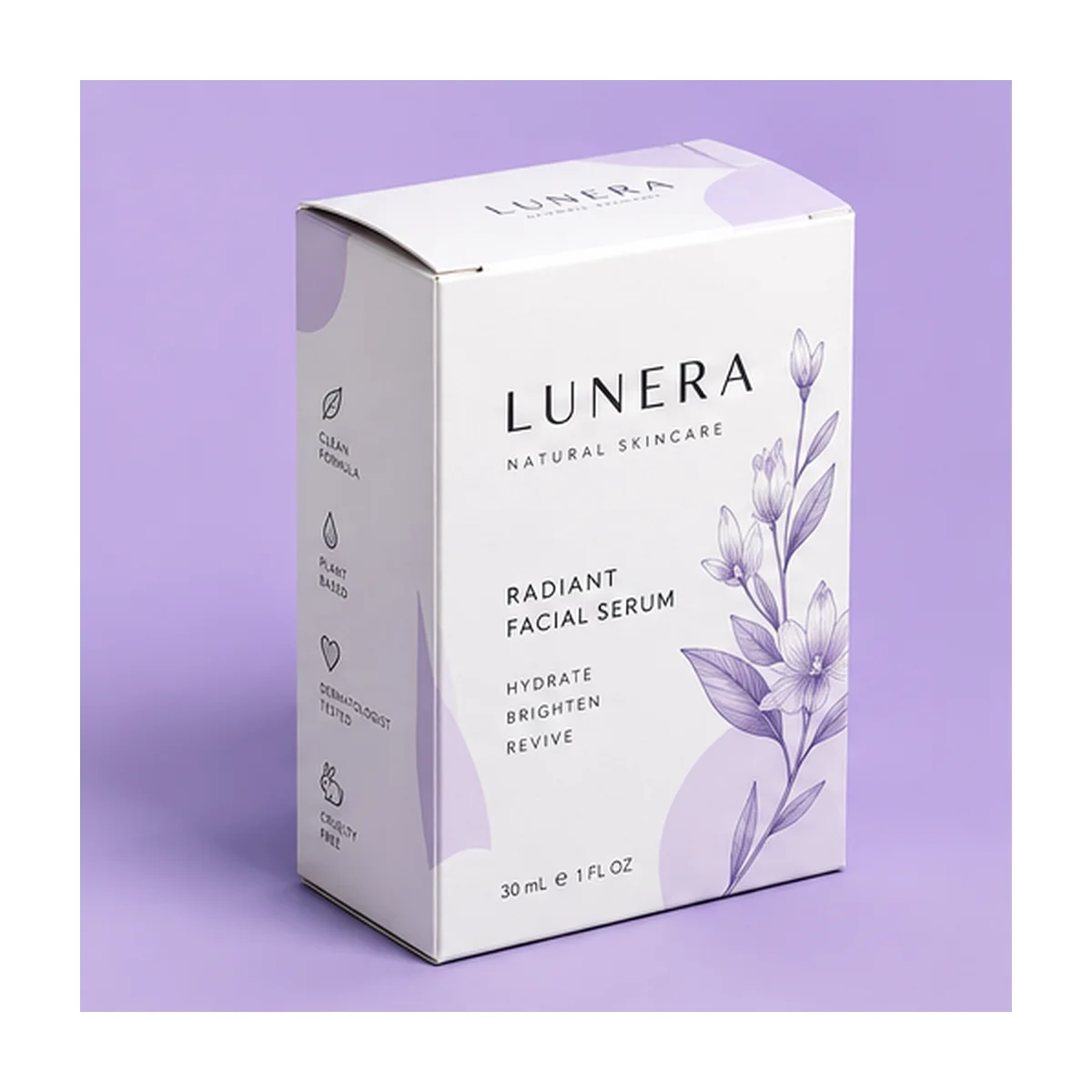
Custom White Tuck Top Boxes
White print panels keep small products easy to read on a retail shelf. A tuck-in top closes the carton neatly; choose the bottom style for the filled weight.
View product →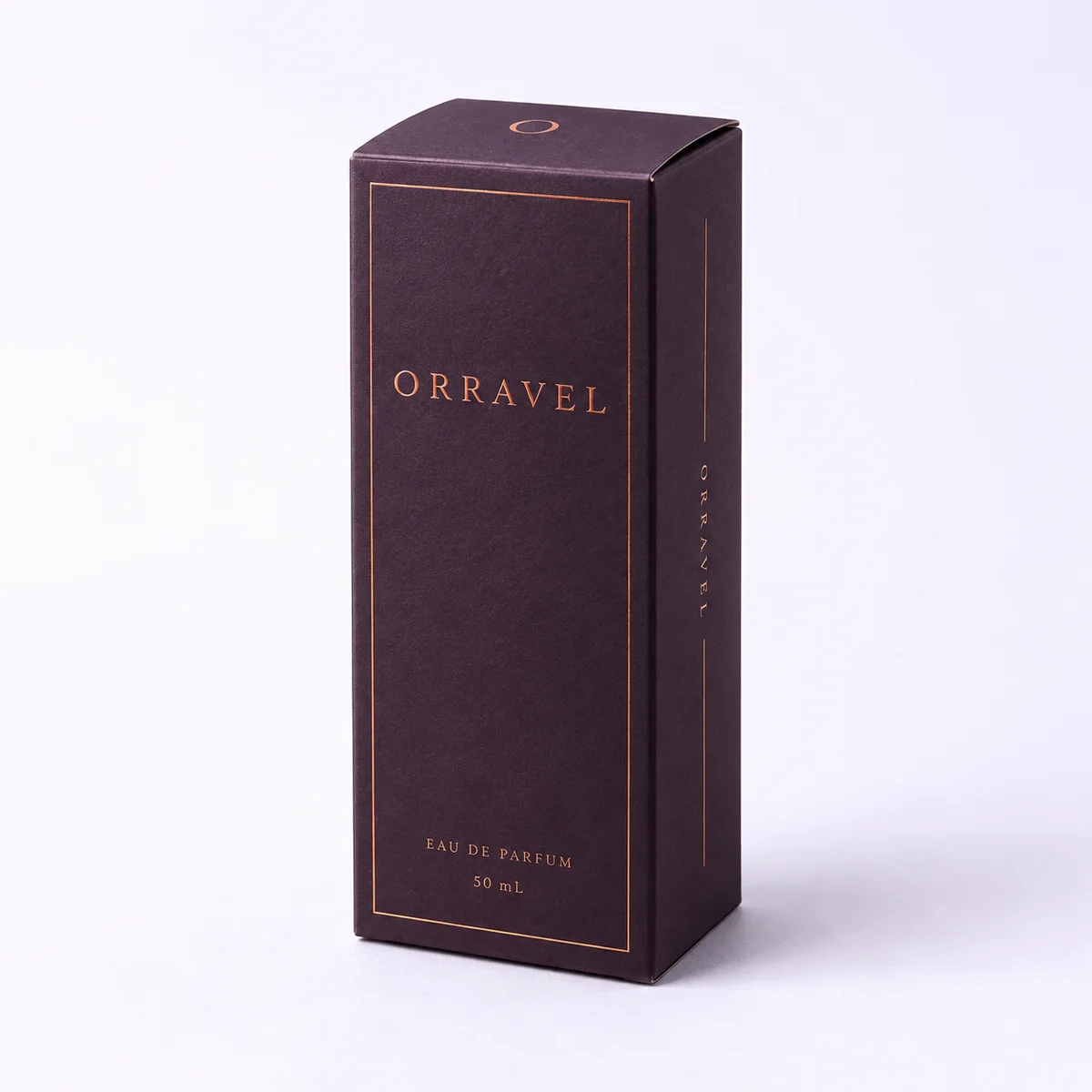
Custom Reverse Tuck End Boxes
Give lightweight retail products a fitted carton with opposing tuck flaps. Custom panel layouts keep your branding aligned with the way the box opens.
View product →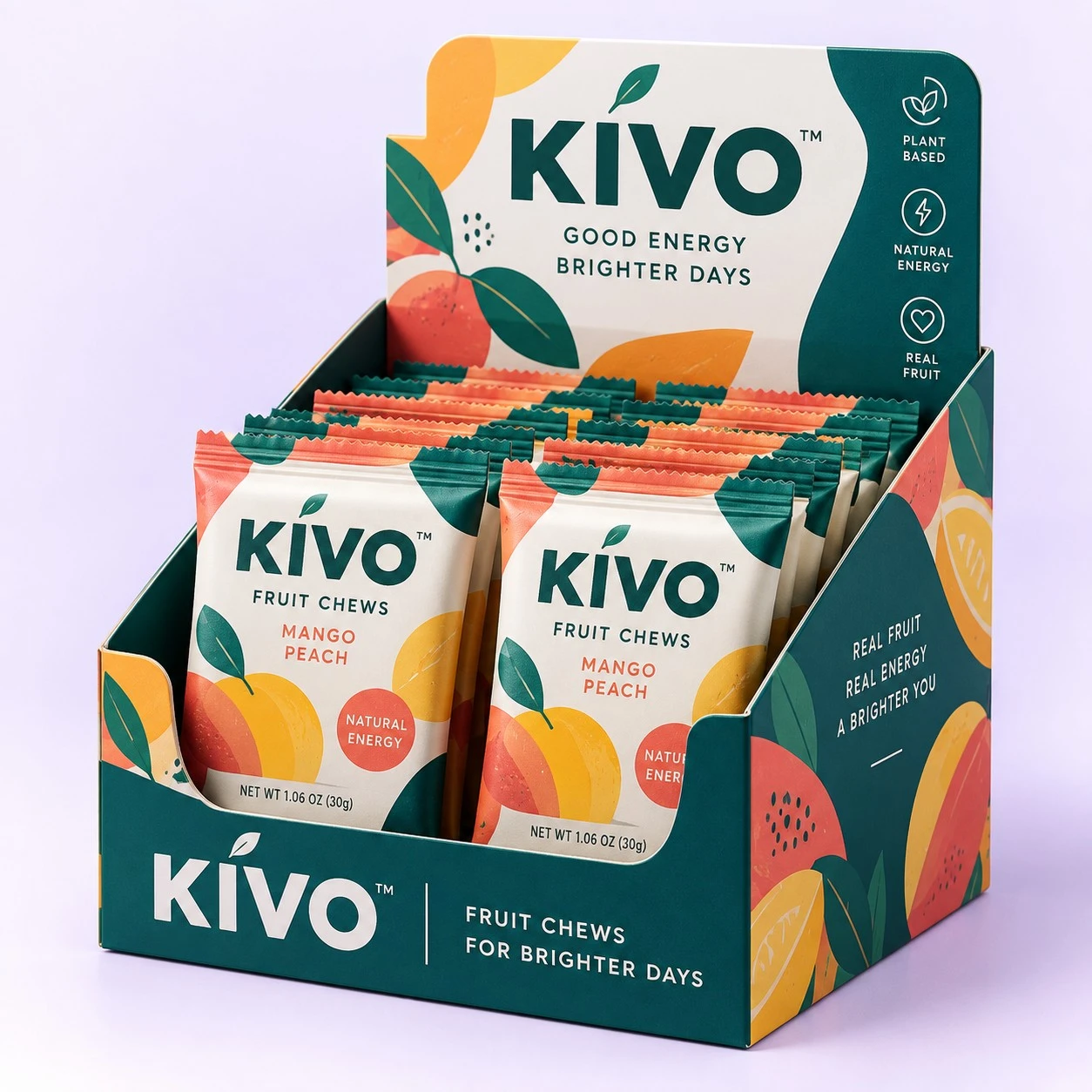
Custom Flat Tuck Display Boxes
Give snacks, beauty products, and small retail packs a clear place at checkout. A fold-flat tuck tray combines easy front access with a raised branding header.
View product →
Custom Straight Tuck End Boxes
Custom straight tuck end boxes with clean front panels, same-side tuck closures, full-color printing, and made-to-order sizes for retail products.
View product →
Custom Roll End Tuck Top Boxes
Custom roll end tuck top boxes combine reinforced rolled side walls, secure tuck closures, custom print, and made-to-order sizing for shipping.
View product →Custom White Tuck Top Boxes
White print panels keep small products easy to read on a retail shelf. A tuck-in top closes the carton neatly; choose the bottom style for the filled weight.
View product →Custom Reverse Tuck End Boxes
Give lightweight retail products a fitted carton with opposing tuck flaps. Custom panel layouts keep your branding aligned with the way the box opens.
View product →Custom Flat Tuck Display Boxes
Give snacks, beauty products, and small retail packs a clear place at checkout. A fold-flat tuck tray combines easy front access with a raised branding header.
View product →Custom Straight Tuck End Boxes
Custom straight tuck end boxes with clean front panels, same-side tuck closures, full-color printing, and made-to-order sizes for retail products.
View product →Custom Roll End Tuck Top Boxes
Custom roll end tuck top boxes combine reinforced rolled side walls, secure tuck closures, custom print, and made-to-order sizing for shipping.
View product →Custom White Tuck Top Boxes
White print panels keep small products easy to read on a retail shelf. A tuck-in top closes the carton neatly; choose the bottom style for the filled weight.
View product →Custom Reverse Tuck End Boxes
Give lightweight retail products a fitted carton with opposing tuck flaps. Custom panel layouts keep your branding aligned with the way the box opens.
View product →Custom Flat Tuck Display Boxes
Give snacks, beauty products, and small retail packs a clear place at checkout. A fold-flat tuck tray combines easy front access with a raised branding header.
View product →Custom Straight Tuck End Boxes
Custom straight tuck end boxes with clean front panels, same-side tuck closures, full-color printing, and made-to-order sizes for retail products.
View product →Custom Roll End Tuck Top Boxes
Custom roll end tuck top boxes combine reinforced rolled side walls, secure tuck closures, custom print, and made-to-order sizing for shipping.
View product →Custom White Tuck Top Boxes
White print panels keep small products easy to read on a retail shelf. A tuck-in top closes the carton neatly; choose the bottom style for the filled weight.
View product →Custom Reverse Tuck End Boxes
Give lightweight retail products a fitted carton with opposing tuck flaps. Custom panel layouts keep your branding aligned with the way the box opens.
View product →Custom Flat Tuck Display Boxes
Give snacks, beauty products, and small retail packs a clear place at checkout. A fold-flat tuck tray combines easy front access with a raised branding header.
View product →Custom Straight Tuck End Boxes
Custom straight tuck end boxes with clean front panels, same-side tuck closures, full-color printing, and made-to-order sizes for retail products.
View product →Custom Roll End Tuck Top Boxes
Custom roll end tuck top boxes combine reinforced rolled side walls, secure tuck closures, custom print, and made-to-order sizing for shipping.
View product →✦ Upgrade Today
Ready to Upgrade Your Brand Packaging?
Get custom templates matching your custom dimensions. Instant 3D digital proof samples returned in hours.