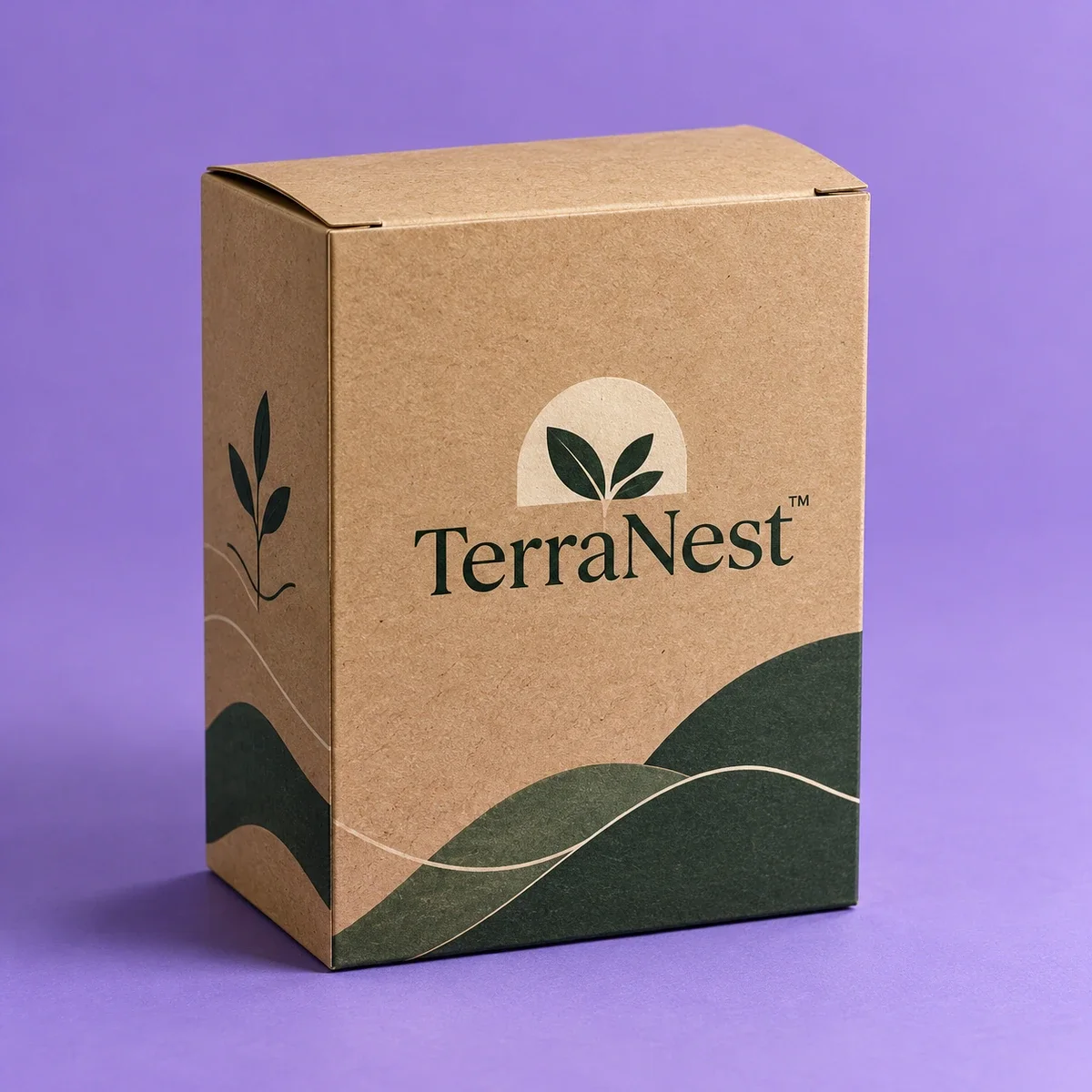
Made To Order
★★★★★
4.9/5.0Custom Kraft Tuck Top Boxes
For balm jars, soaps, and small gift sets, a folding kraft carton keeps the front panel tidy while the top flap slips into place without a separate lid.
Premium Quality
Fully Customizable
Low MOQ
Fast Turnaround
100% Eco-Friendly
Sustainable materials
Free Shipping
On every order
No Die & Plate Charges
Zero hidden costs
100% Satisfaction
Quality guaranteed
Expert Support
We're here to help
Designed for Various Industries
We design packaging that fits every industry
From small businesses to global brands, our custom packaging solutions are built to elevate your brand and leave a lasting impression.
Cosmetics & Beauty
Food & Beverages
E-commerce & Retail
Electronics
Apparel & Fashion
Health & Wellness
Pharmaceuticals
Cannabis & CBD
Pet Products
Baby & Kids
Jewelry & Accessories
Home & Lifestyle
Candles & Fragrance
Coffee & Tea
Confectionery
Cosmetics & Beauty
Food & Beverages
E-commerce & Retail
Electronics
Apparel & Fashion
Health & Wellness
Pharmaceuticals
Cannabis & CBD
Pet Products
Baby & Kids
Jewelry & Accessories
Home & Lifestyle
Candles & Fragrance
Coffee & Tea
Confectionery
Supplements
Skincare & Personal Care
Haircare
Automotive
Sports & Fitness
Toys & Games
Stationery & Gifts
Bakery & Desserts
Wine & Spirits
Tobacco & Vape
Medical Devices
Tech Accessories
Subscription Boxes
Organic & Natural
Luxury Retail
Supplements
Skincare & Personal Care
Haircare
Automotive
Sports & Fitness
Toys & Games
Stationery & Gifts
Bakery & Desserts
Wine & Spirits
Tobacco & Vape
Medical Devices
Tech Accessories
Subscription Boxes
Organic & Natural
Luxury Retail
Built for brands
that care about detail.
Premium packaging. Precise printing.
Fast turnaround. No hidden costs.
10K+
Happy Customers
98%
Satisfaction Rate
Trusted by Top Brands
We work with startups to enterprises. Our boxes make an impact.
Free Design Support
Get expert help in creating the perfect packaging for your brand.
Warehouse Across USA
Faster fulfilment with local production and warehouses.
Print & Design Lovers
Crafted with passion, just the way your brand deserves.
Custom Kraft Tuck Top Boxes That Fit and Print Clearly
A balm jar may fit inside a carton but catch on the top flap when someone closes it. A dark logo can look sharp on screen yet print dull against brown kraft. Custom Kraft Tuck Top Boxes need to solve both issues before packing begins: the folded shape must suit the product, and the printed surface must suit the artwork.
Kraft Tuck Top Cartons Made for Smooth Hand Packing
A top tuck flap slips behind the front panel, letting customers open and close the carton without a separate lid. Side dust flaps cover the upper corners, while a glued side seam gives paperboard its box shape. Flat blanks take less room before assembly, useful when a team fills hundreds of cartons.
These are retail folding cartons, not protective shipping mailers. Within the range of custom tuck boxes, kraft suits brands that want visible brown paper. A soap maker might prefer a one-color mark; a skincare brand may need instructions and a clear front display panel. The opening direction and panel layout can support both.
Bottom Closures Chosen for Real Product Weight
The top tuck is only half the structure. The base carries the packed item when a carton is lifted, stacked, or displayed. A wrapped soap bar may suit a folded bottom. A glass balm jar or candle requires a closer look at filled weight and handling.
Straight tuck construction keeps the end tucks oriented in the same general direction. Custom reverse tuck end boxes have opposing tuck directions, which changes how the blank folds and how workers open it.
A pre-glued base can cut assembly steps in repeated hand filling. Consider custom auto lock boxes when quick bottom setup matters. Neither a thicker board nor a different base should be picked for appearance alone. Test the packed product to assess the fit and support.
Natural Kraft Printing That Keeps Brand Details Legible
Brown paperboard is not a white canvas. Ink appears against its warm base, so pale colors and fine lines may lose contrast. Dark spot colors can read clearly. Full-color CMYK artwork may look different from a screen preview, especially in light areas.
A white underprint may help achieve brighter colors where the printing process supports it. White kraft board is another choice when vivid color matters more than a brown surface. The custom kraft boxes range offers material alternatives, but this tuck-top design also needs artwork placed around its flap and folds.
Position the logo on a flat front panel. Move tiny text away from crease lines and glue areas, and check how artwork wraps across the sides. A digital proof checks placement; a physical print proof helps when color and texture are critical.
Internal Dimensions and Board Thickness That Make Sense Together
Measure the item as it will be packed, including its lid, raised label, wrap, or insert. Then set the usable inside length, width, and depth. A wide jar cap can stop a flap closing even when the jar body fits.
A custom dieline maps cuts, scores, tabs, and the glue flap. These features work together: score positions control where board bends, and the side seam shapes the assembled carton.
Paperboard caliper (thickness) matters too. A suggested 16pt board can be a starting point for light retail products. Available 14pt, 18pt, and 24pt options need review against weight, size, and creasing behavior. Thickness alone does not guarantee strength. Tall panels and tight folds behave differently from compact cartons. Packopie can evaluate dimensions and board grade together before a production run.
Retail Packs That Look Considered When Opened
A shelf-facing carton may need room for a product name, scent, size, and required label details. A craft kit may need its top flap to stay clear during filling. Both needs change the carton layout even if the outer style looks similar.
Kraft tuck tops can hold wrapped soaps, balm jars, stationery, accessories, and gift sets. They can also serve as secondary cartons for sealed tea or treats. Direct food contact requires separate checks of board, ink, adhesive, and coatings; brown kraft alone does not establish suitability.
A range of custom retail boxes can share one visual identity without using identical dimensions. Keeping artwork consistent while changing depth and closure lets related products retain a unified shelf presence.
Finishes and Inserts That Work With the Fold
Uncoated kraft keeps the fiber texture visible. Water-based varnish may change surface feel; matte or gloss lamination changes reflectivity. Foil stamping, embossing, and spot UV work best when placement respects crease lines and folding stress.
A die-cut window can reveal the product but also removes part of the front panel. Narrow board near a flap may need structural review. Set the construction before finalizing decorative artwork.
A fitted paperboard insert can limit movement around glass or multiple small items. For side-by-side products, custom cardboard divider boxes show another way to separate contents. Check the insert, carton cavity, and packing order as one assembly.
Turn Your Packing Details Into a Useful Custom Quote
An accurate estimate takes more than a box count. The product's filled size, bottom style, board thickness, printing, and finish determine the scope. A one-color kraft carton and a full-color version with foil and an insert have different production needs.
Quantity affects unit pricing. For planning quantities from 100 units upward, larger runs and optional features are evaluated against the final specification. Preliminary rates are estimates, not guaranteed offers for every size and combination. Freight, tooling, and timing may need separate confirmation.
With the product measurements, packed weight, artwork, and order volume together, Packopie can prepare a clearer custom quote. The buyer can then review closure performance and print expectations before production.
Frequently Asked Questions
It can if the bottom construction is not suited to the filled weight. A glass jar adds more load than its contents alone. Share the total packed weight and dimensions so the base can be reviewed. An auto-bottom structure or fitted support may be more appropriate than a simple folded base.
Standard CMYK printing does not use white ink. Areas designed as white may show the brown paper instead. Pale colors can also lose contrast. An opaque white ink layer or a lighter board may help when bright logo details are important. The final appearance needs a print proof.
Measure the jar at its widest point, including the cap and any raised label. Then allow space for an insert, if used, and for the box to fold and close cleanly. There is no single clearance that fits every jar. Check the internal dimensions with an assembled sample.
No. A single-wall kraft folding carton is mainly intended for retail or presentation packaging. Parcel delivery may require a protective outer corrugated box and cushioning, especially for glass, fragile, or heavy products. Choose shipping protection based on the packed weight and handling route.
Wrapped or sealed food products can use a kraft tuck-top carton as secondary packaging. Direct food contact is a different requirement. The specific board, coatings, adhesives, and inks must be checked for the intended food-contact use before a carton is approved for that purpose.
Thick ink coverage, stiff coatings, board grain, and crease design can place stress on the folding edge. This may leave a pale line or a visible crack when the flap bends. Test the chosen kraft board and printed finish along the actual fold before production, especially with dark artwork.
More Solutions
You May Also Like
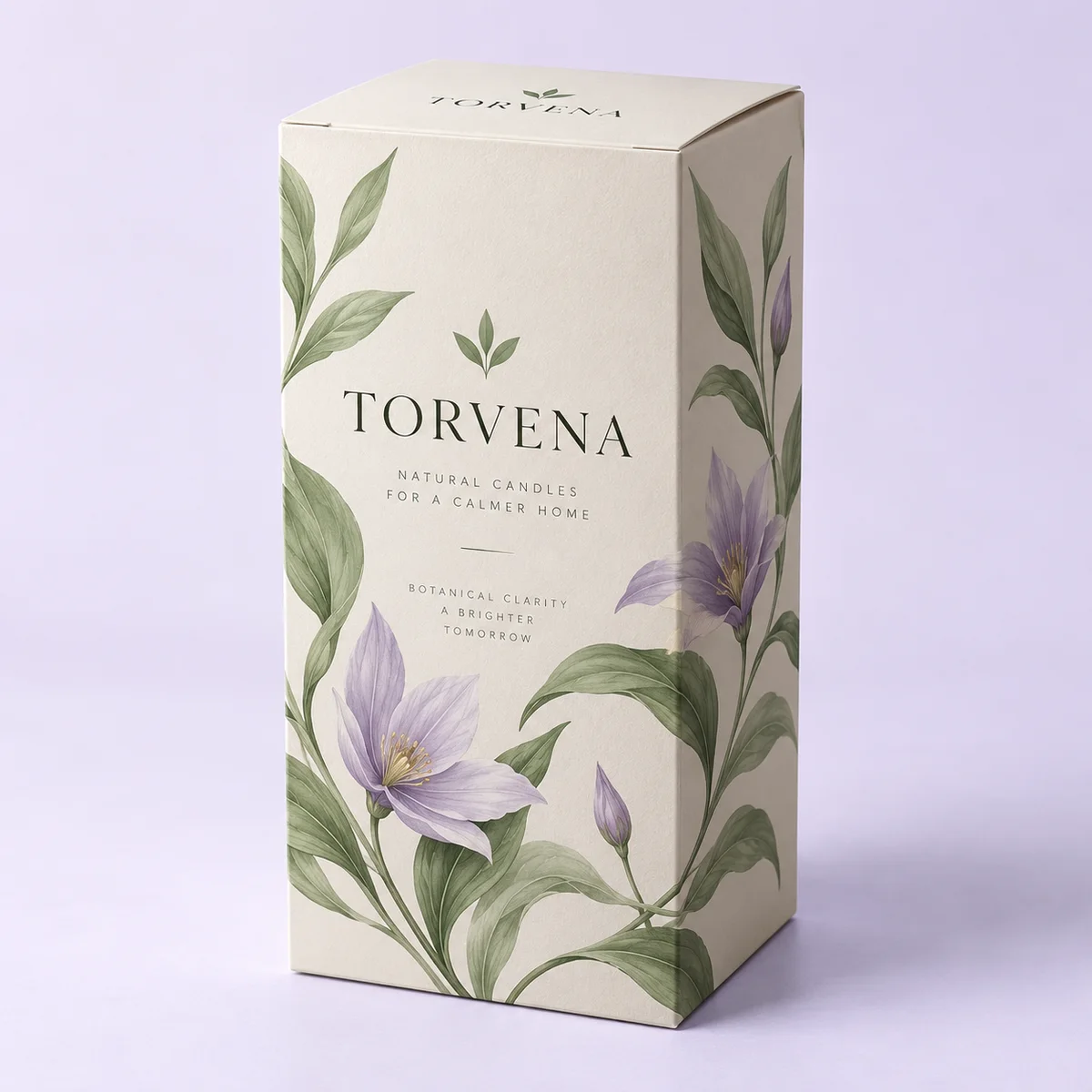
Custom Auto Lock Boxes
Pre-glued bottoms spring into shape as each carton opens, reducing manual folding at the packing table for jars, candles, and other retail goods.
View product →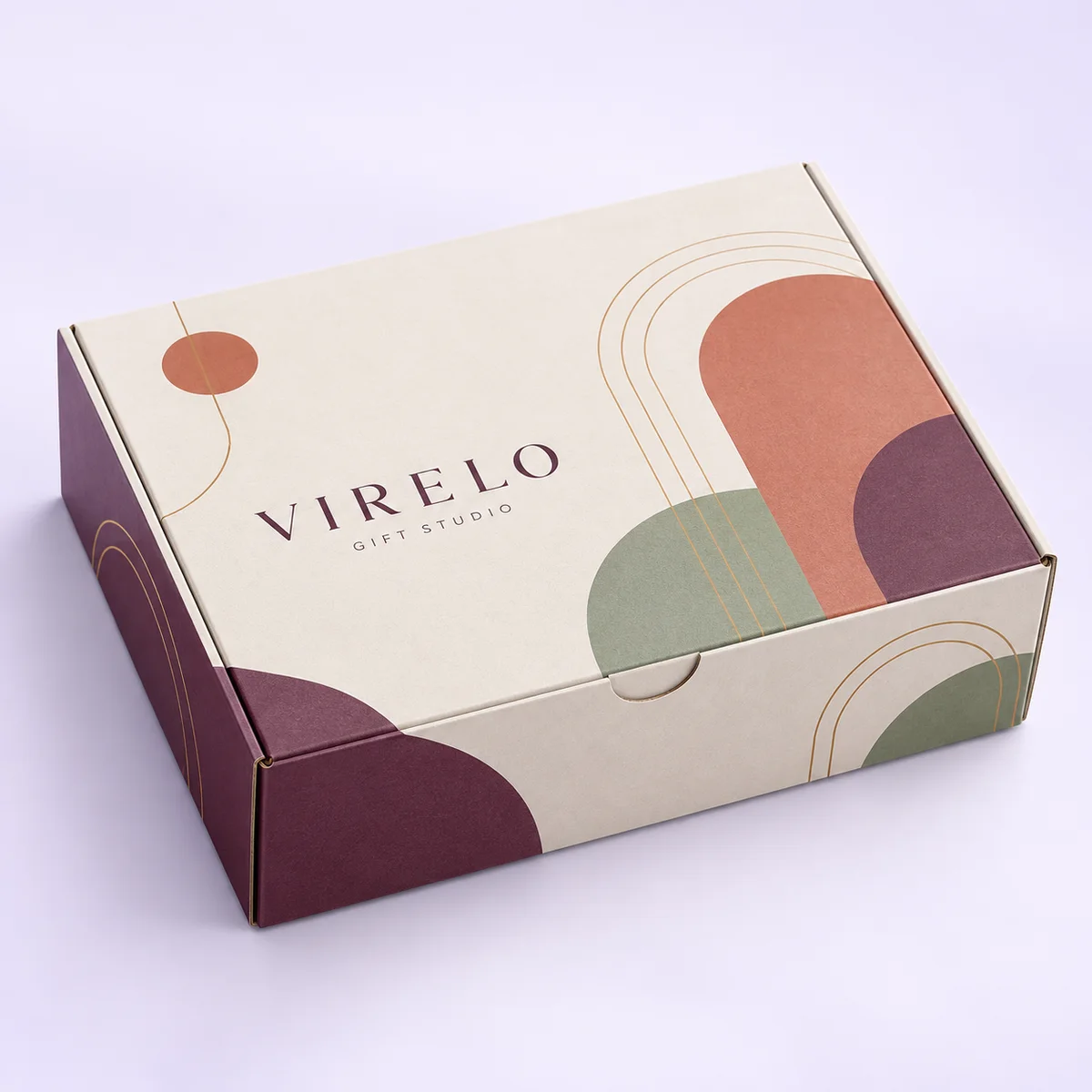
Custom Tuck Top Gift Boxes
A fold-over lid and tuck-in flap keep gift sets neatly enclosed, with custom sizing, printed panels, and room for a fitted insert.
View product →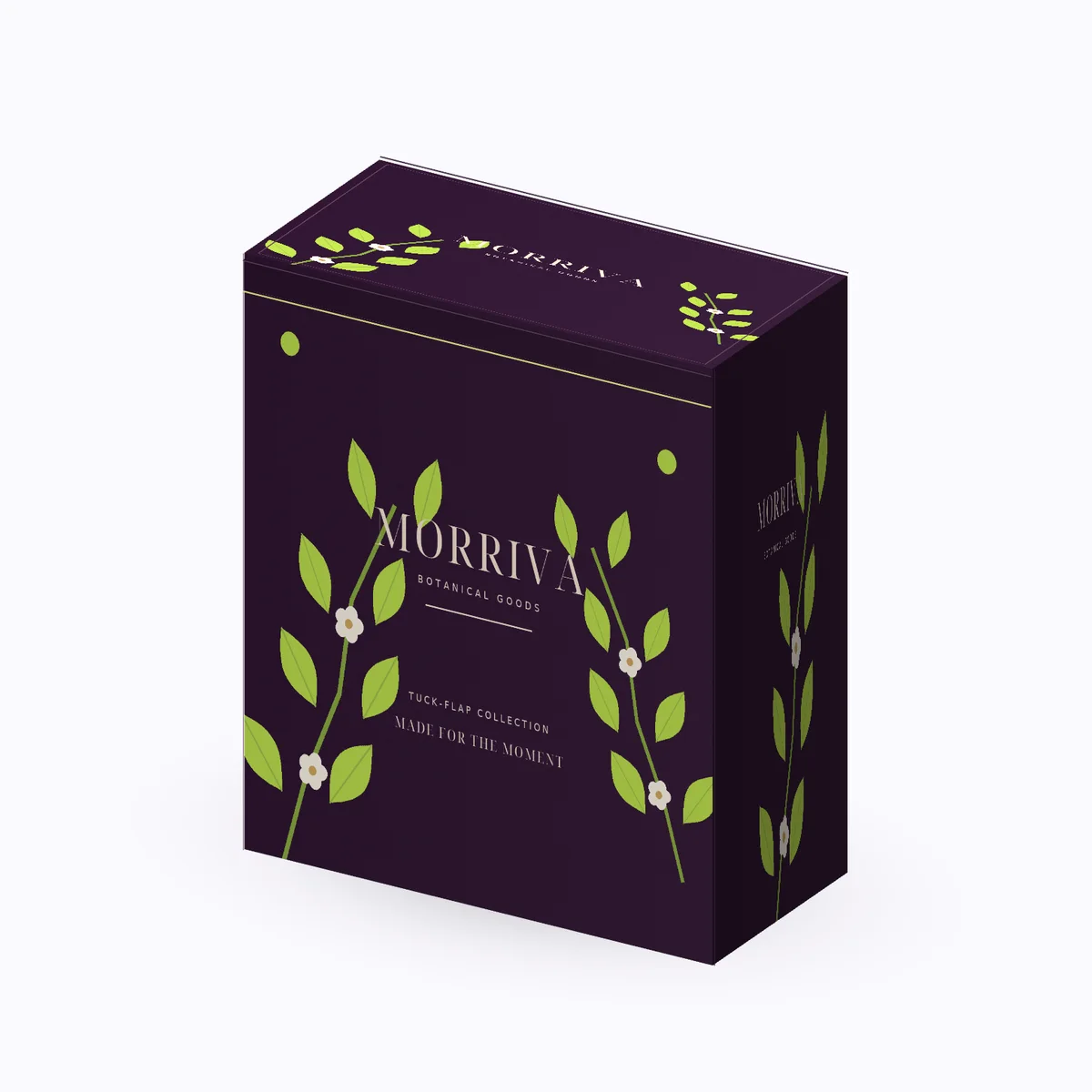
Custom Tuck Flap Boxes
When a tuck flap presses against the product inside, the carton may not close neatly. Plan the box around the filled item, its closure, and the front panel.
View product →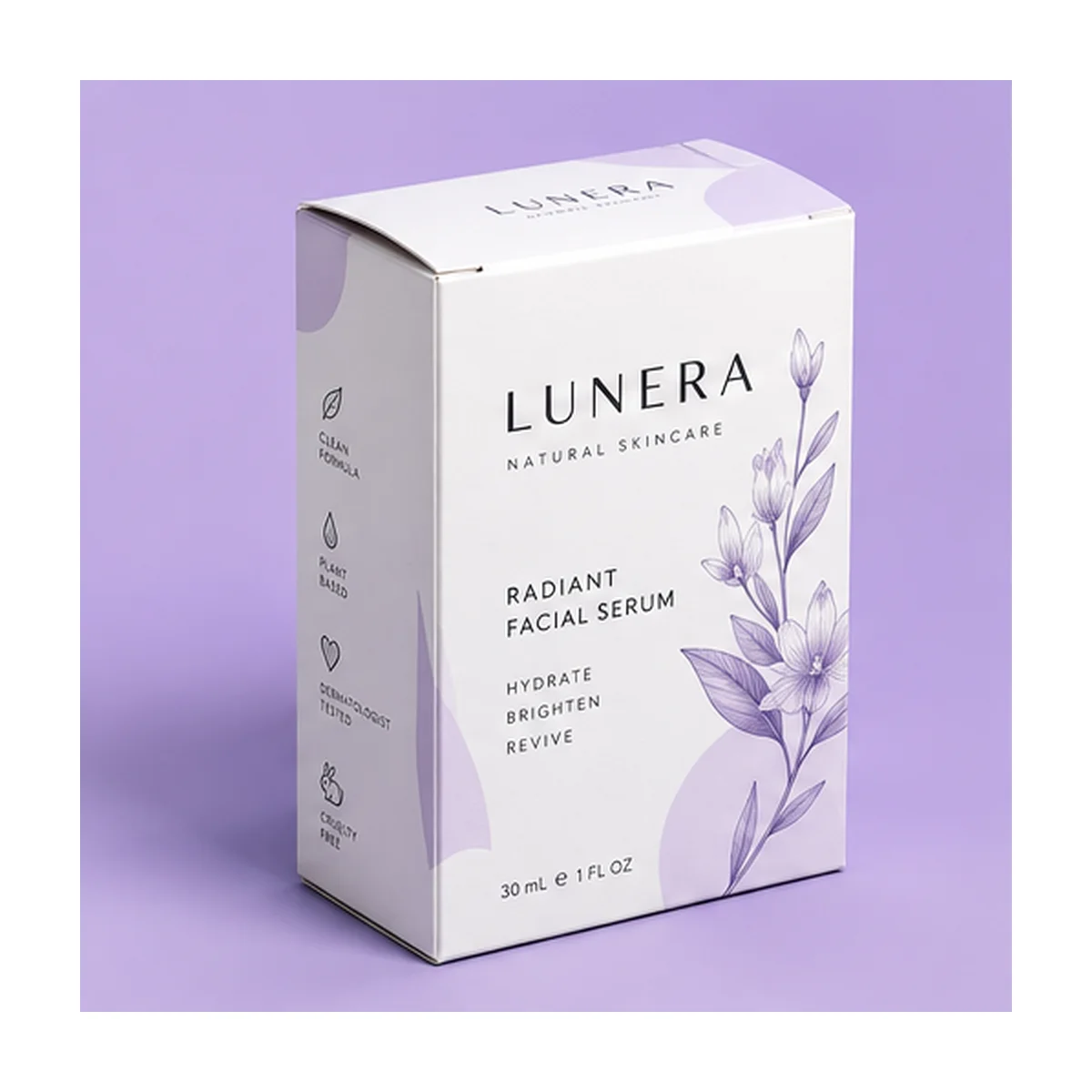
Custom White Tuck Top Boxes
White print panels keep small products easy to read on a retail shelf. A tuck-in top closes the carton neatly; choose the bottom style for the filled weight.
View product →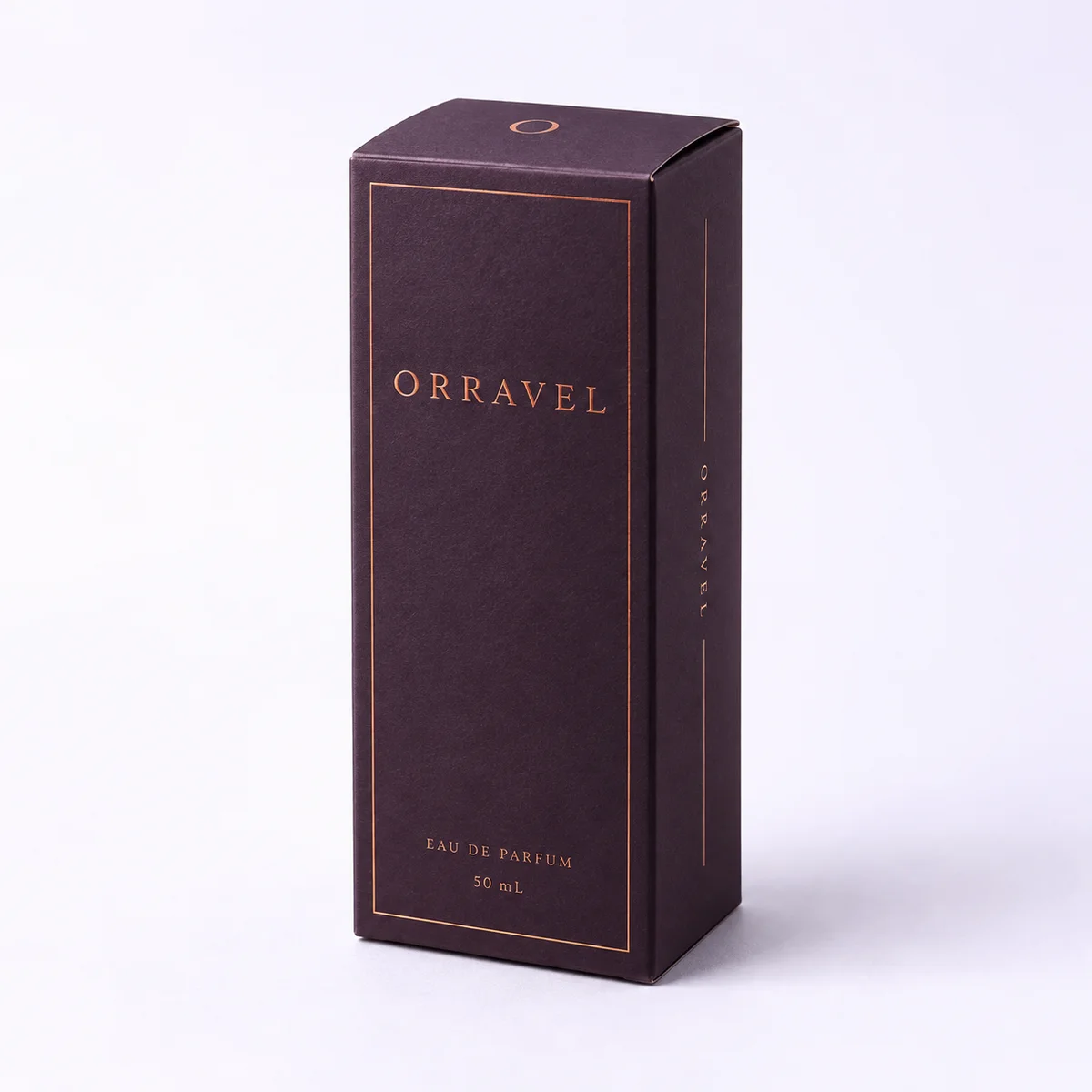
Custom Reverse Tuck End Boxes
Give lightweight retail products a fitted carton with opposing tuck flaps. Custom panel layouts keep your branding aligned with the way the box opens.
View product →Custom Auto Lock Boxes
Pre-glued bottoms spring into shape as each carton opens, reducing manual folding at the packing table for jars, candles, and other retail goods.
View product →Custom Tuck Top Gift Boxes
A fold-over lid and tuck-in flap keep gift sets neatly enclosed, with custom sizing, printed panels, and room for a fitted insert.
View product →Custom Tuck Flap Boxes
When a tuck flap presses against the product inside, the carton may not close neatly. Plan the box around the filled item, its closure, and the front panel.
View product →Custom White Tuck Top Boxes
White print panels keep small products easy to read on a retail shelf. A tuck-in top closes the carton neatly; choose the bottom style for the filled weight.
View product →Custom Reverse Tuck End Boxes
Give lightweight retail products a fitted carton with opposing tuck flaps. Custom panel layouts keep your branding aligned with the way the box opens.
View product →✦ Upgrade Today
Ready to Upgrade Your Brand Packaging?
Get custom templates matching your custom dimensions. Instant 3D digital proof samples returned in hours.