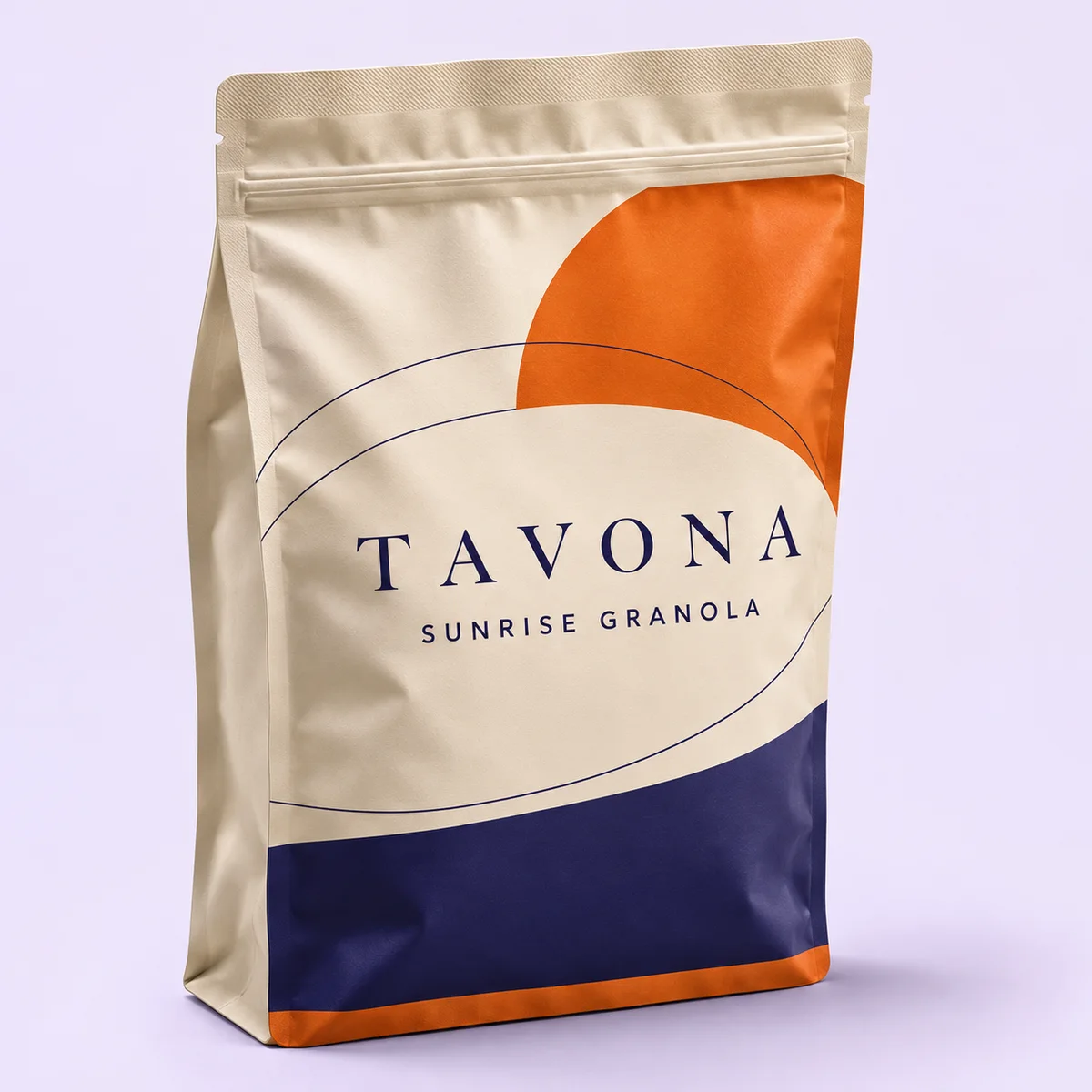
Resealable Packaging
★★★★★
4.9/5.0Custom Zipper Pouches
A zipper keeps opened packs easy to close again, while the right gusset and film help snacks, powders, or tea hold their shape and handle everyday use.
Premium Quality
Fully Customizable
Low MOQ
Fast Turnaround
100% Eco-Friendly
Sustainable materials
Free Shipping
On every order
No Die & Plate Charges
Zero hidden costs
100% Satisfaction
Quality guaranteed
Expert Support
We're here to help
Design Varieties
Zipper Pouch Styles for Different Products
Explore printed pouch concepts for snacks, powders, coffee, tea, pet treats, and wellness products, with closure and display details suited to each use.
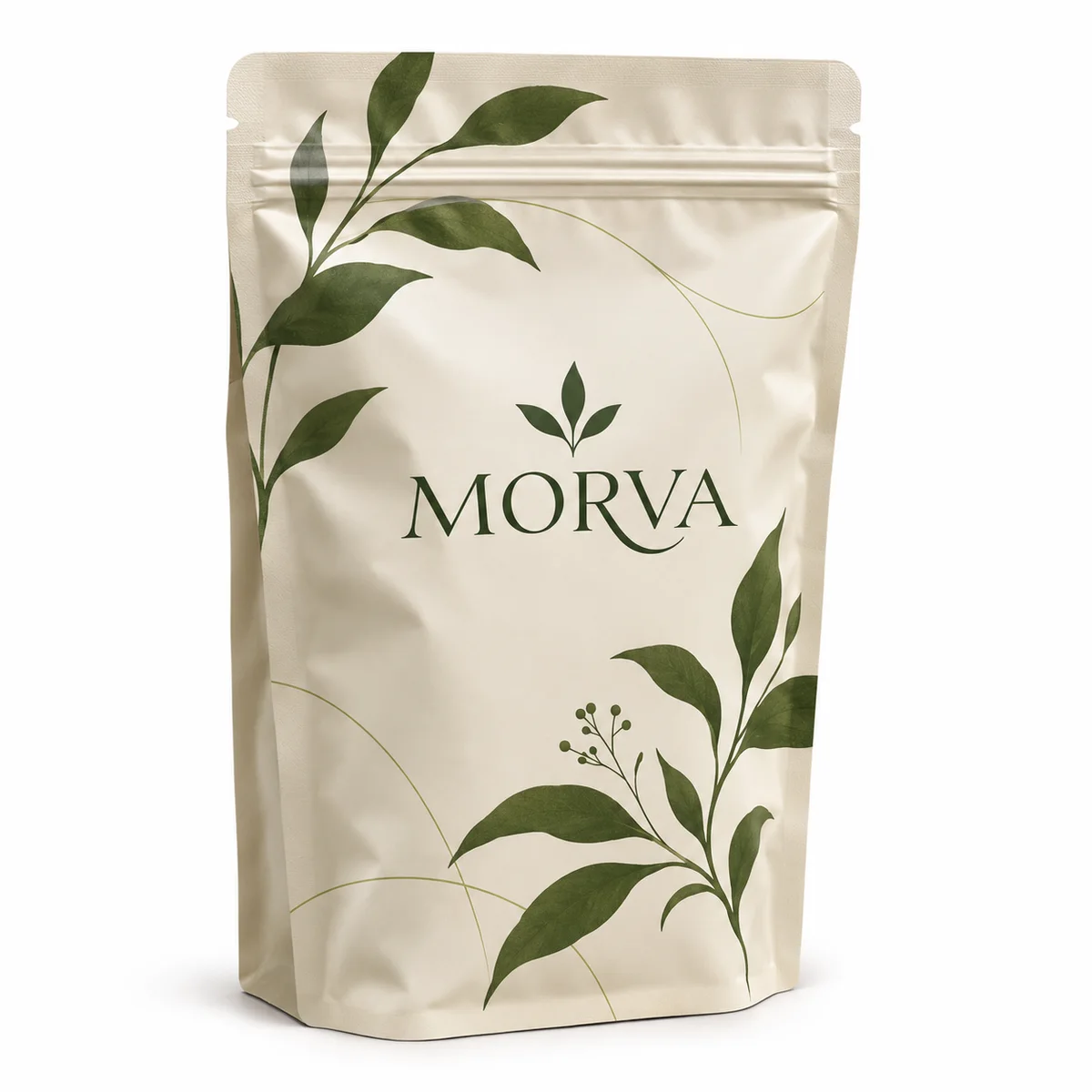
Botanical Stand-Up Pouch
Stand-up zipper pouch with a flat printed front, heat-sealed top edge, and bottom gusset.
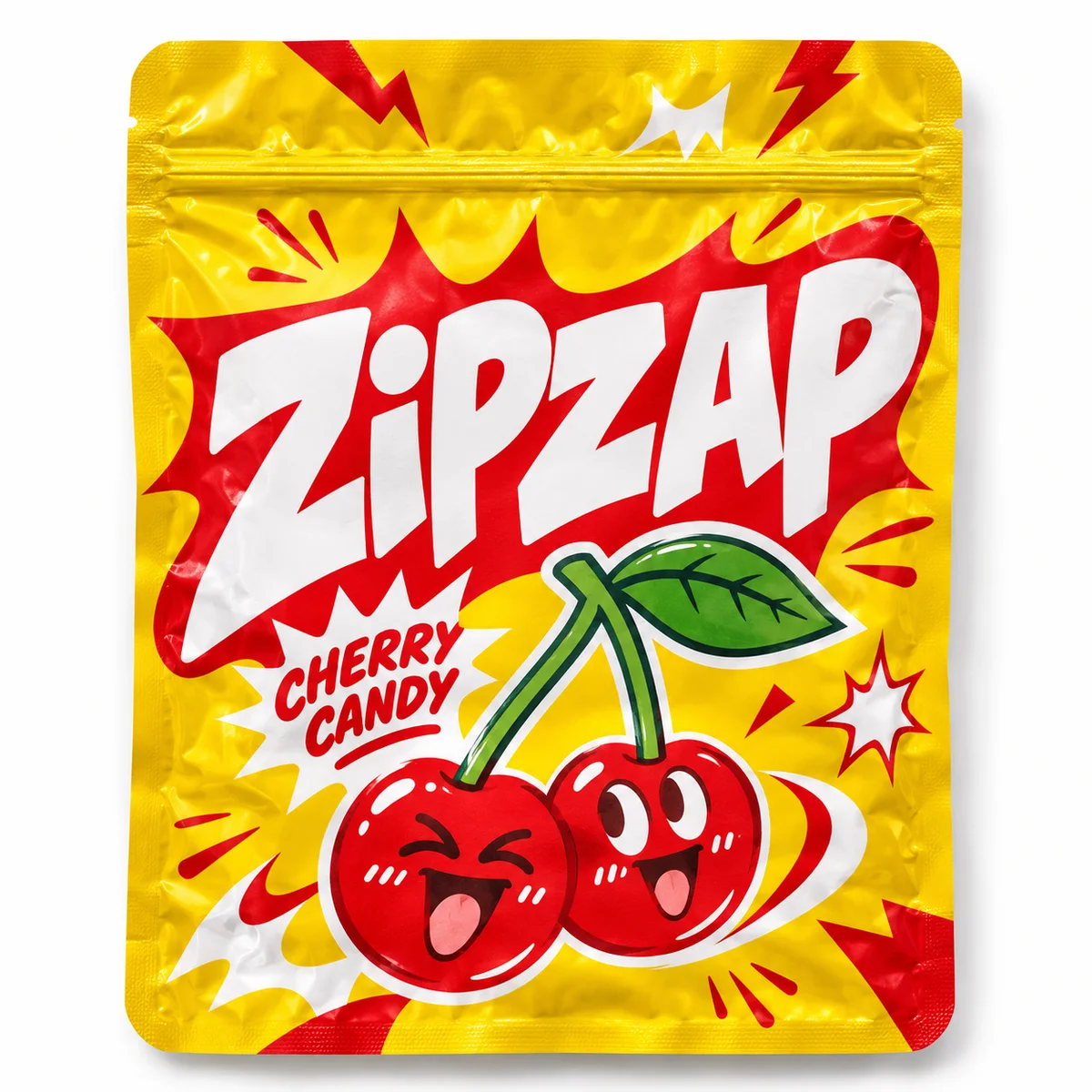
Candy Zipper Pouch
Candy pouch with a top press-close zipper, broad print face, and bottom fold for display.
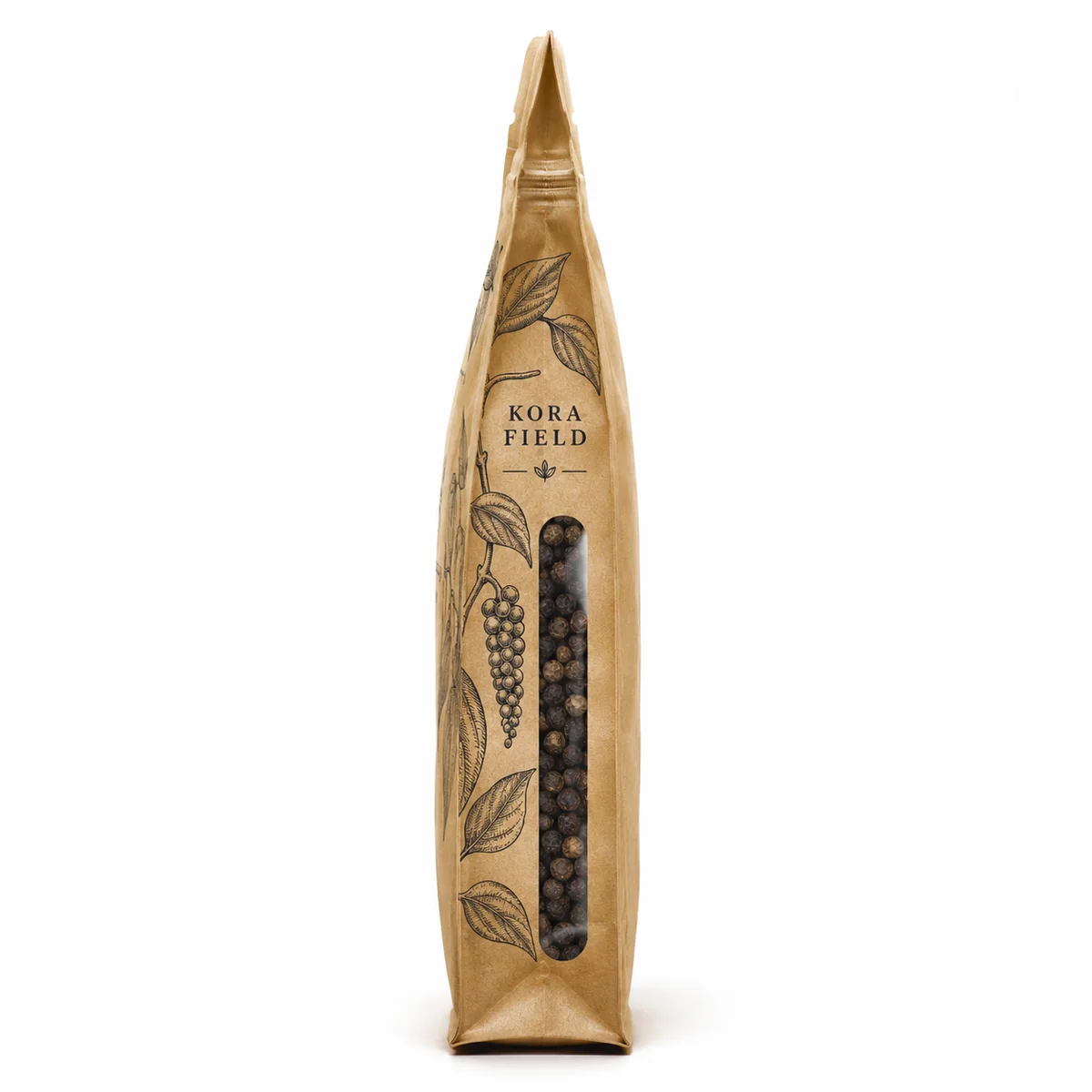
Kraft Window Pouch
Kraft-look pouch with an upper zipper seal and clear front window showing whole peppercorns.
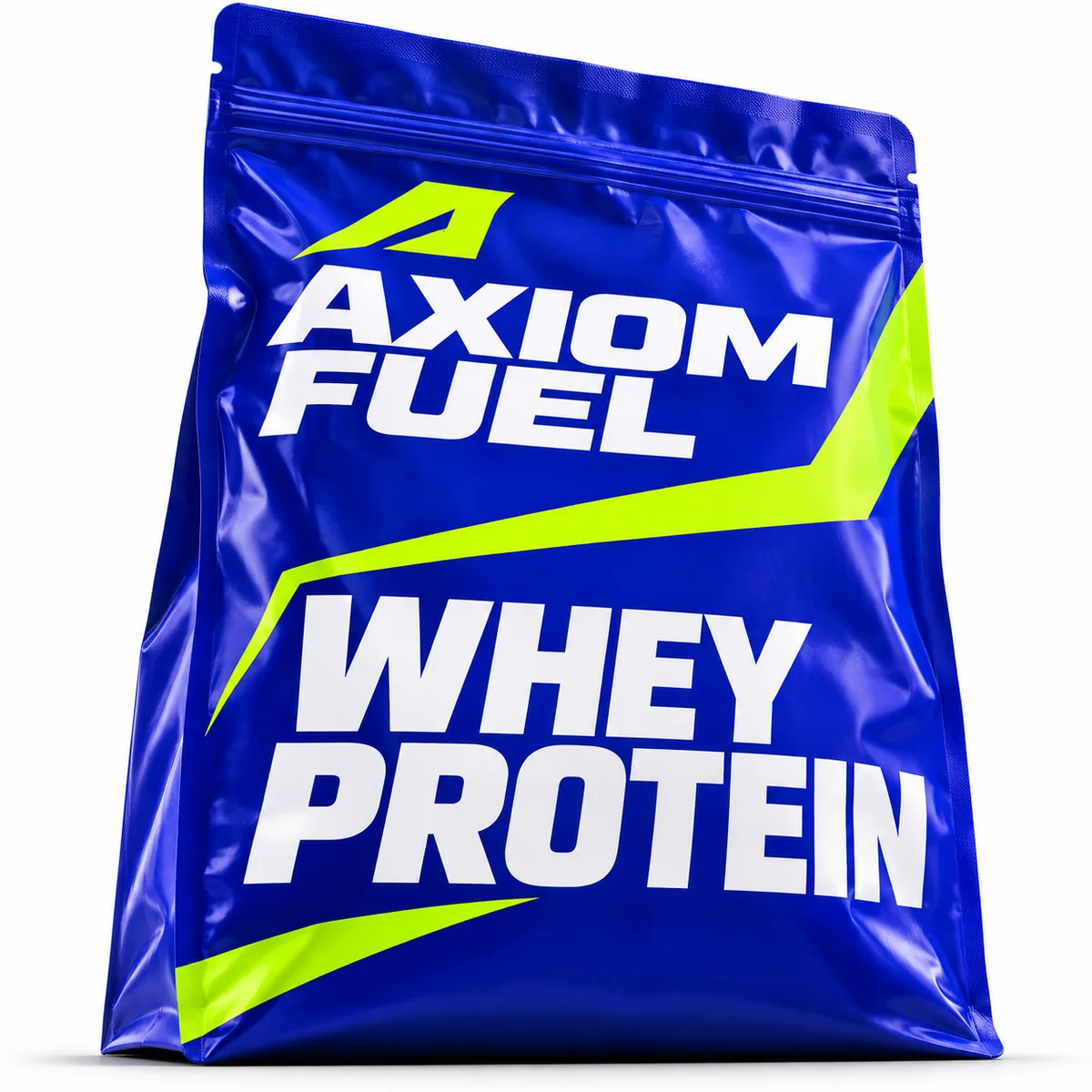
Performance Zipper Pouch
Blue protein pouch has a wide front print panel, zipper track near top, and standing base.
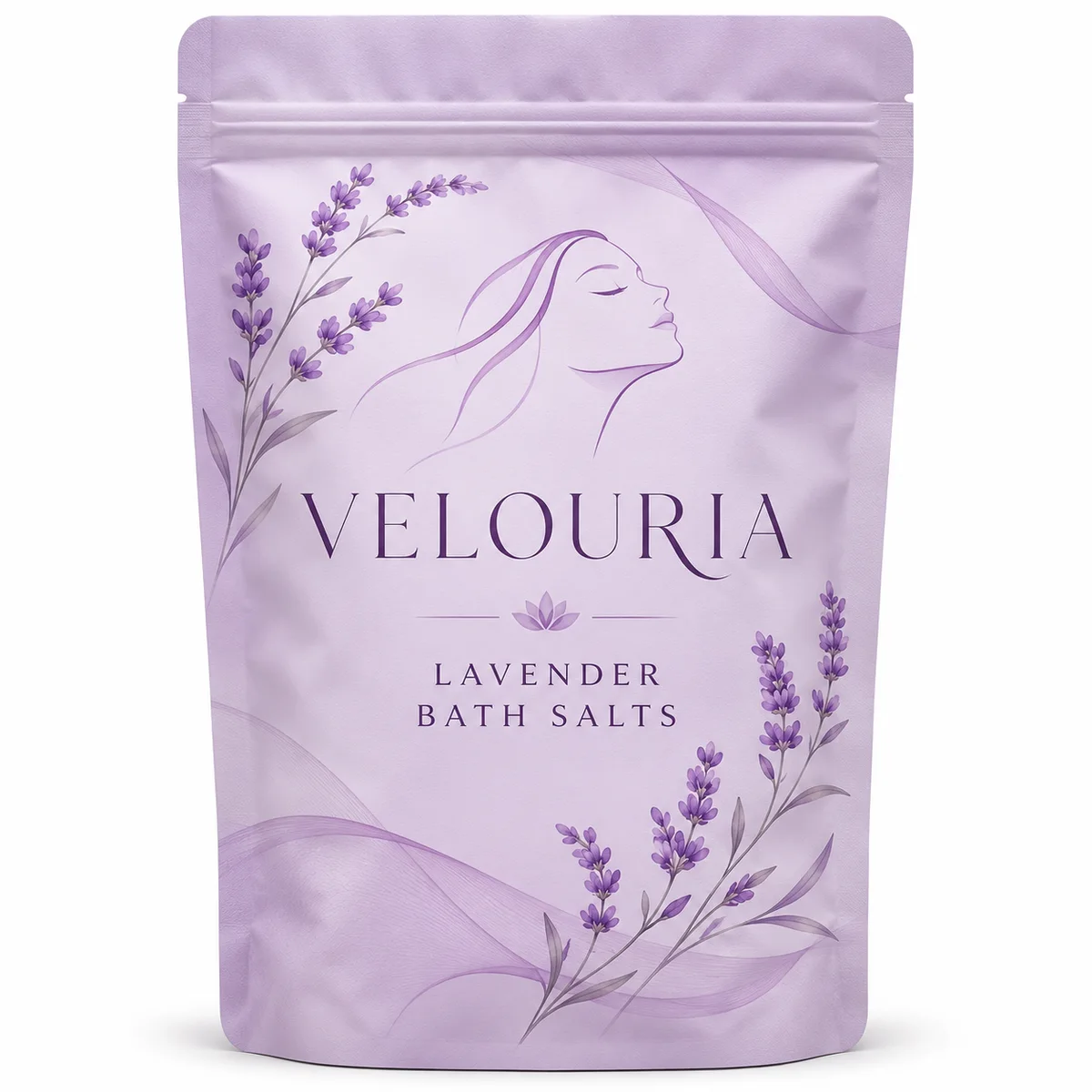
Pastel Stand-Up Pouch
Bath-salt pouch with printed floral panels, top zipper closure, and lower folded base seam.
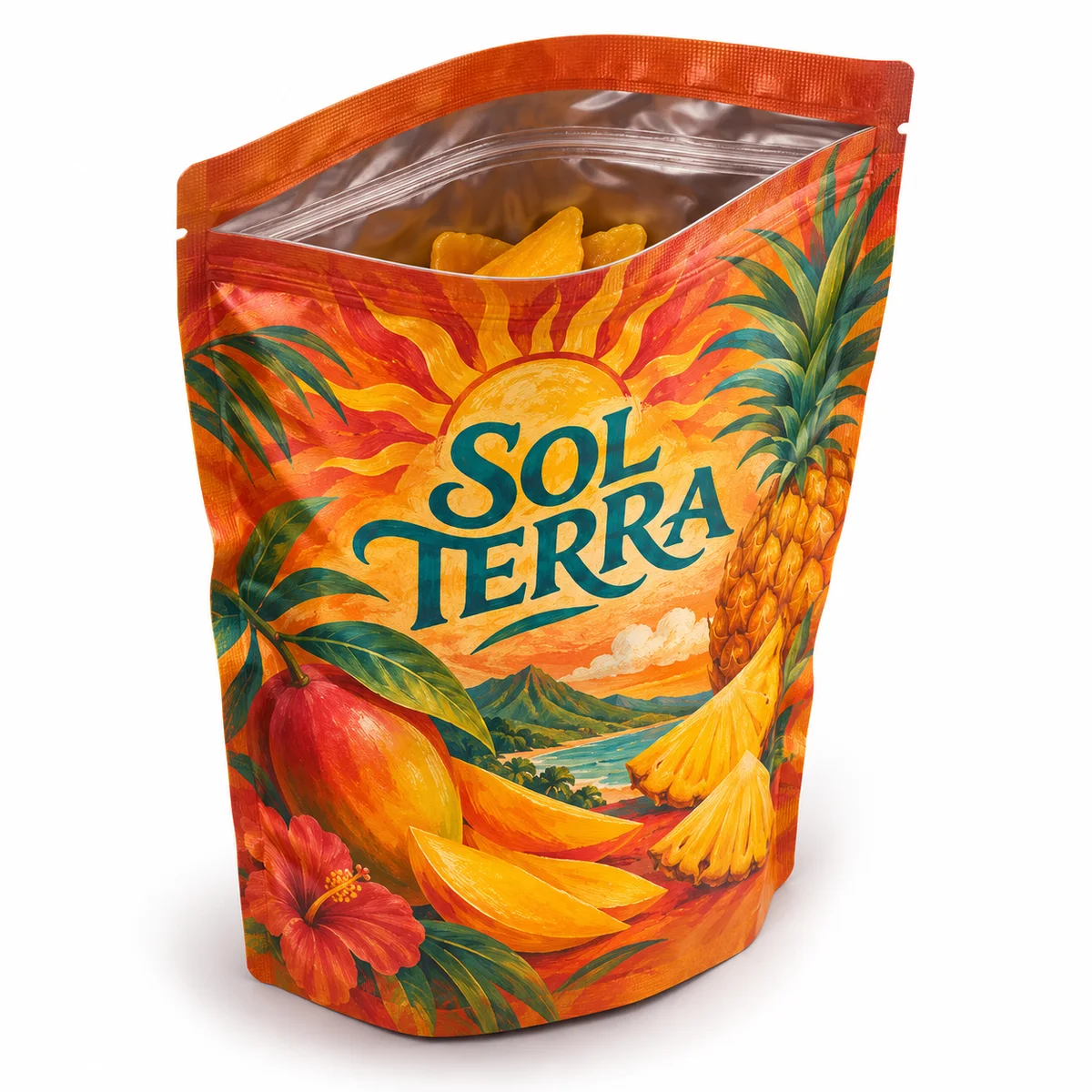
Full-Print Fruit Pouch
Full-color fruit pouch has a resealable zipper at the top and a gusseted base for standing.
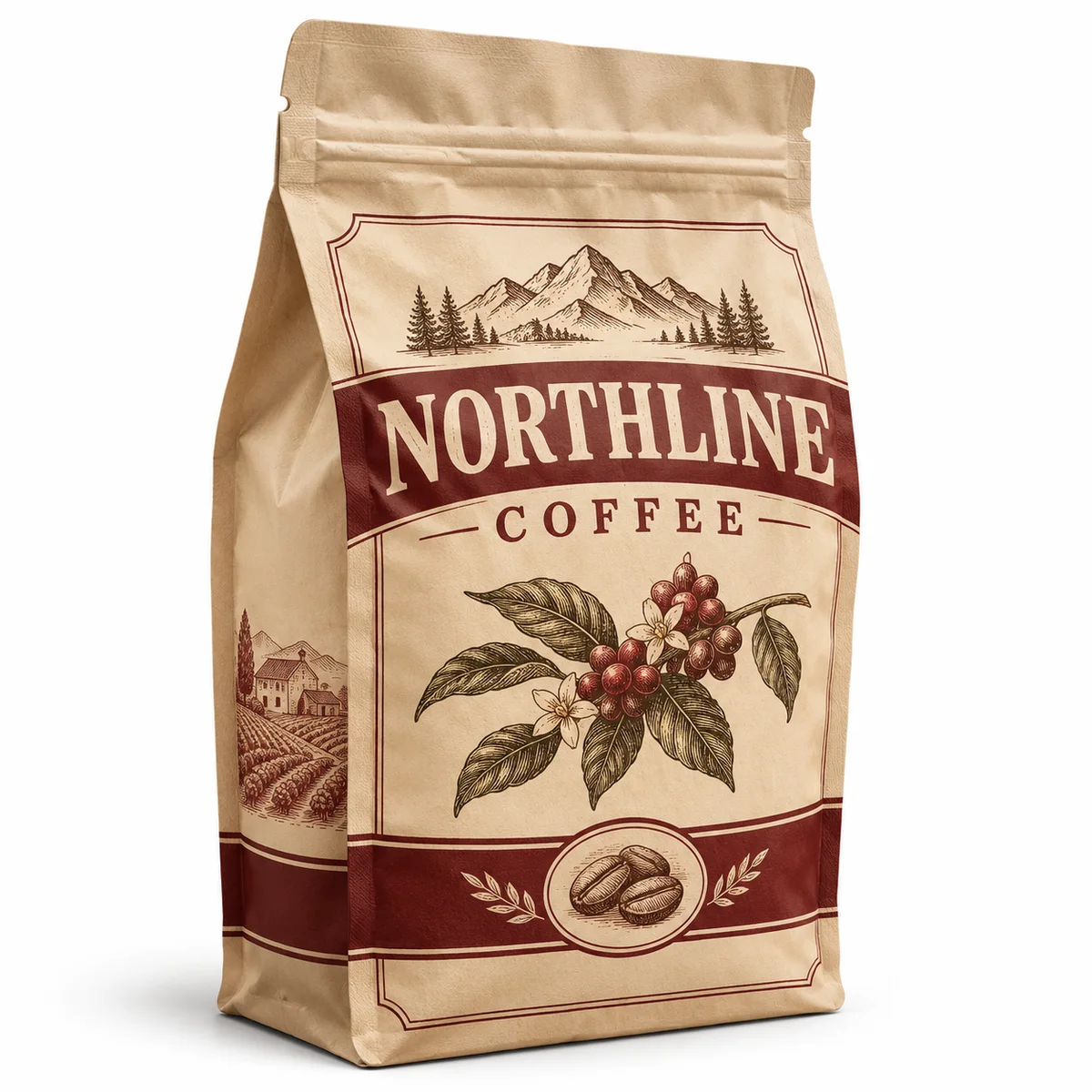
Coffee Stand-Up Pouch
Coffee pouch with a sealed upper edge, press-to-close zipper, and flat branded front face.
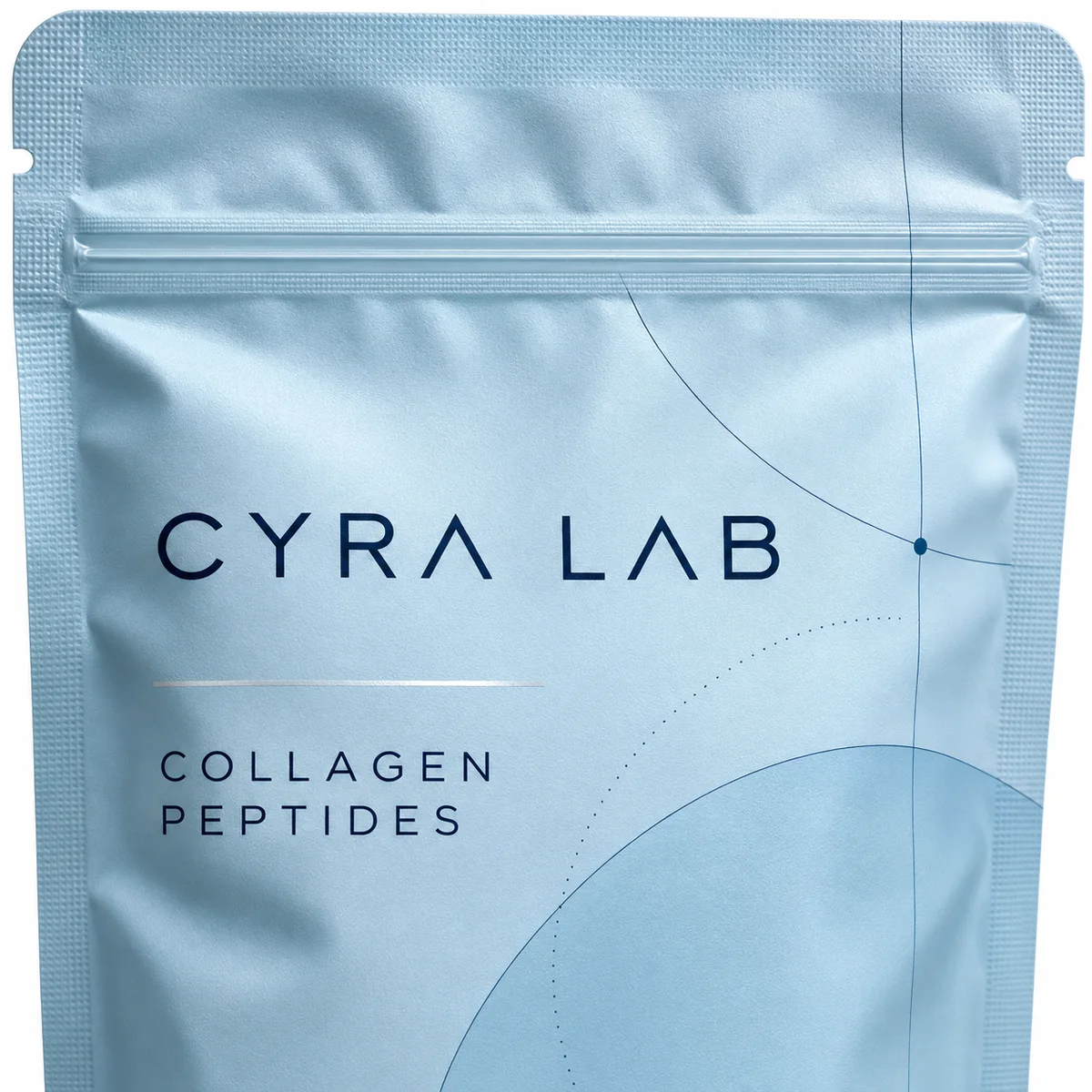
Minimal Powder Pouch
Blue powder pouch has a resealable zipper under its sealed top and a broad printable front.
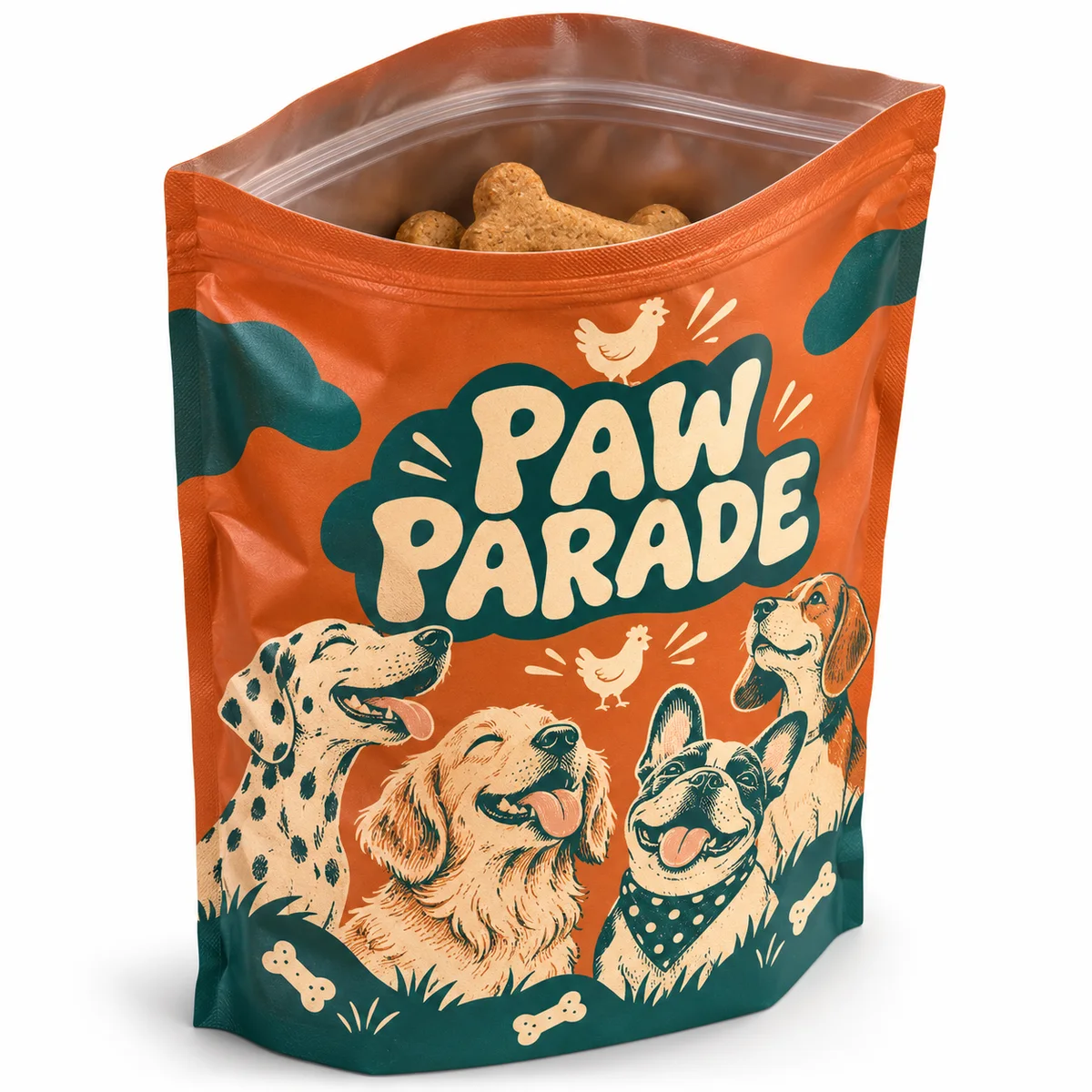
Pet Treat Zipper Pouch
Pet treat pouch features a top zipper closure, front print area, and formed base gusset.
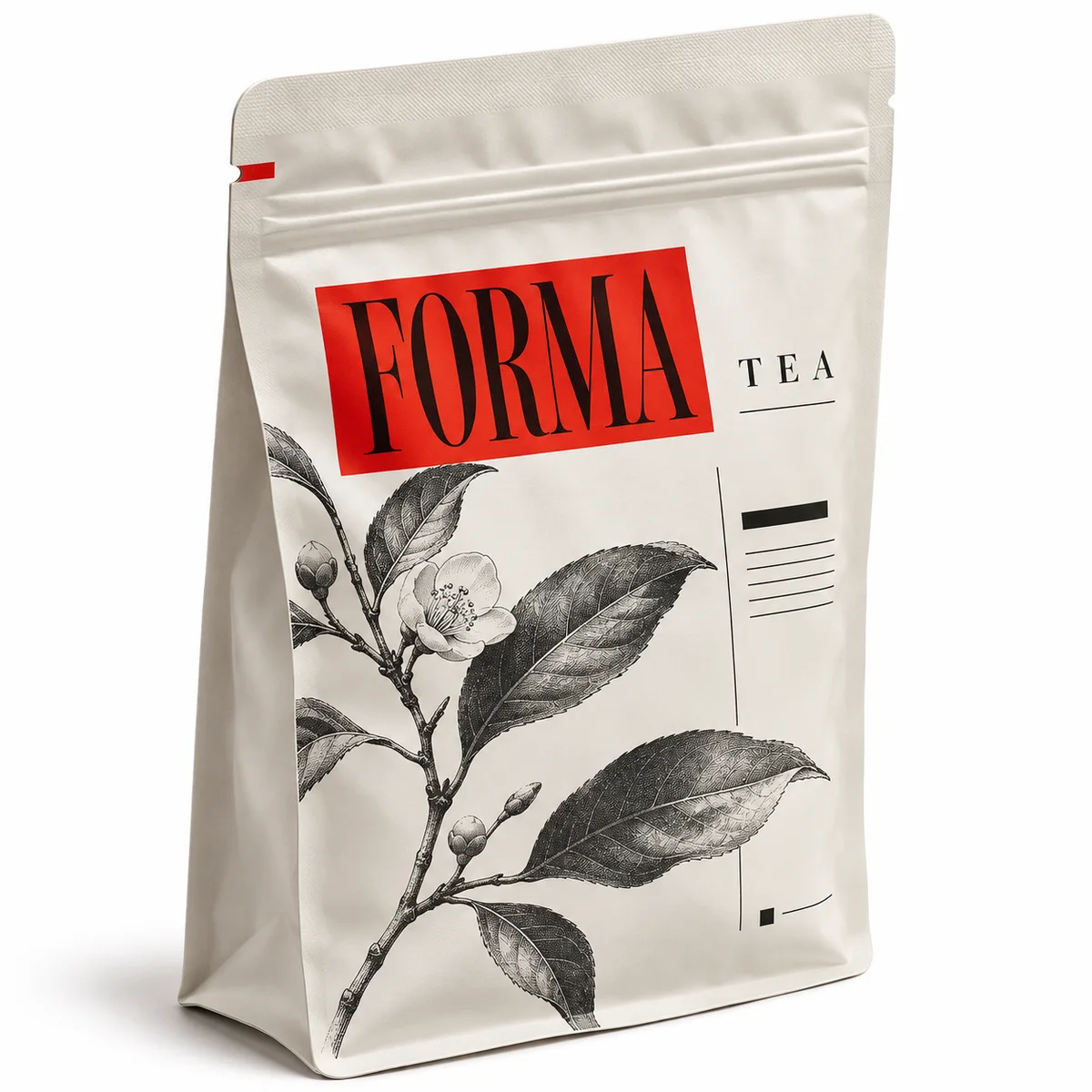
Editorial Tea Pouch
Tea pouch combines a white printed front panel, top zipper track, and folded lower gusset.
Can't find the perfect style?
Create a completely custom box design tailored to your brand.
Designed for Various Industries
We design packaging that fits every industry
From small businesses to global brands, our custom packaging solutions are built to elevate your brand and leave a lasting impression.
Cosmetics & Beauty
Food & Beverages
E-commerce & Retail
Electronics
Apparel & Fashion
Health & Wellness
Pharmaceuticals
Cannabis & CBD
Pet Products
Baby & Kids
Jewelry & Accessories
Home & Lifestyle
Candles & Fragrance
Coffee & Tea
Confectionery
Cosmetics & Beauty
Food & Beverages
E-commerce & Retail
Electronics
Apparel & Fashion
Health & Wellness
Pharmaceuticals
Cannabis & CBD
Pet Products
Baby & Kids
Jewelry & Accessories
Home & Lifestyle
Candles & Fragrance
Coffee & Tea
Confectionery
Supplements
Skincare & Personal Care
Haircare
Automotive
Sports & Fitness
Toys & Games
Stationery & Gifts
Bakery & Desserts
Wine & Spirits
Tobacco & Vape
Medical Devices
Tech Accessories
Subscription Boxes
Organic & Natural
Luxury Retail
Supplements
Skincare & Personal Care
Haircare
Automotive
Sports & Fitness
Toys & Games
Stationery & Gifts
Bakery & Desserts
Wine & Spirits
Tobacco & Vape
Medical Devices
Tech Accessories
Subscription Boxes
Organic & Natural
Luxury Retail
Built for brands
that care about detail.
Premium packaging. Precise printing.
Fast turnaround. No hidden costs.
10K+
Happy Customers
98%
Satisfaction Rate
Trusted by Top Brands
We work with startups to enterprises. Our boxes make an impact.
Free Design Support
Get expert help in creating the perfect packaging for your brand.
Warehouse Across USA
Faster fulfilment with local production and warehouses.
Print & Design Lovers
Crafted with passion, just the way your brand deserves.
Custom Zipper Pouches That Open Easily and Reseal Reliably
A resealable pouch has two jobs. Before opening, its top heat seal holds the packed product inside. After opening, a press-to-close zipper lets the customer close the bag between uses. Both have to work with the actual fill, not just look good in a product photo.
Resealable Zipper Pouches Made for Repeat Use
A snack buyer may open the same pack several times. If crumbs collect in the zipper tracks, the closure can feel stuck or stop meeting evenly. Powdered drink mixes create a similar problem when fine particles settle near the opening. Zipper position, headspace, and the way a pouch is filled all affect daily use.
Packopie designs custom zipper pouches around that routine. The zipper sits below the first-use heat seal, with room above it for a clean opening. A tear notch can guide the first tear without cutting through the zipper. Tear-notch packaging depends on that clear opening area; a notch is not a substitute for a sound seal.
The result is a package that can be opened, poured or scooped from, and closed again. Resealing helps with everyday handling, while the chosen film and seal still determine what protection the unopened pack provides.
Stand-Up, Flat-Bottom and Lay-Flat Zipper Pouch Styles
A bottom gusset gives a filled stand-up pouch a base. That matters for retail shelves, where a bag that leans or folds can hide its own product name. The gusset must be chosen with the fill weight and how the product settles inside. A pouch that stands well with dry cereal may behave differently when filled with dense powder.
Flat-bottom formats offer a broader standing surface for suitable products. Lay-flat zipper pouches take less display space and can work for light portions, samples, or orders packed inside another carton. Side-gusset formats add room for selected bulk fills.
These structures are not interchangeable just because they share a zipper. For products that need a controlled pour from a fitted opening, custom spouted pouches serve a different dispensing purpose. A zipper design is better evaluated around its opening width, reclosure, and filling method.
Barrier Films for Snacks, Powders, Coffee and Tea
Film choice starts with what can damage the product. Dry snacks may be sensitive to moisture. Coffee and tea may need protection against oxygen and aroma loss. Some ingredients also need shielding from light. No single film choice automatically suits every recipe or shelf-life target.
A PET/PE laminate pairs a printable outer film with a heat-sealable inner layer. Metallized film and foil laminate offer other barrier possibilities, subject to final layer design. Buyers comparing custom Mylar bags should review the exact film structure rather than assume a name guarantees a certain barrier level.
Clear film creates product visibility, but it also changes light protection. If the pack needs less complex protection, custom poly bags may be worth comparing for the intended use. Packopie can review moisture, oxygen, light, and handling needs before the material is settled. For food uses, the selected components must also be suitable for the intended contact and conditions.
Pouch Sizing That Accounts for Fill Weight and Gusset Space
Two products can fill the same pouch to very different heights. A cup of light, irregular chips does not pack like a cup of fine powder. Measuring only pouch width and height can produce a pack that is too full to seal or too empty to stand upright.
The starting brief should include the fill weight, product density, preferred opening width, and whether filling is manual or machine-assisted. Width, height, and gusset depth are then considered together. Enough space must remain above the contents for the zipper and top heat seal. Customers also need room to reach in or pour without spilling.
A filled sample reveals details that a flat drawing cannot: how the base opens, where the product gathers, and whether the closure stays clear. Packopie can use those results to refine dimensions before a larger printed run is planned.
Custom Printing, Windows and Finishes That Fit the Pouch
Printed artwork should remain readable after the pouch is filled and its gusset expands. A strong front panel has room for the brand, product name, important product details, and any required labeling. Text placed on the folds, zipper track, or heat-seal area can disappear or become hard to read.
CMYK printing supports full-color illustrations, photos, and distinct product designs. Front-and-back printing gives more room for preparation details and other information. Matte surfaces reduce glare; gloss gives a shinier appearance. The appropriate finish also depends on the film and printing process.
A clear window lets buyers see the actual contents. Fully transparent stand-up pouches offer another presentation approach, but visibility should be balanced against light sensitivity. Printed samples and dieline checks help confirm where artwork remains visible when the finished pouch is standing.
Resealable Packaging for Real Retail Products
Different fills make different demands. Trail mix needs a mouth wide enough for easy serving, plus a barrier matched to oils and moisture exposure. Protein powder needs extra attention to dust near the zipper. Pet treats may need a base that stays balanced as customers remove pieces over time. Spices call for careful control of small particles around the seal.
Coffee adds a separate concern. Freshly roasted beans can release gas after packing, so some custom coffee packaging uses a one-way degassing valve alongside a zipper. A zipper alone does not manage that gas. Loose tea often calls for a barrier that respects aroma and light sensitivity without relying on a valve.
These examples are starting points, not preset formulas. Material, zipper, opening, and size should follow the actual product and its filling process.
Custom Zipper Pouch Quotes Based on Your Specifications
A useful custom quote starts with more than a pouch photo. Packopie needs to understand the product, approximate fill weight, finished dimensions, preferred pouch style, film performance, artwork coverage, and order quantity. Add notes about a clear window, tear notch, hang hole, or coffee valve when the application calls for one.
Those details make it easier to compare a simple printed pouch with a higher-barrier or more complex structure. They also help flag questions about film compatibility, food-contact use, samples, printing, and production timing before costs are finalized.
With those choices outlined, Packopie can review the specifications and prepare pricing for a made-to-order zipper pouch that works on the shelf and after the first opening.
Frequently Asked Questions
No. A press-to-close zipper allows the pouch to be closed again after opening. A separate heat seal above the zipper provides the initial closure. The filling process must leave enough room for a clean top seal.
Powder can settle between the zipper tracks during filling or scooping. More headspace, a suitable zipper design, and testing with the actual powder can help prevent closure problems.
The bottom gusset supports the pouch when filled. Its stability also depends on pouch width, product density, and fill weight. Testing a filled sample helps confirm that the pouch stands properly on a shelf.
A clear window may not be the best option when the contents need strong protection from light. The window film must also meet the required moisture and oxygen barrier performance. Material selection should follow the product's shelf-life needs.
Freshly roasted coffee can release gas after packing. A one-way degassing valve may be needed, depending on the coffee and packing process. The zipper alone is not designed to release this gas in a controlled way.
Confirm that the final food-contact materials are suitable for the intended food and use conditions. Request supporting documentation for the film and its components. Food-contact suitability must be verified for the selected pouch structure.
More Solutions
You May Also Like
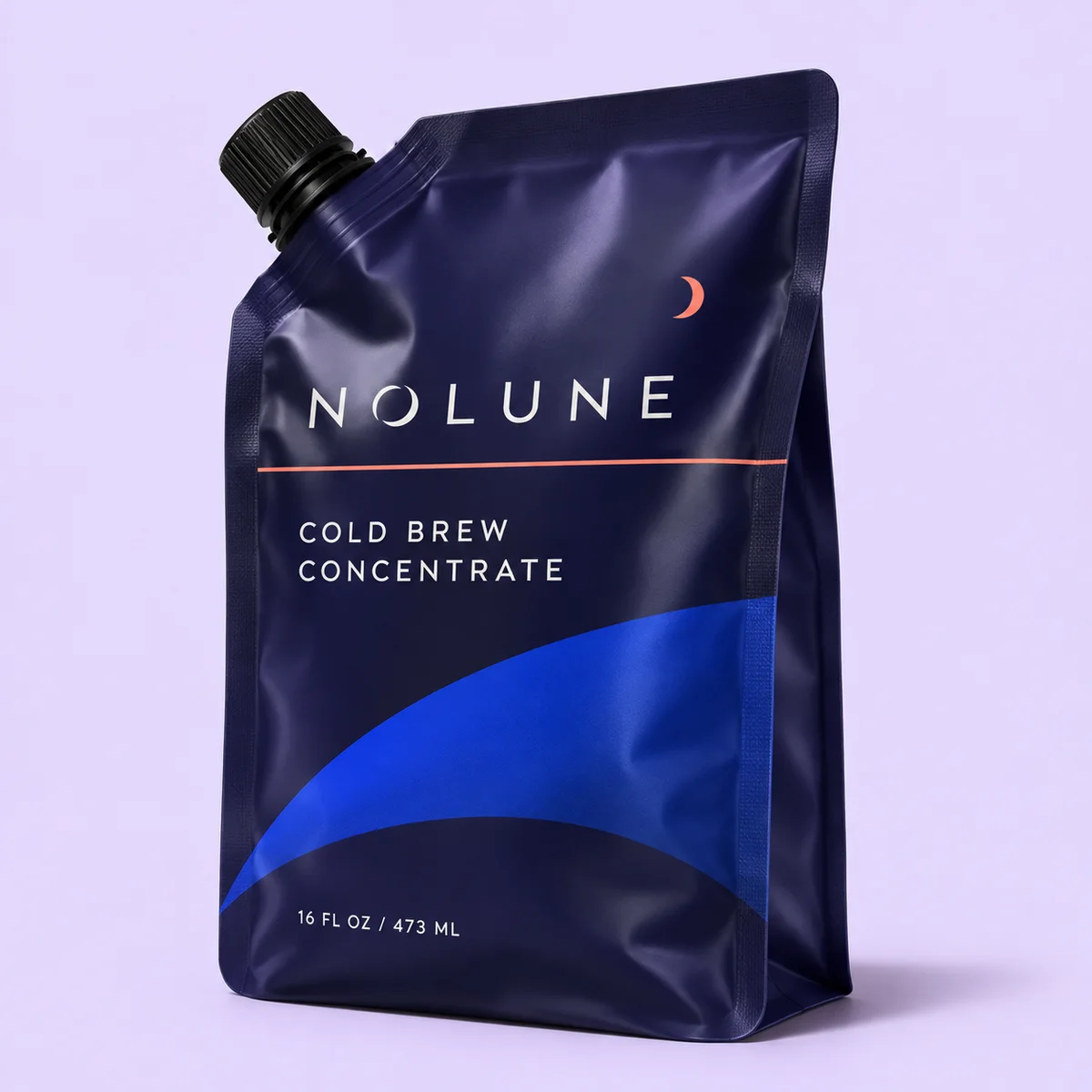
Custom Cold Brew Coffee Pouches
Cold brew concentrate needs a clean pour and a seal that fits the filling line. Tailor pouch shape, spout, and barrier film to your beverage.
View product →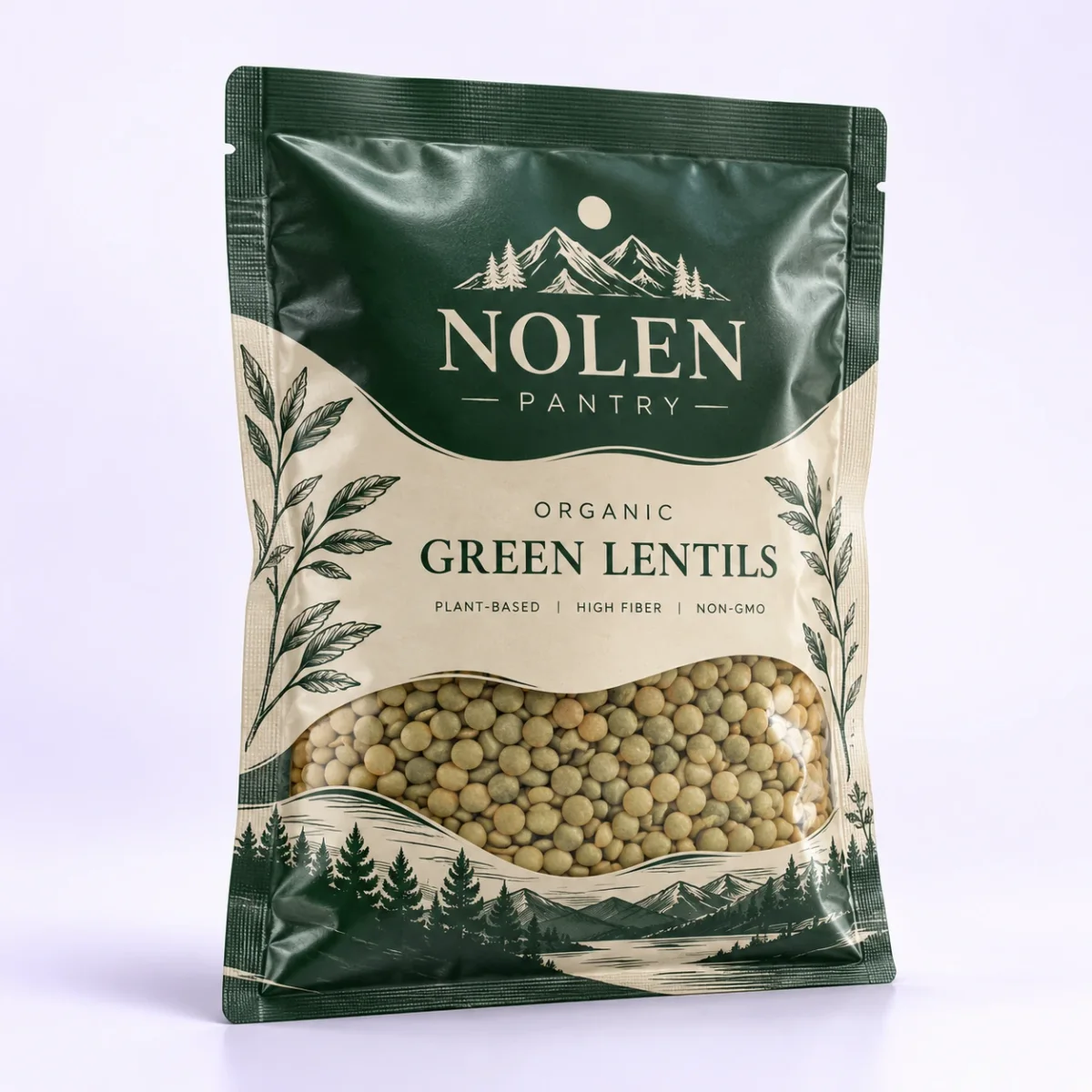
Custom Vacuum Sealed Mylar Bags
Vacuum sealing starts with machine fit. Plan printed Mylar bags around your sealer, product shape, barrier needs, and clear heat-seal space.
View product →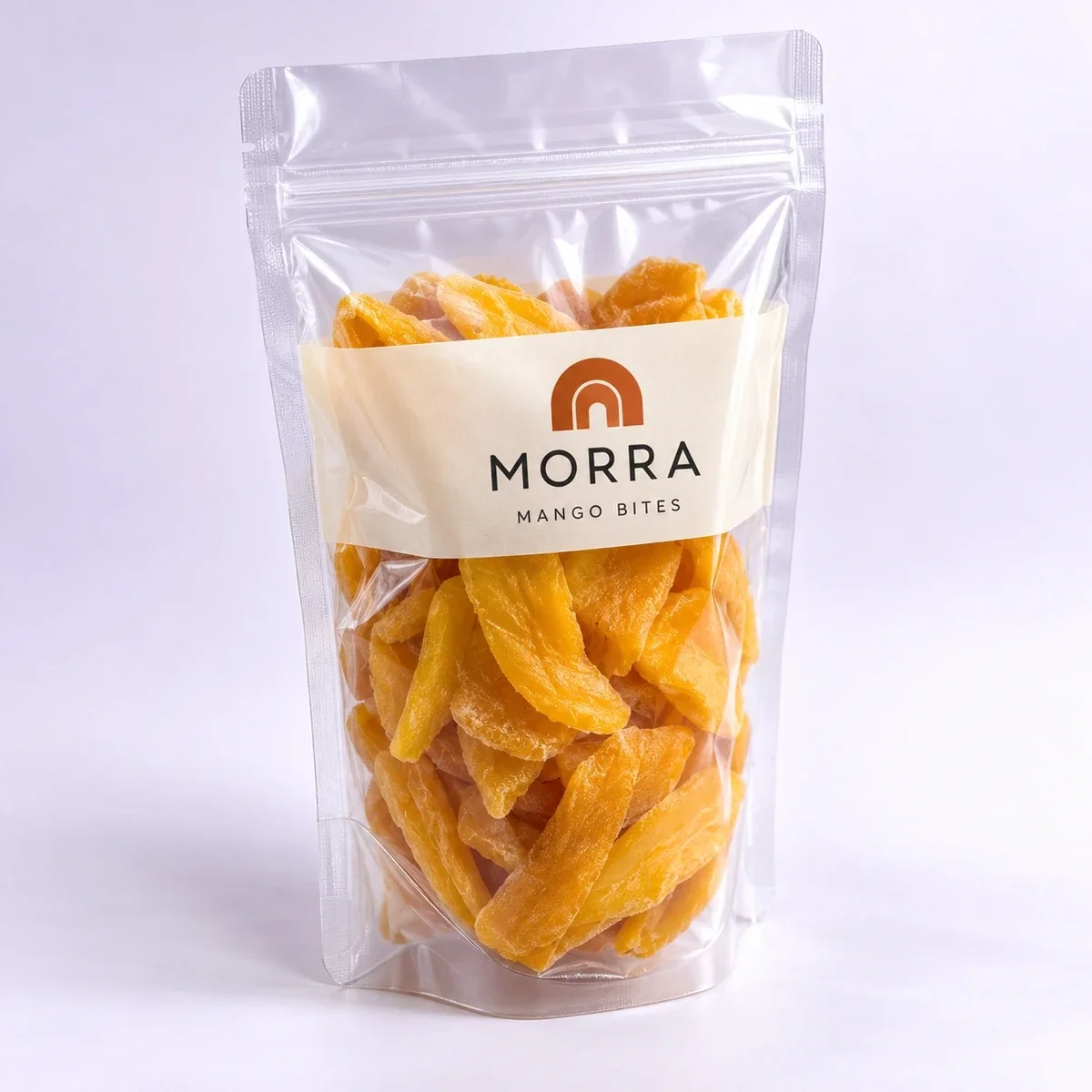
Custom Transparent Stand Up Pouches
Let shoppers see the dried fruit, candy, or treats inside. Clear stand-up pouches pair visible contents with printed branding and a stable gusset.
View product →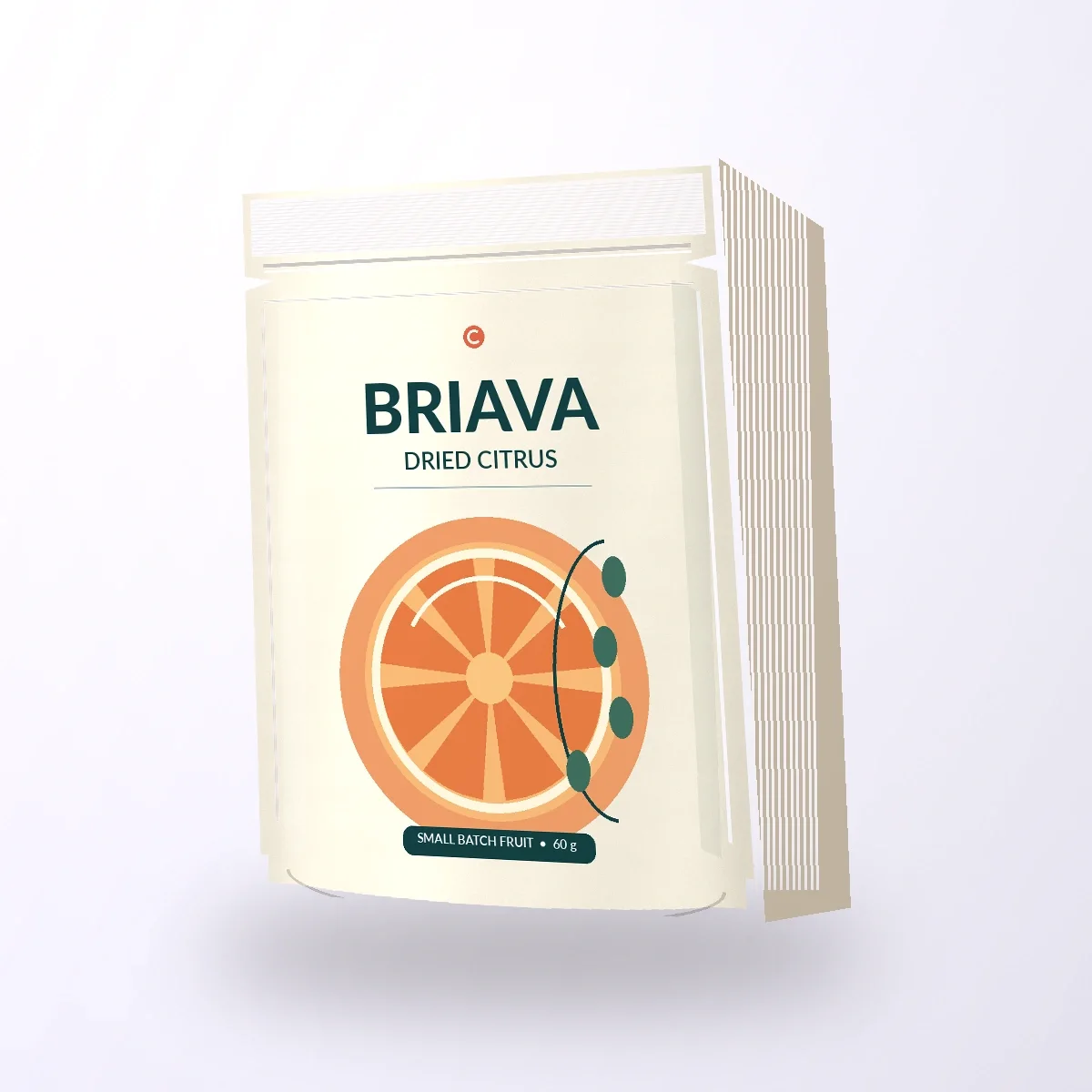
Custom Tear Notch Packaging
A tear notch gives sealed snack, powder, or refill pouches a clear opening point. Position it above a zipper and away from the usable product space.
View product →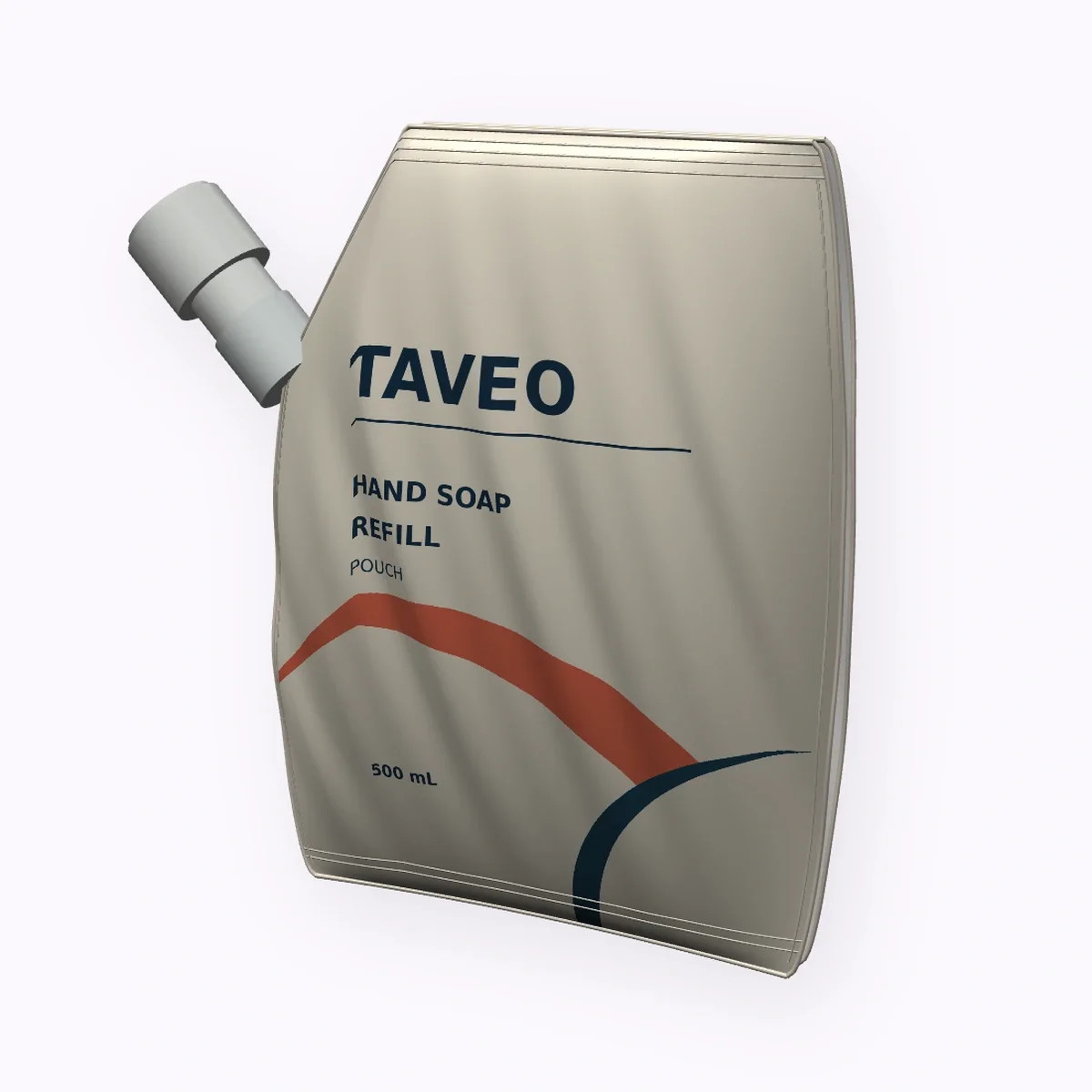
Custom Refill Pouch with Spout
Refill hand soap, detergent, or lotion with a spouted pouch designed around liquid flow, a resealable cap, and your filling line's needs.
View product →Custom Cold Brew Coffee Pouches
Cold brew concentrate needs a clean pour and a seal that fits the filling line. Tailor pouch shape, spout, and barrier film to your beverage.
View product →Custom Vacuum Sealed Mylar Bags
Vacuum sealing starts with machine fit. Plan printed Mylar bags around your sealer, product shape, barrier needs, and clear heat-seal space.
View product →Custom Transparent Stand Up Pouches
Let shoppers see the dried fruit, candy, or treats inside. Clear stand-up pouches pair visible contents with printed branding and a stable gusset.
View product →Custom Tear Notch Packaging
A tear notch gives sealed snack, powder, or refill pouches a clear opening point. Position it above a zipper and away from the usable product space.
View product →Custom Refill Pouch with Spout
Refill hand soap, detergent, or lotion with a spouted pouch designed around liquid flow, a resealable cap, and your filling line's needs.
View product →✦ Upgrade Today
Ready to Upgrade Your Brand Packaging?
Get custom templates matching your custom dimensions. Instant 3D digital proof samples returned in hours.