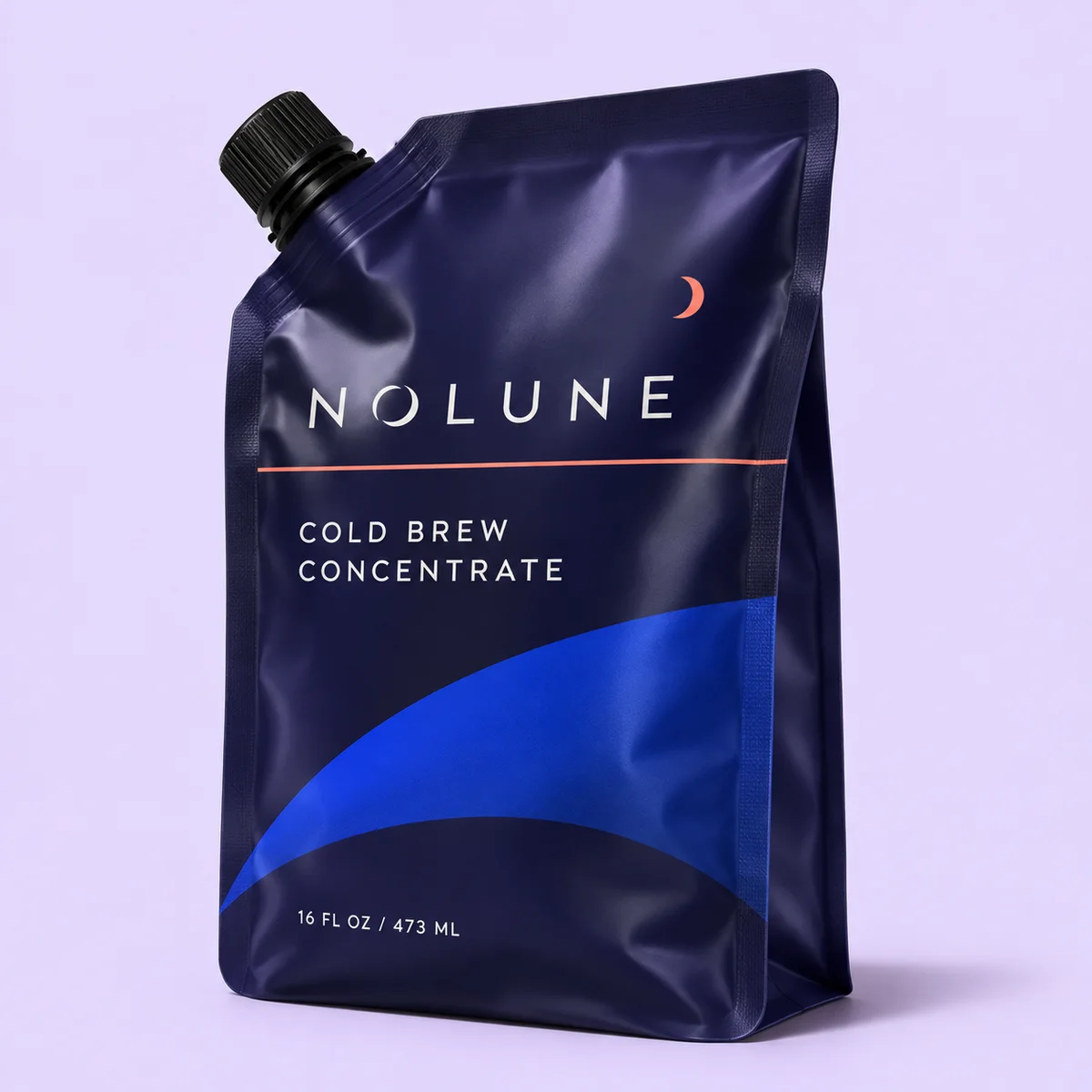
Custom Liquid Pouches
★★★★★
4.7/5.0Custom Cold Brew Coffee Pouches
Cold brew concentrate needs a clean pour and a seal that fits the filling line. Tailor pouch shape, spout, and barrier film to your beverage.
Premium Quality
Fully Customizable
Low MOQ
Fast Turnaround
100% Eco-Friendly
Sustainable materials
Free Shipping
On every order
No Die & Plate Charges
Zero hidden costs
100% Satisfaction
Quality guaranteed
Expert Support
We're here to help
Custom Cold Brew Coffee Pouches Quote
Estimated empty-pouch pricing only. Film, fitment, filling method, shipping and taxes need a final quote.
✓Response within30 minutes
✓Your info is privateSecure
✓No obligation100% free
Ready to quote your cold brew pouch?
Design Varieties
Explore a wide range of cold brew coffee pouches
Discover multiple options of cold brew coffee pouches to choose the right one for your coffee brand
Matte Spout Pouch
Matte stand-up liquid pouch with sealed top, base gusset, and angled black screw-cap spout.
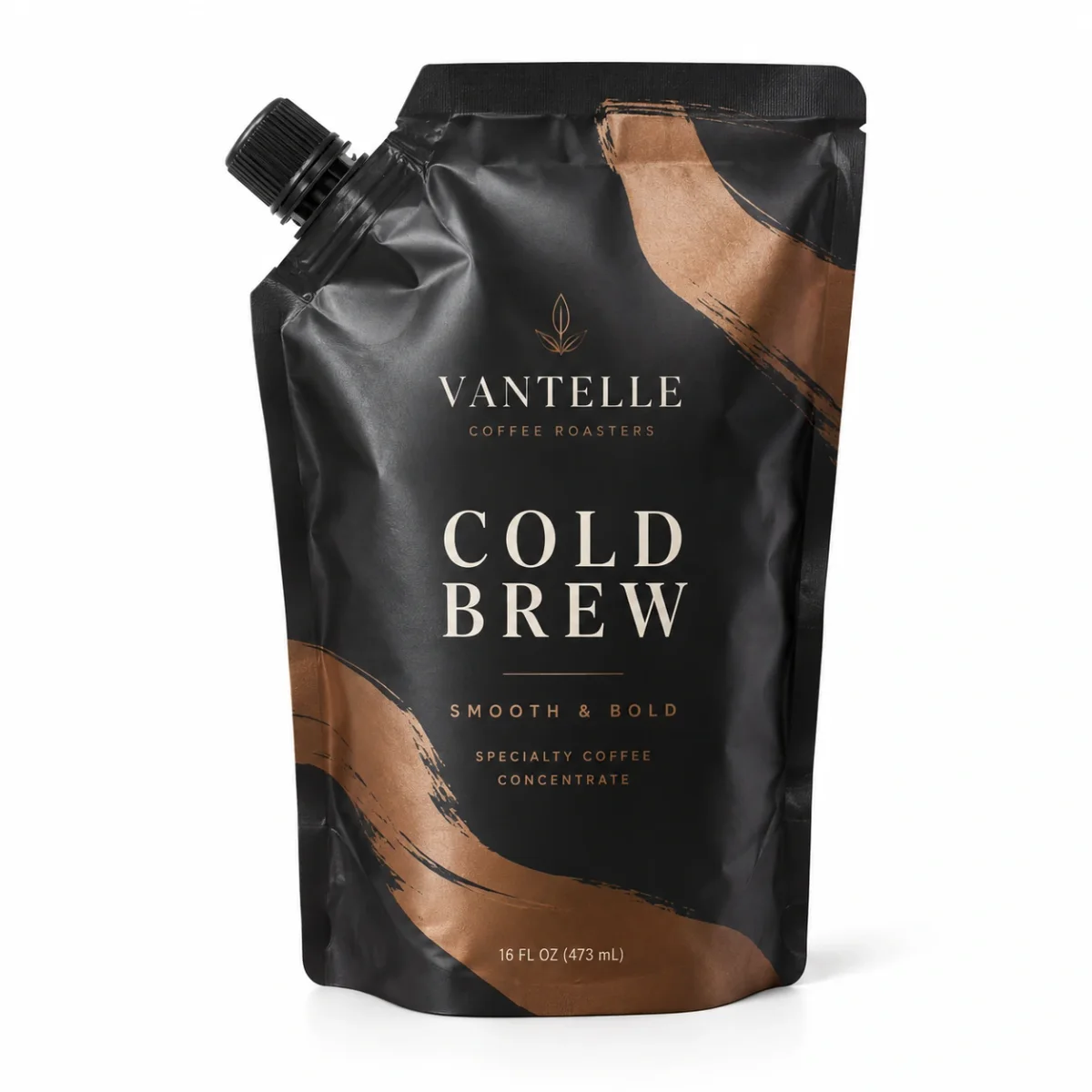
Botanical Spout Pouch
Botanical print spans the pouch front, with an angled cap, sealed edges, and base gusset.
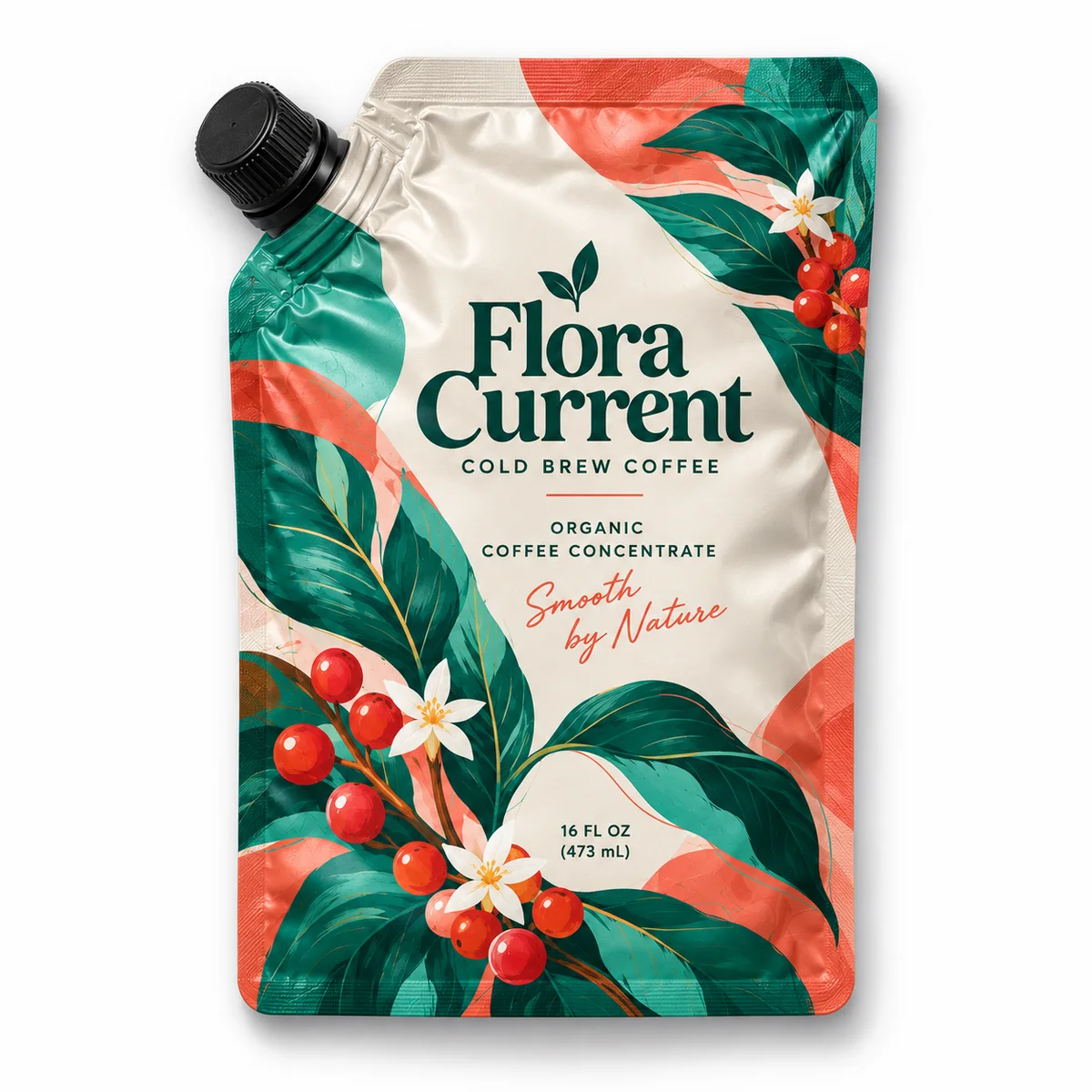
Typographic Liquid Pouch
Large type covers the front of a gusseted pouch with a screw-cap corner dispensing spout.
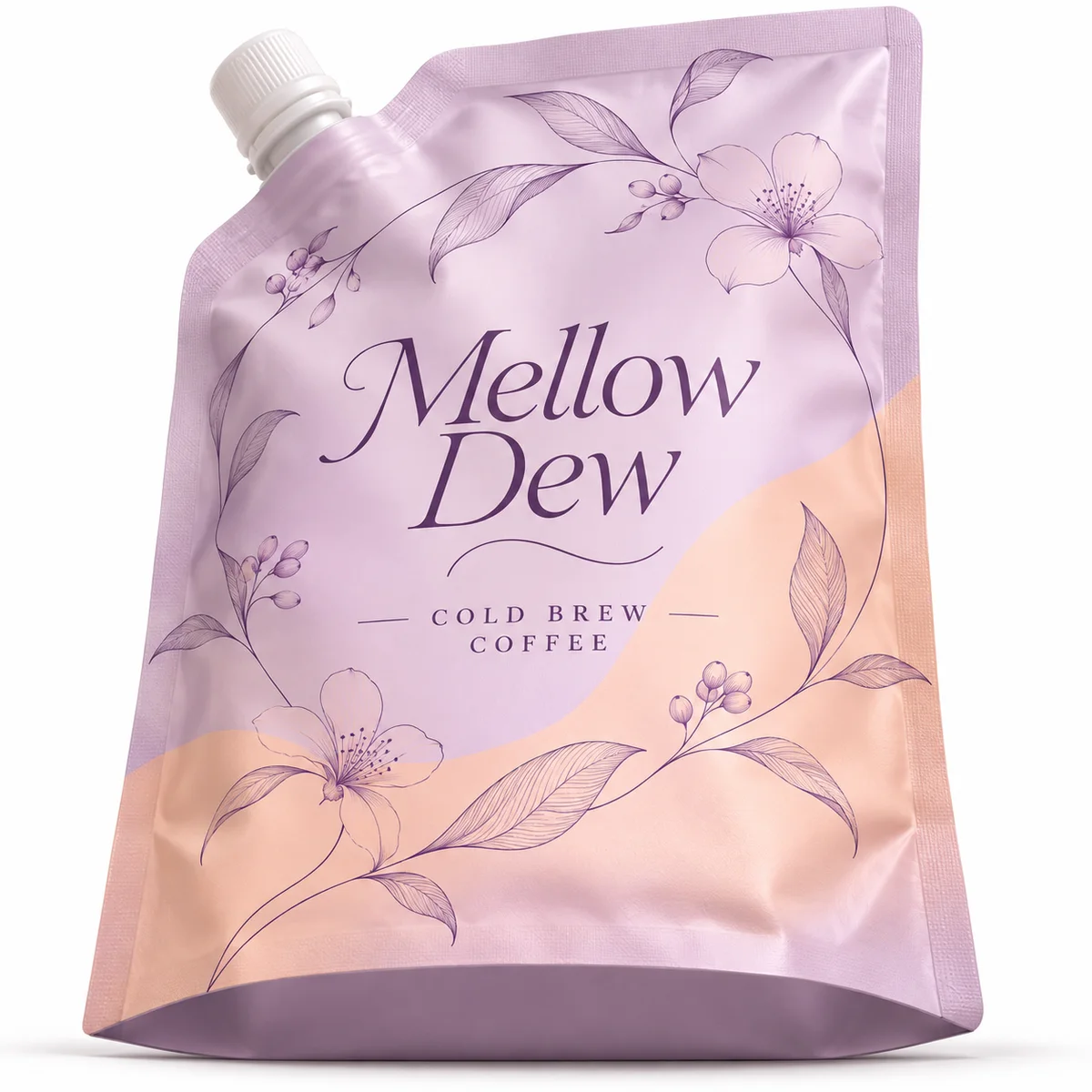
Pastel Printed Pouch
Pastel leaf lines cover a stand-up liquid pouch with a white cap and heat-sealed side edges.
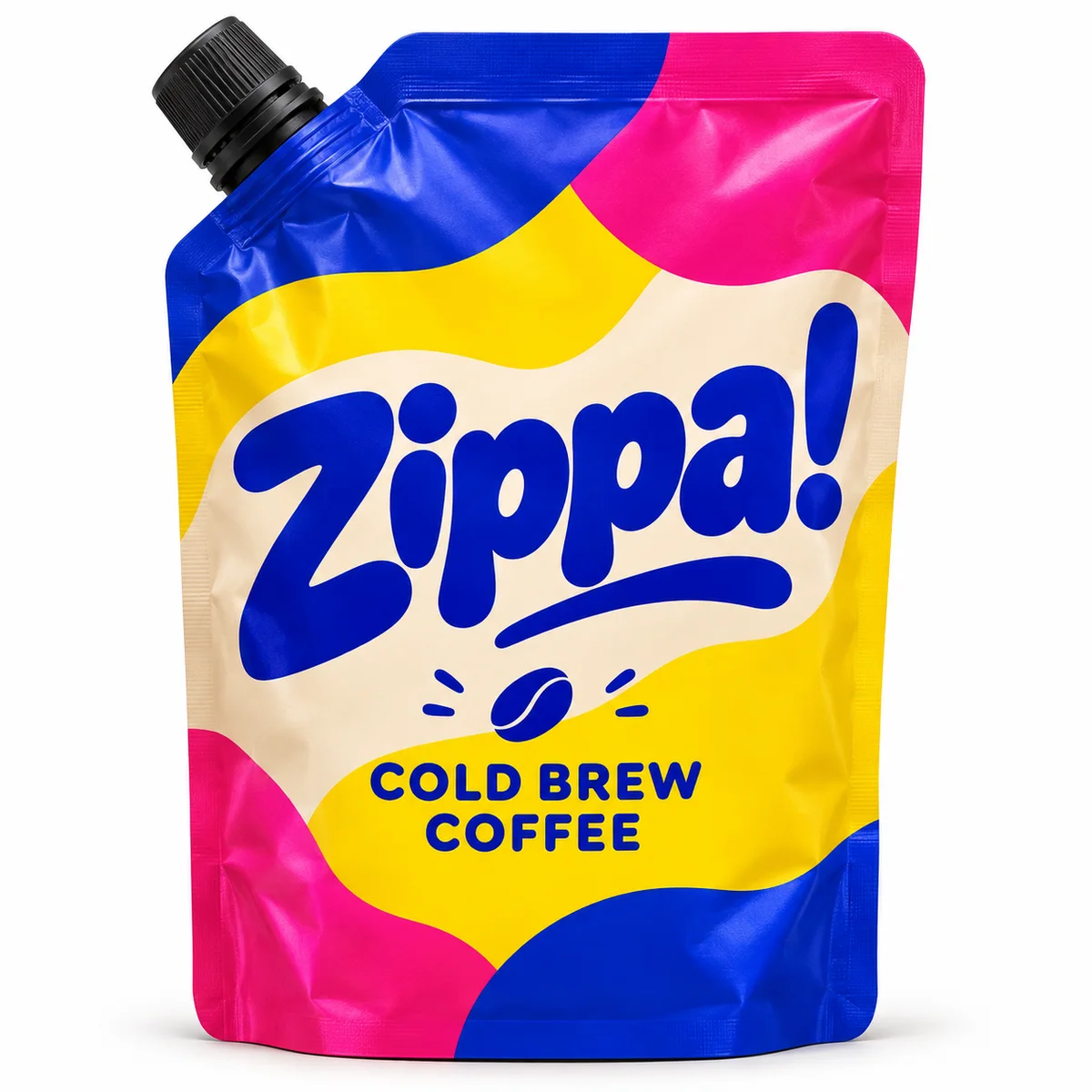
Colorblock Spout Pouch
Bright color blocks wrap a sealed stand-up pouch with a corner cap and wide bottom gusset.
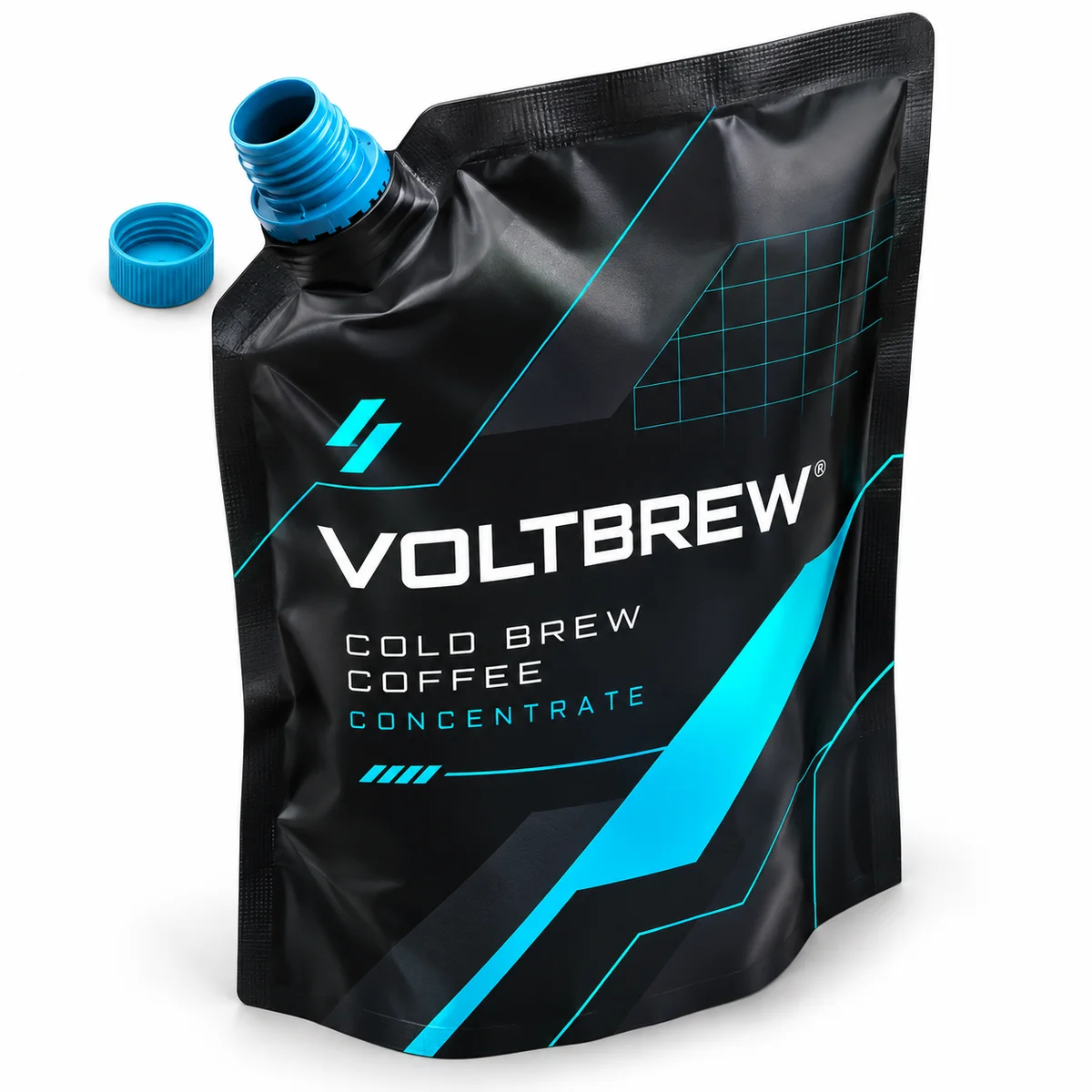
Geometric Liquid Pouch
Angular graphics cover a gusseted liquid pouch with a corner spout and heat-sealed top edge.
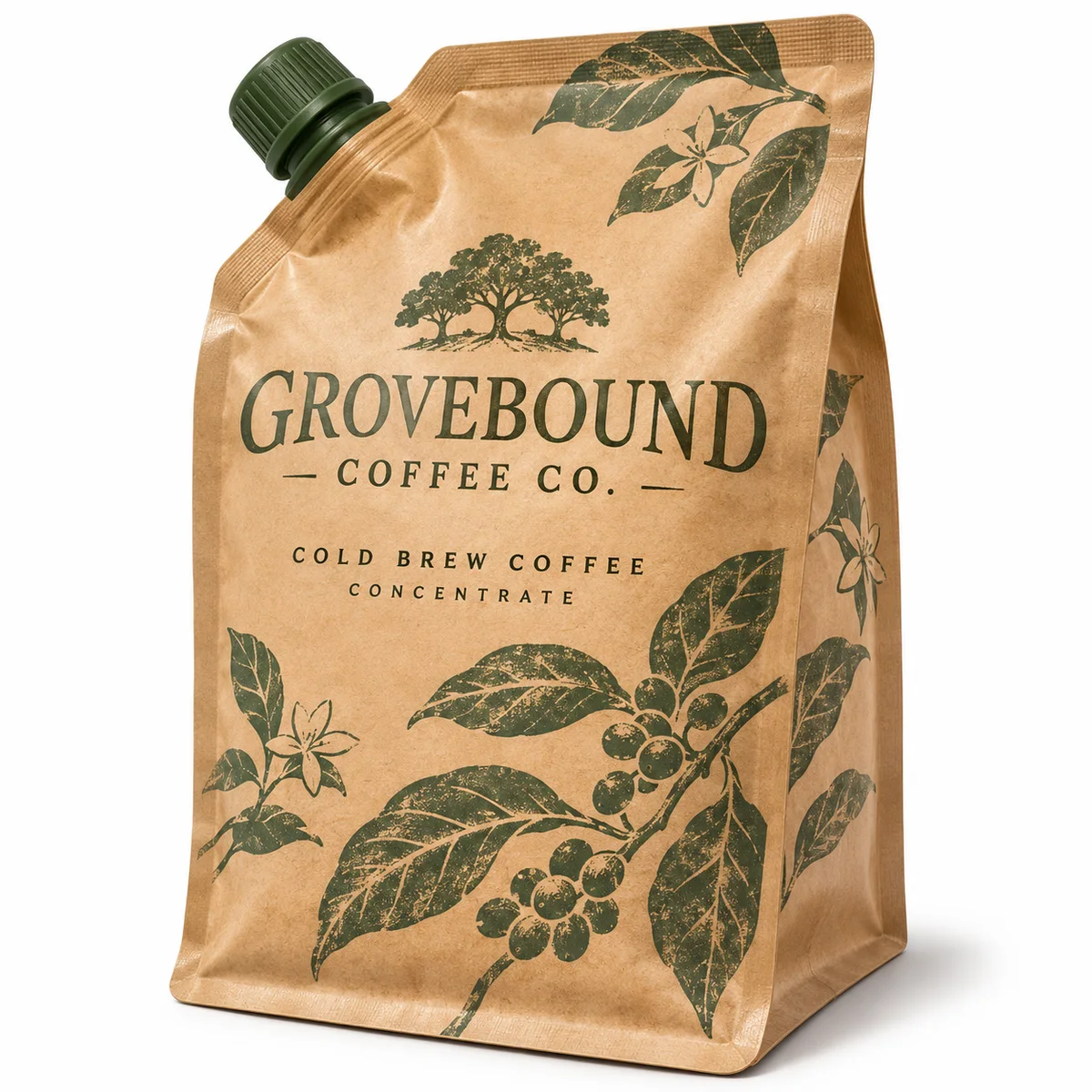
Kraft Look Spout Pouch
Kraft-look print covers a stand-up pouch with a corner spout, sealed edges, and flat base.
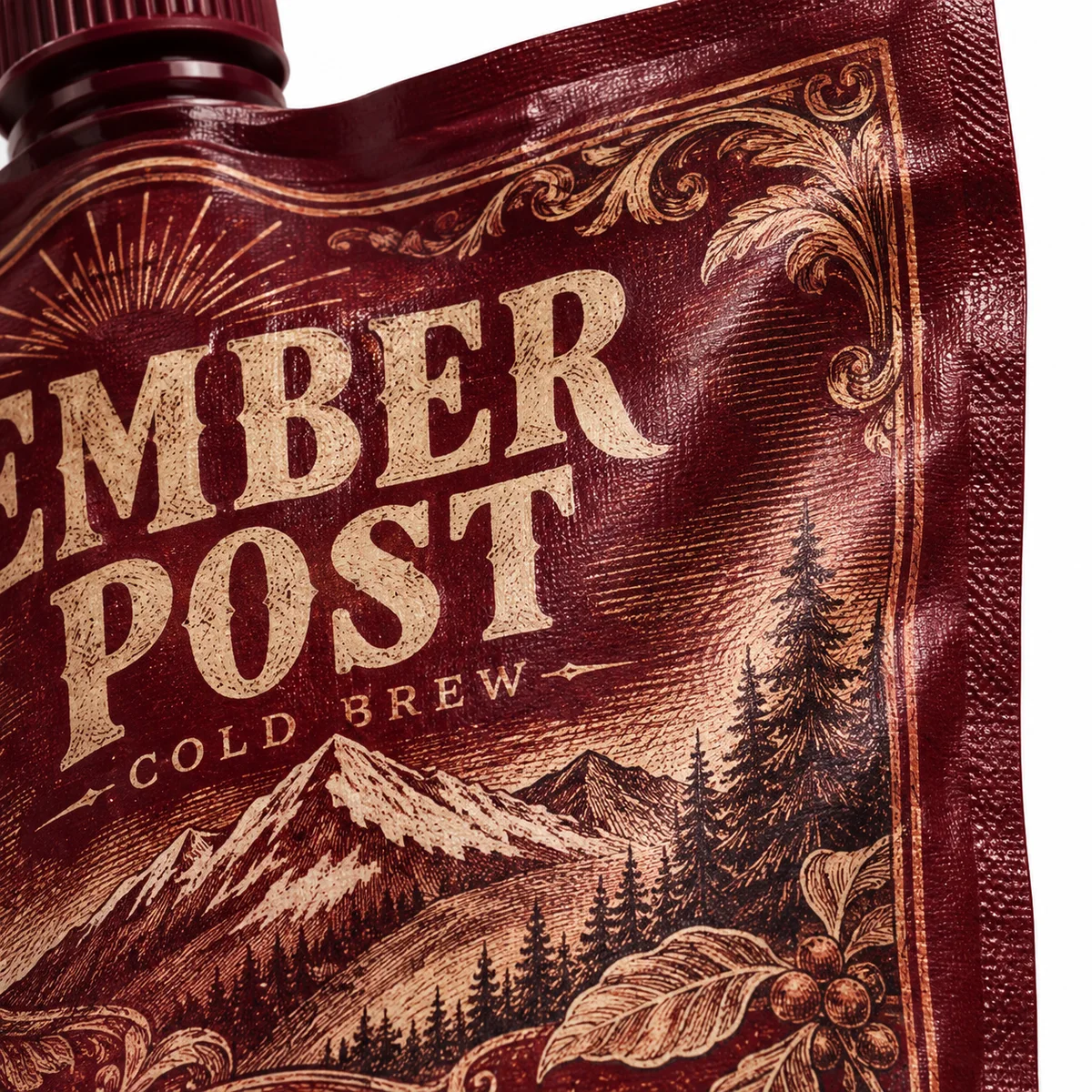
Vintage Printed Pouch
Vintage line art sits on a stand-up pouch with sealed seams, a flat base gusset, and spout.
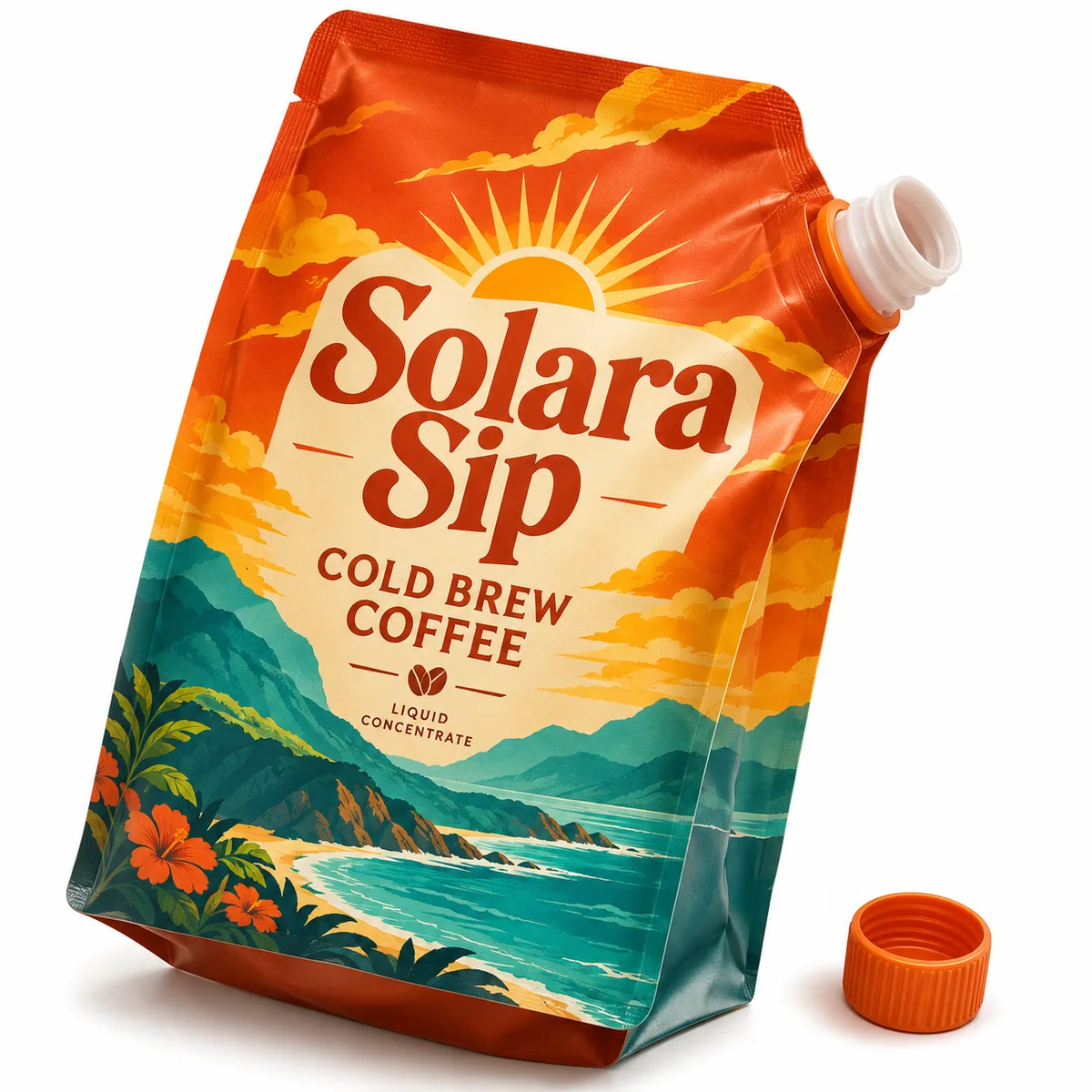
Sunrise Printed Pouch
A full-color sunrise print wraps a stand-up liquid pouch with a side spout and sealed edges.
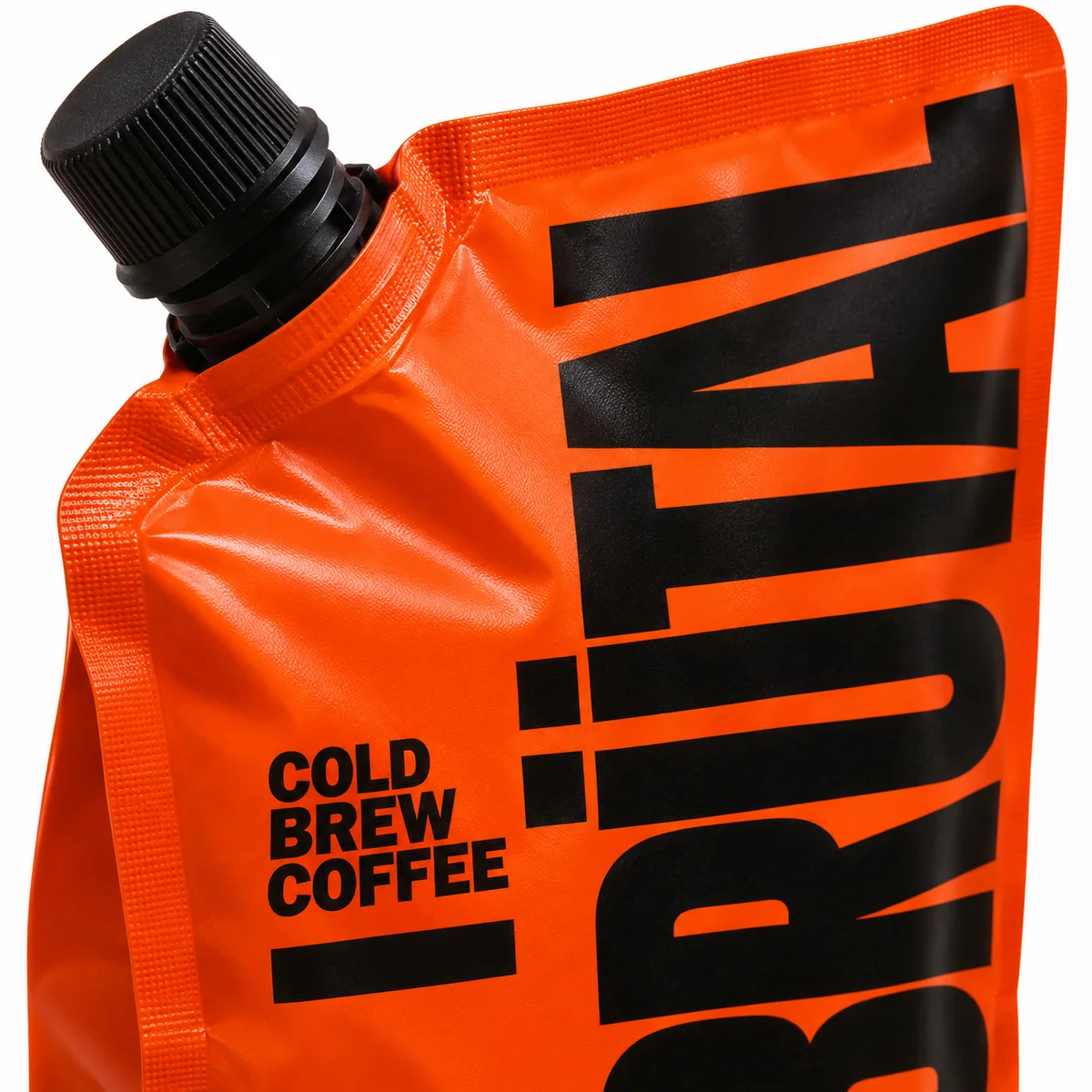
Bold Type Spout Pouch
Oversized type covers a liquid pouch with sealed edges, bottom gusset, and corner spout.
Can't find the perfect style?
Create a completely custom box design tailored to your brand.
Designed for Various Industries
We design packaging that fits every industry
From small businesses to global brands, our custom packaging solutions are built to elevate your brand and leave a lasting impression.
Cosmetics & Beauty
Food & Beverages
E-commerce & Retail
Electronics
Apparel & Fashion
Health & Wellness
Pharmaceuticals
Cannabis & CBD
Pet Products
Baby & Kids
Jewelry & Accessories
Home & Lifestyle
Candles & Fragrance
Coffee & Tea
Confectionery
Cosmetics & Beauty
Food & Beverages
E-commerce & Retail
Electronics
Apparel & Fashion
Health & Wellness
Pharmaceuticals
Cannabis & CBD
Pet Products
Baby & Kids
Jewelry & Accessories
Home & Lifestyle
Candles & Fragrance
Coffee & Tea
Confectionery
Supplements
Skincare & Personal Care
Haircare
Automotive
Sports & Fitness
Toys & Games
Stationery & Gifts
Bakery & Desserts
Wine & Spirits
Tobacco & Vape
Medical Devices
Tech Accessories
Subscription Boxes
Organic & Natural
Luxury Retail
Supplements
Skincare & Personal Care
Haircare
Automotive
Sports & Fitness
Toys & Games
Stationery & Gifts
Bakery & Desserts
Wine & Spirits
Tobacco & Vape
Medical Devices
Tech Accessories
Subscription Boxes
Organic & Natural
Luxury Retail
Built for brands
that care about detail.
Premium packaging. Precise printing.
Fast turnaround. No hidden costs.
10K+
Happy Customers
98%
Satisfaction Rate
Trusted by Top Brands
We work with startups to enterprises. Our boxes make an impact.
Free Design Support
Get expert help in creating the perfect packaging for your brand.
Warehouse Across USA
Faster fulfilment with local production and warehouses.
Print & Design Lovers
Crafted with passion, just the way your brand deserves.
Custom Cold Brew Coffee Pouches Designed for Pouring and Production
A cold brew pouch may look sharp on a design proof and still cause trouble on the filling line. A spout that is too narrow can slow the pour. A weak fitment weld can put filled cases at risk. Custom Cold Brew Coffee Pouches should start with the drink, the machine, and the way customers will use the concentrate. Then the printed pouch can carry the brand without fighting the job it was made to do.
Cold Brew Concentrate Pouches Made for Repeat Pouring
Cold brew concentrate is often mixed with water, milk, or ice across several servings. That makes its pack different from a single-use drink. A screw-cap spout gives customers a defined opening to pour from and close again, while a shaped bottom gusset can help the pouch stand for retail display or kitchen storage.
A corner spout can suit a controlled side pour. A centered top spout may better fit another handling or filling setup. Neither position automatically solves drips or leaks. The cap, neck, and seal need to function as one system. For cold brew sold as a concentrate, it also helps to know whether people will pour small doses or empty the pouch in one use.
Spout and Filling-Line Details That Belong in the First Brief
There are two common routes for filling premade spout pouches. A line may dispense coffee through a fitted spout and then apply the cap. Another may fill through an open top and heat-seal the remaining edge. The same pouch cannot be assumed to work on both lines without checking the equipment.
Share the nozzle diameter, filling temperature, expected flow rate, and cap application method. If a co-packer handles the coffee, the pack specification should reflect its grippers, guides, seal jaws, and coding process. This is particularly useful when comparing different custom spouted pouches for beverage projects.
A wider mouth may ease filling, but it also changes the cap, pour control, and overall silhouette. Check that the opening supports both production and pouring.
Coffee Barrier Films Chosen for the Actual Beverage
Film selection begins with the recipe and storage plan. Cold brew can be sensitive to oxygen exposure, and a printed outer layer does not tell you how well the full laminate limits oxygen or light. Oxygen transmission rate, often called OTR, describes how much oxygen can pass through a material under specified test conditions.
Possible structures include clear PET/PE, metallized PET/PE, and foil-based PET/AL/PE. A custom aluminum foil spout pouch may be worth reviewing when stronger light protection is needed. Custom transparent stand up pouches create a different presentation, but any clear structure needs special attention to the drink's light and barrier requirements.
Thickness alone is not proof of shelf life. The contact layer, adhesive system, spout weld, and fill conditions must suit the beverage. Packopie can help narrow the packaging specification, while the beverage producer or qualified testing partner must validate product safety and shelf life.
Pouch Dimensions That Leave Room for a Real Fill
A label that says 500 mL does not mean any pouch described as 500 mL can be filled to its top seal. The final usable volume depends on pouch shape, bottom gusset, cap placement, headspace, and how the filled pack behaves when handled.
Begin with target liquid volume, not just width and height. Samples can reveal whether the base stands as intended, whether liquid reaches the seal during handling, and whether the filled pouch fits a carton or shelf.
Packopie's current quote builder uses a 500 mL-class reference and adjustable dimensions. These are planning inputs rather than a guaranteed filled capacity. Final sizing comes from a filled-pouch trial using the actual coffee and closure.
Custom Printing That Works Around the Spout and Seams
The most visible part of a branded pouch is not always the widest printable area. A corner spout takes space from the upper panel. Side seals and a bottom gusset can bend or hide letters when the pouch fills. Keep logos, mixing instructions, ingredient text, and QR codes away from areas that distort or are covered by the closure.
Full-color artwork can be planned for a front-only print or both faces. Matte or gloss finishes change the visual effect, but each choice still has to suit the film and production method. Leave a dedicated space for lot and date coding so the filling line can add that information without covering important text.
For brands selling more than one coffee format, the visual system can also connect to the broader custom coffee packaging range. The priority on this page remains the liquid pouch and its real printed surface.
Filled-Pouch Tests That Protect the Launch
An empty sample may show the right artwork and cap, but it cannot prove how the finished pack survives a trip to a customer. A meaningful trial uses a representative coffee fill, the selected laminate, the actual spout, and the intended cap. Inspect the film seams, fitment weld, closure engagement, and any final top seal after filling.
A leak test should reflect expected storage and distribution conditions. Check whether pouches stand upright, remain sealed after handling, and fit the planned shipping case.
Food-contact suitability is tied to the intended use conditions. A seal also does not make an unprocessed drink shelf-stable. Storage temperature, processing controls, and shelf-life limits must be established for the finished coffee independently of the pouch artwork.
Cold Brew Pouch Quotes Based on Useful Specifications
A custom quote becomes more accurate once the beverage and equipment details are clear. The most helpful starting information is the target fill volume, pouch dimensions or reference sample, coffee formulation, storage plan, spout location, cap choice, print artwork, and expected order quantity.
Packopie's draft Quote Builder currently uses a suggested base of $1.00 per pouch at 500 units before optional adjustments. This is a planning estimate, not a guaranteed offer; final material choices, fitments, manufacturing, testing, and freight affect the price. Standard lead-time settings are also estimates subject to production review.
A brief that includes the filling-line requirements and the intended retail use gives Packopie a practical starting point for refining the dieline, print proof, and pricing. It helps the final pouch reflect both the brand on the shelf and the demands of liquid coffee in use.
Frequently Asked Questions
It depends on how your line fills the pouch. Some processes fill through the spout, while others fill through an open edge before sealing. Share the nozzle size and machine setup so the fitment and pouch can be checked together.
The recipe may change the food safety, storage, and processing requirements. Milk-based drinks need particular attention to allergens and microbial safety. The pouch film, closure, and filling process must be qualified for the actual beverage.
Yes, usable fill volume and the pouch's stated size are not always identical. The fill level must account for closure clearance, sealing, and handling. A filled-pouch test determines the final dimensions.
No. A sealed pouch does not make the drink shelf-stable by itself. Shelf life and storage temperature depend on the recipe, processing method, and validated safety controls. Refrigeration requirements must be confirmed for the finished beverage.
Leakage can occur at the cap, spout weld, or pouch seams if the package is not properly matched to the fill and handling conditions. Closure and finished-package testing help identify these problems before a production run.
Place QR artwork on a readable, relatively flat printed panel. Reserve a separate area for the lot code and date applied during production. Confirm both positions against the final dieline and filling-line coding equipment.
More Solutions
You May Also Like
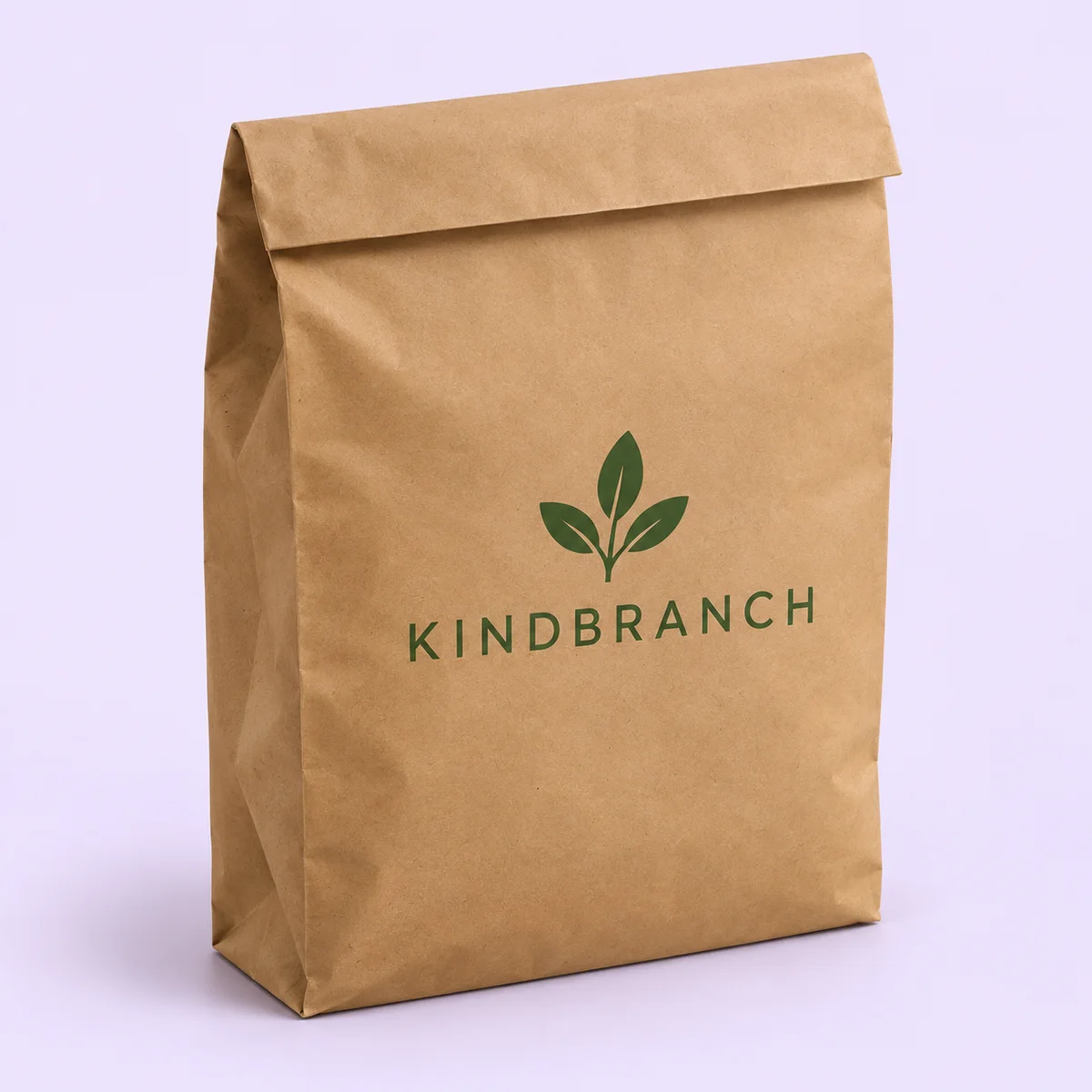
Custom Kraft Mailing Bags
Folded apparel and soft goods need room without a bulky box. Brand the delivery in kraft mailing bags with a fold-over flap and flat or gusseted sides.
View product →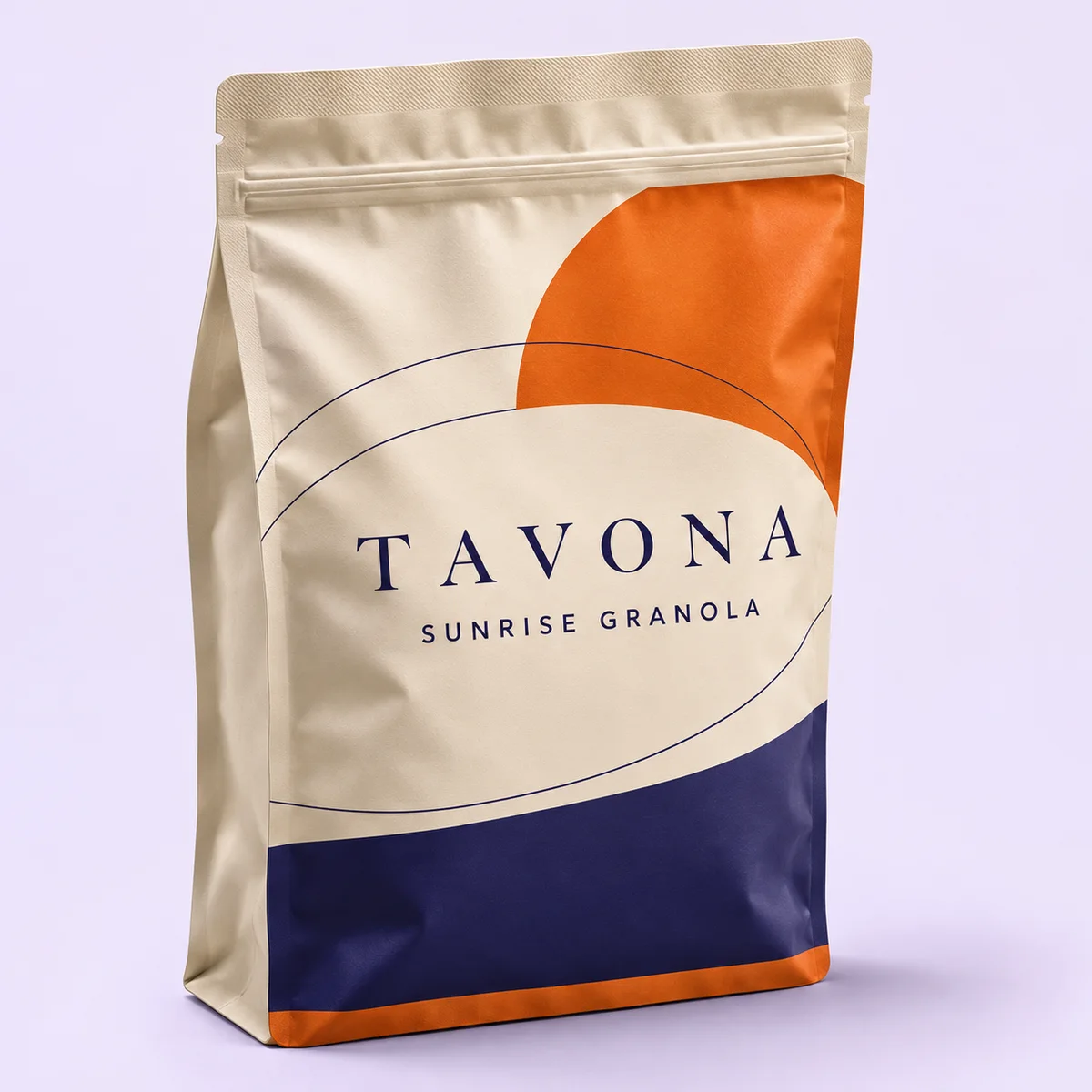
Custom Zipper Pouches
A zipper keeps opened packs easy to close again, while the right gusset and film help snacks, powders, or tea hold their shape and handle everyday use.
View product →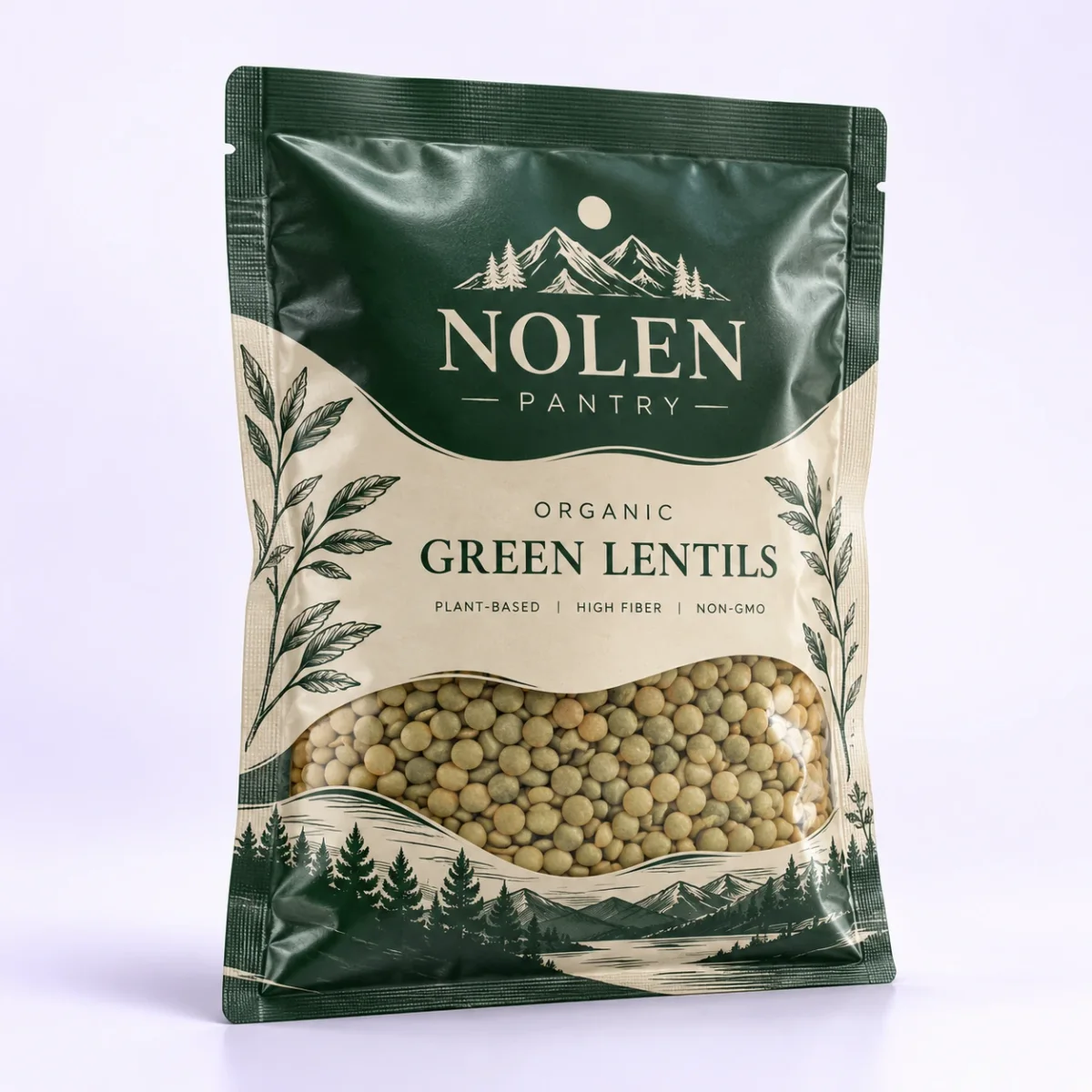
Custom Vacuum Sealed Mylar Bags
Vacuum sealing starts with machine fit. Plan printed Mylar bags around your sealer, product shape, barrier needs, and clear heat-seal space.
View product →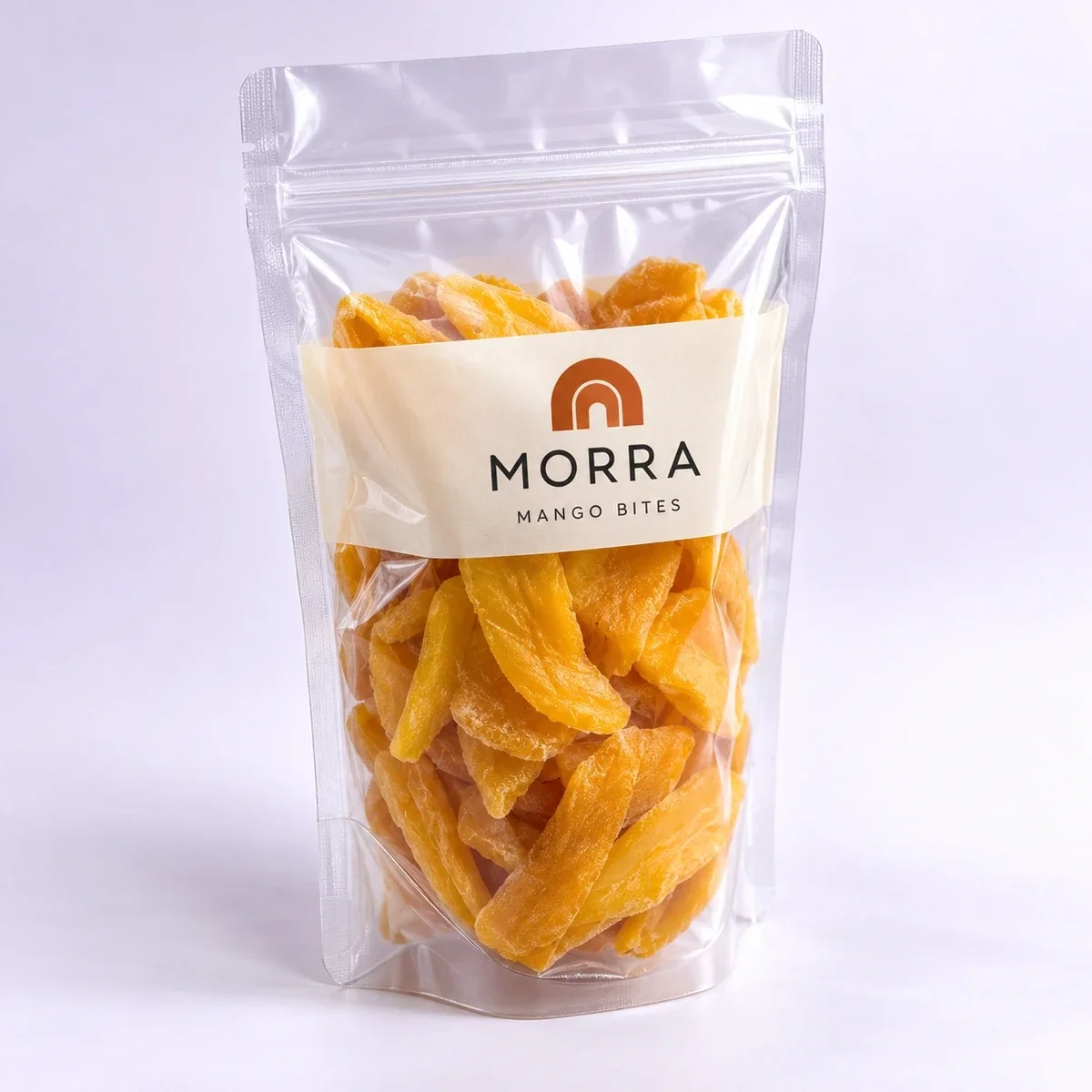
Custom Transparent Stand Up Pouches
Let shoppers see the dried fruit, candy, or treats inside. Clear stand-up pouches pair visible contents with printed branding and a stable gusset.
View product →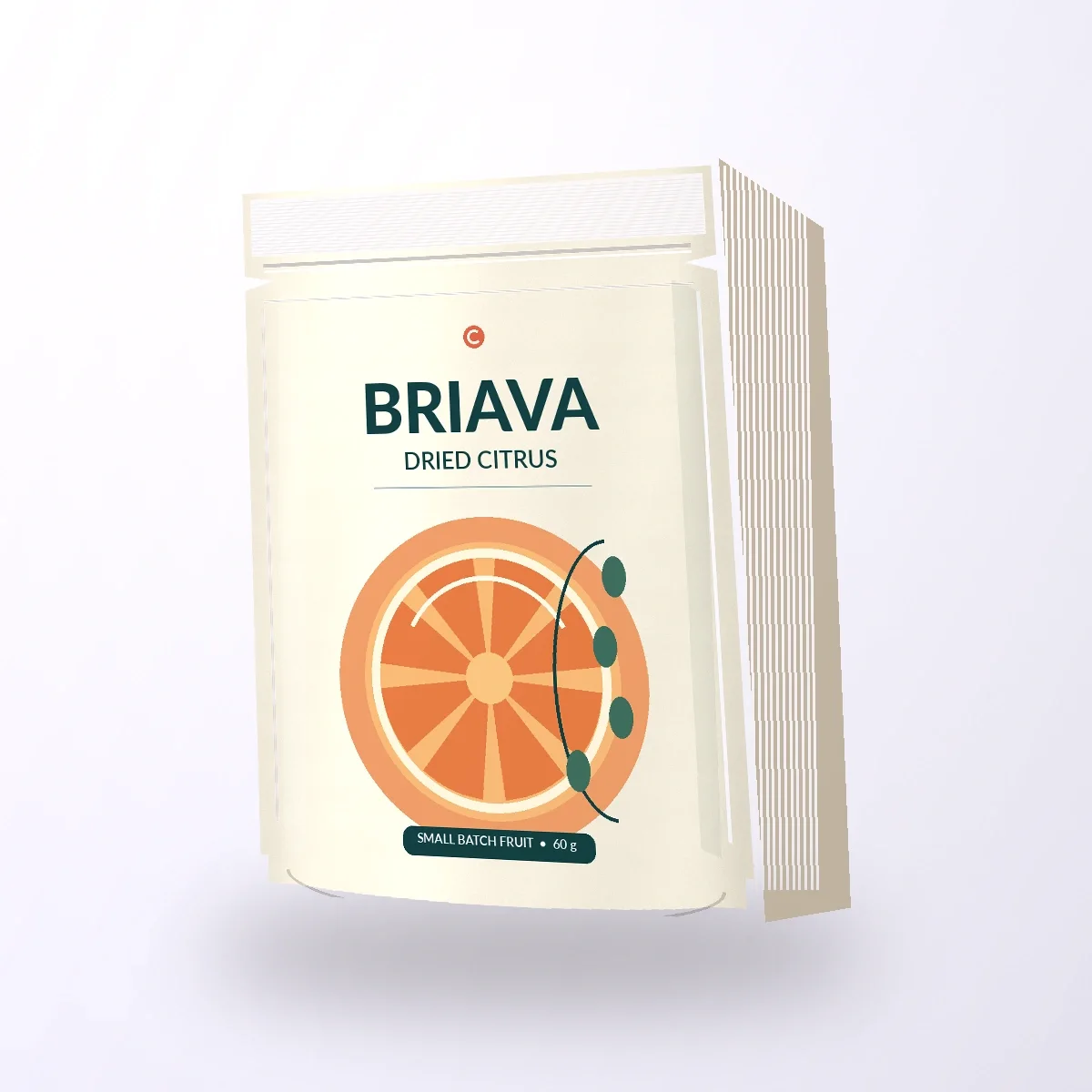
Custom Tear Notch Packaging
A tear notch gives sealed snack, powder, or refill pouches a clear opening point. Position it above a zipper and away from the usable product space.
View product →Custom Kraft Mailing Bags
Folded apparel and soft goods need room without a bulky box. Brand the delivery in kraft mailing bags with a fold-over flap and flat or gusseted sides.
View product →Custom Zipper Pouches
A zipper keeps opened packs easy to close again, while the right gusset and film help snacks, powders, or tea hold their shape and handle everyday use.
View product →Custom Vacuum Sealed Mylar Bags
Vacuum sealing starts with machine fit. Plan printed Mylar bags around your sealer, product shape, barrier needs, and clear heat-seal space.
View product →Custom Transparent Stand Up Pouches
Let shoppers see the dried fruit, candy, or treats inside. Clear stand-up pouches pair visible contents with printed branding and a stable gusset.
View product →Custom Tear Notch Packaging
A tear notch gives sealed snack, powder, or refill pouches a clear opening point. Position it above a zipper and away from the usable product space.
View product →✦ Upgrade Today
Ready to Upgrade Your Brand Packaging?
Get custom templates matching your custom dimensions. Instant 3D digital proof samples returned in hours.