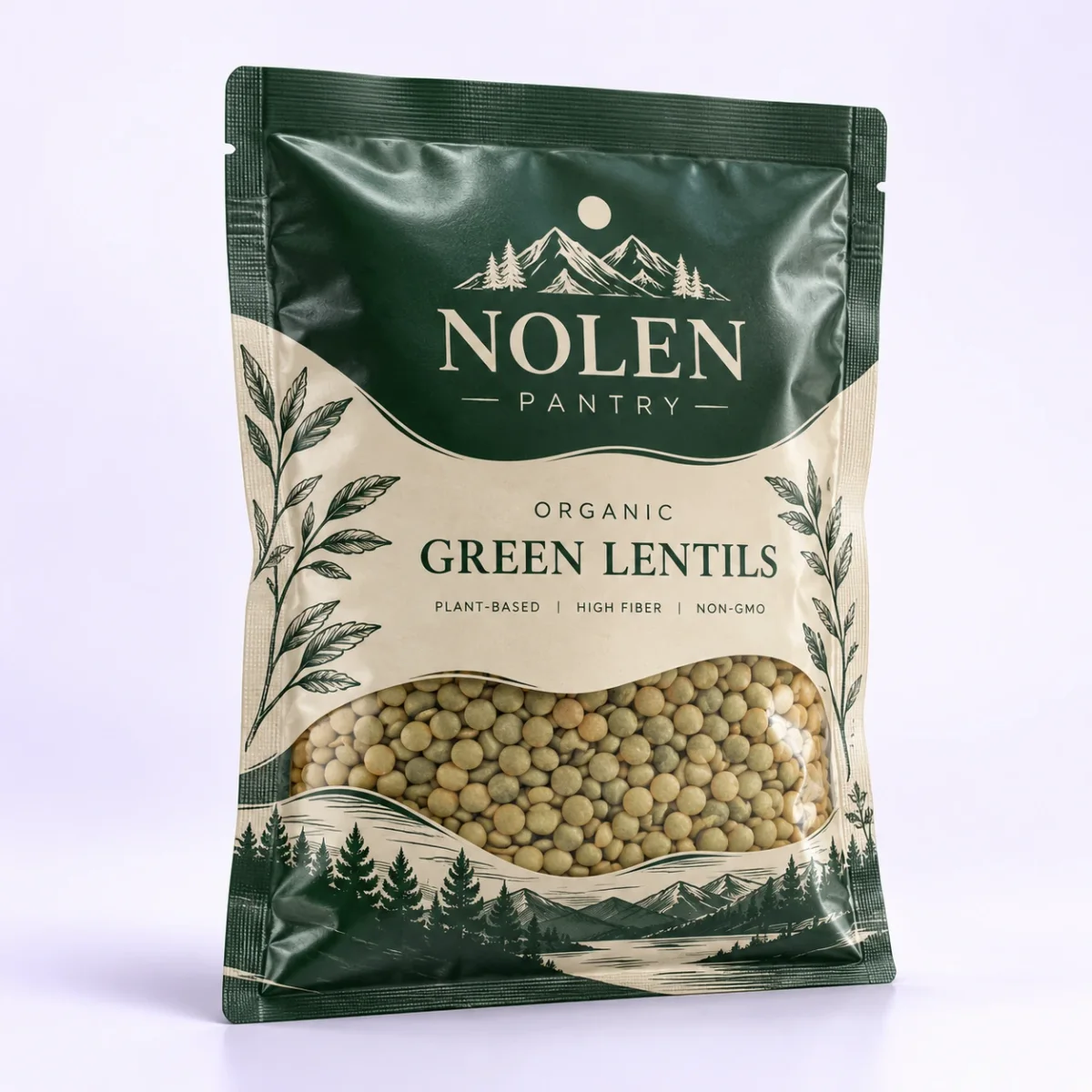
Seal-Fit Focused
★★★★★
4.5/5.0Custom Vacuum Sealed Mylar Bags
Vacuum sealing starts with machine fit. Plan printed Mylar bags around your sealer, product shape, barrier needs, and clear heat-seal space.
Premium Quality
Fully Customizable
Low MOQ
Fast Turnaround
100% Eco-Friendly
Sustainable materials
Free Shipping
On every order
No Die & Plate Charges
Zero hidden costs
100% Satisfaction
Quality guaranteed
Expert Support
We're here to help
Design Varieties
Pouch Builds for Different Fill & Seal Needs
Explore printed pouch formats for compact packs, bulkier contents, and retail presentation. Final film and closure choices depend on your packing equipment.
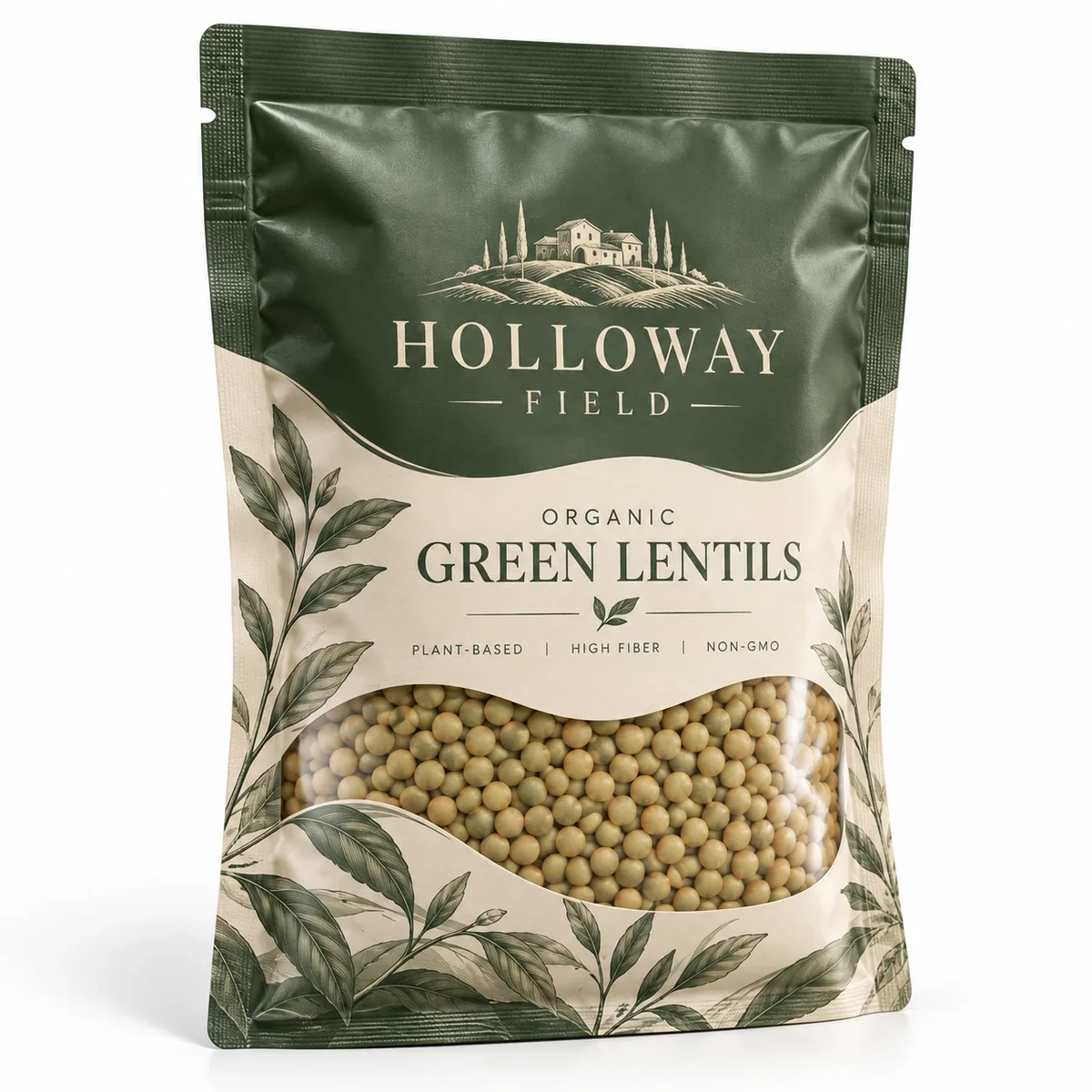
Printed Flat Pouch
Flat printed pouch with a heat-sealed top, side tear notches, and a clear lentil window.
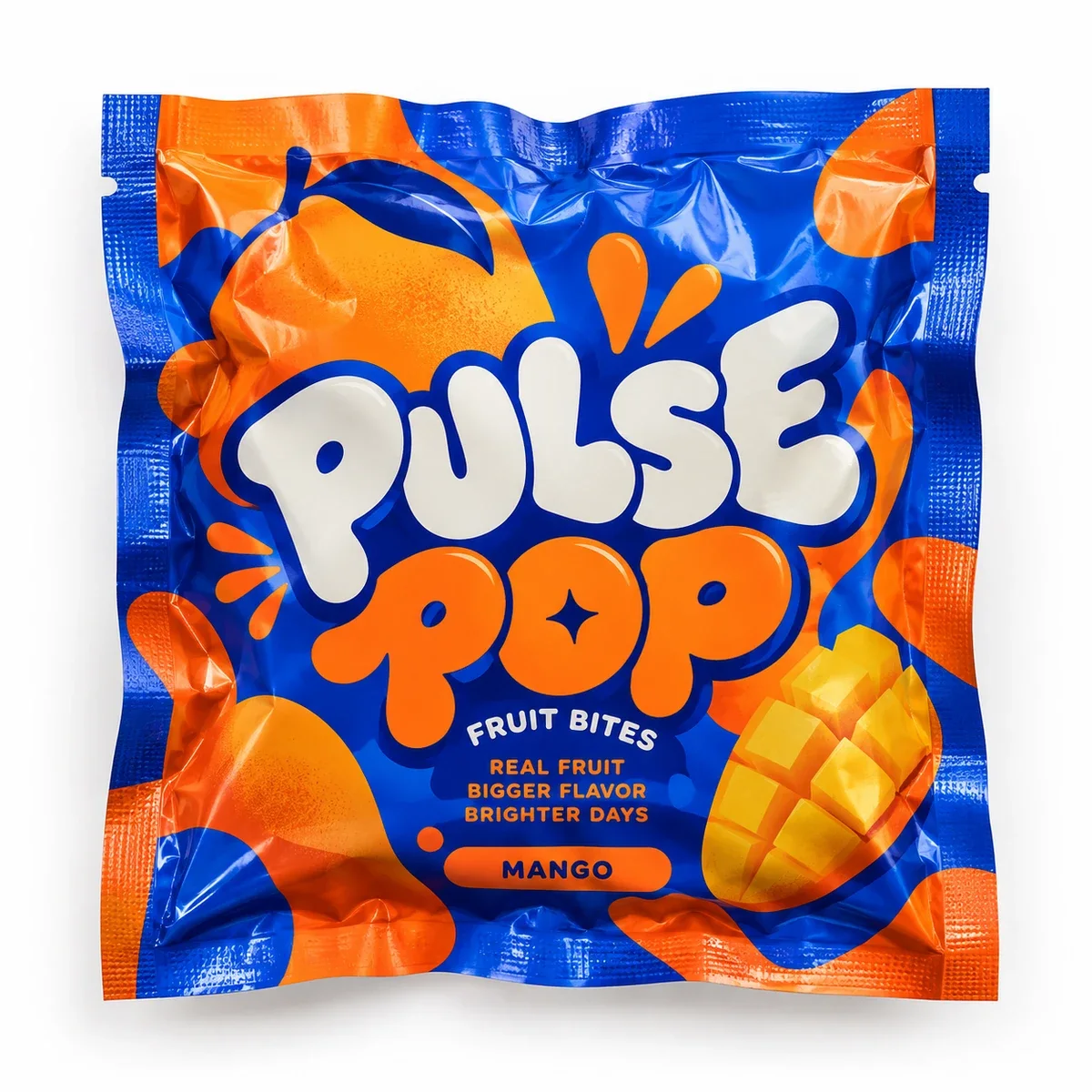
Tear-Notch Snack Pouch
Bright flat snack pouch with a sealed top edge, side tear notches, and a broad print face.
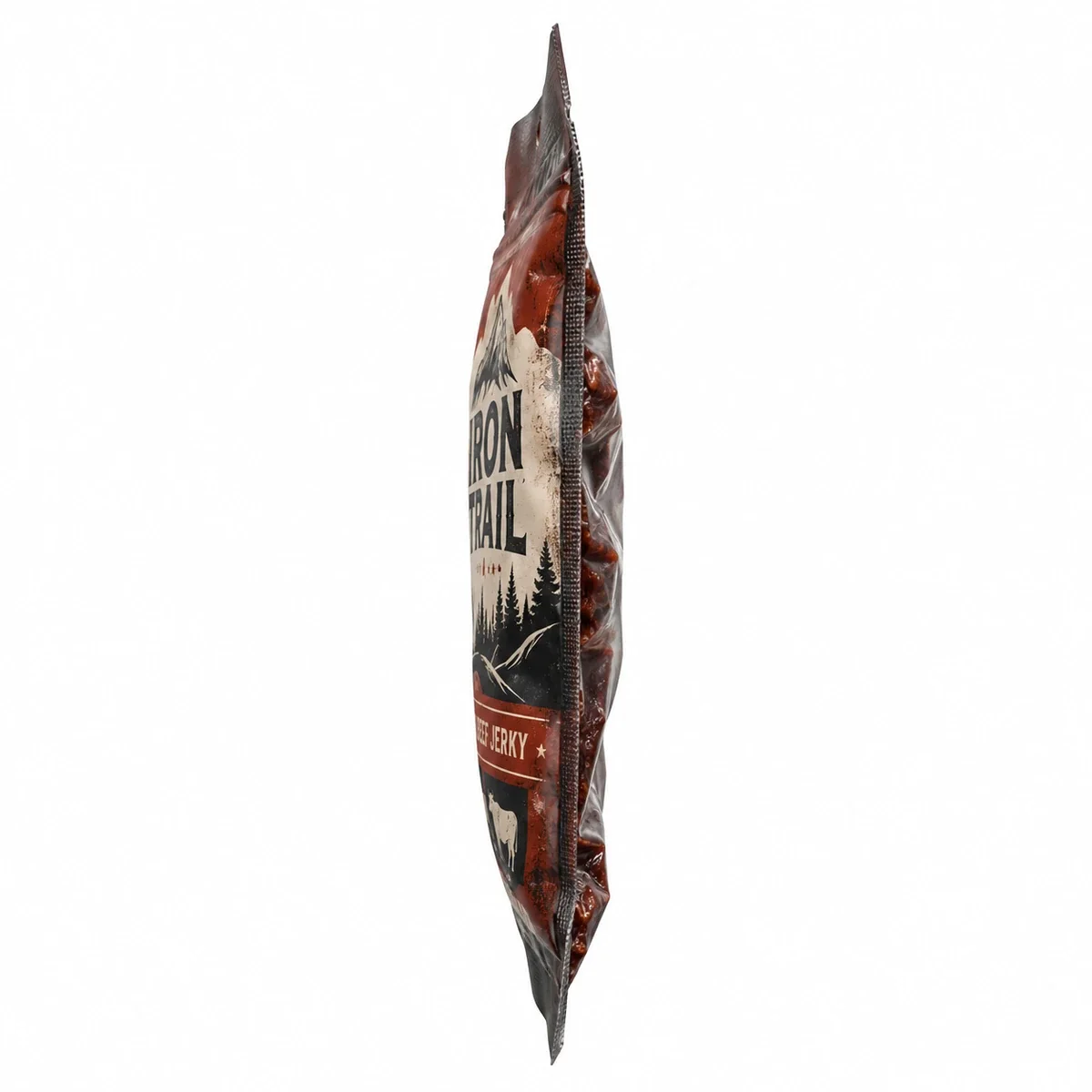
Side-Seam Jerky Pouch
Slim jerky pouch in side profile, showing narrow packed depth and one textured edge seam.
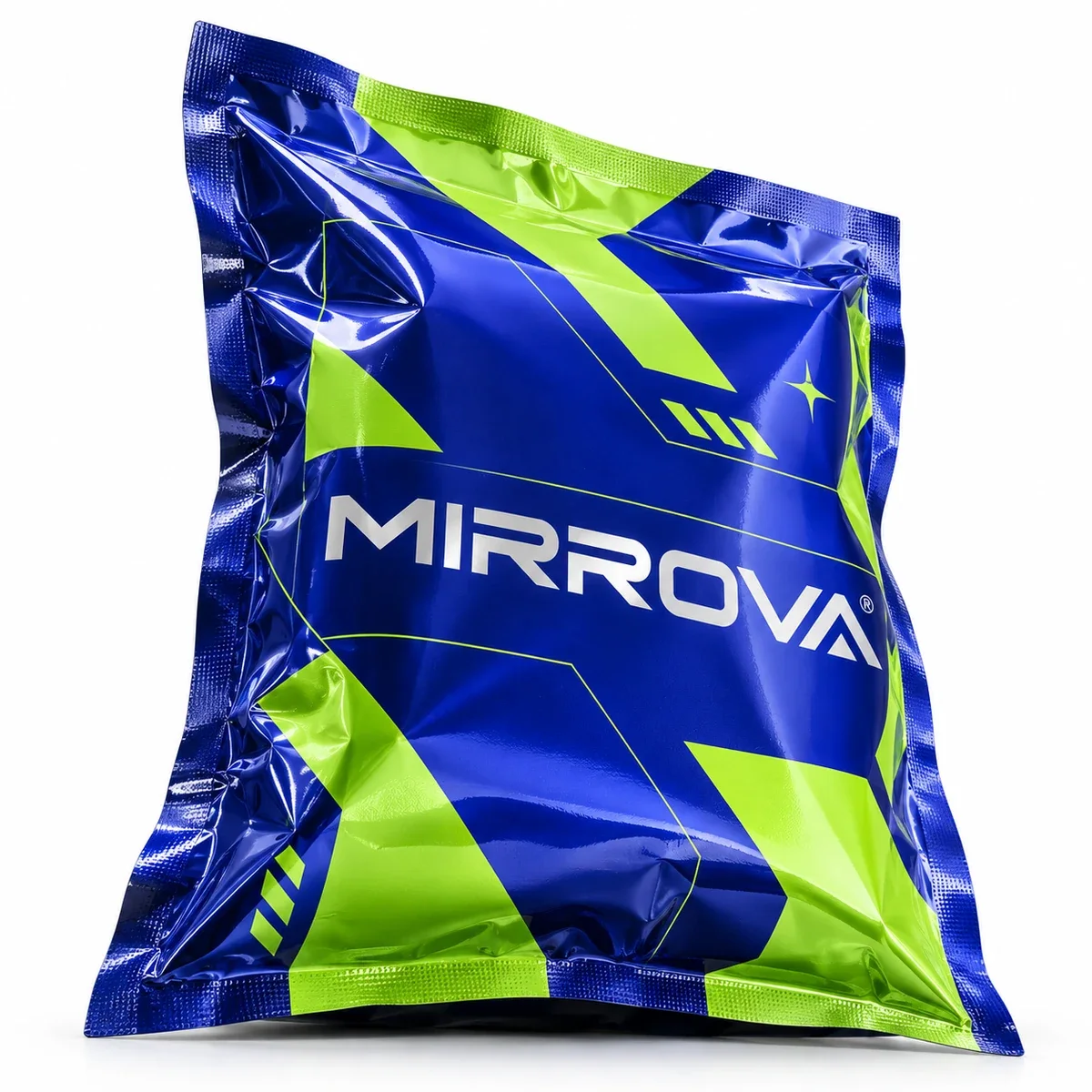
Geometric Flat Pouch
Shiny flat pouch with sharp fold creases, side seals, and a wide band along the top edge.
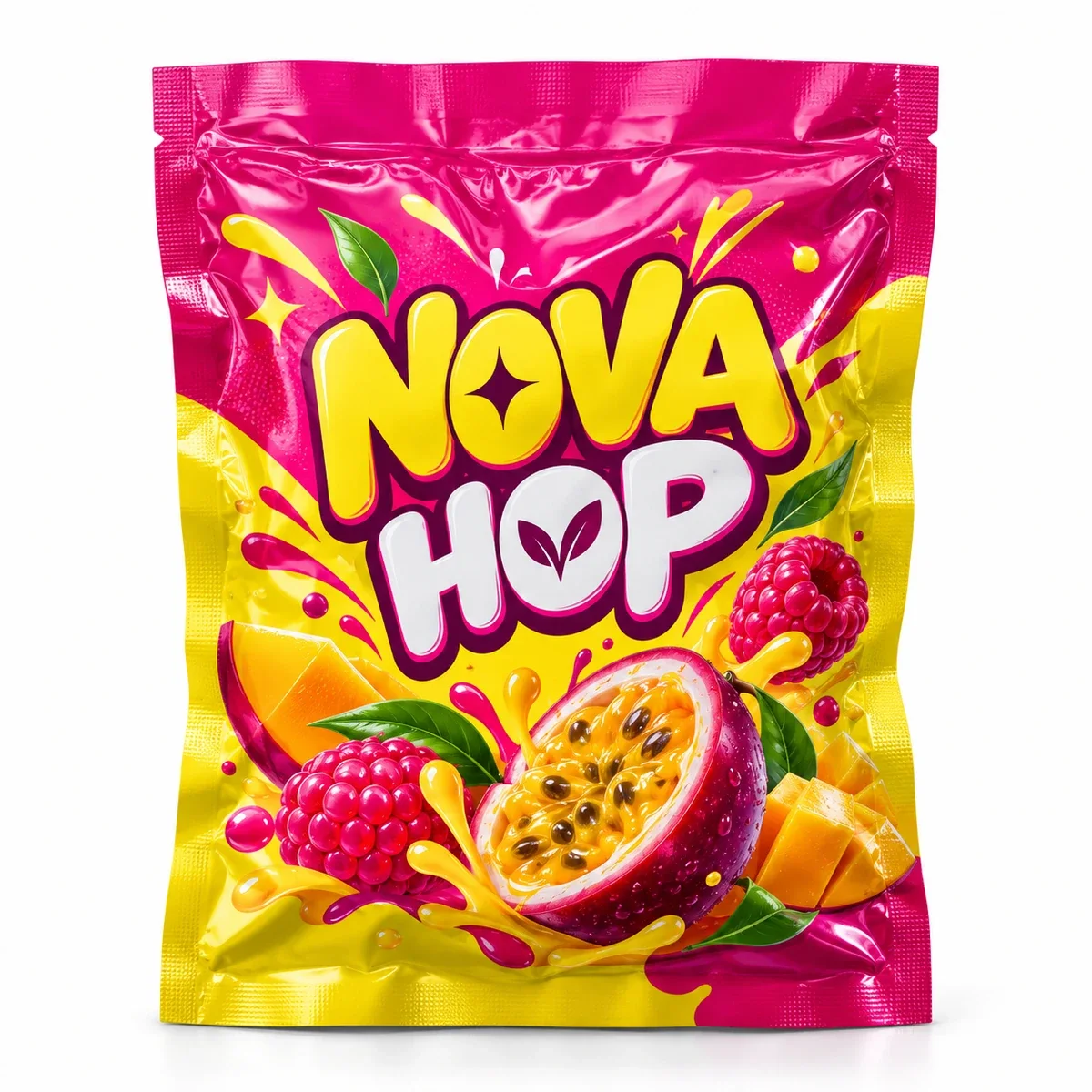
Full-Print Fruit Pouch
Flat fruit pouch with full-front printed graphics, wide heat-sealed edges, and tear notches.
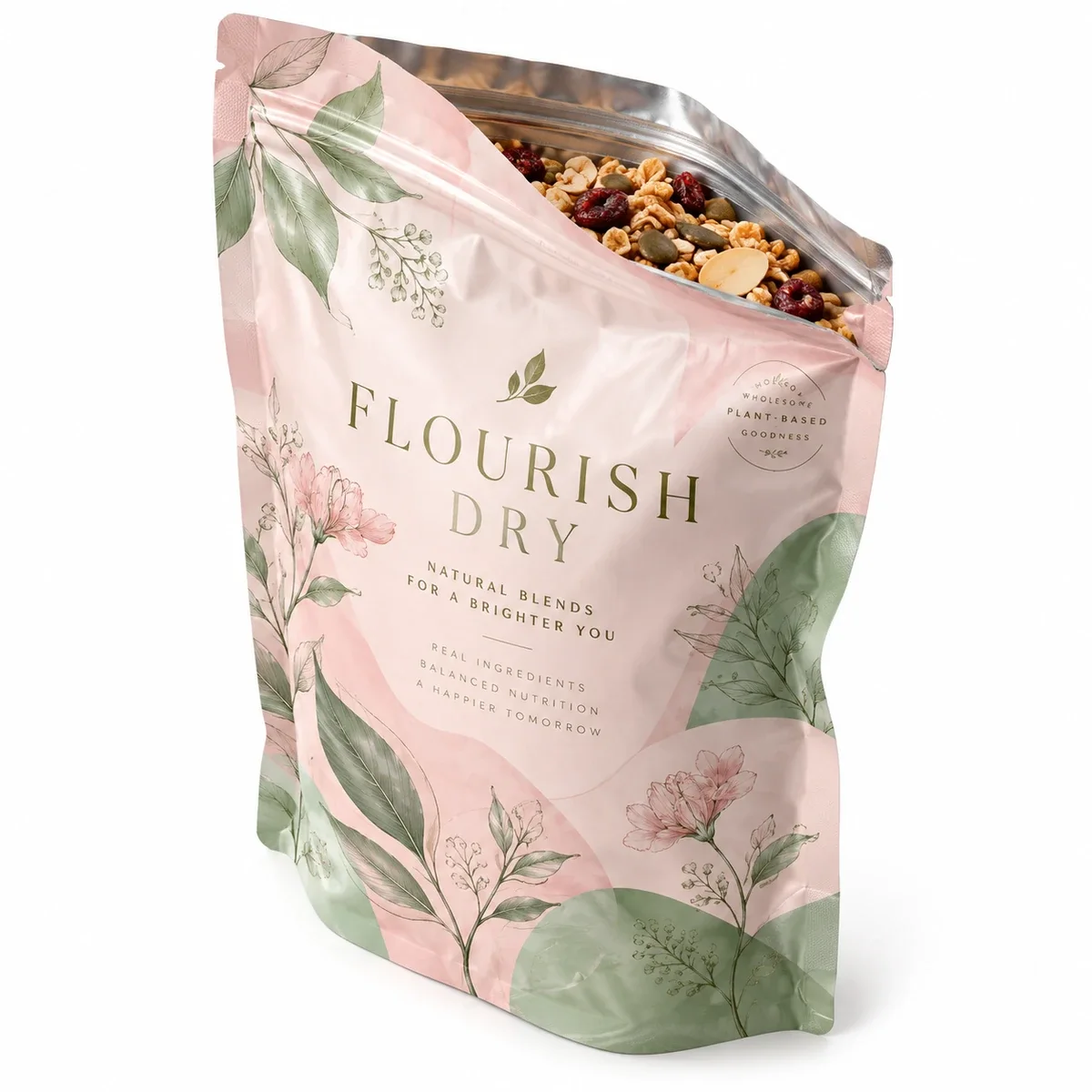
Open Zipper Pouch
Angled open-top pouch with a visible zipper track, filled opening, and flexible side folds.
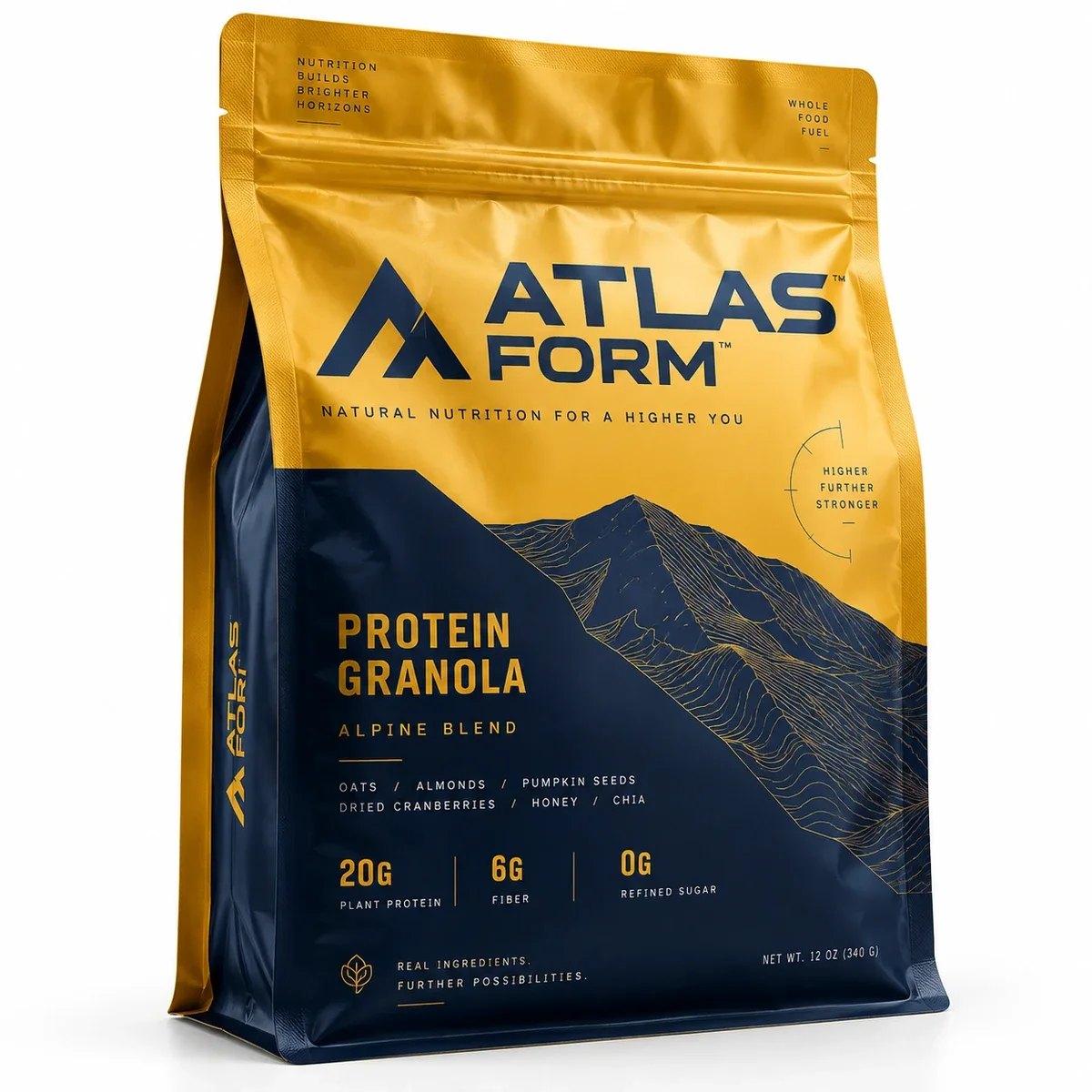
Gusseted Granola Pouch
Upright printed pouch with a side gusset, broad front panel, and a visible zipper closure.
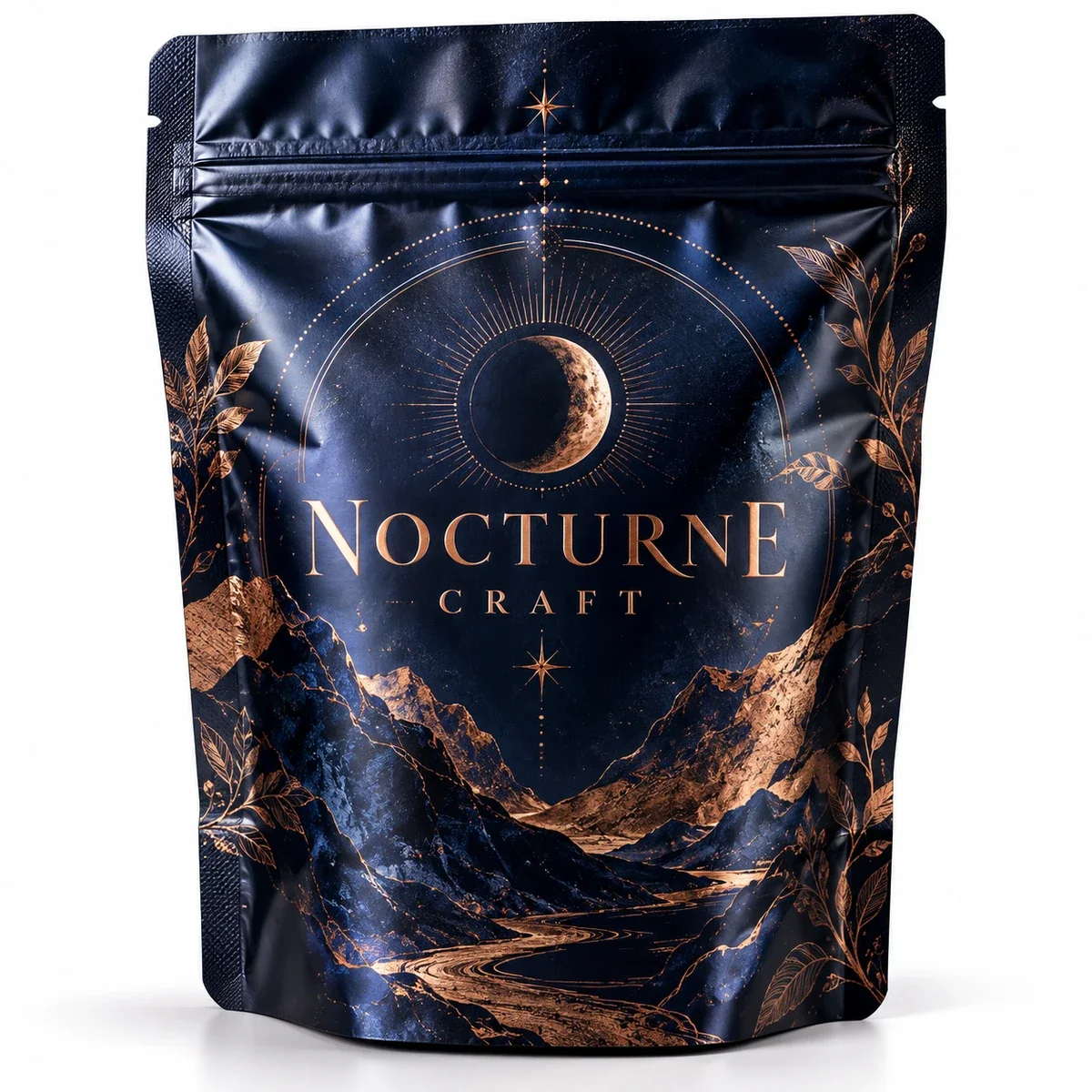
Metallic-Print Zipper Pouch
Dark printed stand-up pouch with copper-toned details, side seals, and a top zipper track.
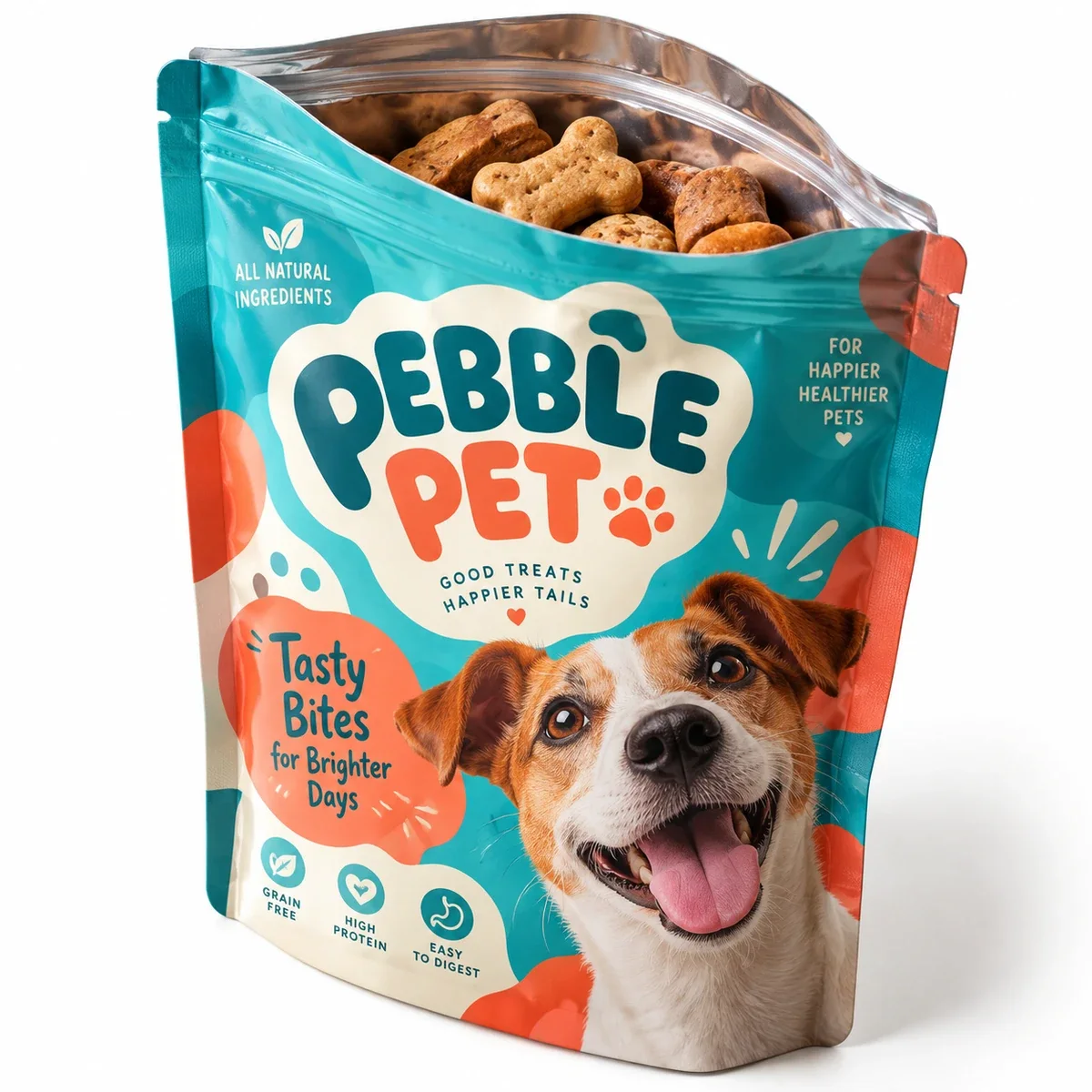
Open Treat Pouch
Partly open stand-up pouch with a zipper track, rounded top opening, and folded side seams.
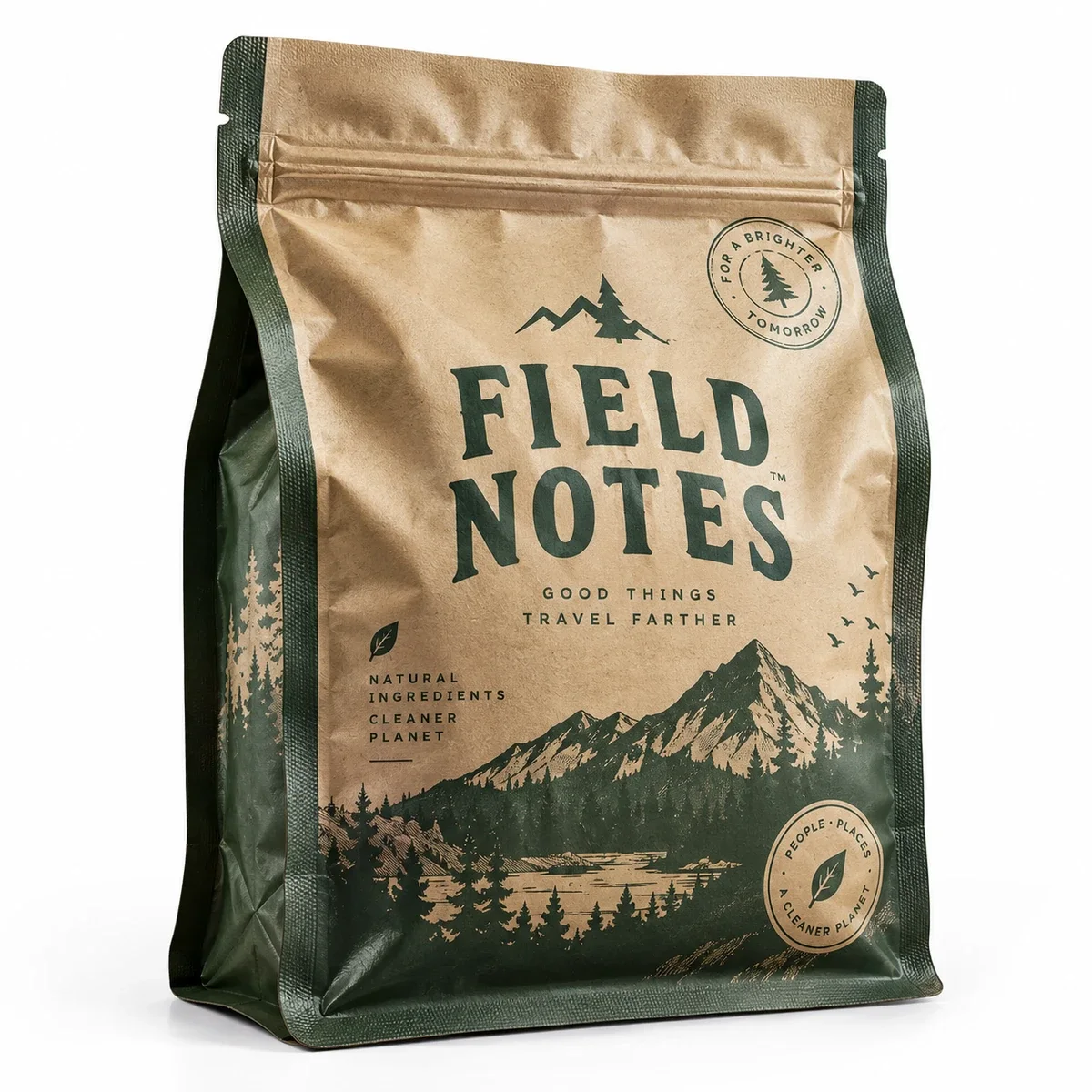
Kraft-Look Gusseted Pouch
Upright kraft-look pouch with a top zipper band, tear notch, and dark side gusset panel.
Can't find the perfect style?
Create a completely custom box design tailored to your brand.
Designed for Various Industries
We design packaging that fits every industry
From small businesses to global brands, our custom packaging solutions are built to elevate your brand and leave a lasting impression.
Cosmetics & Beauty
Food & Beverages
E-commerce & Retail
Electronics
Apparel & Fashion
Health & Wellness
Pharmaceuticals
Cannabis & CBD
Pet Products
Baby & Kids
Jewelry & Accessories
Home & Lifestyle
Candles & Fragrance
Coffee & Tea
Confectionery
Cosmetics & Beauty
Food & Beverages
E-commerce & Retail
Electronics
Apparel & Fashion
Health & Wellness
Pharmaceuticals
Cannabis & CBD
Pet Products
Baby & Kids
Jewelry & Accessories
Home & Lifestyle
Candles & Fragrance
Coffee & Tea
Confectionery
Supplements
Skincare & Personal Care
Haircare
Automotive
Sports & Fitness
Toys & Games
Stationery & Gifts
Bakery & Desserts
Wine & Spirits
Tobacco & Vape
Medical Devices
Tech Accessories
Subscription Boxes
Organic & Natural
Luxury Retail
Supplements
Skincare & Personal Care
Haircare
Automotive
Sports & Fitness
Toys & Games
Stationery & Gifts
Bakery & Desserts
Wine & Spirits
Tobacco & Vape
Medical Devices
Tech Accessories
Subscription Boxes
Organic & Natural
Luxury Retail
Built for brands
that care about detail.
Premium packaging. Precise printing.
Fast turnaround. No hidden costs.
10K+
Happy Customers
98%
Satisfaction Rate
Trusted by Top Brands
We work with startups to enterprises. Our boxes make an impact.
Free Design Support
Get expert help in creating the perfect packaging for your brand.
Warehouse Across USA
Faster fulfilment with local production and warehouses.
Print & Design Lovers
Crafted with passion, just the way your brand deserves.
Custom Vacuum Sealed Mylar Bags for Your Packing Line
A vacuum pouch can look perfect on the design proof and still fail at the sealing bar. Air removal changes how the film sits around food, powders, or components. Packopie develops custom vacuum sealed Mylar bags around those working conditions, with exterior printing planned only after the functional details make sense.
Vacuum Pouch Compatibility Starts at the Sealer
The type of vacuum machine controls how air leaves the bag. In a chamber sealer, air is removed from the surrounding chamber, so smooth heat-sealable pouches are often suitable. Most external-suction machines instead pull air through the open mouth. Their process commonly requires embossed channels that keep an escape route open as the film presses together.
That difference matters before choosing a beautiful printed laminate. Share the machine model, seal-bar length, chamber dimensions if applicable, and any specific film instructions from the equipment maker. A compatible test pouch is more useful than a promise that one Mylar material works with every machine.
Barrier Films Matched to the Packed Product
“Mylar” often refers to polyester film, but the full pouch is typically a laminate made of multiple layers. The outside supports print and handling; a middle barrier layer helps limit gas or moisture transfer; the inside must bond under the chosen sealing process. Different layer combinations solve different problems.
Clear PET/EVOH/PE can preserve product visibility while providing a useful oxygen barrier. Metallized PET adds opacity and a different barrier profile. PET/aluminum/PE creates a stronger light barrier when opaque packaging is acceptable. PET/nylon/PE may help where flex and puncture resistance matter. Ask for oxygen transmission rate (OTR) and water vapor transmission rate (WVTR) data when sensitive contents justify it. OTR tracks oxygen moving through film; WVTR tracks moisture vapor. The product, seal, storage temperature, and handling still determine how the finished pack performs.
For related branded barrier formats, Packopie’s custom Mylar bags category offers a broader starting point.
Seal Margins Designed for Clean Closure
A narrow seal area can become a weak point when crumbs, powder, oil, or wrinkles cross the bar. Leave enough unfilled film above the product for the sealer to flatten the mouth. Wide top seals are worth discussing for heavier fills, while tear notches must sit outside the working seal.
Seal temperature, pressure, and dwell time—the period heat is applied—depend on the inner sealant layer and equipment. Increasing heat alone is not a reliable fix; poor alignment or residue can still create channels. Packopie can plan seal allowances on the dieline, while final settings and leak resistance require a production trial.
Openability is a separate decision. A tear notch can help customers begin the opening cut, but it cannot repair a weak seal. Tear-notch packaging can make opening more predictable when the notch stays outside the active seal.
Flat and Gusseted Mylar Bags for Different Fills
A three-side-seal flat pouch is a practical shape for small portions that settle into a thin profile. A center-seal design places a fin seam at the back; its position must work with printing and the sealing machine. For bulky contents, side or bottom gussets provide more room, although the folds can complicate vacuum compression and sealing.
Start with the actual product volume, not only the empty pouch dimensions. A rigid component may need extra clearance so its corners do not press into the film. Printed samples should be checked at the intended fill weight, then handled as they would be during packing and delivery.
For uses that need a different bag material rather than a high-barrier laminate, custom poly bags are another packaging category to compare by product requirements. They should not be assumed to provide the same oxygen or moisture barrier.
Custom Printing Without Compromising the Seal Zone
A printed vacuum pouch has two jobs: move safely through packing equipment and present a recognizable product to the customer. Full-color CMYK printing can carry ingredient details, brand artwork, lot areas, and other information on the outer face. White ink may help bright colors stand out on clear or metallic film.
Matte, gloss, soft-touch, and selected metallic effects change the exterior appearance, subject to laminate and finishing compatibility. A clear window offers visibility but needs a tested barrier construction. Hanging holes, rounded corners, and optional zippers require their own space on the layout. A zipper may support use after opening; it does not replace a verified initial heat seal.
A production proof should show print boundaries, pouch orientation, registration allowances, and the clear area reserved for sealing.
Packaging Plans for Food, Powders, and Sensitive Parts
Dried fruit, nuts, jerky, tea, and pet treats can have very different moisture and handling needs despite fitting into similar-looking pouches. Powder fills raise the risk of material collecting near the seal. Sharp snack pieces or electronic components increase pressure on corners and seams. Packopie selects proposed film gauge and pouch layout according to those differences.
Vacuum sealing is not a food safety treatment. Perishable meats still require appropriate cold storage and food safety controls. Food-contact material suitability must also be checked for the intended product and conditions. For delicate electronics, moisture protection may call for tested barrier levels and added handling measures rather than vacuum compression alone.
The best material decision comes from the real fill, storage route, and validation plan—not a generic freshness claim.
A Custom Vacuum Bag Quote Built From Useful Specifications
A workable estimate depends on pouch dimensions, material structure, thickness, printing coverage, added features, and quantity. Packopie’s current suggested starting configuration is a 4 × 6-inch pouch at 100 pieces, with a planning base rate of $1.45 per bag. These figures are editable estimates, not a final manufacturing quotation or a promise of machine fit.
Higher quantities may reduce the estimated unit cost, while thicker film, extra print areas, and unusual sealing needs can change it. Once the packed product, vacuum machine, preferred appearance, and order volume are known, Packopie can review the build and prepare a more meaningful custom quote. That process gives the finished package a clear purpose: a seal the equipment can make, a barrier the contents need, and artwork that belongs on the shelf.
Frequently Asked Questions
Most external-suction machines need textured channels that allow air to escape. Smooth pouches generally work with chamber vacuum sealers. Provide your machine model before selecting the film so the supplier can verify compatibility.
A pouch may loosen because of a weak seal, a tiny puncture, or gas released by the packed product. Food particles or folds across the seal can also cause leaks. Check the seal area and test the finished pack before production.
An aluminum foil laminate normally provides stronger protection against light. Clear film lets buyers see the contents. Oxygen and moisture resistance depend on the complete film structure, so compare barrier specifications for your product.
A zipper can be positioned alongside a separate heat-seal area when the pouch design and equipment allow it. The zipper makes reopening and reclosing more convenient. It does not replace the initial heat seal used for vacuum packaging.
No. Perishable meat still requires suitable refrigeration or freezing. Removing air does not eliminate the risk of harmful microbial growth. Storage conditions and shelf life must follow the product's validated food safety requirements.
Leave enough empty film above the contents for the seal bar to close across a flat, clean area. The allowance depends on seal-bar width, bag design, and fill level. Share those measurements before finalizing the pouch dimensions.
More Solutions
You May Also Like
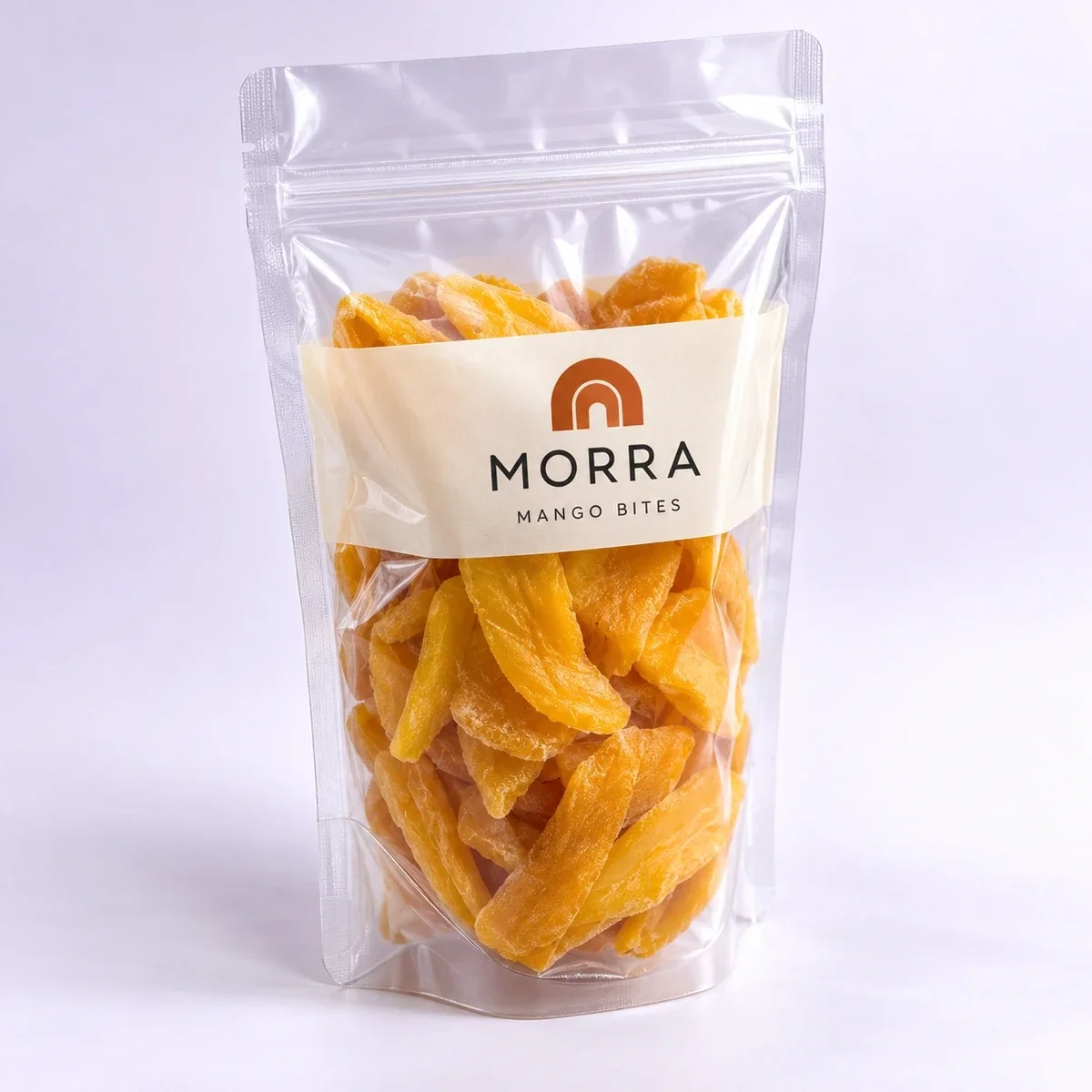
Custom Transparent Stand Up Pouches
Let shoppers see the dried fruit, candy, or treats inside. Clear stand-up pouches pair visible contents with printed branding and a stable gusset.
View product →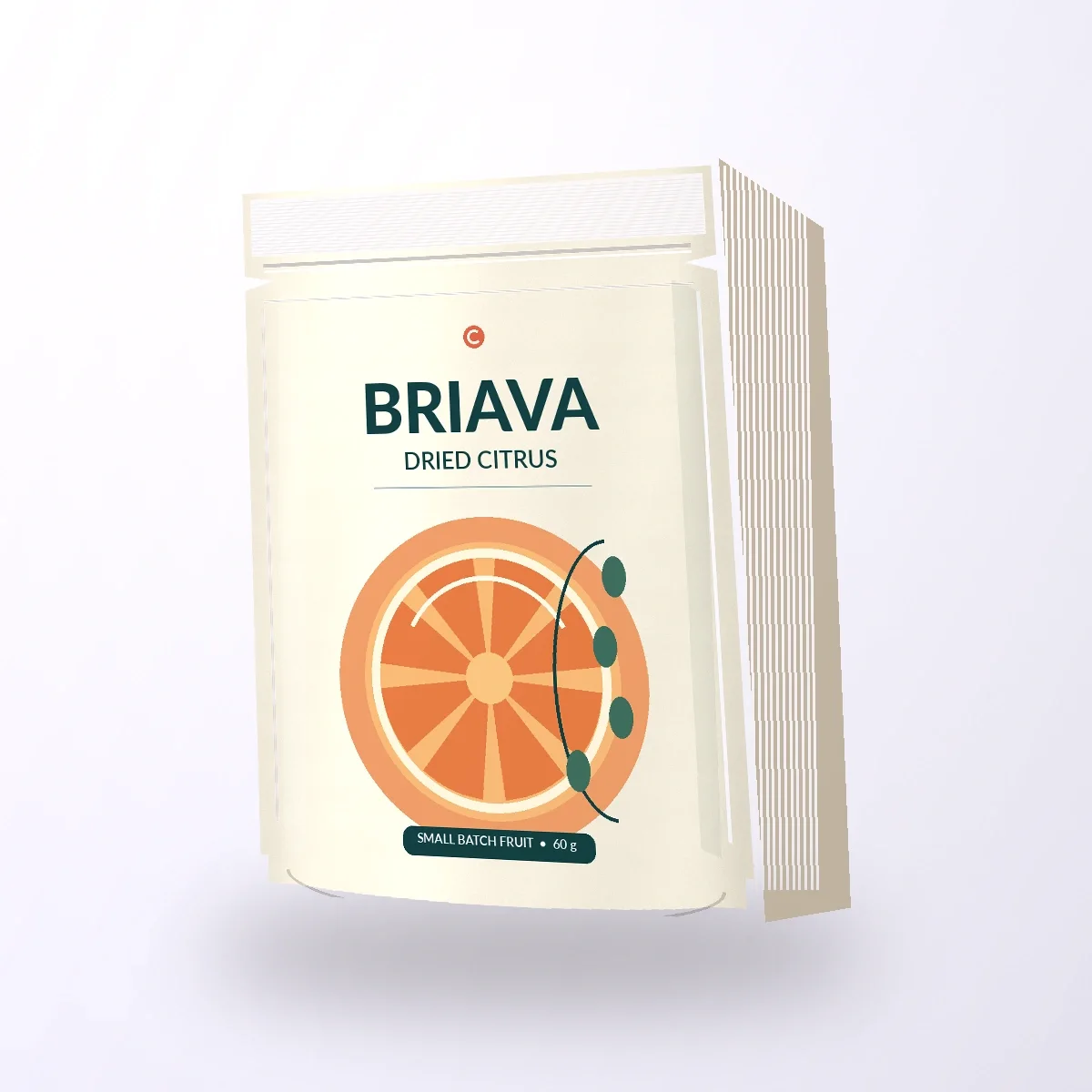
Custom Tear Notch Packaging
A tear notch gives sealed snack, powder, or refill pouches a clear opening point. Position it above a zipper and away from the usable product space.
View product →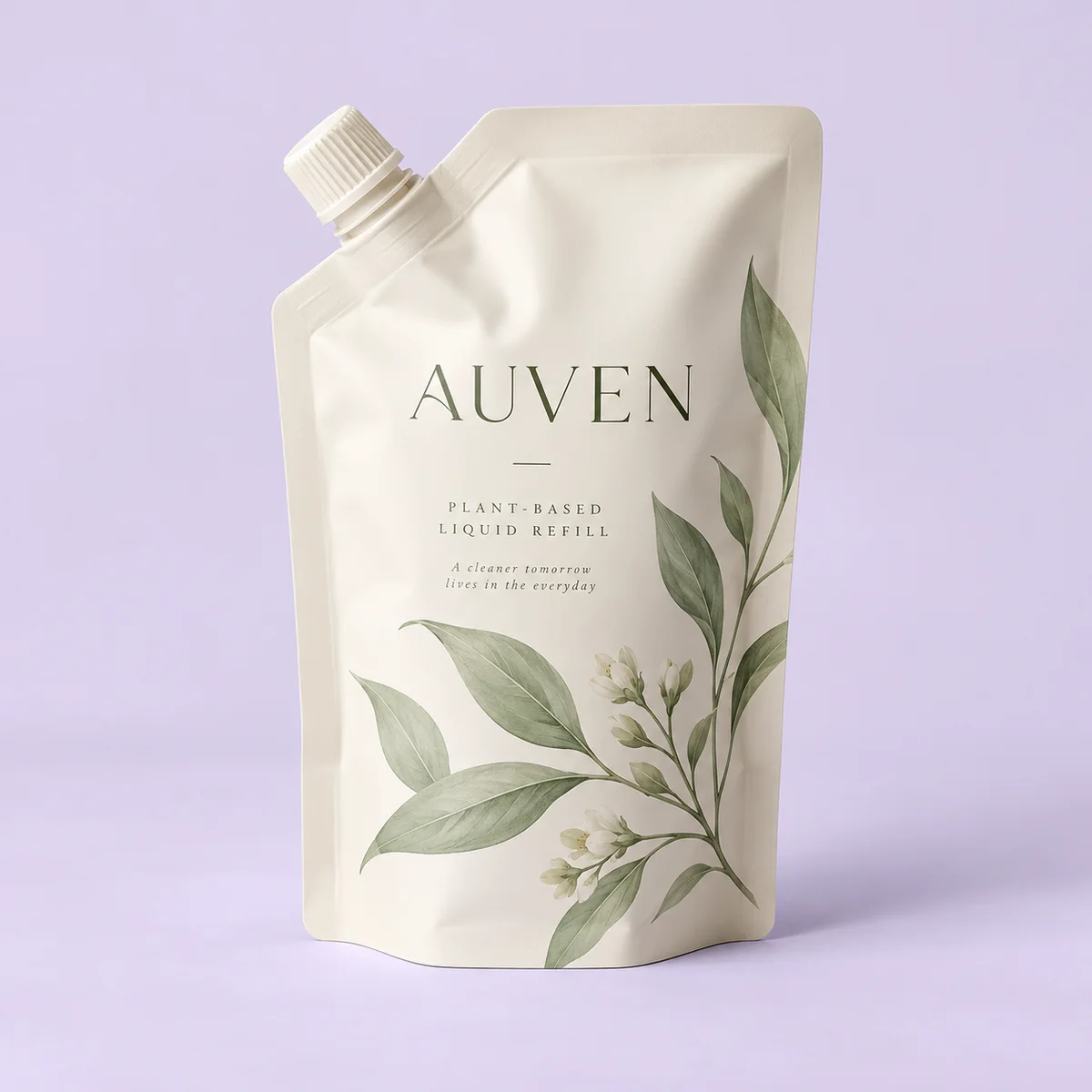
Custom Biodegradable Spout Pouch
From thick purees to pourable refills, match the spout opening, pouch film, and seals to your liquid before finalizing custom printed packaging.
View product →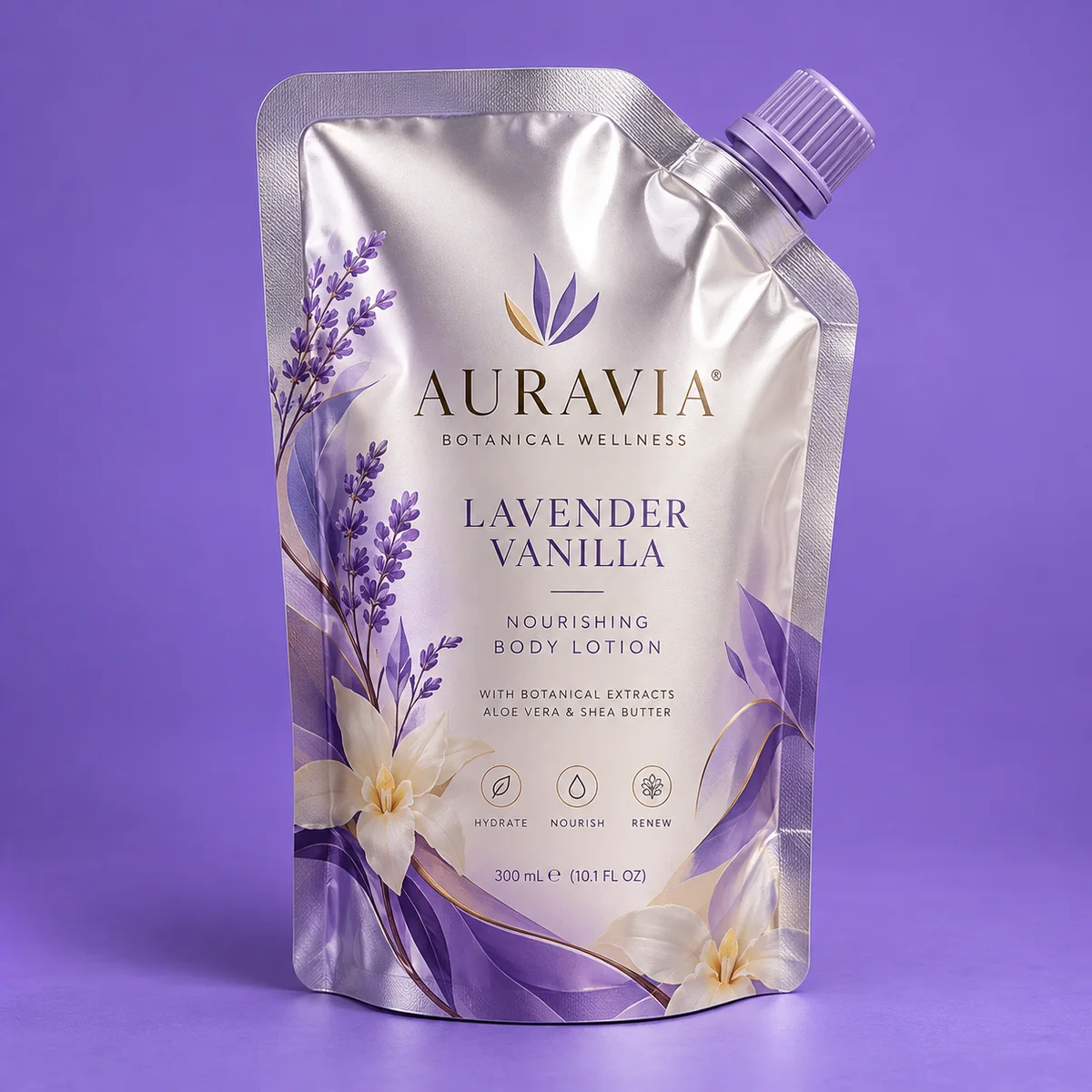
Custom Aluminum Foil Spout Pouch
Give light-sensitive liquids a foil barrier and a controlled pour. Configure the spout, sealant layer, and pouch shape for sauces, concentrates, or refills.
View product →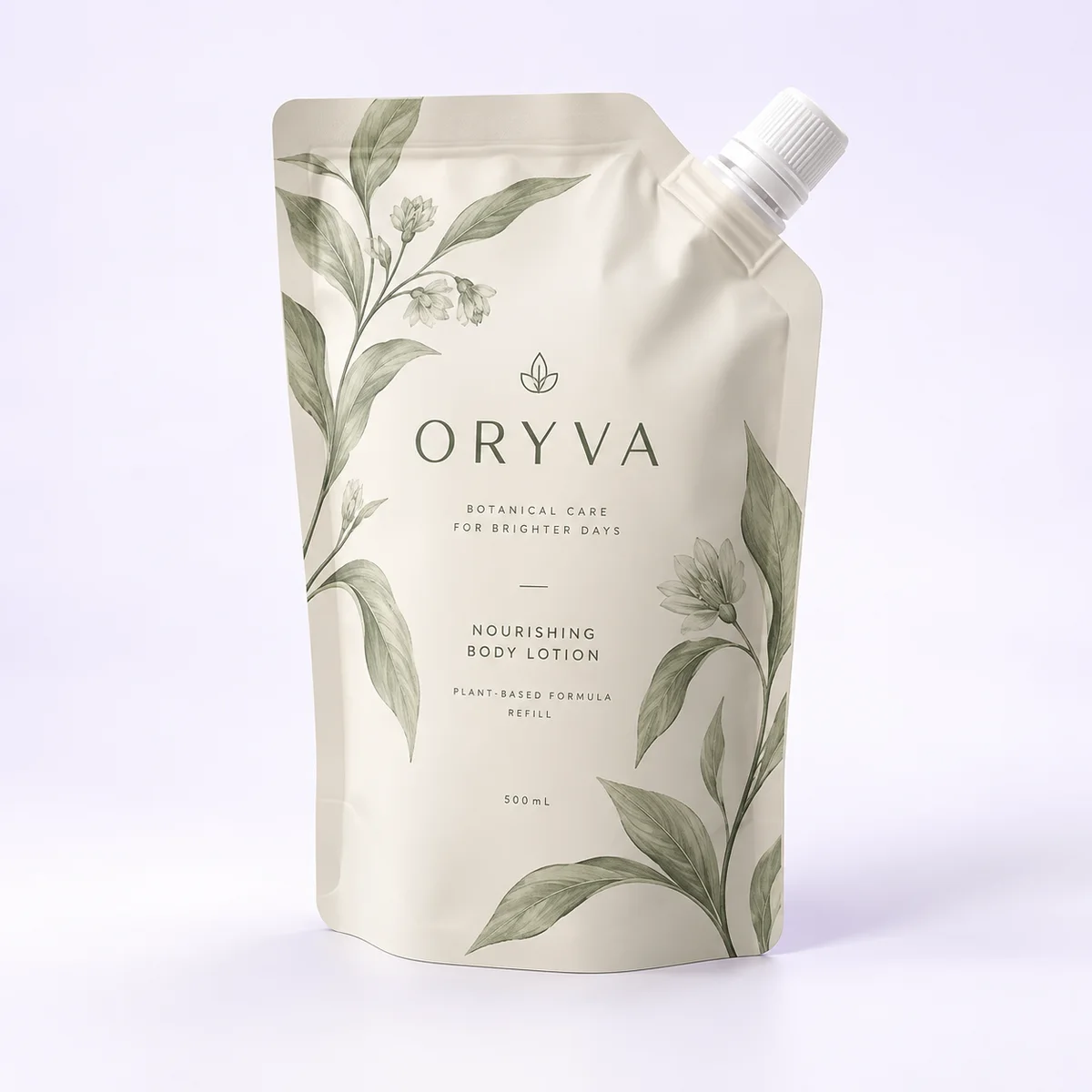
Custom Cosmetic Spout Pouch
Make shampoo, lotion, and cleanser refills easier to pour with a cosmetic spout pouch built around your formula, bottle opening, and filling process.
View product →Custom Transparent Stand Up Pouches
Let shoppers see the dried fruit, candy, or treats inside. Clear stand-up pouches pair visible contents with printed branding and a stable gusset.
View product →Custom Tear Notch Packaging
A tear notch gives sealed snack, powder, or refill pouches a clear opening point. Position it above a zipper and away from the usable product space.
View product →Custom Biodegradable Spout Pouch
From thick purees to pourable refills, match the spout opening, pouch film, and seals to your liquid before finalizing custom printed packaging.
View product →Custom Aluminum Foil Spout Pouch
Give light-sensitive liquids a foil barrier and a controlled pour. Configure the spout, sealant layer, and pouch shape for sauces, concentrates, or refills.
View product →Custom Cosmetic Spout Pouch
Make shampoo, lotion, and cleanser refills easier to pour with a cosmetic spout pouch built around your formula, bottle opening, and filling process.
View product →✦ Upgrade Today
Ready to Upgrade Your Brand Packaging?
Get custom templates matching your custom dimensions. Instant 3D digital proof samples returned in hours.