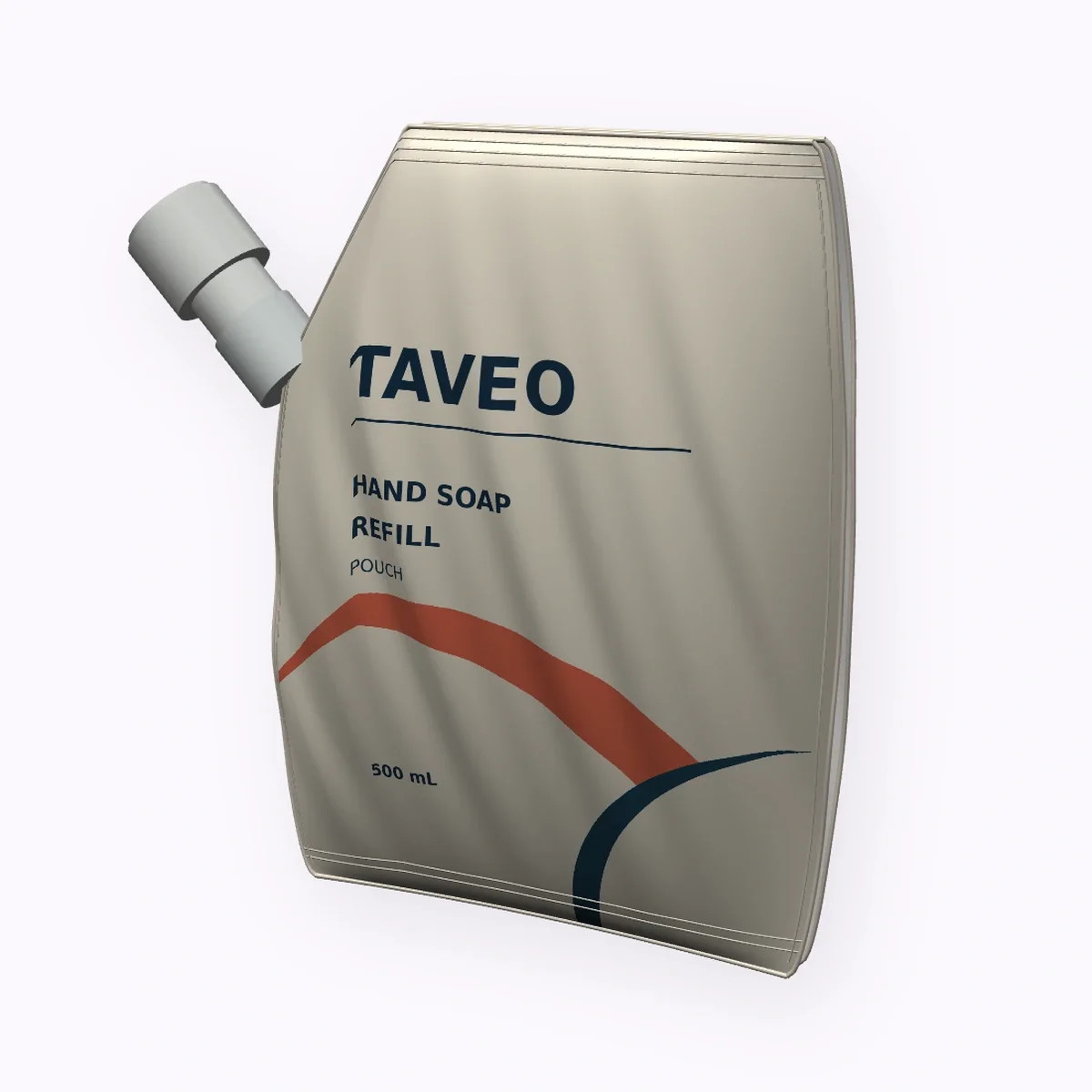
Refill Ready
★★★★★
4.4/5.0Custom Refill Pouch with Spout
Refill hand soap, detergent, or lotion with a spouted pouch designed around liquid flow, a resealable cap, and your filling line's needs.
Premium Quality
Fully Customizable
Low MOQ
Fast Turnaround
100% Eco-Friendly
Sustainable materials
Free Shipping
On every order
No Die & Plate Charges
Zero hidden costs
100% Satisfaction
Quality guaranteed
Expert Support
We're here to help
Custom Refill Pouch with Spout Quote Builder
Configure pouch size, film, cap, artwork and quantity for a suggested estimate.
✓Response within30 minutes
✓Your info is privateSecure
✓No obligation100% free
Ready to plan your custom refill pouches?
Design Varieties
Custom Spout Pouch Design Styles
Explore ten print and dispensing concepts, from clean beauty packaging to bold household refills. Final film and fitment choices depend on your product.
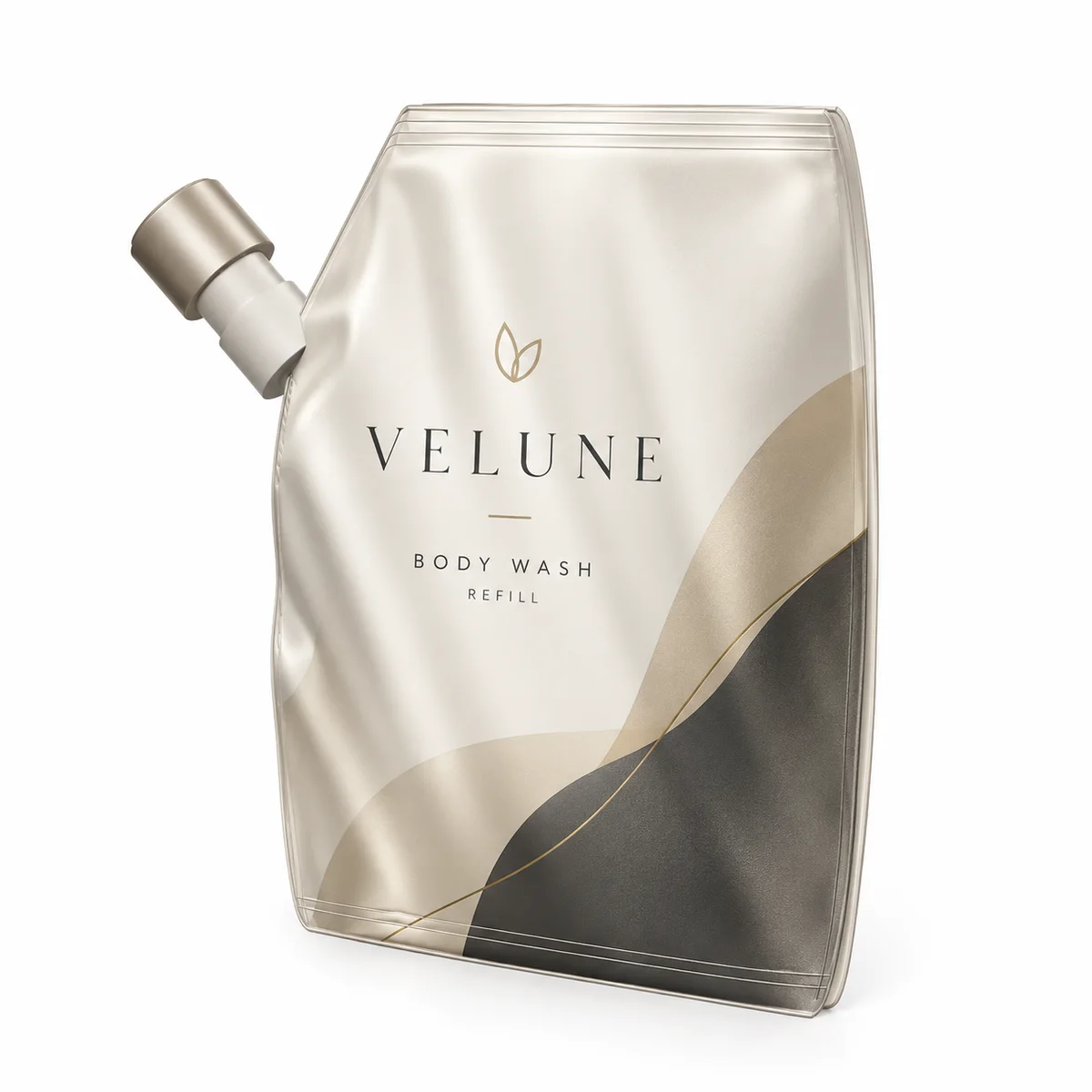
Minimal Corner Spout
Ivory pouch with a silver screw cap, angled corner spout, sealed edges, and wave artwork.
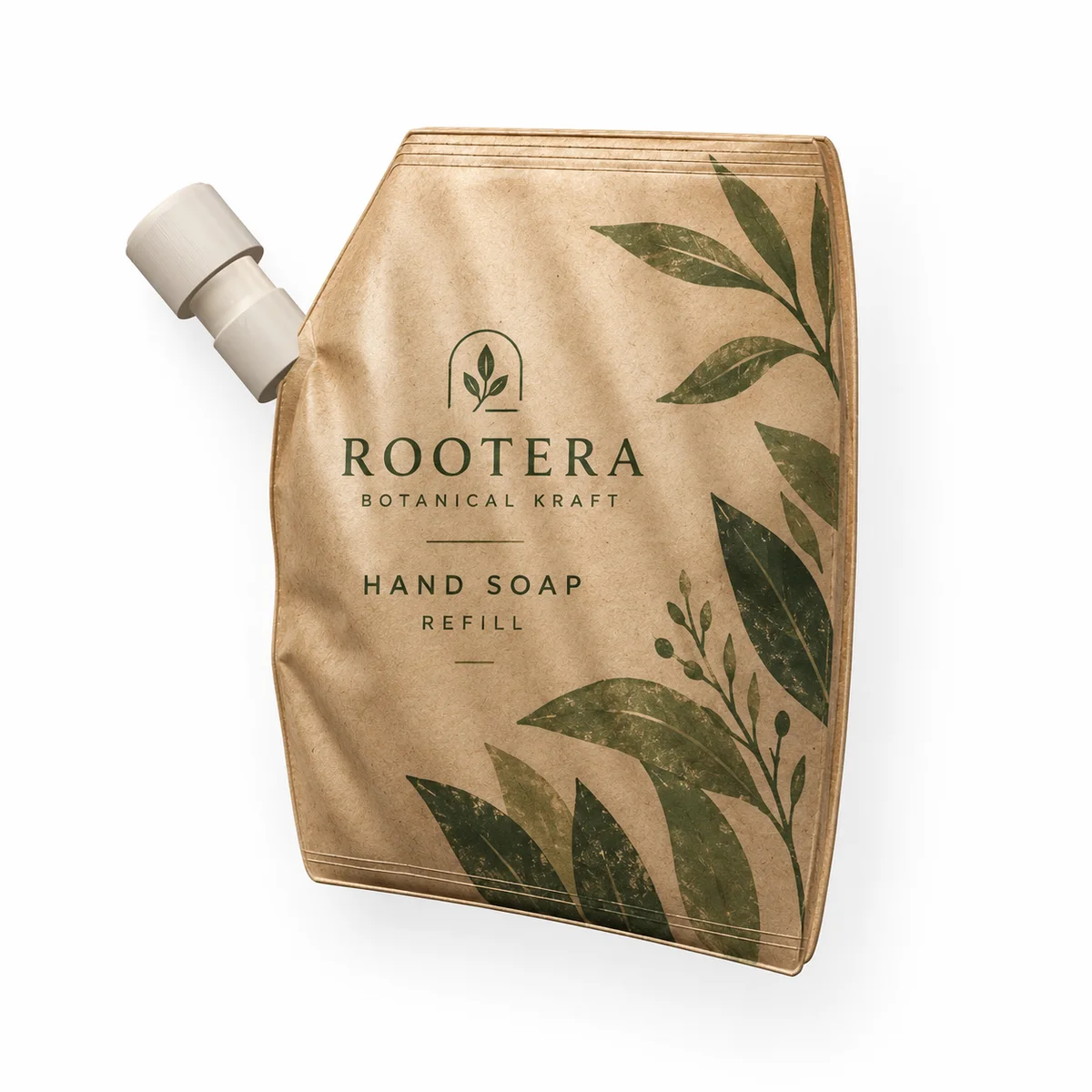
Kraft Look Spout
Kraft-look refill pouch has sealed side edges, a white screw spout, and printed leaf art.
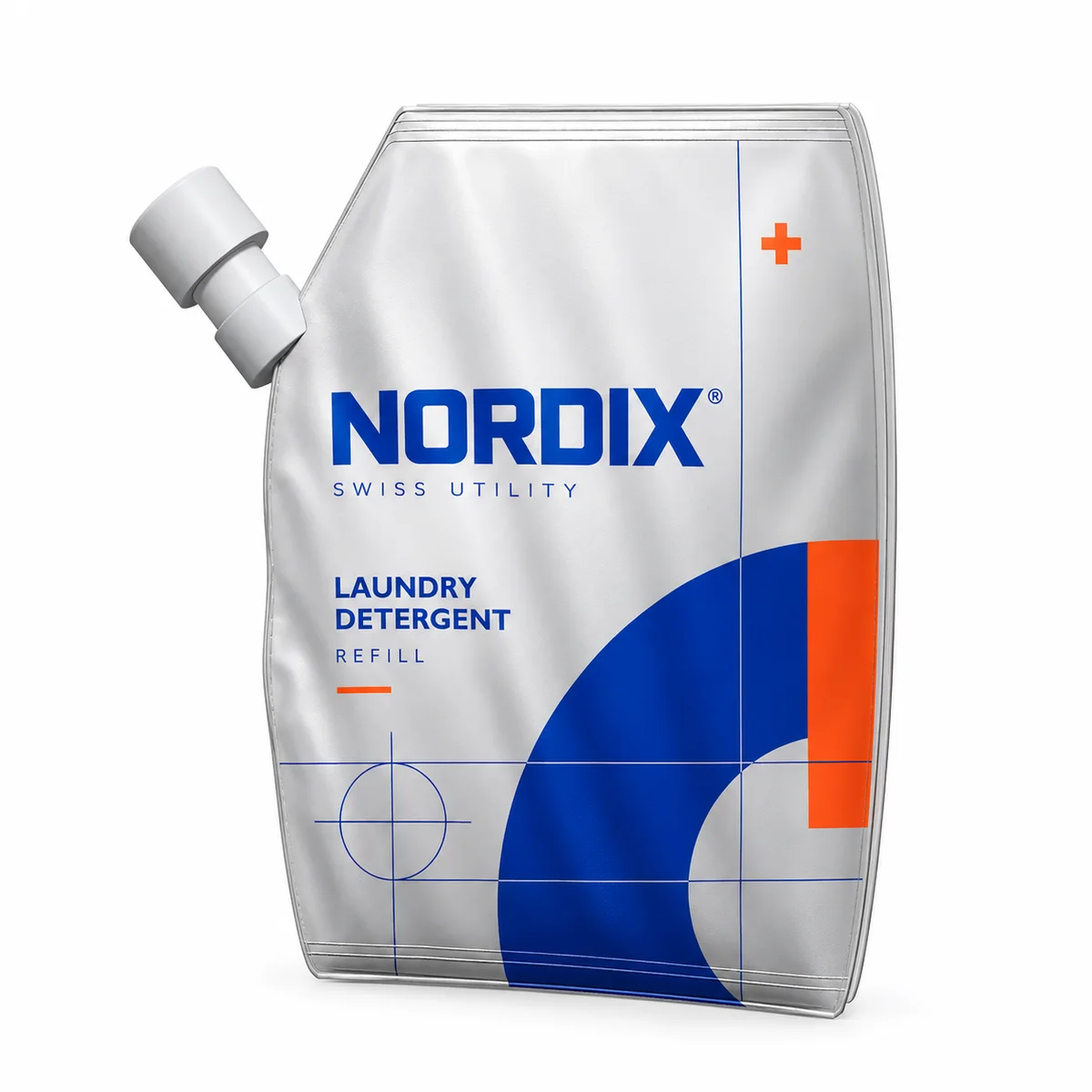
Grid Print Pouch
Silver refill pouch with a white angled screw cap, top seal, and printed technical grid.
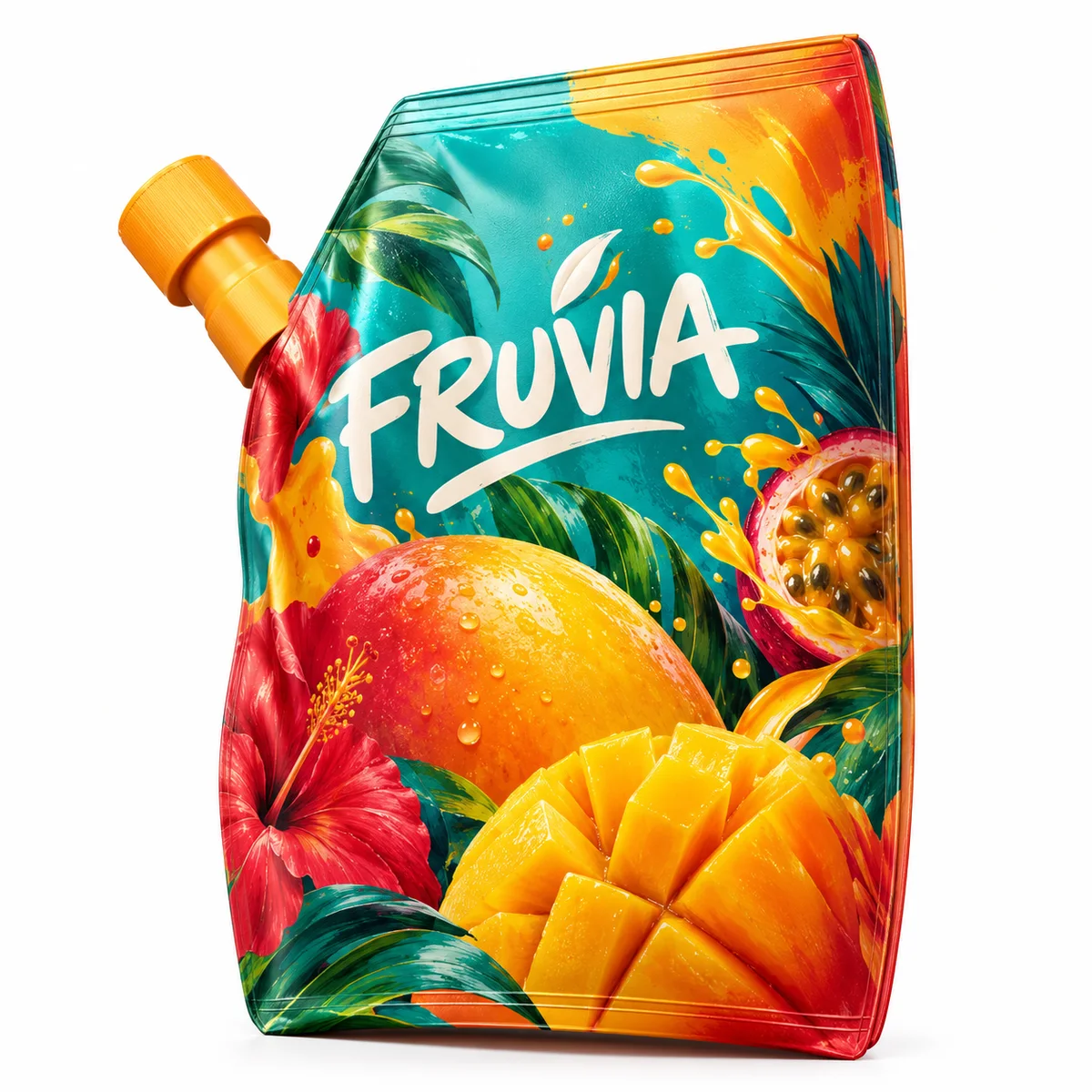
Full Bleed Refill
Full-color print wraps a standing pouch with sealed edges and an angled orange screw cap.
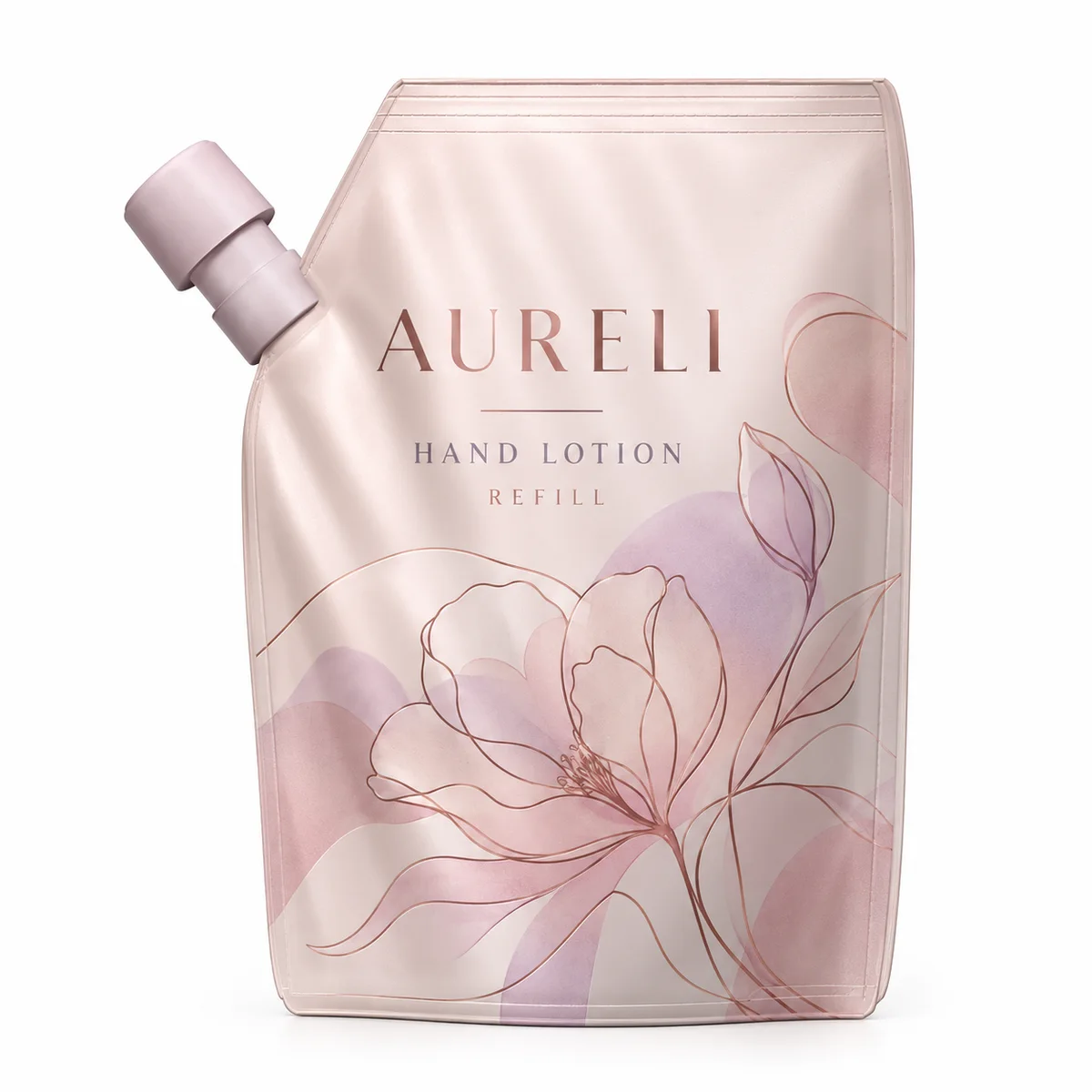
Pastel Spout Pouch
Blush refill pouch has a slanted screw spout, flat top seam, and fine floral line print.
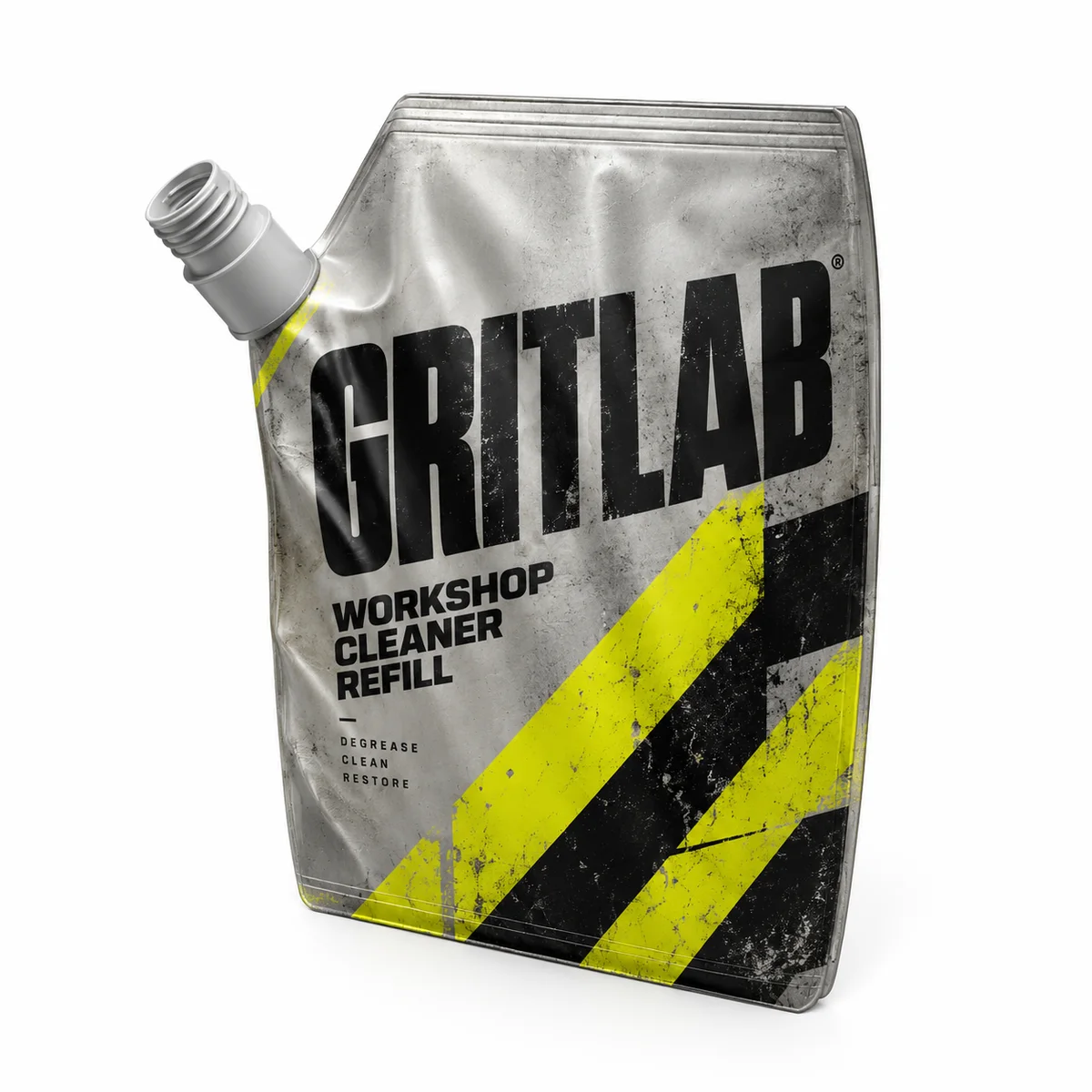
Uncapped Threaded Spout
Flexible gray pouch has an uncapped threaded spout, side seals, and bold diagonal print.
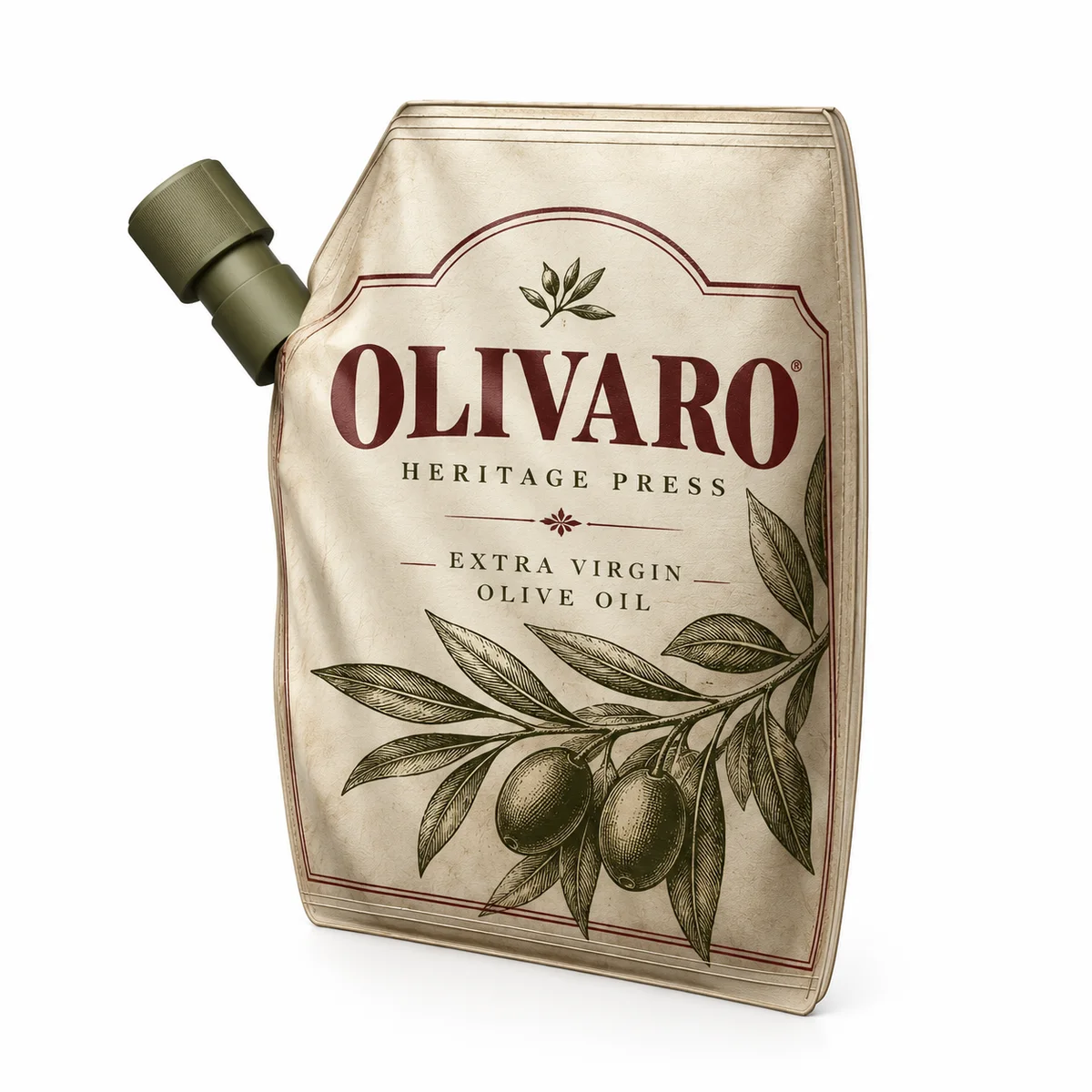
Ribbed Cap Pouch
Cream refill pouch has a ribbed olive screw cap, sealed edges, and fine engraved olive art.
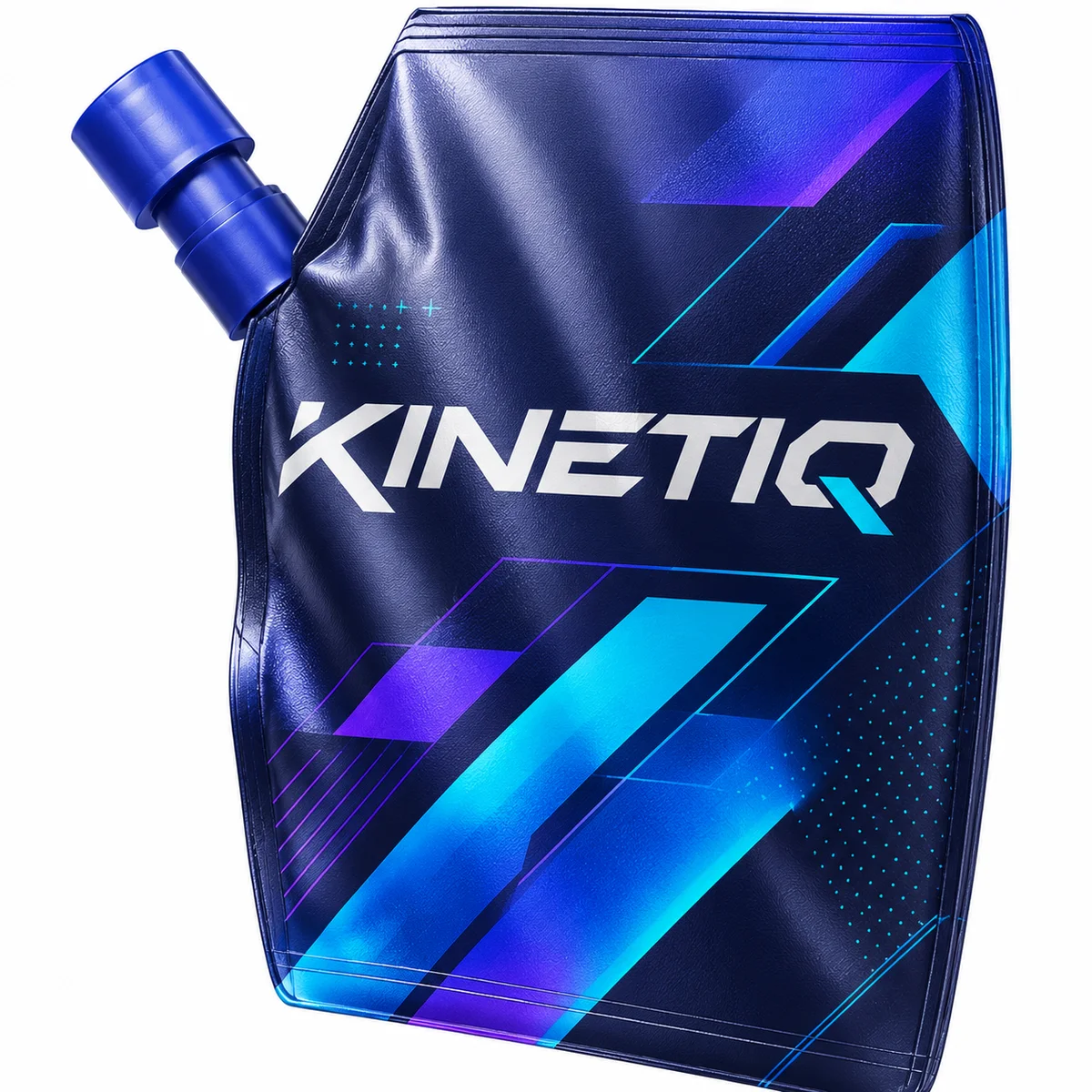
Gloss Finish Spout
Glossy navy refill pouch has a blue corner screw cap, sealed edges, and angular line print.
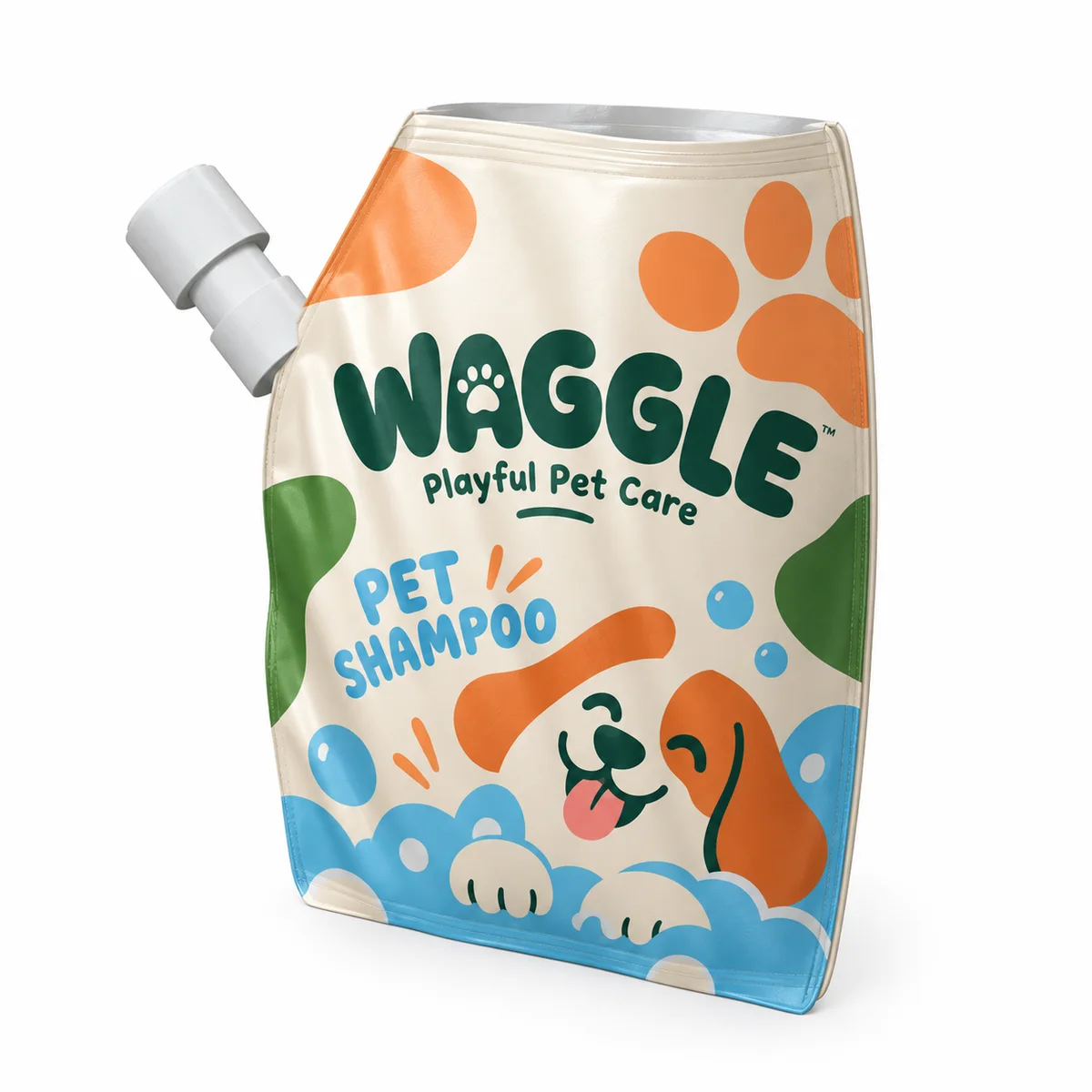
Gusseted Pet Refill
Stand-up refill pouch with a white corner screw cap, base gusset, and playful pet graphics.
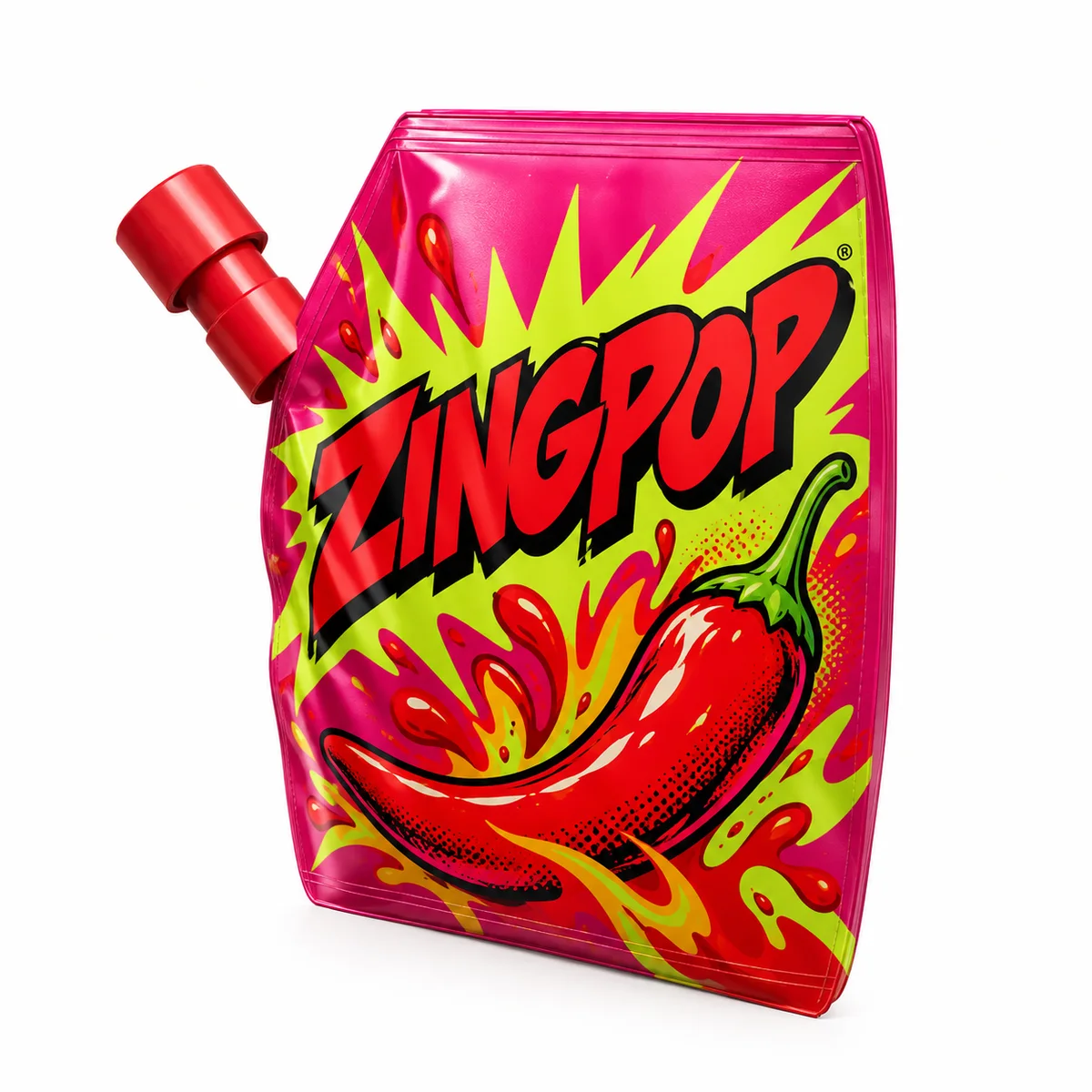
Bold Printed Pouch
Bright magenta refill pouch with an angled red cap, side seals, and full-face chili art.
Can't find the perfect style?
Create a completely custom box design tailored to your brand.
Designed for Various Industries
We design packaging that fits every industry
From small businesses to global brands, our custom packaging solutions are built to elevate your brand and leave a lasting impression.
Cosmetics & Beauty
Food & Beverages
E-commerce & Retail
Electronics
Apparel & Fashion
Health & Wellness
Pharmaceuticals
Cannabis & CBD
Pet Products
Baby & Kids
Jewelry & Accessories
Home & Lifestyle
Candles & Fragrance
Coffee & Tea
Confectionery
Cosmetics & Beauty
Food & Beverages
E-commerce & Retail
Electronics
Apparel & Fashion
Health & Wellness
Pharmaceuticals
Cannabis & CBD
Pet Products
Baby & Kids
Jewelry & Accessories
Home & Lifestyle
Candles & Fragrance
Coffee & Tea
Confectionery
Supplements
Skincare & Personal Care
Haircare
Automotive
Sports & Fitness
Toys & Games
Stationery & Gifts
Bakery & Desserts
Wine & Spirits
Tobacco & Vape
Medical Devices
Tech Accessories
Subscription Boxes
Organic & Natural
Luxury Retail
Supplements
Skincare & Personal Care
Haircare
Automotive
Sports & Fitness
Toys & Games
Stationery & Gifts
Bakery & Desserts
Wine & Spirits
Tobacco & Vape
Medical Devices
Tech Accessories
Subscription Boxes
Organic & Natural
Luxury Retail
Built for brands
that care about detail.
Premium packaging. Precise printing.
Fast turnaround. No hidden costs.
10K+
Happy Customers
98%
Satisfaction Rate
Trusted by Top Brands
We work with startups to enterprises. Our boxes make an impact.
Free Design Support
Get expert help in creating the perfect packaging for your brand.
Warehouse Across USA
Faster fulfilment with local production and warehouses.
Print & Design Lovers
Crafted with passion, just the way your brand deserves.
Custom Refill Pouch with Spout — Designed for Your Liquid
Thick lotion needs a different pouring path from thin hand soap. A good refill pack also has to work on the filling line, hold its shape after filling, and open without making a mess at the bottle. That is why a custom refill pouch with spout starts with the product inside, not just the artwork outside. Packopie brings the spout, film, filled size, and print into one made-to-order specification.
Refill Pouches with Spouts for Cleaner Bottle Refills
A refill pouch helps customers move product into a bottle or dispenser through a directed opening. The screw cap lets them close the pouch again when some liquid remains. This makes the pack useful for hand soap, shampoo, body wash, laundry detergent, and other pourable refills.
A stand-up gusset gives the pouch a base when filled. A flat pouch suits projects that need a different packing or handling shape. Neither format is universally better; the best choice depends on the product, how people dispense it, and how filled units will travel.
Explore Packopie’s wider custom spouted pouches category when comparing pouch shapes. This page focuses on the refill use case, where repeat pouring and closure performance matter just as much as shelf appearance.
Corner and Center Spouts Matched to Liquid Flow
The opening must suit what flows through it. A thin liquid detergent may pour freely through a smaller bore. Thick body lotion, gel, or a product with suspended pieces can behave quite differently. A wider spout may help, but testing with the actual formula is still needed.
Corner spouts direct liquid toward the edge of a receiving bottle. Top-center spouts offer another pouring and filling position. Their location also changes how a filling machine grips or guides the pouch.
Choose the threaded neck and cap as a matched pair. The cap must close as intended, and the spout must weld to the selected film. Tamper-evident caps, wider openings, and alternate cap colors can be evaluated during specification review rather than assumed interchangeable.
Filling-Line Compatibility Before the First Production Run
A refill pouch can be filled through its installed spout or through an open top that is sealed afterward. These routes are not the same production step. Through-spout filling needs a nozzle that fits the bore, plus equipment that applies the cap. Open-top filling allows wider access but requires a reliable final heat seal.
Before fixing the pouch drawing, establish the machine model, nozzle size, pouch holding method, fill temperature, and target output. Foam, drips, or thick product can change fill speed and leave residue on surfaces that must seal.
A short trial with filled samples may reveal issues a flat artwork proof never could. Packopie can use the filling method to guide spout placement and the pouch layout, while final line settings and equipment compatibility remain subject to testing with the manufacturer or packer.
Flexible Films and Seals Selected for Your Formula
PET/PE is a practical starting construction for many refill concepts, but the label on a film alone does not prove suitability. Fragrance, oils, acidity, storage time, and filling temperature all affect the final choice. PET/NY/PE can be considered where more toughness is needed. Metallized or foil layers may be worth evaluating when light or gas exposure matters.
An aluminum foil spout pouch is one possible high-barrier route, but it still needs compatible inner seal layers and the correct welded fitment. Likewise, buyers comparing custom Mylar bags should keep barrier needs distinct from the mechanical requirements of a pouring spout.
The spout-to-film weld, side seams, gusset seals, and cap are all potential leak paths. Filled-package handling, seal, and closure tests should reflect the real product and shipping conditions. Broader custom poly bags may meet different flexible-packaging needs; liquid refills add a closure and weld that must be designed and checked together.
Stand-Up Refill Pouch Sizes That Match Real Fill Volumes
A pouch labeled 500 mL needs space for more than a flat measurement on a drawing. The filled body expands, the bottom gusset opens, and some headspace may be needed for foam and a secure seal. A 1 L detergent refill may call for a wider base or a different spout arrangement than a small hand-soap pack.
Length, width, and gusset depth are useful starting inputs, not promises of exact capacity. The right dimensions depend on the formula’s density, the intended net fill, and the package shape after sealing.
Start with the bottle the customer will refill. Its mouth, storage area, and expected pour rate help determine how the pouch should handle. Then check the chosen dimensions using a filled sample rather than treating nominal size as finished capacity.
Custom Printed Refill Packaging with Clear Brand Details
A refill pouch may sit on a shelf, arrive in an online order, or live under a kitchen sink. Printing should make the brand recognizable in each setting while leaving room for product name, net contents, directions, and any required warnings.
Packopie offers front-panel and front-and-back artwork planning, CMYK printing, optional white underprint, and matte or gloss looks where technically suitable. A printed sample helps check color, text size, artwork position, and how much of the design folds around the filled gusset.
Hand soap and laundry detergent need different usage language. A cosmetic spout pouch for thick lotion may also need different dispensing instructions from a thin shampoo refill. Artwork decisions should follow the final formulation and closure plan, not cover information that becomes hard to read once the pouch is full.
Wholesale Refill Pouch Quotes Based on Your Specifications
The most useful quote starts with a brief that a producer can actually price. Include the liquid type, desired fill volume, pouch dimensions, spout location, cap preference, print coverage, target quantity, and delivery destination. If a filling line already exists, machine and nozzle details can prevent expensive changes later.
Packopie’s Quote Builder currently uses a suggested starting quantity of 500 units and a planning base rate of $0.94 per pouch. Those figures are estimates for comparing choices, not a promise of final unit cost. Films, printing, special fitments, production schedules, tooling, and freight can change the written quotation.
When the product, artwork, and filling route are clear, Packopie can turn them into a focused custom refill pouch proposal. That conversation is where the buyer can confirm a suitable sample, realistic production details, and a price matched to the actual specification.
Frequently Asked Questions
A larger opening may help, but test the product's thickness, pour rate, nozzle size, and cap fit together. Thick gels may also call for a different filling method. A wider opening alone does not guarantee smooth dispensing.
It depends on whether your line fills through the spout or through an open top. Check nozzle diameter, fitment grip, cap tightening, and the final sealing step. A trial with your actual product helps confirm compatibility before production.
Pay attention to the spout-to-film weld, perimeter seals, bottom gusset, and cap closure. Filled-pouch leak and handling tests under the intended shipping conditions are more useful than checking an empty sample alone.
Start with the target net fill, then allow for the product's foam, headspace, and the way the bottom gusset expands. The Quote Builder dimensions are planning inputs, not a capacity guarantee. Verify fill volume with a filled sample.
Often, yes. Acidity, oils, fragrance, filling temperature, and storage needs can change film and seal requirements. For sauces, confirm that the exact food-contact materials are authorized for the intended use. A pouch specified for cleaners is not automatically suitable for food.
Not automatically. Recycling depends on the complete pouch, its spout and cap, product residue, and collection rules. In the United States, liquid soap and detergent pouches may be ineligible for Store Drop-off recycling labels even when the film is PE-based.
More Solutions
You May Also Like
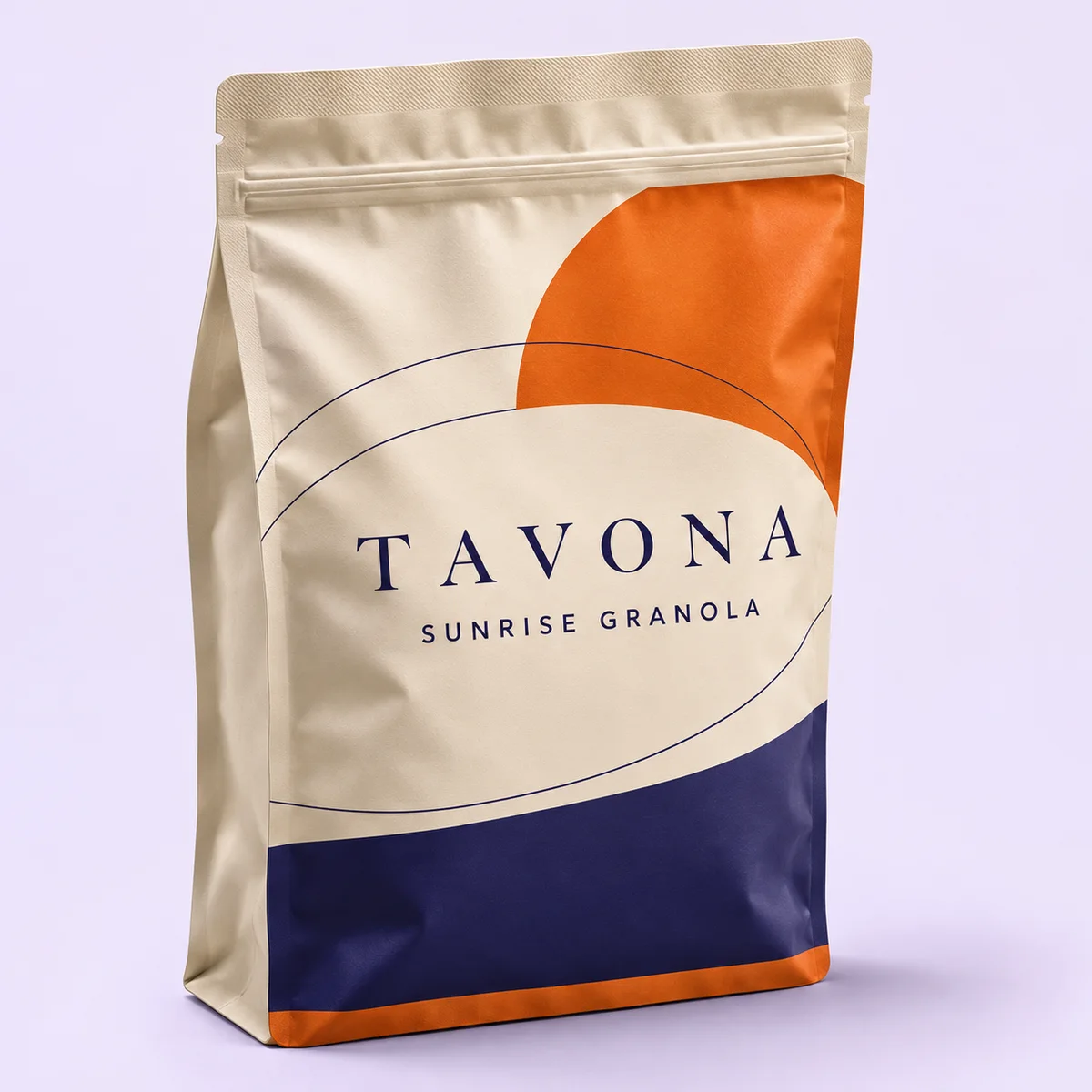
Custom Zipper Pouches
A zipper keeps opened packs easy to close again, while the right gusset and film help snacks, powders, or tea hold their shape and handle everyday use.
View product →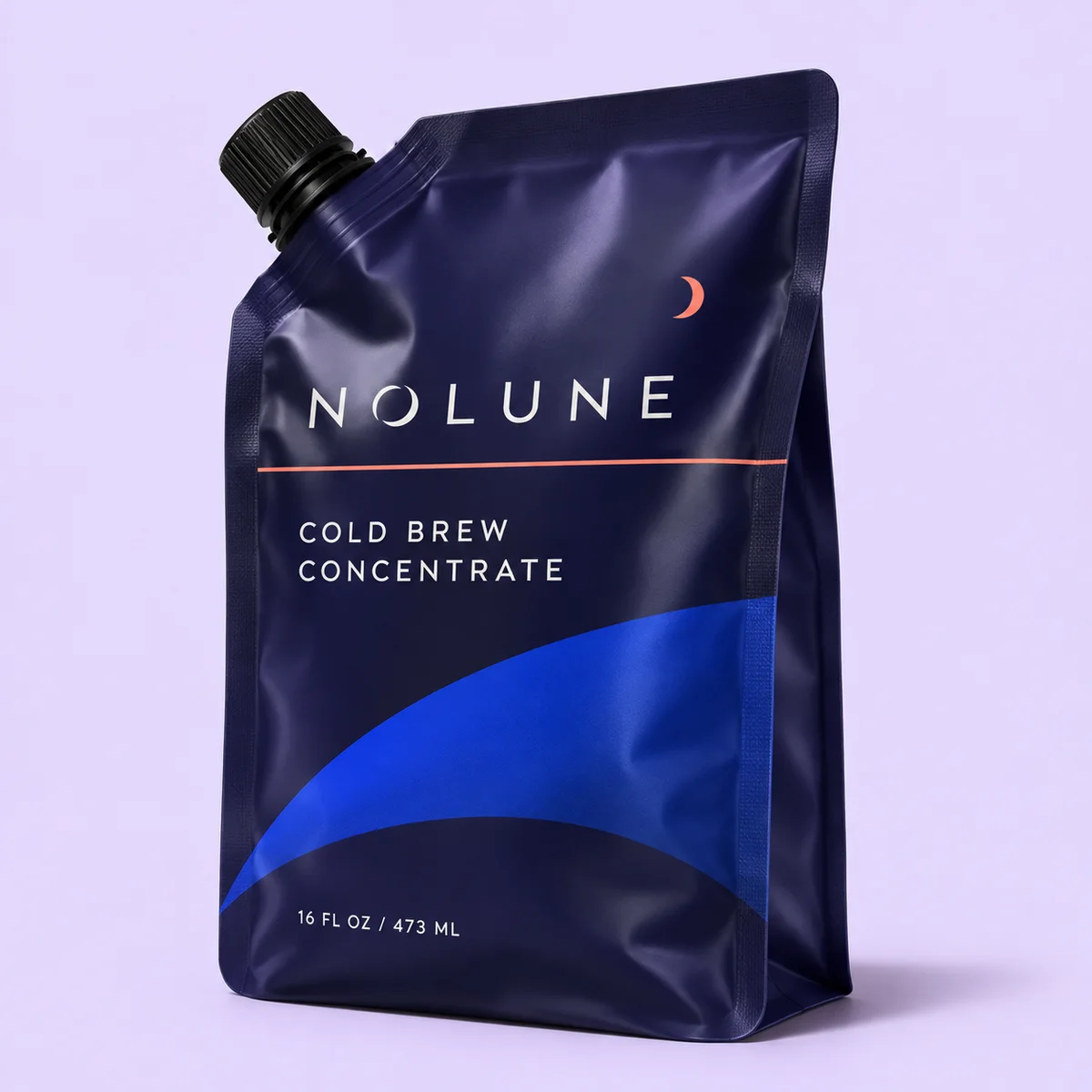
Custom Cold Brew Coffee Pouches
Cold brew concentrate needs a clean pour and a seal that fits the filling line. Tailor pouch shape, spout, and barrier film to your beverage.
View product →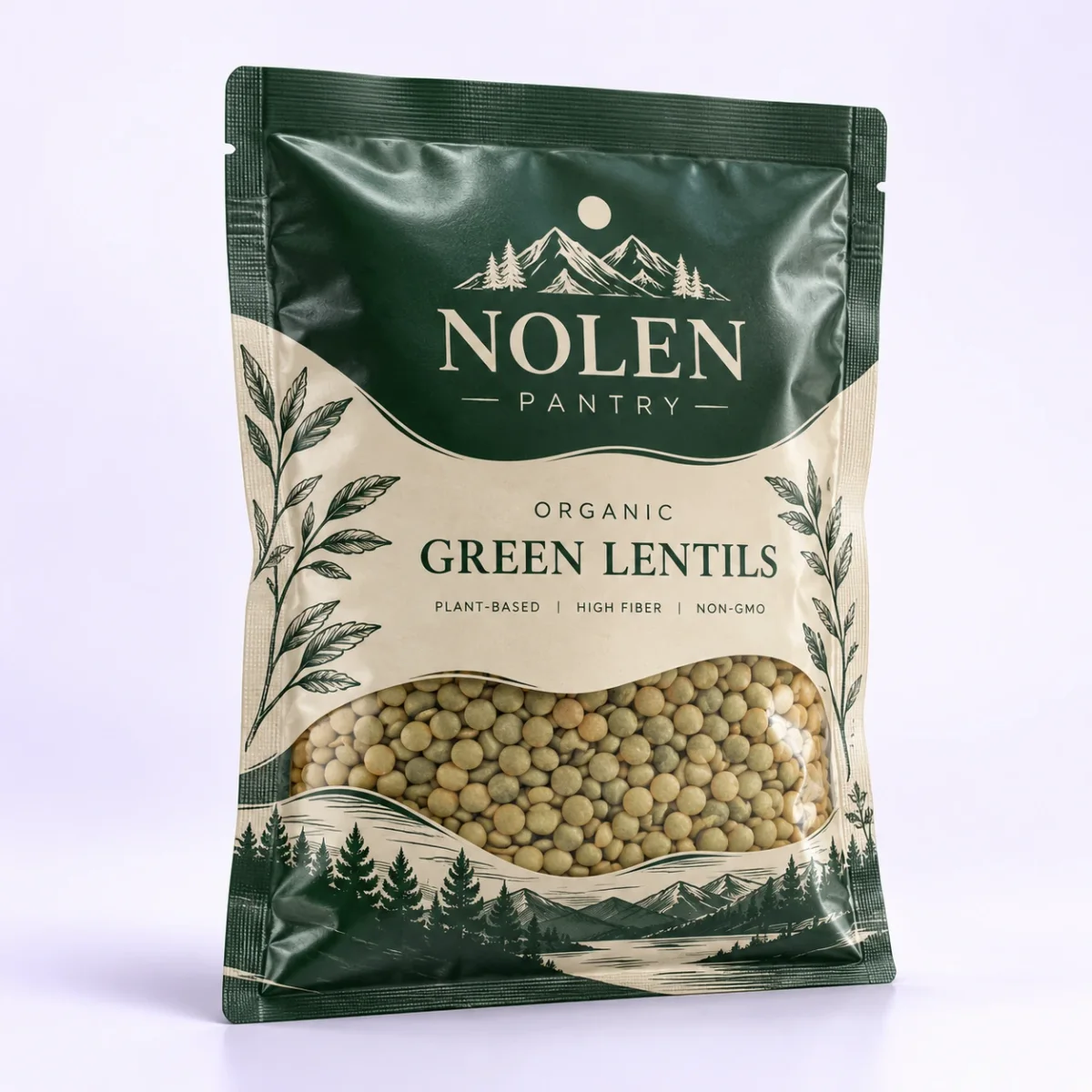
Custom Vacuum Sealed Mylar Bags
Vacuum sealing starts with machine fit. Plan printed Mylar bags around your sealer, product shape, barrier needs, and clear heat-seal space.
View product →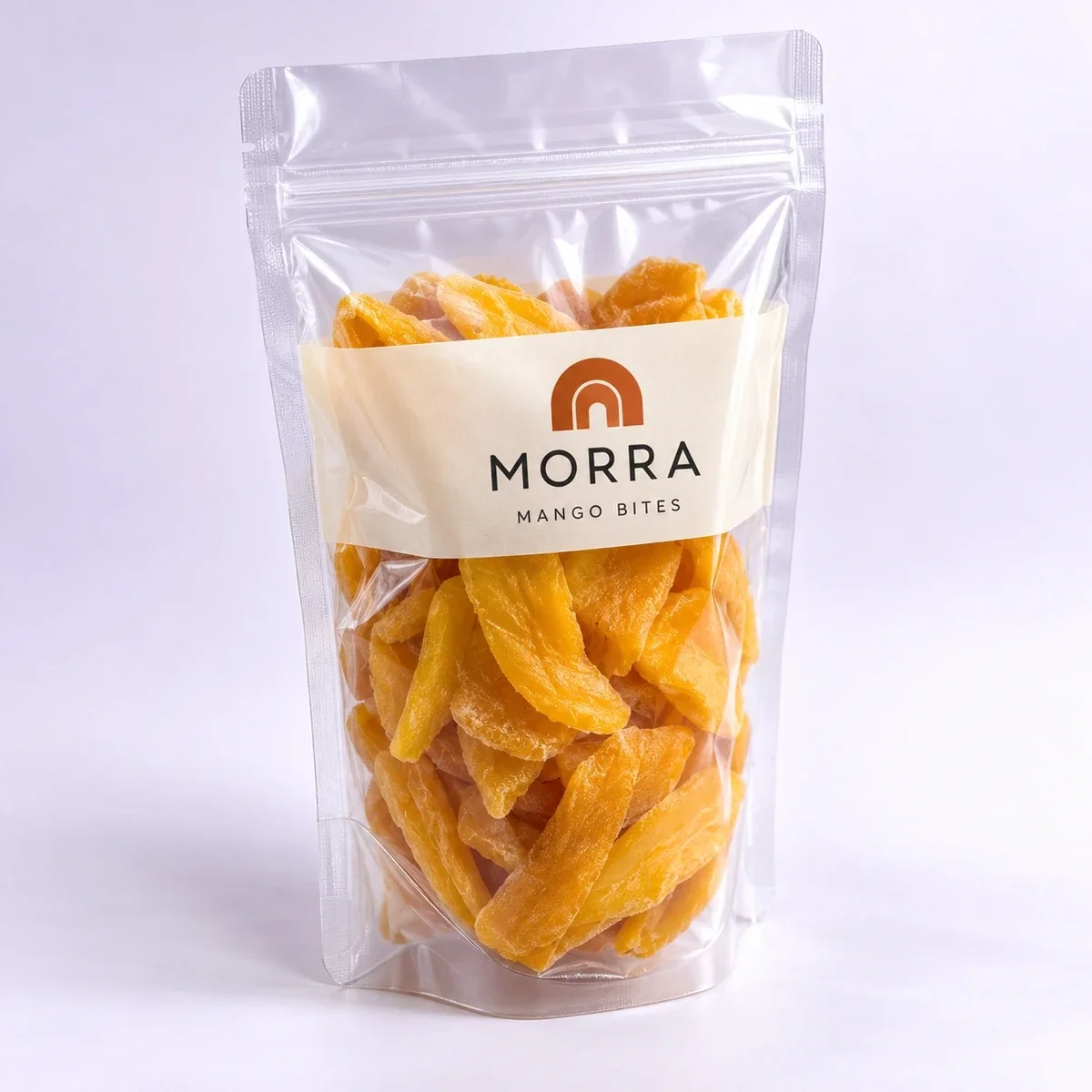
Custom Transparent Stand Up Pouches
Let shoppers see the dried fruit, candy, or treats inside. Clear stand-up pouches pair visible contents with printed branding and a stable gusset.
View product →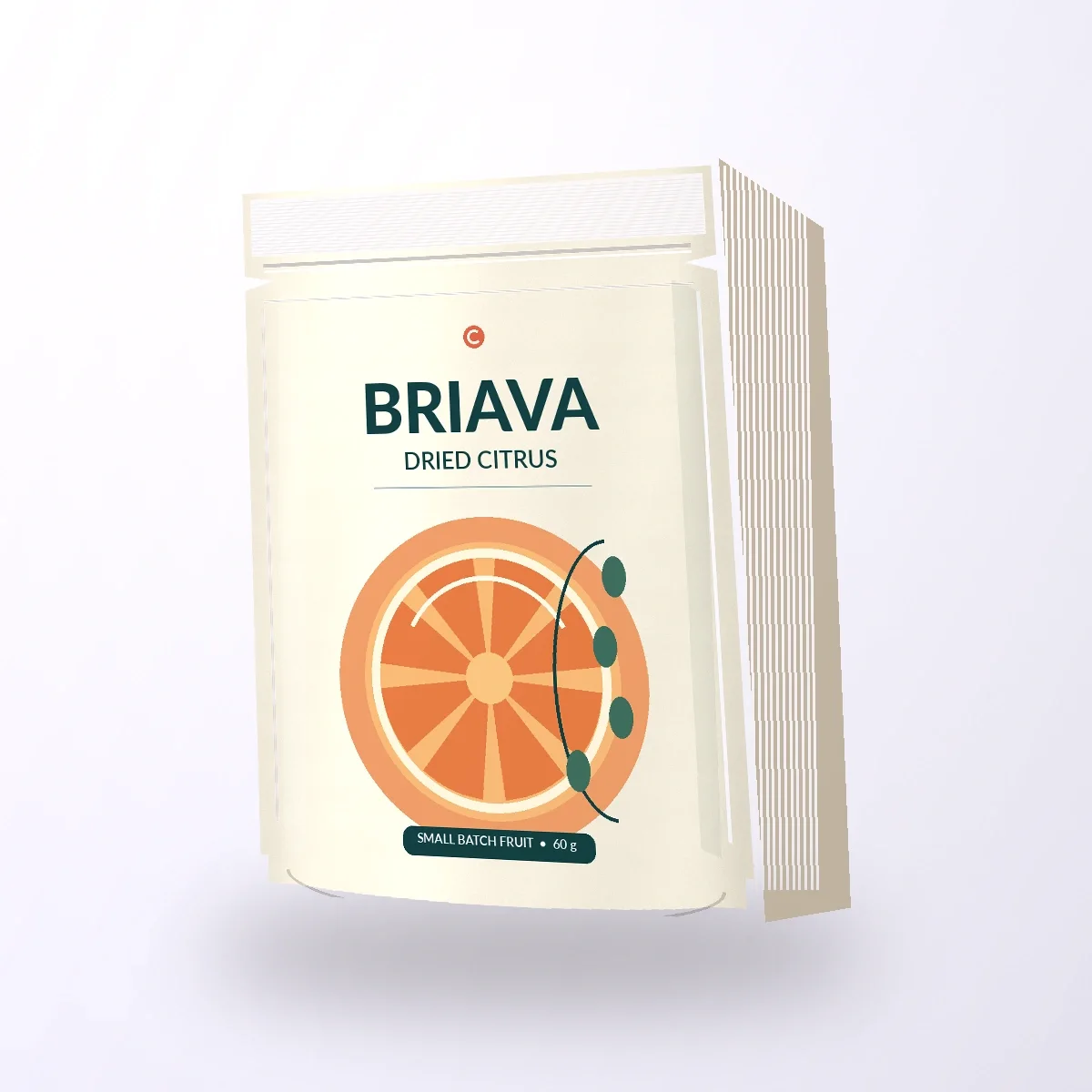
Custom Tear Notch Packaging
A tear notch gives sealed snack, powder, or refill pouches a clear opening point. Position it above a zipper and away from the usable product space.
View product →Custom Zipper Pouches
A zipper keeps opened packs easy to close again, while the right gusset and film help snacks, powders, or tea hold their shape and handle everyday use.
View product →Custom Cold Brew Coffee Pouches
Cold brew concentrate needs a clean pour and a seal that fits the filling line. Tailor pouch shape, spout, and barrier film to your beverage.
View product →Custom Vacuum Sealed Mylar Bags
Vacuum sealing starts with machine fit. Plan printed Mylar bags around your sealer, product shape, barrier needs, and clear heat-seal space.
View product →Custom Transparent Stand Up Pouches
Let shoppers see the dried fruit, candy, or treats inside. Clear stand-up pouches pair visible contents with printed branding and a stable gusset.
View product →Custom Tear Notch Packaging
A tear notch gives sealed snack, powder, or refill pouches a clear opening point. Position it above a zipper and away from the usable product space.
View product →✦ Upgrade Today
Ready to Upgrade Your Brand Packaging?
Get custom templates matching your custom dimensions. Instant 3D digital proof samples returned in hours.