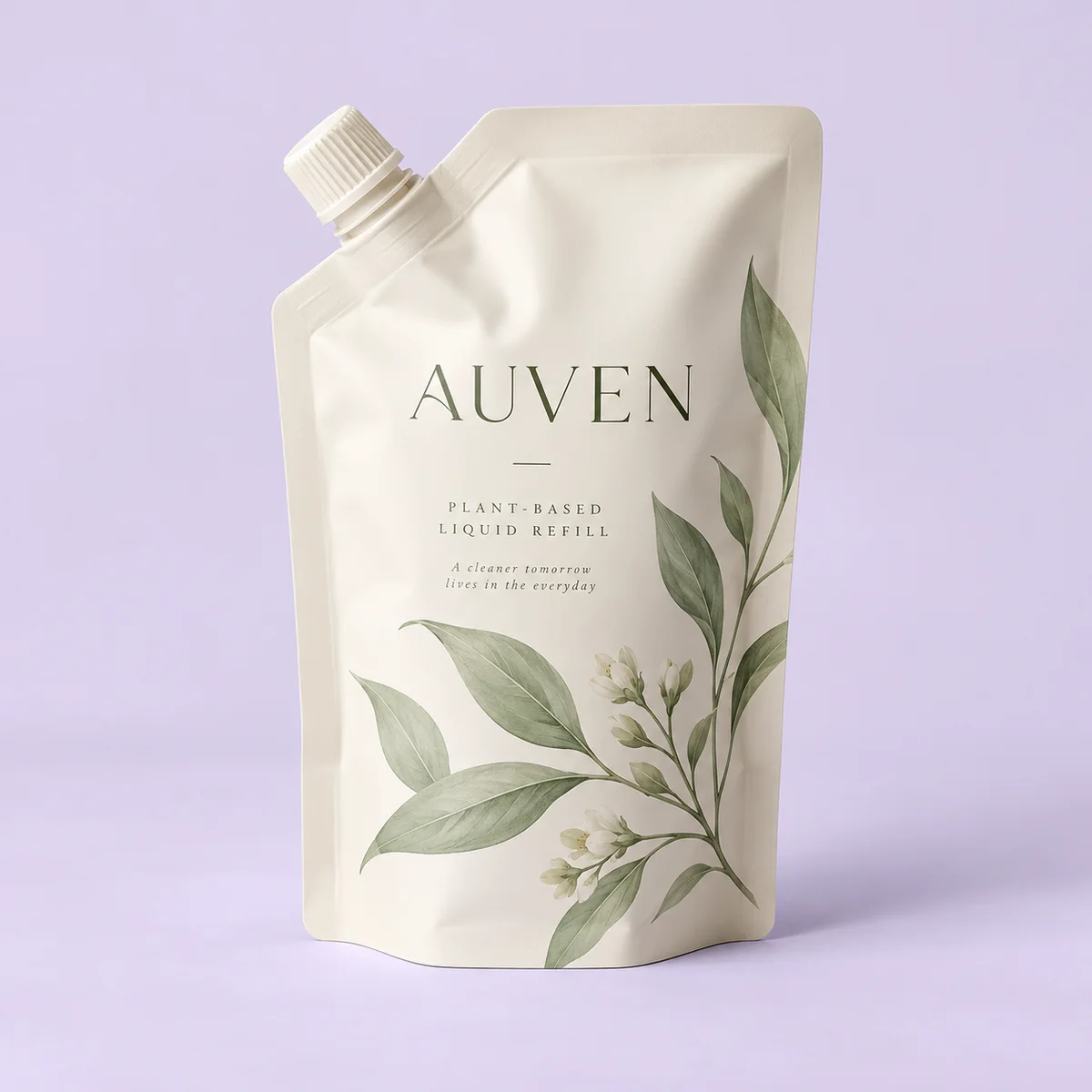
Made To Order
★★★★★
4.8/5.0Custom Biodegradable Spout Pouch
From thick purees to pourable refills, match the spout opening, pouch film, and seals to your liquid before finalizing custom printed packaging.
Premium Quality
Fully Customizable
Low MOQ
Fast Turnaround
100% Eco-Friendly
Sustainable materials
Free Shipping
On every order
No Die & Plate Charges
Zero hidden costs
100% Satisfaction
Quality guaranteed
Expert Support
We're here to help
Design Varieties
Spout Pouch Styles for Different Fill Needs
Explore pouch profiles, cap positions, and printed layouts for liquids, purees, gels, and refill products. Final production details depend on the selected materials and filling method.
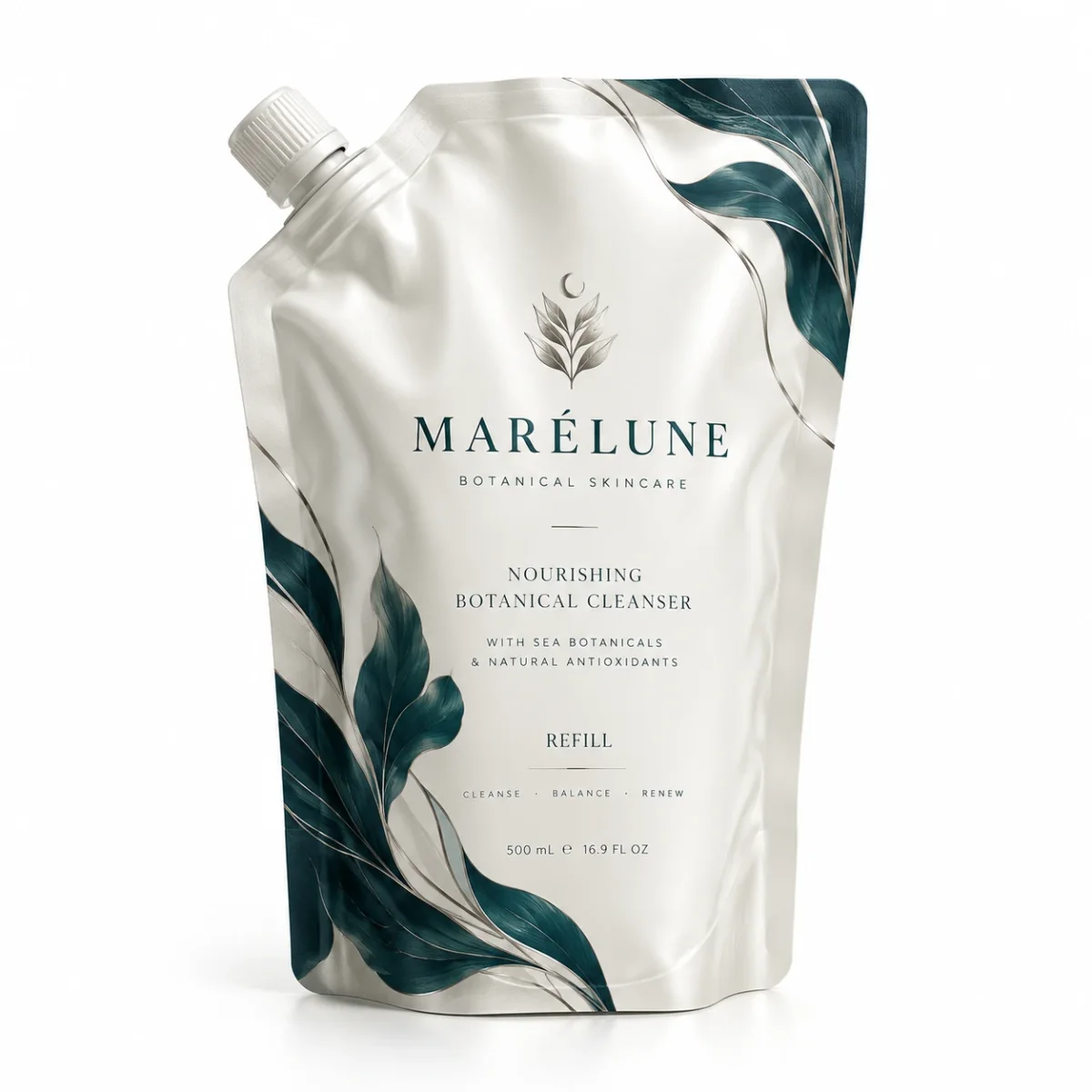
Centered Spout Refill
A tall stand-up pouch with a centered white screw cap, crimped top seam, and side folds.
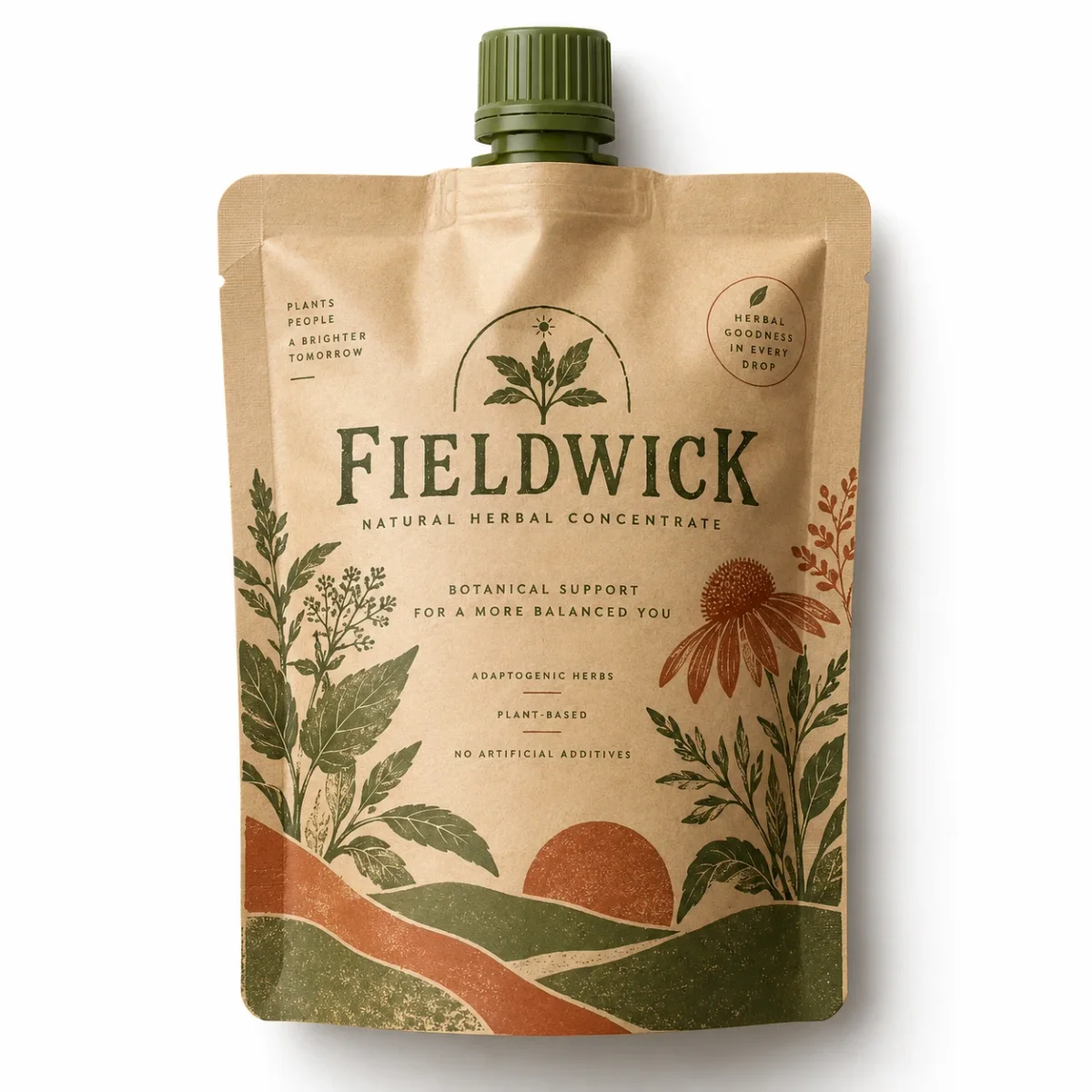
Kraft-Look Spout Pouch
A kraft-look pouch with a dark green screw cap, flat front panel, and sealed side edges.
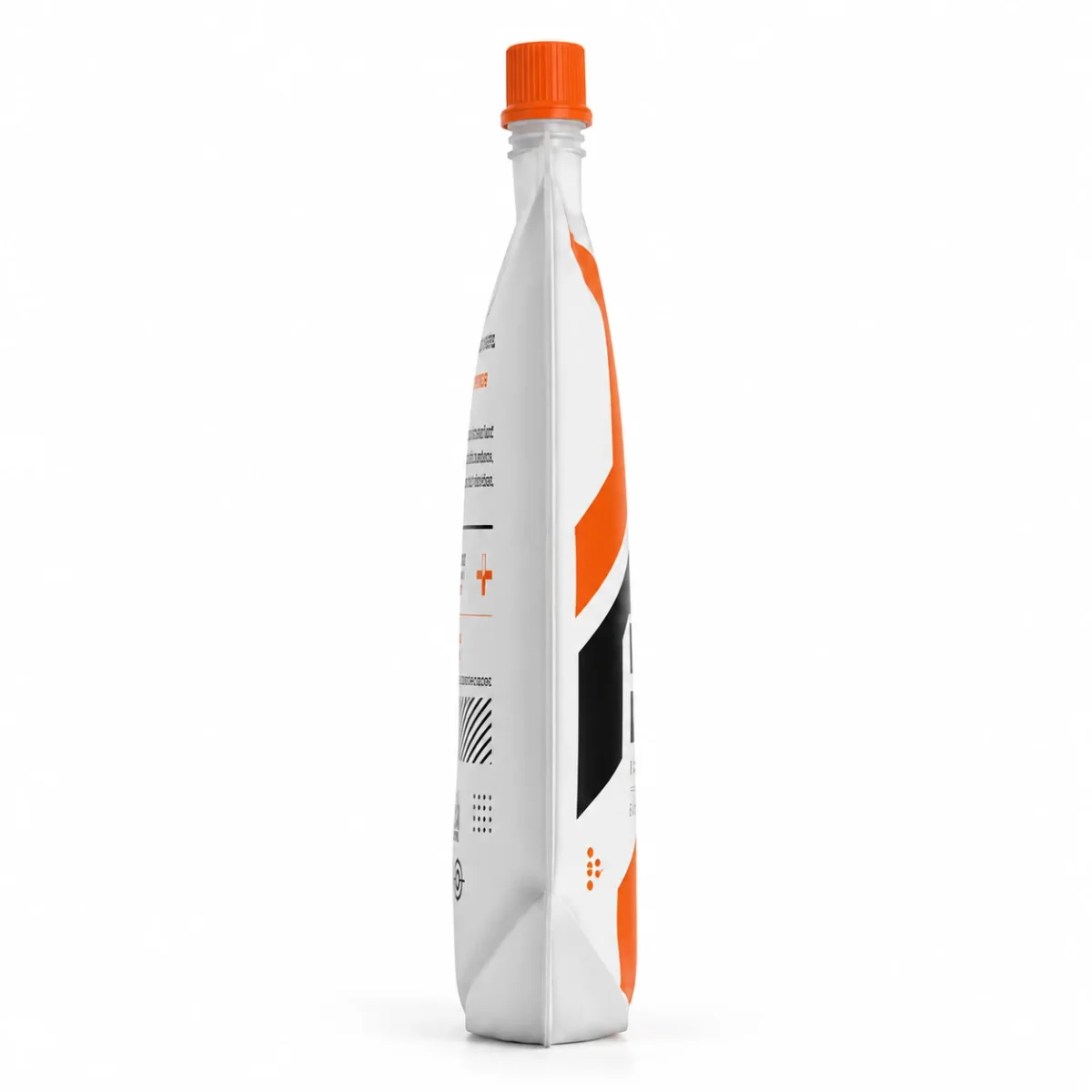
Flat-Front Refill Pouch
The upright pouch has straight side seals, a black threaded cap, and a broad front panel.
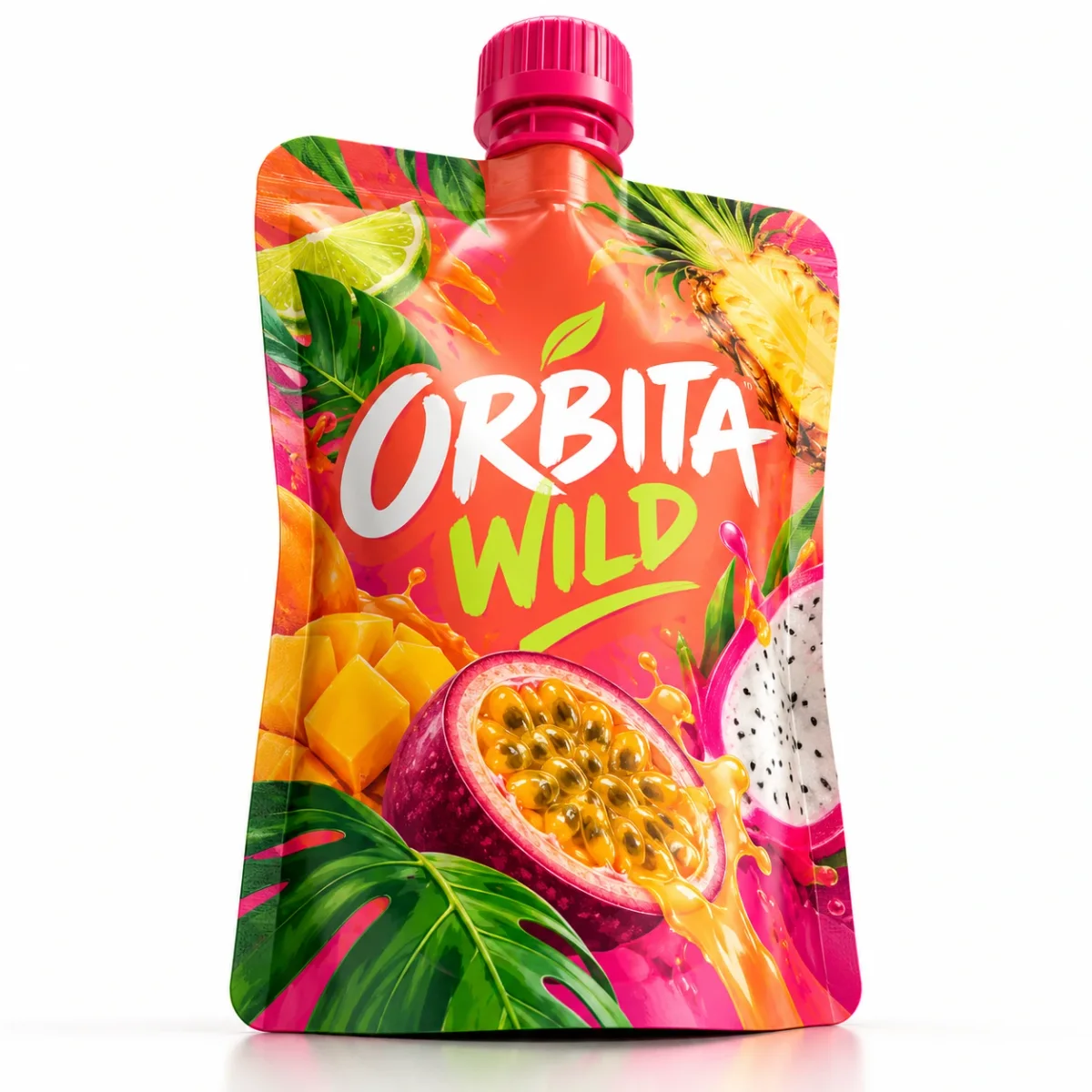
Printed Face Spout Pouch
A stand-up pouch with curved upper corners, a pink screw cap, and full-face printed art.
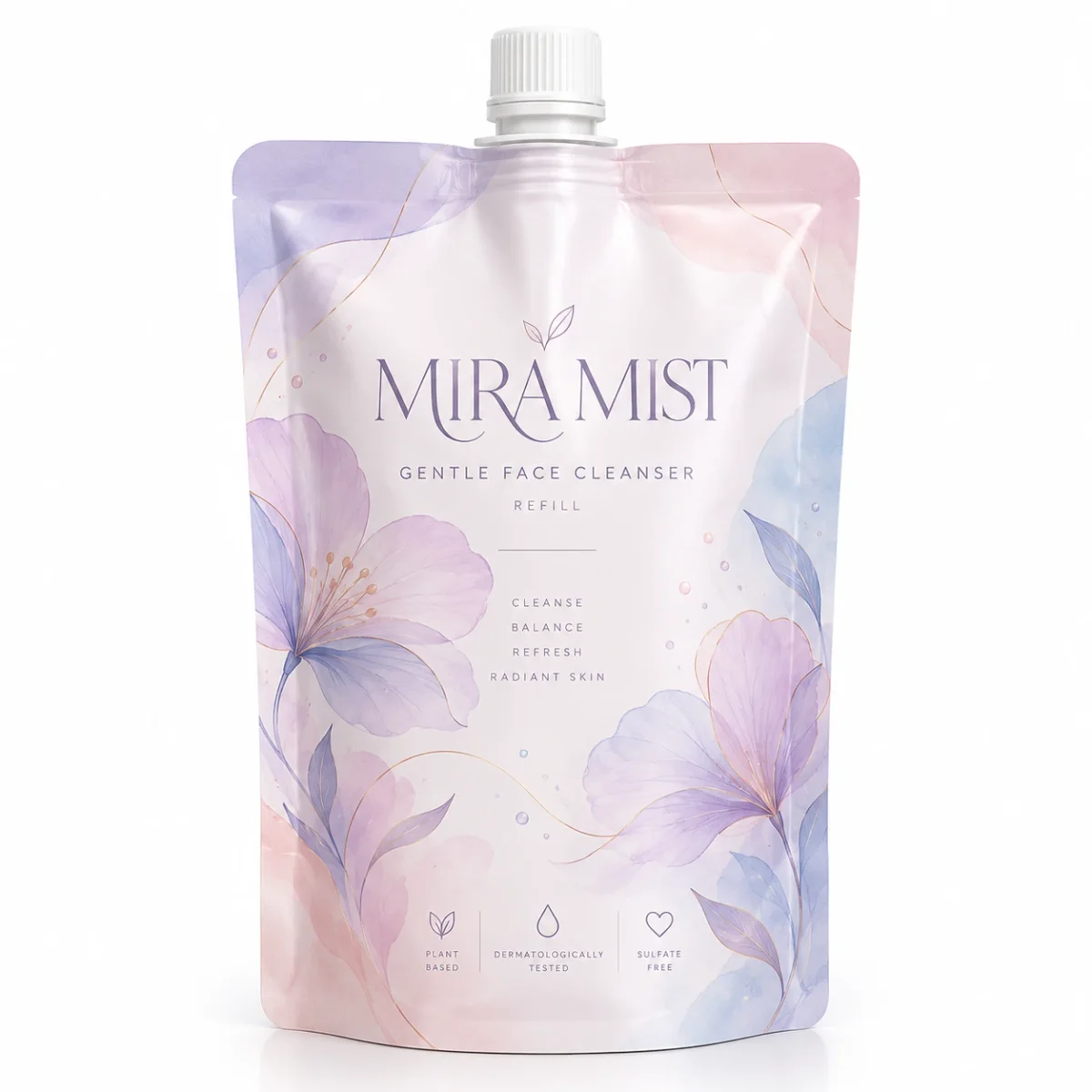
Soft-Corner Refill Pouch
A soft-sided refill pouch with rounded shoulders, a pale screw cap, and sealed top edge.
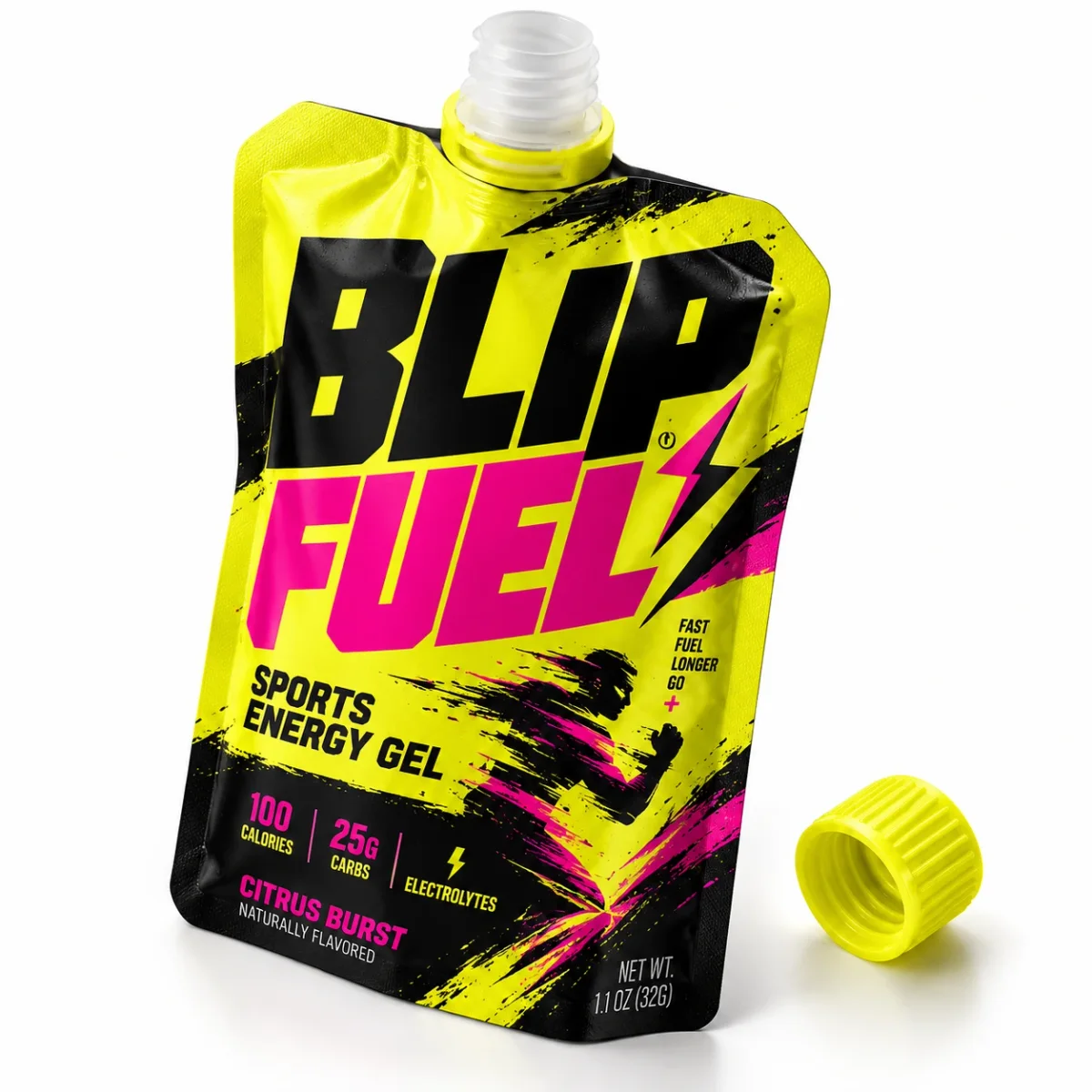
Compact Gel Spout Pouch
A compact upright squeeze pouch with a black screw cap, side folds, and a broad flat base.
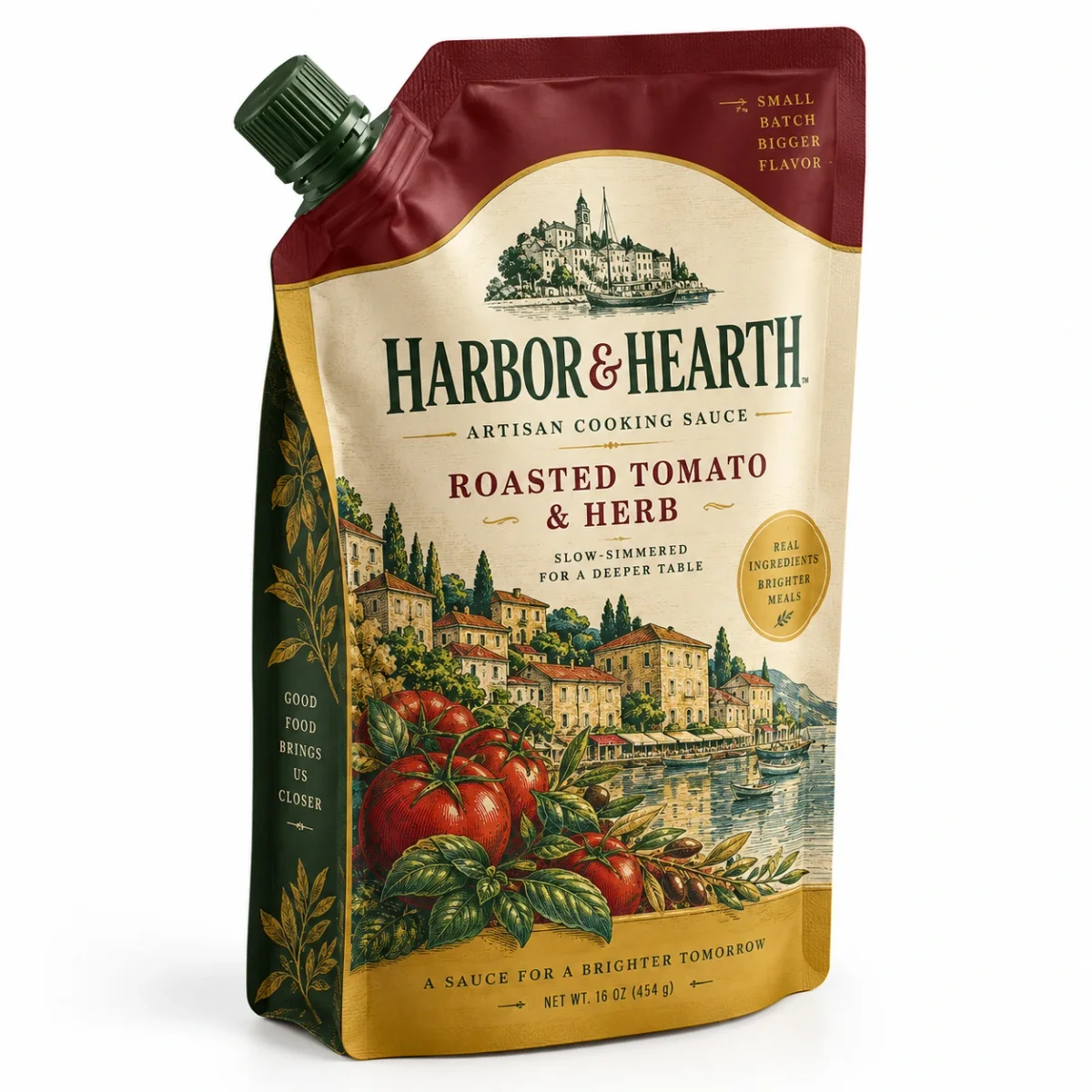
Stand-Up Sauce Pouch
The upright sauce pouch shows a red screw closure, wide front panel, and folded base gusset.
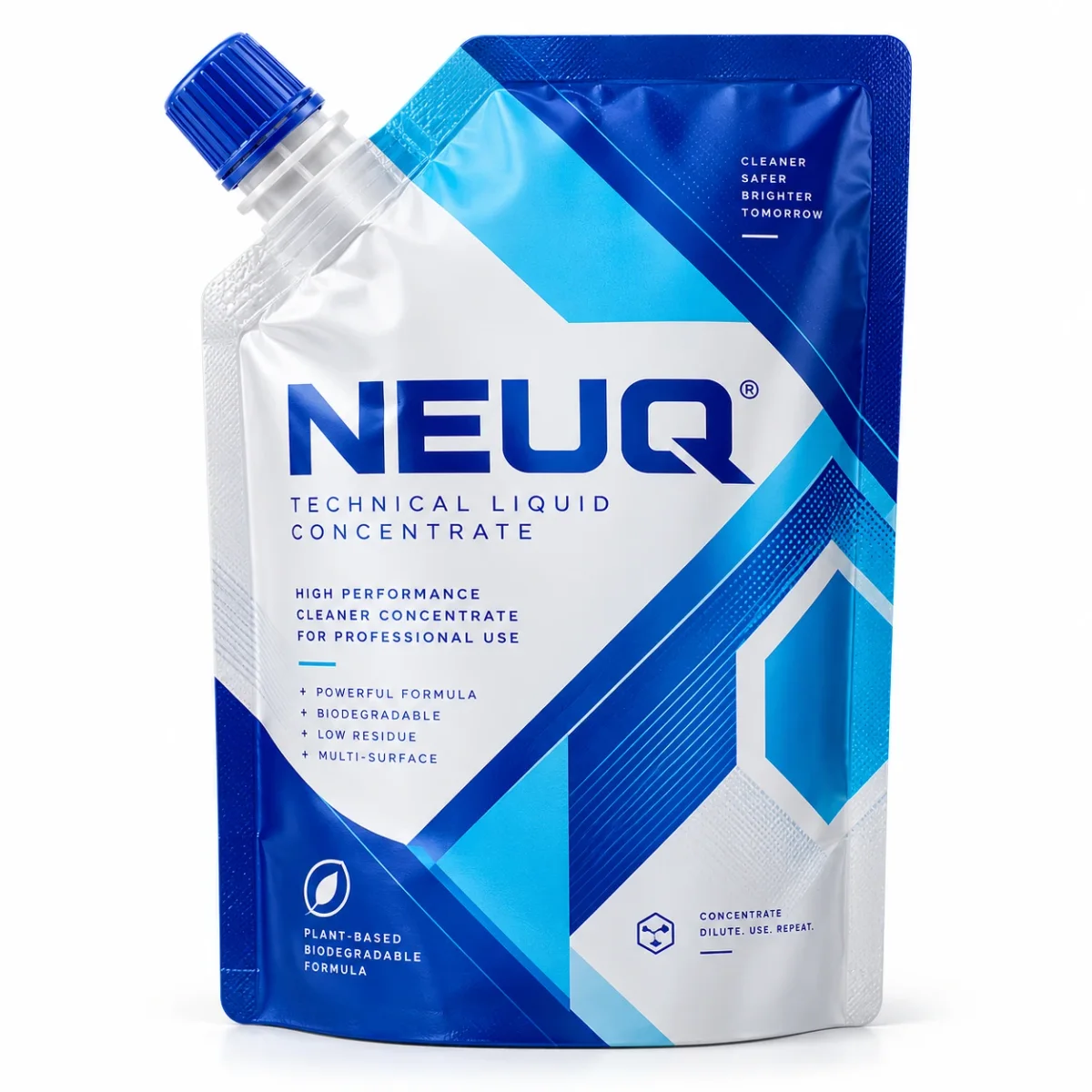
Sealed Edge Spout Pouch
A white upright pouch with sealed side margins, a center spout fitting, and bottom gusset.
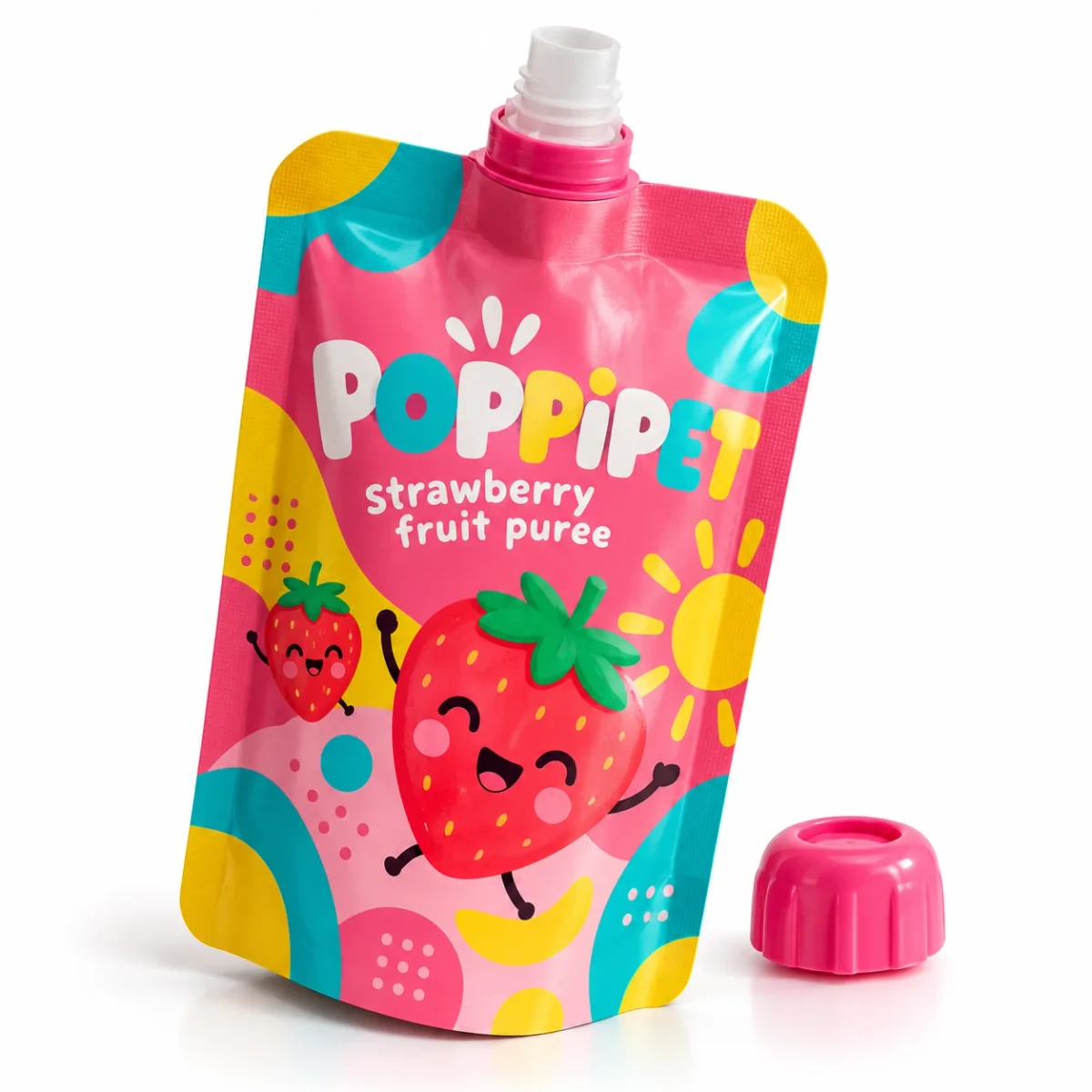
Rounded Shoulder Squeeze Pouch
A compact squeeze pouch has a ribbed yellow screw cap, rounded shoulders, and standing base.
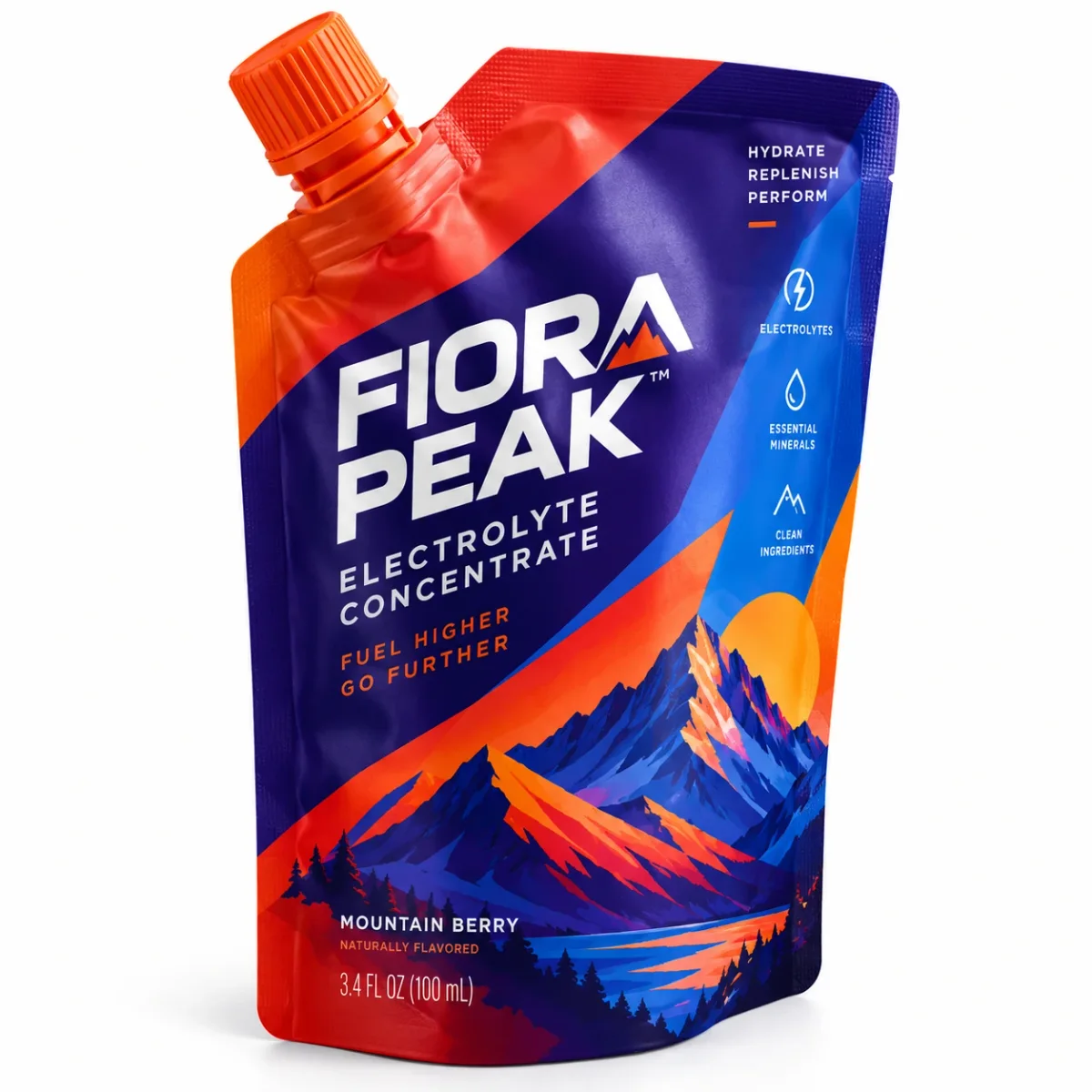
Tall Spouted Refill Pouch
A tall refill pouch with a purple threaded cap, sealed shoulders, and a broad flat base.
Can't find the perfect style?
Create a completely custom box design tailored to your brand.
Designed for Various Industries
We design packaging that fits every industry
From small businesses to global brands, our custom packaging solutions are built to elevate your brand and leave a lasting impression.
Cosmetics & Beauty
Food & Beverages
E-commerce & Retail
Electronics
Apparel & Fashion
Health & Wellness
Pharmaceuticals
Cannabis & CBD
Pet Products
Baby & Kids
Jewelry & Accessories
Home & Lifestyle
Candles & Fragrance
Coffee & Tea
Confectionery
Cosmetics & Beauty
Food & Beverages
E-commerce & Retail
Electronics
Apparel & Fashion
Health & Wellness
Pharmaceuticals
Cannabis & CBD
Pet Products
Baby & Kids
Jewelry & Accessories
Home & Lifestyle
Candles & Fragrance
Coffee & Tea
Confectionery
Supplements
Skincare & Personal Care
Haircare
Automotive
Sports & Fitness
Toys & Games
Stationery & Gifts
Bakery & Desserts
Wine & Spirits
Tobacco & Vape
Medical Devices
Tech Accessories
Subscription Boxes
Organic & Natural
Luxury Retail
Supplements
Skincare & Personal Care
Haircare
Automotive
Sports & Fitness
Toys & Games
Stationery & Gifts
Bakery & Desserts
Wine & Spirits
Tobacco & Vape
Medical Devices
Tech Accessories
Subscription Boxes
Organic & Natural
Luxury Retail
Built for brands
that care about detail.
Premium packaging. Precise printing.
Fast turnaround. No hidden costs.
10K+
Happy Customers
98%
Satisfaction Rate
Trusted by Top Brands
We work with startups to enterprises. Our boxes make an impact.
Free Design Support
Get expert help in creating the perfect packaging for your brand.
Warehouse Across USA
Faster fulfilment with local production and warehouses.
Print & Design Lovers
Crafted with passion, just the way your brand deserves.
Custom Biodegradable Spout Pouches Specified for Your Liquid
A thick fruit puree and a thin liquid refill do not move through a spout in the same way. The opening size, pouch seal, and filling method affect pouring, closing, and transport before the first label goes on. Packopie helps buyers plan custom biodegradable spout pouch projects around those practical decisions, with material and environmental claims reviewed before production.
Film and Spout Materials Matched to Liquid Packaging
A spouted pouch is more than a printed sheet folded into a bag. It combines flexible film, a heat-sealed body, a welded spout, and a threaded cap. Each part contacts or supports the fill in a different way. A film that looks suitable on its own may not bond well to a particular spout flange. That connection needs its own compatibility check.
Packopie's planning choices include bio-film, clear-film, kraft-look, and higher-barrier candidates, subject to supplier testing. A kraft appearance is a print or surface choice; it does not prove the entire pouch is paper or compostable. Buyers comparing general custom poly bags should pay particular attention to the added weld and cap interfaces required for a liquid pouch.
The best construction depends on the liquid, shelf-life target, handling conditions, and available manufacturing process. Final film structure and thickness remain subject to confirmation rather than a generic material promise.
Spout Openings Designed Around Pouring and Squeezing
A narrow spout helps guide a thin liquid into a small opening. A fruit puree with pulp may need a wider bore to avoid slow flow or blockage. Thick sauces, gel concentrates, and shampoo refills each bring different demands to the dispensing opening.
Center-spout and corner-spout placements also change how the pouch is held. A centered cap may suit a compact stand-up profile; a corner opening can help users tip or squeeze from one edge. Neither arrangement is automatically better for every product.
The cap is part of the system, not a decorative accessory. Thread match, tightening method, tamper-evident bands, and spout neck clearance all need a practical check. A working sample filled with the actual product tells buyers more than a drawing of a cap.
Pouch Dimensions and Gussets Based on Filled Capacity
Start with the intended fill amount, not just the outside height of the pouch. Liquids have different densities, and headspace may be needed for filling or closing. The same nominal capacity can lead to different pouch proportions when a product contains pulp, foam, or a heavy concentrate.
A bottom gusset helps a filled stand-up pouch rest upright on a shelf. A flat spout pouch has a different handling and display profile. The outer width, height, and gusset size also affect the position of artwork, the usable seal area, and the space available around the spout.
For early budgeting, Packopie's configuration uses a compact 4.75 × 6.75 × 2-inch starting size. This is a planning dimension, not a verified 250 ml capacity. A filled trial determines the final size and stable standing behavior.
Filling Methods and Seals That Suit Production
A co-packer may fill a pouch through the installed spout and apply its cap afterward. Another filling line may need the top of the pouch left open, then heat sealed after dosing. The difference changes where product residue can reach a seal and which equipment must hold the pouch in place.
For through-spout filling, check nozzle diameter, spout clearance, venting, and cap application. For open-top filling, define seal width, jaw temperature, pressure, and time. These variables should be tested with the selected film instead of copied from another pouch.
Food producers also need to match the package to the food type and processing conditions. Hot filling, pasteurization, and retort treatment cannot be assumed suitable for a proposed bio-film. Leak checks, seal-strength trials, and handling tests should cover both pouch seams and the fitted closure.
Custom Printing That Works with Pouch Construction
Brand artwork needs clear space around the spout weld, side seals, and bottom folds. A headline placed too close to a folded edge can lose legibility after filling. Small instructions or measurement marks may become harder to read when the pouch expands.
Packopie can plan front-panel, front-and-back, or extended print coverage for the chosen shape. CMYK color work, white underprint, and cap-color requests should be checked against the actual film and production method. A transparent candidate may need different print choices than an opaque, kraft-look face.
Suppliers should review every coating or finish alongside the material claim. An attractive surface treatment does not justify calling the finished pack biodegradable.
Biodegradability Claims Reviewed Across the Whole Pouch
The word biodegradable describes an end-of-life claim that requires proof under relevant disposal conditions. A plant-derived input does not, by itself, establish how a sealed liquid pouch will break down. The spout, cap, film layers, print, adhesives, and coatings all affect what can be claimed about the completed item.
Compostable is a separate claim. Commercial composting and home composting use different conditions and evidence. Any certification mark needs documentation for the exact product configuration; no certification should be inferred from a material sample alone.
For some products, buyers also compare custom Mylar bags or an aluminum foil spout pouch to understand barrier options. Those are different material approaches and should not be treated as interchangeable with a proposed biodegradable assembly. Oxygen and moisture barrier needs still matter, particularly for flavor-sensitive fillings.
Packopie can use supplier evidence to narrow the material options and any wording eventually printed on the pouch. Disposal instructions should match verified product performance and the relevant collection system, not a broad environmental slogan.
Wholesale Spout Pouch Quotes Built on Real Specifications
A useful custom quote starts with the liquid and the filling line. Provide the intended contents, target fill amount, preferred spout position, cap needs, pouch shape, artwork, and expected order quantity. Those details help identify material candidates and the tests that may be needed.
Packopie's current Quote Builder uses a suggested 500-piece planning minimum and estimated rates, but supplier pricing and production feasibility still require confirmation. Print coverage, size, added fitments, and freight can change the final cost. Lead times depend on materials, proof approval, and factory scheduling.
If you are still comparing structures, the broader custom spouted pouches category provides a useful starting point. Once a workable specification is agreed, Packopie can turn that brief into a detailed quotation with fewer unanswered questions about the fill, the cap, and the claims on the finished package.
Frequently Asked Questions
Not automatically. The pouch film, spout, cap, inks, and seals can use different materials. A biodegradable-film claim does not prove that the complete package is biodegradable or compostable. Request evidence for the finished configuration before making either claim.
Pulp size and liquid thickness affect how easily a puree passes through the opening. A wider spout may help, but the choice depends on the product. Test the actual fill with the proposed spout and cap before confirming production.
Match the pouch to the filling equipment. Spout filling requires compatible nozzles and capping equipment. Open-top filling uses a final heat seal after the product is added. Share your machine details and filling process to confirm the suitable construction.
The film, seal layer, spout, and cap must withstand the intended process. Hot filling, pasteurization, and retort treatment create different demands. Specify the temperature and holding time so the full package can be assessed before production.
Food-contact use depends on the specific materials and intended conditions. The selected film and food-contact components must have appropriate regulatory support for the product, temperature, and contact duration. Request supplier documentation before approval.
Test the welded spout joint, side seams, bottom seal, and cap closure together. Filled-pouch leak checks, seal-strength testing, and handling or drop tests help reveal weak points. Agree on the test conditions and acceptance criteria with the manufacturer.
More Solutions
You May Also Like
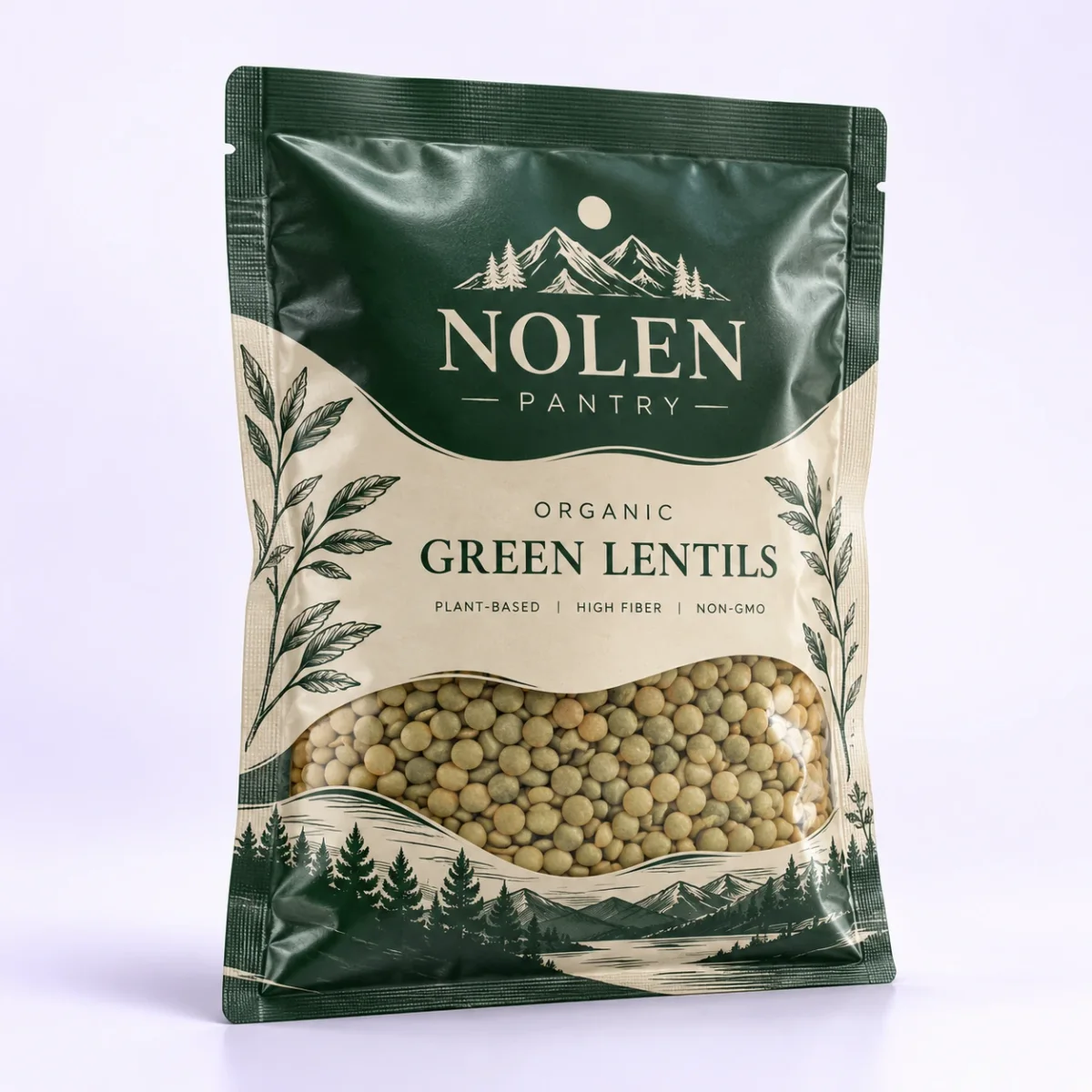
Custom Vacuum Sealed Mylar Bags
Vacuum sealing starts with machine fit. Plan printed Mylar bags around your sealer, product shape, barrier needs, and clear heat-seal space.
View product →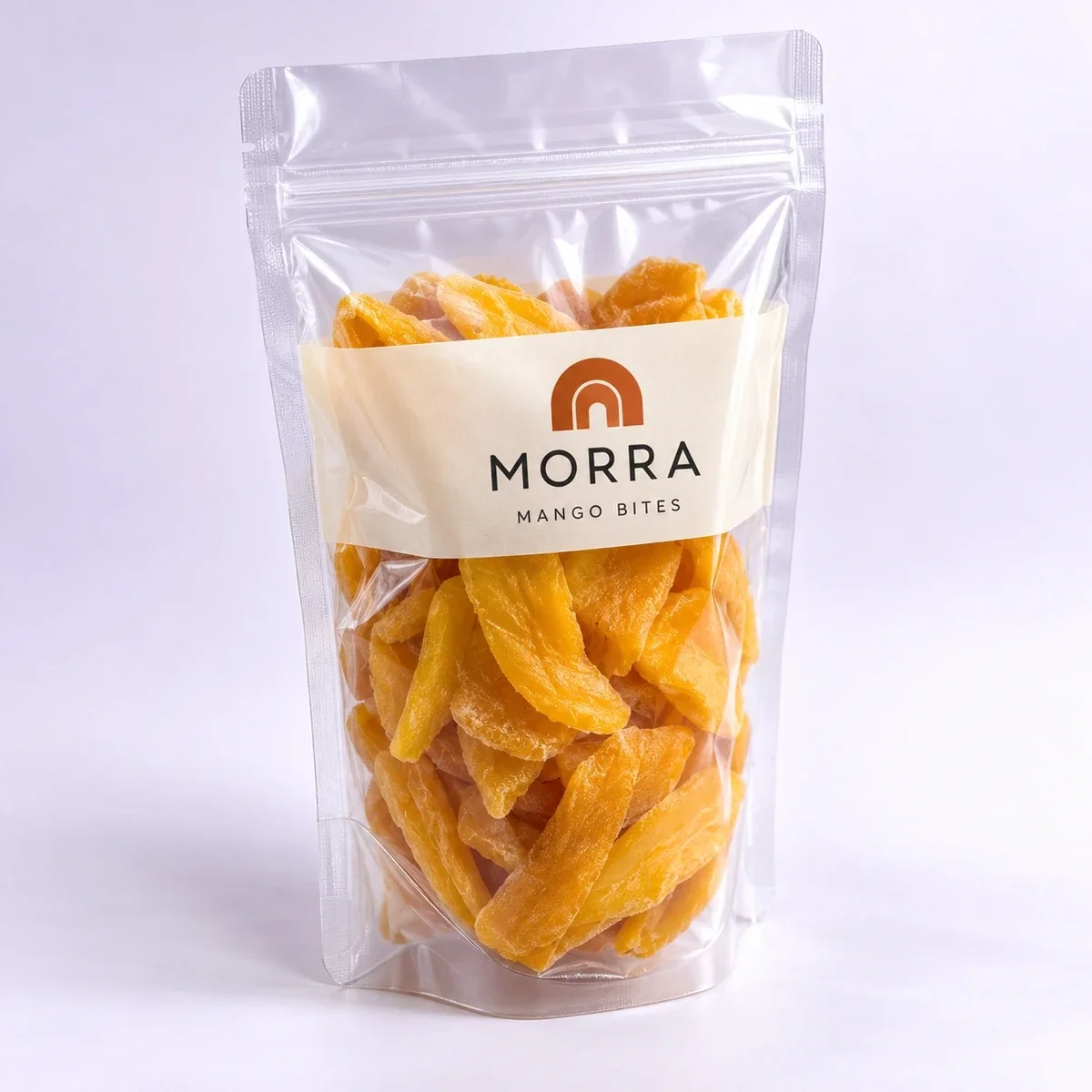
Custom Transparent Stand Up Pouches
Let shoppers see the dried fruit, candy, or treats inside. Clear stand-up pouches pair visible contents with printed branding and a stable gusset.
View product →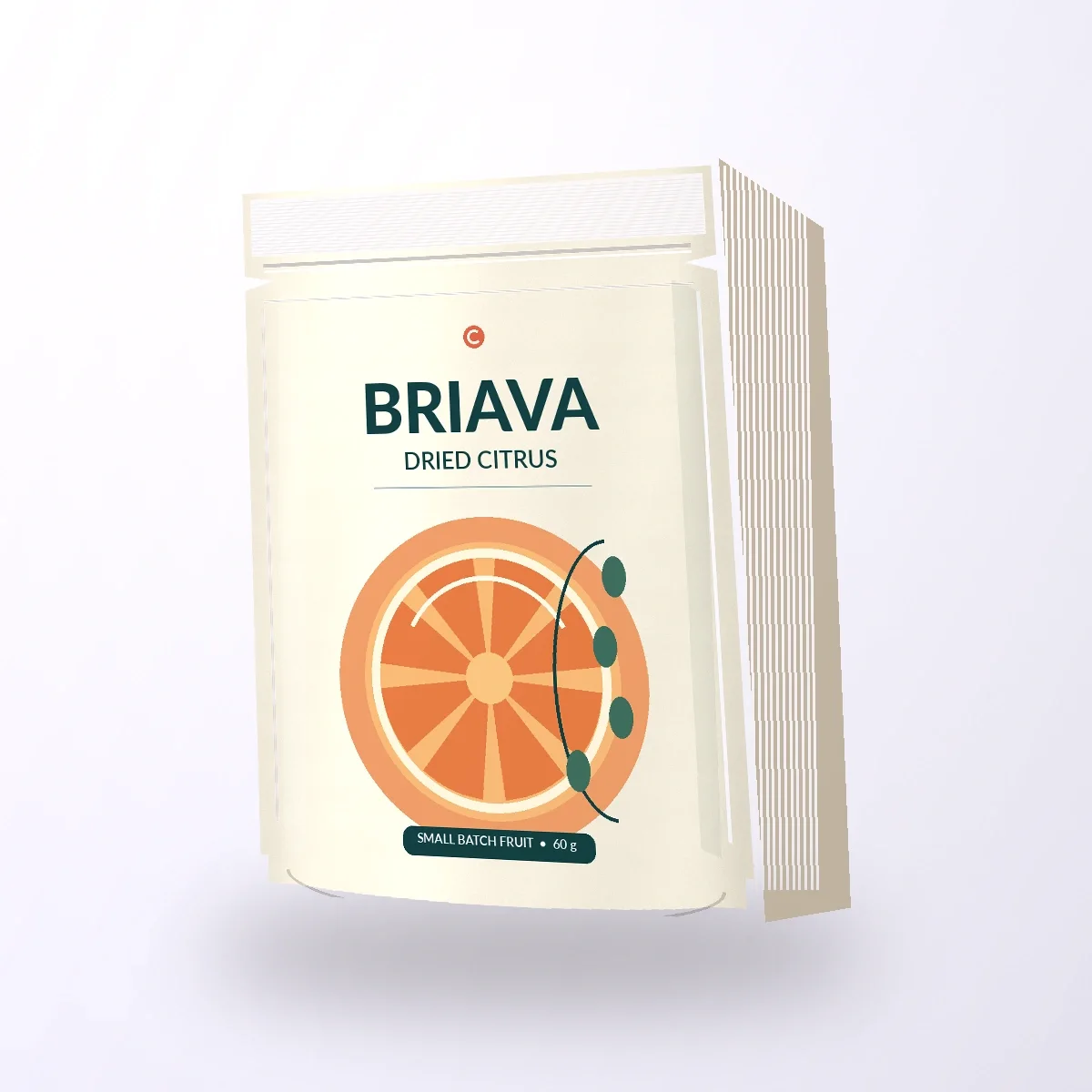
Custom Tear Notch Packaging
A tear notch gives sealed snack, powder, or refill pouches a clear opening point. Position it above a zipper and away from the usable product space.
View product →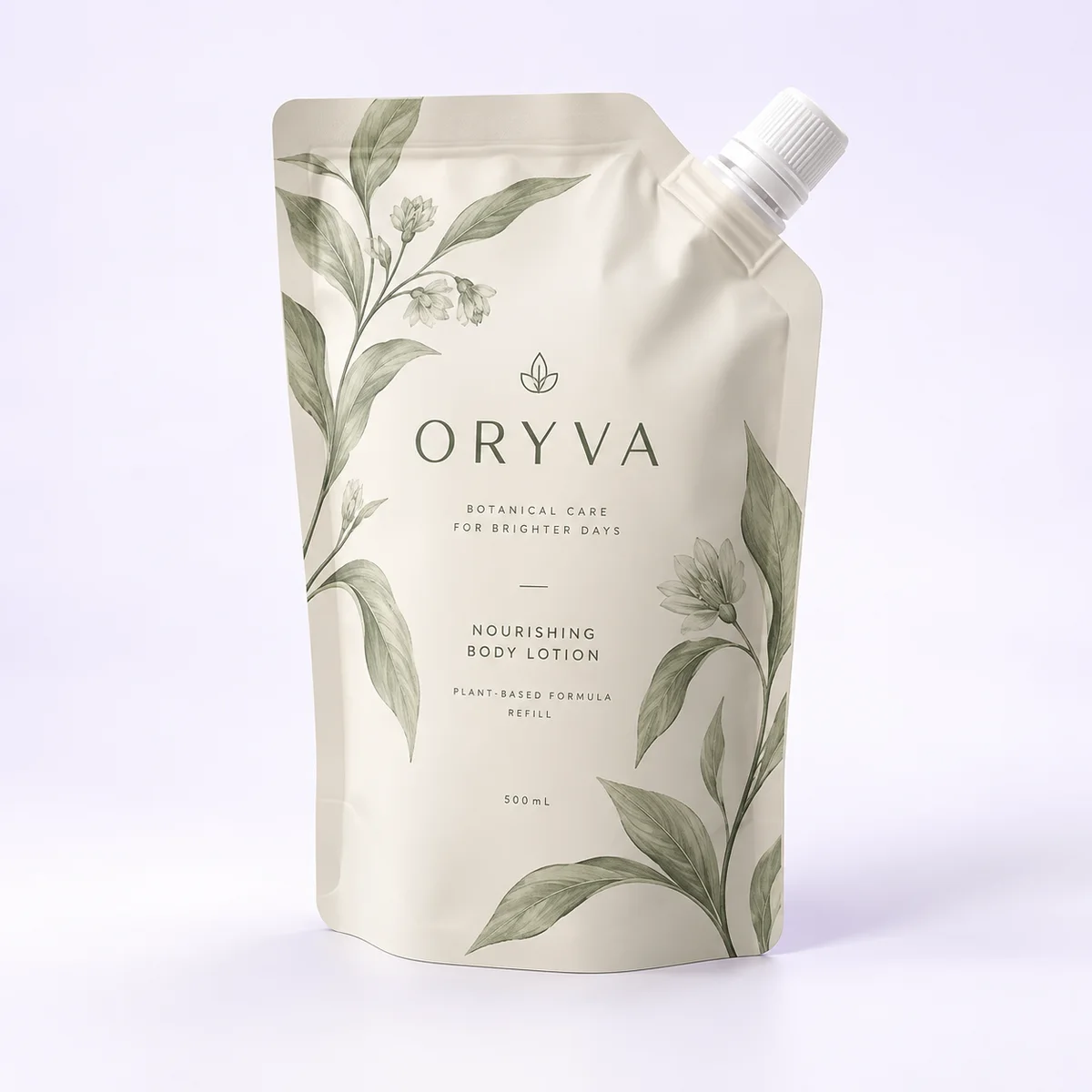
Custom Cosmetic Spout Pouch
Make shampoo, lotion, and cleanser refills easier to pour with a cosmetic spout pouch built around your formula, bottle opening, and filling process.
View product →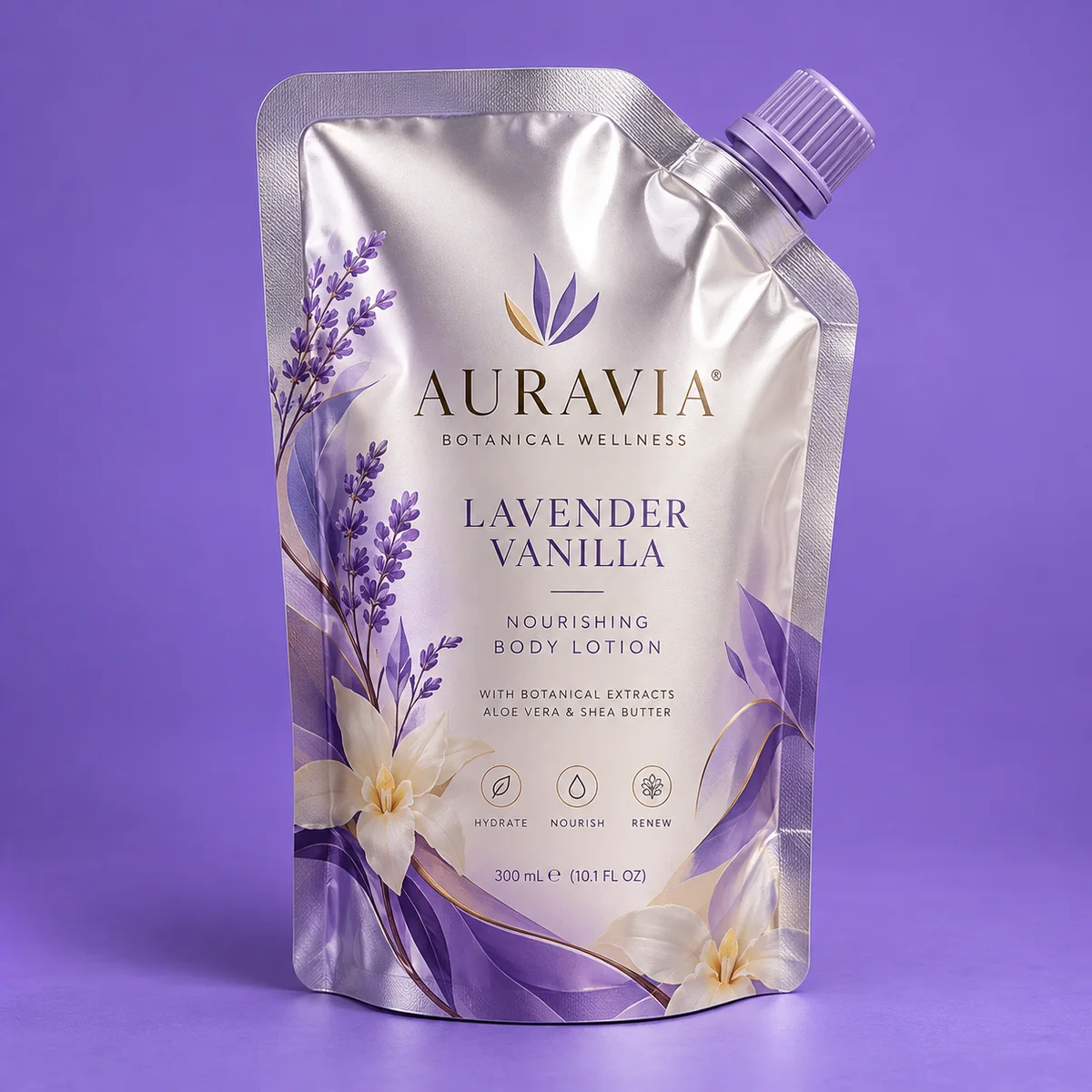
Custom Aluminum Foil Spout Pouch
Give light-sensitive liquids a foil barrier and a controlled pour. Configure the spout, sealant layer, and pouch shape for sauces, concentrates, or refills.
View product →Custom Vacuum Sealed Mylar Bags
Vacuum sealing starts with machine fit. Plan printed Mylar bags around your sealer, product shape, barrier needs, and clear heat-seal space.
View product →Custom Transparent Stand Up Pouches
Let shoppers see the dried fruit, candy, or treats inside. Clear stand-up pouches pair visible contents with printed branding and a stable gusset.
View product →Custom Tear Notch Packaging
A tear notch gives sealed snack, powder, or refill pouches a clear opening point. Position it above a zipper and away from the usable product space.
View product →Custom Cosmetic Spout Pouch
Make shampoo, lotion, and cleanser refills easier to pour with a cosmetic spout pouch built around your formula, bottle opening, and filling process.
View product →Custom Aluminum Foil Spout Pouch
Give light-sensitive liquids a foil barrier and a controlled pour. Configure the spout, sealant layer, and pouch shape for sauces, concentrates, or refills.
View product →✦ Upgrade Today
Ready to Upgrade Your Brand Packaging?
Get custom templates matching your custom dimensions. Instant 3D digital proof samples returned in hours.