Custom Refill Packaging
★★★★★
4.5/5.0Custom Cosmetic Spout Pouch
Make shampoo, lotion, and cleanser refills easier to pour with a cosmetic spout pouch built around your formula, bottle opening, and filling process.
Premium Quality
Fully Customizable
Low MOQ
Fast Turnaround
100% Eco-Friendly
Sustainable materials
Free Shipping
On every order
No Die & Plate Charges
Zero hidden costs
100% Satisfaction
Quality guaranteed
Expert Support
We're here to help
Design Varieties
Cosmetic Pouch Shapes and Print Styles
Explore spout placement, pouch profiles, cap details, and printed finishes. Final structures are confirmed during specification review.
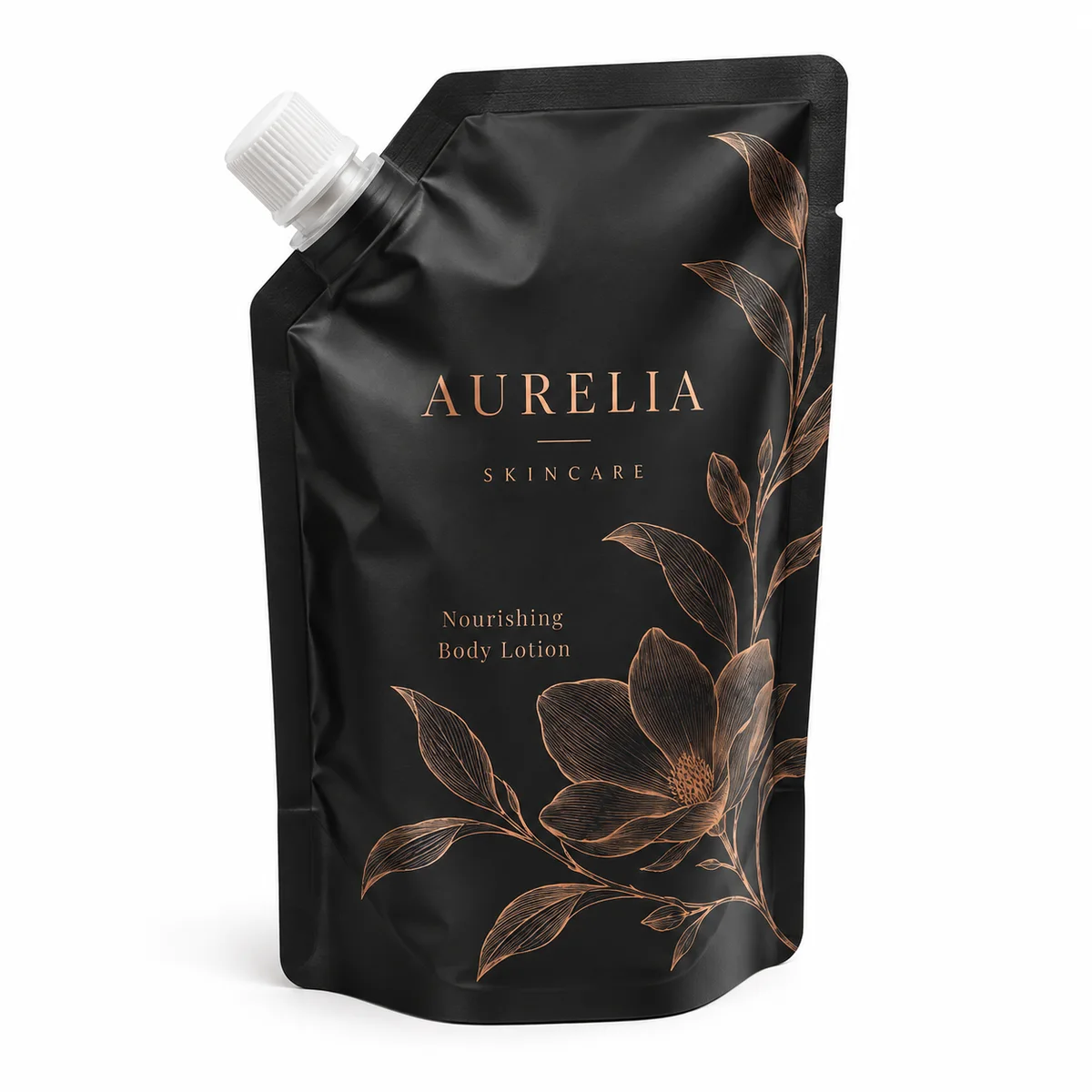
Corner Spout Stand-Up
Black flexible stand-up pouch with sealed side edges, a base gusset, and white corner cap.
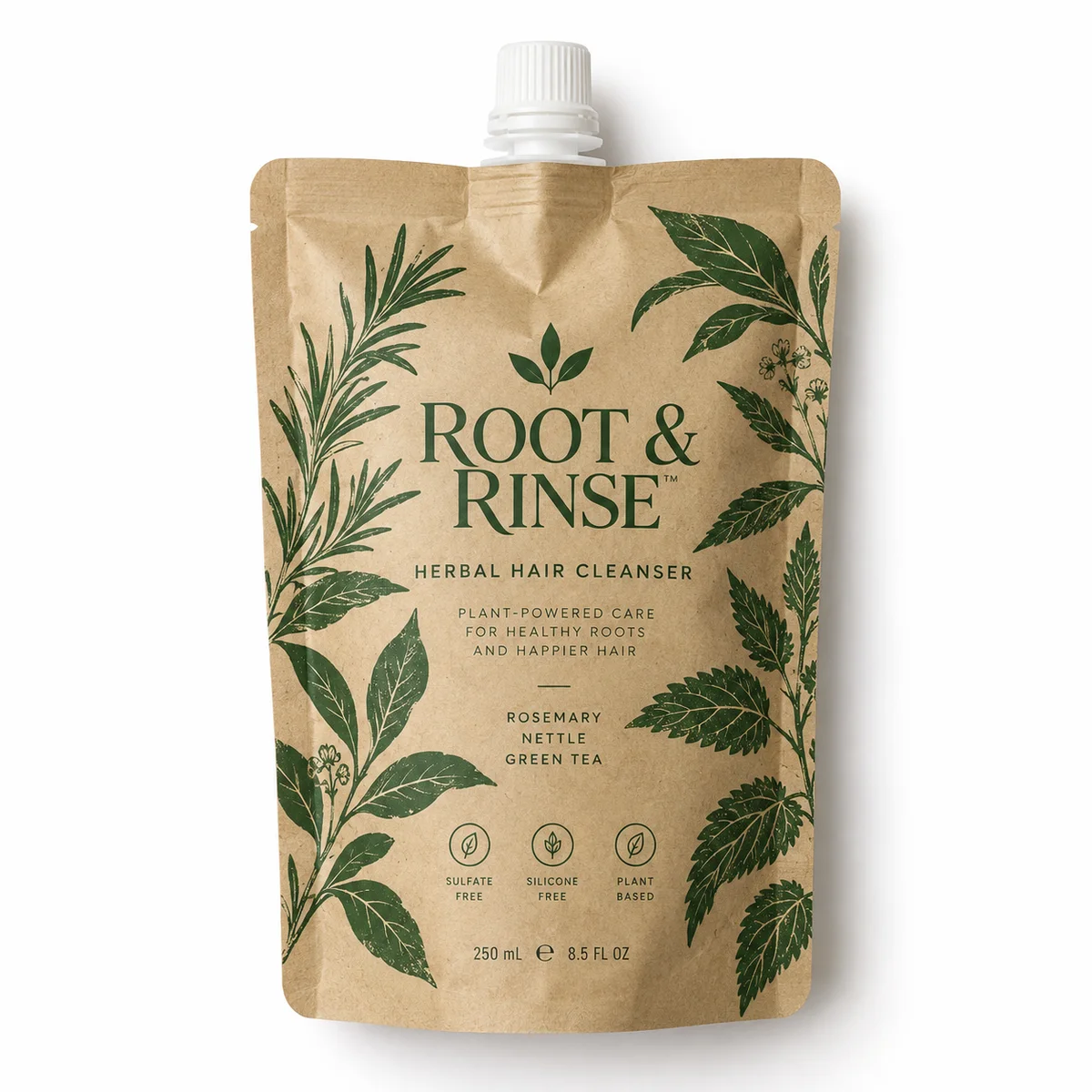
Center Spout Kraft-Look
Kraft-look stand-up pouch with a flat sealed top, centered screw spout, and rounded base.
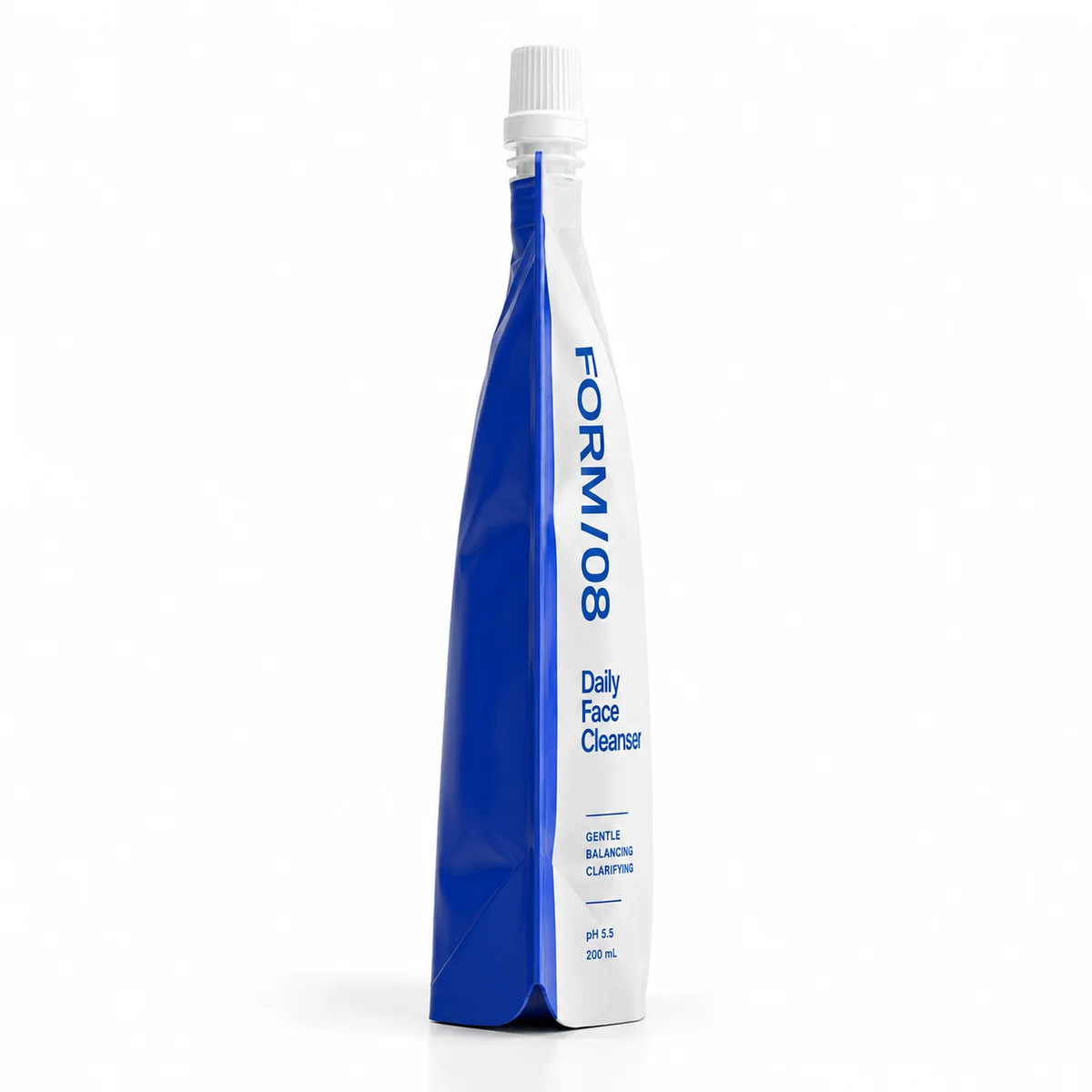
Slim Side Profile
Slim side profile shows the folded base gusset, narrow sealed edge, and upright screw cap.
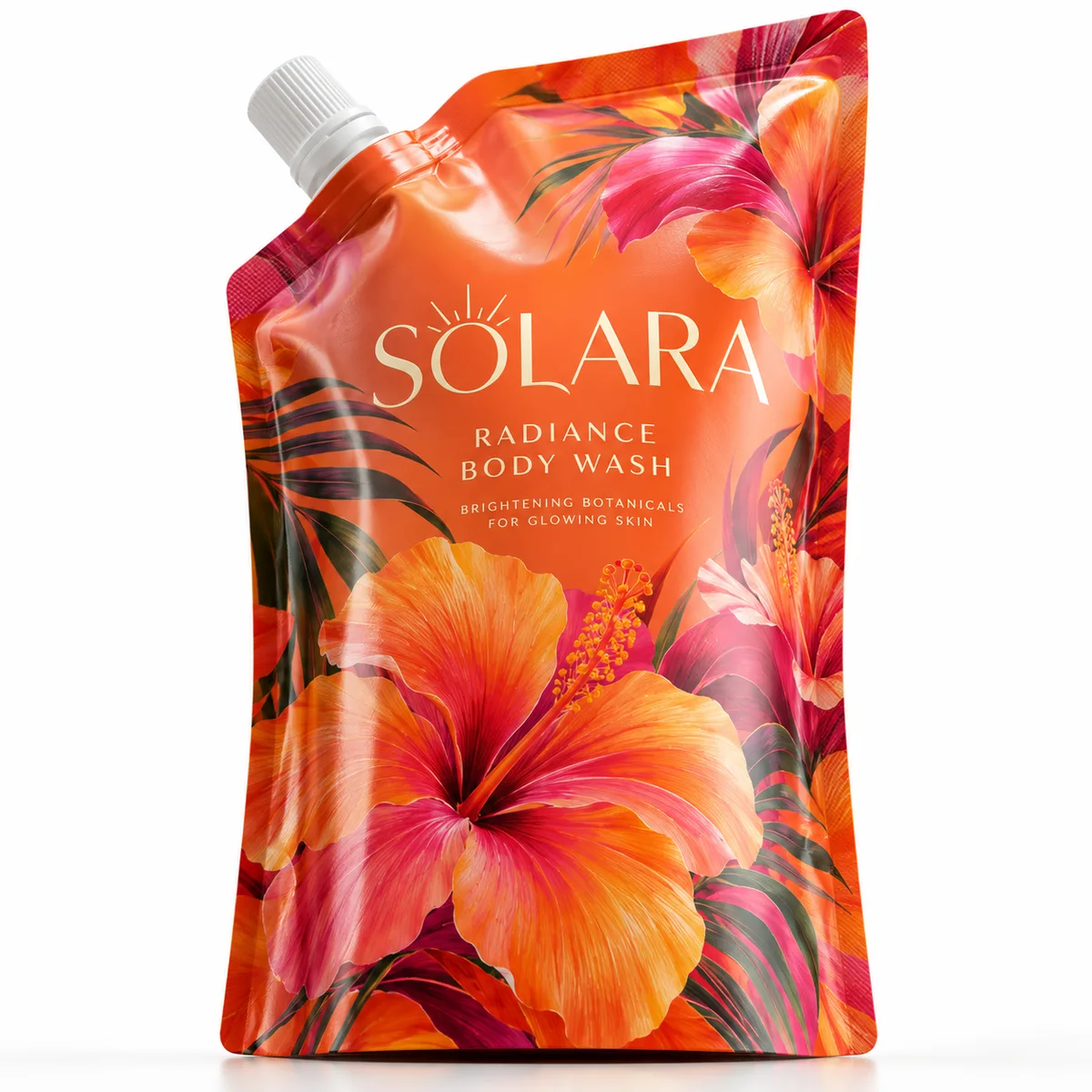
Floral Corner Spout
Bright printed stand-up pouch has a sloped upper corner, sealed seams, and screw-on cap.
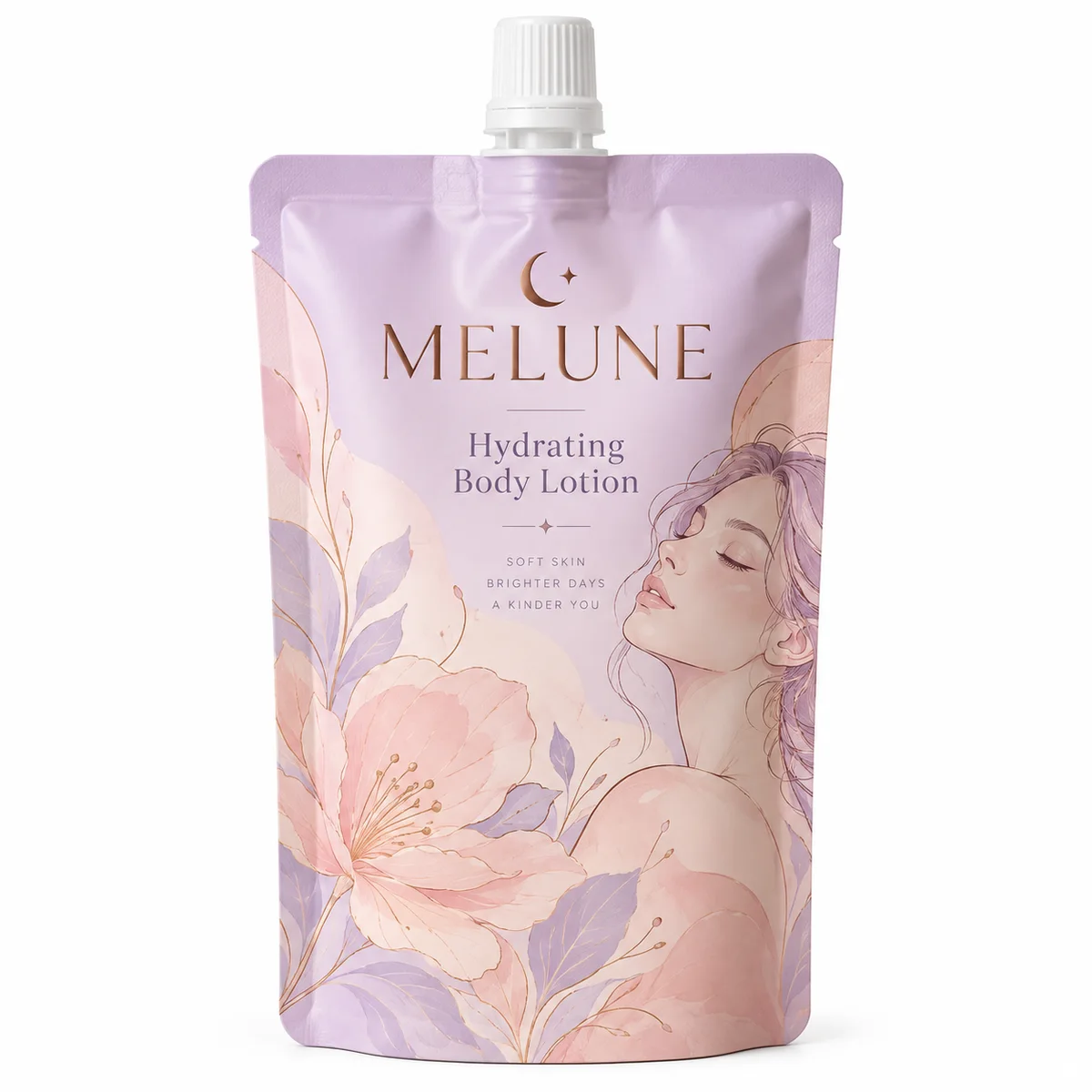
Centered Spout Refill
Pastel front panel sits between sealed sides above a rounded gusset and centered screw cap.
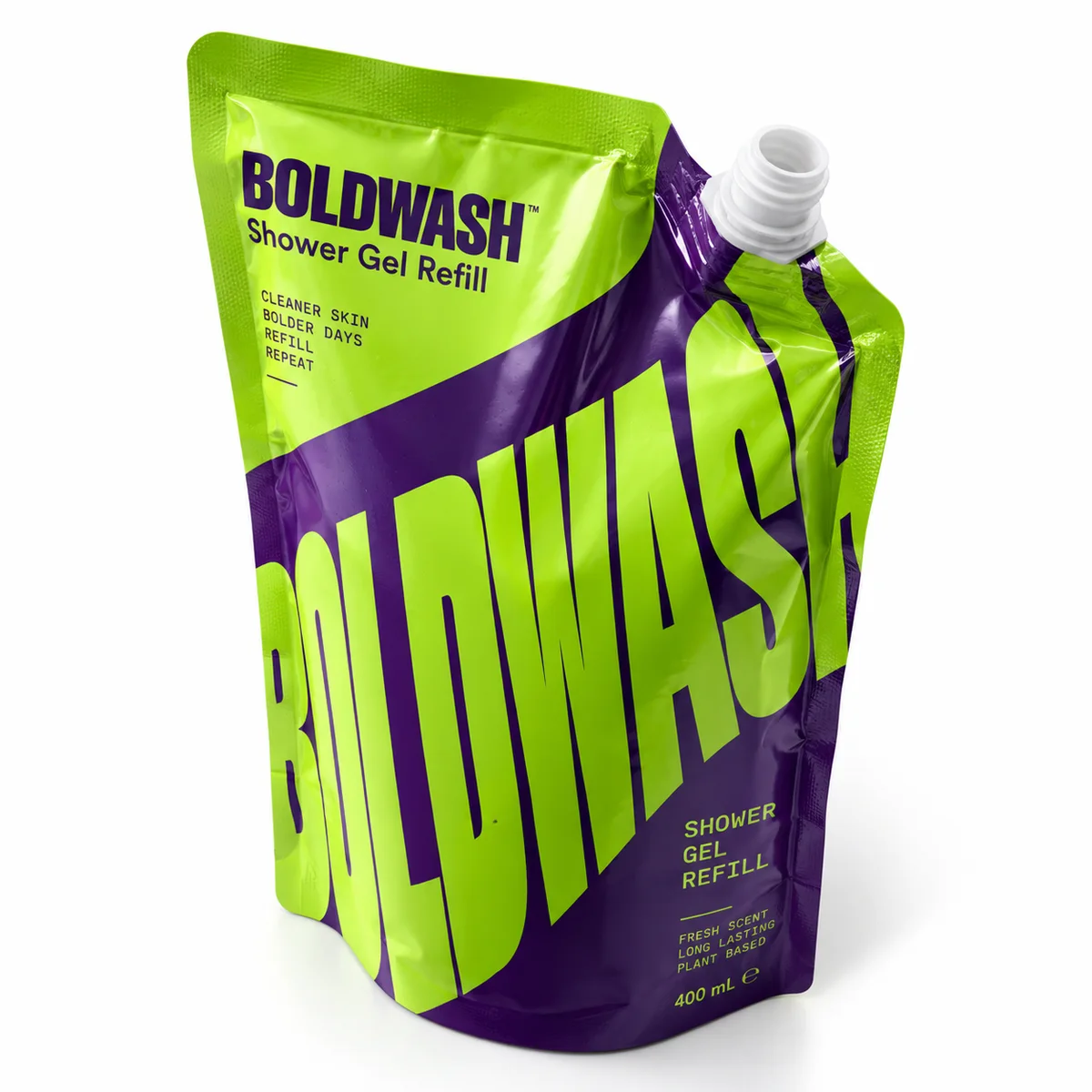
Open Corner Spout
Wide gusseted refill pouch with large printed panels and an exposed threaded corner spout.
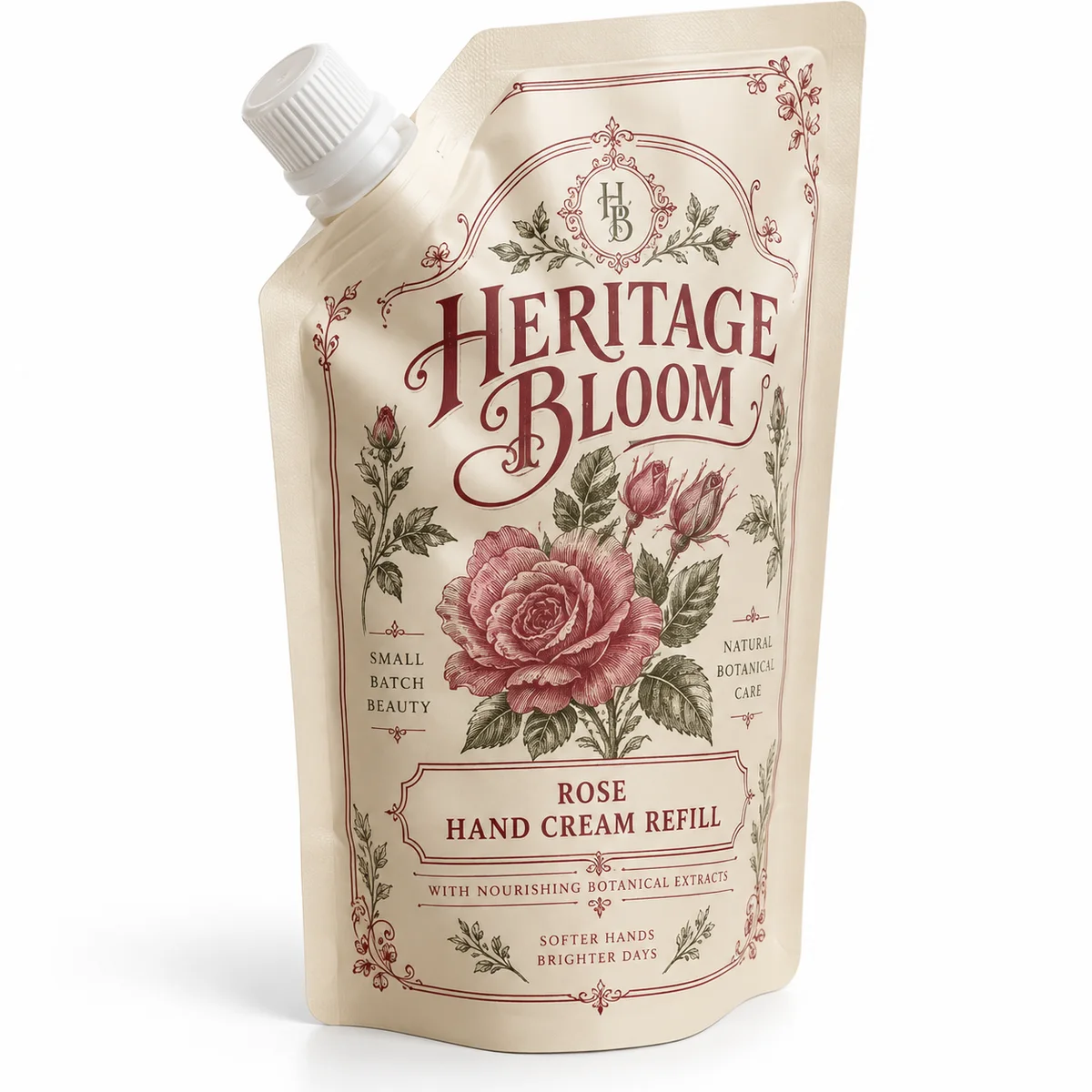
Angled Spout Refill
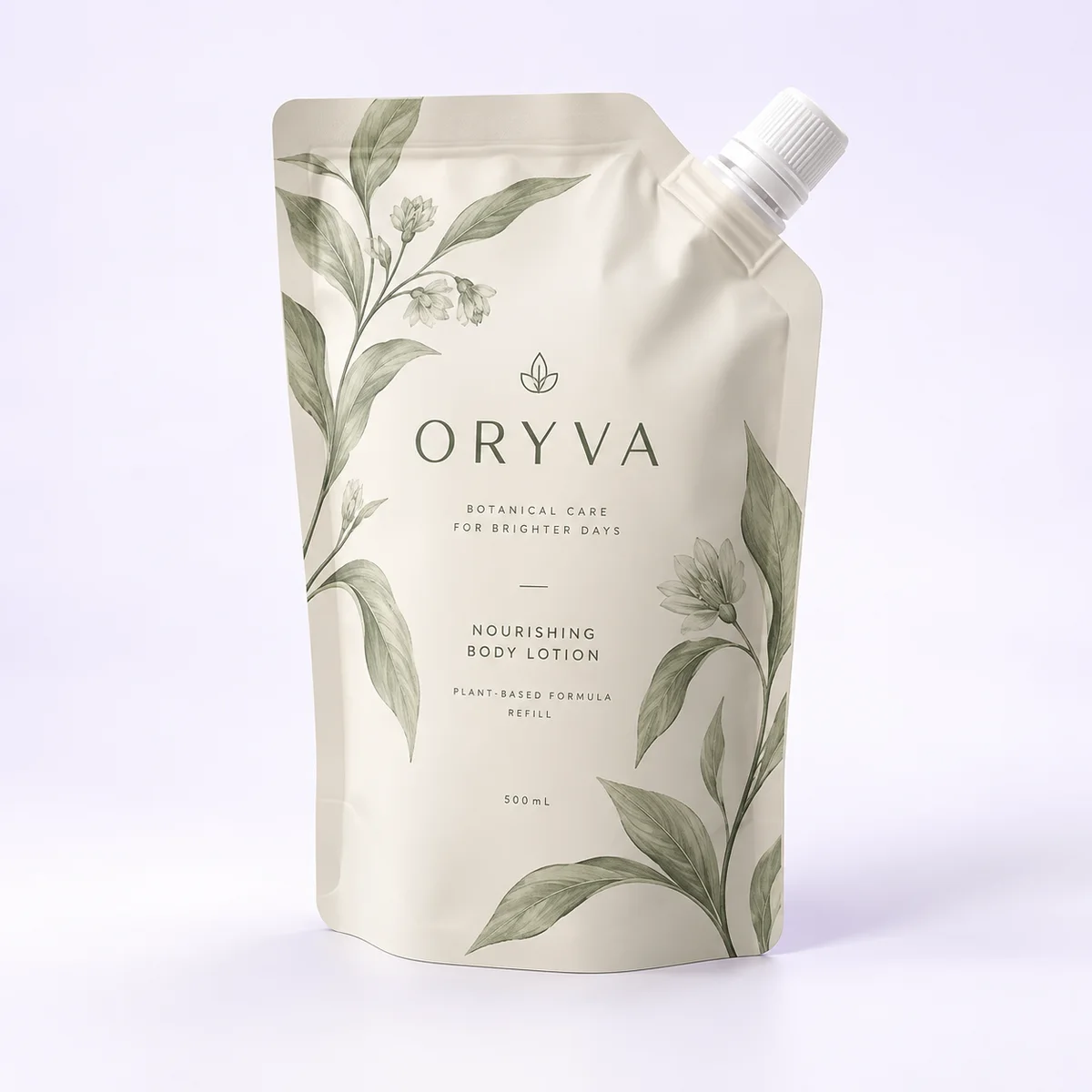
Cream refill pouch with printed front, sealed border, bottom gusset, and angled white cap.
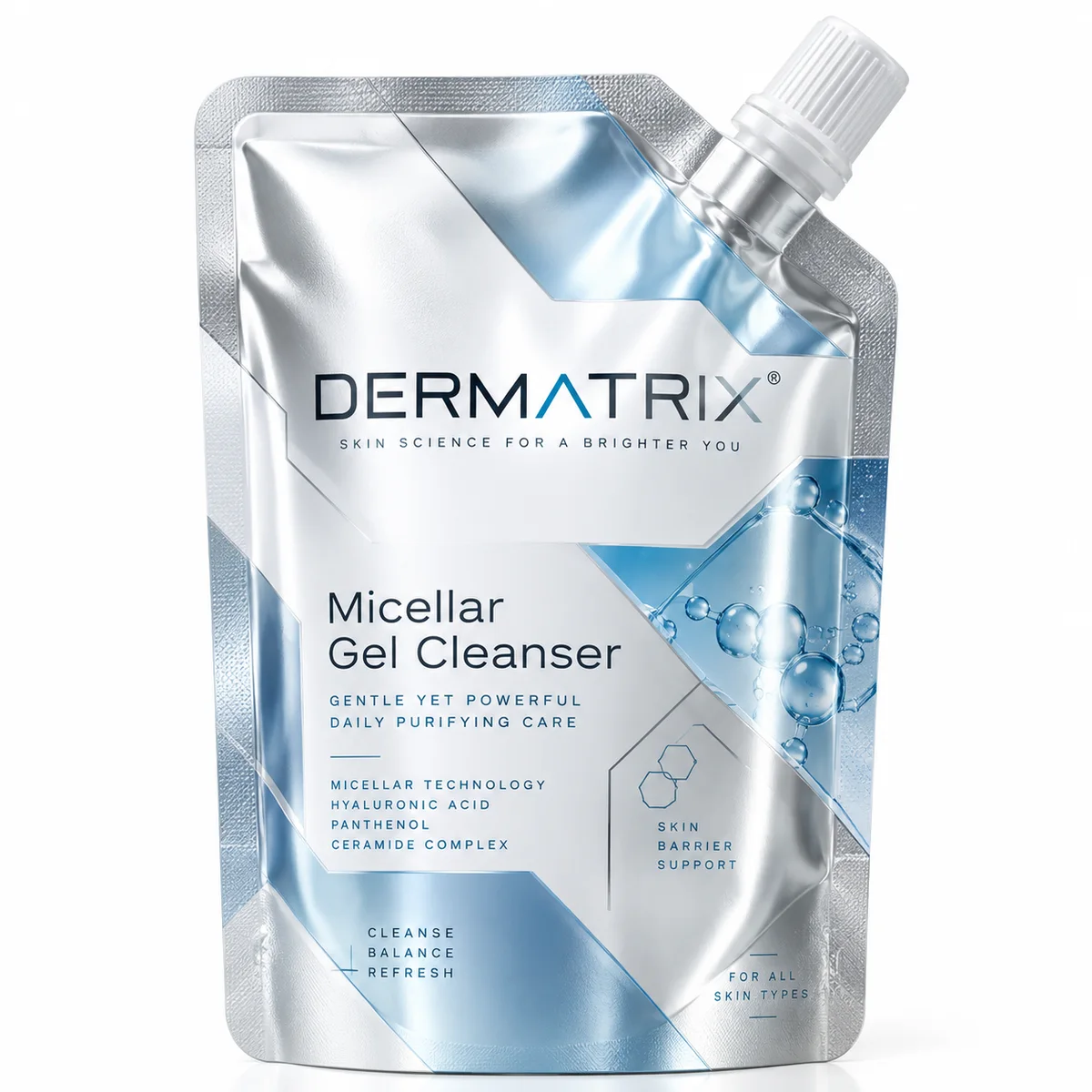
Metallic Spout Pouch
Silver-blue foil-look pouch with sealed edges, bottom gusset, and upper corner screw cap.
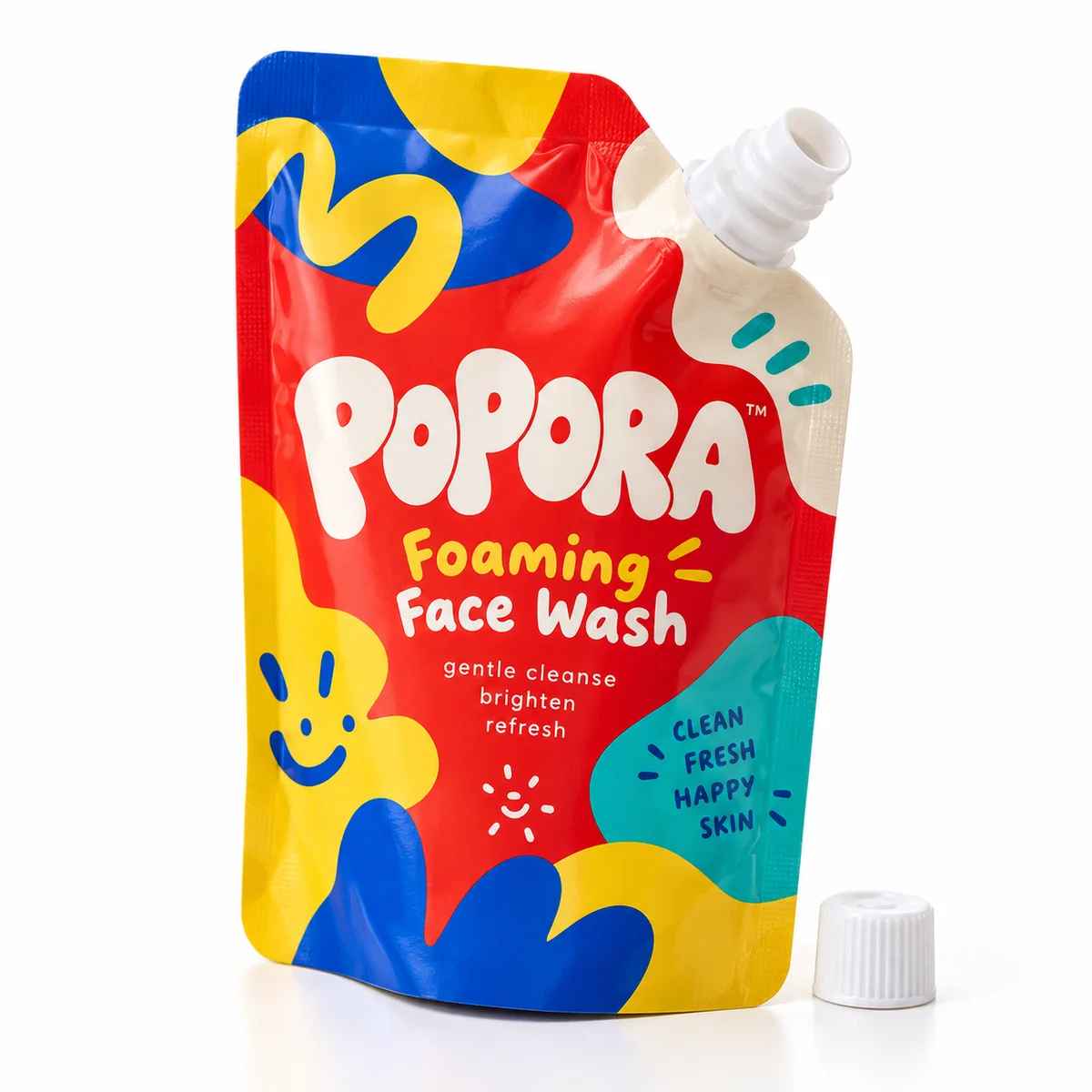
Removable Cap Pouch
Color-blocked stand-up pouch has a corner spout and a ribbed white cap set beside the base.
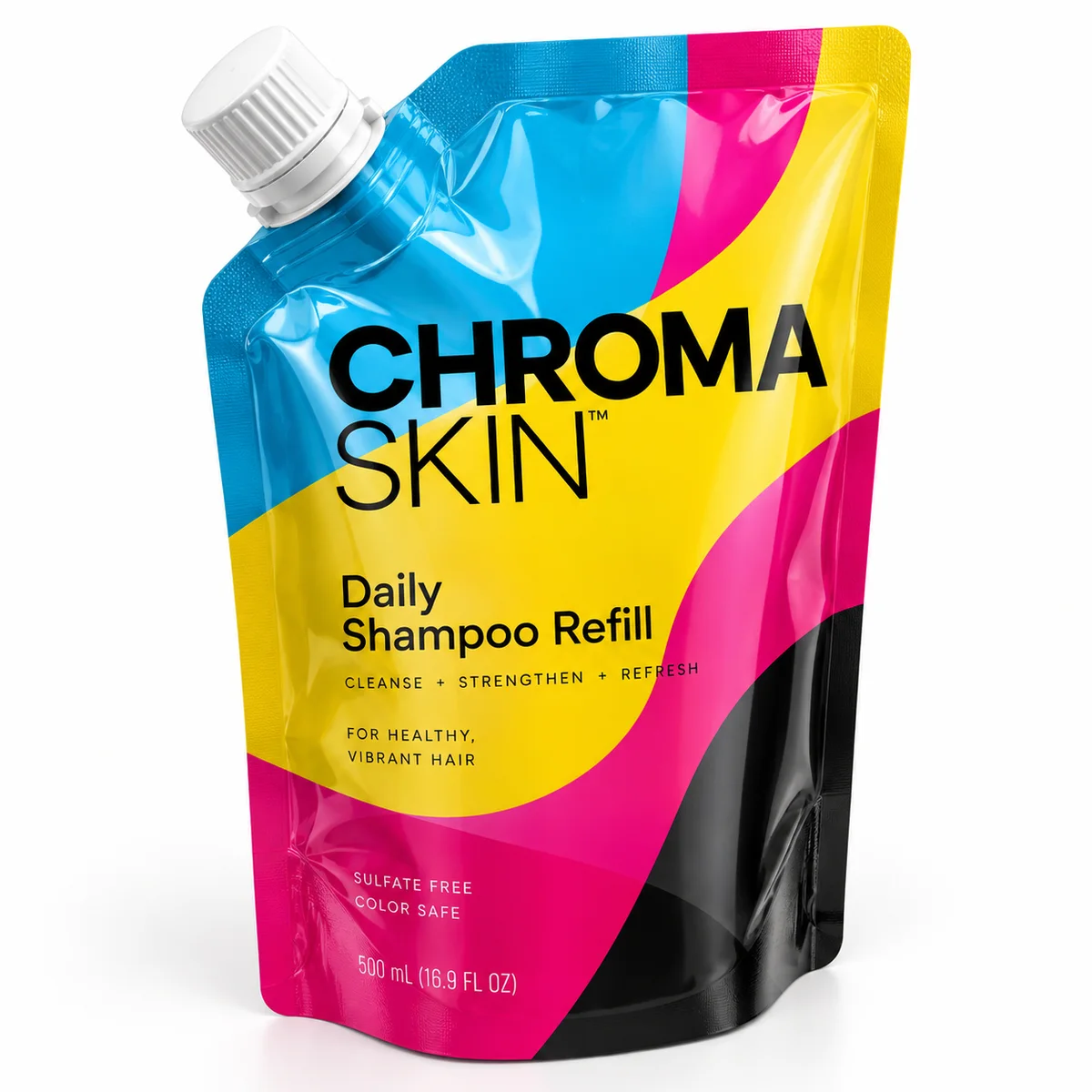
Full-Color Spout Pouch
Bright four-color printed pouch with a base gusset, sealed shoulders, and corner screw cap.
Can't find the perfect style?
Create a completely custom box design tailored to your brand.
Designed for Various Industries
We design packaging that fits every industry
From small businesses to global brands, our custom packaging solutions are built to elevate your brand and leave a lasting impression.
Cosmetics & Beauty
Food & Beverages
E-commerce & Retail
Electronics
Apparel & Fashion
Health & Wellness
Pharmaceuticals
Cannabis & CBD
Pet Products
Baby & Kids
Jewelry & Accessories
Home & Lifestyle
Candles & Fragrance
Coffee & Tea
Confectionery
Cosmetics & Beauty
Food & Beverages
E-commerce & Retail
Electronics
Apparel & Fashion
Health & Wellness
Pharmaceuticals
Cannabis & CBD
Pet Products
Baby & Kids
Jewelry & Accessories
Home & Lifestyle
Candles & Fragrance
Coffee & Tea
Confectionery
Supplements
Skincare & Personal Care
Haircare
Automotive
Sports & Fitness
Toys & Games
Stationery & Gifts
Bakery & Desserts
Wine & Spirits
Tobacco & Vape
Medical Devices
Tech Accessories
Subscription Boxes
Organic & Natural
Luxury Retail
Supplements
Skincare & Personal Care
Haircare
Automotive
Sports & Fitness
Toys & Games
Stationery & Gifts
Bakery & Desserts
Wine & Spirits
Tobacco & Vape
Medical Devices
Tech Accessories
Subscription Boxes
Organic & Natural
Luxury Retail
Built for brands
that care about detail.
Premium packaging. Precise printing.
Fast turnaround. No hidden costs.
10K+
Happy Customers
98%
Satisfaction Rate
Trusted by Top Brands
We work with startups to enterprises. Our boxes make an impact.
Free Design Support
Get expert help in creating the perfect packaging for your brand.
Warehouse Across USA
Faster fulfilment with local production and warehouses.
Print & Design Lovers
Crafted with passion, just the way your brand deserves.
Custom Cosmetic Spout Pouches for Easy, Controlled Refilling
A conditioner refill can go wrong when thick product meets a narrow bottle neck. The result is wasted formula and a messy refill. Custom cosmetic spout pouches let beauty brands plan the pouring point, flexible body, and printed panels around how customers actually use shampoo, lotions, cleansers, and body wash.
Cosmetic Refill Pouches Designed Around Formula Flow
A thin face wash pours differently from a rich hair mask. Viscosity, or how strongly a formula resists flowing, changes the spout opening a pouch needs. A narrow opening can help control a runny liquid. A thicker lotion may dispense more easily through a wider fitment, especially when a customer squeezes the pouch by hand.
That is why fill samples matter before dimensions are locked. Consider the product at typical bathroom temperatures, how quickly it leaves the opening, and how much remains trapped near the sealed corners. For shampoo refill pouches, the goal may be a steady stream into a reusable bottle. For conditioner refill pouches, squeezing pressure and residual product may matter more. Test both with the actual formula.
Brands comparing related custom spouted pouches can use those same flow questions to narrow the structure before choosing graphics.
Corner and Center Spouts for Cleaner Transfers
A corner spout points the refill toward the receiving bottle while the customer tips the pouch. A center spout places the opening along the upper seal and may suit a different filling or dispensing position. Neither layout is automatically better for every cosmetic. Bottle-neck width, pouring angle, product thickness, and grip all shape the choice.
The opening diameter should be specified separately from the cap's outside size. A screw cap can be removed and reclosed between uses. For selected projects, a tamper-evident feature or a wider bore can be reviewed with the matching fitment. They must work with the pouch film and welded seal.
A practical sample check uses the intended refill bottle. Watch for splashing, slow flow, and trapped formula. Small differences at the spout can change the whole refill experience.
Flexible Films Selected for Cosmetic Ingredients
The pouch wall is more than a place to print artwork. Its layers affect sealing, strength, and protection from outside conditions. PET/PE is a useful starting point for custom flexible cosmetic packaging, but it is not a universal answer. Some formulas may call for PET/NY/PE for added puncture resistance or PET/AL/PE where a foil barrier suits the product's protection needs.
A project needing a foil structure may be specified as a custom aluminum foil spout pouch. Barrier performance still depends on construction and seals.
Fragrance, active ingredients, and filling temperature affect material choice. Ask for compatibility review and filled-pack stability testing rather than assuming that a film used for one cleanser will suit another.
Mono-PE constructions may also be considered when the supply chain supports them. A custom biodegradable spout pouch needs separate proof of its environmental claims. Even a single-polymer pouch is not automatically recyclable everywhere: collection systems, caps, labels, and the complete package all matter.
Stand-Up Gussets Sized to the Actual Fill
A bottom gusset opens when the pouch is filled, creating a base for shelf display. A flat spout pouch has a slimmer form but needs support to stand. The choice affects storage, display, and shipping.
Capacity should be based on the real formula, not a guessed pouch height. A 250 mL cleanser and a 250 mL cream can behave differently during filling and dispensing. Leave suitable headspace, confirm where the liquid settles, and check how the filled pack stands. Seal widths and spout placement also reduce usable space.
Packaging dimensions should describe height, width, and gusset depth, while the artwork dieline marks seals, folds, and the cap area. This prevents awkward filling.
Printed Cosmetic Pouches with Clear Label Space
Bold color can make a refill easier to recognize, but required information still needs room. A cosmetic pouch for U.S. retail sale generally needs product identity and an accurate net contents statement on its principal display panel. Required ingredient and business information must appear in the appropriate information areas under applicable labeling rules. Check artwork against the product's classification.
Custom CMYK printing can carry brand graphics across the exterior panels. Matte and gloss surfaces change the look; selected soft-touch or decorative accents depend on the chosen film and printing method. Keep critical text away from the spout weld, curved gusset, and heat-sealed edges.
Some brands pair a refill pouch with custom cosmetic boxes for a bottle-and-refill set. Others plan custom retail boxes for a promotional launch kit. These supporting packs should not replace clear information on the pouch itself where labeling is required.
Heat Seals and Spout Fitments Checked Before Production
Leak resistance cannot be judged from a rendering. The pouch body, side seals, bottom gusset, welded fitment, and cap must hold together under normal handling. Filled samples reveal problems that empty prototypes may hide, especially when a thick formula puts pressure on the spout during squeezing.
Ask the manufacturer about suitable seal-strength and leakage checks, cap torque, filled-pouch drop tests, and handling trials. A test plan should reflect the actual formula and shipping route. Temperature changes and repeated opening may also be relevant.
A reliable approval sequence reviews the dieline, material, fitment, printed proof, and filled sample before the full production run. Avoid unsupported leakproof claims.
Wholesale Cosmetic Spout Pouch Quotes Based on Real Specifications
A meaningful custom quote starts with a short set of product facts: formula type, intended fill amount, preferred pouch profile, spout position, cap opening, printing coverage, order quantity, and delivery destination. These details expose special barrier or closure needs.
Packopie can help translate that brief into made-to-order pouch specifications and pricing for U.S. beauty and personal-care brands. The final price depends on confirmed film, size, fittings, artwork, quantity, tooling, production schedule, and freight; preliminary calculator rates are estimates rather than a binding offer.
If a launch includes the original bottle as well as its refill, matching custom product boxes may be planned as a separate part of the presentation. With the refill requirements clear, a reviewed quote and sample plan can reflect the cosmetic formula as well as the finished appearance.
Frequently Asked Questions
It can. Thick lotions and conditioners may need a wider opening to flow smoothly. Test the actual formula through the chosen spout to check pouring speed, residue, and cap fit before finalizing the pouch.
Check both the cap seal and the welded spout connection. The fitment must suit the pouch's inner film. Filled samples should be tested for closure security, seal strength, and leakage during handling and transport.
A corner-spout pouch with a controlled-flow opening may make bottle refilling easier. The right design depends on the bottle mouth, pouring angle, liquid thickness, and how much squeezing is required.
Potentially. Fragrance oils and some active ingredients can affect contact layers, adhesives, and fitments. Film selection should follow compatibility testing with the actual cosmetic formula and expected storage conditions.
Reserve the main display panel for product identity and an accurate net contents statement. The ingredient declaration and required business information belong in appropriate information-panel areas, following the applicable U.S. cosmetic labeling rules.
No. Recyclability depends on the complete film structure, spout, cap, inks, and available collection systems. Any recycling claim should be supported by evidence for the finished package and its target market.
More Solutions
You May Also Like
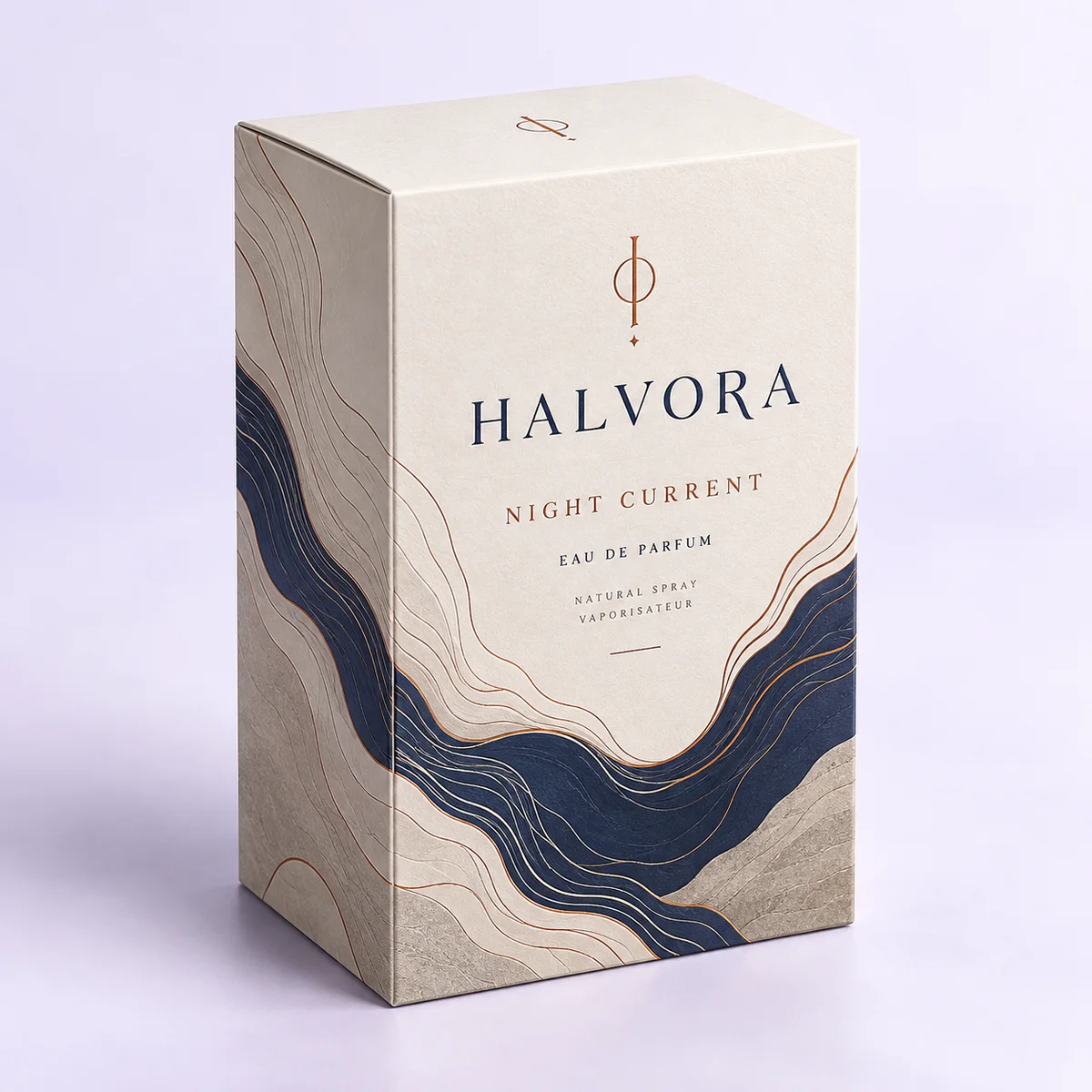
Custom Cologne Boxes
A heavy glass cologne bottle needs a carton that clears the spray cap and limits movement. Plan the printed box and insert around your finished bottle.
View product →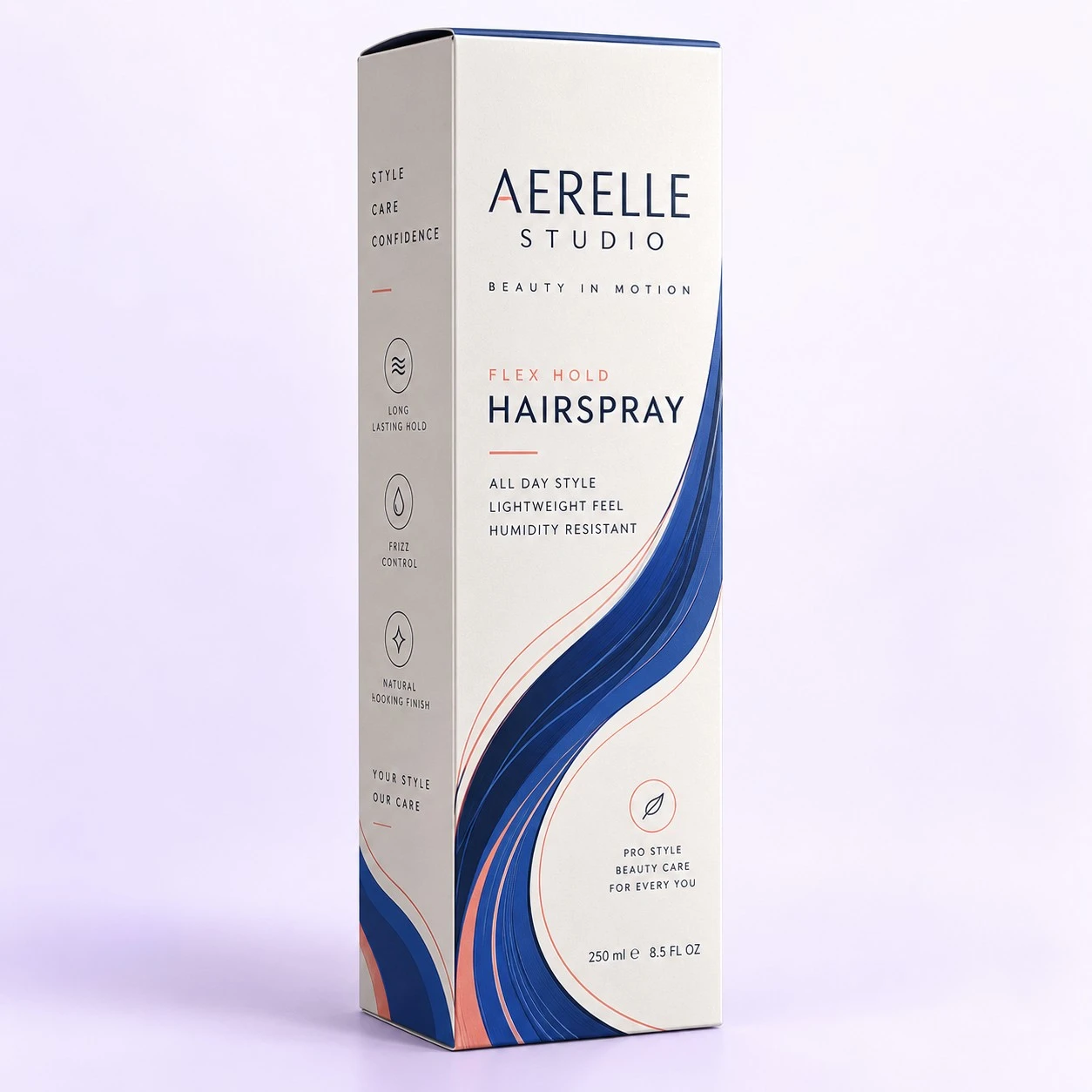
Custom Hairspray Boxes
Custom hairspray boxes built to fit aerosol cans and pump bottles, with made-to-order sizes, print, finishes, and protective carton options.
View product →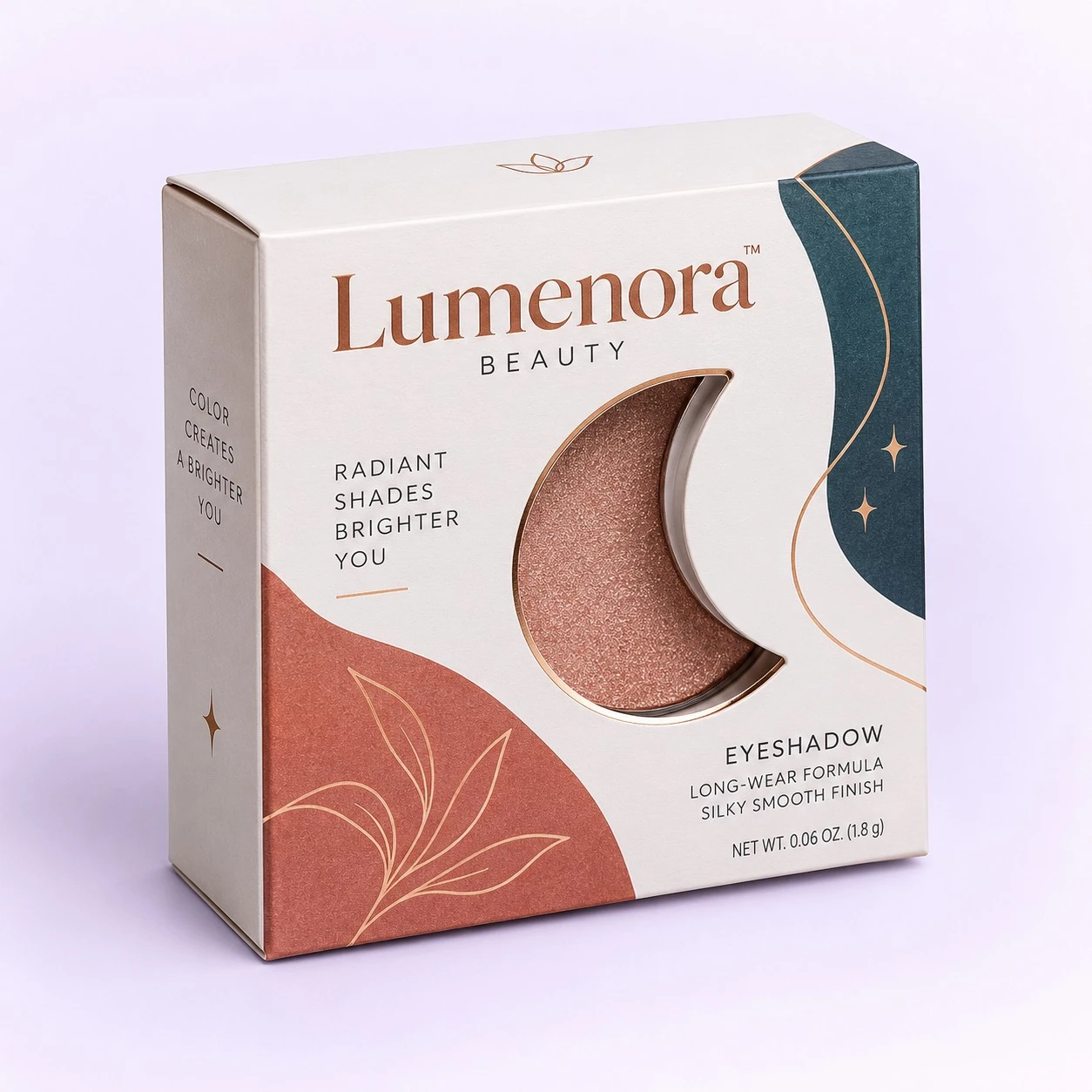
Custom Eye Shadow Boxes
Create custom eye shadow boxes with your size, artwork, windows, inserts, print, and finishes for single shadows, compacts, and palettes.
View product →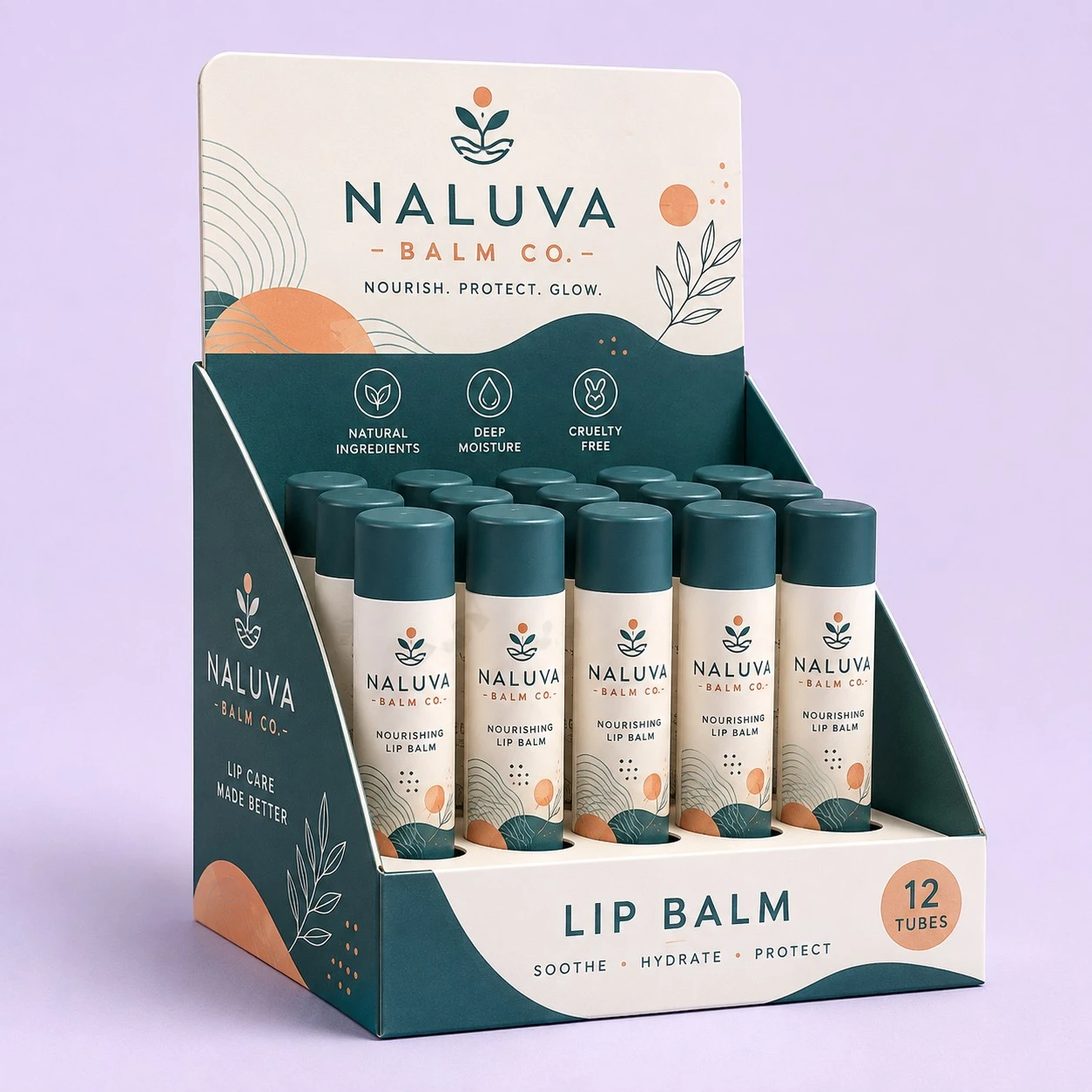
Custom Lip Balm Display Boxes
Custom lip balm display boxes built to fit your tubes, hold them upright, and turn counter space into a clean, branded retail presentation.
View product →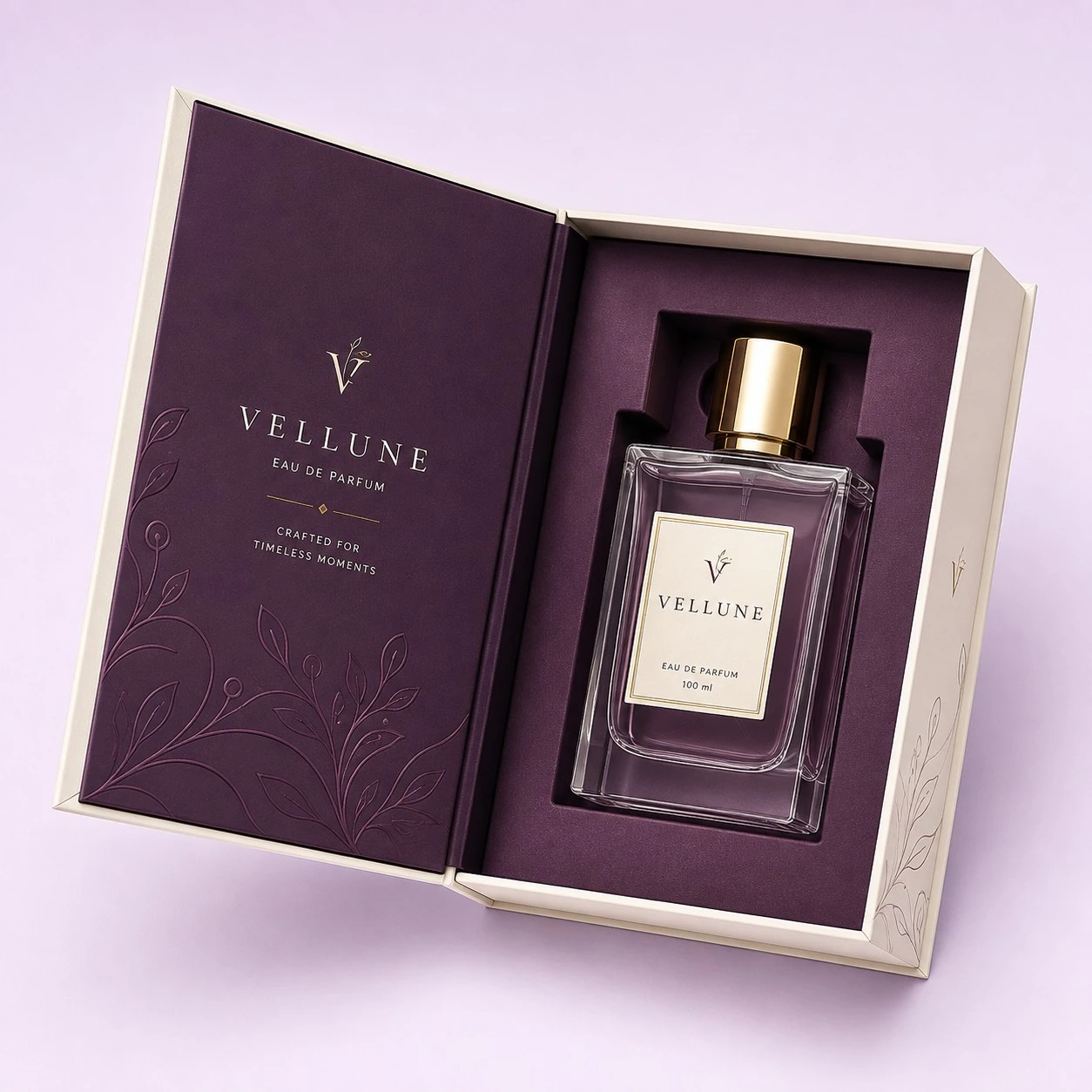
Custom Perfume Boxes
Custom perfume boxes made to fit your bottle, protect fragile glass, and carry your branding through size, print, inserts, and finishes.
View product →Custom Cologne Boxes
A heavy glass cologne bottle needs a carton that clears the spray cap and limits movement. Plan the printed box and insert around your finished bottle.
View product →Custom Hairspray Boxes
Custom hairspray boxes built to fit aerosol cans and pump bottles, with made-to-order sizes, print, finishes, and protective carton options.
View product →Custom Eye Shadow Boxes
Create custom eye shadow boxes with your size, artwork, windows, inserts, print, and finishes for single shadows, compacts, and palettes.
View product →Custom Lip Balm Display Boxes
Custom lip balm display boxes built to fit your tubes, hold them upright, and turn counter space into a clean, branded retail presentation.
View product →Custom Perfume Boxes
Custom perfume boxes made to fit your bottle, protect fragile glass, and carry your branding through size, print, inserts, and finishes.
View product →✦ Upgrade Today
Ready to Upgrade Your Brand Packaging?
Get custom templates matching your custom dimensions. Instant 3D digital proof samples returned in hours.