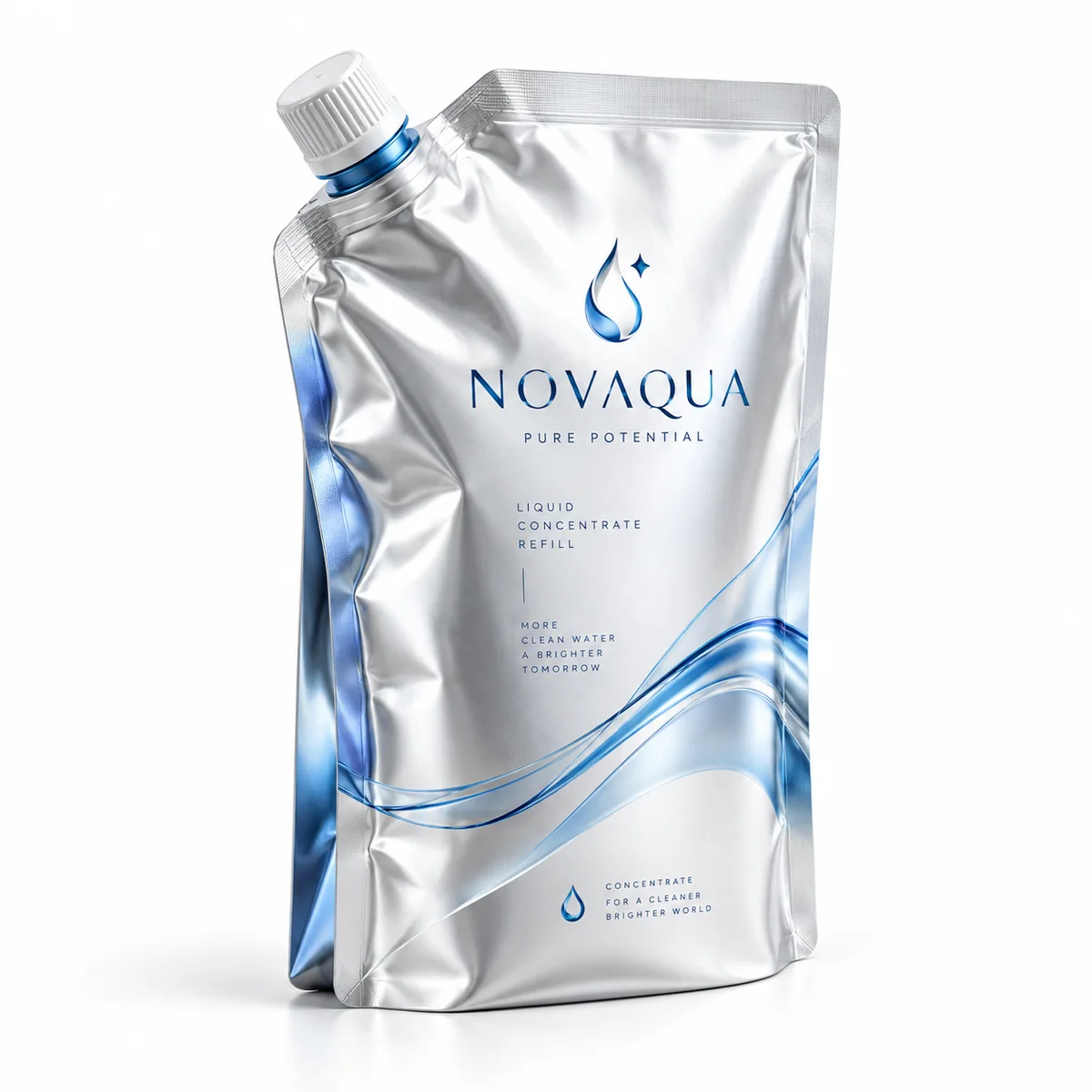
Foil Barrier Refill
★★★★★
4.7/5.0Custom Aluminum Foil Spout Pouch
Give light-sensitive liquids a foil barrier and a controlled pour. Configure the spout, sealant layer, and pouch shape for sauces, concentrates, or refills.
Premium Quality
Fully Customizable
Low MOQ
Fast Turnaround
100% Eco-Friendly
Sustainable materials
Free Shipping
On every order
No Die & Plate Charges
Zero hidden costs
100% Satisfaction
Quality guaranteed
Expert Support
We're here to help
Design Varieties
Explore Our Popular Box Styles
Choose from our most loved box styles and make your packaging truly your own.
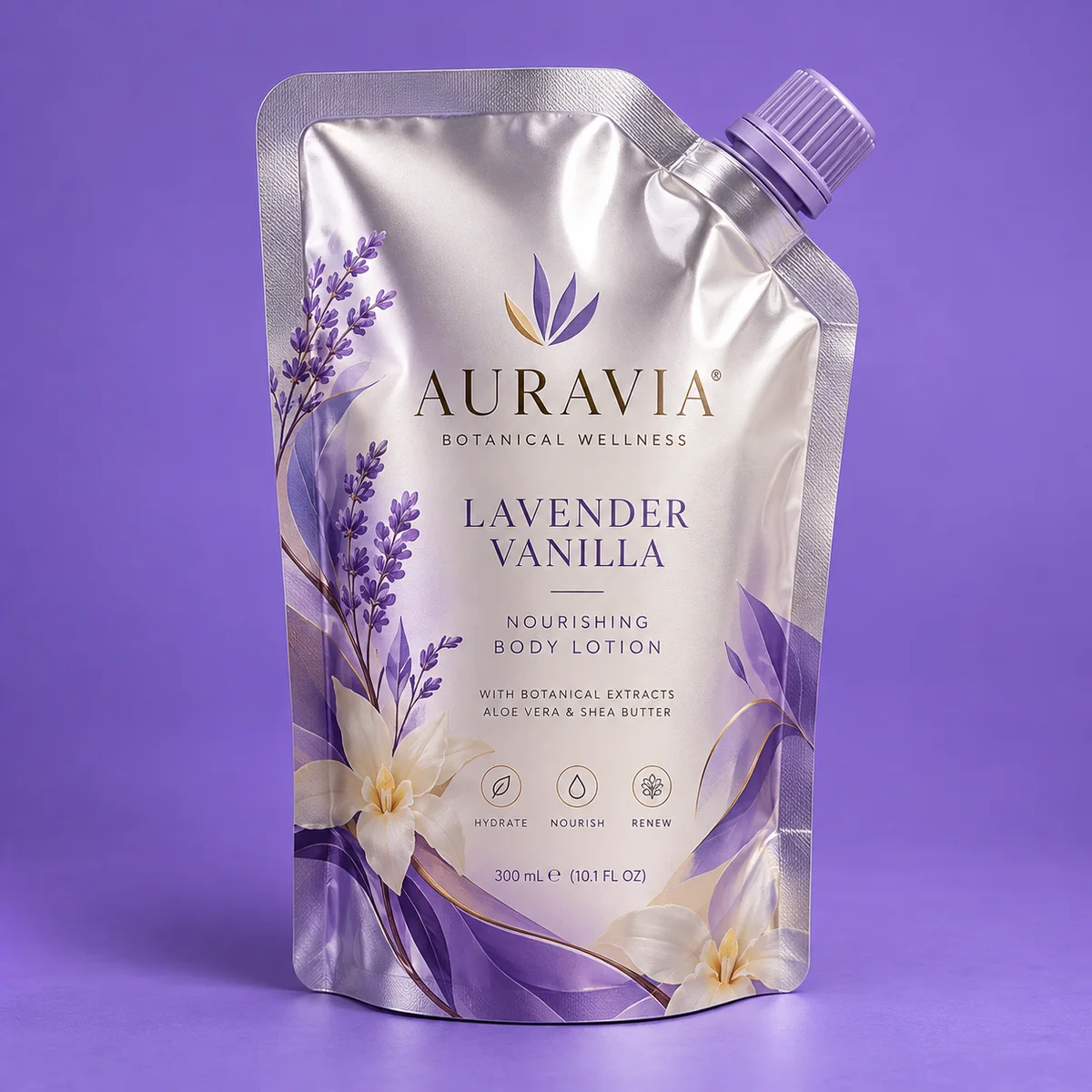
Silver Foil Corner Spout
Silver foil pouch uses an angled corner spout and ribbed screw cap with sealed top edges.
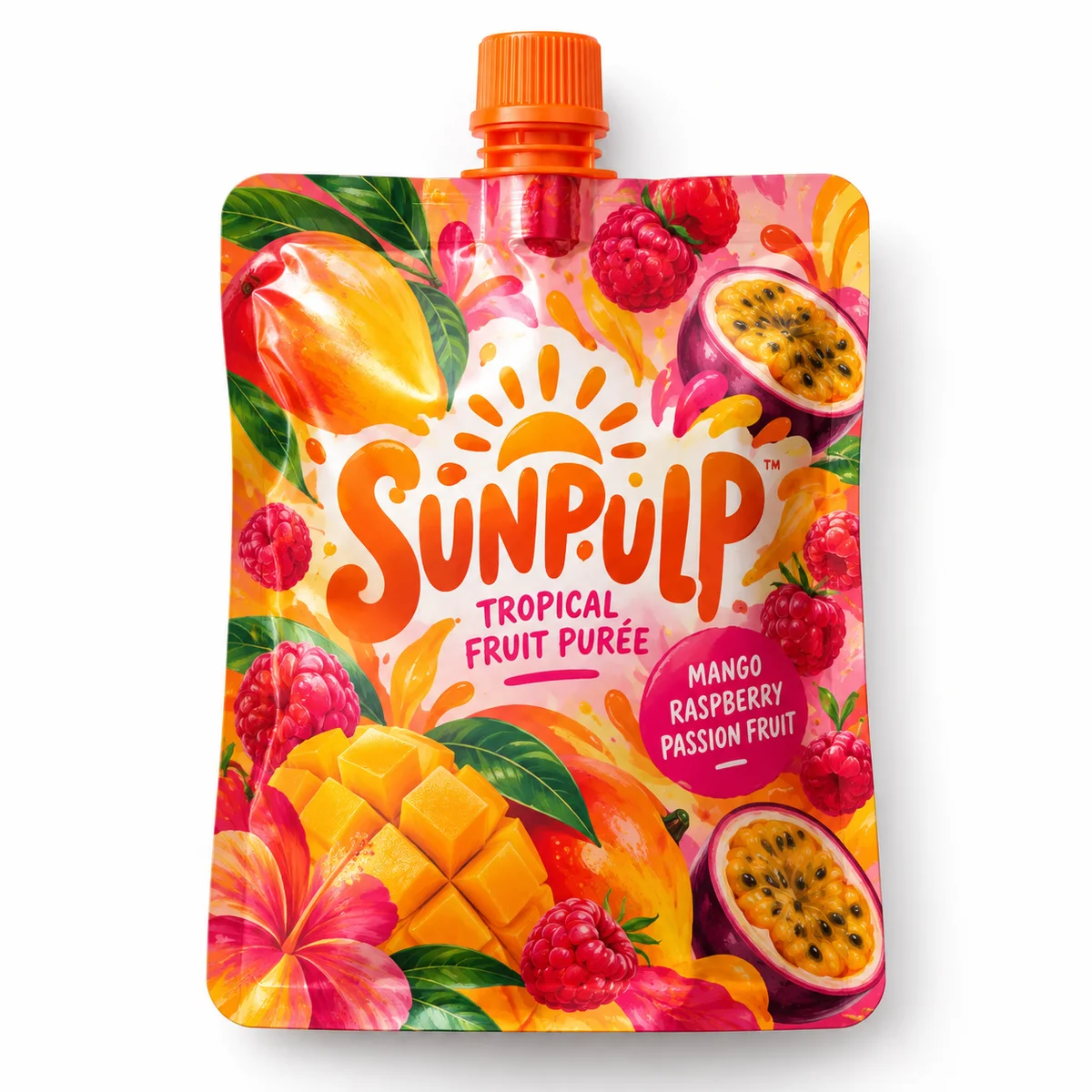
Center-Spout Flat Pouch
Flat, wide pouch has a centered screw spout, heat-sealed edges, and full-panel fruit print.
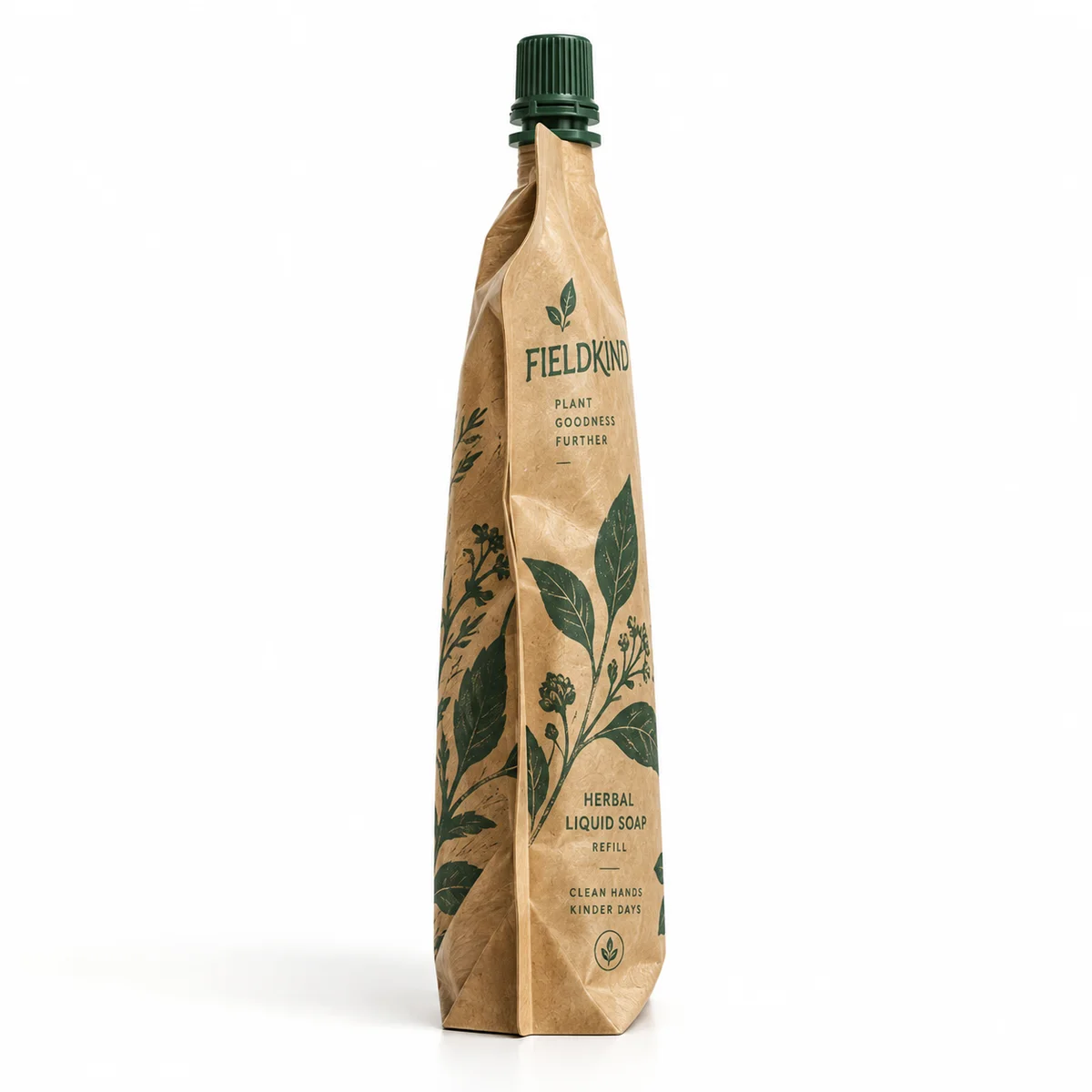
Side-Gusset Refill Pouch
Narrow side profile shows a bottom gusset, folded foil walls, and a ribbed top screw cap.
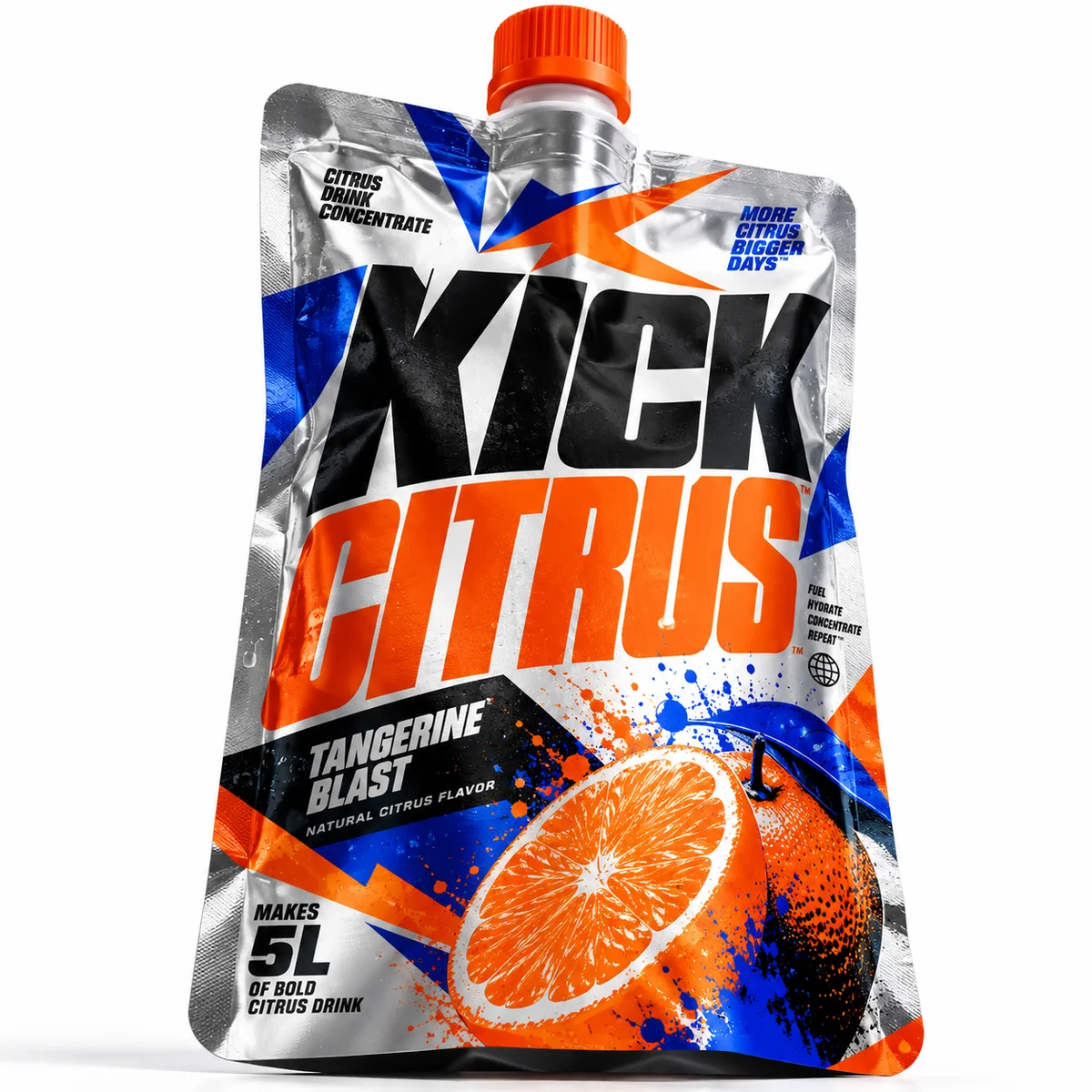
Wide-Panel Foil Pouch
Wide foil pouch has a central orange screw cap, sealed top seam, and a folded stand-up base.
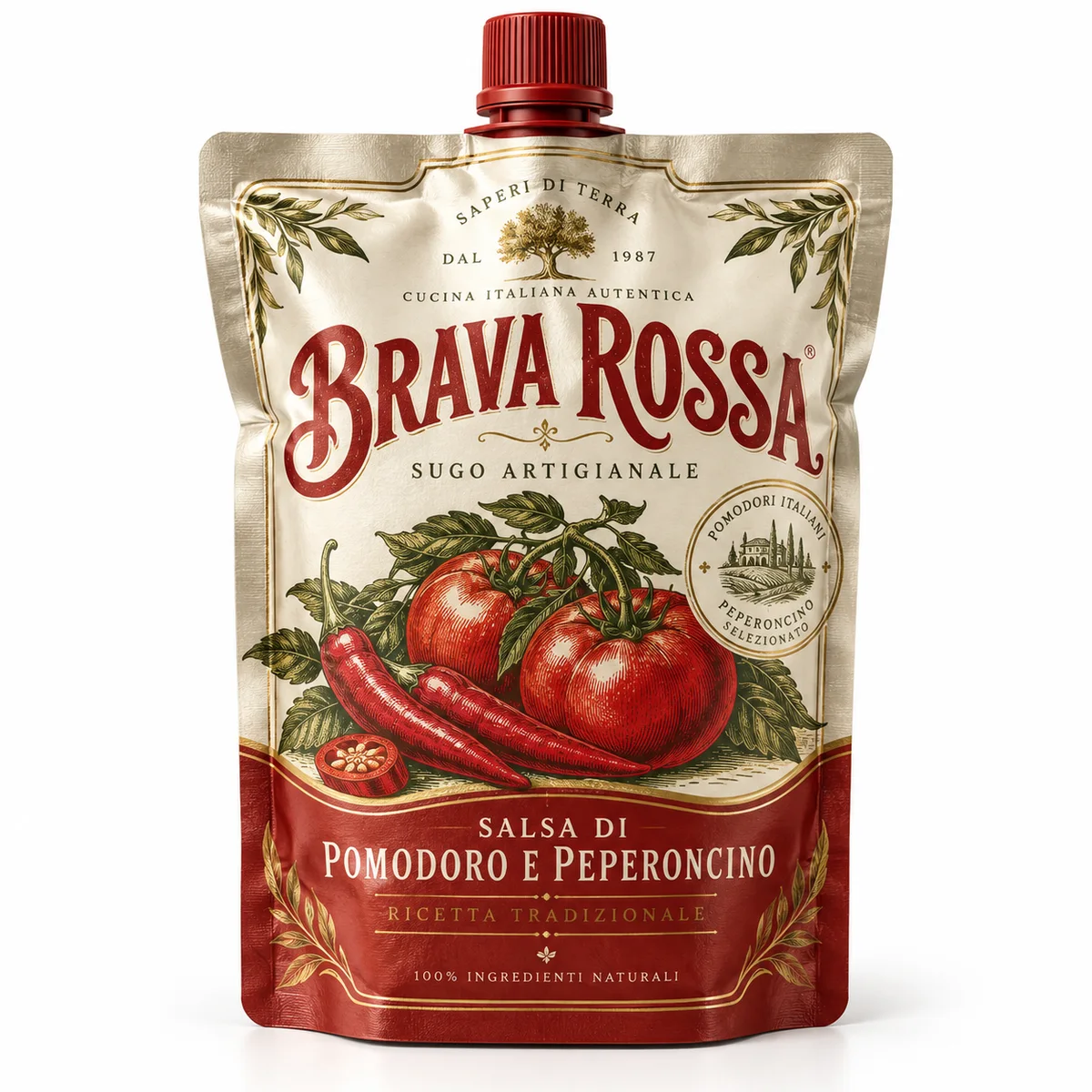
Centered-Spout Sauce Pouch
Front-facing sauce pouch has a centered screw cap, broad printed face, and heat-sealed rim.
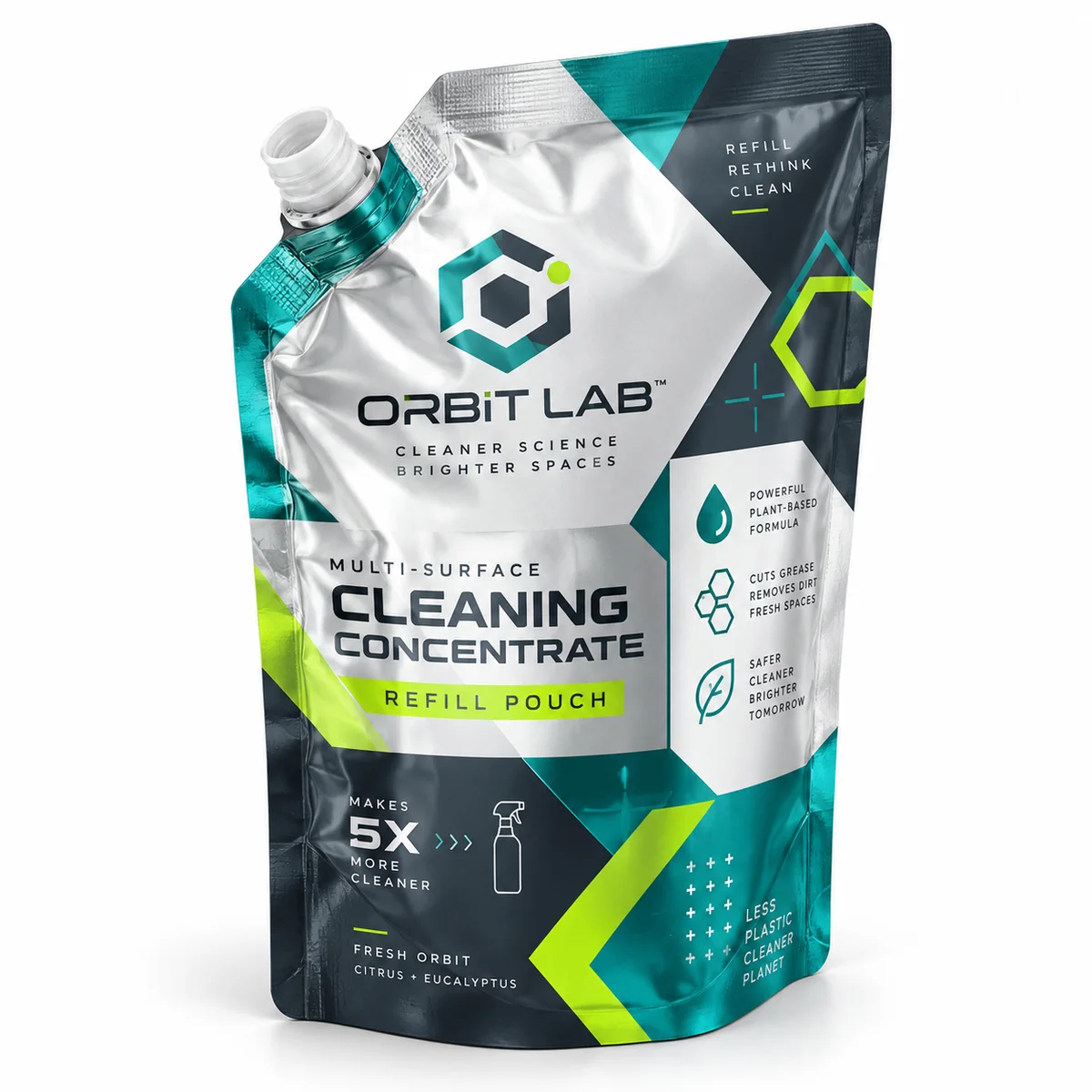
Open-Neck Refill Pouch
Open threaded spout sits at the upper corner above sealed foil seams and a gusseted base.
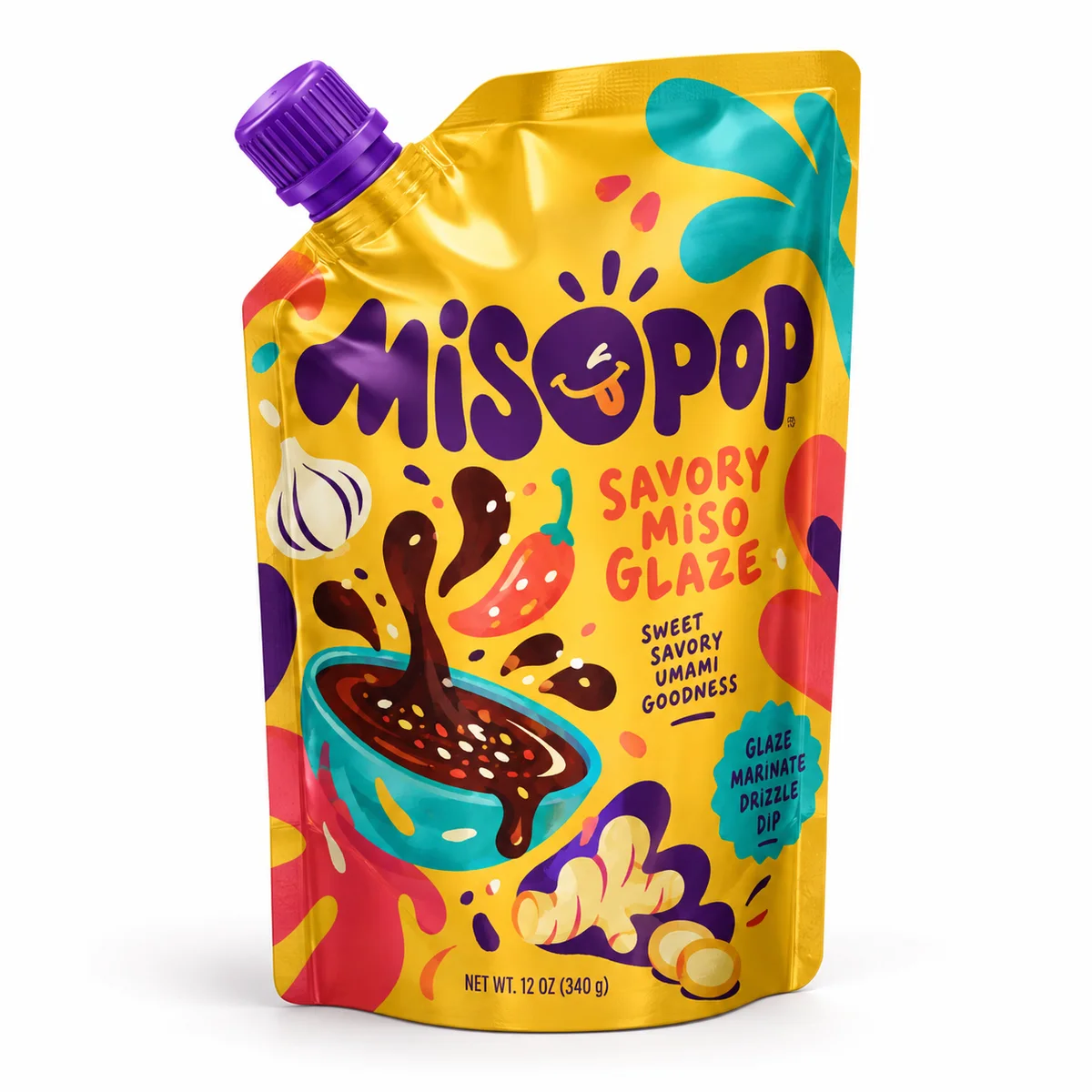
Corner-Spout Stand-Up Pouch
Yellow stand-up pouch has an angled corner spout with a ribbed screw cap and rounded base.
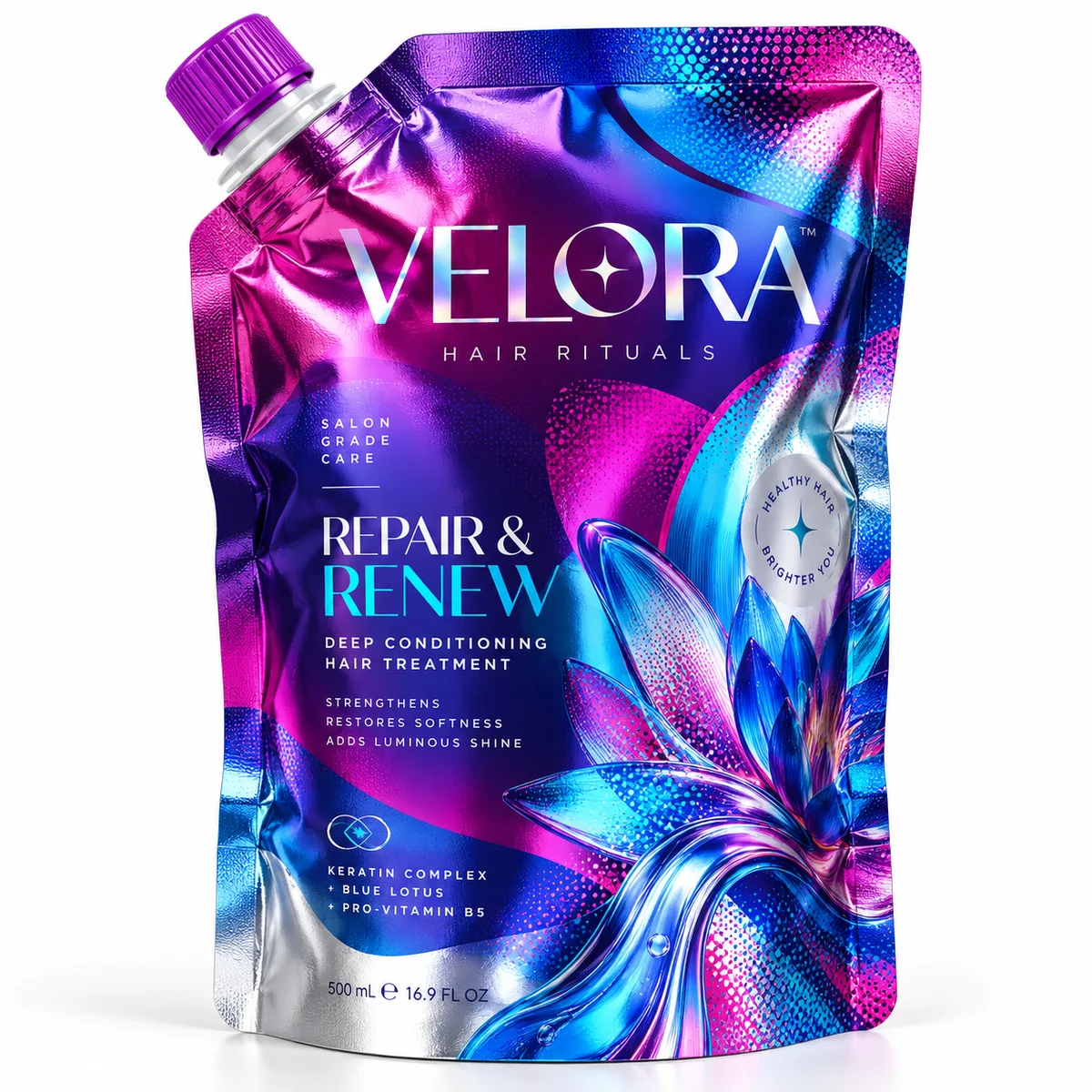
Gloss-Finish Spout Pouch
High-gloss foil pouch has a slanted corner spout, ribbed cap, and heat-sealed side edges.
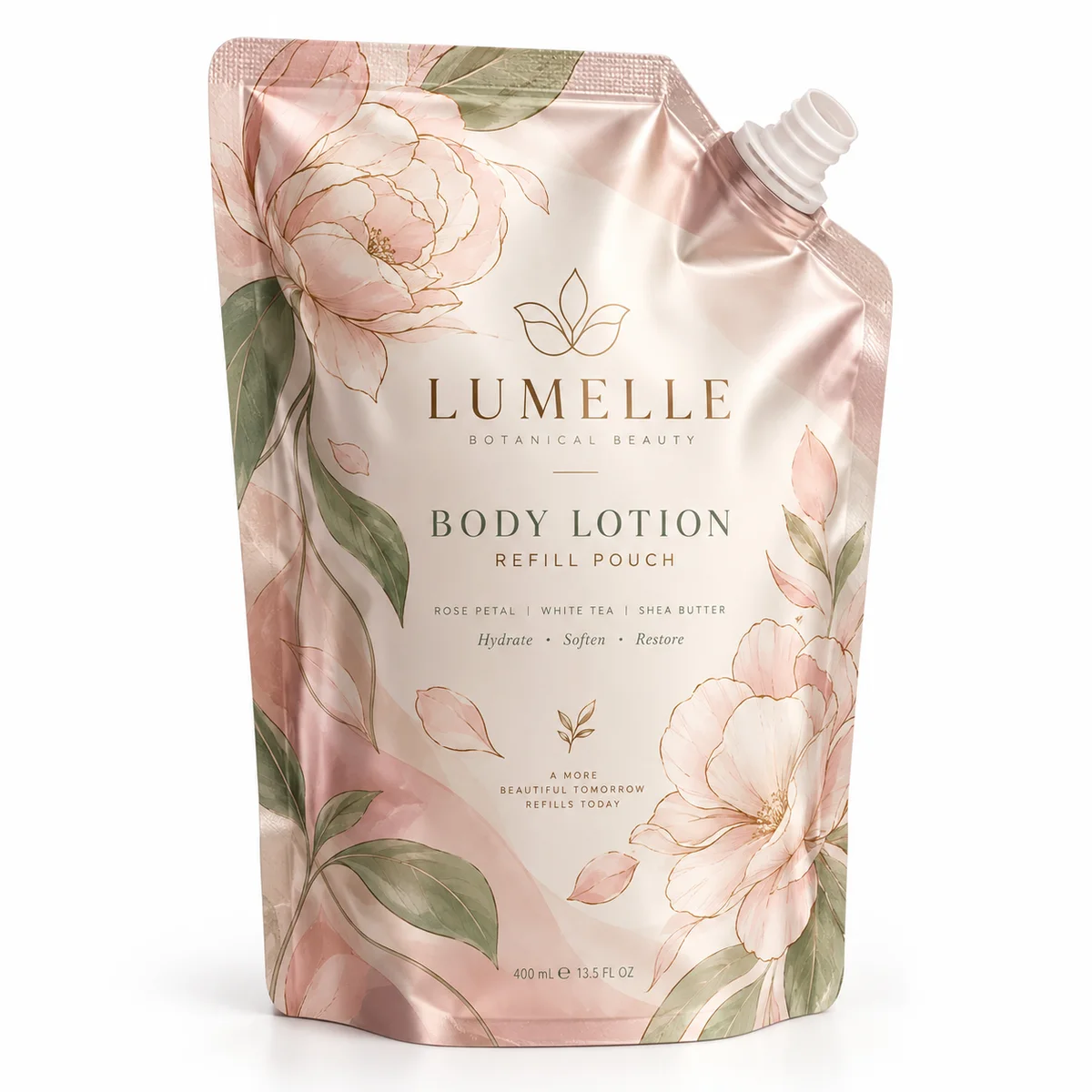
Open-Spout Lotion Pouch
Soft pink pouch shows an uncapped threaded corner spout, a sealed rim, and a rounded base.
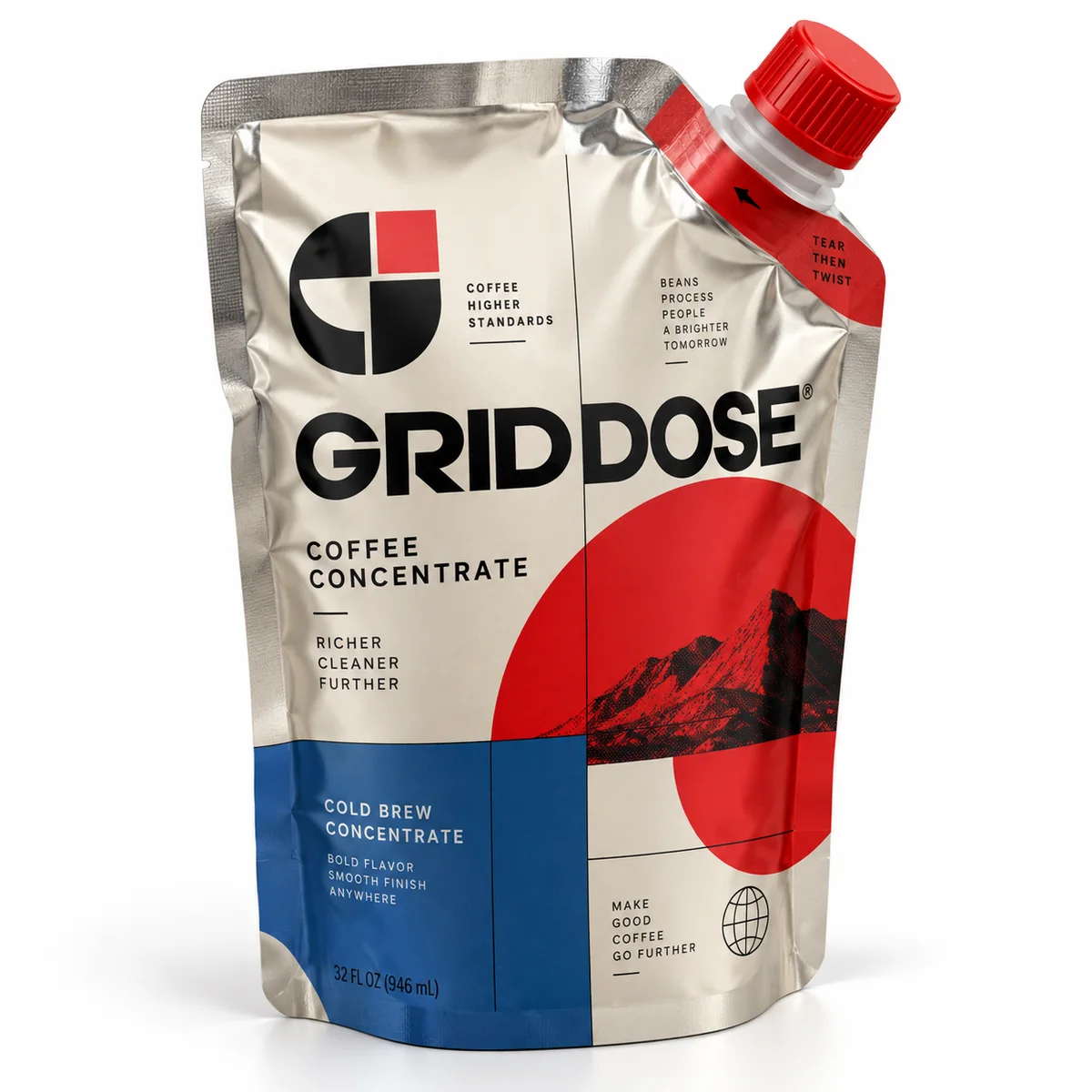
Closure-Tab Spout Pouch
Wide foil pouch features a red screw cap, a printed opening tab, and a heat-sealed top rim.
Can't find the perfect style?
Create a completely custom box design tailored to your brand.
Designed for Various Industries
We design packaging that fits every industry
From small businesses to global brands, our custom packaging solutions are built to elevate your brand and leave a lasting impression.
Cosmetics & Beauty
Food & Beverages
E-commerce & Retail
Electronics
Apparel & Fashion
Health & Wellness
Pharmaceuticals
Cannabis & CBD
Pet Products
Baby & Kids
Jewelry & Accessories
Home & Lifestyle
Candles & Fragrance
Coffee & Tea
Confectionery
Cosmetics & Beauty
Food & Beverages
E-commerce & Retail
Electronics
Apparel & Fashion
Health & Wellness
Pharmaceuticals
Cannabis & CBD
Pet Products
Baby & Kids
Jewelry & Accessories
Home & Lifestyle
Candles & Fragrance
Coffee & Tea
Confectionery
Supplements
Skincare & Personal Care
Haircare
Automotive
Sports & Fitness
Toys & Games
Stationery & Gifts
Bakery & Desserts
Wine & Spirits
Tobacco & Vape
Medical Devices
Tech Accessories
Subscription Boxes
Organic & Natural
Luxury Retail
Supplements
Skincare & Personal Care
Haircare
Automotive
Sports & Fitness
Toys & Games
Stationery & Gifts
Bakery & Desserts
Wine & Spirits
Tobacco & Vape
Medical Devices
Tech Accessories
Subscription Boxes
Organic & Natural
Luxury Retail
Built for brands
that care about detail.
Premium packaging. Precise printing.
Fast turnaround. No hidden costs.
10K+
Happy Customers
98%
Satisfaction Rate
Trusted by Top Brands
We work with startups to enterprises. Our boxes make an impact.
Free Design Support
Get expert help in creating the perfect packaging for your brand.
Warehouse Across USA
Faster fulfilment with local production and warehouses.
Print & Design Lovers
Crafted with passion, just the way your brand deserves.
Custom Aluminum Foil Spout Pouches for Protected Liquid Refills
A liquid pouch has two jobs that matter: shield contents and dispense without a mess. For light-sensitive sauces, beverage concentrates, lotions, and refill liquids, custom aluminum foil spout pouches pair a flexible barrier laminate with a reclosable plastic fitment. The pouch must suit the contents, not just the artwork. Packopie helps define those details before a custom order moves into production.
Keep Light-Sensitive Concentrates Behind a Foil Barrier
An aluminum foil layer blocks light and slows oxygen and moisture passing through an intact laminate. That matters for sensitive formulas during storage or delivery. Foil can also help limit aroma movement, but a real shelf-life claim needs testing with the filled product. No laminate fits every sauce, juice, oil, or cosmetic formula.
A foil spout pouch has layers with different jobs. The outer film carries the printed design and protects its surface. The aluminum layer provides the barrier. An inner film creates the seal and faces the liquid. This matters when buyers can explain what the contents need to resist.
Not every flexible pack needs a pouring neck. Buyers comparing barrier materials for a different application can also explore custom Mylar bags. For this product, the foil laminate and spout must work as one liquid-packaging system.
Choose a Spout That Matches the Product's Flow
A thick fruit puree behaves differently from a thin drink concentrate. A narrow spout may give a neat pour for free-flowing liquid, while a wider bore can make sense for sauces with pulp or products with a heavier texture. Match the bore, neck, and cap to the filling nozzle and user.
A corner spout lets the pouch tilt toward the opening; a center spout changes how users hold and drain it. A ribbed screw cap supports repeated closing, and a tamper-evident feature may suit products where a visible first-opening indication is important. None of these choices alone guarantees a leak-free package.
Packopie's wider custom spouted pouches category offers useful context for comparing closure positions. For the foil version, the chosen fitment also needs to seal reliably against the inner laminate.
Select Foil Laminate Layers for the Actual Filling Process
PET/AL/PE is a useful starting structure for a custom foil pouch: PET on the print side, aluminum in the middle, and polyethylene at the inside seal. Reinforced structures may add nylon for toughness. Film thickness, puncture demands, and flexing during transport all influence the final choice. More thickness can also affect folding and dispensing.
The filling process is another deciding factor. Cold filling, warm filling, hot filling, and retort processing can place very different demands on the sealant and spout materials. A pouch designed for one method must not be assumed suitable for another. Food projects need documents for the actual food-contact materials and use conditions.
The useful question is not simply whether the pouch contains aluminum foil. It is whether the laminate, weld area, fitment resin, closure, and process remain compatible from filling through customer use.
Make Capacity, Headspace, and Gusset Work Together
A 500 mL target does not describe the finished pouch by itself. Liquid thickness, foam, required headspace, sealing area, and the amount of product left after dispensing can change the usable fill. The same nominal volume may need different pouch dimensions for a smooth drink and a dense sauce.
Stand-up designs use a folded bottom gusset that opens as the pouch fills. That can improve shelf presentation and help the pack rest upright, provided the filled shape is stable. Flat pouches serve other handling needs. Corner and center spouts also change where the liquid gathers as the pack empties.
Common planning sizes include 250 mL, 500 mL, and 1 L. These are starting points, not confirmed capacities. A filled sample is the best way to assess stand-up behavior, grip, fill level, and how cleanly the contents pour.
Give Custom Printing Room Around Seals and Caps
The printed panel is valuable space, but not every part of a spout pouch is a reliable artwork area. Heat-seal margins, folds, gussets, and the plastic neck can hide or distort details. A custom dieline should keep small text, barcodes, and important graphics clear of those zones.
For a bold fruit concentrate design, full-color printing can carry ingredients, flavor cues, and a strong front panel. A lotion refill may benefit from more restrained printing and a matte finish. Spot colors, CMYK artwork, glossy finishes, and selected accents affect appearance and production cost; artwork and print method should be reviewed together.
Packaging without a dispensing fitment solves a different task. Custom poly bags may be suitable where the pack does not need a reclosable pour. For foil spout pouches, the layout must support the fill process and the way customers handle the cap.
Bring Filled-Pouch Testing Into the Buying Decision
Drawings cannot show what happens during filling, capping, and distribution. Check the weld around the spout, the side and bottom seals, and the cap fit. Depending on the application, trials may also examine pressure, drops, squeezing, and repeated opening.
Tests should reflect the real formula and the planned storage conditions. An oily liquid, a product with particles, and a cleaning concentrate may challenge different parts of the package. Food-contact suitability, processing temperature, and shelf life need evidence for the final structure rather than a general claim about foil.
Testing also helps resolve practical questions before artwork and tooling are fixed. A change in spout size or seam width can affect the shape, print area, and production setup.
Turn Pouch Specifications Into a Clear Wholesale Quote
Once the product is understood, a custom quote becomes easier to compare. Useful details include fill volume, liquid thickness, packaging material preference, spout position, cap style, printing coverage, order quantity, filling method, and delivery destination. A photo of the current pack or a sample can help show the intended shape.
Quantity affects printing and setup economics. A run of hundreds of pouches may be priced differently from several thousand, and special cap colors or custom contours may require extra planning. Freight, tooling, and production timing should be confirmed separately rather than treated as fixed from an example rate.
With those details in place, Packopie can review a foil spout pouch specification and prepare pricing suited to the actual project. The result is a more useful conversation about product fit, finish, and cost—not a guess based on pouch size alone.
Frequently Asked Questions
Not always. Thick purees, sauces with seeds, or products with pulp may need a wider spout opening. Share the liquid's thickness and largest particle size before selecting the cap and dispensing fitment.
The laminate, inner sealant, spout, and cap must be suitable for the actual filling temperature and process. An aluminum foil barrier alone does not make a pouch safe for hot filling, retorting, or sterilization. Confirm the intended process before production.
In a typical PET/AL/PE pouch, the inner polyethylene sealant layer contacts the product, rather than the aluminum foil. Food-contact suitability still requires verification of the exact materials, formulation, and conditions of use.
Nominal capacity does not guarantee the usable fill volume for every liquid. Headspace, pouch shape, bottom gusset, and product thickness affect filling behavior. A filled sample helps confirm the final size and seal area.
Test the threaded cap fit, spout attachment, and heat-sealed seams using filled samples. The test plan may include leak checks, compression, and handling tests based on the expected distribution conditions.
Most bonded aluminum-and-plastic laminates are not accepted in standard U.S. curbside recycling programs. Recycling depends on the exact material structure and local facilities. Confirm acceptance before adding a recycling claim to the printed artwork.
More Solutions
You May Also Like
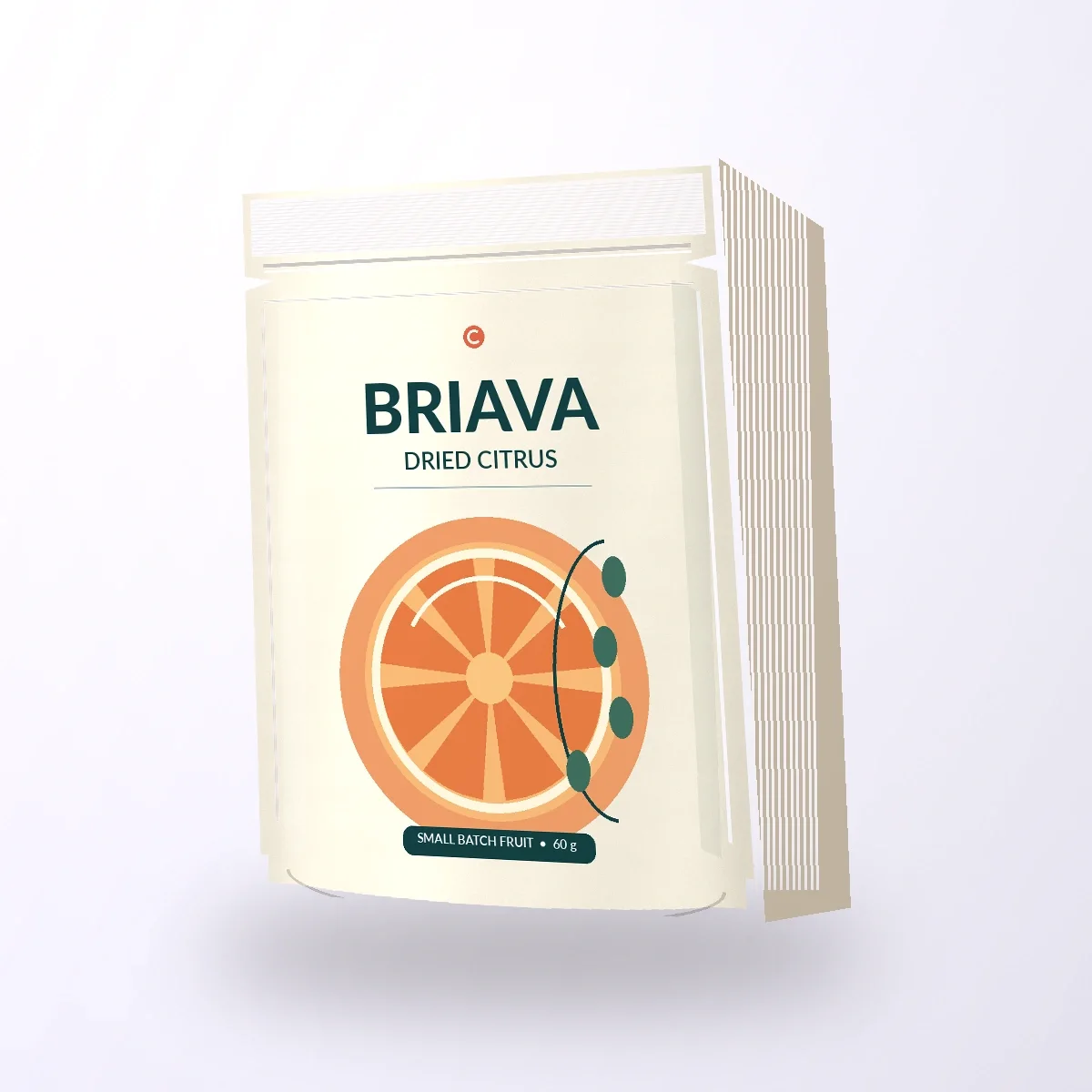
Custom Tear Notch Packaging
A tear notch gives sealed snack, powder, or refill pouches a clear opening point. Position it above a zipper and away from the usable product space.
View product →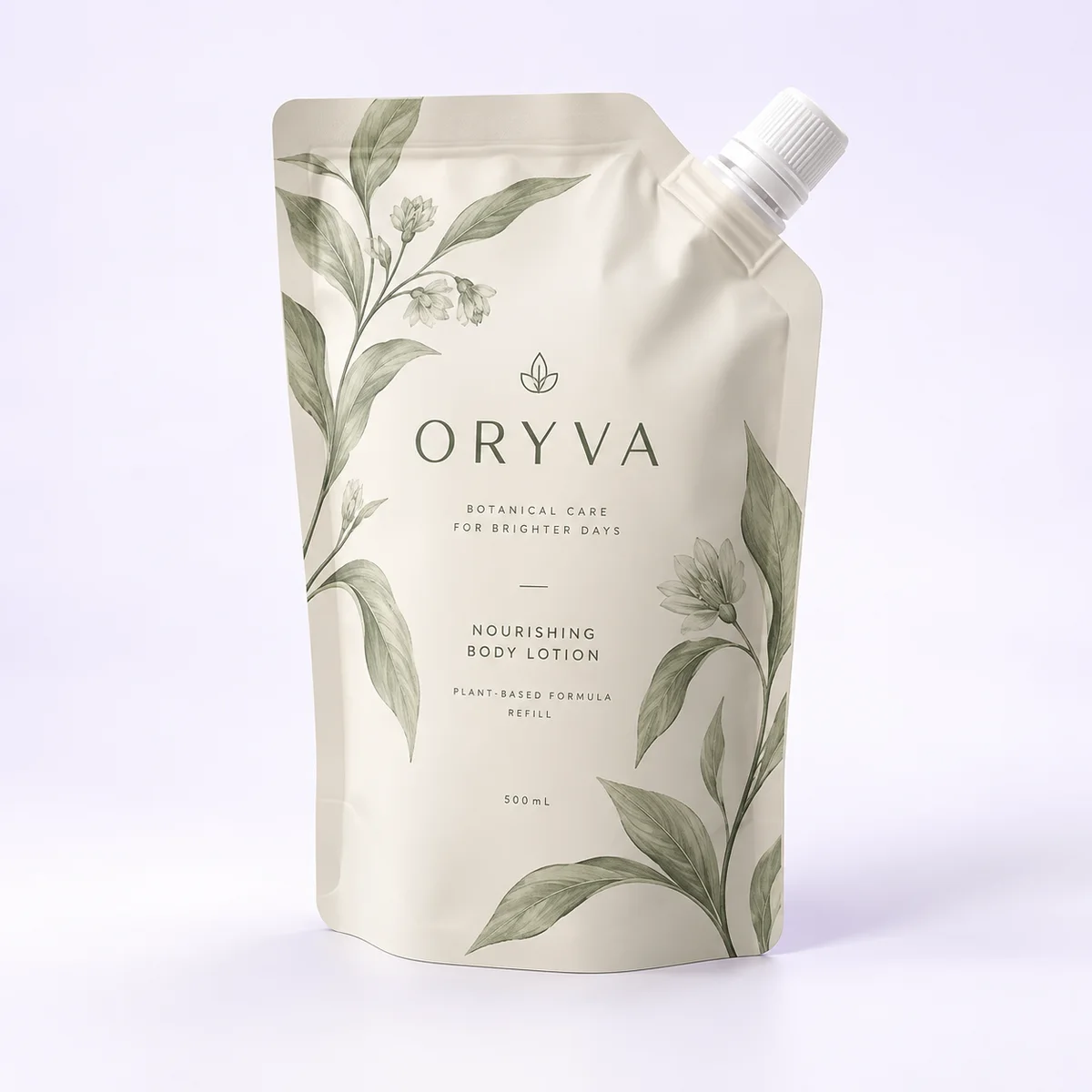
Custom Cosmetic Spout Pouch
Make shampoo, lotion, and cleanser refills easier to pour with a cosmetic spout pouch built around your formula, bottle opening, and filling process.
View product →Custom Tear Notch Packaging
A tear notch gives sealed snack, powder, or refill pouches a clear opening point. Position it above a zipper and away from the usable product space.
View product →Custom Cosmetic Spout Pouch
Make shampoo, lotion, and cleanser refills easier to pour with a cosmetic spout pouch built around your formula, bottle opening, and filling process.
View product →✦ Upgrade Today
Ready to Upgrade Your Brand Packaging?
Get custom templates matching your custom dimensions. Instant 3D digital proof samples returned in hours.