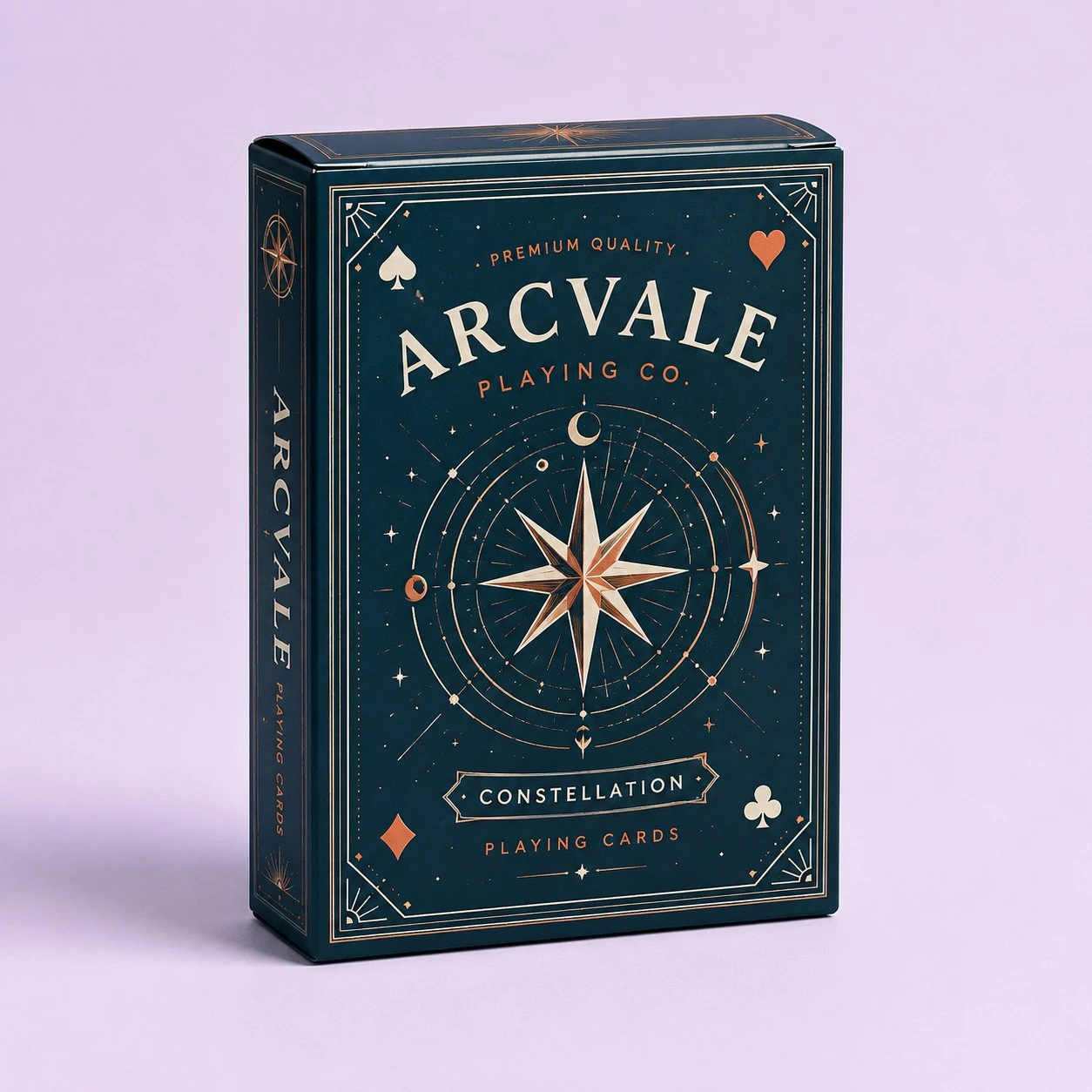
Fully Custom
★★★★★
4.9/5.0Custom Playing Card Boxes
Custom playing card boxes sized for your deck, with tailored tuck, sleeve, rigid, print, finish, and insert options for branded card packaging.
Premium Quality
Fully Customizable
Low MOQ
Fast Turnaround
100% Eco-Friendly
Sustainable materials
Free Shipping
On every order
No Die & Plate Charges
Zero hidden costs
100% Satisfaction
Quality guaranteed
Expert Support
We're here to help
Custom Playing Card Box Quote Builder
Choose size, style, material, print, and finish to estimate your custom playing card box price.
✓Response within30 minutes
✓Your info is privateSecure
✓No obligation100% free
Build a playing card box around your deck and artwork
Design Varieties
Custom Playing Card Box Design Varieties
Explore ten original visual directions for custom card packaging, from minimal tuck boxes to illustrated, playful, and premium presentations.
Classic Tuck Box
Classic tuck carton with a folded top flap and compact single-deck form for poker cards.
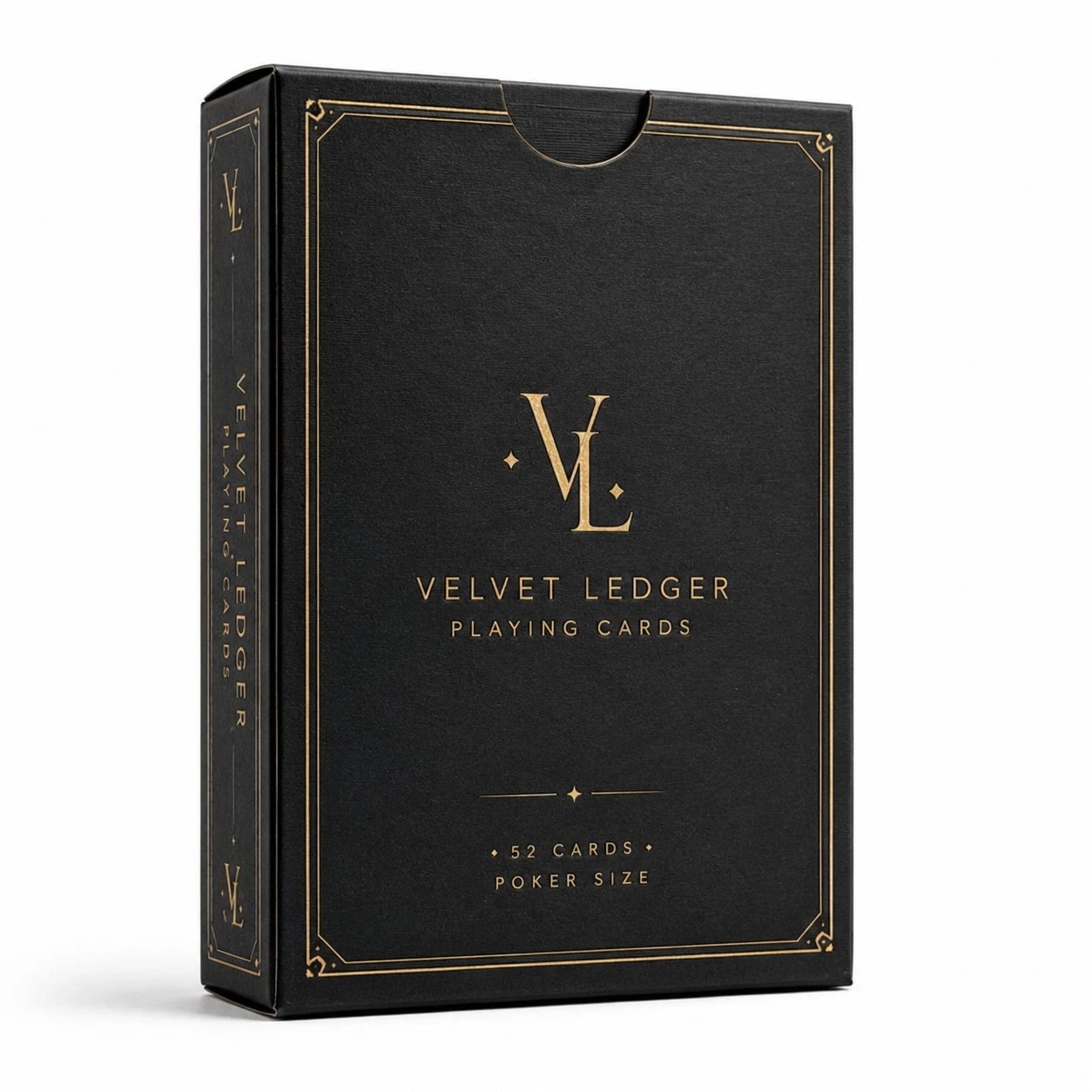
Open-Flap Tuck Box
Open tuck carton with a hinged top flap, printed interior, and visible card deck inside.
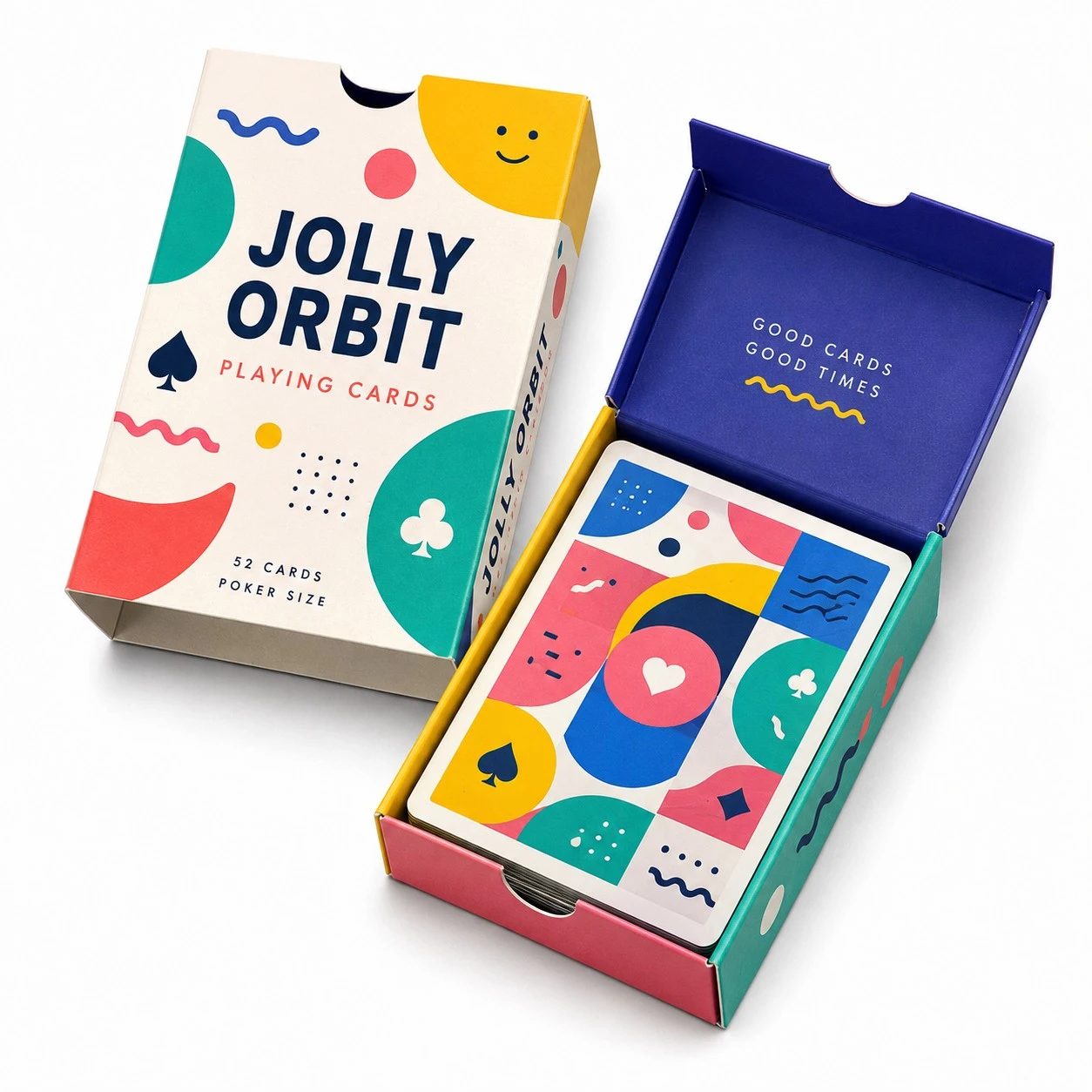
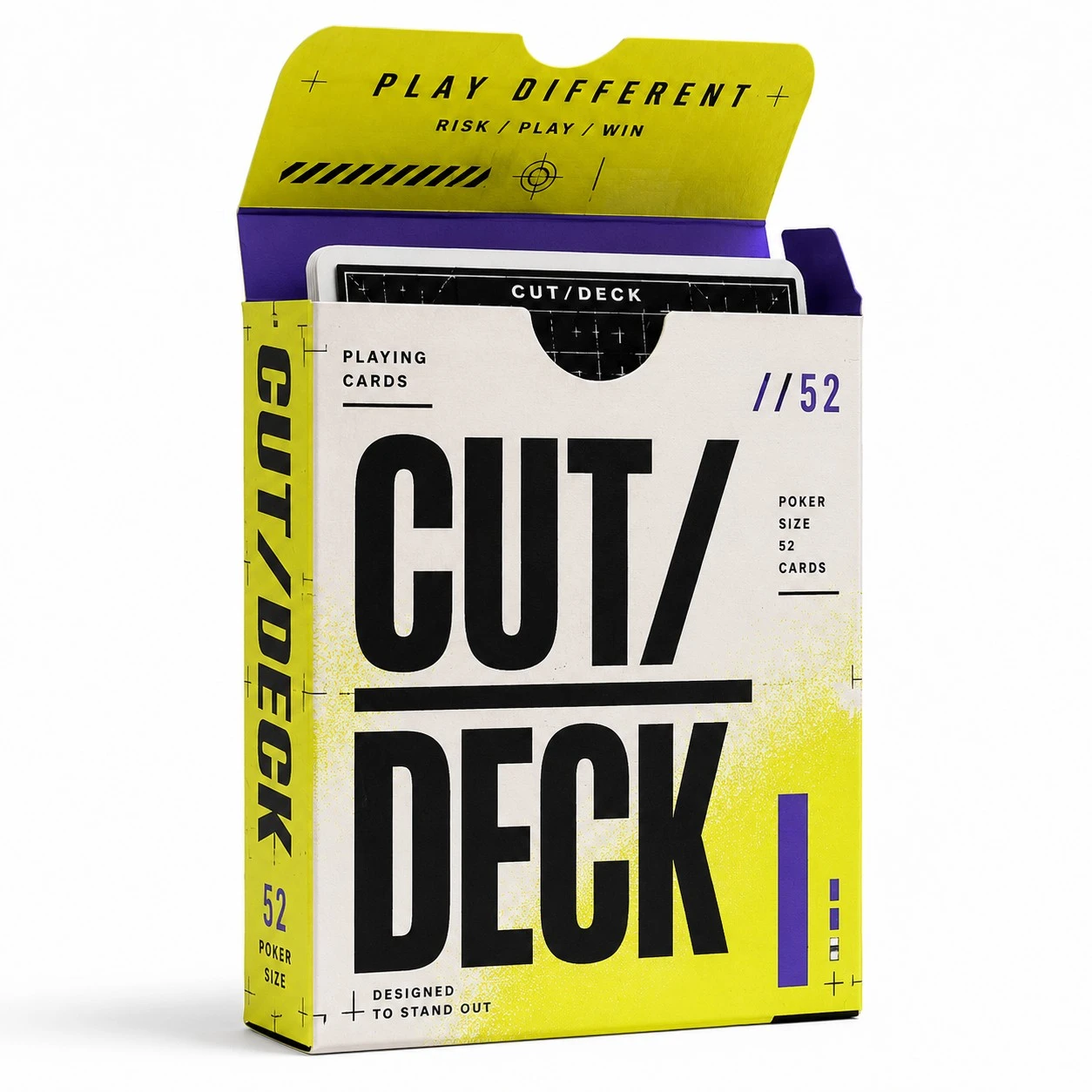
Sleeve & Tray Box
Sliding sleeve-and-tray box with a fitted inner tray that reveals and holds the card deck.
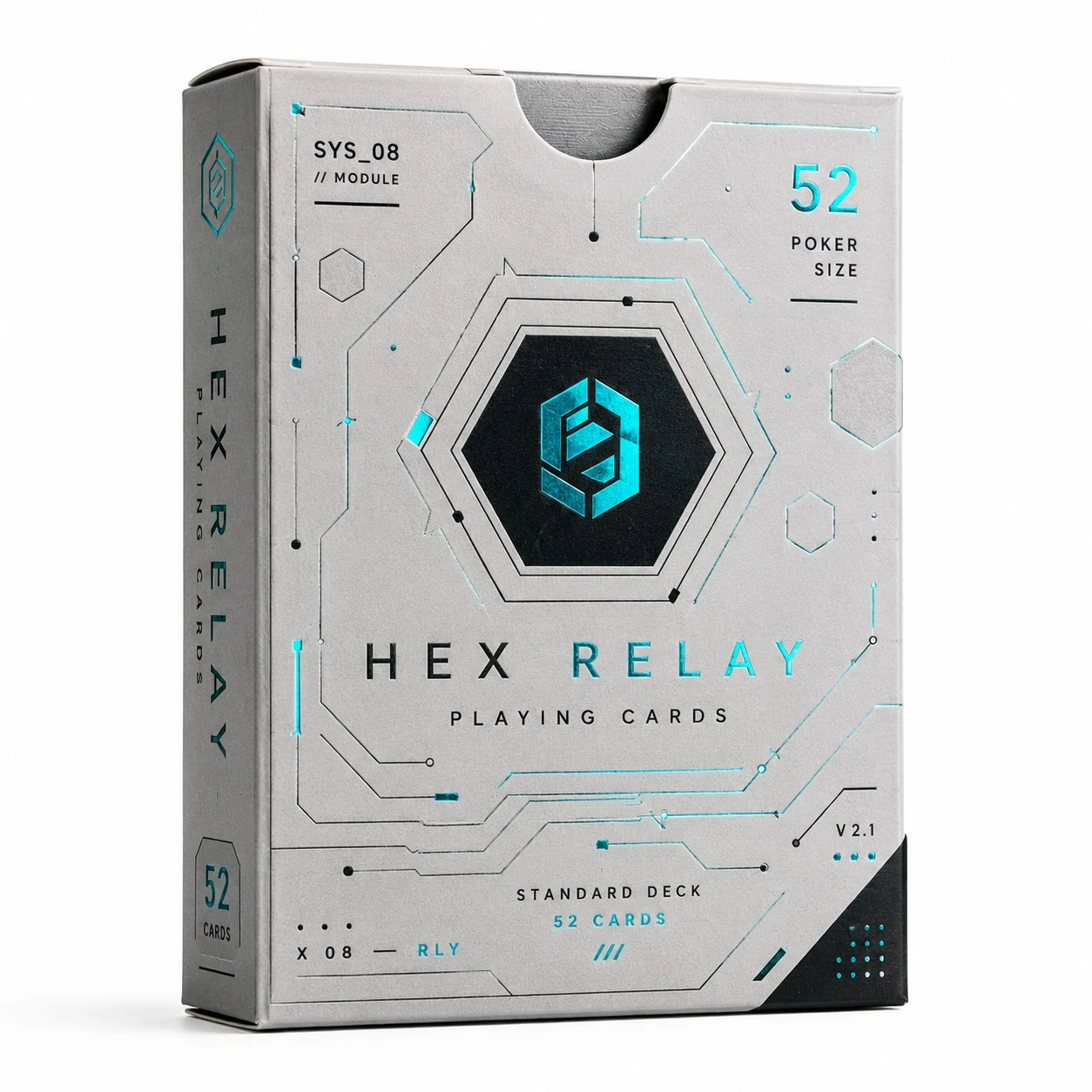
Foil Detail Tuck Box
Foil-detail tuck carton with a folded top flap and compact form for a standard card deck.
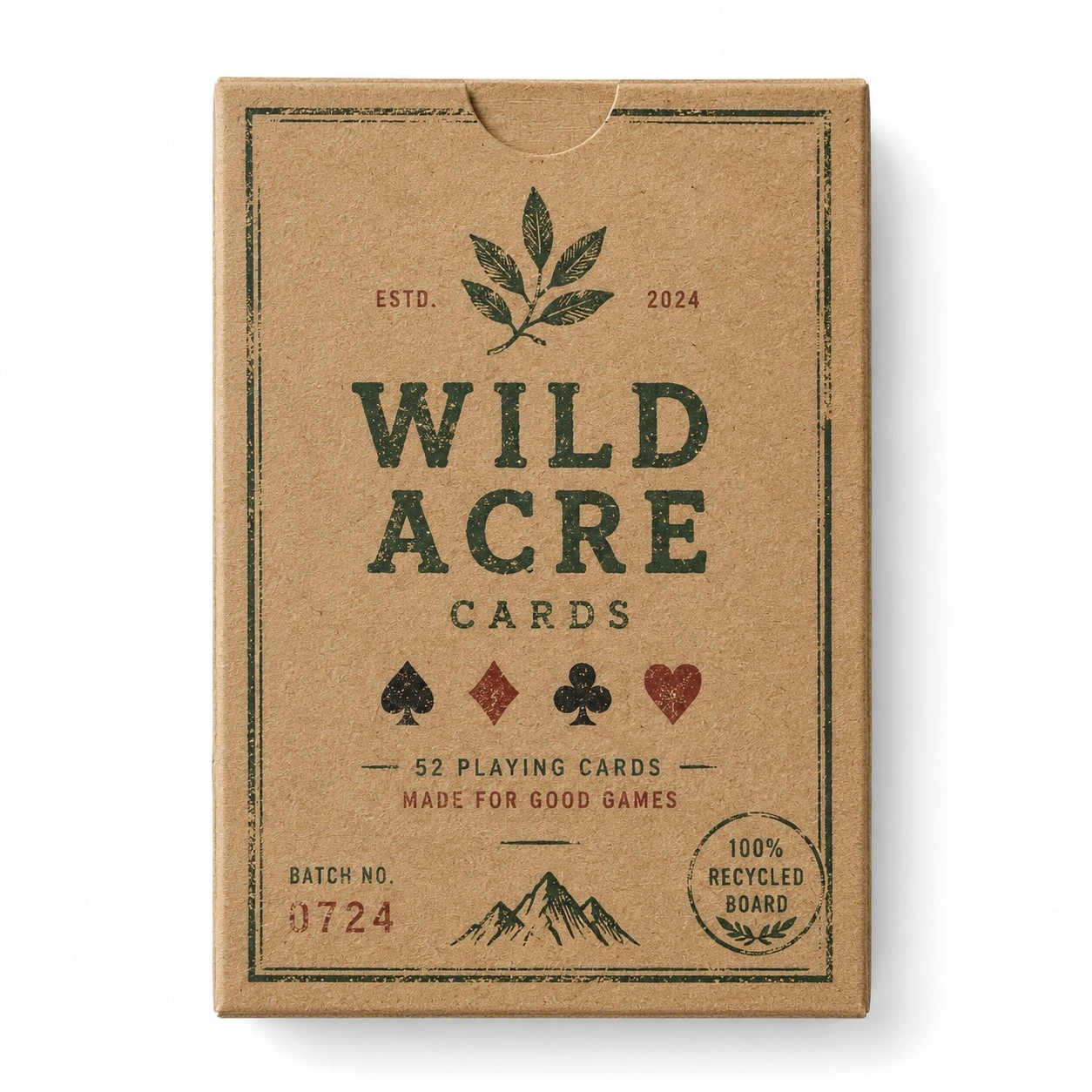
Kraft Tuck Carton
Kraft tuck carton with a folded top closure and compact single-deck form for playing cards.
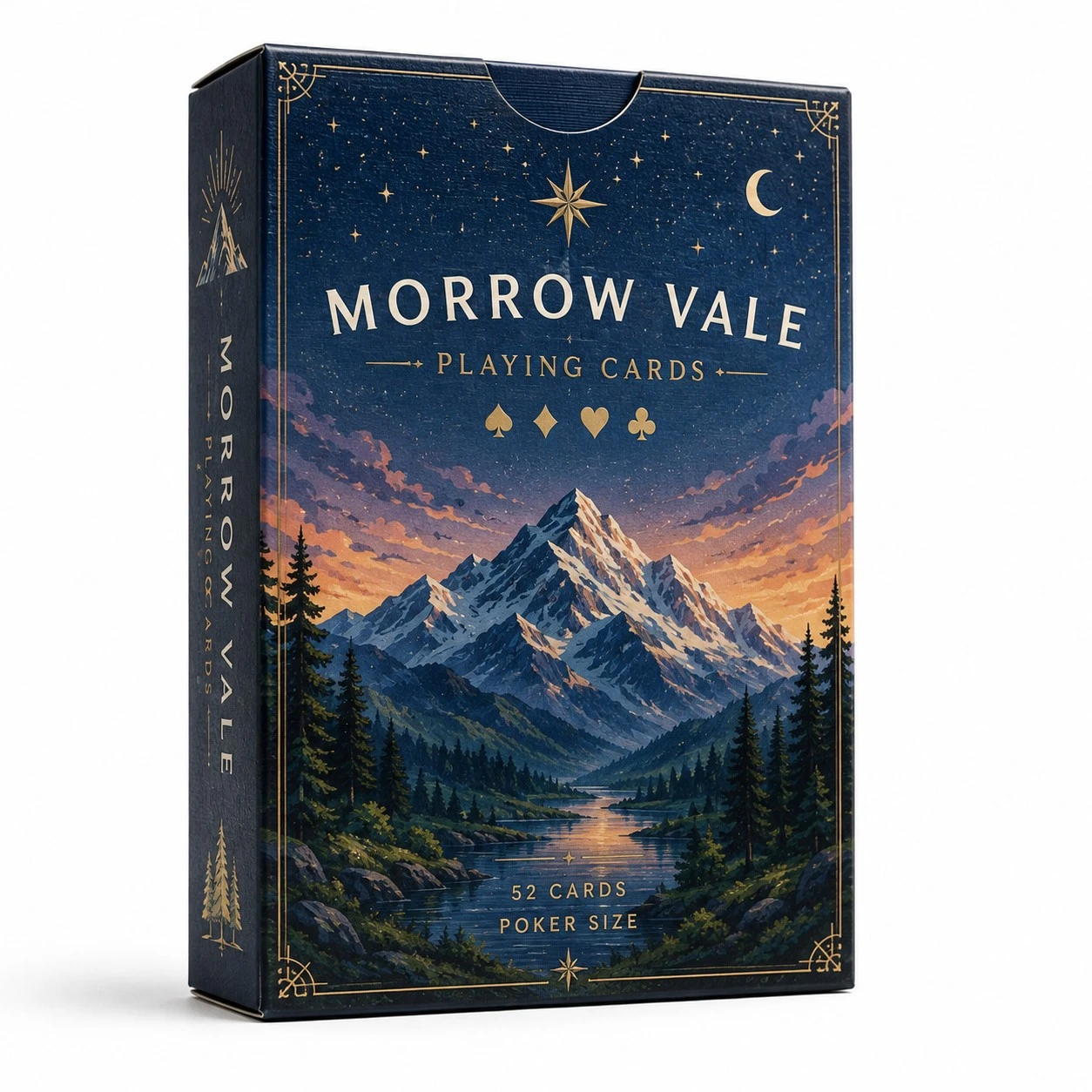
Full-Wrap Tuck Box
Full-wrap tuck carton with a folded top flap and compact single-deck form for card sets.
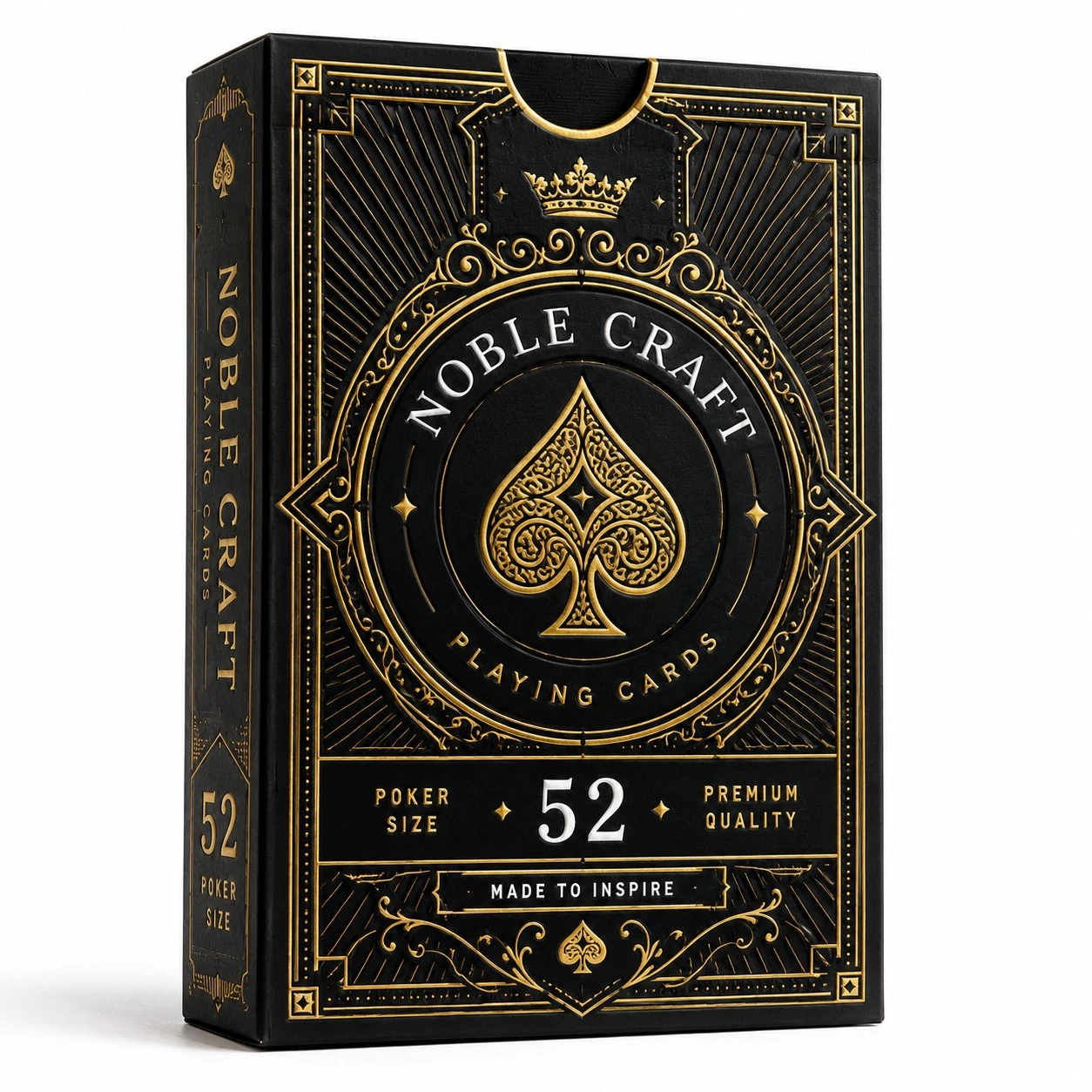
Ornate Tuck Carton
Ornate tuck carton with a folded top flap and compact single-deck form for playing cards.
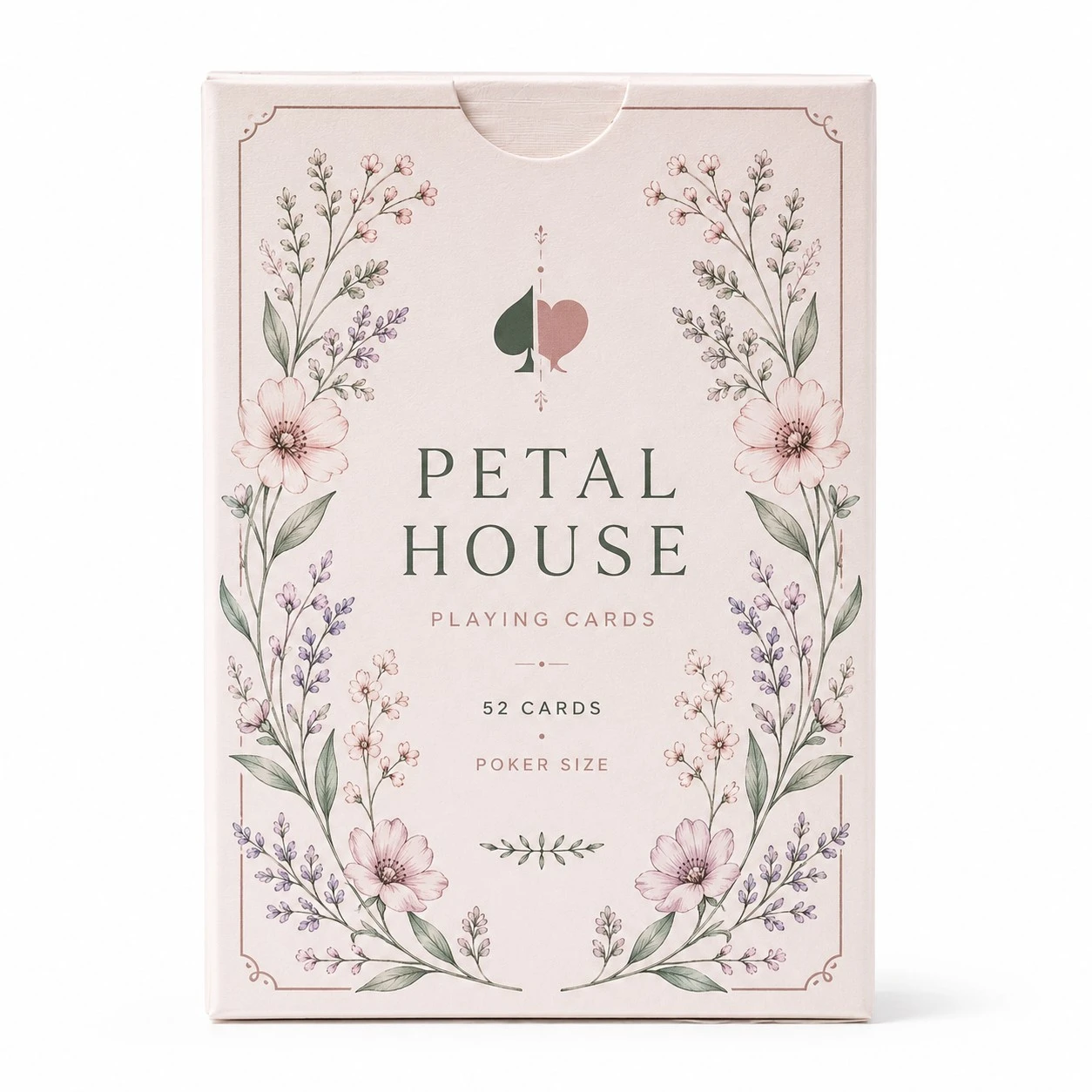
top-flap-tuck-box
Top-flap tuck carton with a centered front panel and compact form for a single card deck.
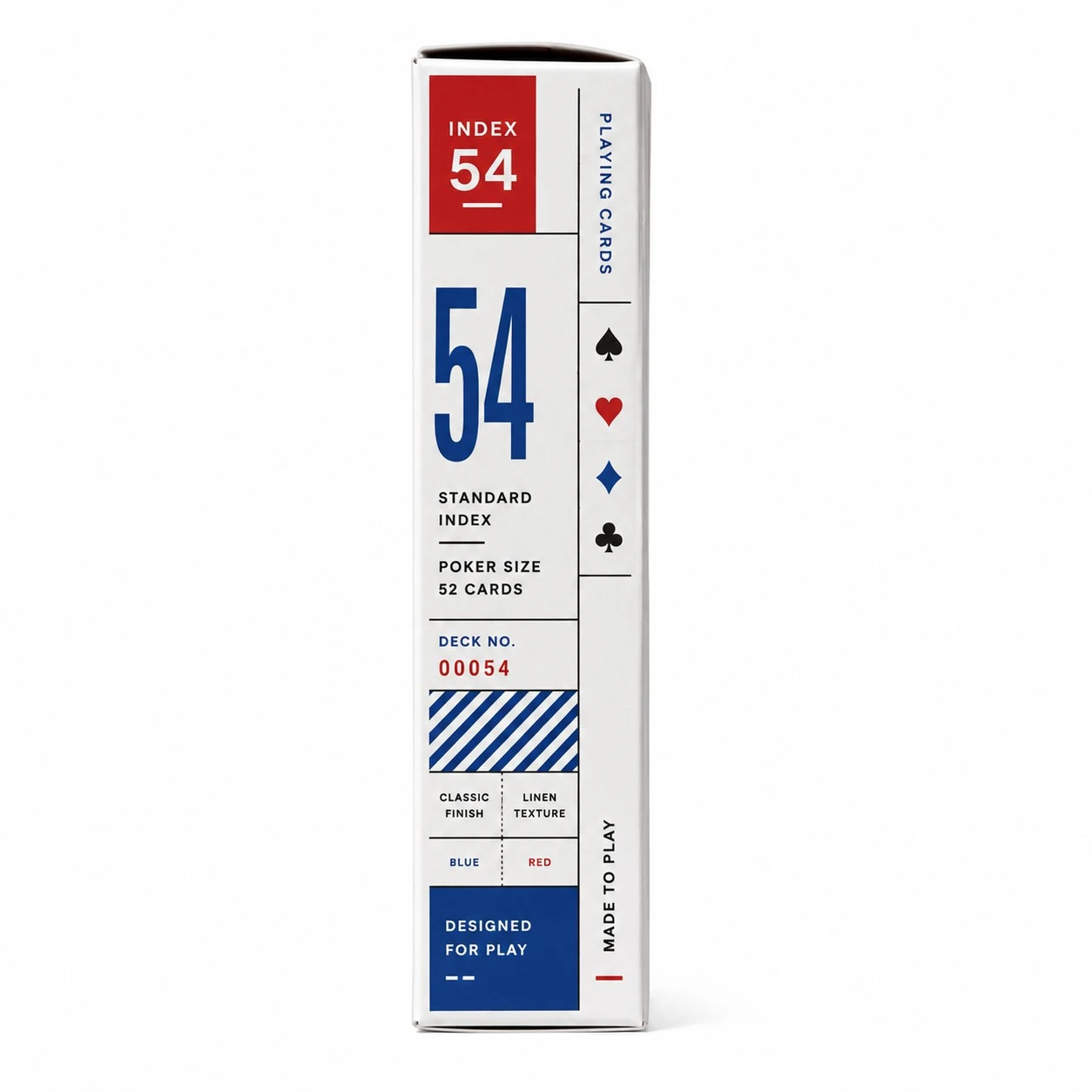
Slim Tuck Box
Slim tuck carton with a straight top flap and narrow side profile for a standard card deck.
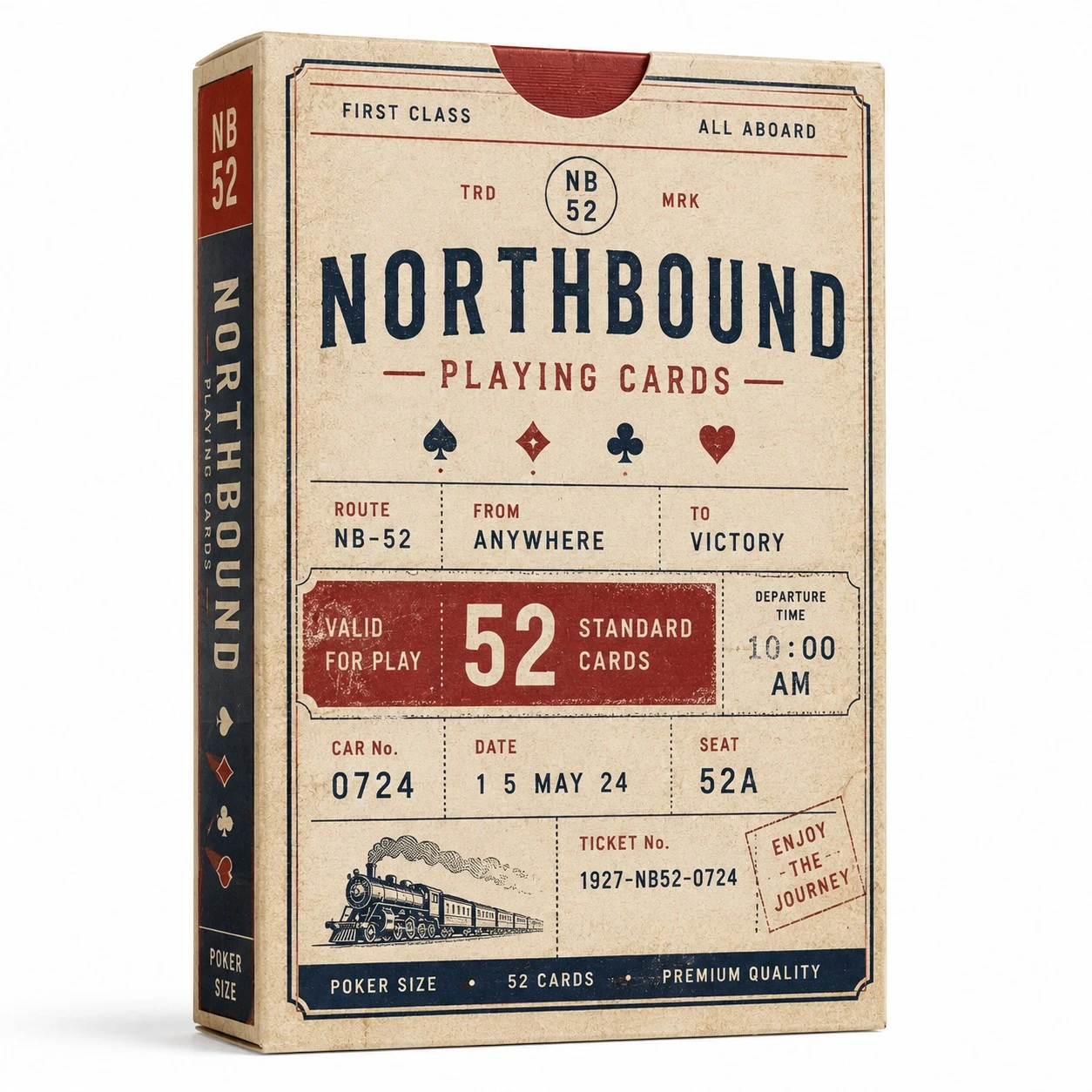
Vintage Tuck Carton
Vintage-style tuck carton with a folded top closure and compact single-deck card structure.
Can't find the perfect style?
Create a completely custom box design tailored to your brand.
Designed for Various Industries
We design packaging that fits every industry
From small businesses to global brands, our custom packaging solutions are built to elevate your brand and leave a lasting impression.
Cosmetics & Beauty
Food & Beverages
E-commerce & Retail
Electronics
Apparel & Fashion
Health & Wellness
Pharmaceuticals
Cannabis & CBD
Pet Products
Baby & Kids
Jewelry & Accessories
Home & Lifestyle
Candles & Fragrance
Coffee & Tea
Confectionery
Cosmetics & Beauty
Food & Beverages
E-commerce & Retail
Electronics
Apparel & Fashion
Health & Wellness
Pharmaceuticals
Cannabis & CBD
Pet Products
Baby & Kids
Jewelry & Accessories
Home & Lifestyle
Candles & Fragrance
Coffee & Tea
Confectionery
Supplements
Skincare & Personal Care
Haircare
Automotive
Sports & Fitness
Toys & Games
Stationery & Gifts
Bakery & Desserts
Wine & Spirits
Tobacco & Vape
Medical Devices
Tech Accessories
Subscription Boxes
Organic & Natural
Luxury Retail
Supplements
Skincare & Personal Care
Haircare
Automotive
Sports & Fitness
Toys & Games
Stationery & Gifts
Bakery & Desserts
Wine & Spirits
Tobacco & Vape
Medical Devices
Tech Accessories
Subscription Boxes
Organic & Natural
Luxury Retail
Built for brands
that care about detail.
Premium packaging. Precise printing.
Fast turnaround. No hidden costs.
10K+
Happy Customers
98%
Satisfaction Rate
Trusted by Top Brands
We work with startups to enterprises. Our boxes make an impact.
Free Design Support
Get expert help in creating the perfect packaging for your brand.
Warehouse Across USA
Faster fulfilment with local production and warehouses.
Print & Design Lovers
Crafted with passion, just the way your brand deserves.
Custom Playing Card Boxes Built Around Your Deck
Custom playing card boxes give your deck a finished, branded presentation in a box made to the right size. Packopie creates custom packaging around card dimensions, deck thickness, artwork, quantity, and opening style. This fits poker decks, custom card games, tarot cards, collector editions, promotional decks, and other card-based products.
A strong box starts with fit. Poker-size cards are commonly 2.5 × 3.5 inches, while bridge-size cards are commonly 2.25 × 3.5 inches. Final box depth depends on card count, card stock thickness, sleeves, inserts, and any booklet packed with the deck. Packopie uses those details to shape the dieline before printing and finishing are added.
Tuck Boxes Give Standard Card Decks a Clean Custom Fit
Custom playing card tuck boxes are a practical choice for single decks and compact card sets. A tuck-end carton folds around the cards and closes with a top flap. Straight tuck and reverse tuck styles can be adjusted to match the way the deck is filled and opened.
The box can be sized around bare or sleeved cards. This matters because a small increase in total deck thickness changes the fit. A box that is too tight can make loading difficult, while a loose box can let the deck move inside. Custom dimensions create a cleaner fit around the finished product.
A thumb notch can make the flap easier to open. Inside printing can also add artwork when the box is opened. For game publishers, cardistry decks, poker sets, and promotional cards, the tuck box gives useful print area in a compact structure.
Sleeve, Drawer, and Rigid Boxes Raise the Presentation
Some decks need more than a standard tuck carton. Sleeve-and-tray boxes create a sliding reveal, while drawer boxes use a similar pull-out structure with a defined inner tray. These styles suit collector decks, tarot cards, oracle decks, and card games that benefit from a more detailed opening.
Rigid lid-and-base boxes use thick wrapped board for a firm presentation. Magnetic closure boxes add a hinged opening for premium card sets or gift-style packaging. Inserts and card wells can hold the deck in place and make room for extra pieces such as tokens, booklets, or a second deck.
The best structure depends on the product. Choosing a tuck box vs rigid box comes down to deck size, presentation, and budget. A collector edition may need a rigid box with a fitted insert, while a multi-deck game may need a deeper tray.
Paperboard and Rigid Board Support Different Box Styles
Material choice affects feel, print results, and structure. SBS paperboard is common for custom printed playing card boxes because it gives artwork a smooth white surface. A 16 pt board, often around 300 to 350 GSM, is a useful starting point for folding tuck cartons. Heavier paperboard can add more firmness when needed.
Kraft paperboard creates a natural brown base that works well with simple color printing. Recycled paperboard is another paper-based option with a different surface look.
Rigid chipboard or greyboard is used for premium presentation boxes rather than standard tuck cartons. It supports lid-and-base, drawer, and magnetic structures that need thicker walls. Material and board weight are chosen with the box size so the package feels balanced around the deck.
Custom Printing Turns the Box Into Part of the Deck
Custom printed playing card boxes can carry the same visual system as the cards inside. CMYK printing supports full-color artwork, while Pantone or PMS colors can help match specific brand colors. Printing can cover outside panels, inside panels, or selected areas such as the tuck flap.
The dieline controls where artwork sits across the front, back, side panels, folds, and flaps. Bleed and safe areas help keep important text and graphics away from cut or fold lines. A digital proof lets the buyer review placement before production.
For card games and collector decks, interior printing can make the opening feel more complete. A message, pattern, color field, or secondary graphic can be added inside without changing the main outer design.
Foil, Embossing, and Surface Finishes Add Focused Detail
Finishes can change how custom card deck boxes look and feel without changing the structure. Matte lamination reduces shine. Gloss lamination gives printed colors a brighter surface. Soft-touch lamination adds a smooth feel for premium or collector packaging.
Foil stamping can highlight a logo, title, suit symbol, border, or small graphic. Embossing raises selected artwork, while debossing presses it into the surface. Spot UV creates gloss contrast on chosen areas of a matte design. These finishes work best when they support the artwork rather than cover every panel.
A die-cut window can reveal part of the deck where visibility helps the concept. Inserts can also hold cards in a fixed position. Packopie can combine these options around the box style, material, and print plan.
Custom Playing Card Packaging Fits Games, Collectors, and Branded Projects
Custom playing card packaging serves many buyers. Game publishers use it for base decks, expansion packs, and compact tabletop products. Tarot and oracle creators often need larger dimensions and deeper boxes. Cardistry and magic decks rely on strong artwork because the box is part of the product identity.
Collector editions can use rigid structures, foil, interior printing, or fitted inserts. Educational flash cards may need practical tuck or sleeve packaging sized around thicker card counts. Companies and event teams can use personalized playing card boxes for branded decks, gifts, or promotional sets.
The process stays focused: define the card size, deck thickness, box structure, material, print coverage, quantity, and finishes.
Packopie Makes the Quote Process Clear From the Start
A custom playing card box quote becomes more accurate when the main specs are ready. Card width and height, total deck thickness, card count, box style, quantity, material, artwork, print coverage, and finish choices all affect the final build. Minimum order quantity (MOQ) and bulk quantity also affect pricing.
Packopie can use those details to shape a custom dieline and match the structure to the deck. When your project details are ready, the next step can be a clear custom quote based on the packaging you actually want to produce.
Frequently Asked Questions
The suggested starting MOQ is 100 boxes. Final minimums can vary by box structure, material, printing, finish, and project requirements.
Options include SBS paperboard, kraft paperboard, recycled paperboard, and rigid chipboard. Material weight can also be matched to the deck size and box style.
Yes. Custom artwork can cover the exterior, interior panels, or selected areas such as the inside tuck flap. CMYK and spot-color printing are available based on the design.
Finish options can include matte or gloss lamination, soft-touch lamination, spot UV, foil stamping, embossing, and debossing.
Yes. Playing card boxes can be made around your card dimensions, deck count, and presentation needs using tuck, sleeve-and-tray, rigid lid-and-base, or other suitable structures.
A suggested standard production window is 10–12 business days after proof approval. Timing can change with quantity, structure, finishes, and shipping method.
More Solutions
You May Also Like
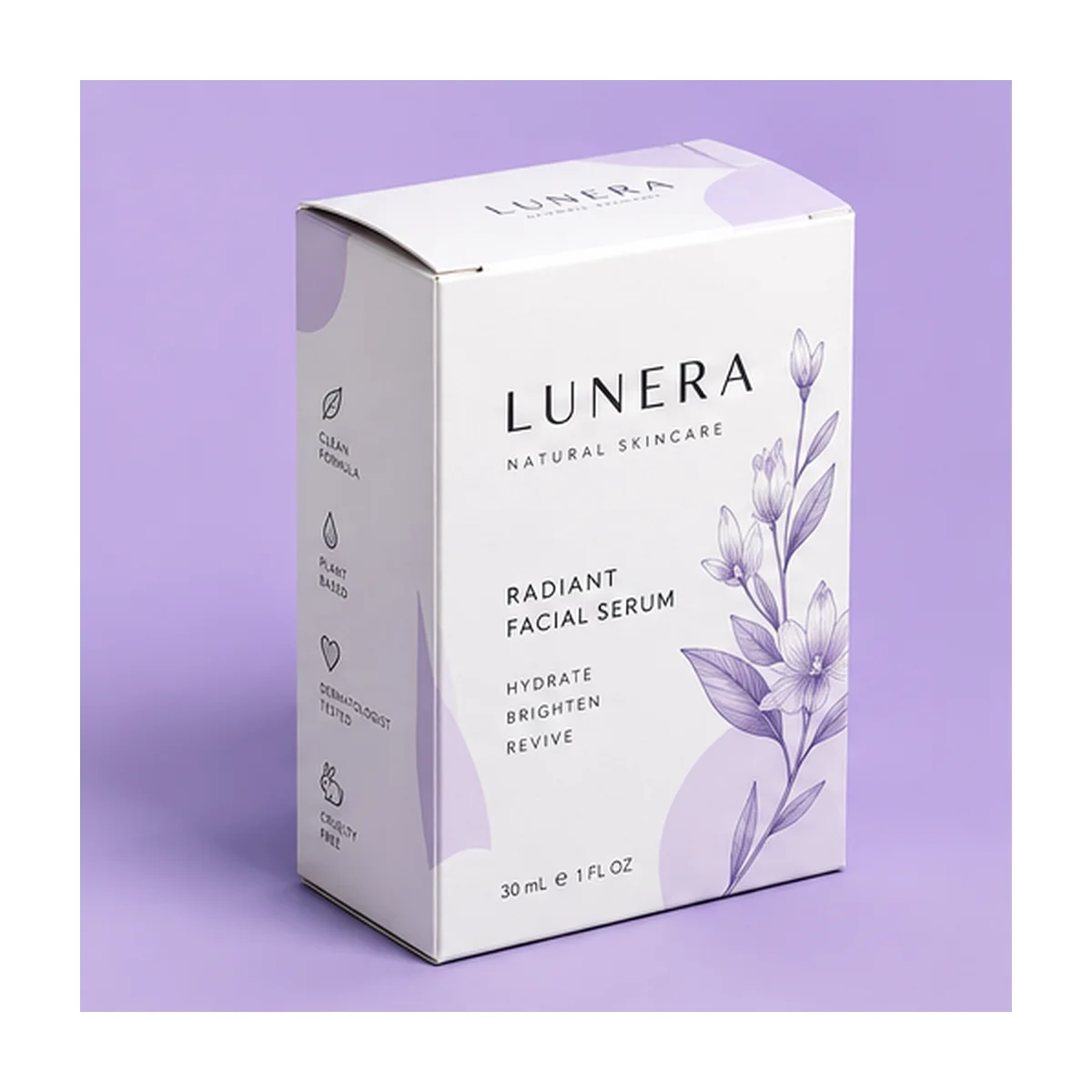
Custom White Tuck Top Boxes
White print panels keep small products easy to read on a retail shelf. A tuck-in top closes the carton neatly; choose the bottom style for the filled weight.
View product →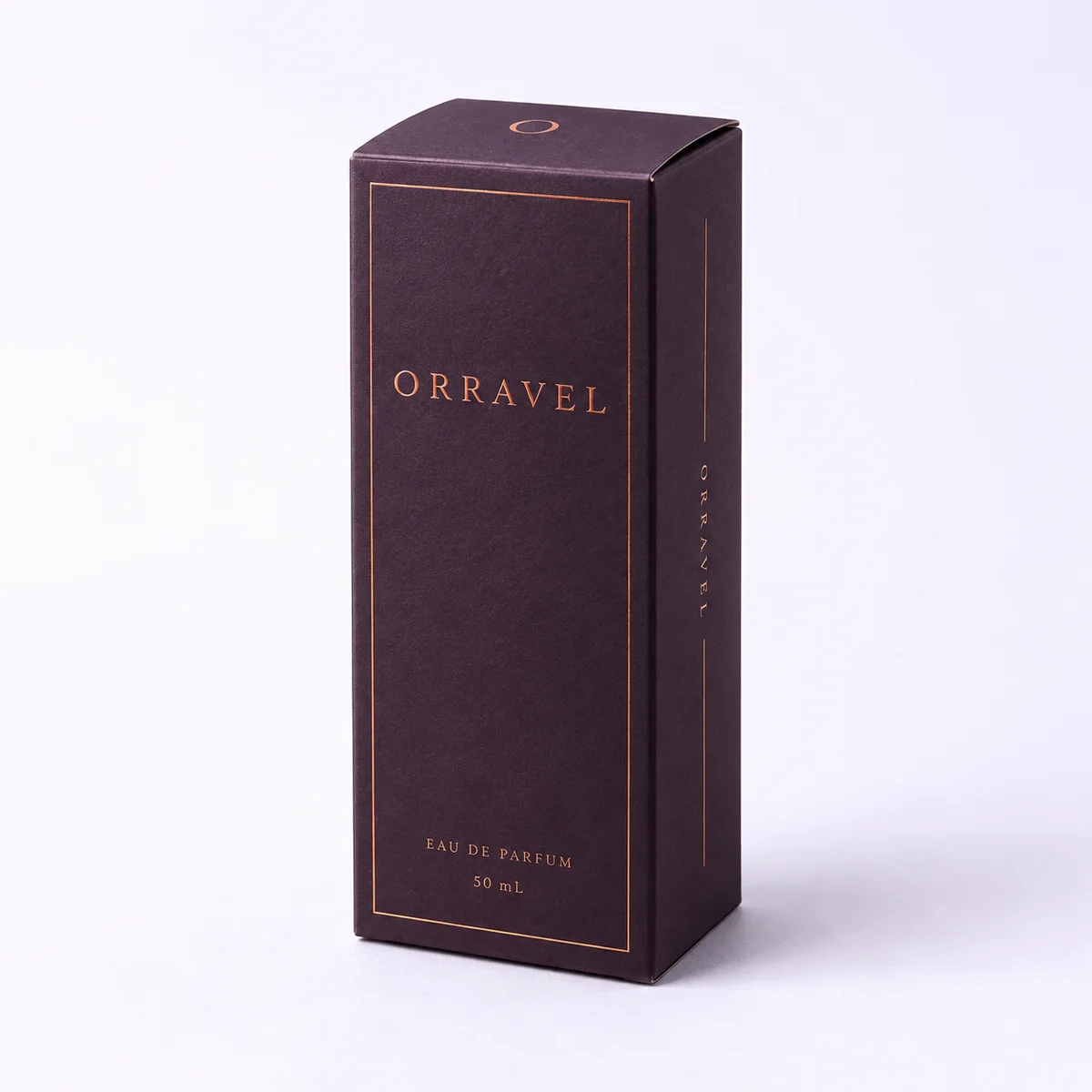
Custom Reverse Tuck End Boxes
Give lightweight retail products a fitted carton with opposing tuck flaps. Custom panel layouts keep your branding aligned with the way the box opens.
View product →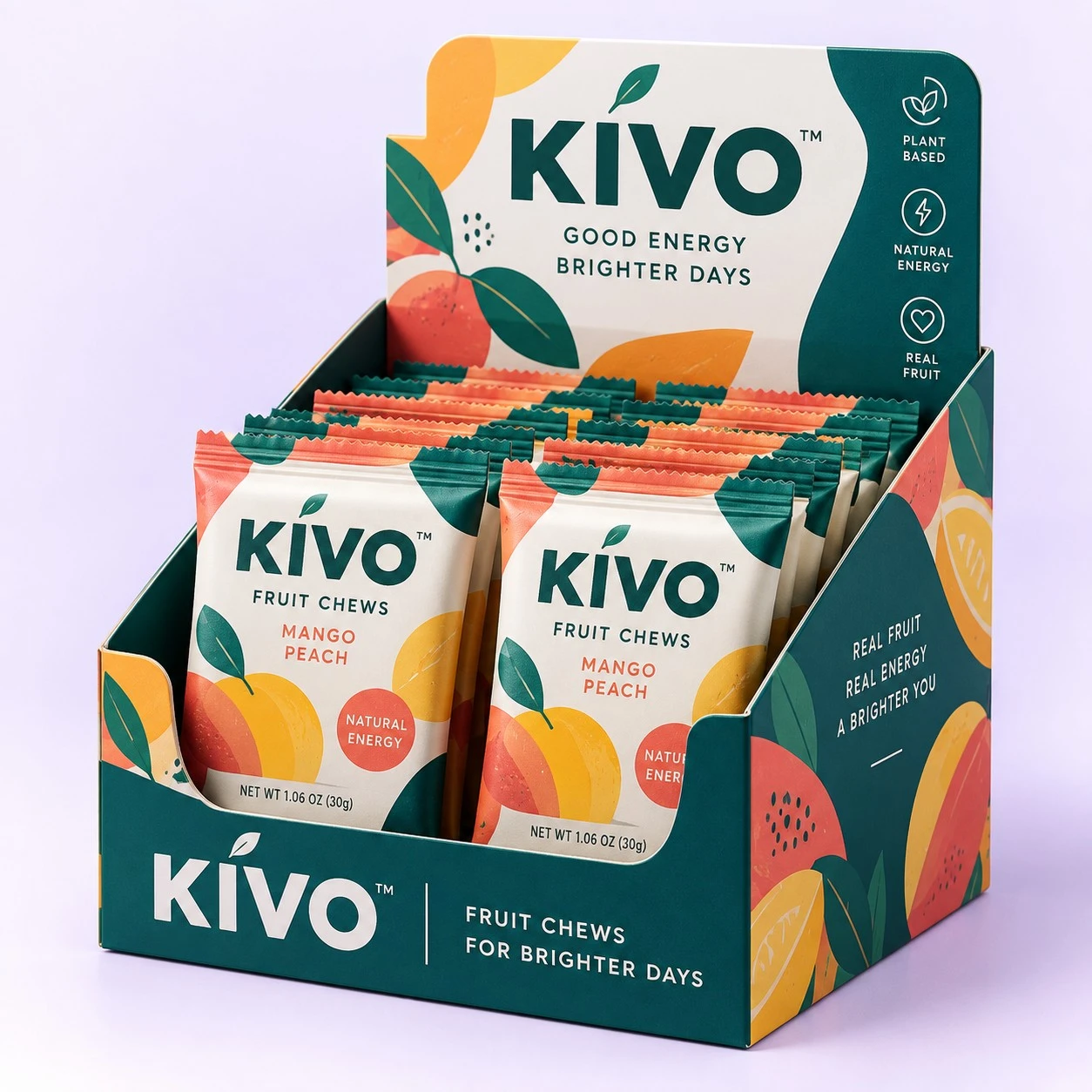
Custom Flat Tuck Display Boxes
Give snacks, beauty products, and small retail packs a clear place at checkout. A fold-flat tuck tray combines easy front access with a raised branding header.
View product →
Custom Straight Tuck End Boxes
Custom straight tuck end boxes with clean front panels, same-side tuck closures, full-color printing, and made-to-order sizes for retail products.
View product →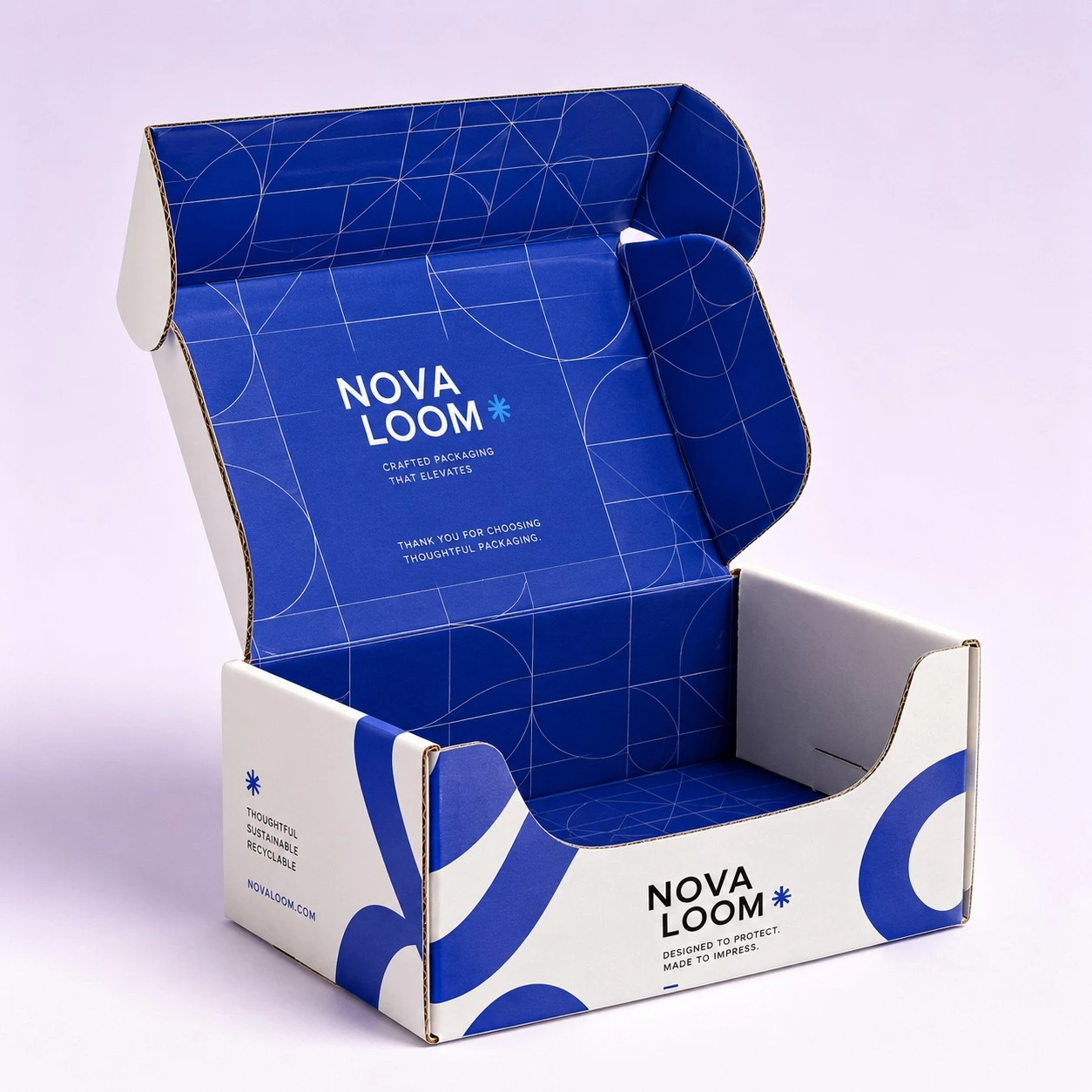
Custom Roll End Tuck Top Boxes
Custom roll end tuck top boxes combine reinforced rolled side walls, secure tuck closures, custom print, and made-to-order sizing for shipping.
View product →Custom White Tuck Top Boxes
White print panels keep small products easy to read on a retail shelf. A tuck-in top closes the carton neatly; choose the bottom style for the filled weight.
View product →Custom Reverse Tuck End Boxes
Give lightweight retail products a fitted carton with opposing tuck flaps. Custom panel layouts keep your branding aligned with the way the box opens.
View product →Custom Flat Tuck Display Boxes
Give snacks, beauty products, and small retail packs a clear place at checkout. A fold-flat tuck tray combines easy front access with a raised branding header.
View product →Custom Straight Tuck End Boxes
Custom straight tuck end boxes with clean front panels, same-side tuck closures, full-color printing, and made-to-order sizes for retail products.
View product →Custom Roll End Tuck Top Boxes
Custom roll end tuck top boxes combine reinforced rolled side walls, secure tuck closures, custom print, and made-to-order sizing for shipping.
View product →Custom White Tuck Top Boxes
White print panels keep small products easy to read on a retail shelf. A tuck-in top closes the carton neatly; choose the bottom style for the filled weight.
View product →Custom Reverse Tuck End Boxes
Give lightweight retail products a fitted carton with opposing tuck flaps. Custom panel layouts keep your branding aligned with the way the box opens.
View product →Custom Flat Tuck Display Boxes
Give snacks, beauty products, and small retail packs a clear place at checkout. A fold-flat tuck tray combines easy front access with a raised branding header.
View product →Custom Straight Tuck End Boxes
Custom straight tuck end boxes with clean front panels, same-side tuck closures, full-color printing, and made-to-order sizes for retail products.
View product →Custom Roll End Tuck Top Boxes
Custom roll end tuck top boxes combine reinforced rolled side walls, secure tuck closures, custom print, and made-to-order sizing for shipping.
View product →Custom White Tuck Top Boxes
White print panels keep small products easy to read on a retail shelf. A tuck-in top closes the carton neatly; choose the bottom style for the filled weight.
View product →Custom Reverse Tuck End Boxes
Give lightweight retail products a fitted carton with opposing tuck flaps. Custom panel layouts keep your branding aligned with the way the box opens.
View product →Custom Flat Tuck Display Boxes
Give snacks, beauty products, and small retail packs a clear place at checkout. A fold-flat tuck tray combines easy front access with a raised branding header.
View product →Custom Straight Tuck End Boxes
Custom straight tuck end boxes with clean front panels, same-side tuck closures, full-color printing, and made-to-order sizes for retail products.
View product →Custom Roll End Tuck Top Boxes
Custom roll end tuck top boxes combine reinforced rolled side walls, secure tuck closures, custom print, and made-to-order sizing for shipping.
View product →✦ Upgrade Today
Ready to Upgrade Your Brand Packaging?
Get custom templates matching your custom dimensions. Instant 3D digital proof samples returned in hours.