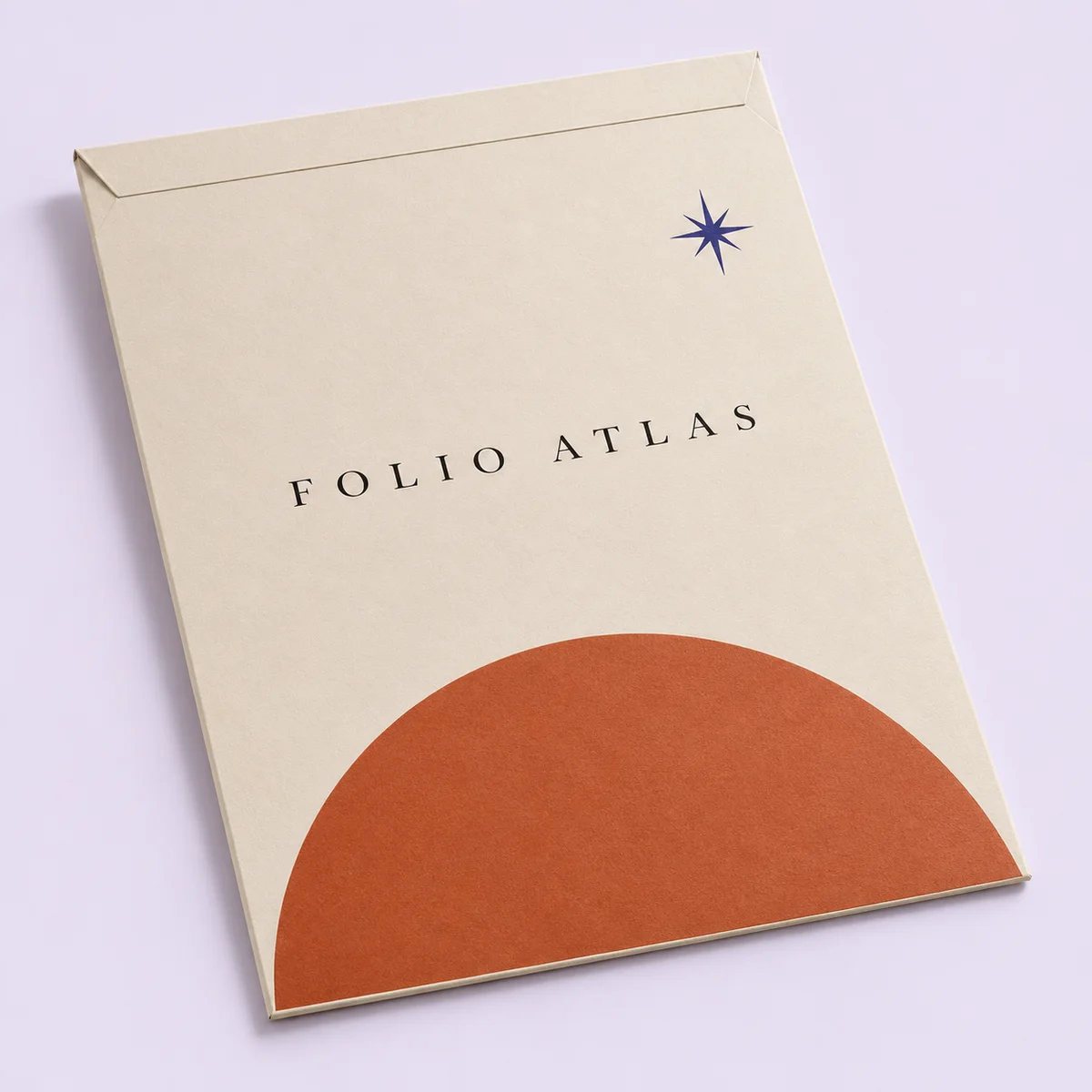
Custom Made
★★★★★
4.5/5.0Custom Rigid Mailers
Send art prints, certificates, and photos flat in a snug, bend-resistant paperboard mailer with a clean seal and custom-printed exterior.
Premium Quality
Fully Customizable
Low MOQ
Fast Turnaround
100% Eco-Friendly
Sustainable materials
Free Shipping
On every order
No Die & Plate Charges
Zero hidden costs
100% Satisfaction
Quality guaranteed
Expert Support
We're here to help
Design Varieties
Flat Mailers With Distinct Brand Layouts
Compare how opening direction, exterior artwork, and closure placement change the look and handling of a rigid mailer.
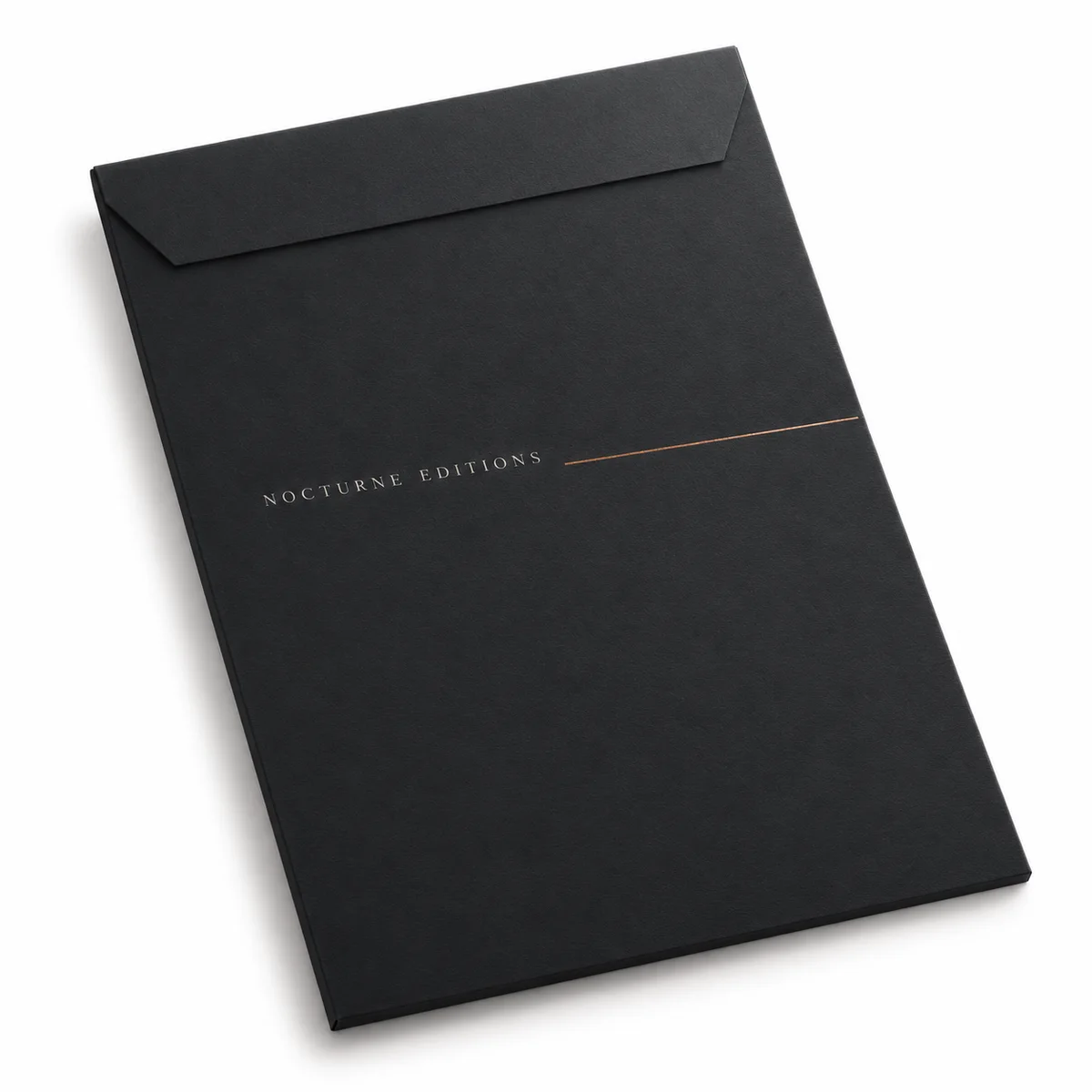
Fold-Over Rigid Mailer
Flat rigid mailer with a full-width fold-over flap, sharp corner folds, and slim side seams.
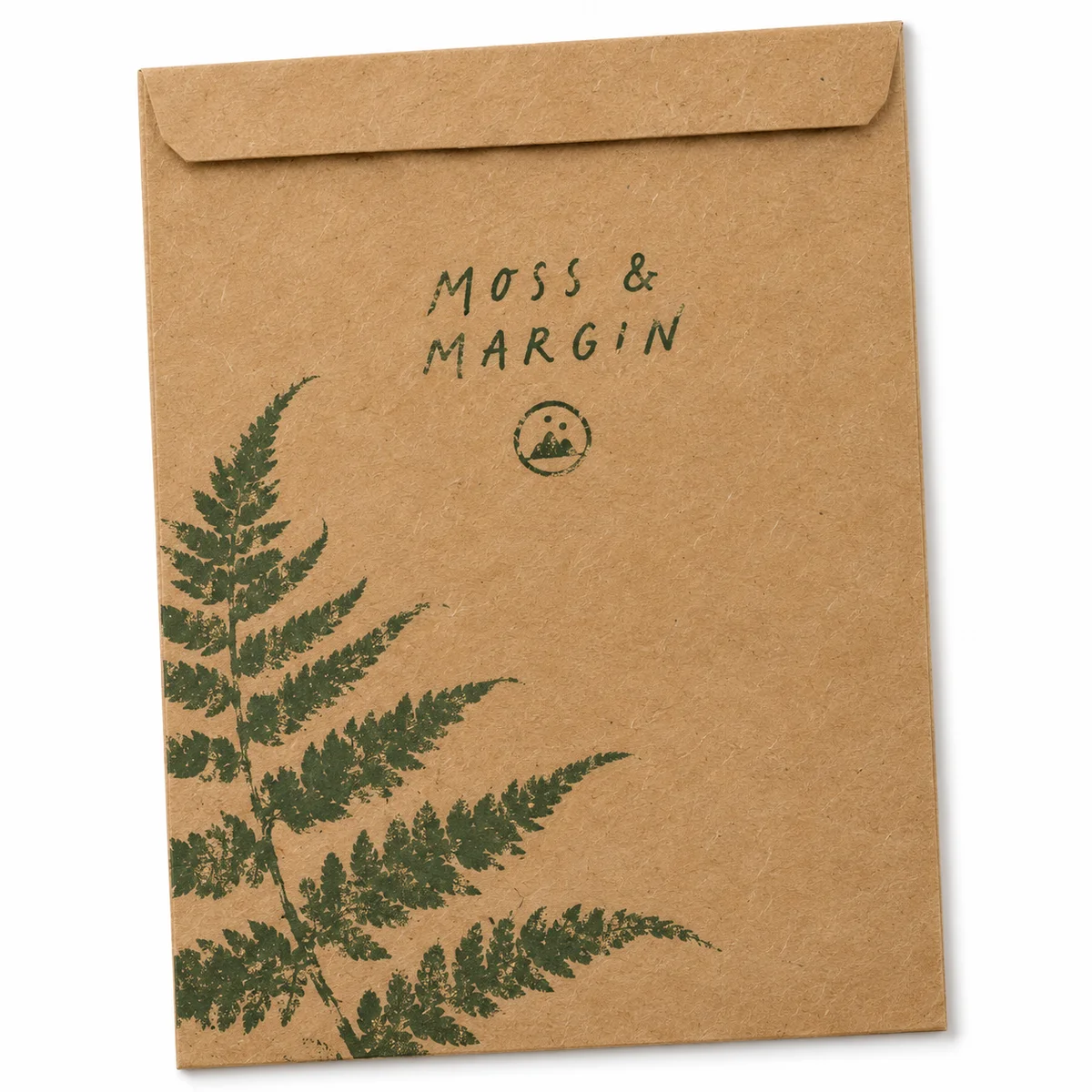
Kraft Folded Mailer
Flat kraft mailer with a wide top flap, folded corner tabs, and a stiff paperboard body.
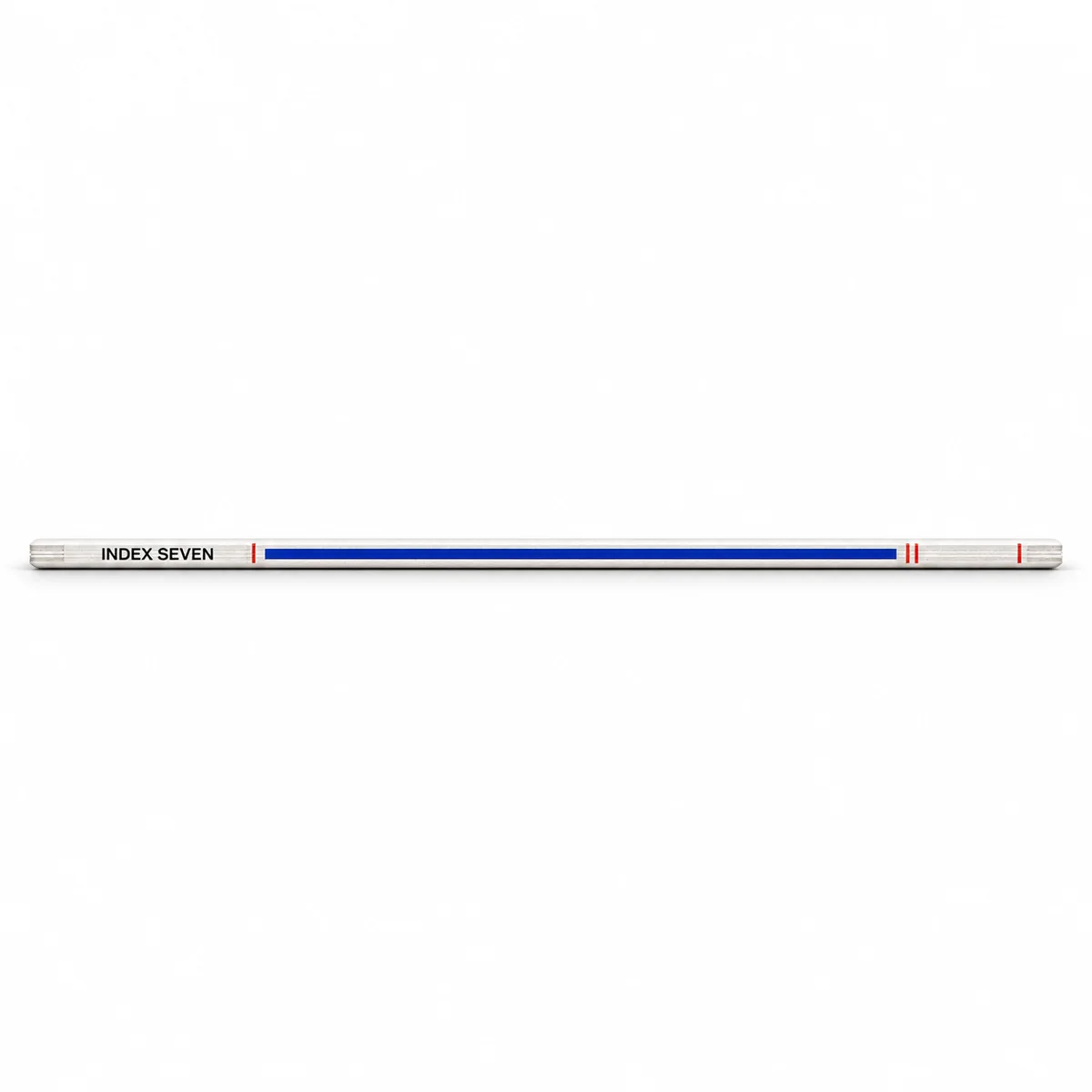
Printed Edge Profile
Slim rigid mailer with stacked board edges, a flat side wall, and a printed edge stripe.
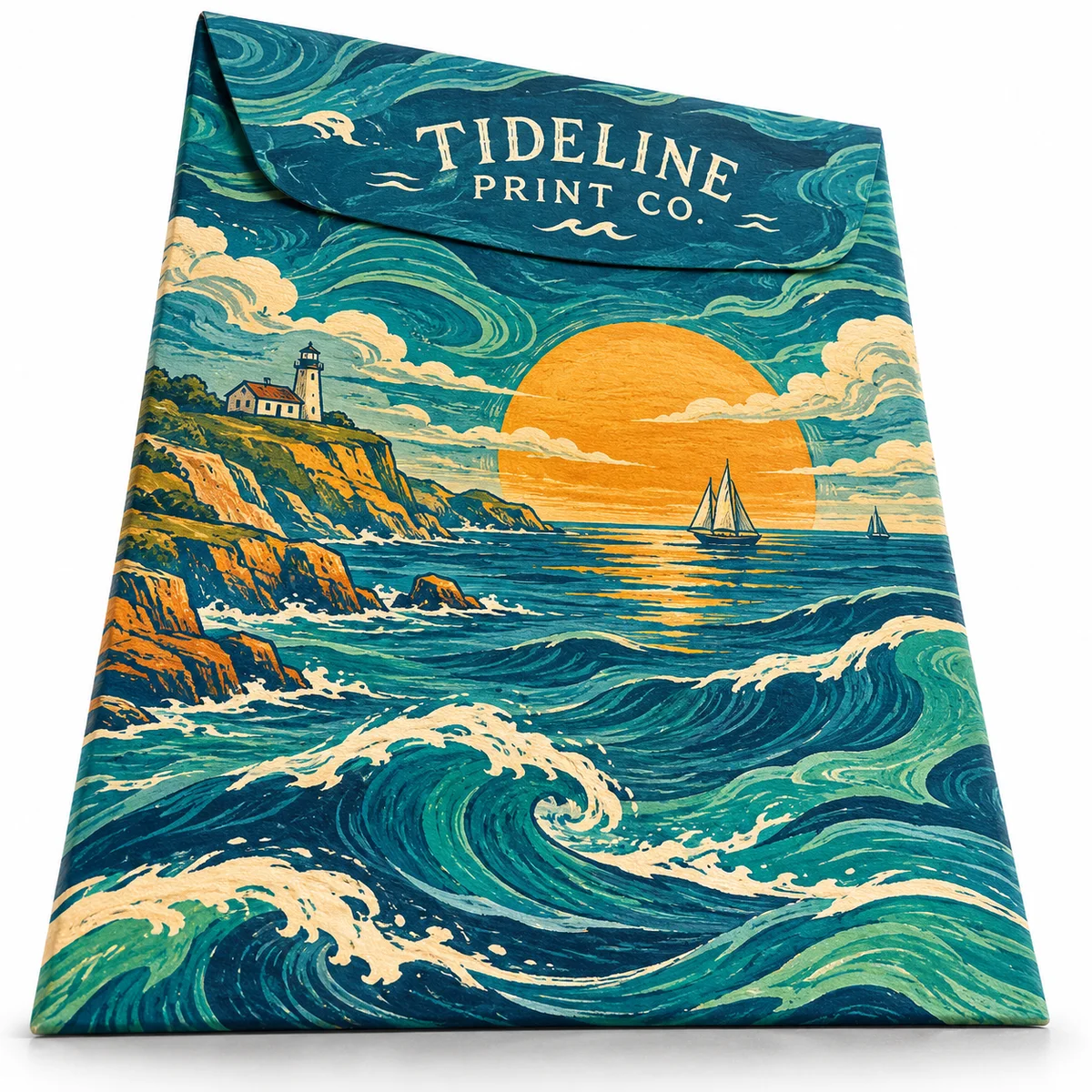
Full-Wrap Flap Mailer
Full-wrap printed mailer with a curved fold-over flap, tight corners, and flat front face.
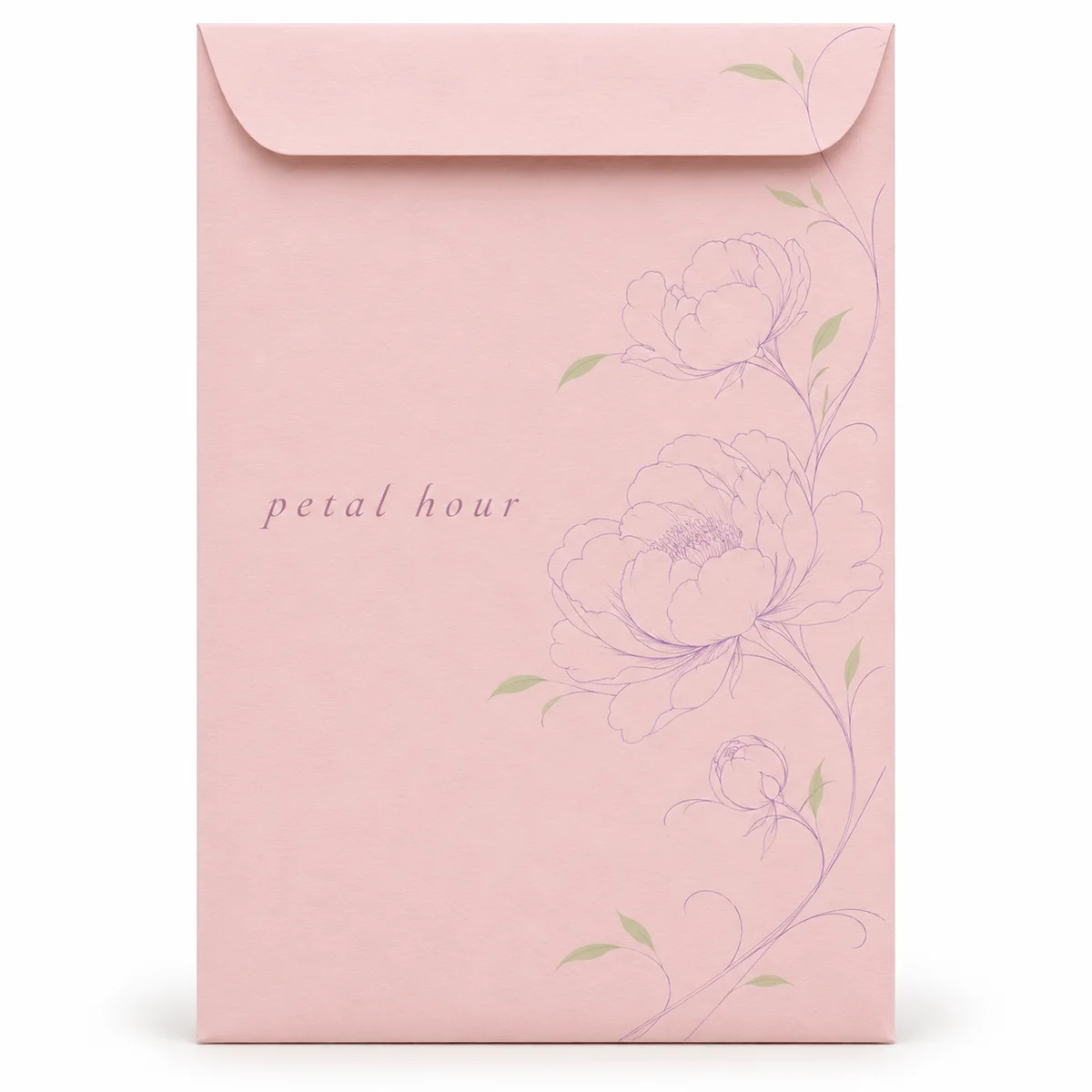
Rounded Flap Mailer
Pastel rigid mailer with a rounded top flap, smooth flat body, and neatly folded side edges.
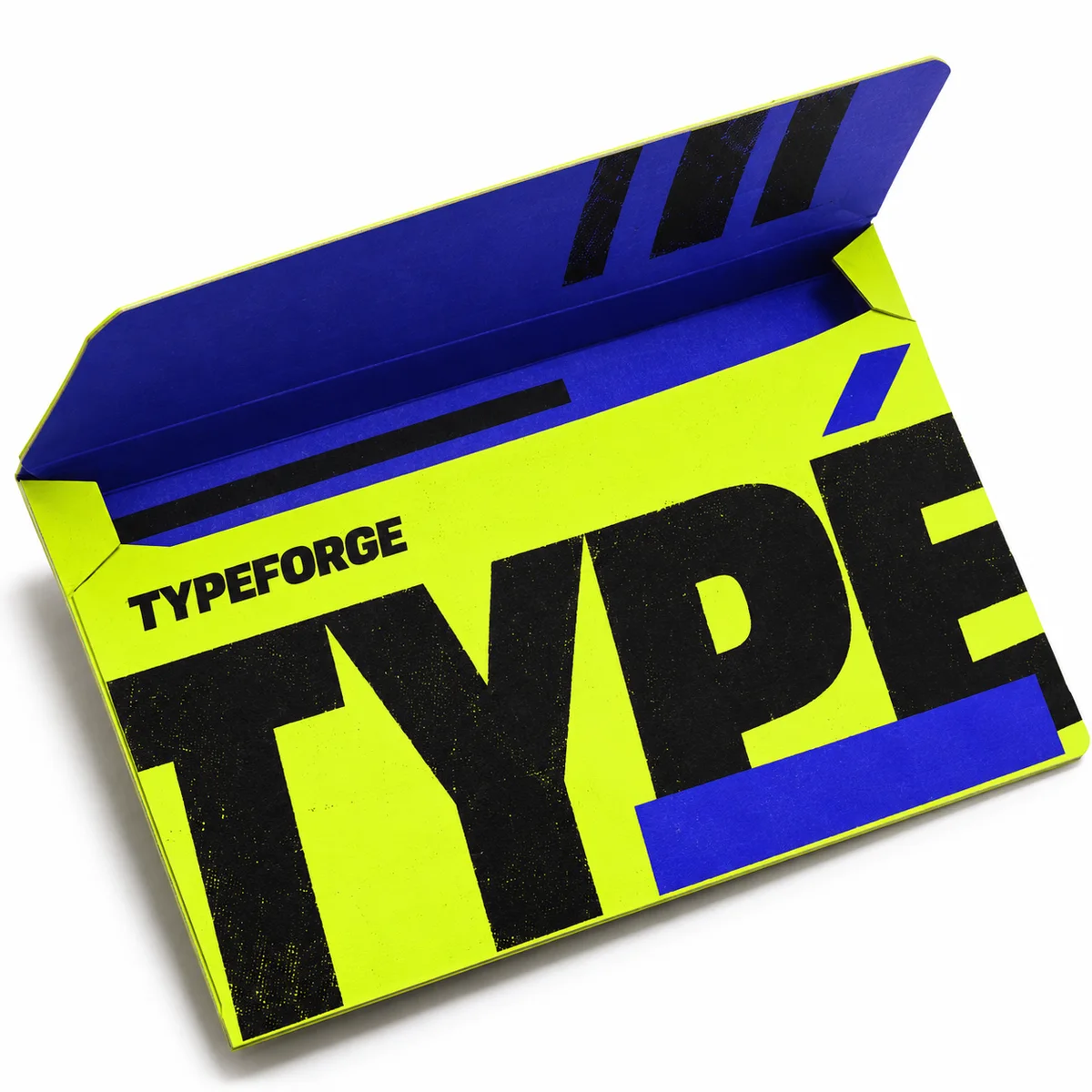
Open-Panel Rigid Mailer
Opened rigid mailer with a hinged printed flap, small side gussets, and a shallow pocket.
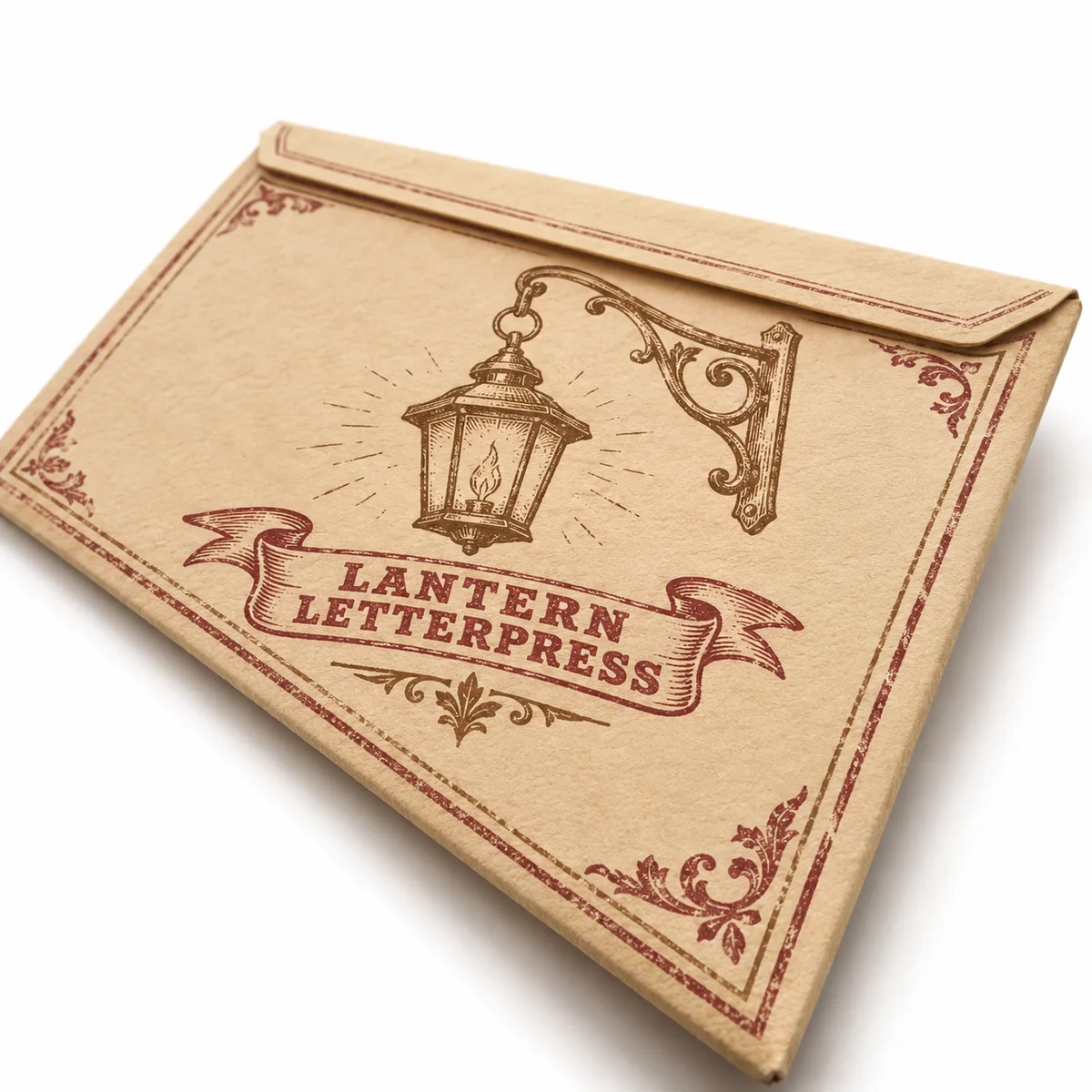
Folded Corner Mailer
Kraft board mailer with a long folded top flap, squared corners, and printed outer panel.
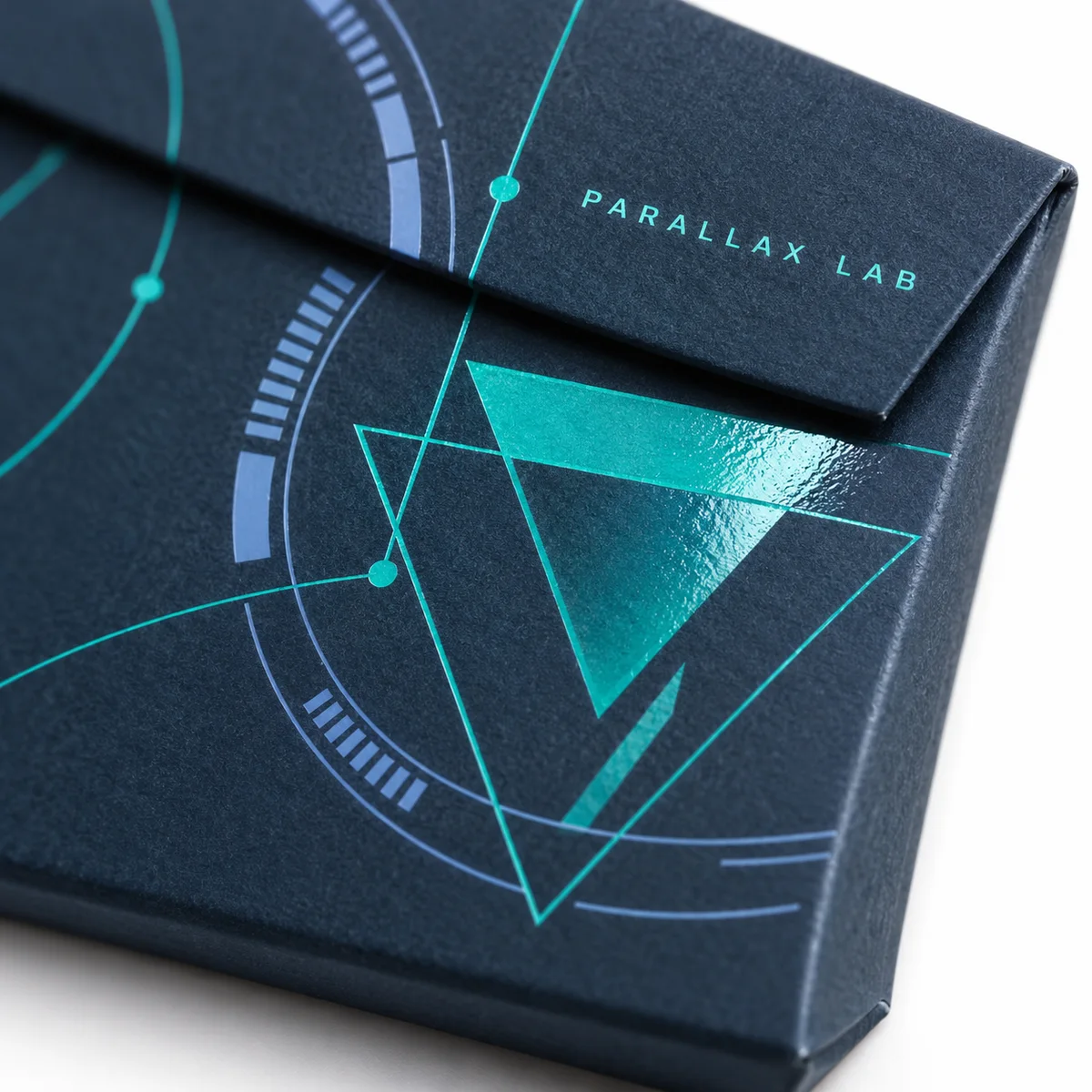
Printed Corner Detail
Thick paperboard mailer with folded flap seams, wrapped corners, and glossy printed detail.
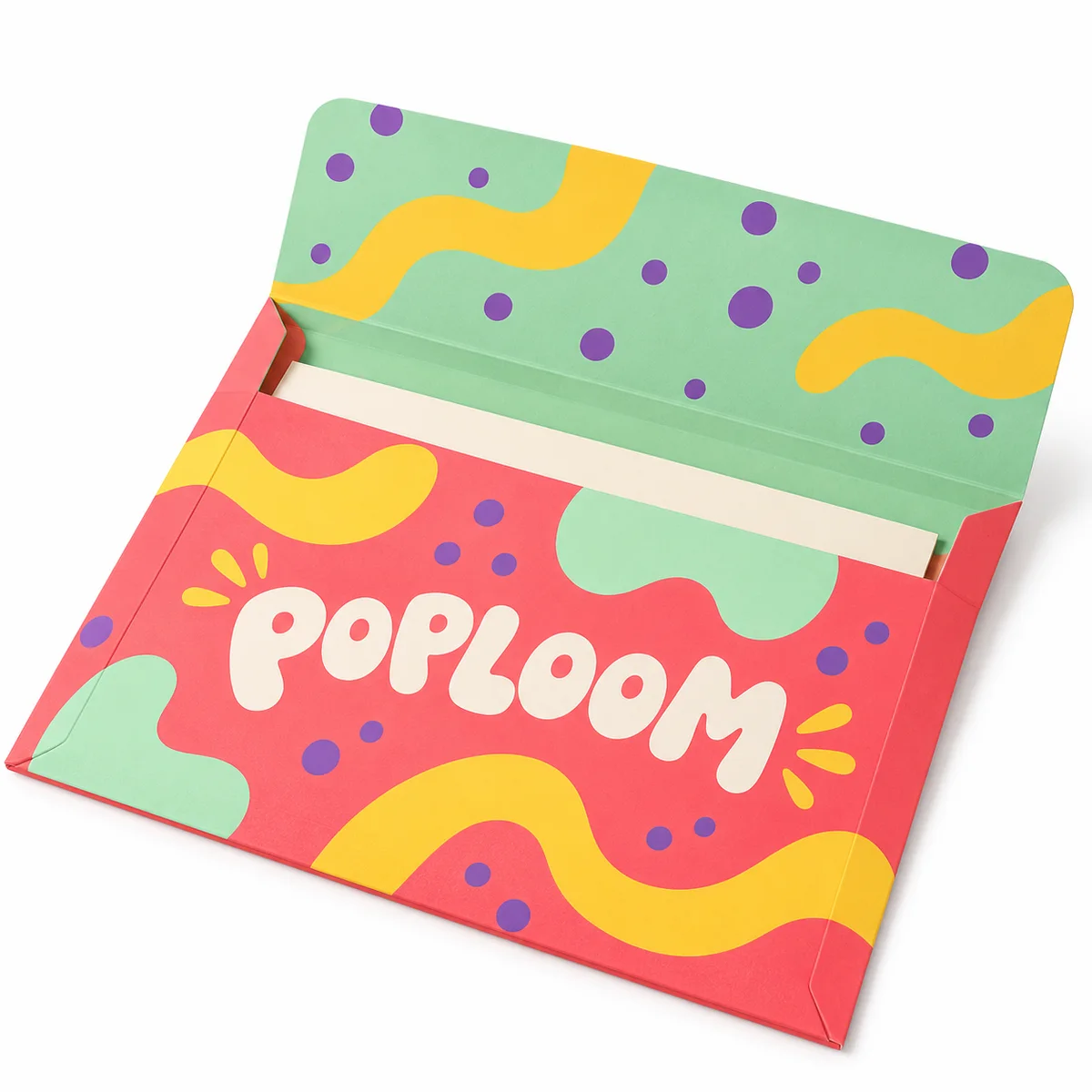
Open Insert Mailer
Open rigid mailer with a hinged inner flap, folded sidewalls, and a shallow insert pocket.
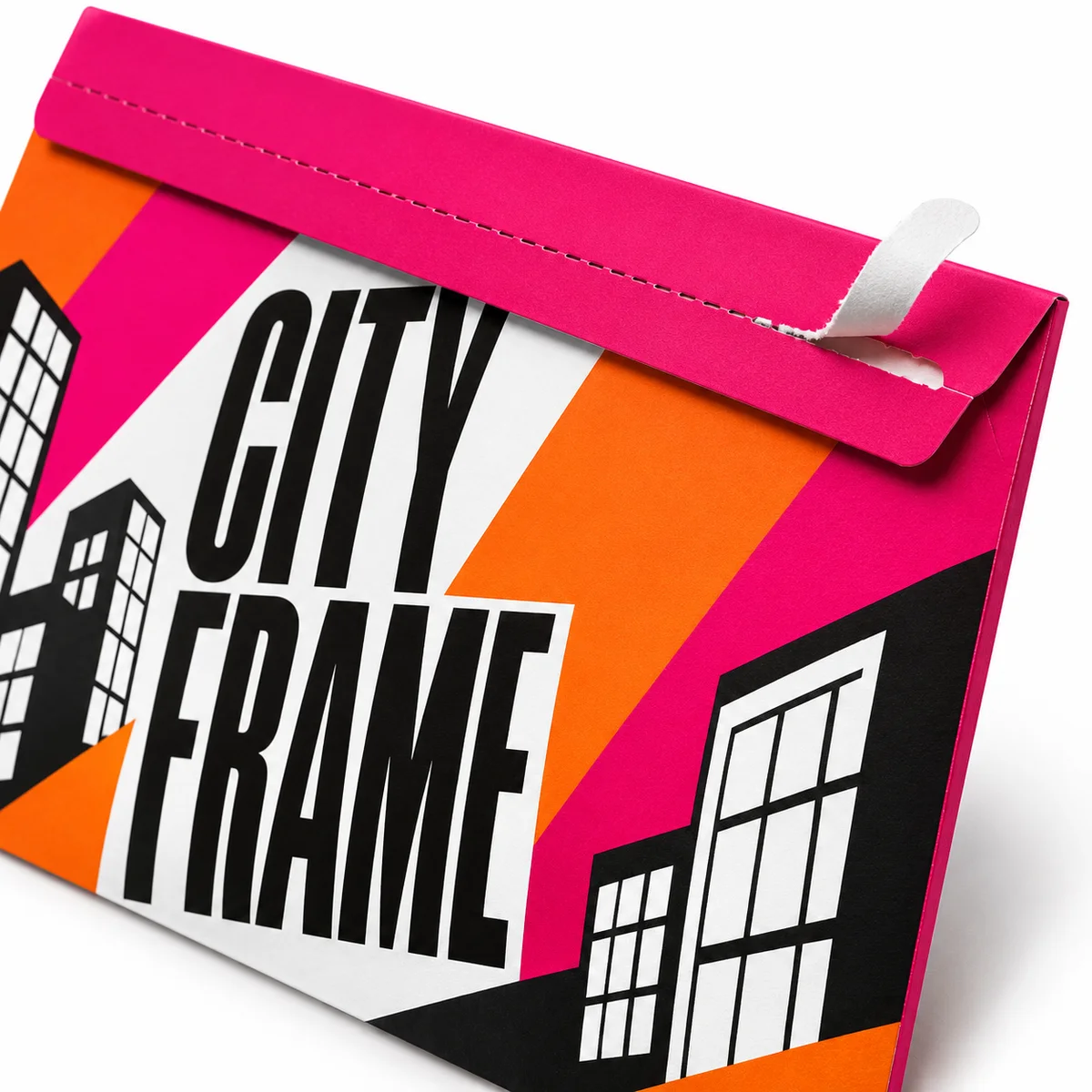
Tear-Strip Rigid Mailer
Rigid mailer with a perforated tear strip, a lifted pull tab, and fold-over closure flap.
Can't find the perfect style?
Create a completely custom box design tailored to your brand.
Designed for Various Industries
We design packaging that fits every industry
From small businesses to global brands, our custom packaging solutions are built to elevate your brand and leave a lasting impression.
Cosmetics & Beauty
Food & Beverages
E-commerce & Retail
Electronics
Apparel & Fashion
Health & Wellness
Pharmaceuticals
Cannabis & CBD
Pet Products
Baby & Kids
Jewelry & Accessories
Home & Lifestyle
Candles & Fragrance
Coffee & Tea
Confectionery
Cosmetics & Beauty
Food & Beverages
E-commerce & Retail
Electronics
Apparel & Fashion
Health & Wellness
Pharmaceuticals
Cannabis & CBD
Pet Products
Baby & Kids
Jewelry & Accessories
Home & Lifestyle
Candles & Fragrance
Coffee & Tea
Confectionery
Supplements
Skincare & Personal Care
Haircare
Automotive
Sports & Fitness
Toys & Games
Stationery & Gifts
Bakery & Desserts
Wine & Spirits
Tobacco & Vape
Medical Devices
Tech Accessories
Subscription Boxes
Organic & Natural
Luxury Retail
Supplements
Skincare & Personal Care
Haircare
Automotive
Sports & Fitness
Toys & Games
Stationery & Gifts
Bakery & Desserts
Wine & Spirits
Tobacco & Vape
Medical Devices
Tech Accessories
Subscription Boxes
Organic & Natural
Luxury Retail
Built for brands
that care about detail.
Premium packaging. Precise printing.
Fast turnaround. No hidden costs.
10K+
Happy Customers
98%
Satisfaction Rate
Trusted by Top Brands
We work with startups to enterprises. Our boxes make an impact.
Free Design Support
Get expert help in creating the perfect packaging for your brand.
Warehouse Across USA
Faster fulfilment with local production and warehouses.
Print & Design Lovers
Crafted with passion, just the way your brand deserves.
Custom Rigid Mailers for Flat Prints, Photos, and Documents
A signed print can leave a studio with crisp corners and arrive with one crease across the image. Flat paper goods need support along their full face, not just padding around the edges. Custom rigid mailers pair stiff paperboard with a close-fitting envelope shape, helping art prints, certificates, and photos travel flat while giving each shipment a clear branded exterior.
Protect Flat Artwork Without Bulky Packaging
Rigid mailer envelopes suit products whose value depends on a smooth surface: fine-art reproductions, photo orders, award certificates, invitations, and limited-edition stationery. A plain flexible envelope can fold around a print. A well-built rigid mailer spreads everyday handling pressure across a larger area, reducing the chance of a sharp crease.
That protection has limits. A long mailer can still bow under a heavy load, and a hard impact can damage a corner. Valuable originals or glass-framed pieces may need another packing format. For ordinary flat goods, the useful question is how much stiffness the filled mailer needs for the size and route.
Within Packopie's range of custom mailer boxes, rigid mailers address this specific need: shipping a thin item without rolling it or giving it room to shift.
Paperboard Caliper and Folded Seams Control Stiffness
Board thickness is often described in points, or pt. One point equals one-thousandth of an inch of nominal board thickness. A higher caliper can add stiffness, but board grade, fiber makeup, span, and fold pattern also matter. Two mailers with the same thickness may handle pressure differently.
A compact certificate envelope has a shorter unsupported span than a large art-print mailer. For larger sheets, ask about stronger board, reinforced folds, and whether a separate backing sheet is appropriate. Folded edges and well-made side seams help the mailer keep its shape during loading.
White, natural kraft, and other printable outer papers change the appearance and surface feel. They do not automatically change the core board's strength. The final material combination belongs in the production specification, especially when your artwork needs an exact color or texture.
Fit the Entire Print Stack, Not Just the Sheet
Measure the finished item before choosing the mailer's usable inside dimensions. Include a protective sleeve, backing card, mounted border, or certificate folder if it travels with the order. An 8 × 10-inch photo inside a sleeve may not slide cleanly into a pocket with exactly 8 × 10 inches of usable space.
Too little clearance catches the corners as staff load each order. Too much lets the item slide into the seam when the parcel is turned or dropped. The best fit gives fingers enough room to insert the stack while keeping movement small.
Artwork needs its own surface protection, too. A clean paper or suitable protective sleeve can keep the printed face from rubbing against the board. Place tape and adhesive away from the image. For delicate finishes, test the sleeve material against a real sample before ordering the full run.
Fold-Over Flaps Make Packing More Repeatable
A rigid mailer's closing flap affects packing speed and the customer's first touch. A peel-and-seal strip, where specified, gives packers a consistent adhesive line without adding loose tape. A tear-open strip can provide a defined opening path so the recipient does not have to cut across the print area.
These are construction choices, not automatic features of every mailer. Their placement must work with the fold direction, board thickness, and printable panel. A deep flap may offer a larger closing area; an opening tab needs a reachable edge even after a shipping label is added.
When a team packs repeated photo or document orders, a simple loading sequence matters. Insert the protected stack, check the corners, close along the fold, press the seal, and keep the address label away from the opening feature. A sample run exposes awkward steps early.
Print a Brand Identity That Survives the Fold
Rigid mailers offer a broad, visible panel for a studio mark, subscription artwork, or return-address design. Full-color graphics can make a flat shipment recognizable before it is opened. Small type and barcodes need sufficient contrast; illustrations should not rely on a narrow crease to remain readable.
A print-ready dieline maps the front, back, flaps, cut edges, and glue zones. Keep important artwork away from trim lines. Confirm whether exterior-only or additional panel printing fits the chosen construction. Matte, gloss, or specialty finishes may be considered during quoting, with availability confirmed for the selected board.
The first proof should show the closed mailer and its opening direction, not just a flat graphic. That makes it easier to catch a rotated logo, an interrupted border, or branding hidden beneath the shipping label.
Choose Rigid Paperboard or a Deeper Mailer by the Load
A thin paper print and a thick bundle of booklets place different demands on packaging. When several pieces create depth or put pressure on the side seams, custom corrugated mailer boxes may give the contents more room and stronger edge support. The best choice depends on filled thickness, handling risk, and the desired opening experience.
Rigid mailers are also different from display-oriented custom rigid boxes. A slim mailer is designed for flat transit. A presentation box can support a deeper product or a more staged unboxing.
For a premium kit rather than a single flat print, custom magnetic closure boxes offer another closure and display approach. That comparison helps avoid paying for a construction that solves the wrong problem.
Build the Quote Around a Tested Packing Sample
A useful custom rigid mailer brief includes finished item dimensions, the thickness of the packed stack, target quantity, board preference, print artwork, closure style, and delivery destination. Photograph the contents beside a ruler and note whether the product can tolerate any flex. Those details are more useful than choosing a mailer by outside size alone.
Packopie can review these specifications for a made-to-order design and a tailored production quote. Quantities such as 100, 250, 500, and 1,000 units are helpful comparison points, but the final minimum, unit price, and production timing depend on the approved construction. Freight is quoted separately based on the destination and shipment.
Before a larger order, check a physical or production-approved sample with the actual print stack. A short loading and handling test can reveal clearance, surface, and flap issues while they are still easy to correct. That is the practical route from flat artwork to a branded package ready for repeat fulfillment.
Frequently Asked Questions
No mailer can guarantee that. Stiff paperboard resists ordinary bending better than a flexible envelope, but large spans and heavy pressure can still cause damage. Match board strength to print size and test a filled sample.
They can, if the full stack fits without bowing the board or squeezing the edges. Separate the printed faces with suitable sheets or sleeves, check the filled thickness, and test the package before a bulk run.
A sleeve is useful when a photo or print surface can scuff against the paperboard. For delicate or valuable work, a smooth backing card may add support. Check sleeve compatibility with the ink and finish first.
Both features can be specified for review. Their placement depends on the flap layout, board, print area, and manufacturing method. Confirm them on the sample rather than assuming every rigid mailer includes both.
Not automatically. USPS flats must meet flexibility and other physical standards; a mailer that is too rigid may be charged as a parcel. Check the filled size, weight, stiffness, and current service rules with the carrier.
The finished inside size, paperboard grade, closure, artwork coverage, quantity, and shipping destination drive the specification. Packopie confirms production pricing after review; freight is quoted separately.
More Solutions
You May Also Like
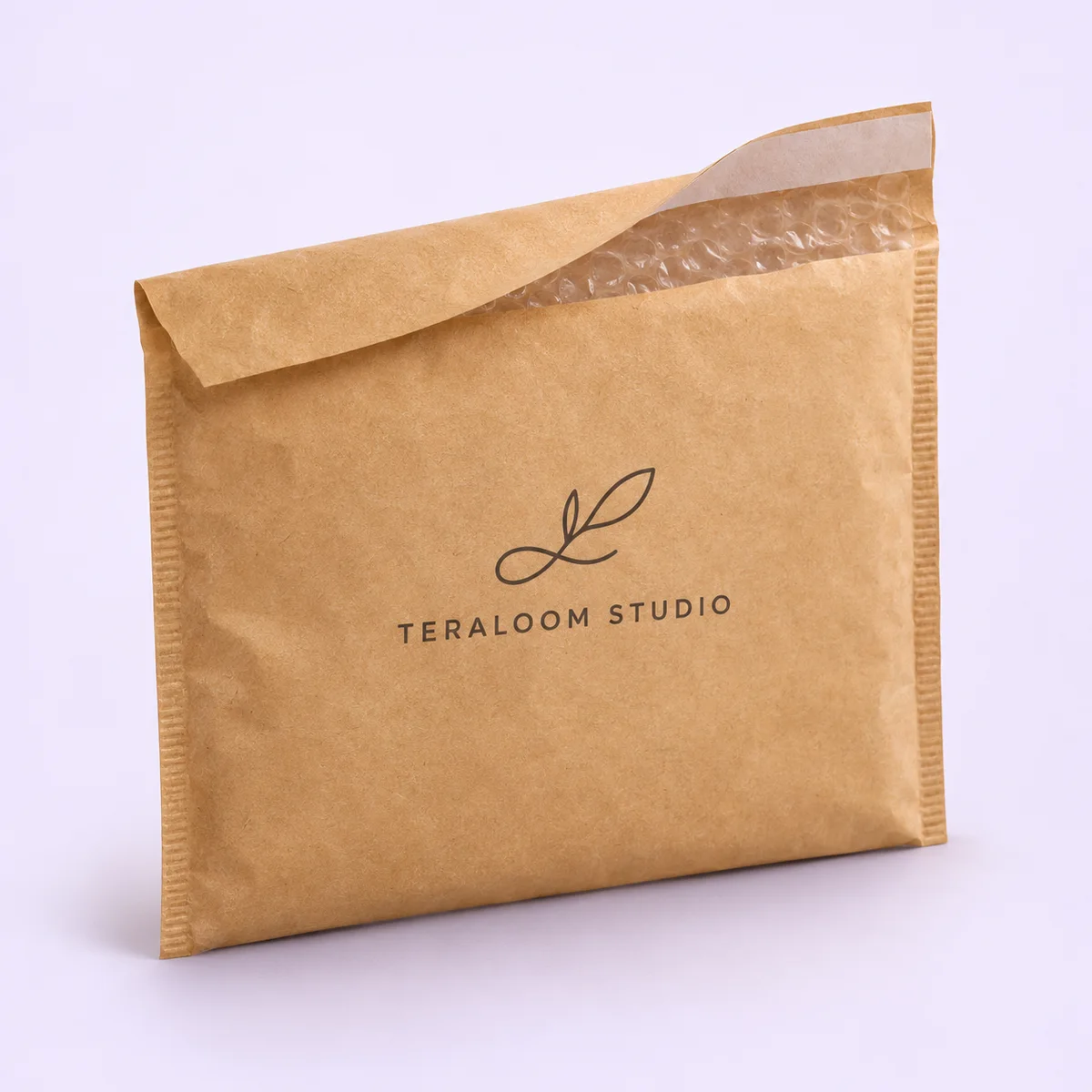
Custom Kraft Paper Bubble Mailers
Reduce empty space around small orders with a made-to-fit kraft paper envelope, inner bubble cushioning, and a peel-and-seal flap ready for your branding.
View product →
Custom Kraft Mailing Bags
Folded apparel and soft goods need room without a bulky box. Brand the delivery in kraft mailing bags with a fold-over flap and flat or gusseted sides.
View product →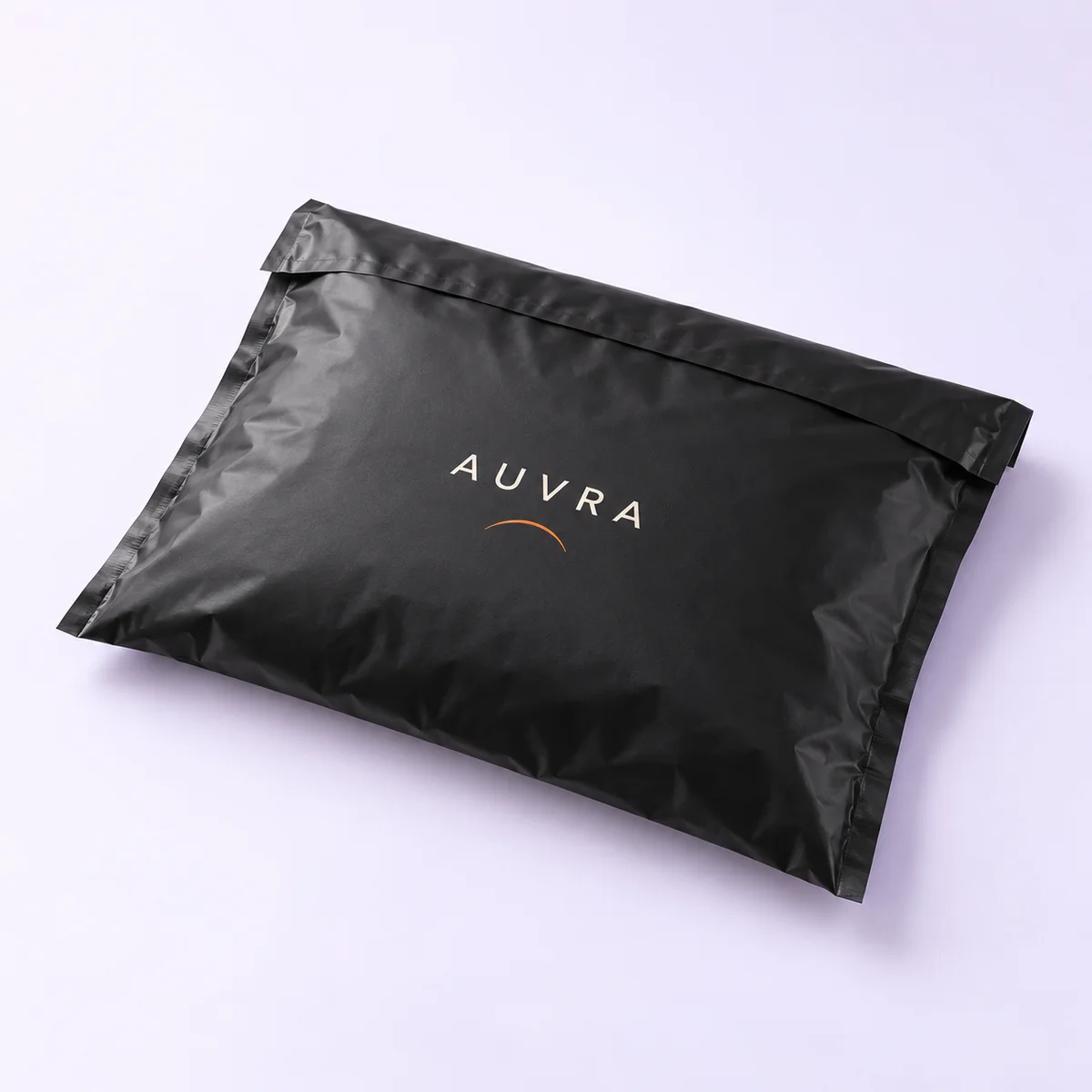
Custom Black Poly Mailers
Opaque black film keeps folded apparel less visible while giving white logos a clear surface. Custom sizes and self-seal details fit your shipping process.
View product →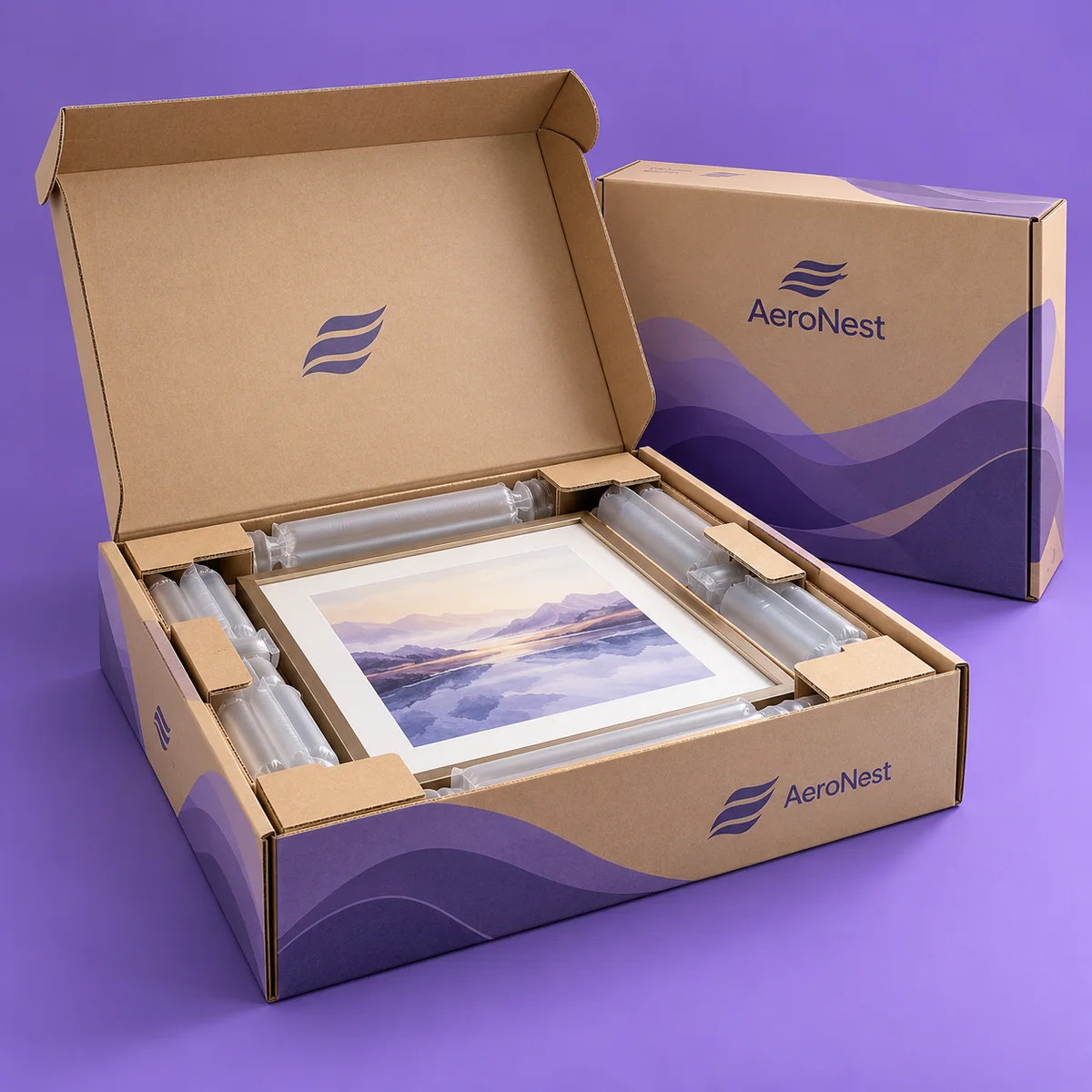
Custom Air Float Boxes
Keep framed prints away from hard box walls with fitted air-column cushioning and a double-wall shipper sized to the artwork's packed dimensions.
View product →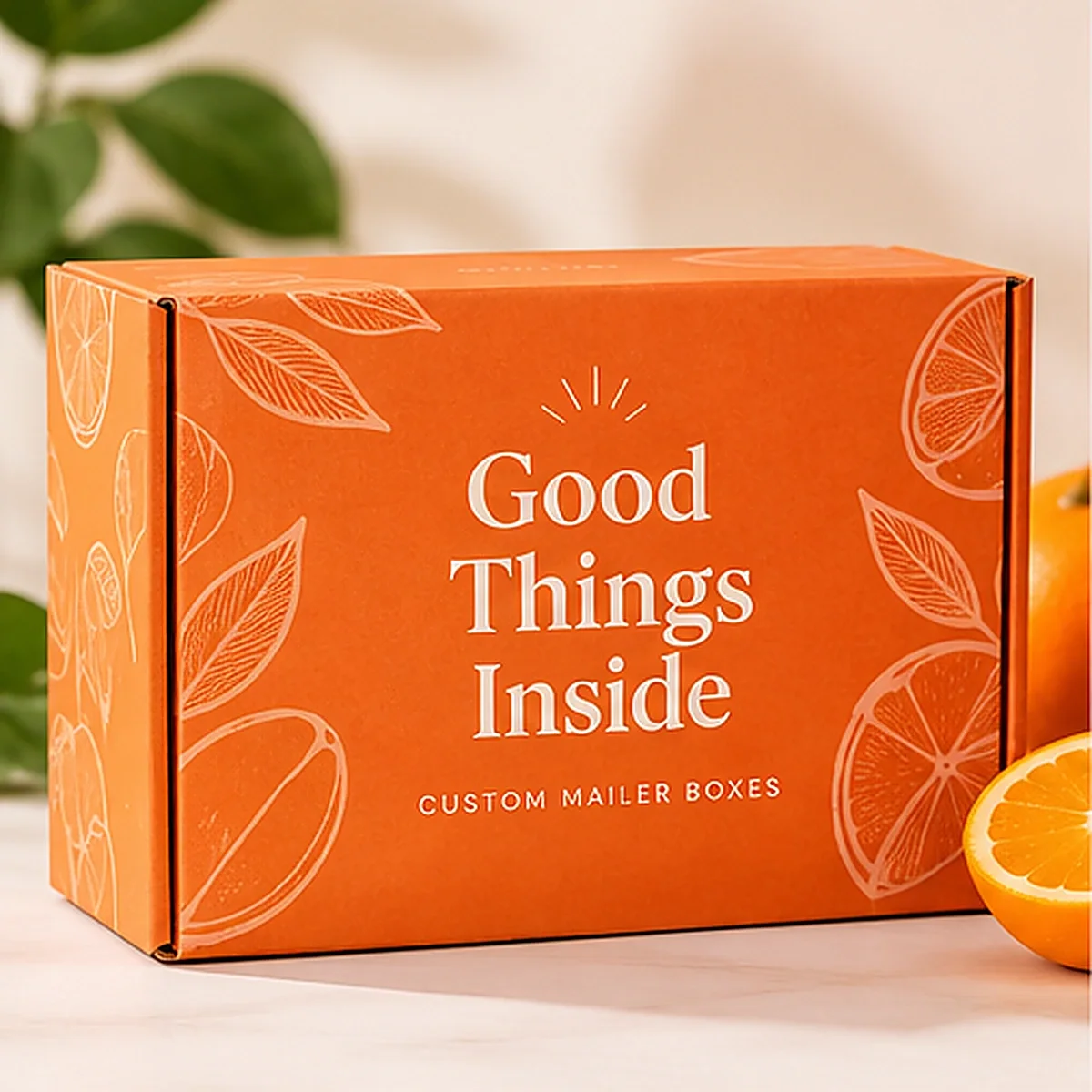
Custom Orange Mailer Boxes
Make the delivery part of the reveal: bright orange tuck-front corrugated mailers sized for your kit, with optional inside-lid print and fitted inserts.
View product →Custom Kraft Paper Bubble Mailers
Reduce empty space around small orders with a made-to-fit kraft paper envelope, inner bubble cushioning, and a peel-and-seal flap ready for your branding.
View product →Custom Kraft Mailing Bags
Folded apparel and soft goods need room without a bulky box. Brand the delivery in kraft mailing bags with a fold-over flap and flat or gusseted sides.
View product →Custom Black Poly Mailers
Opaque black film keeps folded apparel less visible while giving white logos a clear surface. Custom sizes and self-seal details fit your shipping process.
View product →Custom Air Float Boxes
Keep framed prints away from hard box walls with fitted air-column cushioning and a double-wall shipper sized to the artwork's packed dimensions.
View product →Custom Orange Mailer Boxes
Make the delivery part of the reveal: bright orange tuck-front corrugated mailers sized for your kit, with optional inside-lid print and fitted inserts.
View product →✦ Upgrade Today
Ready to Upgrade Your Brand Packaging?
Get custom templates matching your custom dimensions. Instant 3D digital proof samples returned in hours.