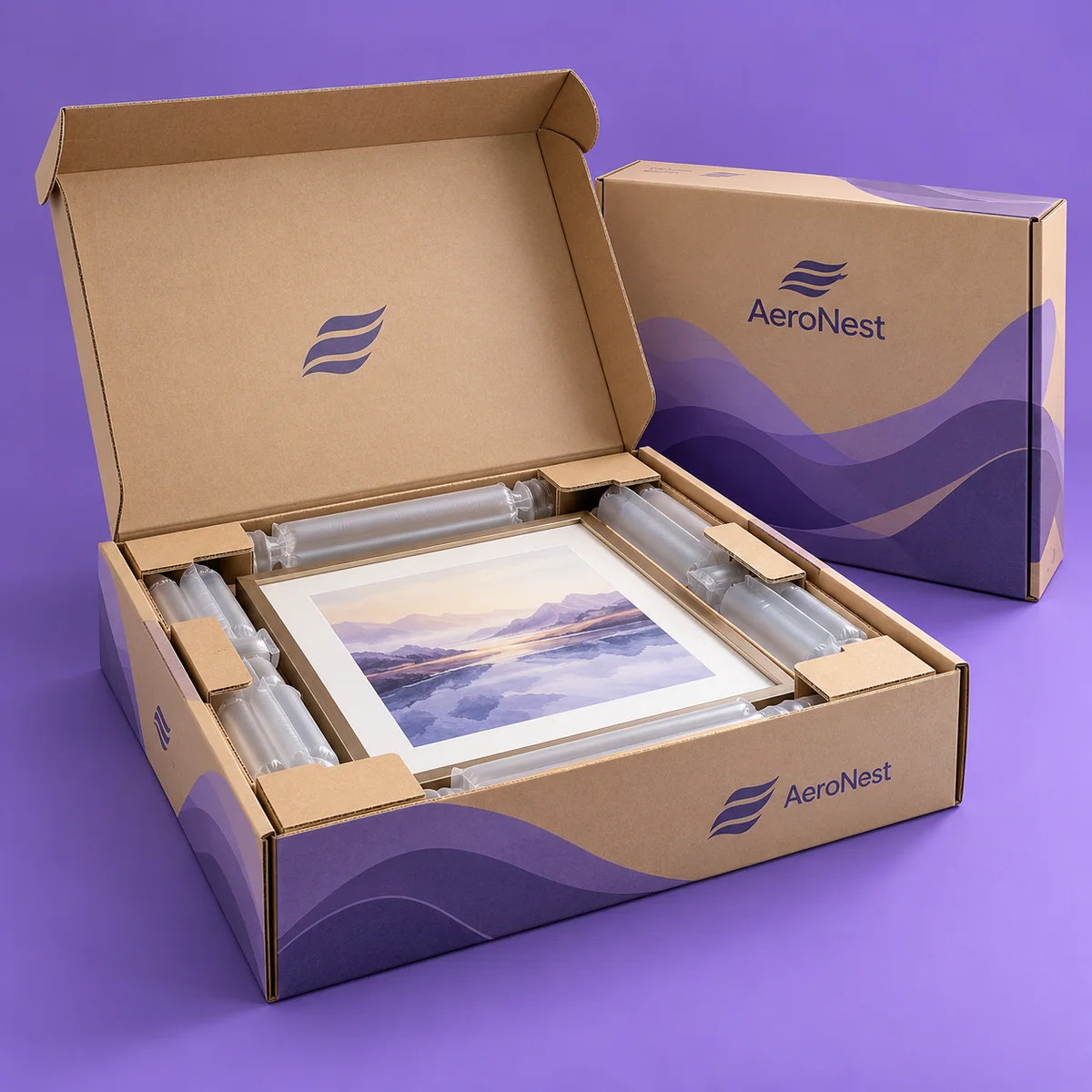
Made for Frames
★★★★★
4.8/5.0Custom Air Float Boxes
Keep framed prints away from hard box walls with fitted air-column cushioning and a double-wall shipper sized to the artwork's packed dimensions.
Premium Quality
Fully Customizable
Low MOQ
Fast Turnaround
100% Eco-Friendly
Sustainable materials
Free Shipping
On every order
No Die & Plate Charges
Zero hidden costs
100% Satisfaction
Quality guaranteed
Expert Support
We're here to help
Design Varieties
Discover a wide range of air float packaging boxes
Choose from a variety of packaging boxes with air float features or customize them according to your preferences.
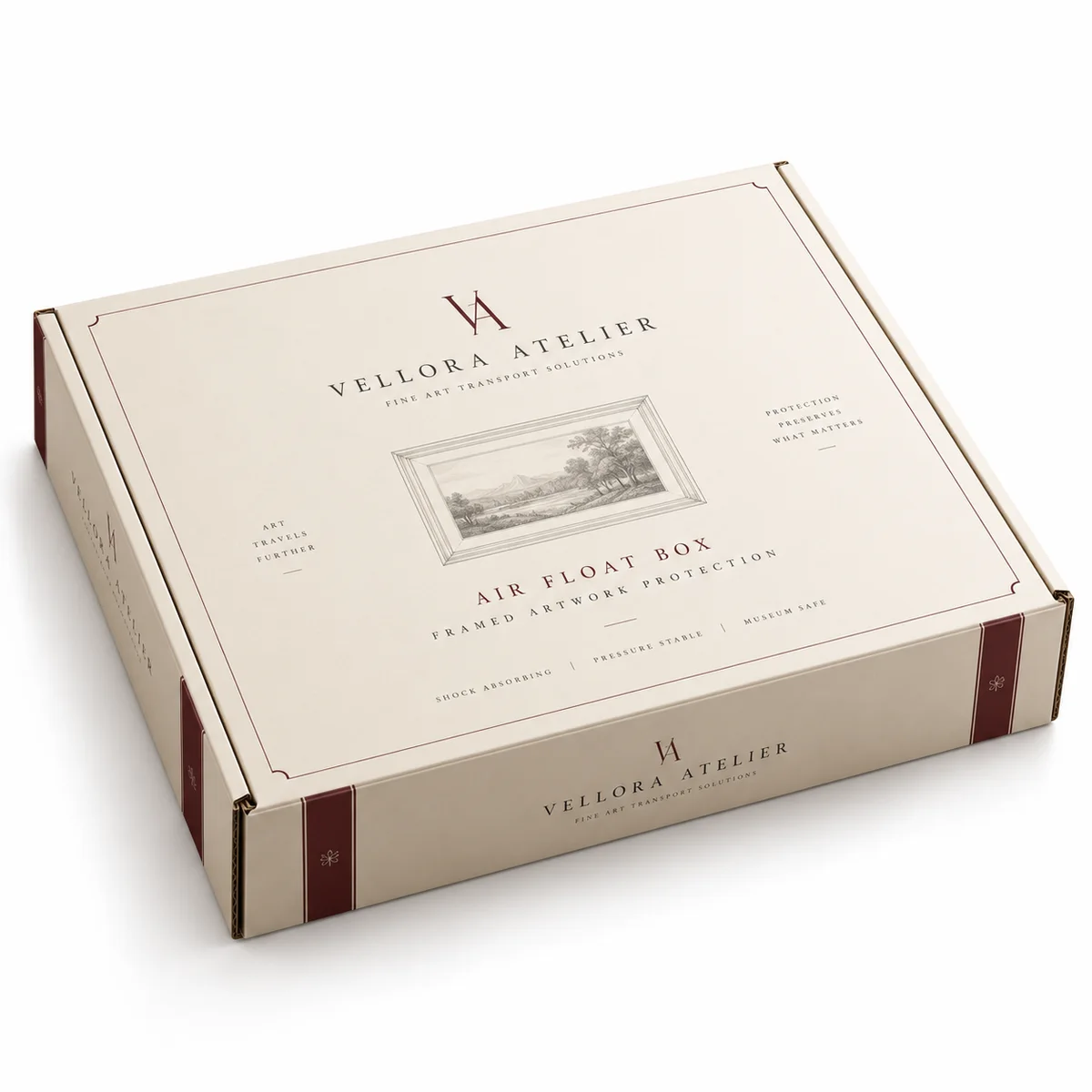
Flat-Lid Art Shipper
Shallow corrugated mailer with a full top panel, folded side walls, and front edge closure.
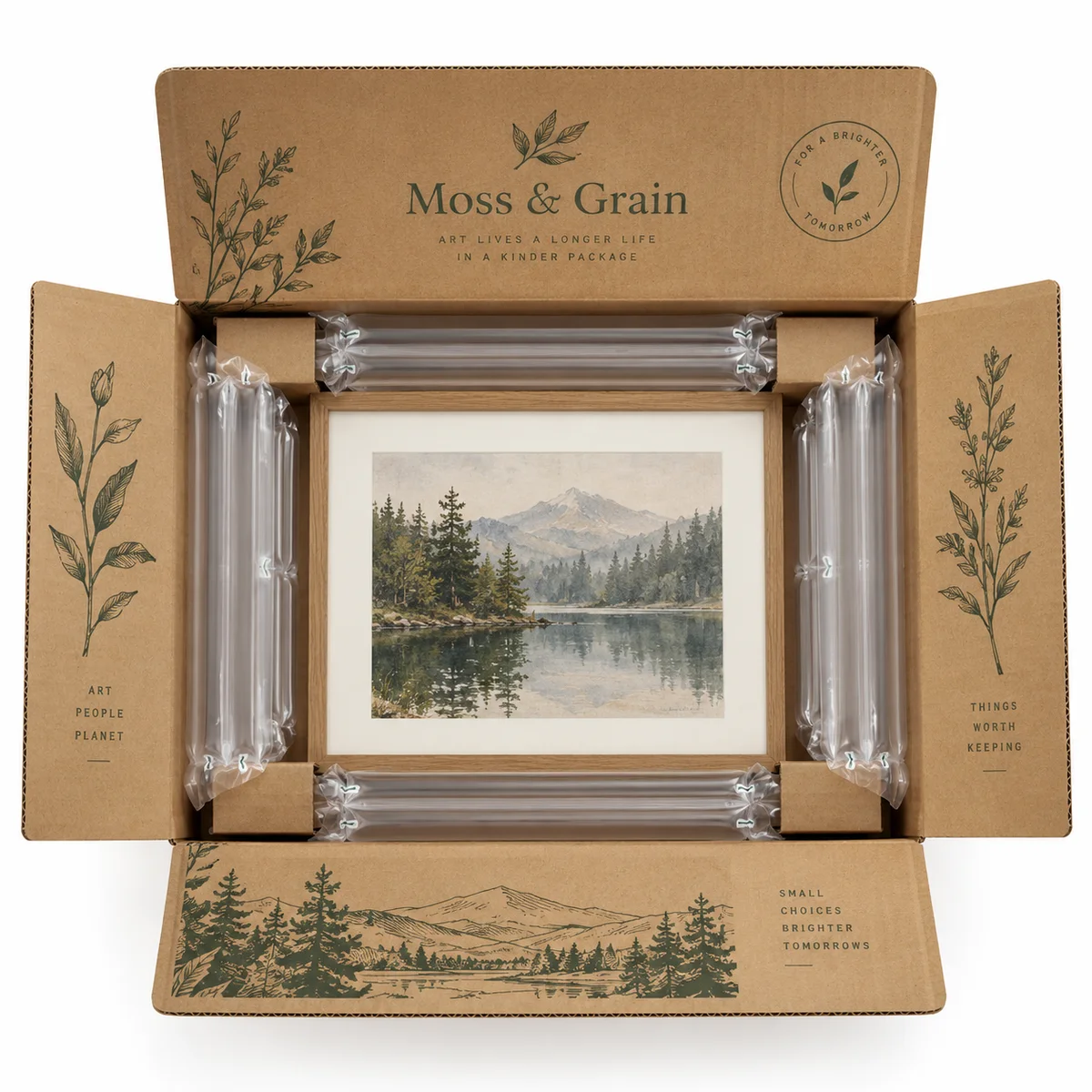
Four-Flap Air Cradle
Open four-flap box holds a framed print between side air columns and corner board supports.
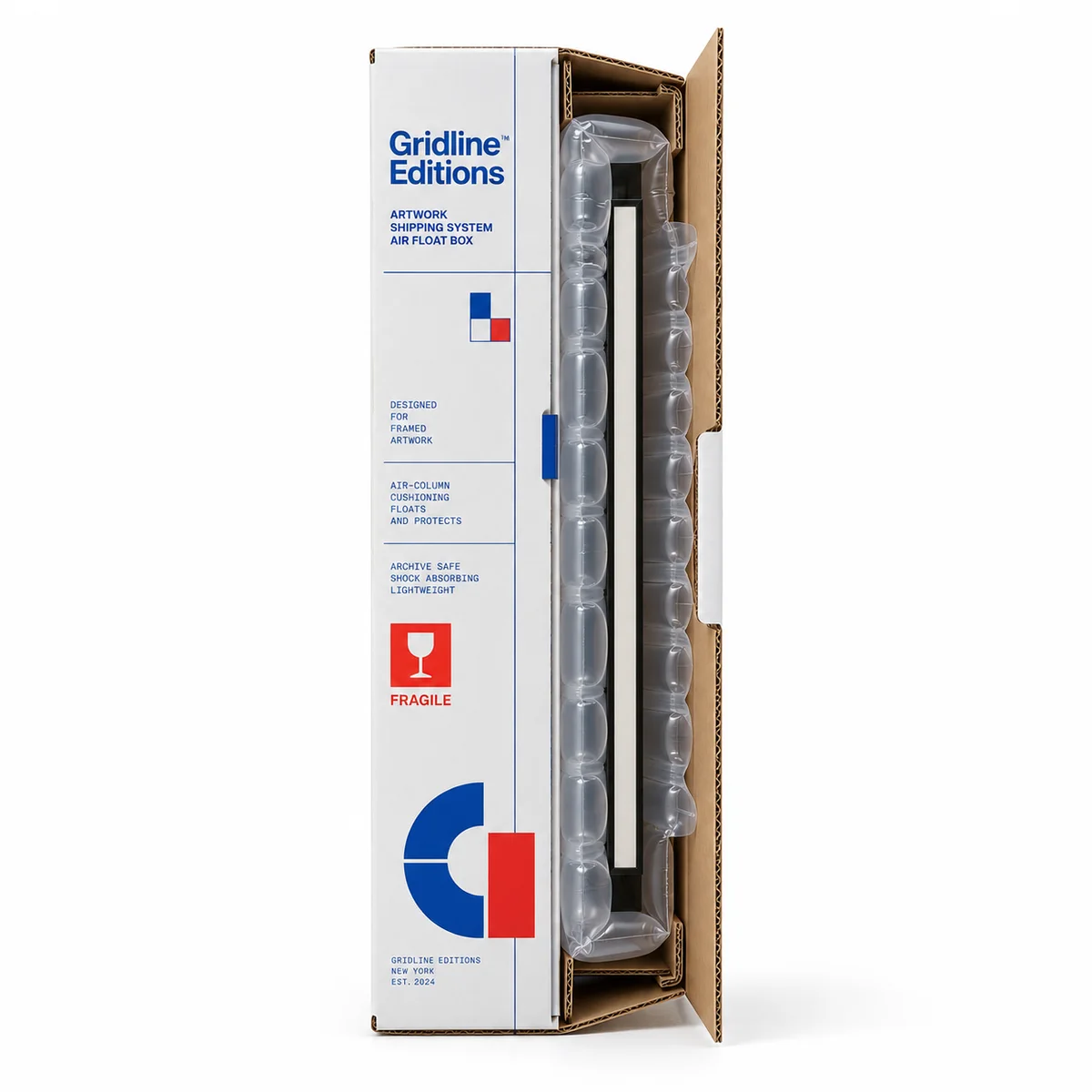
Side-Access Frame Box
Side opening exposes a flat framed piece, vertical air columns, and folded board supports.
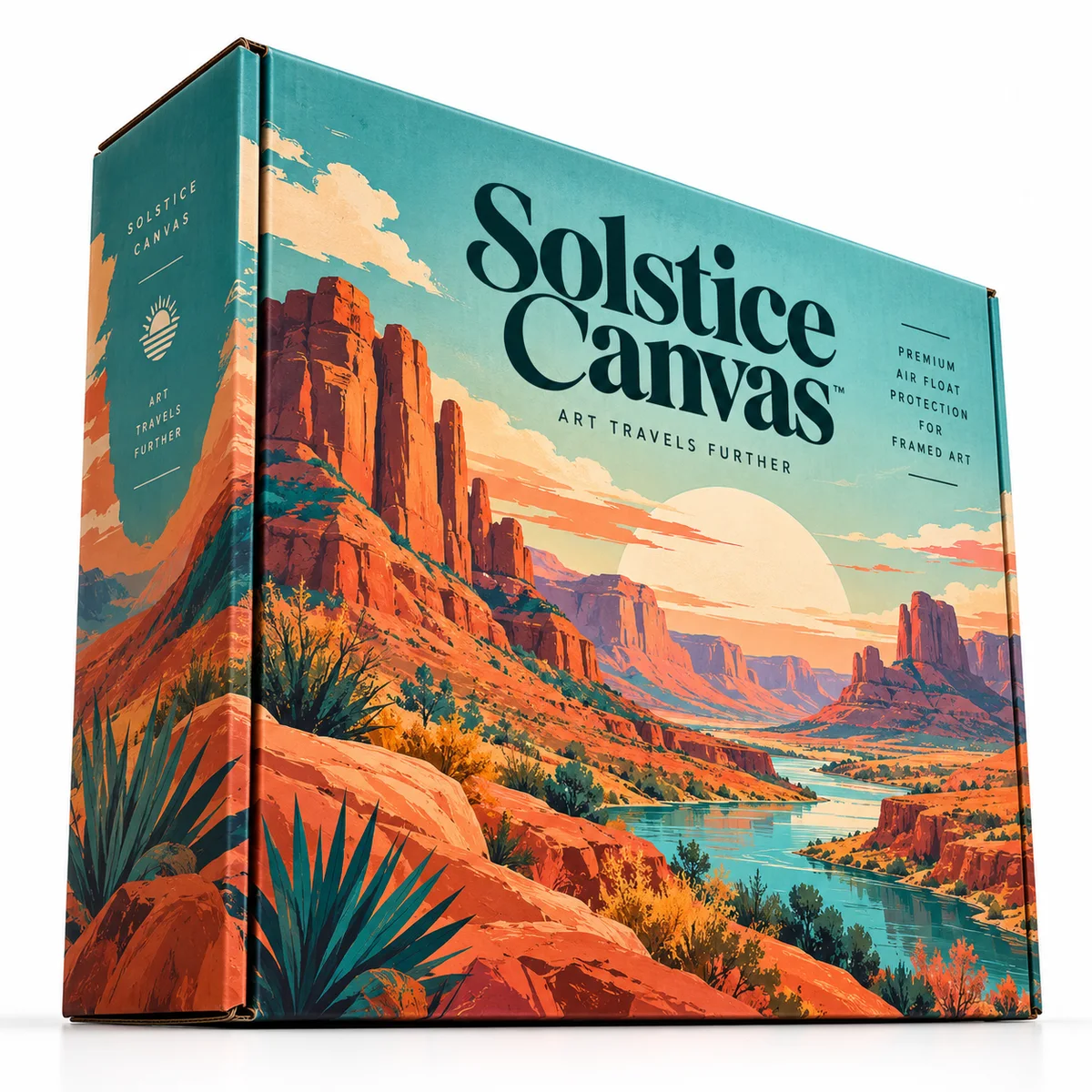
Full-Wrap Art Shipper
Closed corrugated box has a broad printed face, wrapped side panel, and folded edge seams.
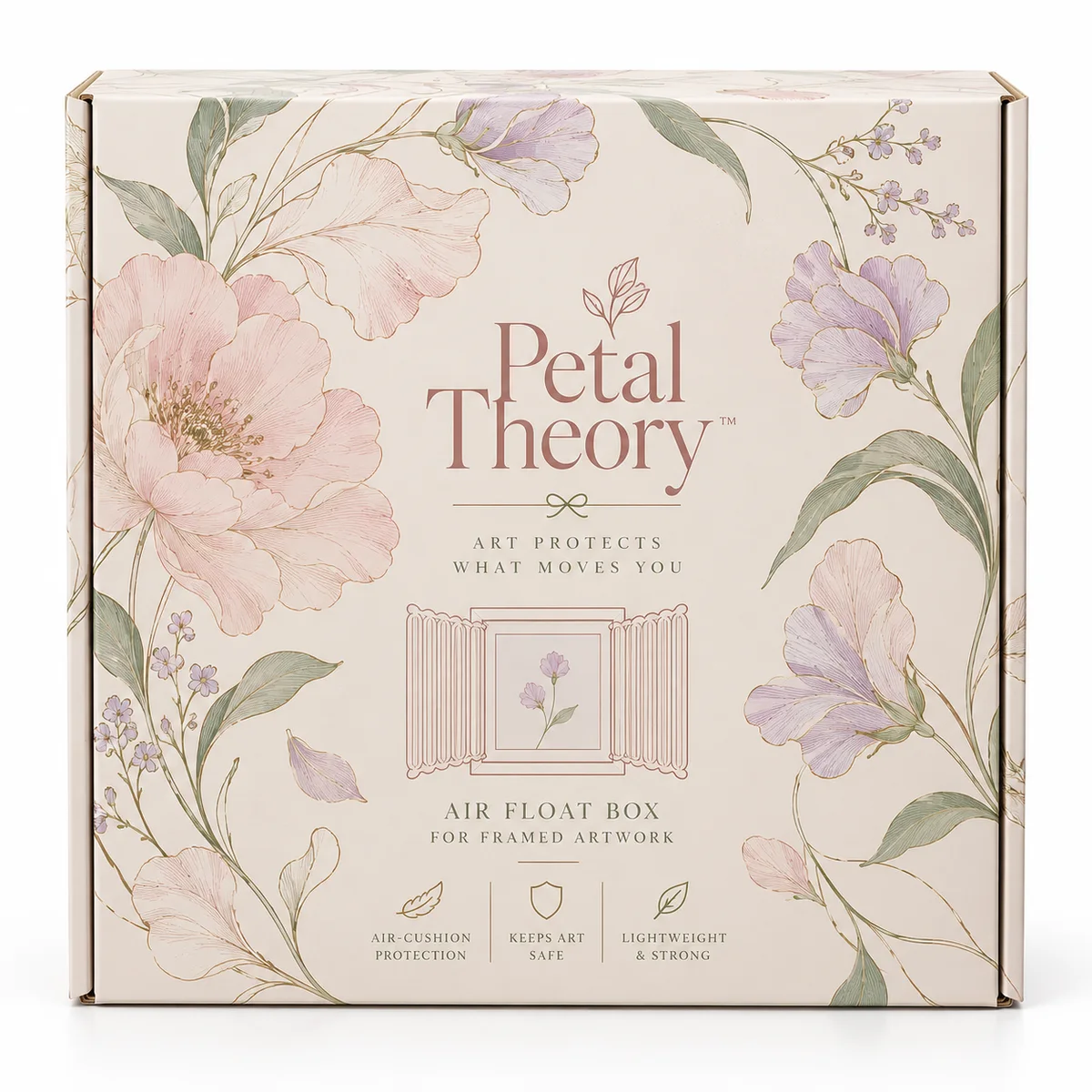
Front-Panel Art Mailer
Closed art mailer presents a full front print panel with tucked edges and narrow side folds.
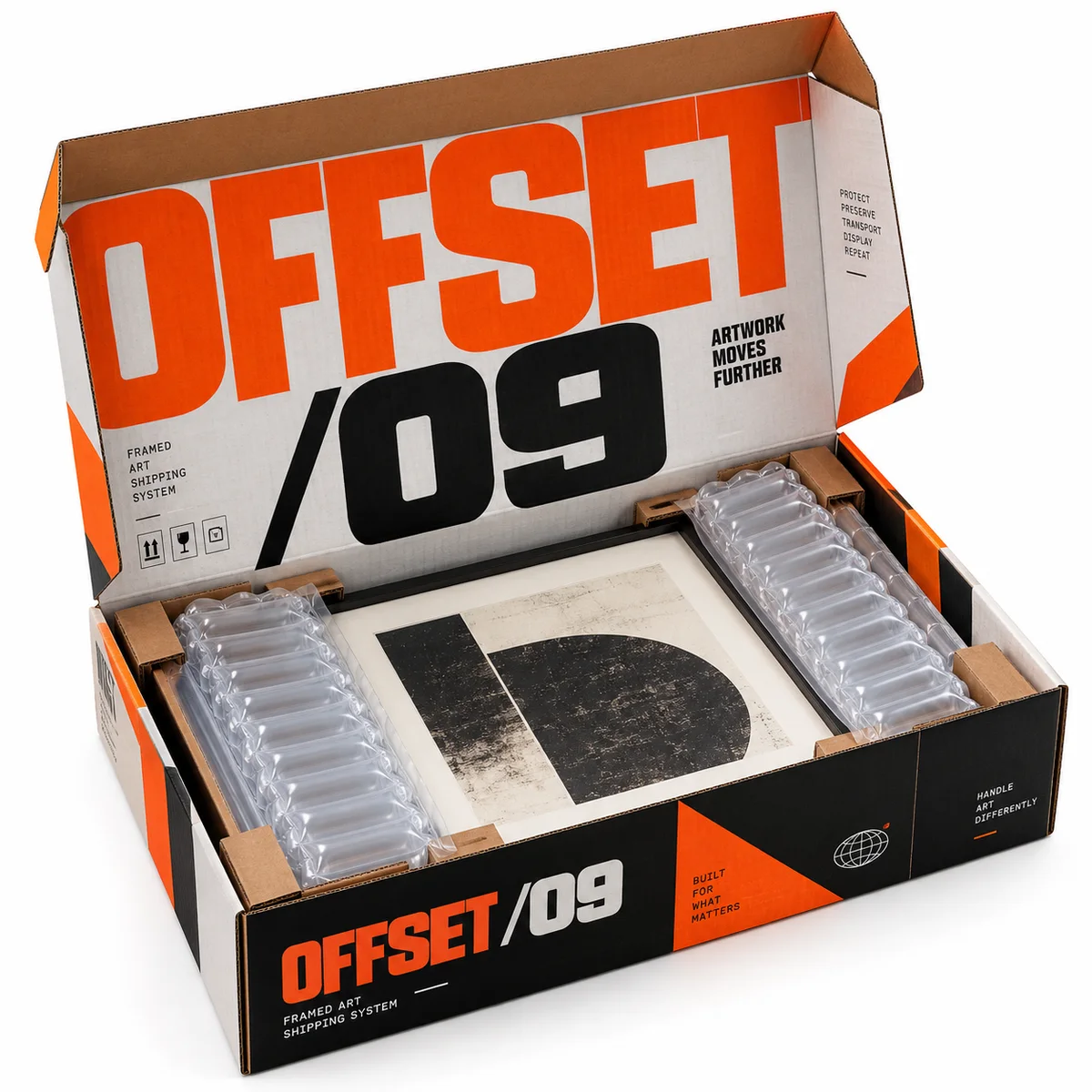
Hinged-Lid Air Cradle
Fold-back lid reveals a framed print between two long air cushions and corner board braces.
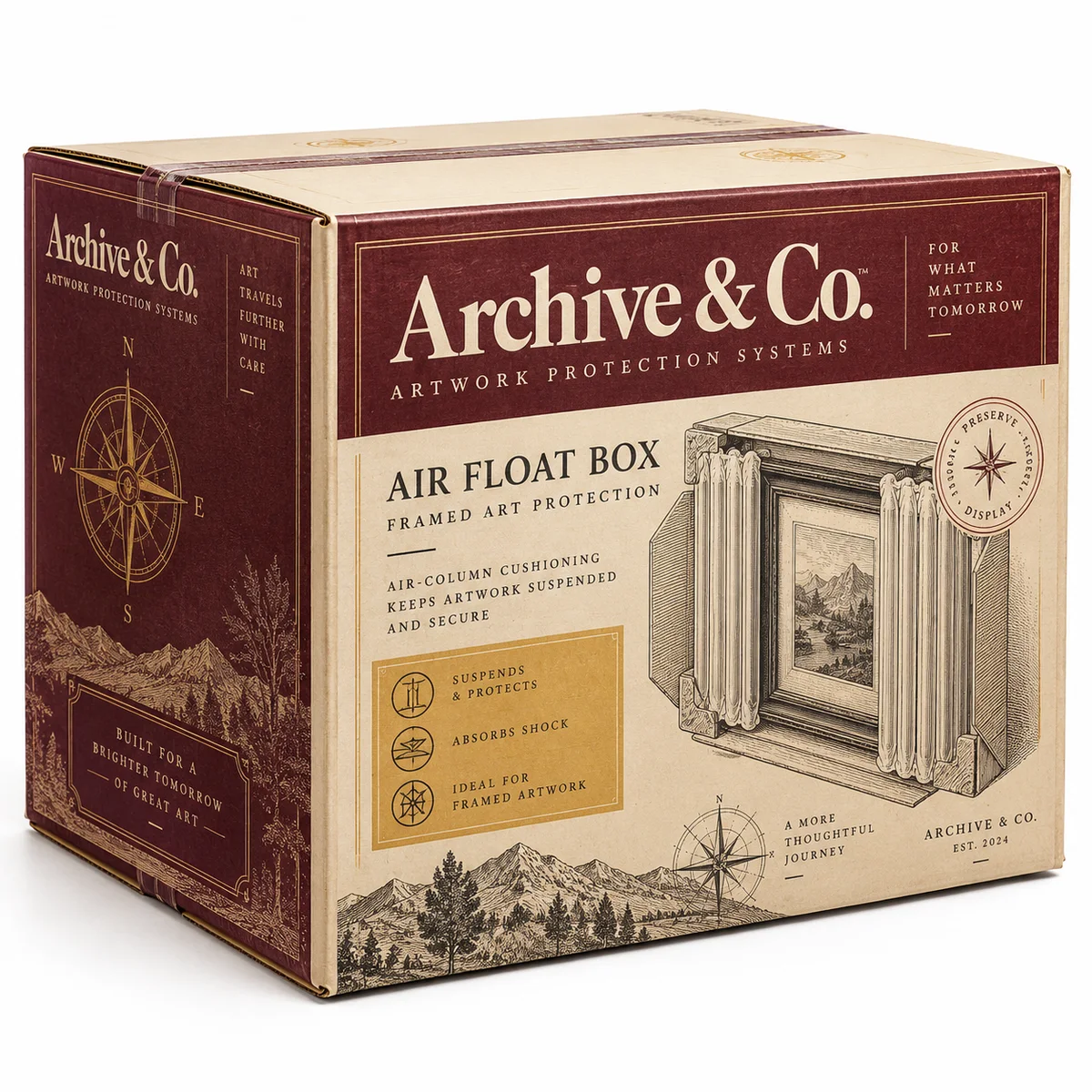
Taped-Seam Art Shipper
Closed corrugated shipper uses a taped top seam and broad panels joined at folded corners.
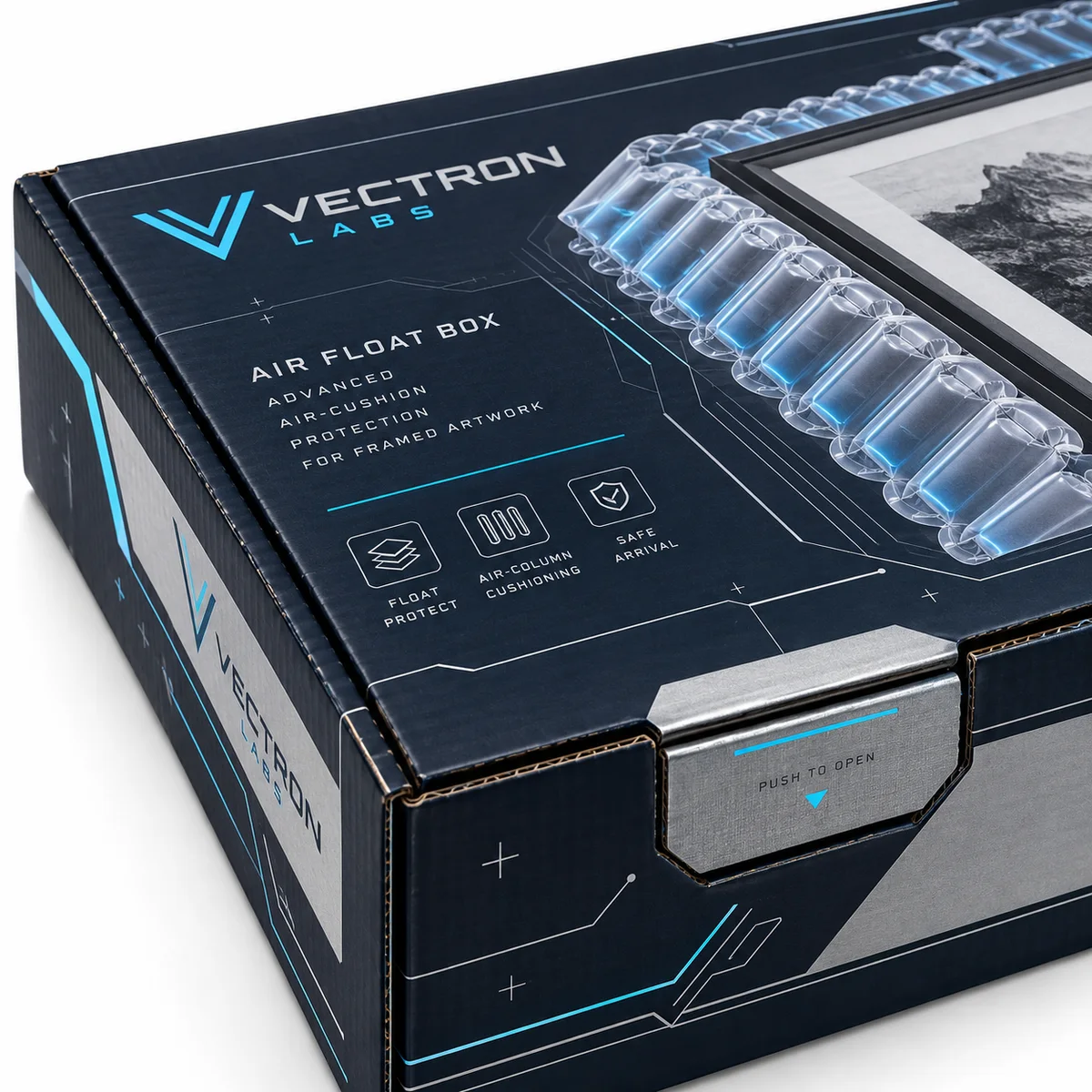
Front-Tab Lock Mailer
Close-up shows a cutout front tab, folded corrugated edges, and a printed closure panel.
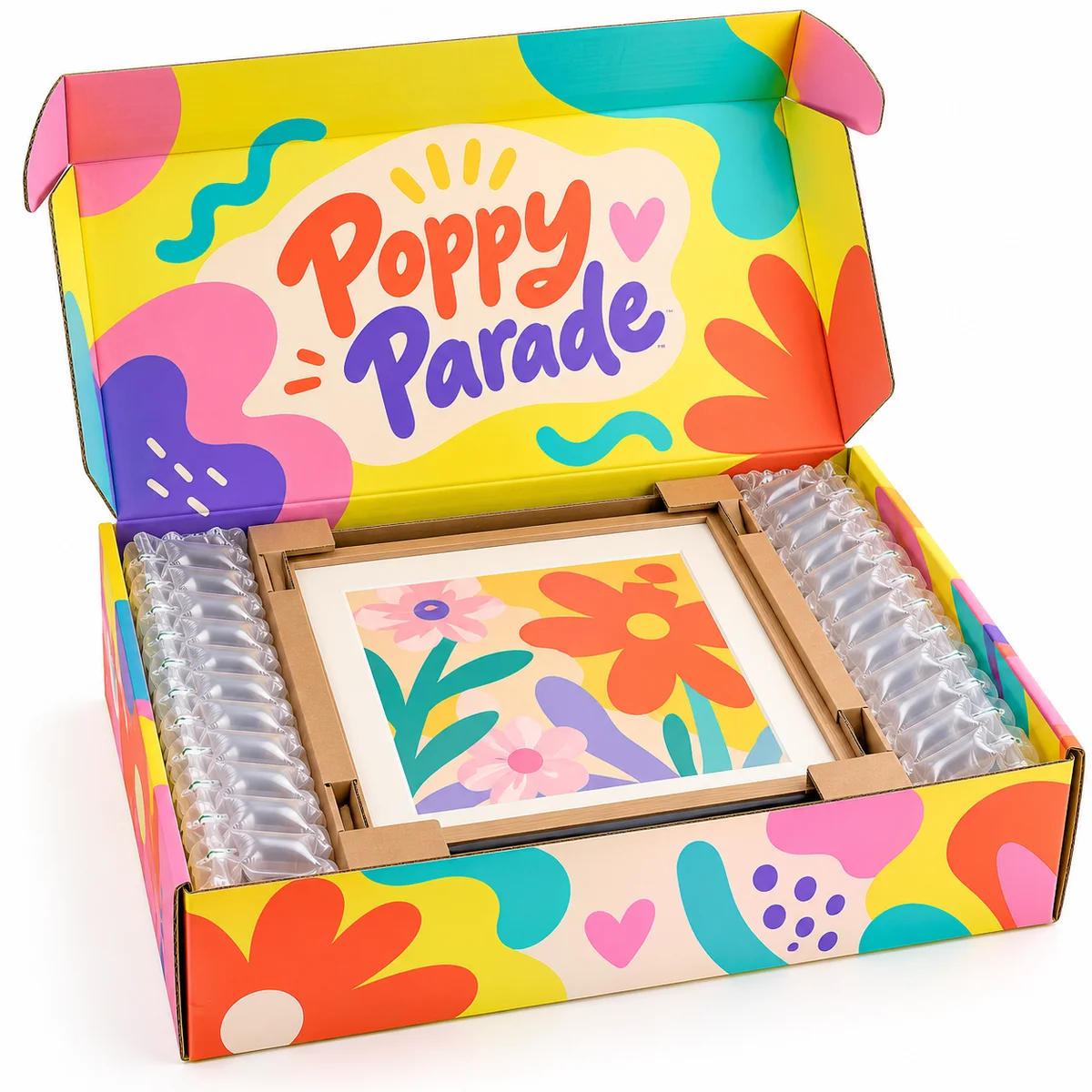
Open-Lid Cushion Mailer
Open fold-back lid exposes framed artwork with air-column pads along the two longer sides.
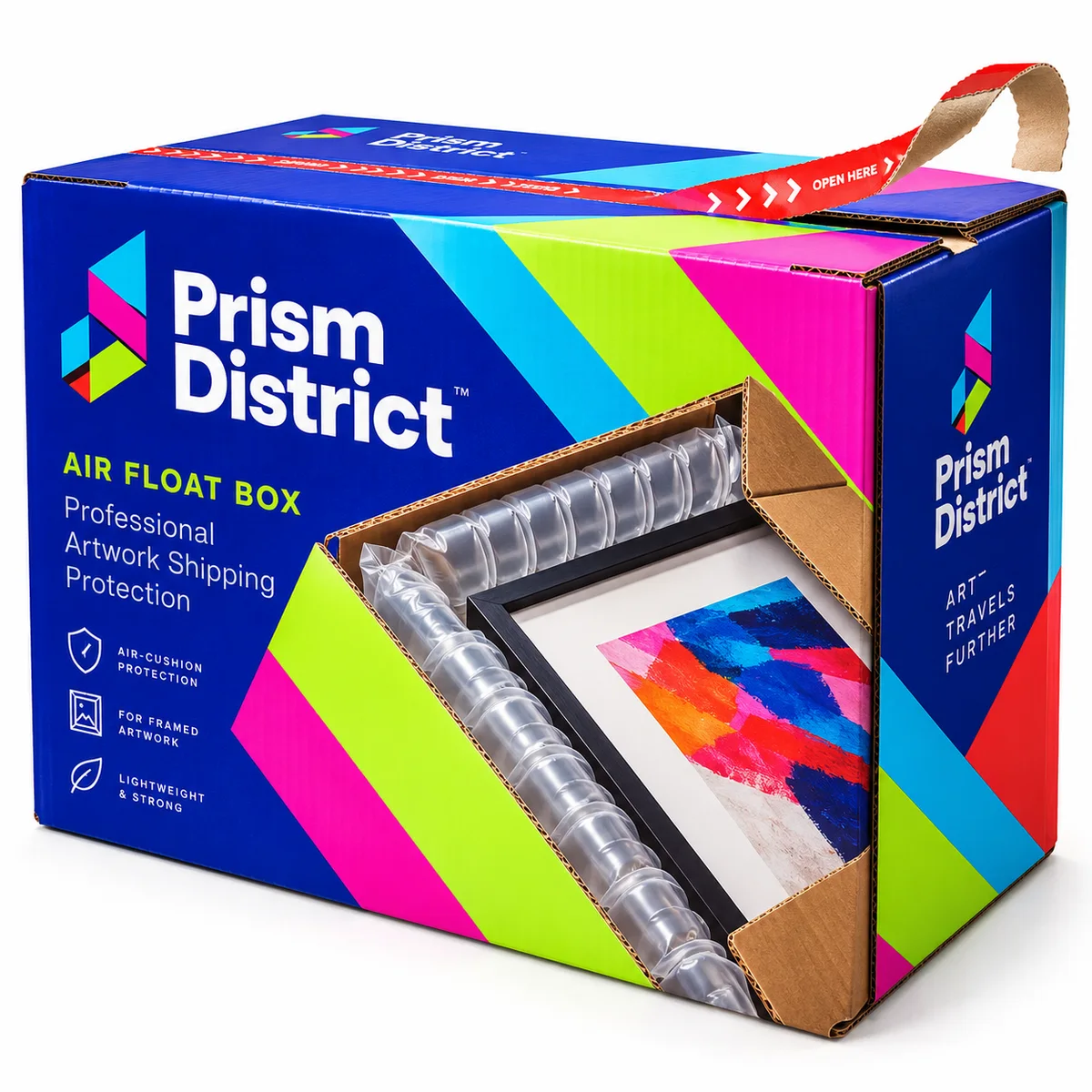
Tear-Strip Transit Box
Red tear strip crosses the top seam; a cutaway front reveals cushions beside framed art.
Can't find the perfect style?
Create a completely custom box design tailored to your brand.
Designed for Various Industries
We design packaging that fits every industry
From small businesses to global brands, our custom packaging solutions are built to elevate your brand and leave a lasting impression.
Cosmetics & Beauty
Food & Beverages
E-commerce & Retail
Electronics
Apparel & Fashion
Health & Wellness
Pharmaceuticals
Cannabis & CBD
Pet Products
Baby & Kids
Jewelry & Accessories
Home & Lifestyle
Candles & Fragrance
Coffee & Tea
Confectionery
Cosmetics & Beauty
Food & Beverages
E-commerce & Retail
Electronics
Apparel & Fashion
Health & Wellness
Pharmaceuticals
Cannabis & CBD
Pet Products
Baby & Kids
Jewelry & Accessories
Home & Lifestyle
Candles & Fragrance
Coffee & Tea
Confectionery
Supplements
Skincare & Personal Care
Haircare
Automotive
Sports & Fitness
Toys & Games
Stationery & Gifts
Bakery & Desserts
Wine & Spirits
Tobacco & Vape
Medical Devices
Tech Accessories
Subscription Boxes
Organic & Natural
Luxury Retail
Supplements
Skincare & Personal Care
Haircare
Automotive
Sports & Fitness
Toys & Games
Stationery & Gifts
Bakery & Desserts
Wine & Spirits
Tobacco & Vape
Medical Devices
Tech Accessories
Subscription Boxes
Organic & Natural
Luxury Retail
Built for brands
that care about detail.
Premium packaging. Precise printing.
Fast turnaround. No hidden costs.
10K+
Happy Customers
98%
Satisfaction Rate
Trusted by Top Brands
We work with startups to enterprises. Our boxes make an impact.
Free Design Support
Get expert help in creating the perfect packaging for your brand.
Warehouse Across USA
Faster fulfilment with local production and warehouses.
Print & Design Lovers
Crafted with passion, just the way your brand deserves.
Custom Air Float Boxes That Keep Framed Art Supported in Transit
A framed piece can be vulnerable at three points: the glazed face, the shaped corners, and the hanging hardware behind it. Packopie makes custom air float boxes around the complete packed frame, pairing double-wall corrugated board with fitted air-column cushions and board supports. The structure maintains clearance and helps limit movement during handling.
Frame Movement Is the First Problem to Solve
A framed print can be damaged without the outer carton looking badly crushed. Repeated vibration may bring a frame edge into contact with a hard wall. A sudden impact may press a glass front against something inside the pack. Wide, flat pieces also need support that does not rely on their weakest corner or the hanging wire.
That is why these custom artwork shipping boxes begin with the complete object and its packing method. A flat photographic print, a framed canvas, and a deep decorative frame create different pressure points. Corrugated braces can hold a frame in position while soft materials separate its finished surfaces from those supports. The layout also supports repeat packing for galleries and art retailers.
Fitted Air-Column Cushions Create Space Around the Frame
Air-column cushions are connected inflatable chambers placed around a wrapped item. Inside an air-cushion art shipping box, they occupy the gap between the artwork's protected edges and the corrugated shell. They help absorb ordinary handling impacts, while fitted board supports help keep the load centered. Neither part should be asked to do the other's job.
Cushion position matters as much as cushion volume. A tall frame may need support near its stronger structural sections rather than pressure against fine molding. Separate corner pads or foam face sheets can add support where the design calls for it. Packopie's baseline configuration includes a suggested air-column set; optional reinforcement is reviewed against the size and weight of the actual piece.
Air-column packing is not the same as a foam-suspension art shipper. The two systems use different supports and cannot be treated as interchangeable without checking the packed artwork.
Packed Frame Measurements Set the Custom Dieline
A print labeled 18 × 24 inches is not necessarily an 18 × 24-inch shipping item. The outside frame can be larger than the artwork. Backing boards, raised ornament, glass and wall hooks add more thickness. Protective wrap and air columns need their own space, too.
The best starting measurements are the full outside length, width, depth, and weight of the wrapped frame. Packopie can use those details to plan the dieline—the flat cut-and-fold pattern that becomes the final carton—and the protective layout inside it.
The current quote form uses 18 × 24 × 4 inches as a planning default, not a promise of internal clearance for an artwork of that size. The usable cavity is established only after the board structure and cushion thickness are confirmed. This prevents a tight or loose fit.
Double-Wall Corrugated Board Supports Flat Artwork in Transit
An air cushion needs a sound outer container to work against. Double-wall corrugated board uses two fluted layers between paper liners to give the carton more structure than a single-wall design. The proper grade still depends on packed weight, box span, stacking conditions, and handling method. Stronger board does not correct poor interior fit.
Packopie's suggested specification starts with BC double-wall 48 ECT, with higher-strength options available for review. ECT, or edge crush test, describes a board's resistance to crushing along its edge; it is not a guarantee that a packed picture survives a drop. Kraft or white-top liners can support different exterior print needs without changing the need for a fitted interior.
The same material principles apply across custom corrugated boxes, but framed artwork needs special care at the edges and face. Within Packopie's wider custom shipping boxes range, an art shipper is specified as a system of board, support, and clearance—not just a carton with extra padding.
Glass Fronts and Valuable Pieces Need Additional Care
Glass, acrylic glazing, delicate paint surfaces, and ornate finishes do not respond alike to pressure. The artwork should first be separated from packing materials with a suitable, clean, nonabrasive barrier. Air columns and plastic cushioning should not rest directly against sensitive art surfaces. Glazed pieces may require rigid face protection.
Inflatable chambers can also lose pressure when punctured. That is why the frame's position should not depend on air pressure alone. Reinforced liners, fitted corners, and additional layers may help reduce particular hazards, but they do not make a shipment damage-proof. Very valuable, unstable, large, or unusually heavy artwork may be better served by double boxing, a specialist crate, or professional art handling.
Art Shipper Styles and Printing for Repeat Orders
The best opening style follows how a team packs the piece. A fold-over carton gives a broad top opening for placing wrapped art into a cushion layout. Side-loading designs offer access along an edge. Two-piece and telescoping cartons allow different loading and depth arrangements, subject to the finished frame size and weight.
Packopie can plan these forms as custom printed art shippers for galleries, frame shops, photography studios, and online artwork sellers. Exterior graphics may range from a simple gallery mark to full-color retail artwork. Spot colors, CMYK artwork, and selected interior print areas should be reviewed against the folds, seams, and handling labels. Shipping information must remain legible.
For related fold-back openings and printed panels, explore the broader custom mailer boxes category. A framed-art shipper, however, needs its own cushion and clearance plan rather than a typical product mailer layout.
Custom Air Float Box Quotes Based on the Packed Artwork
A useful brief brings these decisions together: overall wrapped-frame measurements, approximate weight, glass or acrylic details, preferred opening, board grade, cushion arrangement, artwork files, quantity, and US delivery destination. Side and back photos reveal delicate details.
Packopie's current Quote Builder includes a suggested 100-piece minimum, an estimated starting rate, and standard production planning of 15–20 business days after approval. These figures are planning inputs, not guaranteed prices or lead times. Board upgrades, insert complexity, printing, tooling, and order volume can change the final manufacturing quote. Freight is assessed separately after the route and shipment dimensions are known.
Packopie can review the packed-art brief, recommend a custom structure, and prepare a project-specific quote. The aim is straightforward: a box that gives the frame space where it needs space, support where it needs support, and a repeatable packing method for the next order.
Frequently Asked Questions
Not automatically. Quote Builder dimensions are planning inputs, not confirmed usable interior space. The box must allow for the wrapped frame, hanging hardware, and the selected cushioning layout. We review those measurements before setting the final dieline.
Protect the surface with a suitable nonabrasive layer and use rigid face and corner protection. Separate glazing when practical. For fragile or valuable pieces, a specialist packing assessment may be safer than relying on an air-cushion box alone.
Air columns should not be the only part locating the frame. Properly fitted board supports and optional firm pads help limit movement. Check cushioning before sealing, and consider a different protective system for unusually heavy pieces.
Yes. Raised molding, deep profiles, and hanging brackets can create pressure points. Include the packed frame depth and front, side, and back photos so the cushioning and supports can be positioned away from delicate details.
No. Air-column systems use inflated cushions around a wrapped frame, while foam-suspension designs use shaped foam supports. Both need an appropriate fit. The best choice depends on artwork weight, glazing, frame geometry, and shipping conditions.
Only with an insert design that separates both wrapped pieces and prevents edge-to-edge or face-to-face contact. Separate boxes are often more suitable for glazed, delicate, or high-value artwork.
More Solutions
You May Also Like
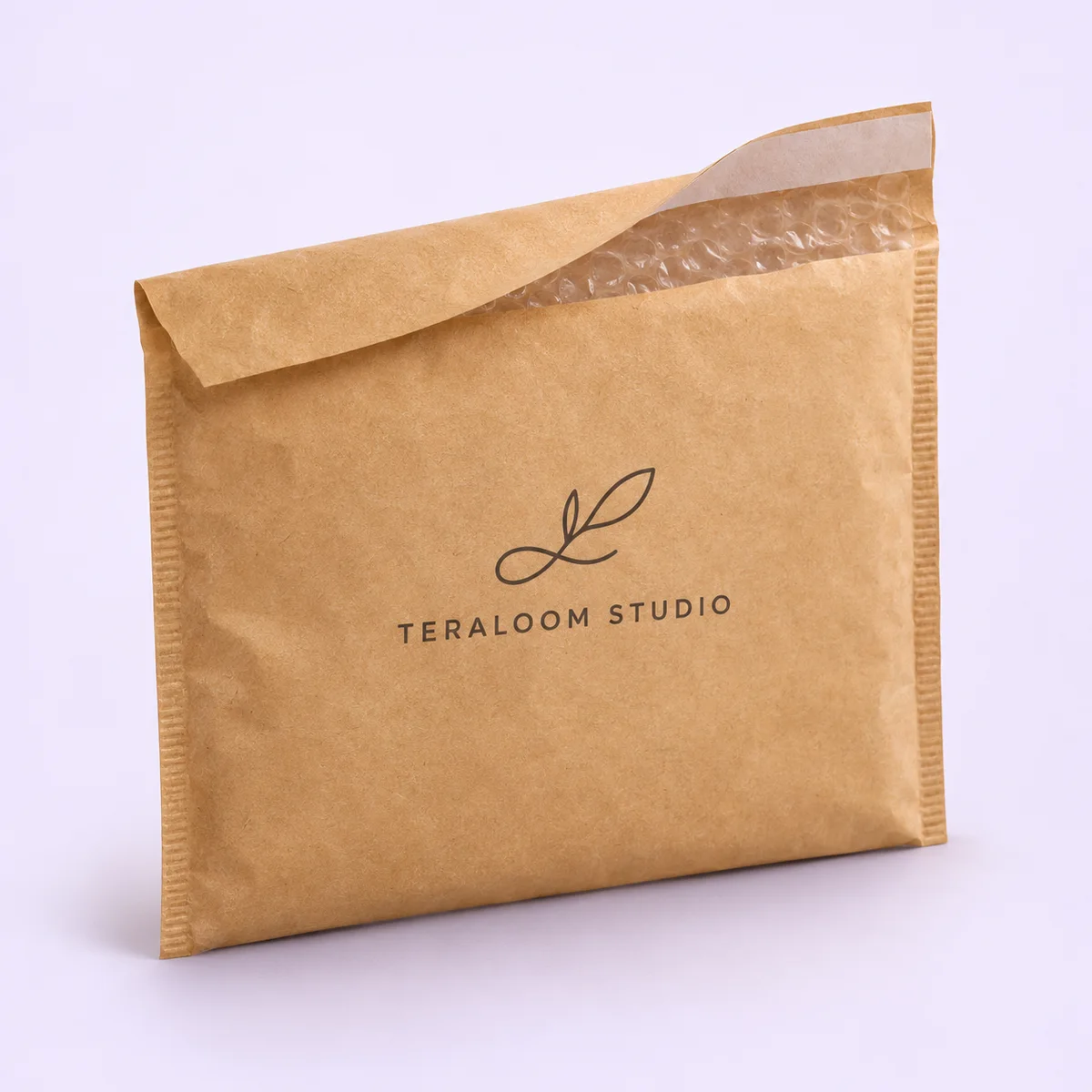
Custom Kraft Paper Bubble Mailers
Reduce empty space around small orders with a made-to-fit kraft paper envelope, inner bubble cushioning, and a peel-and-seal flap ready for your branding.
View product →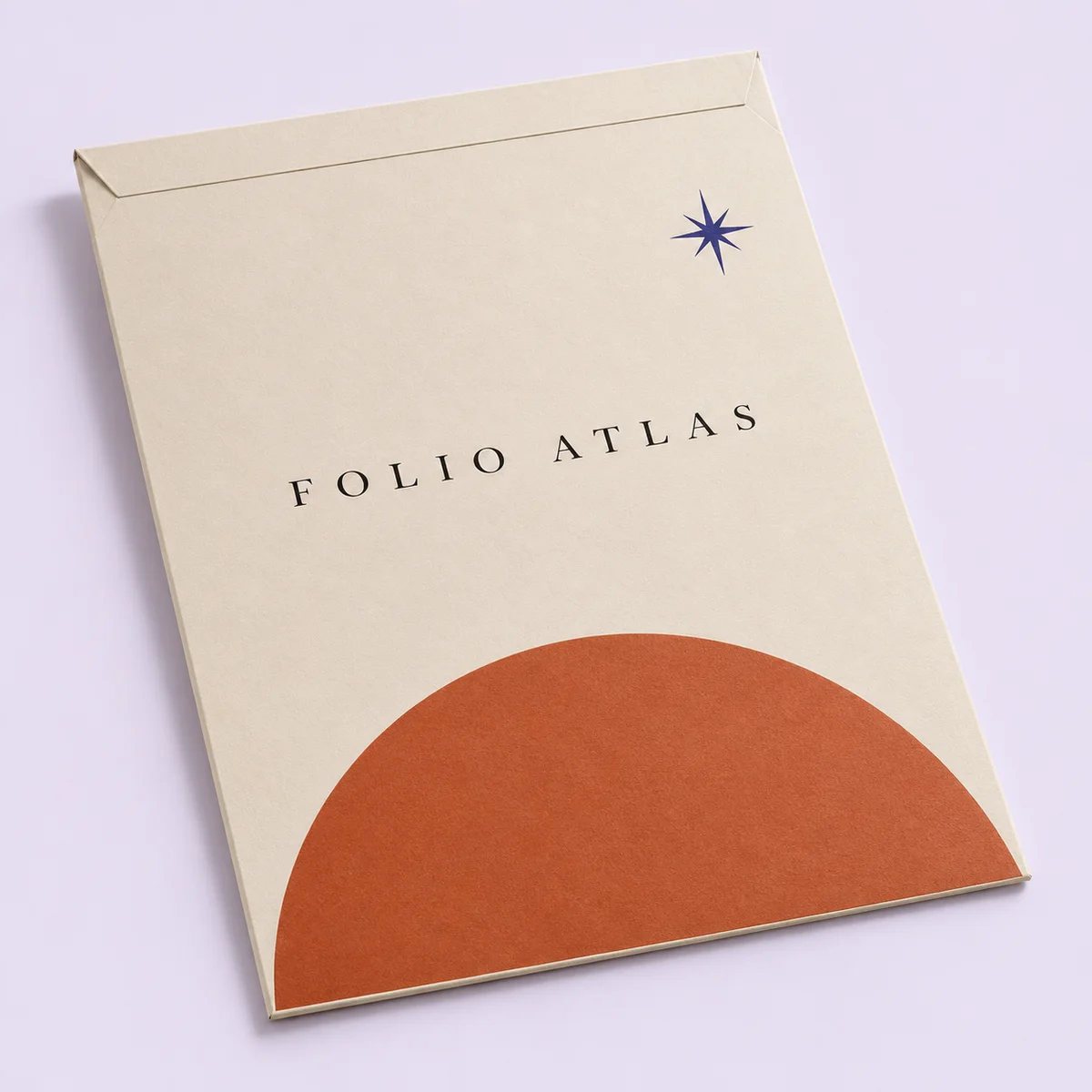
Custom Rigid Mailers
Send art prints, certificates, and photos flat in a snug, bend-resistant paperboard mailer with a clean seal and custom-printed exterior.
View product →
Custom Kraft Mailing Bags
Folded apparel and soft goods need room without a bulky box. Brand the delivery in kraft mailing bags with a fold-over flap and flat or gusseted sides.
View product →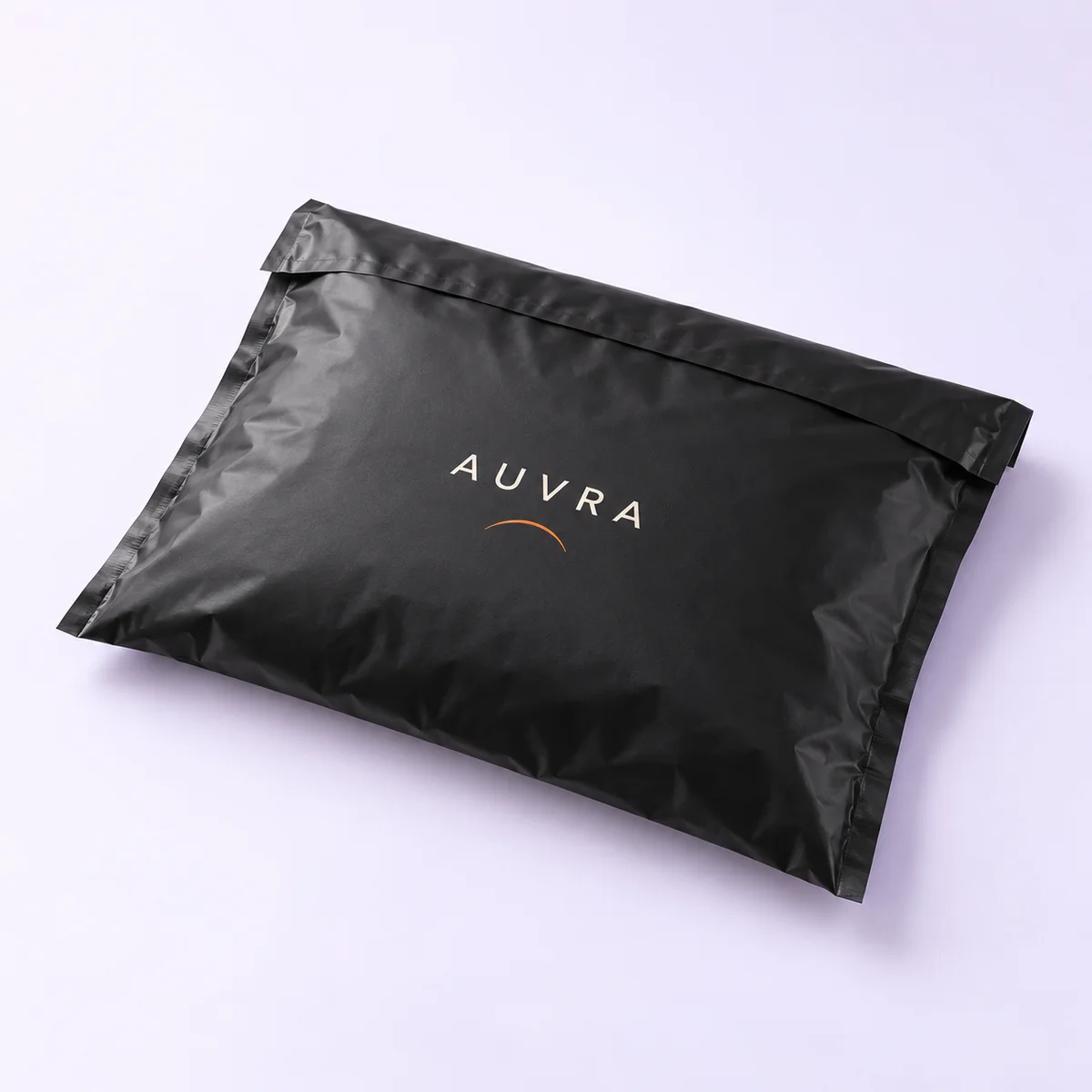
Custom Black Poly Mailers
Opaque black film keeps folded apparel less visible while giving white logos a clear surface. Custom sizes and self-seal details fit your shipping process.
View product →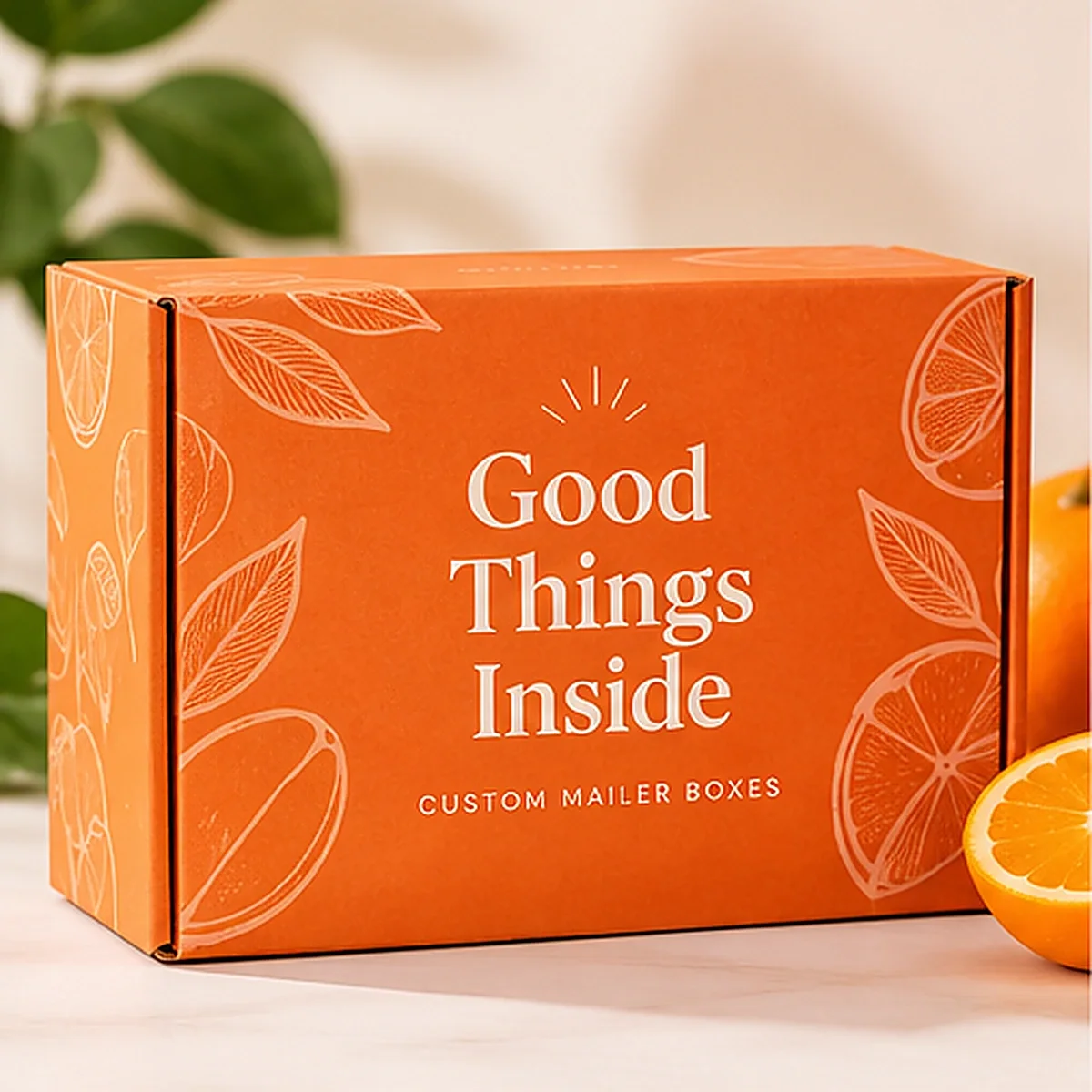
Custom Orange Mailer Boxes
Make the delivery part of the reveal: bright orange tuck-front corrugated mailers sized for your kit, with optional inside-lid print and fitted inserts.
View product →Custom Kraft Paper Bubble Mailers
Reduce empty space around small orders with a made-to-fit kraft paper envelope, inner bubble cushioning, and a peel-and-seal flap ready for your branding.
View product →Custom Rigid Mailers
Send art prints, certificates, and photos flat in a snug, bend-resistant paperboard mailer with a clean seal and custom-printed exterior.
View product →Custom Kraft Mailing Bags
Folded apparel and soft goods need room without a bulky box. Brand the delivery in kraft mailing bags with a fold-over flap and flat or gusseted sides.
View product →Custom Black Poly Mailers
Opaque black film keeps folded apparel less visible while giving white logos a clear surface. Custom sizes and self-seal details fit your shipping process.
View product →Custom Orange Mailer Boxes
Make the delivery part of the reveal: bright orange tuck-front corrugated mailers sized for your kit, with optional inside-lid print and fitted inserts.
View product →✦ Upgrade Today
Ready to Upgrade Your Brand Packaging?
Get custom templates matching your custom dimensions. Instant 3D digital proof samples returned in hours.