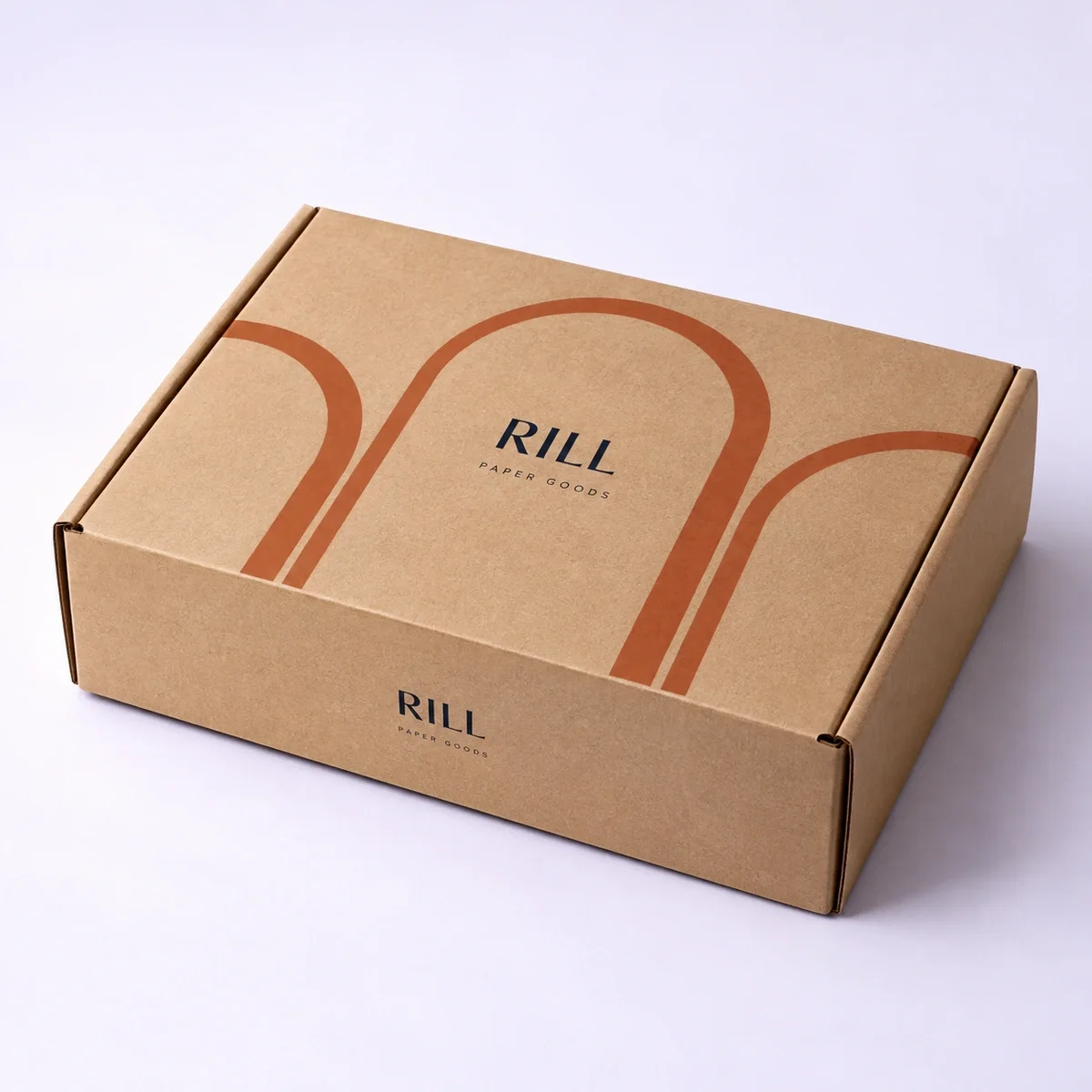
Ready to Fold
★★★★★
4.7/5.0Custom Corrugated Mailer Boxes
Fit the packed order, not just the product. Folded corrugated sidewalls and a tuck-front lid bring structure to branded e-commerce and subscription shipments.
Premium Quality
Fully Customizable
Low MOQ
Fast Turnaround
100% Eco-Friendly
Sustainable materials
Free Shipping
On every order
No Die & Plate Charges
Zero hidden costs
100% Satisfaction
Quality guaranteed
Expert Support
We're here to help
Custom Corrugated Mailer Boxes - Instant Quote
Build a made-to-order corrugated mailer and review an estimated price. Final pricing is confirmed after specifications and freight review.
✓Response within30 minutes
✓Your info is privateSecure
✓No obligation100% free
Ready to specify your corrugated mailer?
Design Varieties
Structural Options, Distinct Print Looks
Explore folded closures, printed interiors, and different artwork directions for corrugated mailers. Each final structure is matched to the order specifications.
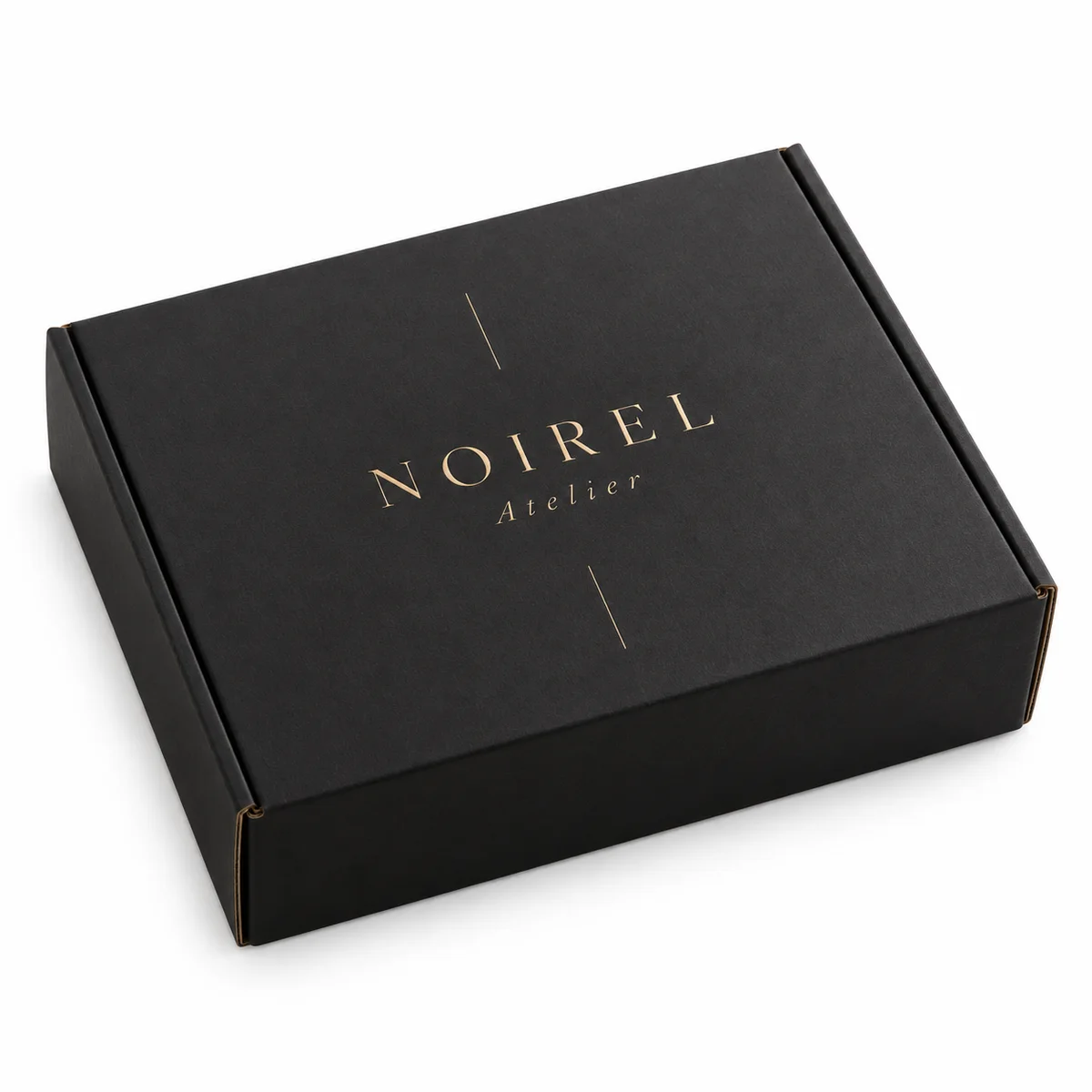
Luxury Fold-Over Mailer
Closed fold-over mailer with tucked side ends, black printed wrap, and a clean front panel.
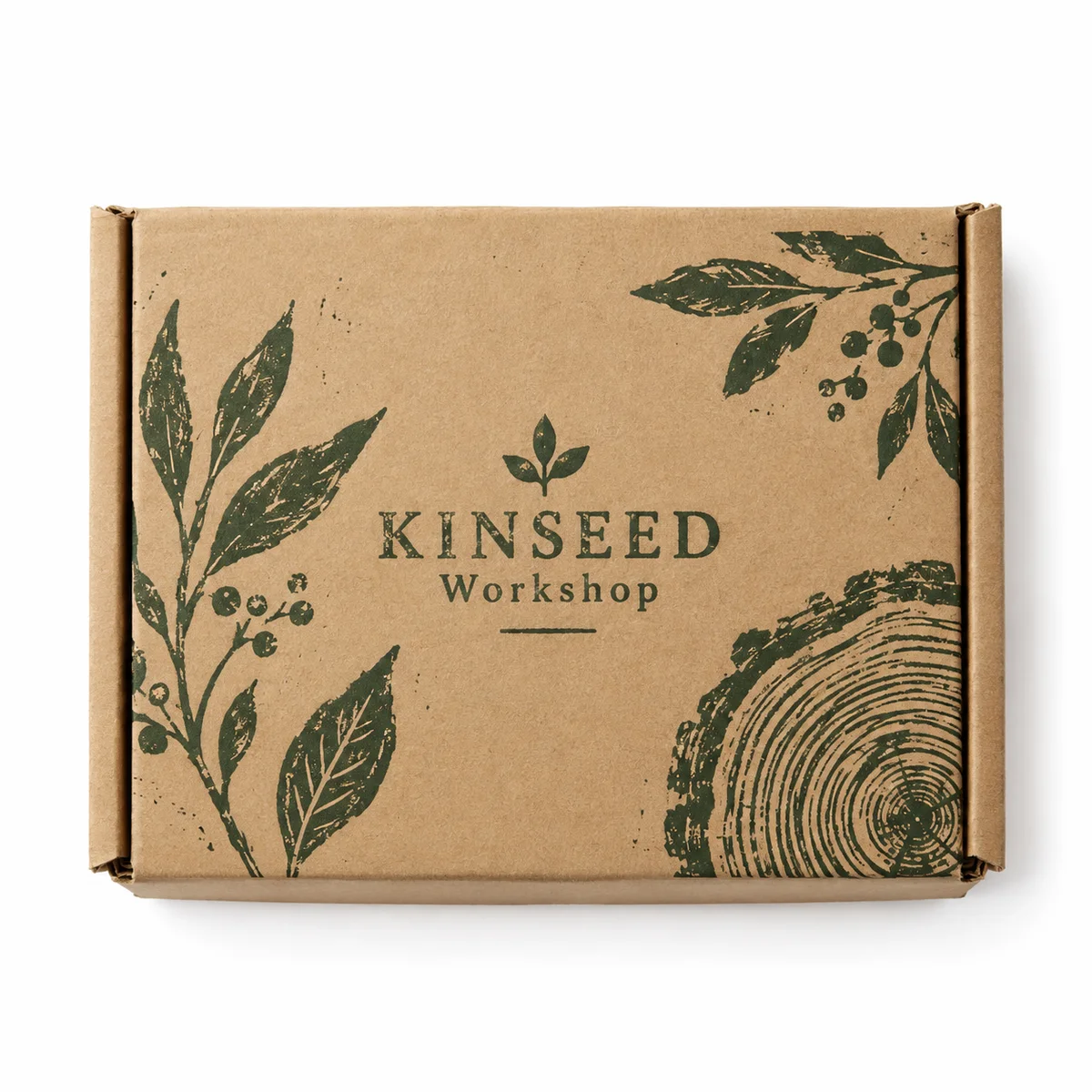
Kraft Fold-Over Mailer
Natural kraft mailer with a flat fold-over lid, folded side edges, and printed top panel.
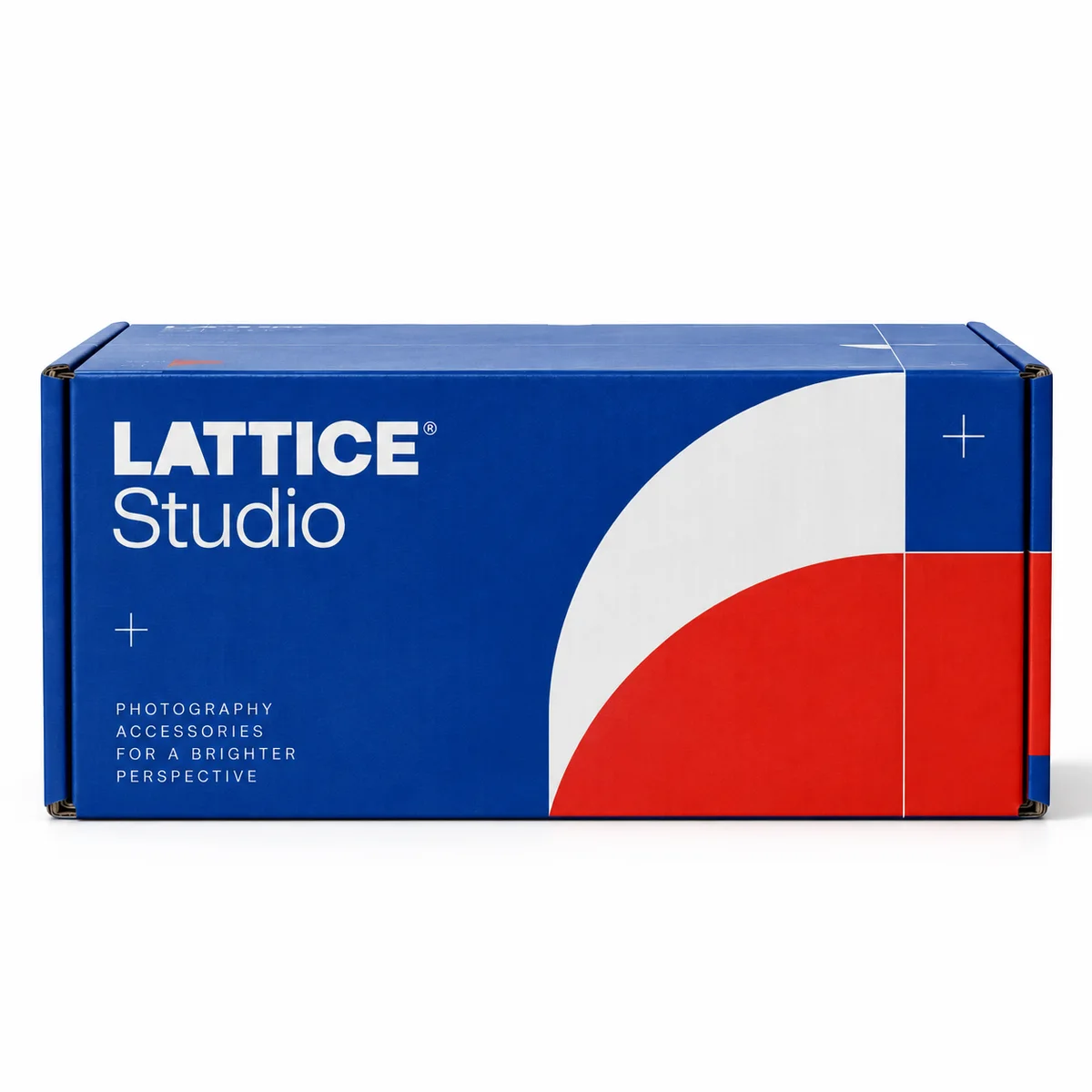
Wide Side-Panel Mailer
Wide corrugated side panel with tucked corner folds and a full-color blue printed exterior.
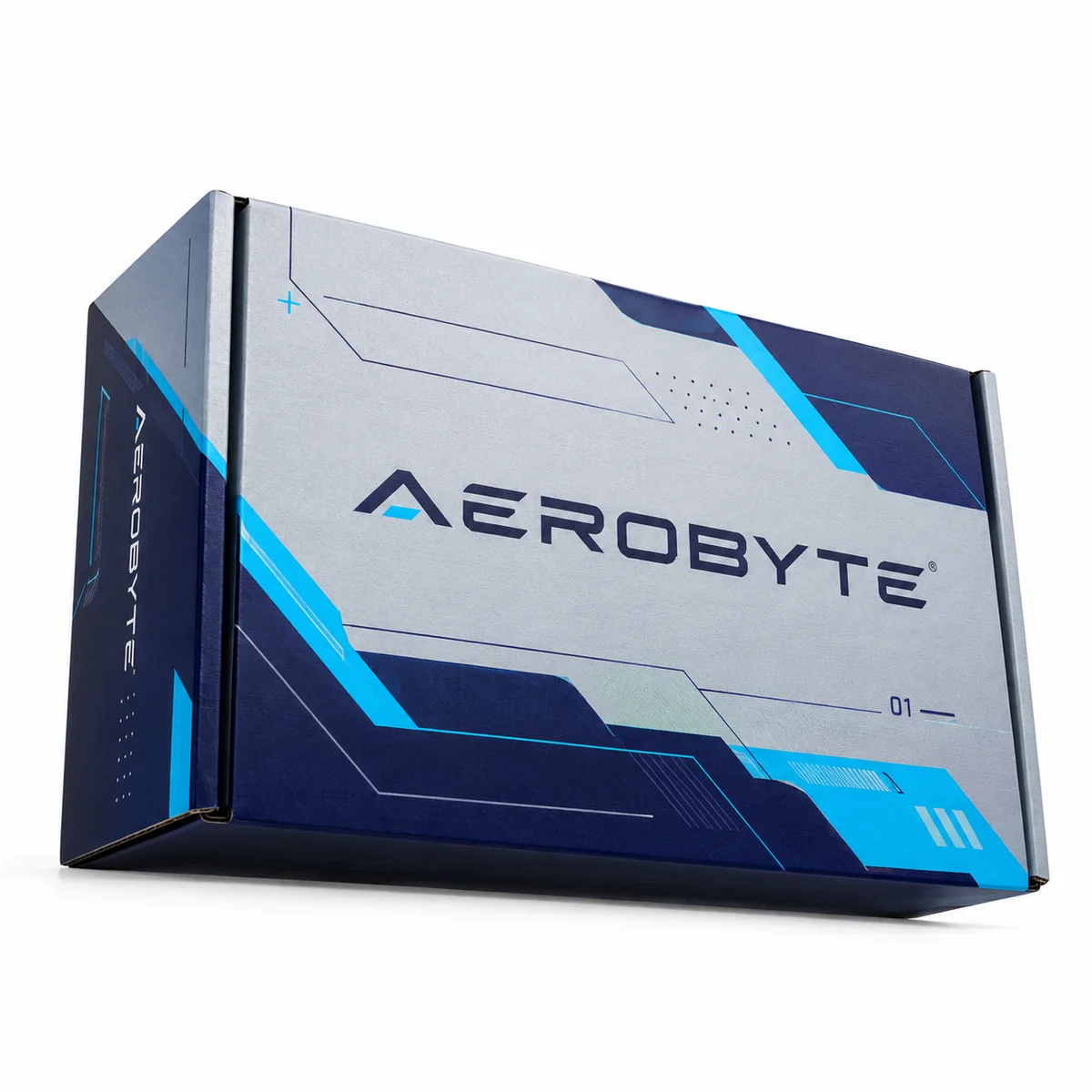
Deep-Wall Shipping Mailer
Deep-sided mailer with folded end walls, a hinged top panel, and bold edge-to-edge graphics.
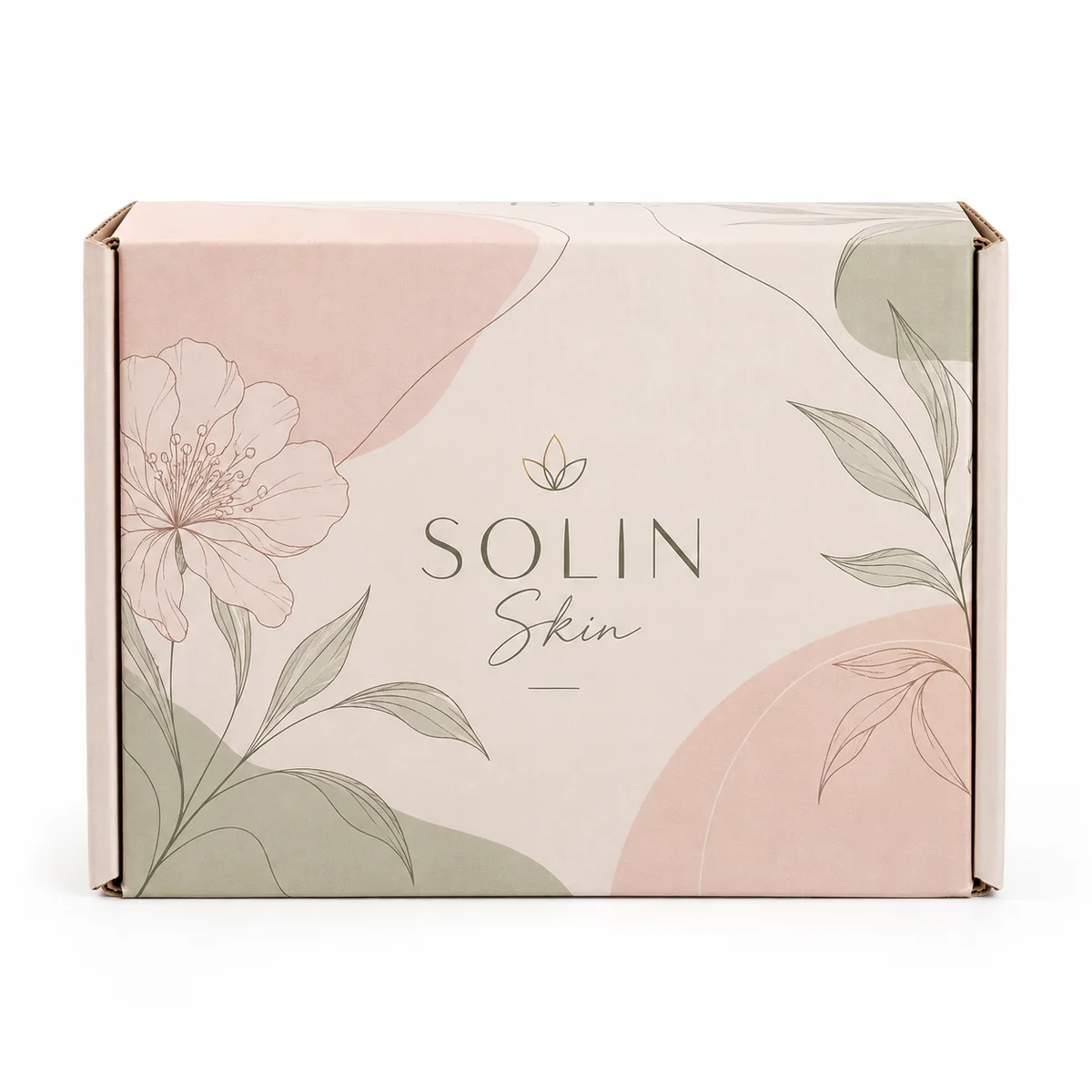
Flat-Front Printed Mailer
Flat-front mailer with folded side ends and a continuous floral print across its top face.
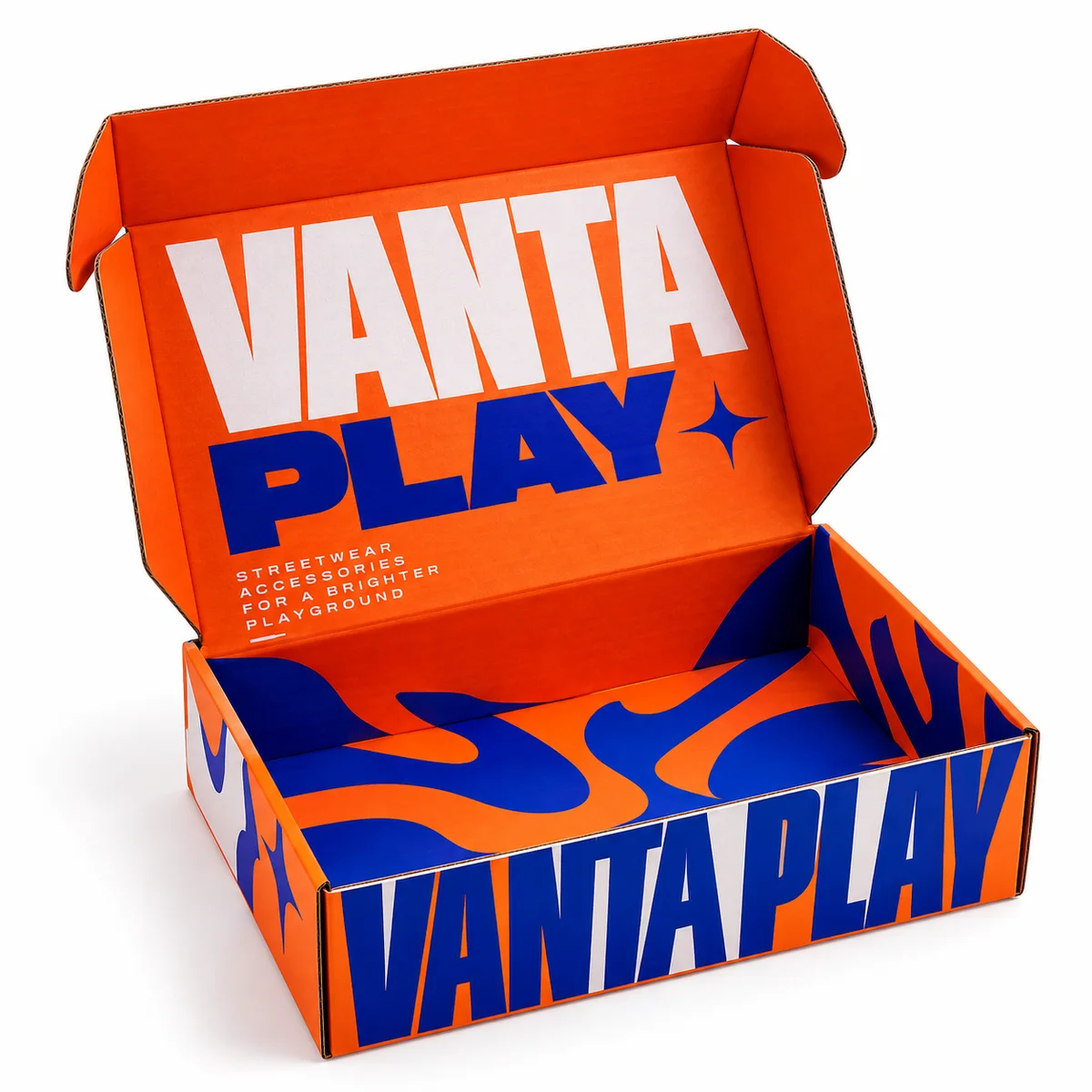
Open-Lid Display Mailer
Open hinged-lid mailer shows folded side flaps, inner print, and a wide raised front wall.
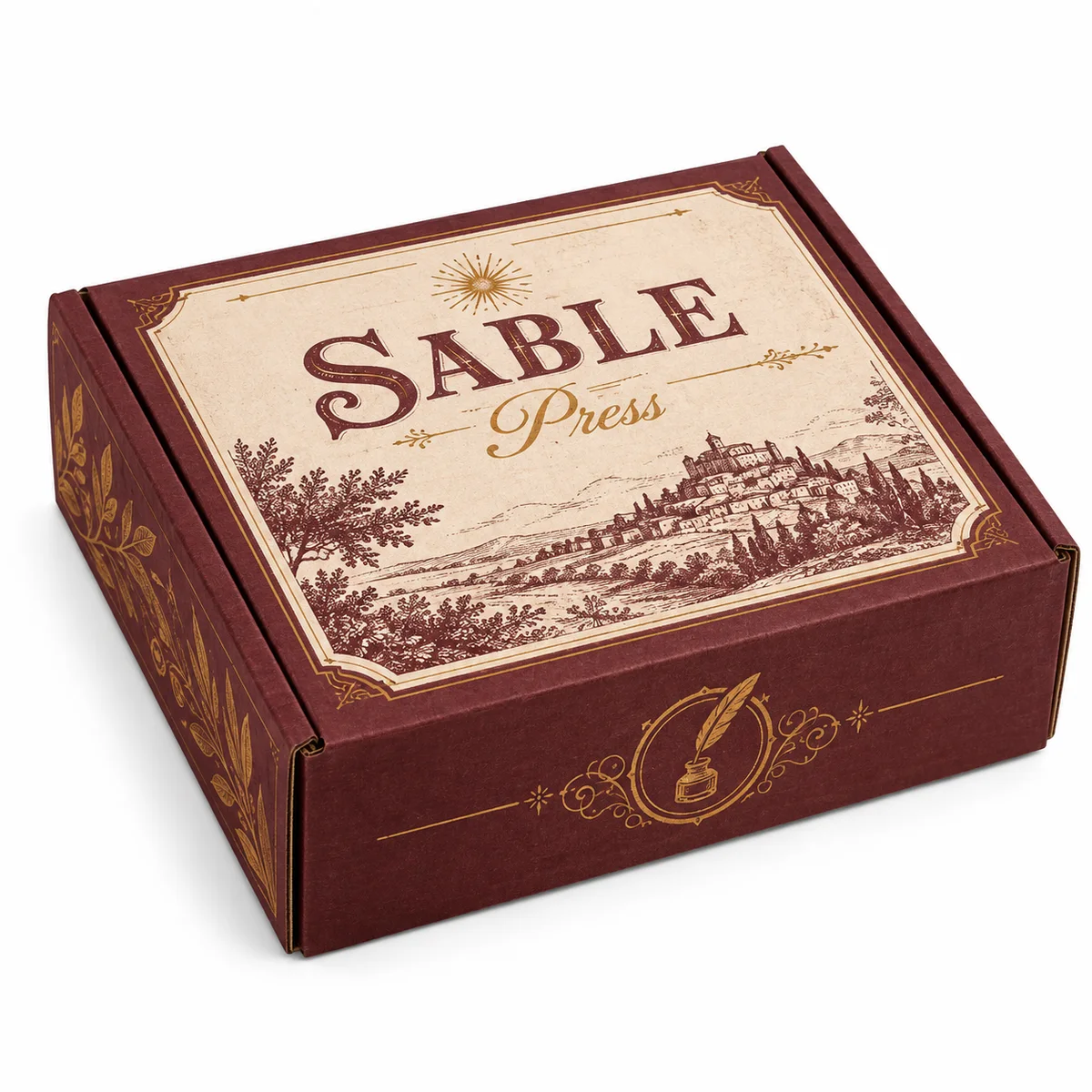
Vintage Wraparound Mailer
Closed corrugated mailer with rolled side edges and vintage print wrapping over its lid.
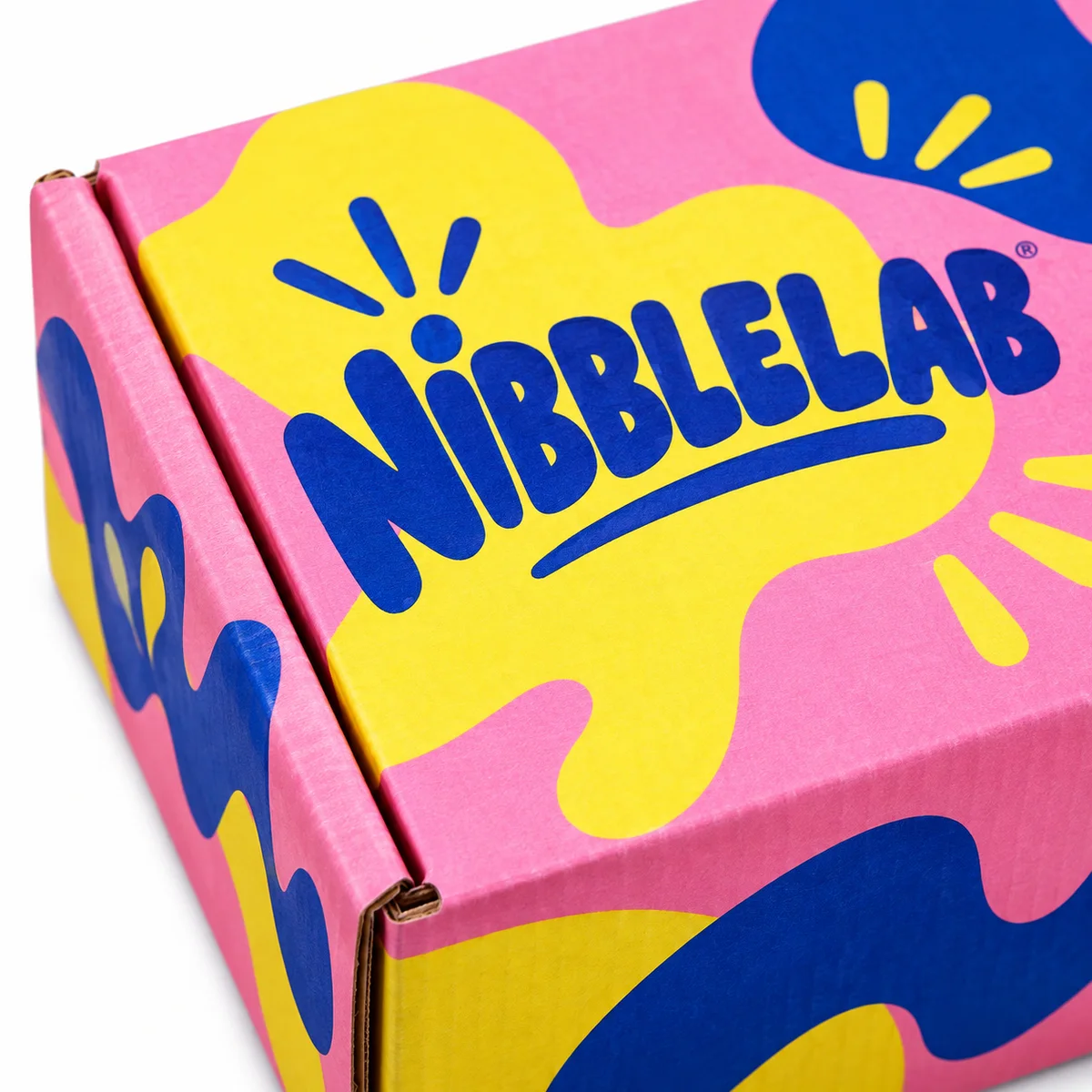
Printed Corner Detail
Close-up of printed mailer corner, showing folded edges and full-color artwork on board.
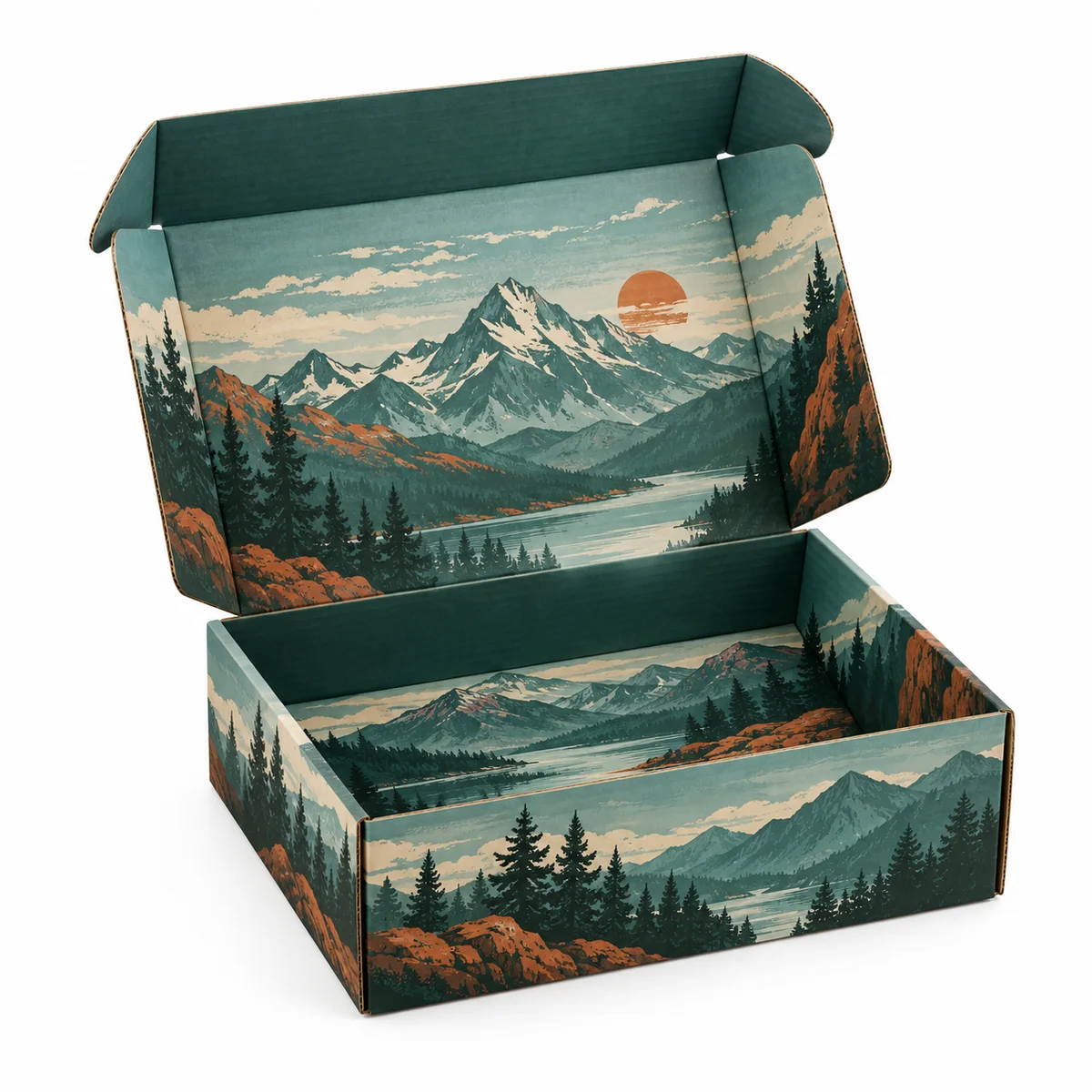
Interior-Printed Unboxing Mailer
Open hinged mailer has printed interior walls, a fold-up tray base, and a lined inner lid.
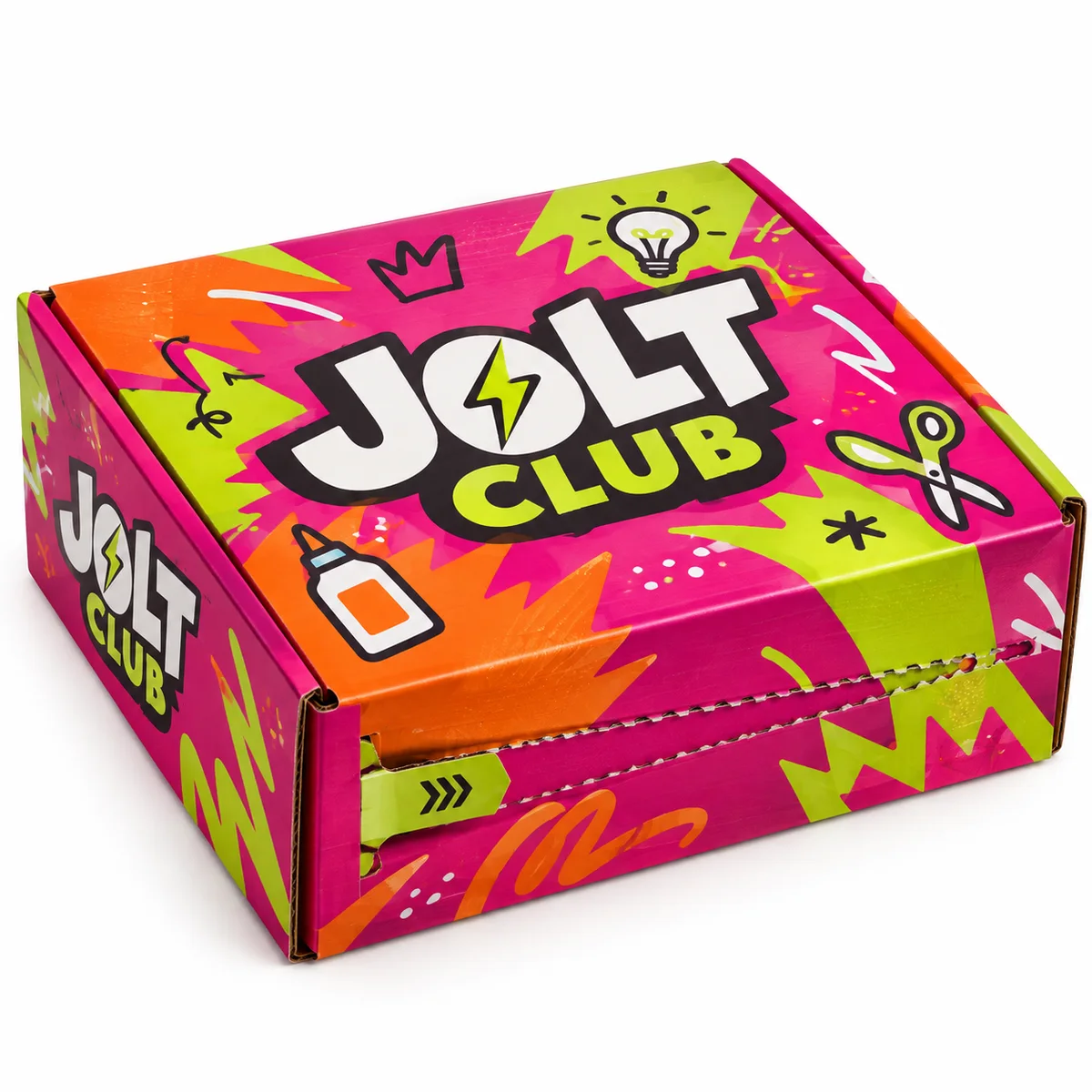
Tear-Strip Closure Mailer
Closed mailer shows a perforated tear strip across the front and folded side flap closures.
Can't find the perfect style?
Create a completely custom box design tailored to your brand.
Designed for Various Industries
We design packaging that fits every industry
From small businesses to global brands, our custom packaging solutions are built to elevate your brand and leave a lasting impression.
Cosmetics & Beauty
Food & Beverages
E-commerce & Retail
Electronics
Apparel & Fashion
Health & Wellness
Pharmaceuticals
Cannabis & CBD
Pet Products
Baby & Kids
Jewelry & Accessories
Home & Lifestyle
Candles & Fragrance
Coffee & Tea
Confectionery
Cosmetics & Beauty
Food & Beverages
E-commerce & Retail
Electronics
Apparel & Fashion
Health & Wellness
Pharmaceuticals
Cannabis & CBD
Pet Products
Baby & Kids
Jewelry & Accessories
Home & Lifestyle
Candles & Fragrance
Coffee & Tea
Confectionery
Supplements
Skincare & Personal Care
Haircare
Automotive
Sports & Fitness
Toys & Games
Stationery & Gifts
Bakery & Desserts
Wine & Spirits
Tobacco & Vape
Medical Devices
Tech Accessories
Subscription Boxes
Organic & Natural
Luxury Retail
Supplements
Skincare & Personal Care
Haircare
Automotive
Sports & Fitness
Toys & Games
Stationery & Gifts
Bakery & Desserts
Wine & Spirits
Tobacco & Vape
Medical Devices
Tech Accessories
Subscription Boxes
Organic & Natural
Luxury Retail
Built for brands
that care about detail.
Premium packaging. Precise printing.
Fast turnaround. No hidden costs.
10K+
Happy Customers
98%
Satisfaction Rate
Trusted by Top Brands
We work with startups to enterprises. Our boxes make an impact.
Free Design Support
Get expert help in creating the perfect packaging for your brand.
Warehouse Across USA
Faster fulfilment with local production and warehouses.
Print & Design Lovers
Crafted with passion, just the way your brand deserves.
Custom Corrugated Mailer Boxes for Efficient Packing and Branded Delivery
A flat corrugated blank takes up little room in storage. On the packing bench, its cut and scored panels become a branded parcel with a real job: hold the product in place through handling and arrive ready to open. That job depends on more than the printed lid. Sidewall folds, board grade, closing method, and the space around the contents all influence the result.
Roll-End Tuck-Front Mailers Made for Busy Packing Benches
A roll-end tuck-front box starts as a die-cut sheet. Staff raise the base, roll the side panels into doubled walls, fold over the hinged lid, and seat the front flap. Locking ears may be added.
This form suits subscription programs because boxes arrive flat and assemble as needed. Packing should be repeatable. A poorly sized front flap may resist closing when an insert sits too high. Check a physical sample, not just artwork on a screen.
For buyers comparing formats across a broader range, Packopie's custom mailer boxes category covers related folding presentations. This page focuses on corrugated mailers intended to carry a packed order.
Corrugated Flute Choices Change the Feel of the Box
The waves between the liner sheets are called flutes. E-flute has a finer profile that supports crisp folds and a smoother surface for print. B-flute has a deeper profile that may give more cushioning and panel stiffness for heavier contents. C-flute is thicker still and may suit selected larger constructions. No flute name alone establishes a safe shipping weight.
Natural kraft offers a brown outer surface with visible paper character. A white-top liner changes the base for fine artwork or light tones. Recycled-content kraft may be available, but any claimed recycled percentage must match the actual board supplied. For projects centered on board structure rather than the mailer format, see custom corrugated boxes.
Choose around packed weight, dimensions, stacking, and finish. A small accessory set and a dense hardcover bundle may share a similar footprint but place very different demands on the bottom panel.
Inside Dimensions Should Follow the Packed Arrangement
Wrapping or dividers increase the space an item needs. Set inside length, width, and depth after laying out items with their protective wrap or inserts. Allow space for the rolled sidewalls and for the lid to close without pressing on the contents.
An insert can keep a product from sliding to one corner, but it must be designed around the item itself. A skincare kit with glass containers may require separation and cushioning beyond the folded box walls. Clothing or stationery packs often need less internal bracing. The most economical configuration is not always the smallest possible footprint; it is the smallest practical parcel that still leaves adequate protection.
Outer measurements deserve attention too. Carriers may use dimensional weight when pricing delivery. Extra empty depth can affect shipping charges without adding value to the customer. Packopie can work from packed product measurements rather than rough outer-box guesses.
Closure Details Need to Survive the Parcel Journey
The front tuck creates a clean opening and closing motion during assembly. Side locks, reinforced front panels, or a designed tear strip can change the unboxing sequence. These are structural changes, not cosmetic ones. A tear strip must be tested so the opening path works without weakening the parts that hold the shipment together.
For parcels moving through normal carrier sorting, the closure and seams should be sealed as required by the chosen service and contents. Tuck flaps alone should not be treated as a universal tape-free shipping promise. Fragile goods also need a packing method that limits movement and absorbs impact.
Brands planning more varied outer transit packs can compare structures within custom shipping boxes. A corrugated mailer earns its place when the fold, pack speed, and customer opening experience suit the order.
Printed Surfaces Turn Delivery Into a Brand Moment
A mailer can carry the brand twice: once on the outside as it reaches the customer, and again under the hinged lid. Outside printing can show a logo, illustration, or color field. Interior artwork can hold a message, pattern, or simple product-use prompt revealed on opening. Both should be planned with the folds visible in the dieline.
A kraft surface changes how pale colors appear; a white-top liner supports a different look. One or two spot colors may suit restrained brown mailer boxes, while CMYK printing allows detailed multicolor artwork. Full-color and colored mailer boxes can use very different design approaches even when their underlying structure is alike.
Keep type away from scores and cut edges. Bleed extends artwork past trim; safe areas protect key details. A digital proof checks placement; a physical sample is useful when print has to meet a closure or continue across an edge. Matte, gloss, or soft-touch finishes and special effects should be confirmed against the selected board and production process.
Corrugated Mailers for Real E-Commerce Assortments
Apparel stores may use a shallow mailer for folded T-shirts, socks, or accessories. Stationery sellers can size the base around a notebook set, with a paper wrap that prevents loose cards from shifting. Subscription businesses often need a repeatable arrangement that keeps multiple items in the same place across each packing run.
Beauty kits deserve closer review when bottles, jars, and small tools share a box. Dividers and cushioning matter more than decorative filler. Electronics accessories may also need protection against movement and static-sensitive handling, depending on the product. A promotional kit can prioritize a printed interior, but the unboxing look must not crowd out secure fit.
The useful question is not which industry name appears on a box. It is how the order is packed, handled, sealed, shipped, and opened.
Wholesale Mailer Pricing Starts With a Measurable Brief
A useful custom quote includes assembled inside dimensions, target quantity, approximate filled weight, preferred flute and liner, printing surfaces, and the closure style. Mention any insert, window, or finish early because these choices can affect the dieline and unit cost. Artwork files and delivery destination help refine the final estimate.
Packopie's quote builder starts at 100 units and models price changes across larger quantities. Its displayed rates are suggested estimates, not fixed production or freight commitments. Larger volumes can reduce the estimated cost per box, while extra print coverage, thicker board, inserts, and rush production can move it in the opposite direction.
A short specification with the real packed arrangement is more valuable than an attractive but undersized box reference. With that information, Packopie can review the structure and turn the planned corrugated mailer into a tailored manufacturing quote.
Frequently Asked Questions
For a mailer shipped as the outer parcel, tape or another suitable seal is recommended. The front flap tucks into the box for assembly, but a shipping seal helps limit accidental opening or tampering during sorting and delivery. Test the chosen seal against the final printed surface.
B-flute may be a better starting point than E-flute for a heavier or fragile set, but flute alone does not protect glass. Add a fitted divider or cushioning insert to keep bottles from hitting each other or the box walls. Confirm the packed weight, board strength, and transit requirements before production.
Rolled sidewalls, overlapping panels, and tuck flaps take up room inside the assembled box. Measure the complete packed arrangement, including protective inserts, rather than relying only on the flat sheet or outer dimensions. A physical sample helps confirm product clearance.
It can. Carriers may calculate shipping charges using dimensional weight, which considers outside length, width, and height. Unused depth adds parcel volume even when the contents are light. A closer fit may reduce filler and shipping costs, depending on the carrier's rate rules.
Use an approved dieline showing the cut lines, fold lines, bleed, and safe artwork areas. Extend background graphics where needed, but keep logos, small text, and barcodes away from folds and cut edges. Review the assembled proof before printing.
Not necessarily. Plain corrugated paperboard is generally easier to recycle, while plastic lamination, attached film, or special coatings can affect acceptance. Confirm the finished material construction and local recycling rules before making a recycling claim.
More Solutions
You May Also Like
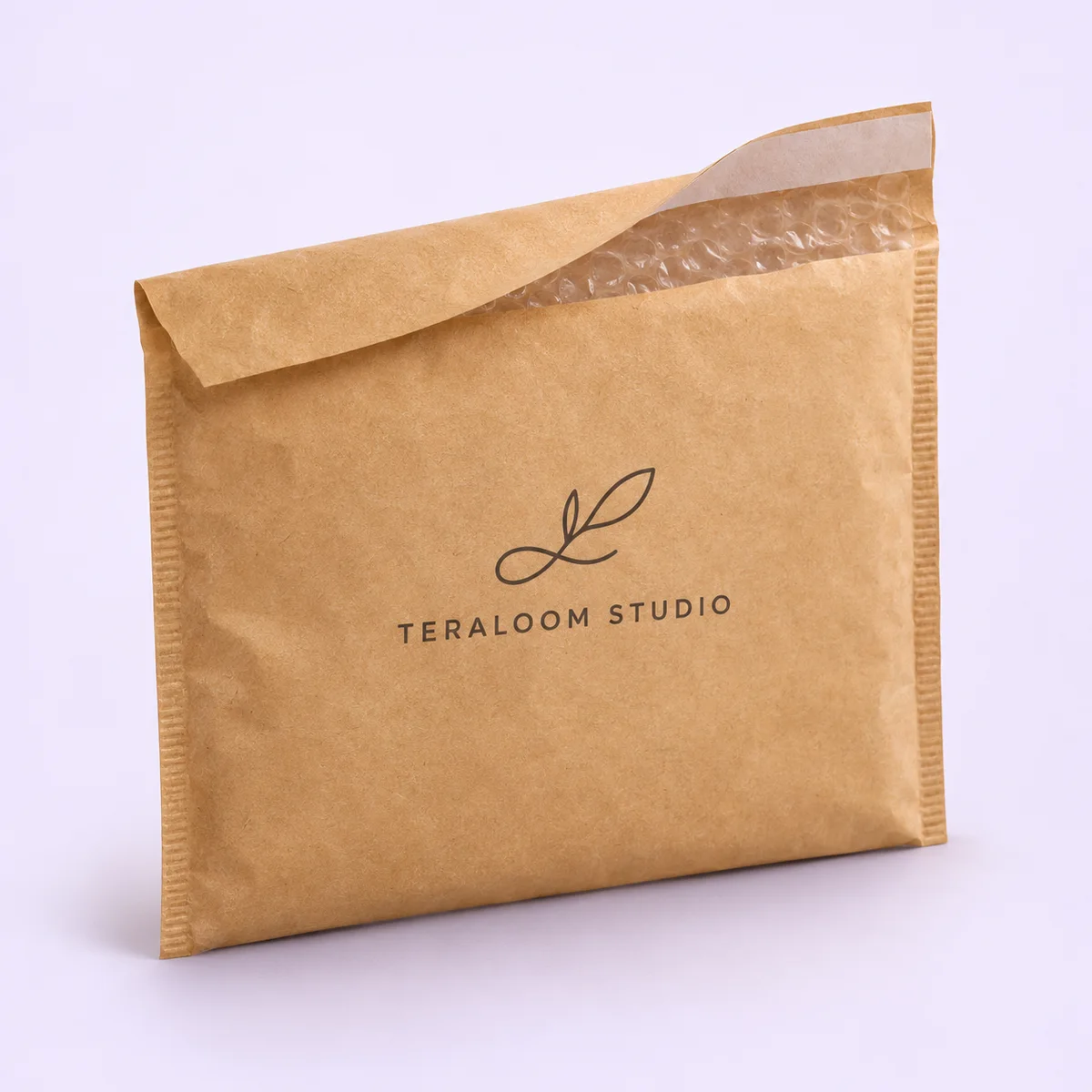
Custom Kraft Paper Bubble Mailers
Reduce empty space around small orders with a made-to-fit kraft paper envelope, inner bubble cushioning, and a peel-and-seal flap ready for your branding.
View product →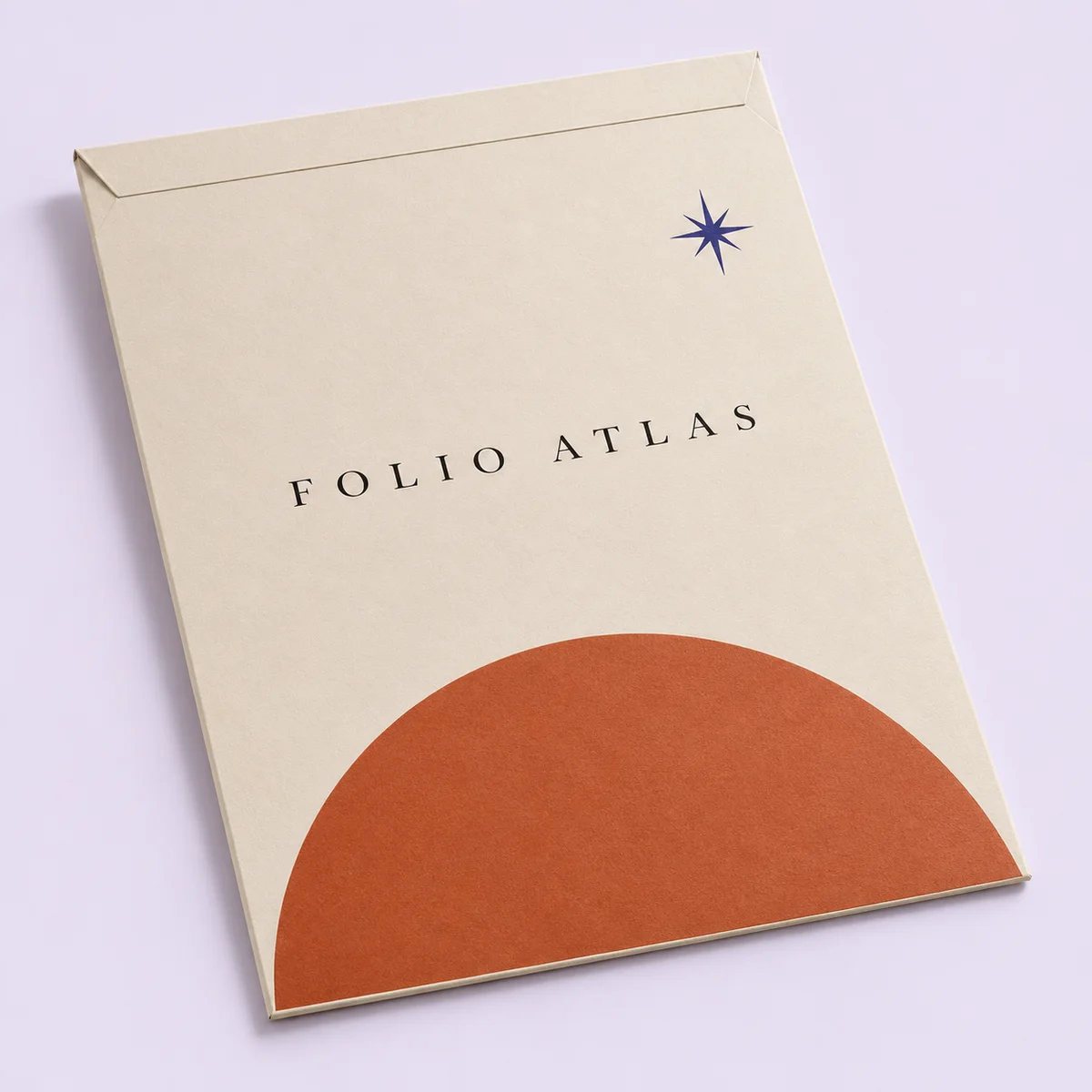
Custom Rigid Mailers
Send art prints, certificates, and photos flat in a snug, bend-resistant paperboard mailer with a clean seal and custom-printed exterior.
View product →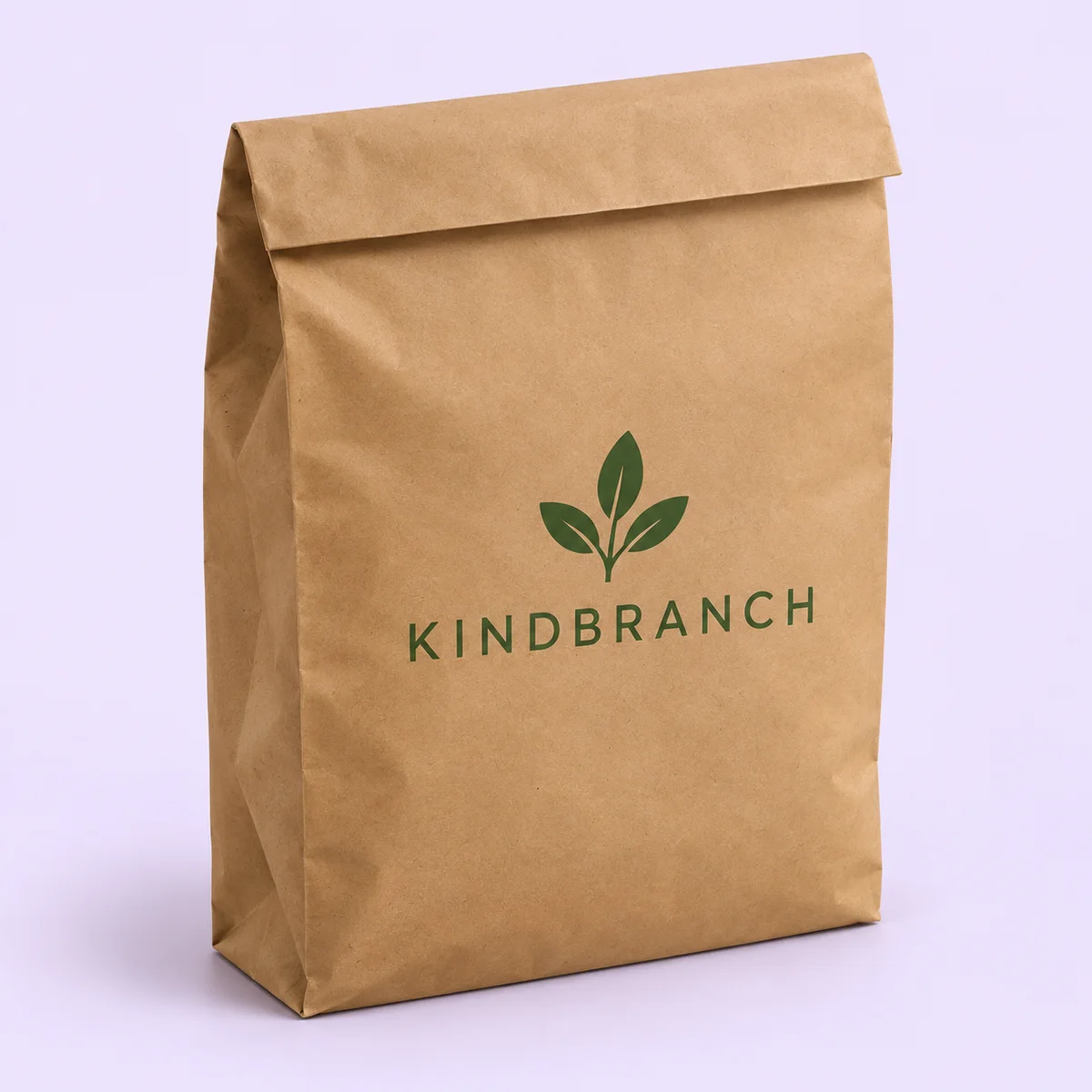
Custom Kraft Mailing Bags
Folded apparel and soft goods need room without a bulky box. Brand the delivery in kraft mailing bags with a fold-over flap and flat or gusseted sides.
View product →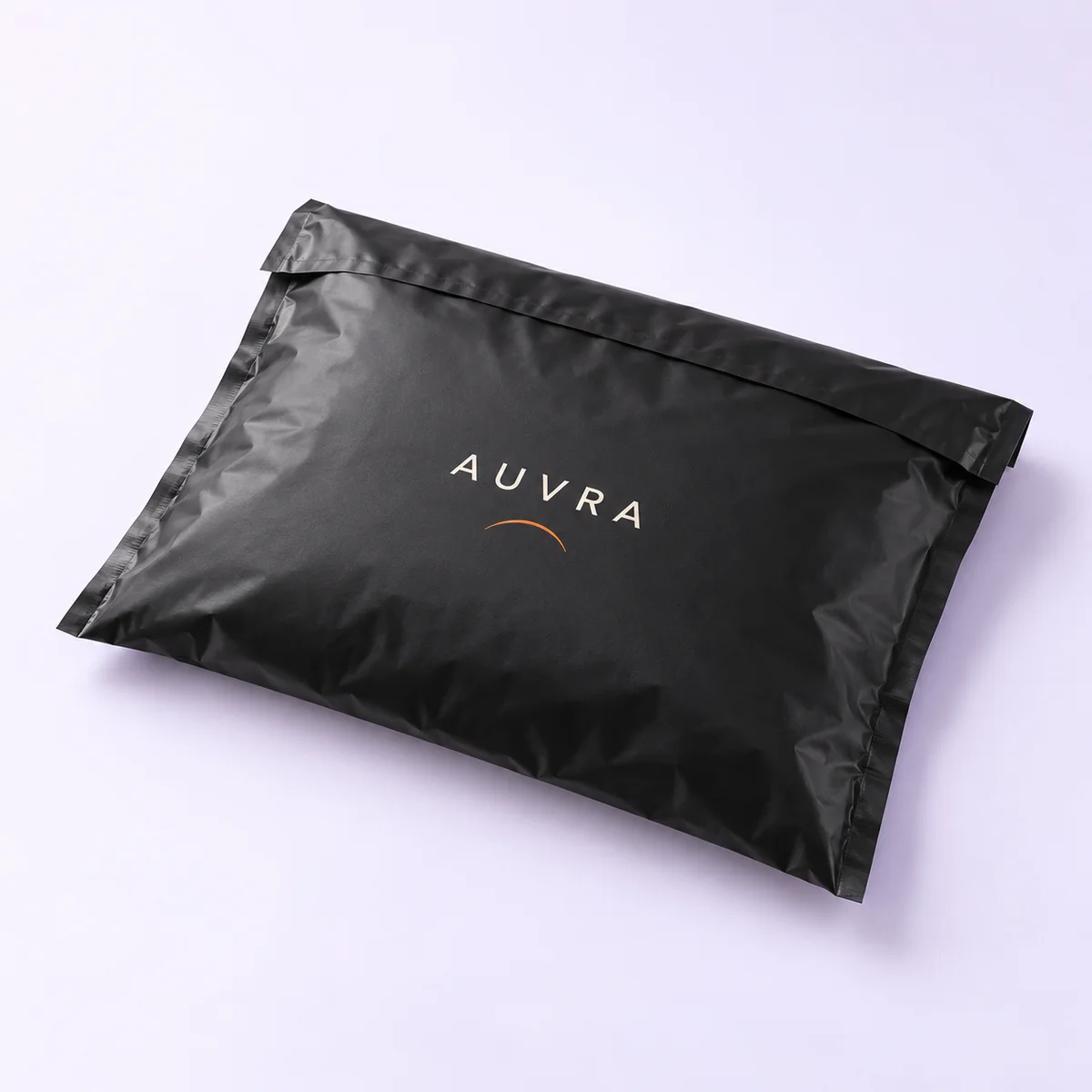
Custom Black Poly Mailers
Opaque black film keeps folded apparel less visible while giving white logos a clear surface. Custom sizes and self-seal details fit your shipping process.
View product →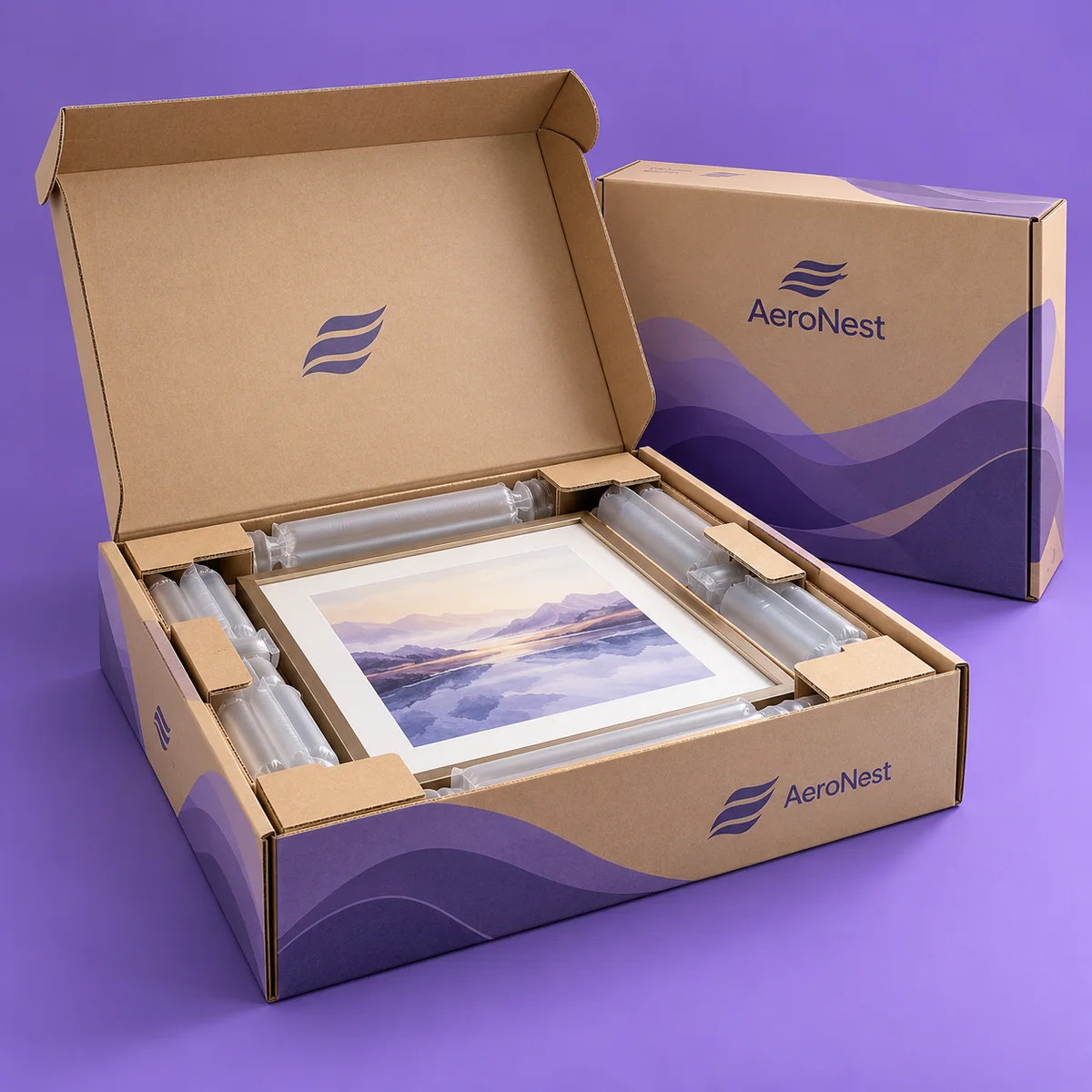
Custom Air Float Boxes
Keep framed prints away from hard box walls with fitted air-column cushioning and a double-wall shipper sized to the artwork's packed dimensions.
View product →Custom Kraft Paper Bubble Mailers
Reduce empty space around small orders with a made-to-fit kraft paper envelope, inner bubble cushioning, and a peel-and-seal flap ready for your branding.
View product →Custom Rigid Mailers
Send art prints, certificates, and photos flat in a snug, bend-resistant paperboard mailer with a clean seal and custom-printed exterior.
View product →Custom Kraft Mailing Bags
Folded apparel and soft goods need room without a bulky box. Brand the delivery in kraft mailing bags with a fold-over flap and flat or gusseted sides.
View product →Custom Black Poly Mailers
Opaque black film keeps folded apparel less visible while giving white logos a clear surface. Custom sizes and self-seal details fit your shipping process.
View product →Custom Air Float Boxes
Keep framed prints away from hard box walls with fitted air-column cushioning and a double-wall shipper sized to the artwork's packed dimensions.
View product →✦ Upgrade Today
Ready to Upgrade Your Brand Packaging?
Get custom templates matching your custom dimensions. Instant 3D digital proof samples returned in hours.