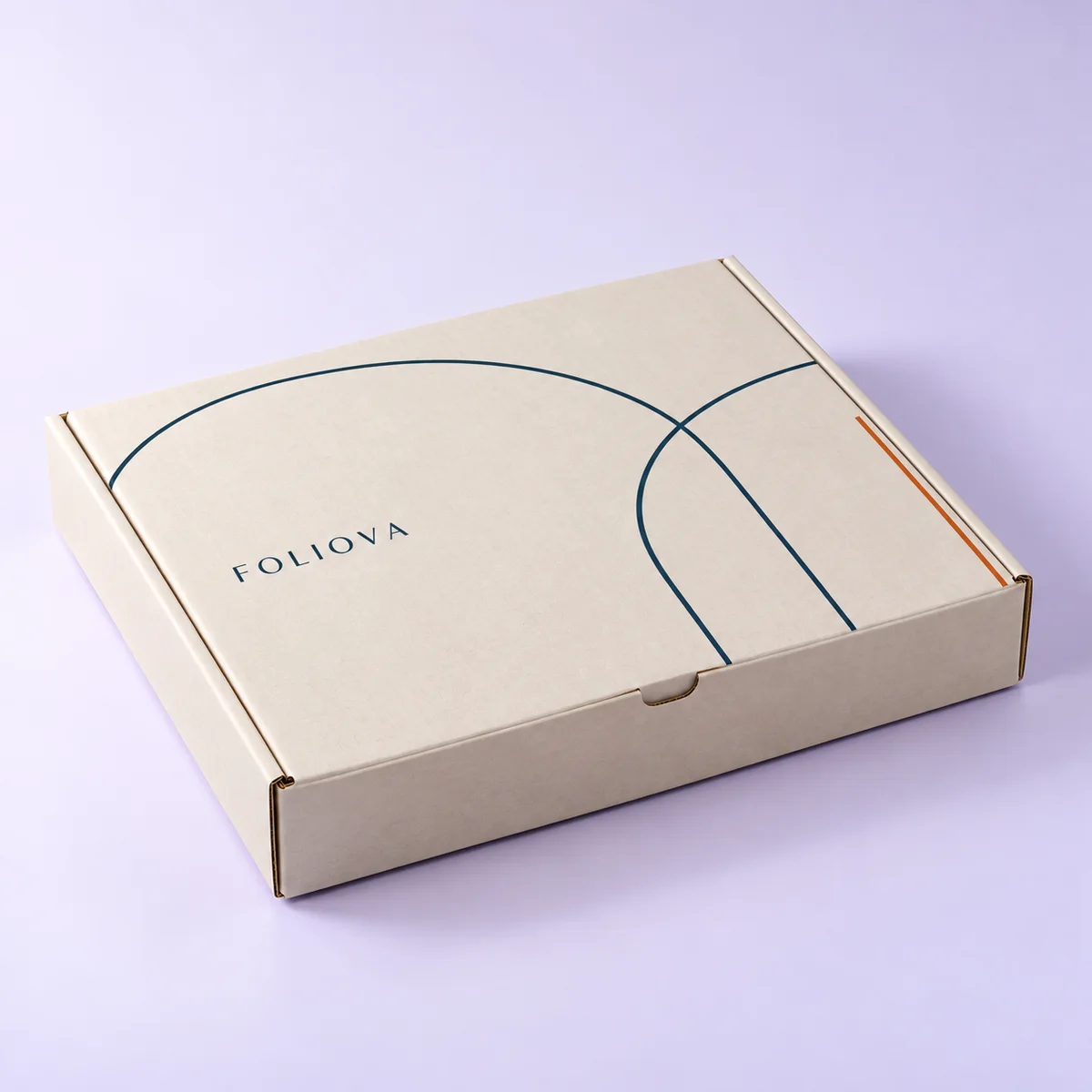
Flat Print Mailers
★★★★★
4.8/5.0Custom Literature Mailer Boxes
Loose catalogs slide; tight boxes can crush corners. Keep brochures, booklets, and print kits in shallow corrugated mailers sized to the finished stack.
Premium Quality
Fully Customizable
Low MOQ
Fast Turnaround
100% Eco-Friendly
Sustainable materials
Free Shipping
On every order
No Die & Plate Charges
Zero hidden costs
100% Satisfaction
Quality guaranteed
Expert Support
We're here to help
Designed for Various Industries
We design packaging that fits every industry
From small businesses to global brands, our custom packaging solutions are built to elevate your brand and leave a lasting impression.
Cosmetics & Beauty
Food & Beverages
E-commerce & Retail
Electronics
Apparel & Fashion
Health & Wellness
Pharmaceuticals
Cannabis & CBD
Pet Products
Baby & Kids
Jewelry & Accessories
Home & Lifestyle
Candles & Fragrance
Coffee & Tea
Confectionery
Cosmetics & Beauty
Food & Beverages
E-commerce & Retail
Electronics
Apparel & Fashion
Health & Wellness
Pharmaceuticals
Cannabis & CBD
Pet Products
Baby & Kids
Jewelry & Accessories
Home & Lifestyle
Candles & Fragrance
Coffee & Tea
Confectionery
Supplements
Skincare & Personal Care
Haircare
Automotive
Sports & Fitness
Toys & Games
Stationery & Gifts
Bakery & Desserts
Wine & Spirits
Tobacco & Vape
Medical Devices
Tech Accessories
Subscription Boxes
Organic & Natural
Luxury Retail
Supplements
Skincare & Personal Care
Haircare
Automotive
Sports & Fitness
Toys & Games
Stationery & Gifts
Bakery & Desserts
Wine & Spirits
Tobacco & Vape
Medical Devices
Tech Accessories
Subscription Boxes
Organic & Natural
Luxury Retail
Built for brands
that care about detail.
Premium packaging. Precise printing.
Fast turnaround. No hidden costs.
10K+
Happy Customers
98%
Satisfaction Rate
Trusted by Top Brands
We work with startups to enterprises. Our boxes make an impact.
Free Design Support
Get expert help in creating the perfect packaging for your brand.
Warehouse Across USA
Faster fulfilment with local production and warehouses.
Print & Design Lovers
Crafted with passion, just the way your brand deserves.
Custom Literature Mailer Boxes Sized for Catalogs and Brochures
An 8.5 × 11-inch catalog keeps the same cover size whether it holds 24 pages or 240. The finished stack does not. Choose by paper size alone and the lid may press on the spine while corners shift. Packopie's Custom Literature Mailer Boxes are made around the packed piece, so the print, closure, and shipping presentation work together.
Literature Mailer Dimensions Matched to the Bound Stack
A catalog's trim size is only the first measurement. Add the spine thickness, extra brochures, reply cards, tissue, and any flat protective sheet before setting the inside length, width, and depth. A thin booklet needs a different clearance from a bound annual report. Too little room can bend the cover; too much leaves the stack free to shift.
For example, a 12 × 9 × 2-inch interior may suit a letter-size piece with room for its binding, but the stated measurements do not guarantee the fit of every 8.5 × 11-inch catalog. The assembled sample must close without pressing on the printed edges. Within Packopie's custom mailer boxes, this shallow format is intended for printed goods that should stay flat rather than fill a deep parcel.
Fold-Over Tuck Closures Made for Fast Packing
A roll-end tuck-front mailer starts as one die-cut corrugated piece. The packer folds the sidewalls, loads the literature, brings the hinged lid forward, and tucks the front flap into place. The one-piece structure can ship flat before assembly.
Not every shipment needs the same front lock. A light stack may work with a regular tuck; a thick catalog may call for stronger side tabs or a reinforced flap. An adhesive strip or tear-open feature can be planned where the dieline allows it. The die-cut layout must be checked before promising any closure. A front tab that stays shut on a desk is not proof that the filled box will survive sorting and delivery. Test the packed weight and the real opening action.
Corrugated Board Chosen for Print Weight and Sharp Corners
E-flute corrugated board has a finer, slimmer profile that suits many lighter literature packs. B-flute has a thicker structure and may be worth considering for heavier books or deeper bundled sets. The better choice comes from load, fit, and handling tests, not from flute names alone.
Natural kraft offers a brown base for simple ink graphics. White liners give a cleaner backdrop to detailed color art. Print quality also depends on the outer liner and production process; a white surface does not promise an exact screen-to-box color match. Buyers comparing custom corrugated boxes for other loads can use these same board questions, though custom corrugated mailer boxes with greater depth may need a different cut pattern. Box strength ratings, including edge crush test values, should be confirmed for the final approved board rather than assumed from appearance.
Brochure Bundles That Open as One Orderly Kit
A sales packet may hold a main catalog, product sheets, a price card, and a small swatch. Those pieces have different widths and may work loose in transit. A paper band can group sheets, while a flat paperboard insert can help support the pile. Raised or sharp-edged samples may need their own restraint so they do not mark a brochure cover.
For a launch campaign, custom mailer boxes with inserts may be useful where separate pieces need organized positions. The selected layout should let the lid close level without forcing a card into a fold. Proof the arrangement with the actual printed materials, not blank paper cut to roughly the same size. A sample can reveal bent corners or slow packing steps before a larger run.
Printed Literature Mailers With Label Space Already Planned
A parcel label is part of the outside design, even when a brand supplies the artwork. Reserve a flat area on the lid large enough for the carrier label, away from seams and tuck edges. Then use the side panels for a repeat pattern, sender identity, or a short campaign line that remains visible after the label is attached.
Exterior logo printing can be a single spot color or a CMYK design with photos and fine graphics. Printing inside the lid gives a media kit a second message when the recipient opens it. Matte or gloss finishes alter the surface appearance, while spot UV or foil accents need artwork and board checks. The approved dieline shows which details cross folds and which can sit on the opening flap. In the wider range of custom shipping boxes, that label-first planning matters too; literature mailers simply have less spare lid area.
Catalog Mailers for Publishers and Campaign Teams
Commercial printers may pack finished brochure runs for distribution. Publishers may send review copies or product catalogs. Agencies may build press kits with an annual report, lookbook, and introduction card. Schools and training teams may need a flat, clearly labeled pack for course materials. Each use has a different loading pattern, even when the mailer looks similar from outside.
That makes warehouse assembly worth testing alongside appearance. Check whether the box folds cleanly from flat, how quickly staff can load the bundle, and whether the final lid needs an extra seal for the chosen carrier service. If the pack includes bulky merchandise rather than mainly printed material, a deeper shipping configuration may be more suitable. Keeping the structure close to the contents can also reduce unnecessary filler, but final delivery cost depends on the packed parcel and carrier rules.
Bulk Custom Literature Mailer Quotes Based on Your Actual Pack
For a useful estimate, start with the exact inside dimensions in inches, total packed weight, planned quantity, and the number of printed designs. Add the preferred kraft or white liner, E-flute or B-flute board, exterior or two-sided printing, and any insert or special closure. A finished artwork file helps; an outline of the intended graphics is enough to begin discussing the dieline.
Packopie's quote configuration starts at 100 boxes, with quantity breaks for larger runs. The numbers shown during planning are suggested estimates, not a final production price. Freight is quoted separately after the destination ZIP code, shipping method, and packed order are known. Production timing follows artwork approval and factory capacity. When these details are gathered in one brief, Packopie can review fit, construction, and print as a single custom literature mailer project instead of guessing at a unit cost from box size alone.
Frequently Asked Questions
Yes, an 8.5 × 11-inch catalog fits within the nominal 12 × 9-inch interior footprint. Check the bound spine, finished thickness, and clearance around the folded sides. A 2-inch depth is a starting point, not a guarantee of fit. Measure the complete stack before approving the dieline.
Keep the stack from moving sideways inside the box. A close-fitting interior, flat paperboard support, or paper band can help hold loose sheets together. For thinner brochures, test a packed sample to see whether the corners reach the folded side walls during handling.
That depends on the loaded weight, box dimensions, and closure design. A thick catalog may need reinforced side flaps, a compatible adhesive seal, or additional securing tape. Test the filled box under expected shipping conditions before confirming the final construction.
Reserve a flat, uninterrupted area on the outside lid. Keep important artwork away from the label area, fold lines, and opening tabs. Carrier labels should remain on one surface without wrapping across the box edges. The inside lid can carry branding that should remain visible after delivery.
Yes, when the complete pack stays level and the lid closes without pressure. Secure small cards with a paper band or insert so they do not slide beneath a heavier catalog. Raised, sharp, or delicate samples may need separate protection. Measure the combined stack, not just the largest printed sheet.
A one-piece corrugated fold-over design can be supplied flat for storage and assembly. Packing staff fold the side panels, load the printed materials, close the lid, and secure the front tuck. Confirm the assembly steps with the approved dieline and sample, especially when adding adhesive or tear-open features.
More Solutions
You May Also Like
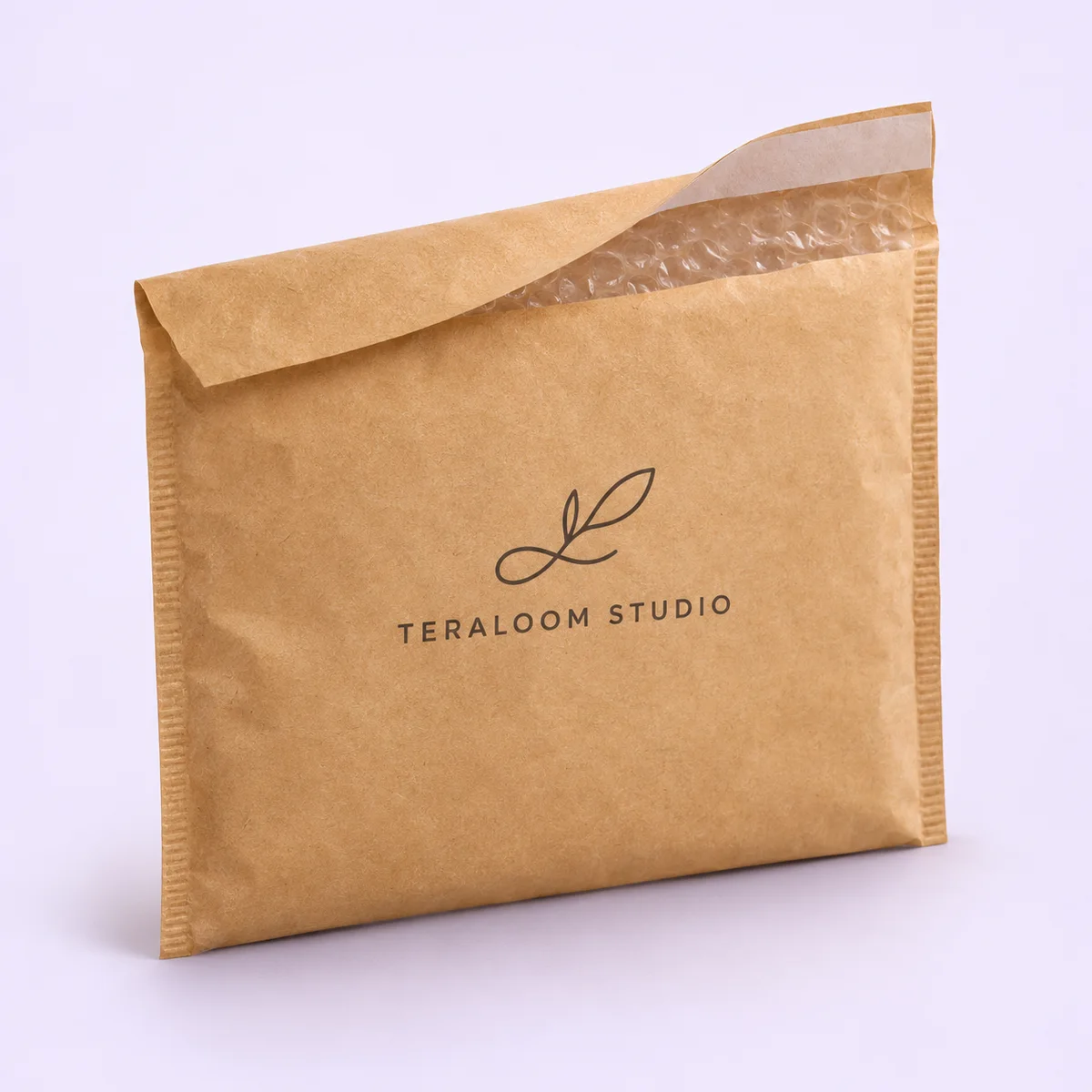
Custom Kraft Paper Bubble Mailers
Reduce empty space around small orders with a made-to-fit kraft paper envelope, inner bubble cushioning, and a peel-and-seal flap ready for your branding.
View product →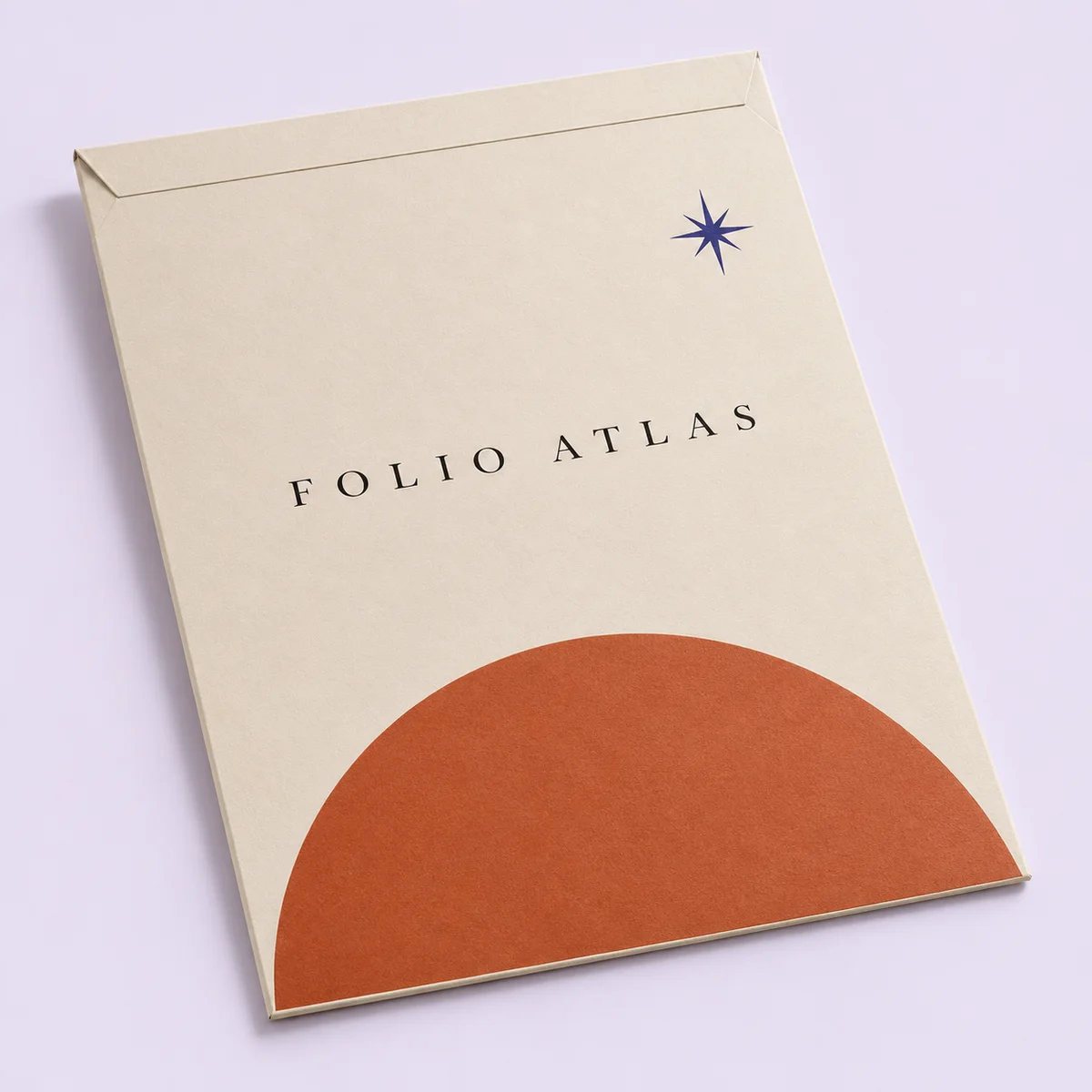
Custom Rigid Mailers
Send art prints, certificates, and photos flat in a snug, bend-resistant paperboard mailer with a clean seal and custom-printed exterior.
View product →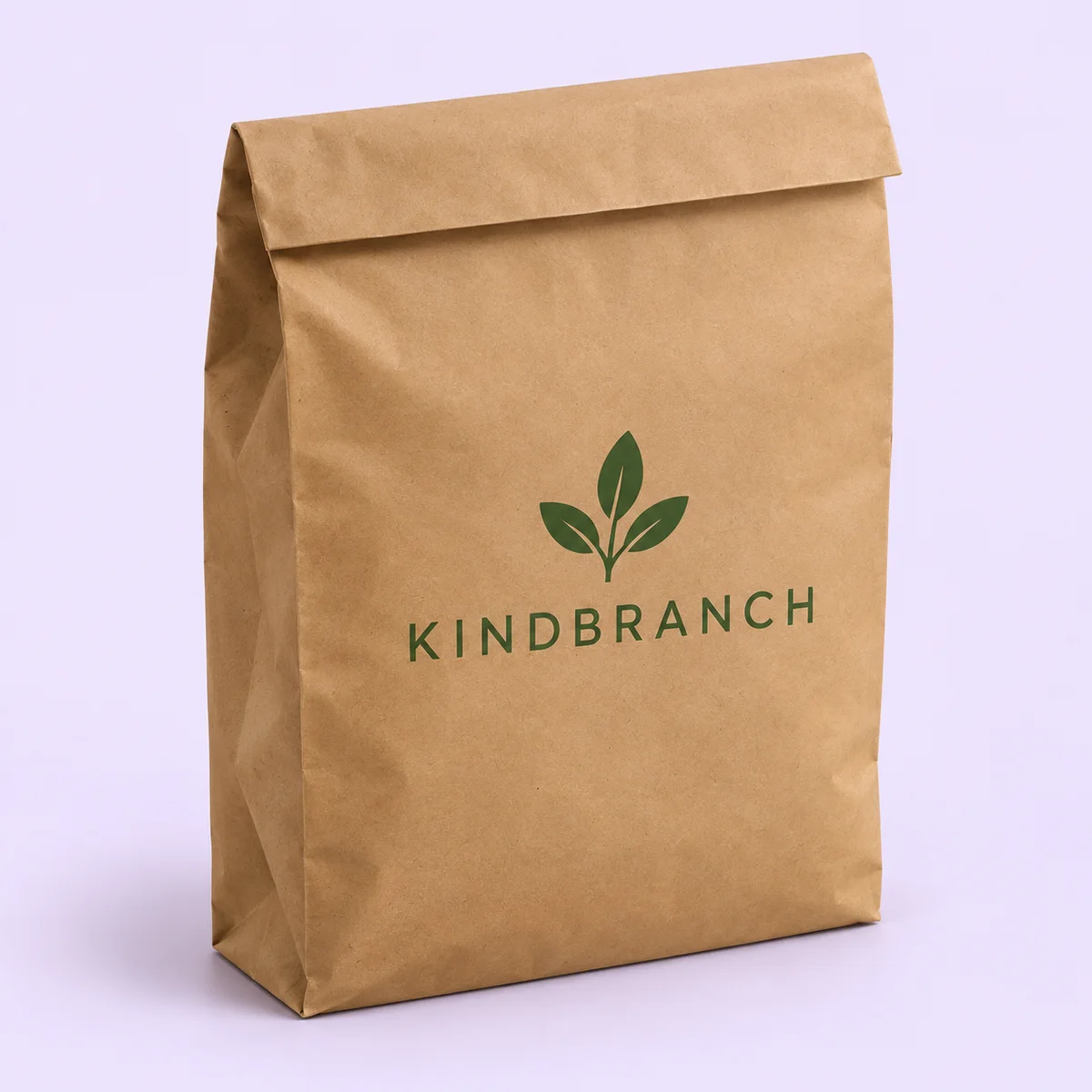
Custom Kraft Mailing Bags
Folded apparel and soft goods need room without a bulky box. Brand the delivery in kraft mailing bags with a fold-over flap and flat or gusseted sides.
View product →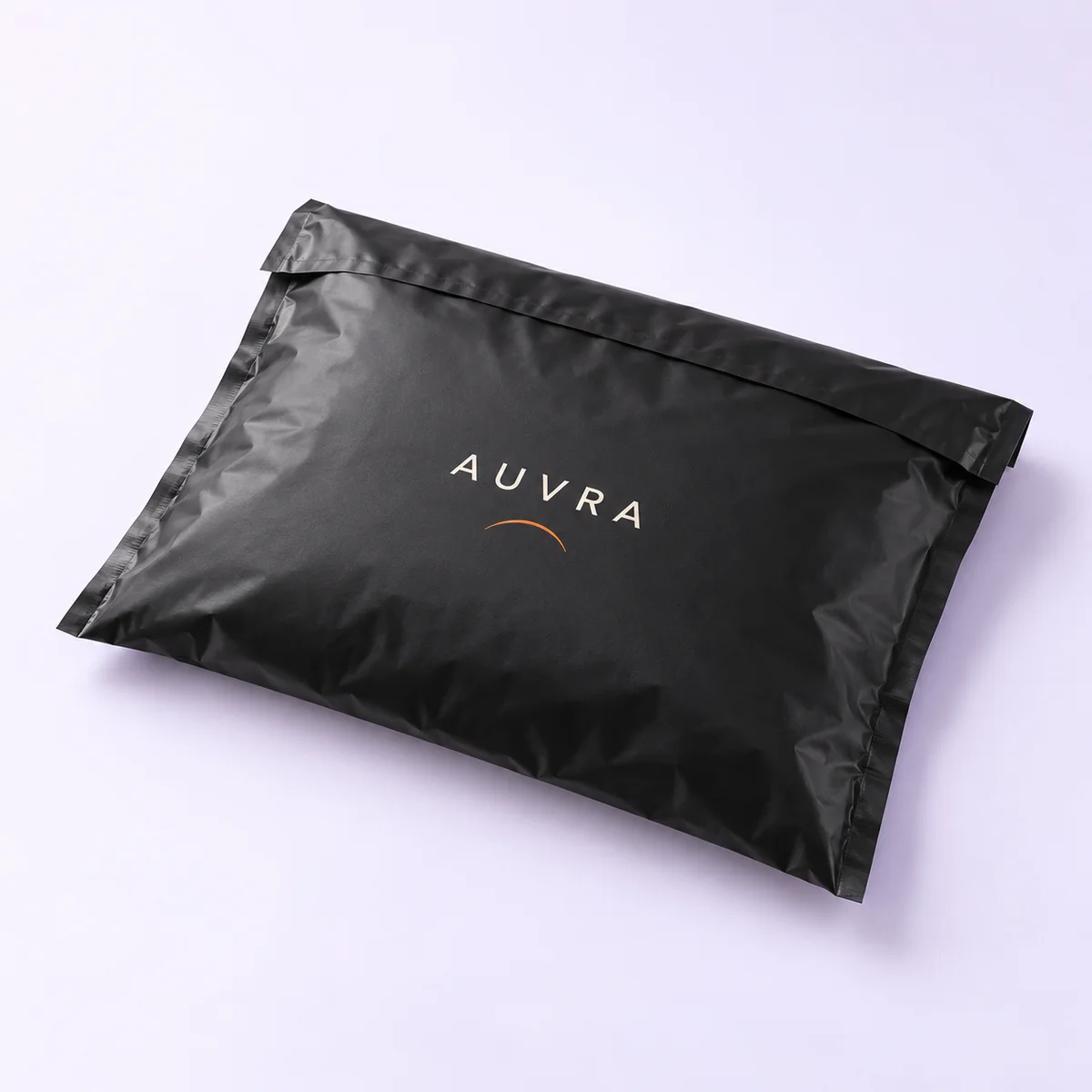
Custom Black Poly Mailers
Opaque black film keeps folded apparel less visible while giving white logos a clear surface. Custom sizes and self-seal details fit your shipping process.
View product →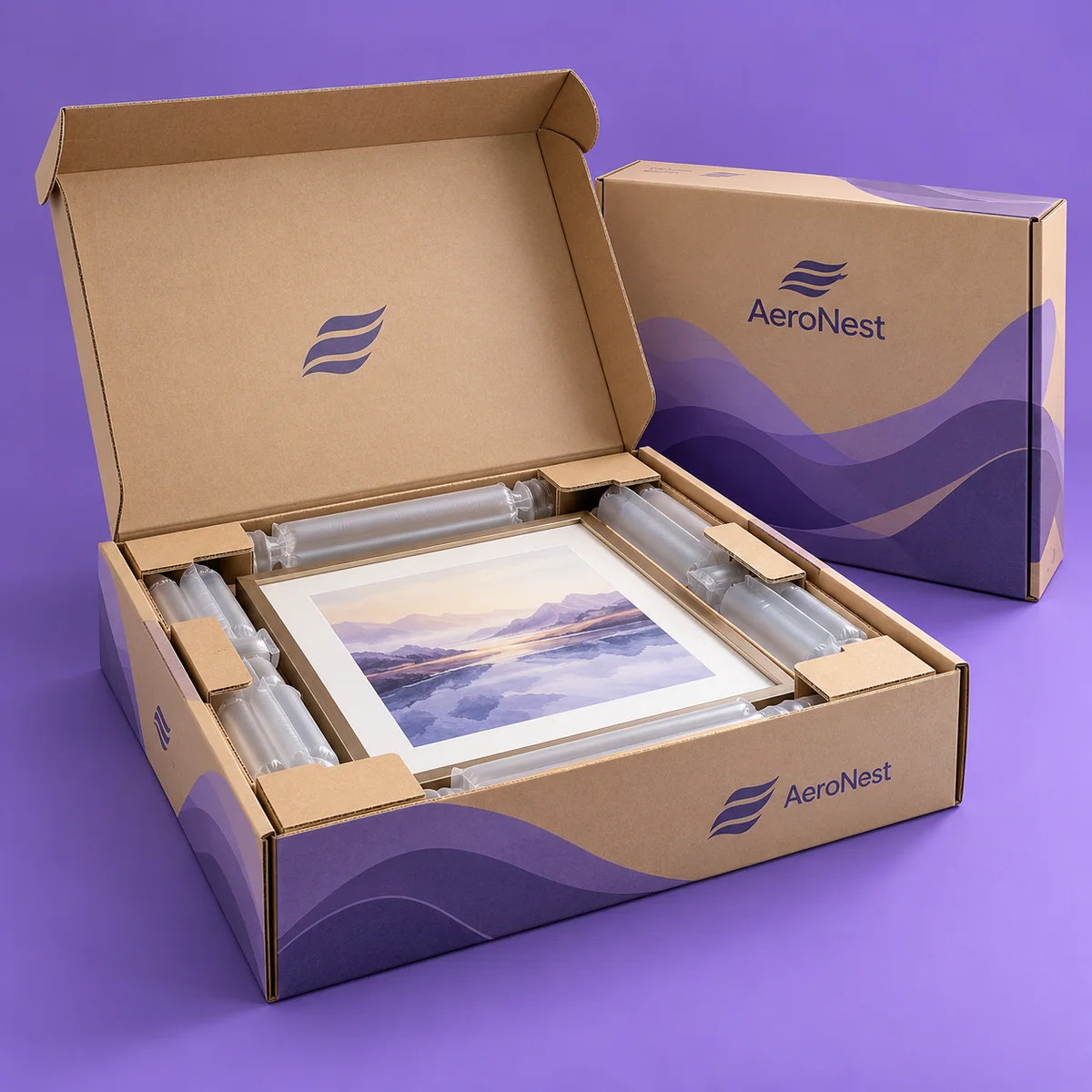
Custom Air Float Boxes
Keep framed prints away from hard box walls with fitted air-column cushioning and a double-wall shipper sized to the artwork's packed dimensions.
View product →Custom Kraft Paper Bubble Mailers
Reduce empty space around small orders with a made-to-fit kraft paper envelope, inner bubble cushioning, and a peel-and-seal flap ready for your branding.
View product →Custom Rigid Mailers
Send art prints, certificates, and photos flat in a snug, bend-resistant paperboard mailer with a clean seal and custom-printed exterior.
View product →Custom Kraft Mailing Bags
Folded apparel and soft goods need room without a bulky box. Brand the delivery in kraft mailing bags with a fold-over flap and flat or gusseted sides.
View product →Custom Black Poly Mailers
Opaque black film keeps folded apparel less visible while giving white logos a clear surface. Custom sizes and self-seal details fit your shipping process.
View product →Custom Air Float Boxes
Keep framed prints away from hard box walls with fitted air-column cushioning and a double-wall shipper sized to the artwork's packed dimensions.
View product →✦ Upgrade Today
Ready to Upgrade Your Brand Packaging?
Get custom templates matching your custom dimensions. Instant 3D digital proof samples returned in hours.